8 Garden Designs Arizona Experts Believe Could Replace Lawns By 2040
Arizona experts are talking about a future without traditional lawns, and these 8 garden designs are leading the conversation.
Each one offers a way to create beautiful outdoor space that uses less water, stays cooler, and fits the desert lifestyle with style.
What I love most is how these ideas mix practicality with personality, turning yards into places people actually enjoy instead of chores they have to manage.
From drought-smart plantings to creative groundcovers, these designs show that grass isn’t the only way to make a yard feel complete.
1. Desert Wildflower Meadows
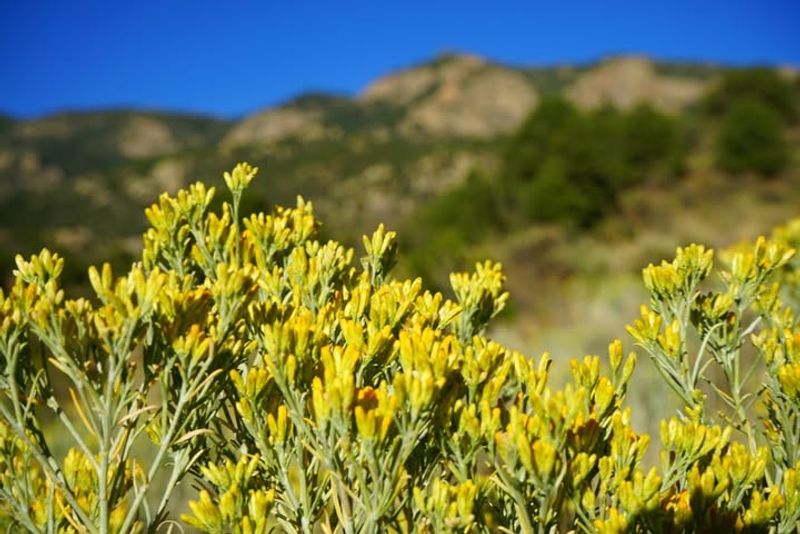
Colorful native blooms transform boring yards into living rainbows that shift with seasons, bringing joy and pollinators right to your Arizona doorstep every day.
Wildflower meadows require far less water than grass lawns, making them perfect for homeowners who want beauty without the guilt of wasting precious resources.
Species like desert marigold, Mexican gold poppy, and lupine create stunning displays that attract butterflies, bees, and hummingbirds to your outdoor space naturally.
Once established, these meadows need minimal care compared to traditional turf, freeing you from endless mowing, edging, and fertilizing chores that consume weekends completely.
Arizona gardeners can plant wildflower seeds in fall, allowing winter rains to nurture growth before spring explosions of color brighten neighborhoods and lift spirits.
Many experts recommend mixing annual and perennial species to ensure blooms appear throughout the year, creating visual interest that never gets boring or predictable.
These meadows also support local ecosystems by providing food and habitat for native creatures, making your yard a vital part of the desert environment.
Imagine walking outside each morning to discover new blooms opening, their petals dancing in the breeze, reminding you why desert living feels magical.
2. Gravel Gardens with Succulents
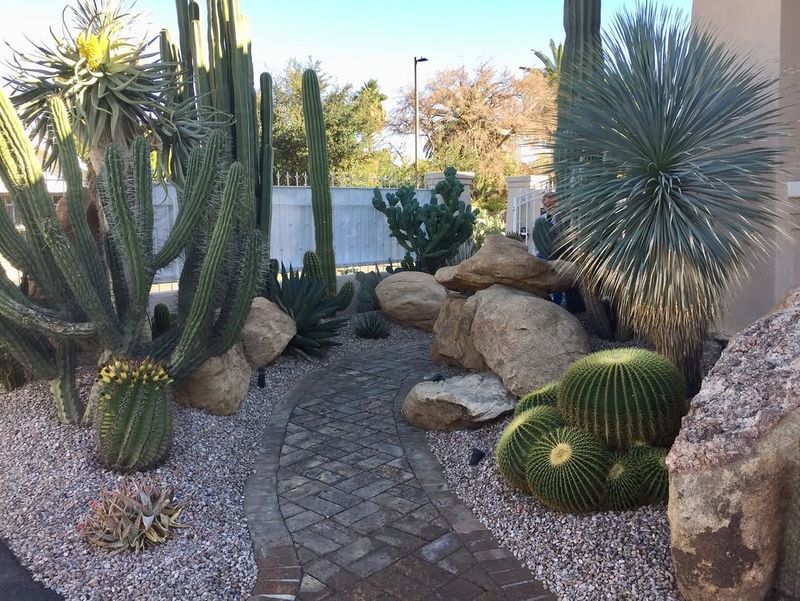
Gravel gardens offer a sleek, modern aesthetic that works beautifully in Arizona, combining textures and colors in ways that grass simply cannot match today.
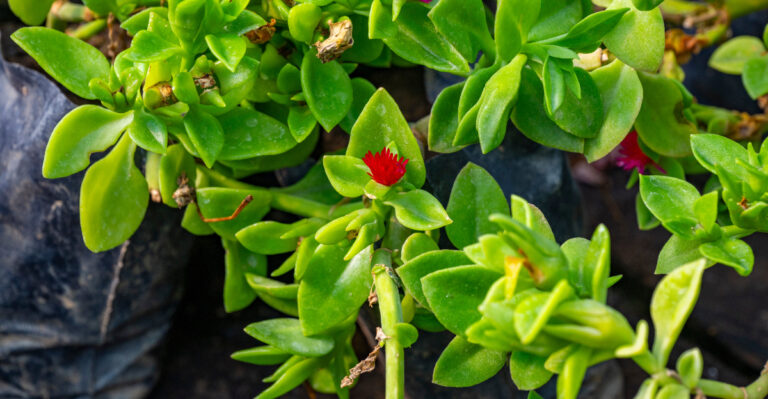
Succulents like agave, aloe, and sedum thrive in rocky settings, storing water in their leaves so they survive scorching summers without constant irrigation.
Homeowners can arrange different sizes and colors of gravel to create patterns, pathways, and borders that add artistic flair to outdoor spaces effortlessly and affordably.
These gardens stay attractive year-round, never turning brown or patchy like lawns do during extreme heat waves that regularly sweep across the state.
Maintenance involves occasional weeding and raking, but nothing compared to the weekly mowing, watering, and feeding that traditional grass demands from busy families constantly.
Experts in Arizona suggest using landscape fabric beneath gravel to suppress weeds, reducing maintenance even further while keeping the garden looking pristine and polished.
Accent lighting can highlight sculptural succulents at night, transforming your yard into an evening showcase that impresses neighbors and creates welcoming outdoor gathering spaces.
Plus, gravel gardens withstand foot traffic better than grass, making them practical for families with kids and pets who love playing outside every single day.
3. Xeriscaped Rock Gardens
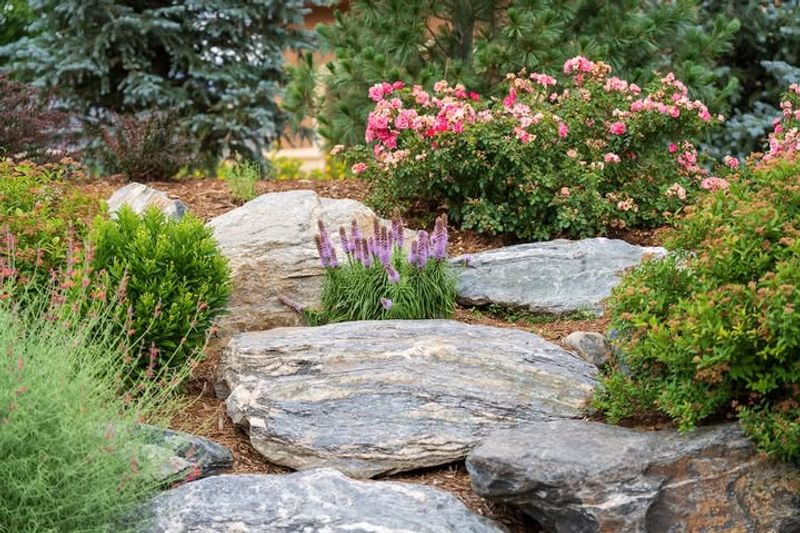
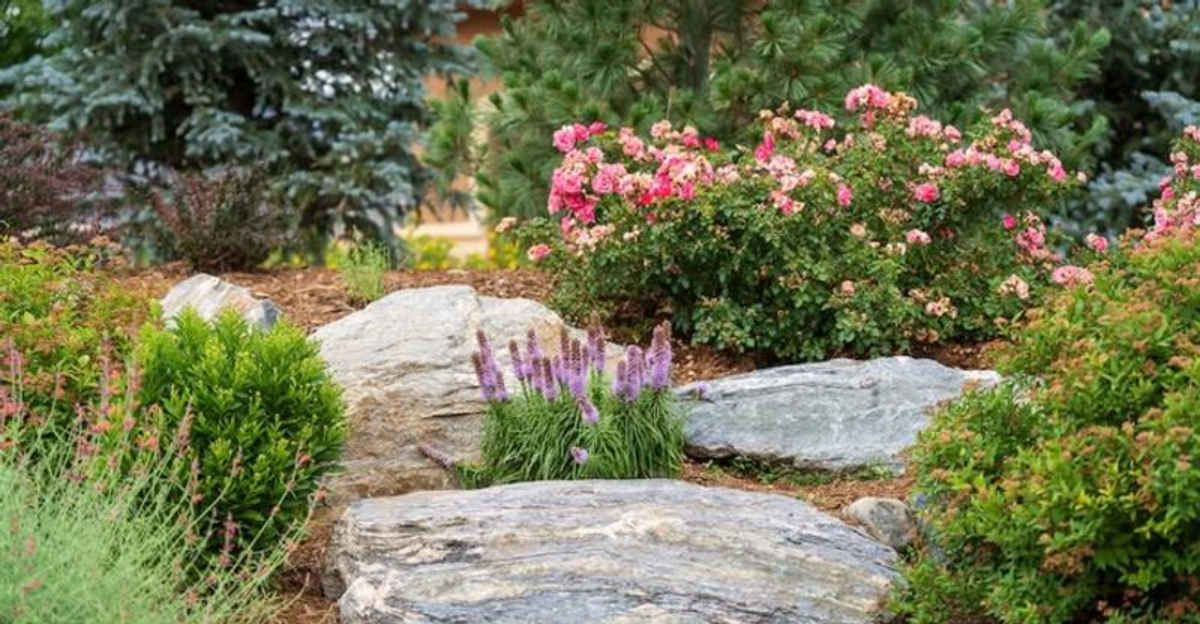
Rock gardens celebrate the natural beauty of Arizona’s geology, incorporating boulders and stones that echo the surrounding desert landscape in stunning and harmonious ways.
Your Arizona Garden Changes Every Week. Your Plan Should Too.
Gardening in Arizona changes quickly throughout the season. Every Friday you’ll receive a simple weekly plan showing exactly what to plant, prune, fertilize, harvest, and protect so you never miss the right timing.
Xeriscaping principles guide these designs, focusing on water conservation through smart plant choices and strategic placement that maximizes shade and minimizes evaporation rates significantly.
Native plants like penstemon, desert marigold, and fairy duster nestle between rocks, creating pockets of color that soften hard surfaces without demanding excessive moisture.
These gardens work with the land rather than against it, embracing the desert’s character instead of trying to force a green carpet unsuited to the climate.
Arizona experts recommend choosing rocks of varying sizes and colors to add depth and visual interest, making the garden feel like a natural extension of the environment.
Pathways winding through rock gardens invite exploration, turning your yard into a peaceful retreat where you can unwind after long days at work or school.
Maintenance is minimal once established, requiring only occasional pruning and debris removal, which means more time enjoying your outdoor space and less time laboring over it.
Rock gardens also help prevent erosion during monsoon season, protecting your property while creating a landscape that feels authentic and rooted in place beautifully.
4. Native Grass Alternatives
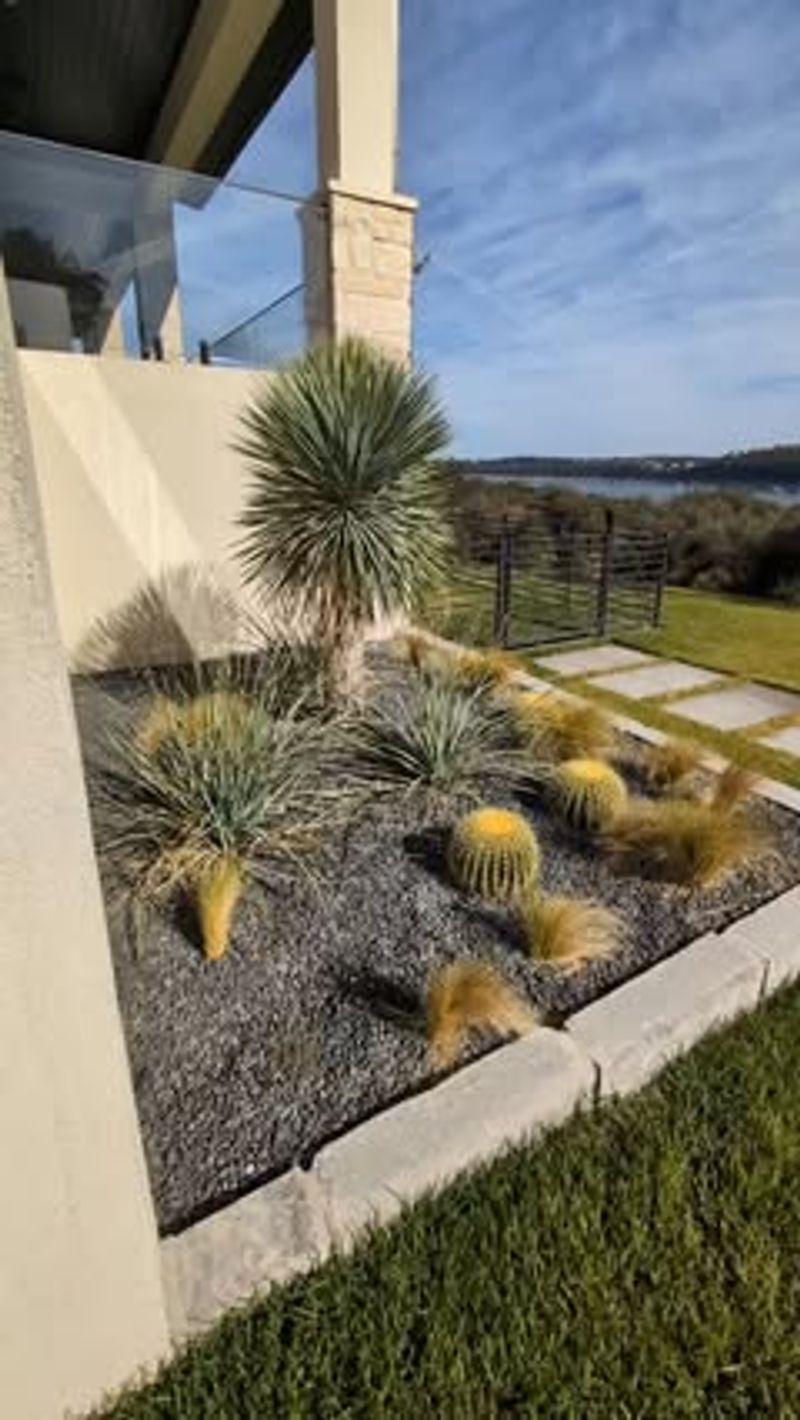
Native grasses offer a softer, more organic look than rock or gravel while still conserving water and thriving in Arizona’s challenging climate conditions effortlessly.
Species like deer grass, blue grama, and big muhly create flowing textures that sway gracefully in breezes, adding movement and life to yards naturally.
Unlike traditional turf, these grasses don’t require mowing, and their deep root systems help them survive droughts that would devastate conventional lawns completely.
Many native grasses turn beautiful shades of gold, bronze, or burgundy in fall, providing seasonal interest that keeps your landscape looking fresh and dynamic always.
Arizona gardeners appreciate how these grasses attract birds and beneficial insects, creating a lively ecosystem right outside their windows that feels vibrant and alive.
Planting native grasses in clusters or sweeps creates a naturalistic look that mimics the open desert, making your yard feel spacious and connected to surroundings.
Experts suggest pairing native grasses with flowering perennials to create layered plantings that offer color, texture, and height variation throughout the growing season continuously.
These grasses also tolerate foot traffic reasonably well, making them practical for families who want a softer surface without the water waste of traditional sod.
5. Edible Desert Gardens
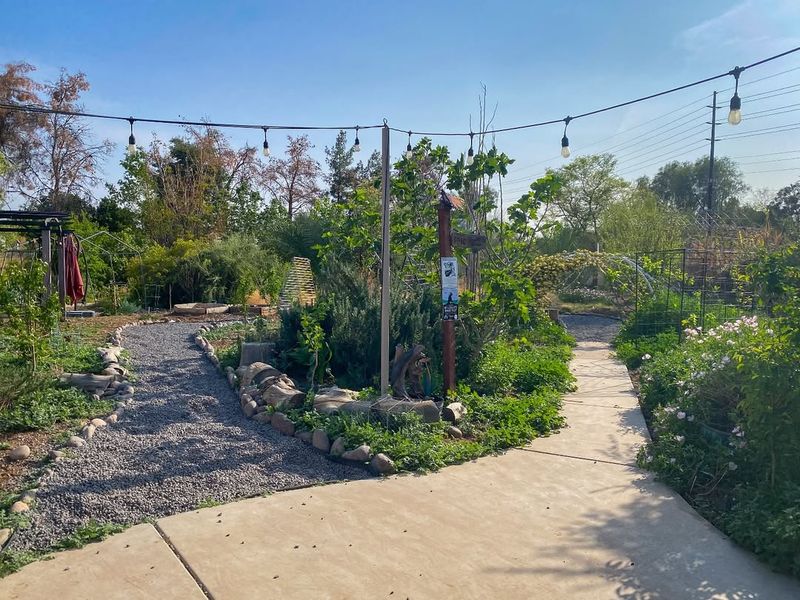
Growing your own food in place of grass transforms yards into productive spaces that nourish families while reducing grocery bills and environmental impact significantly.
Fruit trees like pomegranate, fig, and citrus thrive in Arizona’s climate, providing shade, beauty, and delicious harvests that make your landscape truly functional.
Raised beds filled with vegetables and herbs can replace lawn areas, turning unused space into a source of fresh produce that tastes better than anything found in stores.
Experts in Arizona recommend choosing drought-tolerant edibles like peppers, tomatoes, and Mediterranean herbs that flourish in heat without excessive watering or complicated care routines.
Edible gardens teach children where food comes from, creating valuable learning opportunities and memories that last far longer than any manicured grass ever could.
Companion planting strategies help control pests naturally, reducing the need for chemicals while creating diverse ecosystems that support beneficial insects and birds visiting regularly.
Mulching around plants conserves moisture and keeps soil cool, making it easier to grow food even during Arizona’s intense summer months when temperatures soar high.
Imagine stepping outside to pick fresh basil for dinner or plucking ripe tomatoes still warm from the sun, enjoying flavors that store-bought produce simply cannot match.
6. Decomposed Granite Courtyards
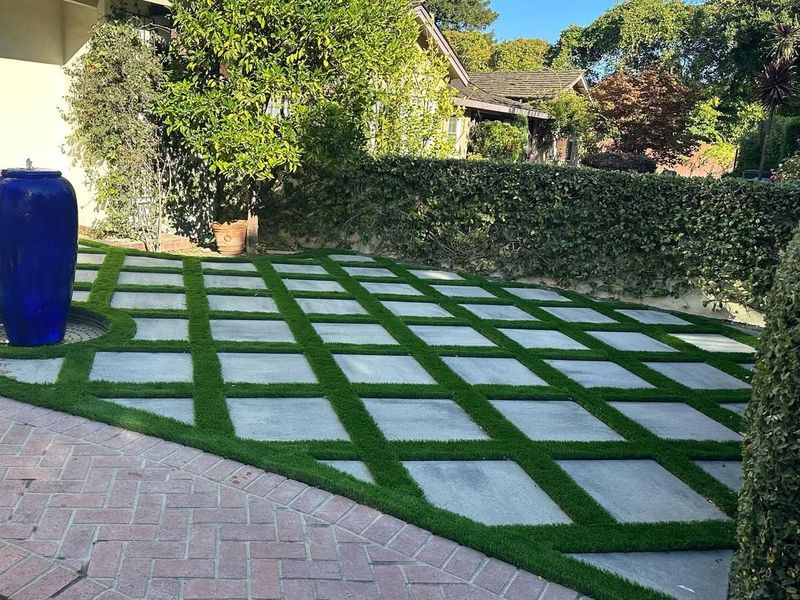
Decomposed granite creates firm, permeable surfaces that work beautifully for outdoor living spaces, patios, and pathways that feel natural yet polished in Arizona settings.
This material compacts well underfoot, making it comfortable for walking, playing, and placing furniture, unlike loose gravel that shifts and scatters everywhere constantly and annoyingly.
Available in warm earth tones like tan, gold, and reddish-brown, decomposed granite complements desert architecture and blends seamlessly with the surrounding natural landscape effortlessly.
Arizona homeowners love how permeable surfaces allow rainwater to soak into the ground rather than running off, helping recharge aquifers and prevent erosion during storms.
Container gardens placed throughout decomposed granite courtyards add pops of color and greenery without the water demands of in-ground lawns or traditional planted beds.
Experts suggest edging decomposed granite areas with steel or stone borders to keep the material contained and maintain clean lines that look intentional and well designed.
These courtyards become true outdoor rooms where families gather for meals, conversations, and relaxation, extending living space beyond the walls of the house beautifully.
Maintenance involves occasional raking and adding fresh material every few years, but the effort is minimal compared to the endless demands of maintaining grass lawns.
7. Pollinator Habitat Gardens
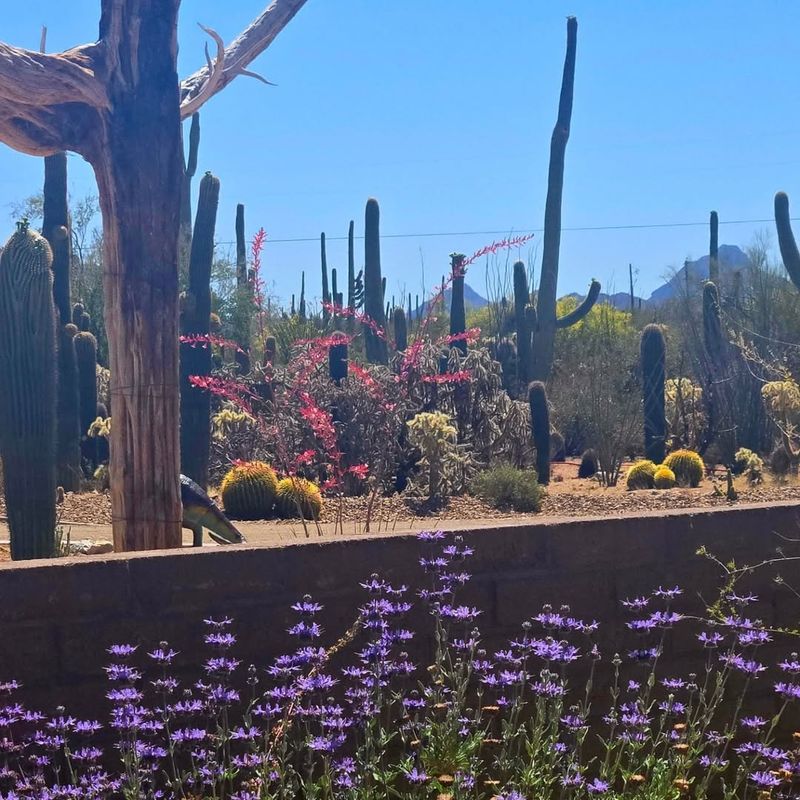
Creating habitat for pollinators turns yards into vital refuges for butterflies, bees, and hummingbirds that struggle as natural desert areas disappear under development pressures.
Native flowering plants like penstemon, salvia, and desert zinnia provide nectar and pollen that sustain pollinator populations essential for healthy ecosystems throughout Arizona communities.
These gardens burst with color and activity, offering entertainment and education as you watch creatures go about their lives, pollinating flowers and supporting biodiversity naturally.
Experts recommend planting in drifts of the same species to make it easier for pollinators to find food, creating efficient foraging routes through your landscape.
Arizona gardeners can include host plants like milkweed for monarch butterflies, giving these iconic insects places to lay eggs and caterpillars food to eat safely.
Pollinator gardens require less water than lawns and often need less maintenance once established, making them practical choices for busy homeowners seeking beautiful, purposeful landscapes.
Avoiding pesticides is crucial in pollinator gardens, protecting beneficial insects while allowing natural predator-prey relationships to control pests without chemical interventions that harm ecosystems.
Watching butterflies flutter among blooms or hummingbirds hover at flowers brings joy and connection to nature that sterile grass lawns simply cannot provide to families.
8. Shaded Desert Oasis Gardens
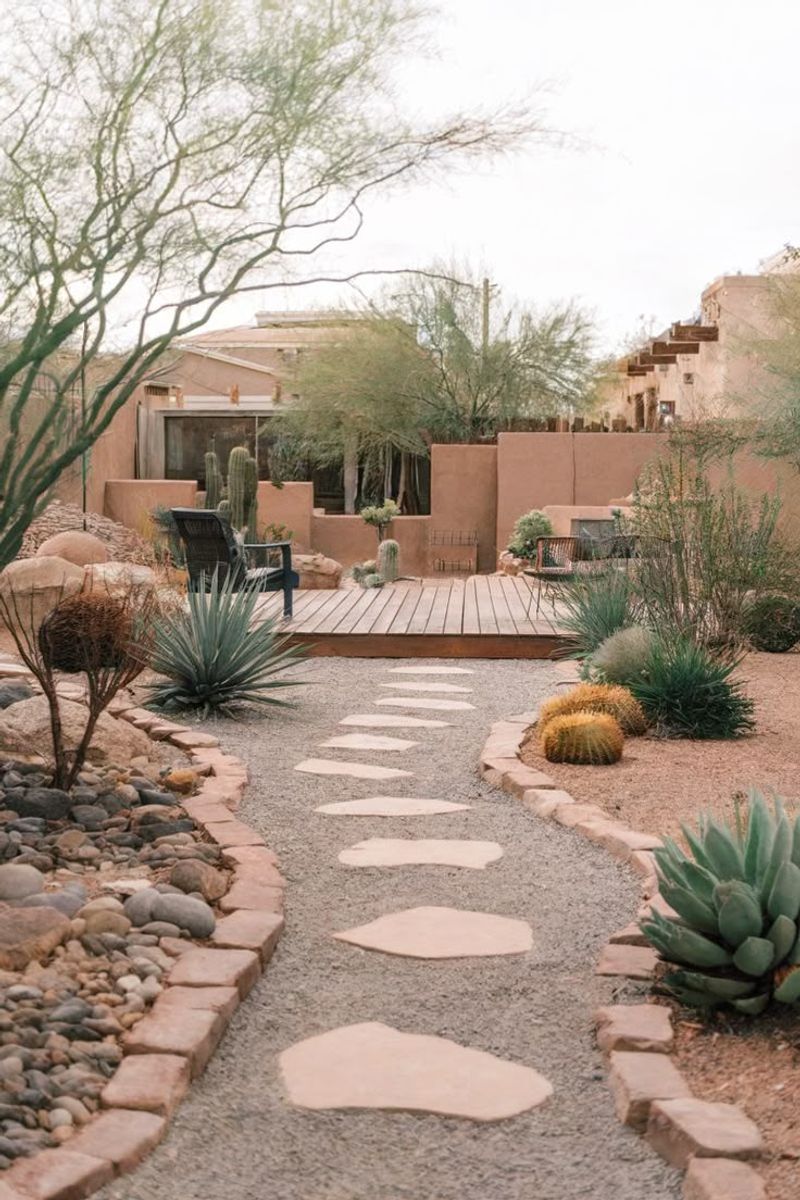
Shade trees like mesquite, palo verde, and acacia create cool retreats where families can escape Arizona’s intense sun while dramatically reducing water needs compared to lawns.
Underneath tree canopies, shade-tolerant plants like ferns, columbine, and coral bells thrive, adding lush greenery that softens landscapes and creates layered, naturalistic planting schemes.
These oasis gardens mimic desert riparian areas, bringing the feeling of cool canyon hideaways right to your backyard without the water waste of grass lawns.
Experts in Arizona suggest incorporating seating areas beneath trees, creating comfortable outdoor rooms where you can read, relax, or visit with friends during pleasant weather.
Mulch layers beneath trees conserve moisture, suppress weeds, and enrich soil as they decompose, supporting healthy plant growth while reducing maintenance demands on homeowners significantly.
Water features like small fountains or bubblers add soothing sounds and attract birds, transforming your yard into a sensory experience that engages sight, sound, and even smell.
Desert oasis gardens feel like secret hideaways, offering privacy and tranquility that open lawns cannot match, making them perfect for meditation, morning coffee, or evening conversations.
These shaded spaces also lower temperatures around your home, reducing cooling costs during summer months when air conditioning bills typically skyrocket across the state dramatically.