Why Native Prairie Gardens Are Replacing Front Lawns In Wisconsin
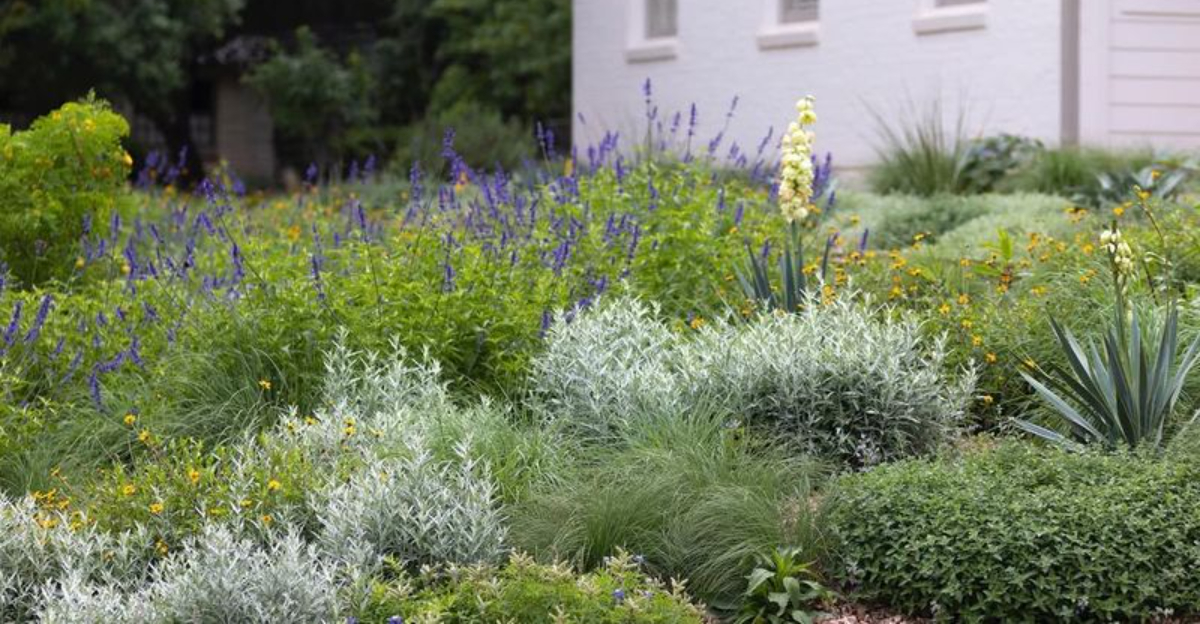
Across Wisconsin streets, the picture shifts fast.
Neat turf once ruled the curb, yet tall grasses and wild blooms now steal the show.
Homeowners trade mowers for meadow color, and the change turns heads for good reason.
Prairie plants thrive in local soil, shrug off drought, and laugh at cold snaps.
They invite birds, bees, and butterflies back to town, while deep roots hold water and protect lakes downstream.
Lawns demand fuel, fertilizer, and time; prairies ask patience, then pay dividends.
City rules relax, tastes evolve, and pride follows purpose.
From cost savings to curb appeal, the benefits stack up fast.
Expect stories of neighbors who took the leap, lessons learned along the way, and a fresh view of what beauty means in Wisconsin neighborhoods today, where front yards shine bright.
Water Conservation Benefits
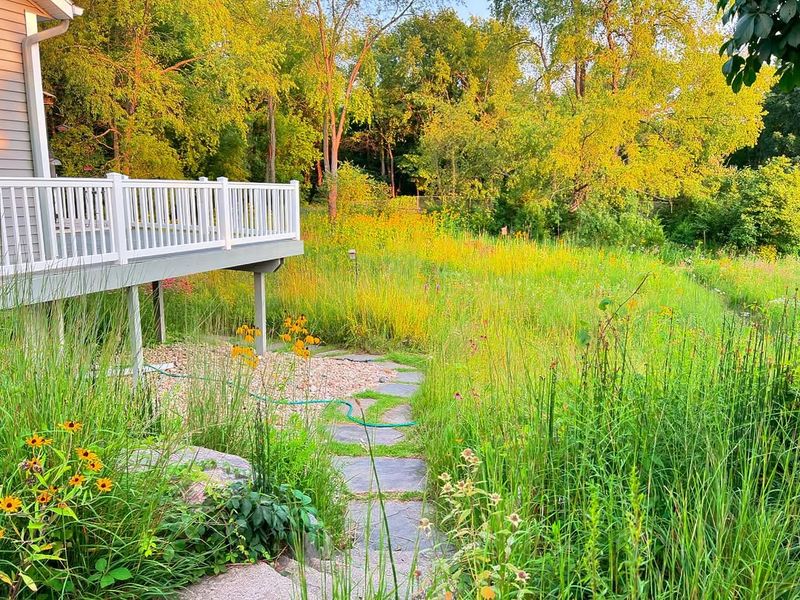
Prairie plants develop root systems that reach deep into the soil, sometimes extending ten feet or more below the surface.
These extensive roots allow the plants to access moisture that shallow-rooted grass cannot reach.
During dry spells, native gardens continue to flourish without any supplemental watering, while lawns turn brown and require constant irrigation.
Wisconsin experiences periodic droughts, and water restrictions become common in many communities during summer months.
Homeowners with prairie gardens avoid the expense and hassle of running sprinklers for hours each week.
The deep root structure also helps soil absorb rainwater more effectively, reducing runoff that can carry pollutants into lakes and streams.
When rain does fall, prairie gardens act like giant sponges, holding moisture in the ground rather than sending it rushing down storm drains.
This natural water management system benefits not just individual properties but entire watersheds.
Communities facing water supply challenges find that encouraging native landscaping helps stretch resources further.
Every prairie garden installed means less demand on municipal water systems and lower utility bills for homeowners.
The savings add up quickly over a growing season.
Lower Maintenance Requirements
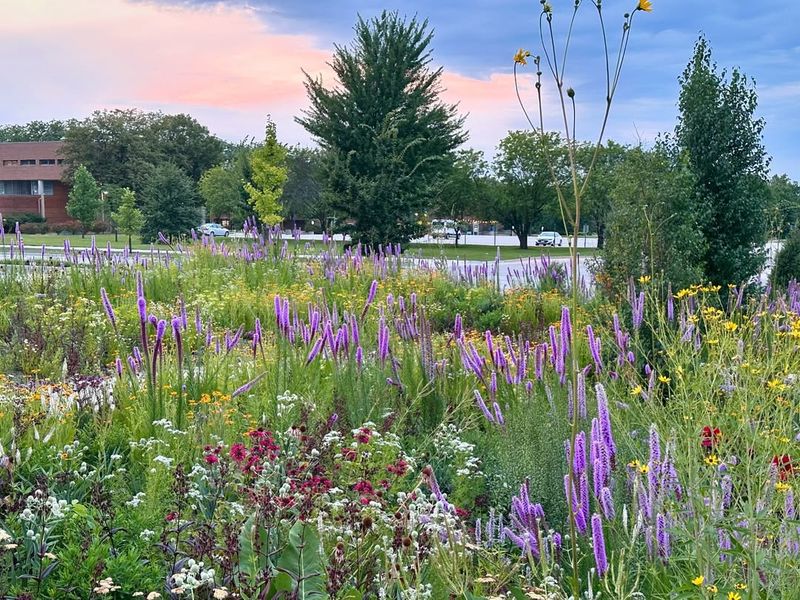
Traditional lawns demand weekly mowing, regular fertilizing, and constant attention to stay green and trim.
Prairie gardens flip that script entirely.
Once established, these landscapes need only an annual cutting in late fall or early spring, and even that task can wait if you prefer to leave seed heads for winter birds.
No more weekend mornings lost to the roar of a mower or the smell of gasoline.
Native plants evolved to thrive without human intervention, so they do not require chemical fertilizers or pesticides to stay healthy.
The soil food web in a prairie garden supports plant health naturally through beneficial fungi and microorganisms.
Weeding becomes minimal after the second or third year as native plants establish themselves and crowd out invasive species.
Homeowners gain back precious leisure time that used to disappear into lawn care.
The reduced maintenance also means significant cost savings on equipment, fuel, and lawn care services.
Families can spend summer afternoons enjoying their yard instead of working on it.
The freedom from constant upkeep represents one of the most appreciated benefits for busy homeowners.
Your Wisconsin Garden Changes Every Week. Your Plan Should Too.
Gardening in Wisconsin changes quickly throughout the season. Every Friday you’ll receive a simple weekly plan showing exactly what to plant, prune, fertilize, harvest, and protect so you never miss the right timing.
Pollinator Habitat Creation
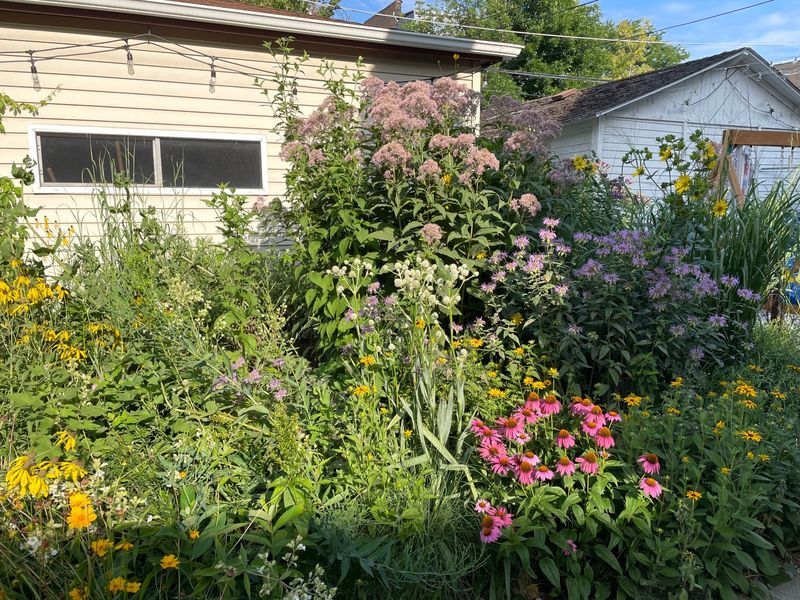
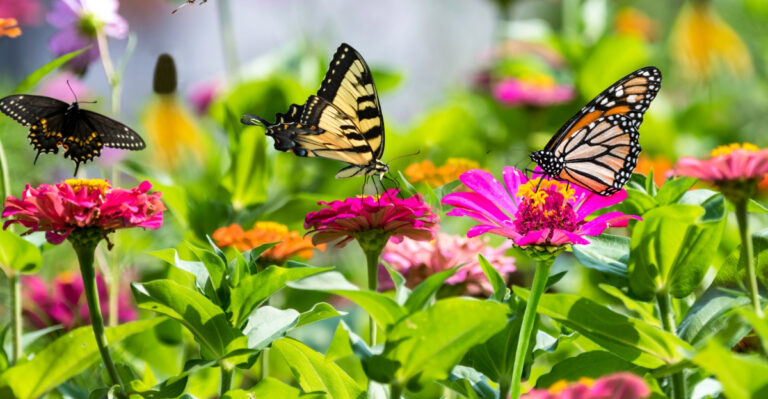
Monarch butterflies, native bees, and hummingbirds all depend on flowering plants for survival, yet traditional lawns offer them nothing.
Prairie gardens become bustling restaurants for these essential creatures.
Wisconsin native plants like purple coneflower, wild bergamot, and golden alexander provide nectar and pollen throughout the growing season.
Different species bloom at different times, ensuring food availability from spring through fall.
Pollinators face serious challenges from habitat loss, and every prairie garden helps address this crisis.
Native bees, which are often more efficient pollinators than honeybees, need bare ground and plant stems for nesting sites.
Prairie gardens naturally provide these essential resources.
Children discover the joy of watching butterflies dance among the flowers and learning about the interconnected web of life.
The presence of pollinators also benefits nearby vegetable gardens and fruit trees, improving crop yields for the whole neighborhood.
Research shows that native plants support far more pollinator species than non-native ornamentals.
A single prairie garden can host dozens of butterfly and bee species throughout the year.
This biodiversity creates resilience in local ecosystems.
Cost Savings Over Time
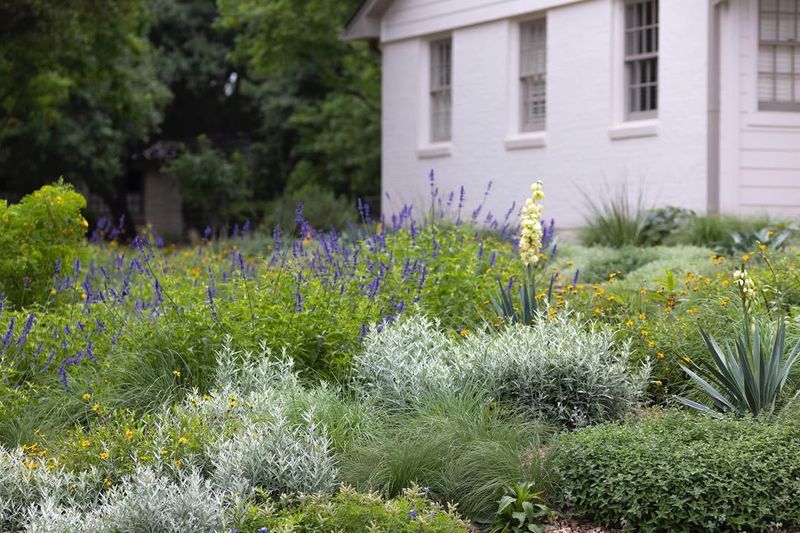
The initial investment in prairie garden plants and seeds might seem significant, but the long-term economics tell a compelling story.
Homeowners typically spend hundreds of dollars annually on lawn care products, equipment maintenance, and water bills.
Prairie gardens eliminate most of these recurring expenses.
No fertilizer purchases, no herbicide applications, no weekly fuel for mowers, and dramatically reduced water consumption all contribute to substantial savings.
Professional lawn care services can cost thousands of dollars per year, while prairie gardens need minimal professional intervention after establishment.
The perennial nature of native plants means they return year after year, unlike annual flowers that require replacement.
Equipment costs also drop significantly since homeowners need only basic tools for the annual cutting rather than expensive mowers and edgers.
Many municipalities offer financial incentives, rebates, or rain garden grants for homeowners who install native landscaping.
These programs can offset installation costs considerably.
Property values often increase as native gardens become more popular and appreciated for their beauty and environmental benefits.
Over a decade, the cumulative savings can reach several thousand dollars while providing a more interesting and dynamic landscape.
Climate Resilience
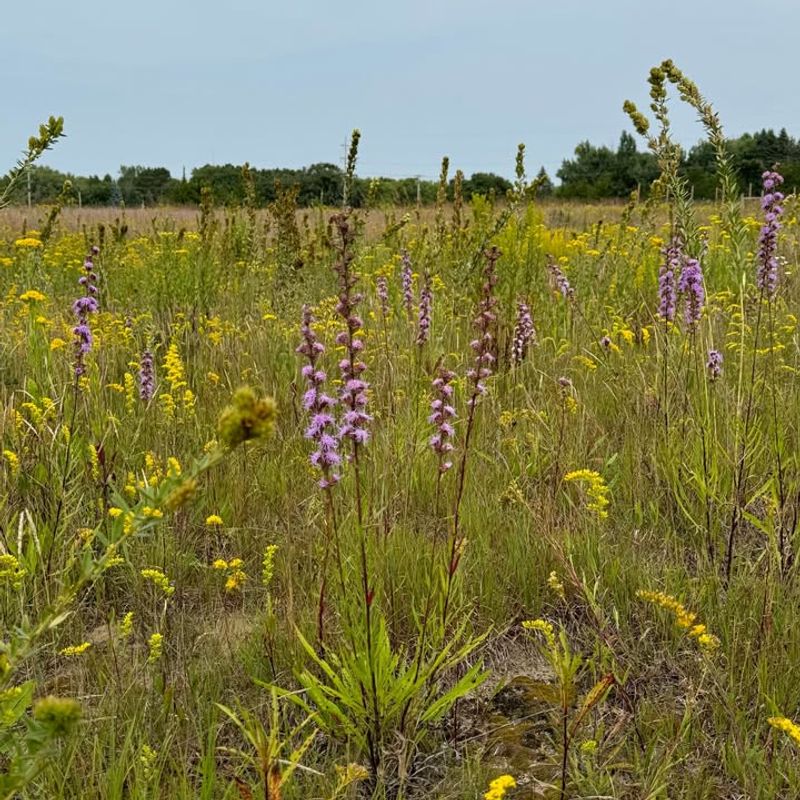
Wisconsin weather throws everything at landscapes: scorching summer heat waves, bitter winter cold, spring floods, and summer droughts.
Native prairie plants handle these extremes with remarkable toughness because they evolved alongside Wisconsin’s climate for millennia.
When temperatures soar above ninety degrees, lawn grass goes dormant and turns brown, but prairie flowers keep blooming.
During heavy rainstorms, the deep root systems prevent erosion and flooding by absorbing massive amounts of water quickly.
Climate change has made weather patterns less predictable, with more frequent extreme events.
Native gardens adapt to these changes far better than conventional landscaping.
The diversity of species in a prairie garden means that if one plant struggles in a particular year, others thrive and maintain the landscape’s appearance.
This built-in resilience provides peace of mind for homeowners who worry about climate impacts.
Winter snow and ice pose no problems for dormant prairie plants, which bounce back vigorously each spring.
The ability to withstand whatever nature delivers makes native gardens a smart choice for uncertain times.
Homeowners appreciate landscapes that remain attractive without constant intervention regardless of weather conditions.
Reduced Chemical Use
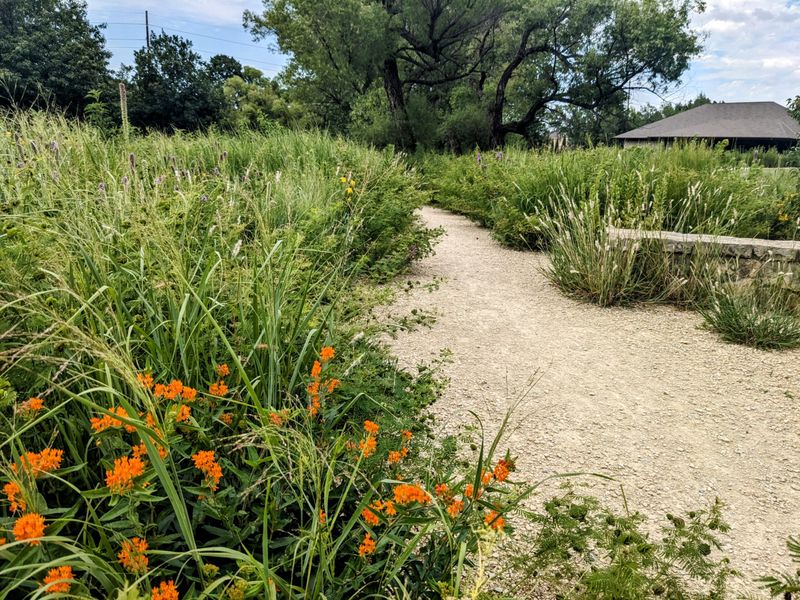
Conventional lawn care relies heavily on synthetic fertilizers to maintain that perfect green color and herbicides to suppress weeds.
These chemicals wash into groundwater, streams, and lakes, contributing to water quality problems across Wisconsin.
Algae blooms that plague many lakes during summer stem partly from nutrient runoff from fertilized lawns.
Native prairie gardens need none of these inputs.
The plants thrive in ordinary Wisconsin soil without amendments.
Their natural pest resistance means homeowners can skip insecticides and fungicides entirely.
Families with children and pets appreciate having a yard free from potentially harmful chemicals.
Kids can play barefoot in the grass without parents worrying about pesticide exposure.
Dogs can explore the garden safely.
The reduction in chemical use also protects beneficial insects, earthworms, and soil microorganisms that contribute to ecosystem health.
Groundwater quality improves when neighborhoods transition away from chemical-dependent landscaping.
This matters particularly in rural areas where private wells supply drinking water.
The environmental benefits extend far beyond individual properties, contributing to cleaner waterways throughout the state.
Choosing native plants represents a simple but powerful way to reduce your environmental footprint.
Enhanced Biodiversity
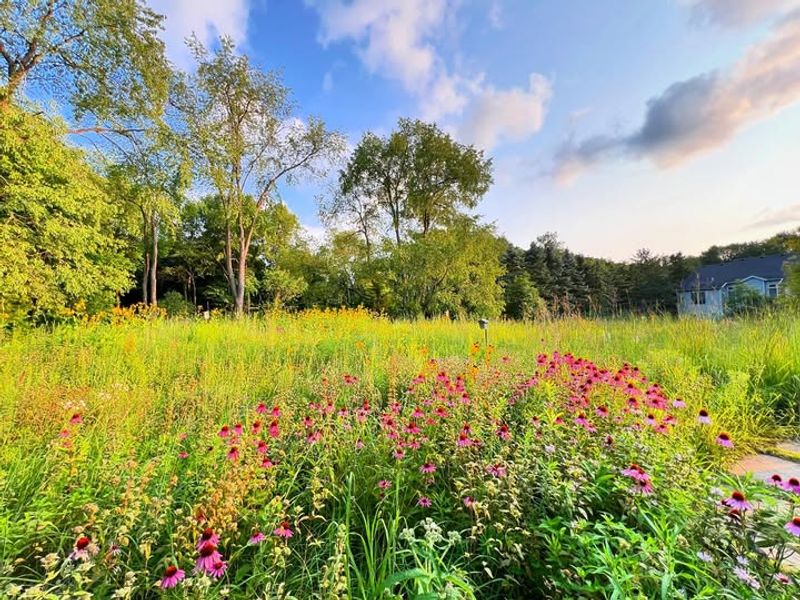
A typical lawn contains perhaps two or three grass species and supports very few forms of wildlife.
Prairie gardens explode with biological diversity.
A well-designed native garden might include thirty or more plant species, each supporting different insects, birds, and other creatures.
This variety creates a miniature ecosystem right in your front yard.
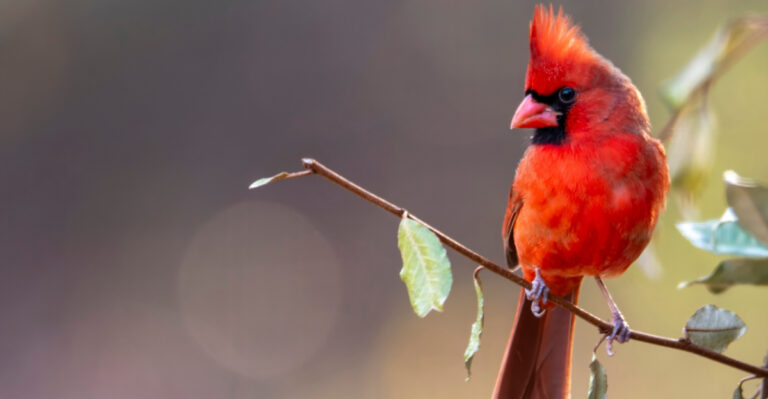
Songbirds visit to eat seeds and hunt insects among the flowers.
Goldfinches particularly love native seed heads and provide delightful entertainment as they bounce on swaying stems.
Beneficial insects like ladybugs and ground beetles establish populations that help control pest species naturally.
The structural diversity of prairie gardens, with plants of varying heights and forms, offers hiding places and nesting opportunities for small wildlife.
Even tiny spaces contribute to regional biodiversity when planted with natives.
Networks of prairie gardens throughout neighborhoods create wildlife corridors that connect larger natural areas.
Children develop a deeper appreciation for nature when they can observe diverse life forms in their own yard.
The seasonal changes in a prairie garden provide endless interest as different plants bloom and wildlife visitors change throughout the year.
This living laboratory teaches ecological principles better than any textbook.
Connection To Wisconsin Heritage
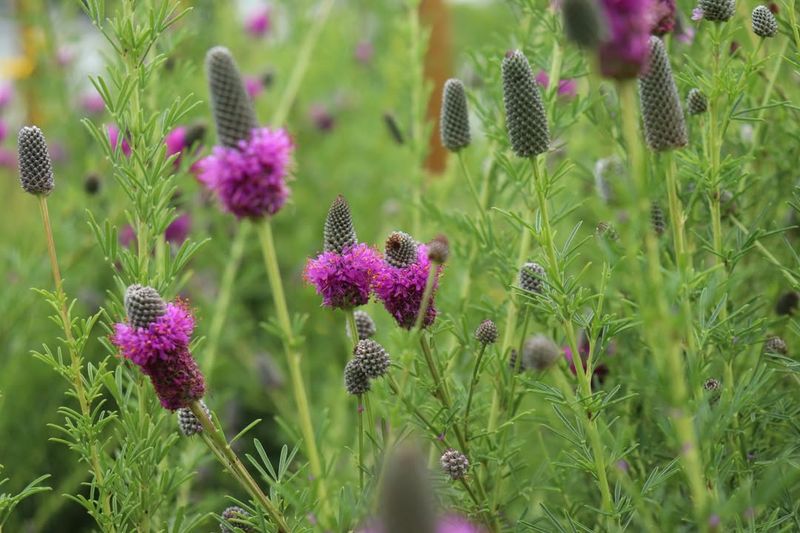
Before European settlement, prairies covered millions of acres across Wisconsin, shaping the landscape and ecology of the region.
These grasslands supported enormous herds of bison and countless bird species.
Today, less than one percent of original prairie remains.
Homeowners who plant native gardens participate in restoring a piece of Wisconsin’s natural heritage.
The same flowers that greeted early settlers now bloom again in front yards across the state.
This connection to the past resonates with many people who value history and sense of place.
Native gardens tell the story of where we live and what makes Wisconsin ecologically unique.
Schools and nature centers use prairie gardens as outdoor classrooms to teach about state history and ecology.
The plants carry names that reflect their relationships with indigenous peoples who used them for food and medicine.
Prairie smoke, compass plant, and rattlesnake master evoke the wild character of pre-settlement Wisconsin.
Restoring these plants honors the land’s history while creating beauty
Many gardeners find deep satisfaction in growing plants that belong in Wisconsin rather than exotic species from other continents.
This sense of place strengthens community identity and environmental awareness.
Year-Round Visual Interest
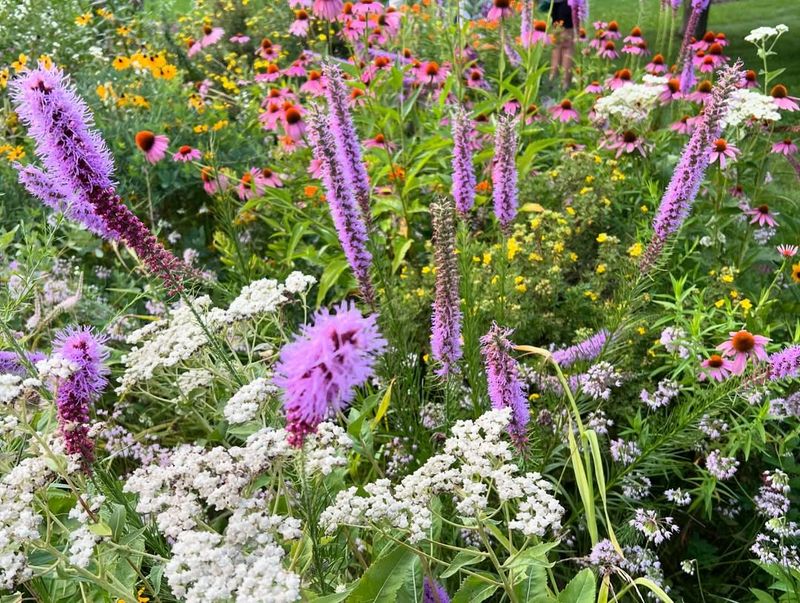
Lawns look essentially the same throughout the growing season: flat and green until they turn brown.
Prairie gardens transform constantly, offering new delights with each passing month.
Spring brings early bloomers like pasque flower and wild columbine in delicate purples and reds.
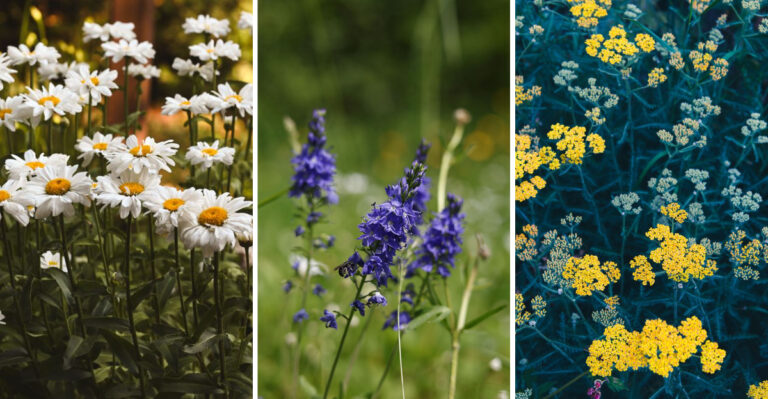
Summer explodes with color as coneflowers, bee balm, and black-eyed susans create a tapestry of yellows, pinks, and purples.
Fall brings warm tones as little bluestem grass turns copper and asters provide late-season purple blooms.
Even winter offers beauty as ornamental seed heads collect snow and provide architectural interest against white landscapes.
The changing display keeps the yard fresh and engaging throughout the year.
Neighbors often stop to admire the flowers and ask questions about the plants.
Prairie gardens become conversation starters that build community connections.
The movement and texture of grasses swaying in the breeze add a dynamic quality that static lawns cannot match.
Photographers and artists find inspiration in the ever-changing colors and forms.
Homeowners never tire of their view because the garden presents something different each week.
This visual richness enhances property appeal and neighborhood character.
Community And Educational Value
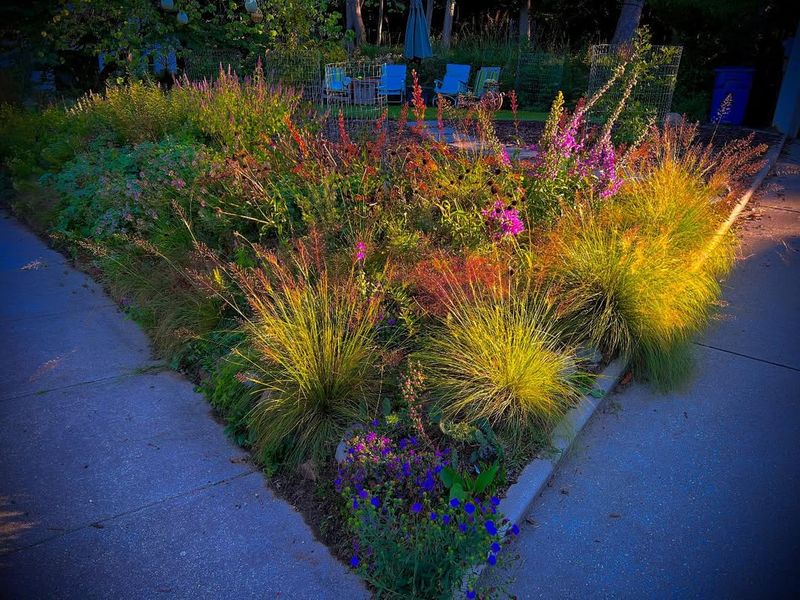
Front yard prairie gardens spark curiosity and conversation throughout neighborhoods.
Passersby stop to admire unusual flowers and ask about the plants.
These interactions build community connections and spread awareness about native landscaping benefits.
Many homeowners install small signs explaining their prairie garden and its ecological importance.
These educational opportunities help shift neighborhood norms and inspire others to consider native plants.
Schools partner with homeowners to use nearby prairie gardens as outdoor learning laboratories where students observe plant life cycles and pollinator behavior.
Garden clubs organize tours of native landscapes, sharing knowledge and building enthusiasm.
The visible presence of prairie gardens normalizes them as a legitimate landscaping choice rather than an oddity.
As more properties make the switch, entire blocks can develop a distinctive character that celebrates local ecology.
Social media groups dedicated to native gardening in Wisconsin have grown rapidly, connecting enthusiasts and sharing advice.
This sense of community support makes the transition easier for newcomers.
Local municipalities take notice when citizen interest in native landscaping grows, sometimes leading to policy changes that encourage or incentivize prairie gardens.
The educational ripple effects extend far beyond individual properties, influencing broader cultural attitudes toward landscaping and environmental stewardship.