The Resurrection Shrub That Grows Strong In Arizona’s Tough Landscapes
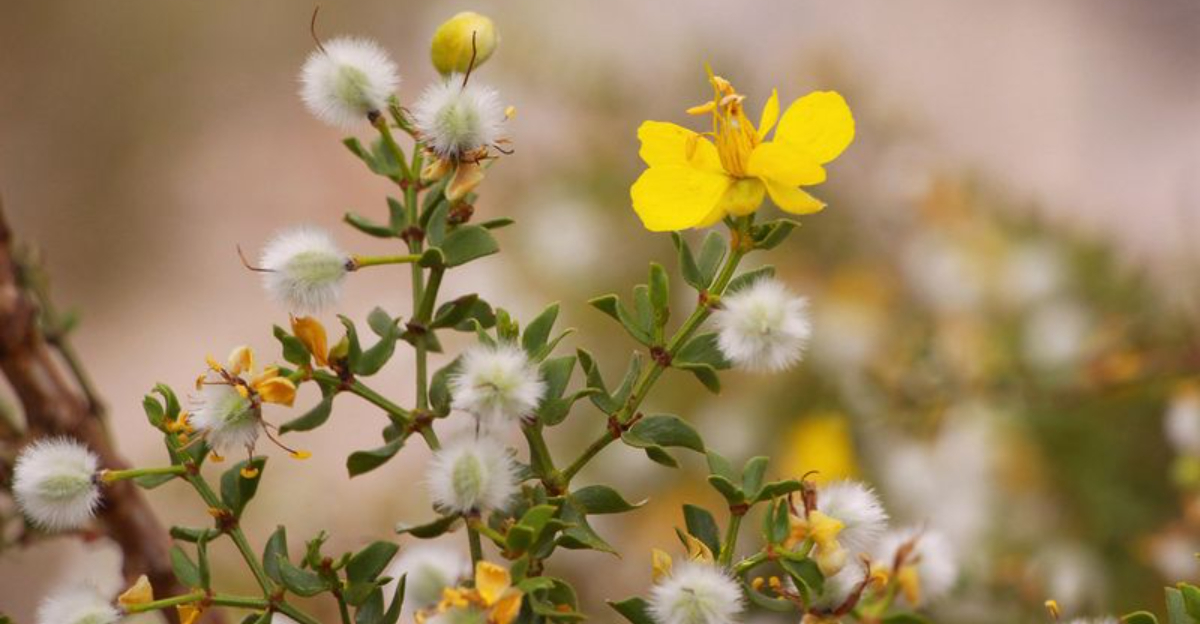
Arizona deserts test every root and leaf, yet one shrub refuses defeat.
The creosote bush stands like an old soul, weathered, patient, and tough as nails.
Drought scorches the land, rains vanish for months, and heat presses hard, but this plant waits out the storm with grit to spare.
When water returns, life snaps back in a heartbeat, a resurrection act that feels like desert magic.
Native peoples trusted it for medicine and survival; modern science marvels at its age and endurance.
Learn how it thrives where others fail, why it defines Arizona landscapes, and what lessons it offers for dry gardens and resilient life.
In a place where nature plays hardball, this shrub never blinks and shows up ready for the long haul.
Why The Creosote Bush Is Called A Resurrection Shrub
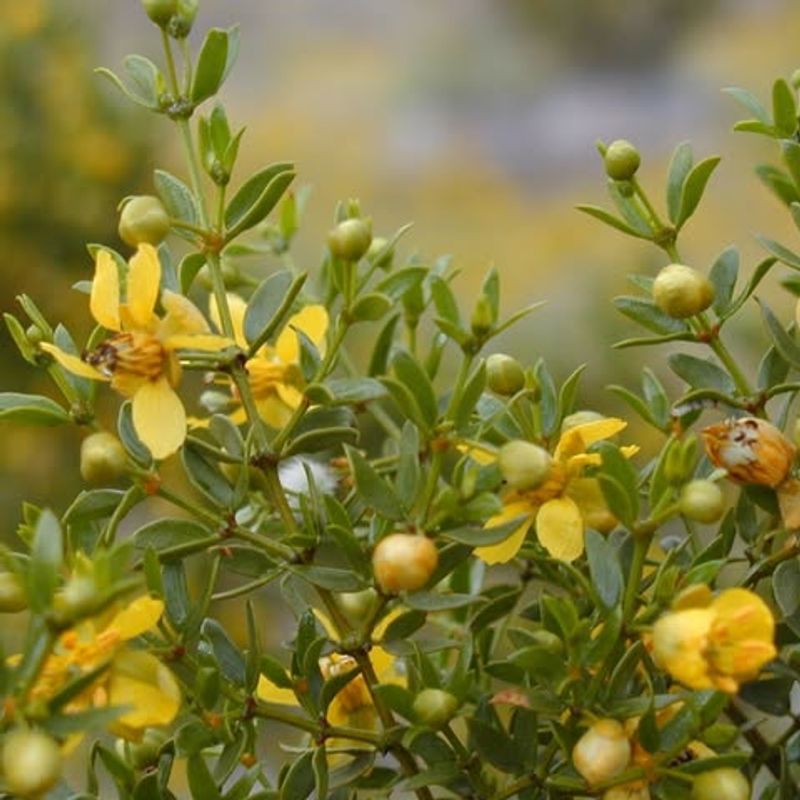
Creosote bushes earn their nickname through an incredible transformation that happens after rainfall.
When drought conditions persist for months, the shrub appears brown and lifeless, with branches that look brittle and bare.
However, within just a few hours of rain touching the soil, something magical happens.
The plant springs back to vibrant green color as if someone flipped a switch.
This rapid recovery amazes botanists and desert visitors alike.
The leaves unfurl and the entire shrub transforms from appearing dormant to fully active in less than a day.
This survival trick allows the creosote to conserve precious energy and water during tough times.
Instead of maintaining green leaves that lose moisture through evaporation, the plant enters a state of deep rest.
The moment conditions improve, it quickly returns to photosynthesis and growth.
Native peoples observed this pattern for thousands of years and recognized the plant’s special powers.
Modern science has confirmed that the creosote can repeat this resurrection cycle many times throughout its long life.
Few plants anywhere on Earth can match this level of drought tolerance and rapid recovery.
How Creosote Survives Arizona’s Extreme Heat And Drought
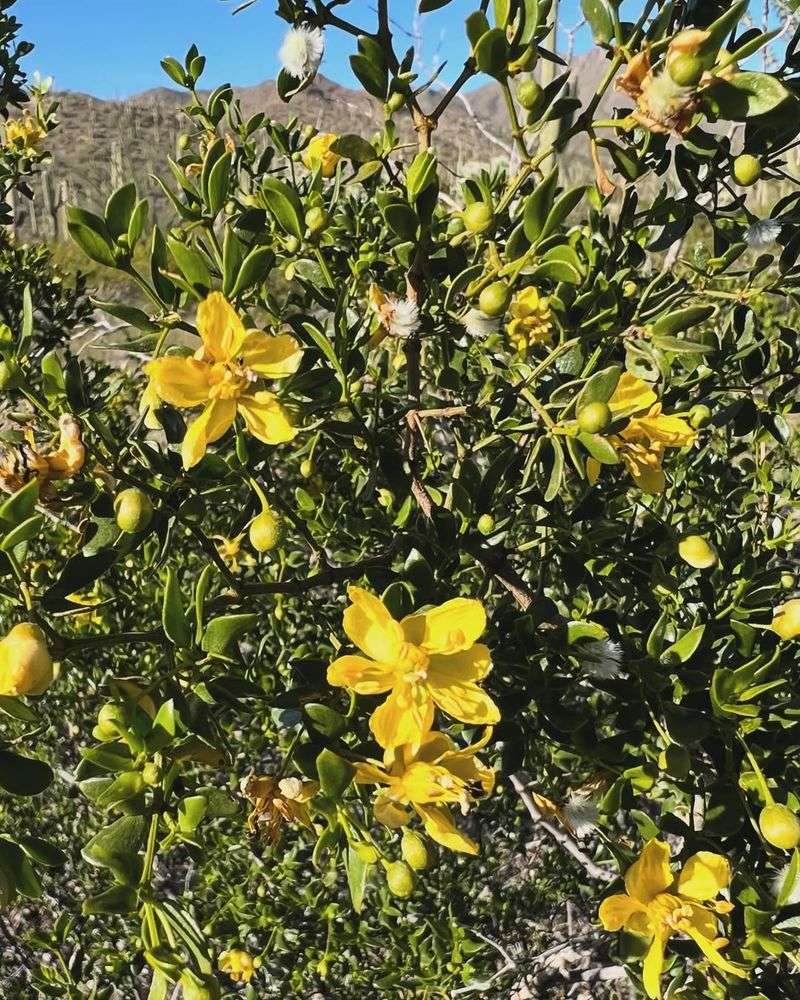
Extreme temperatures in Arizona regularly soar above 110 degrees Fahrenheit during summer months.
Most plants would wilt and suffer permanent damage under such conditions.
Creosote bushes have developed multiple strategies to handle this intense heat.
Their small leaves have a thick, waxy coating that reflects sunlight and reduces water loss.
This coating also gives the plant its distinctive shiny appearance and strong smell, especially after rain.
The leaves contain special resins that protect them from sun damage and discourage hungry animals from eating them.
During the hottest parts of the day, the leaves can actually turn slightly to minimize direct sun exposure.
The plant also spaces its branches in a way that creates tiny pockets of shade underneath.
This clever arrangement helps keep the soil around its roots a few degrees cooler.
Creosote can shut down most of its leaf functions when water becomes scarce, entering a dormant state.
Some individual leaves may drop off, but the plant preserves its main structure.
This combination of physical adaptations and behavioral responses makes the creosote a true heat champion.
Your Arizona Garden Changes Every Week. Your Plan Should Too.
Gardening in Arizona changes quickly throughout the season. Every Friday you’ll receive a simple weekly plan showing exactly what to plant, prune, fertilize, harvest, and protect so you never miss the right timing.
The Deep Root System That Keeps It Alive For Decades
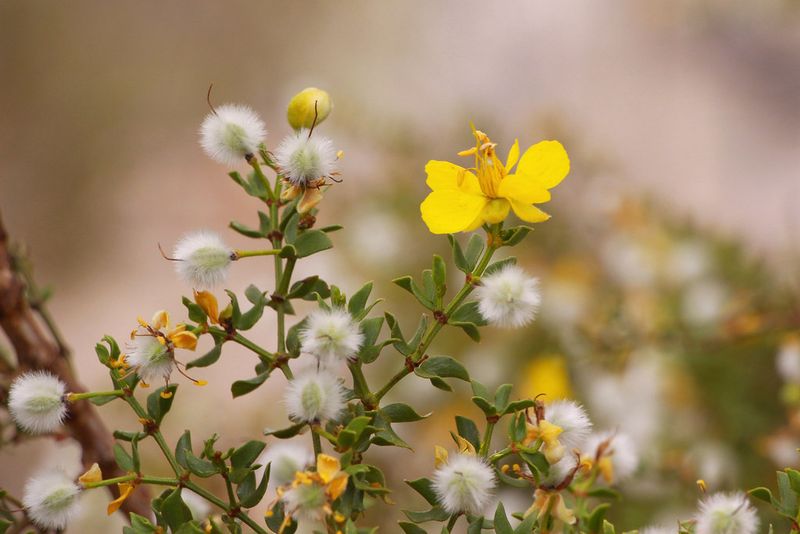
Below the surface, creosote bushes develop one of the most impressive root systems in the plant kingdom.
The main taproot can extend down more than ten feet into the ground, searching for hidden water sources.
This deep anchor reaches moisture that shallow-rooted plants can never access.
Alongside the taproot, the creosote spreads a network of smaller roots horizontally near the surface.
These shallow roots quickly absorb any moisture from brief rain showers before it evaporates.
The dual-level root system gives the plant two different strategies for finding water.
During wet periods, the shallow roots work overtime to gather as much moisture as possible.
When drought strikes, the deep taproot keeps the plant alive by tapping into groundwater reserves.
Scientists have discovered that some creosote bushes are thousands of years old, making them among the oldest living organisms.
The root system grows stronger and more extensive as the plant ages.
Individual stems above ground may only last a few decades, but the root system continues producing new growth.
This underground network truly represents the heart and soul of the creosote’s survival strategy.
Where Creosote Bush Naturally Thrives In Arizona
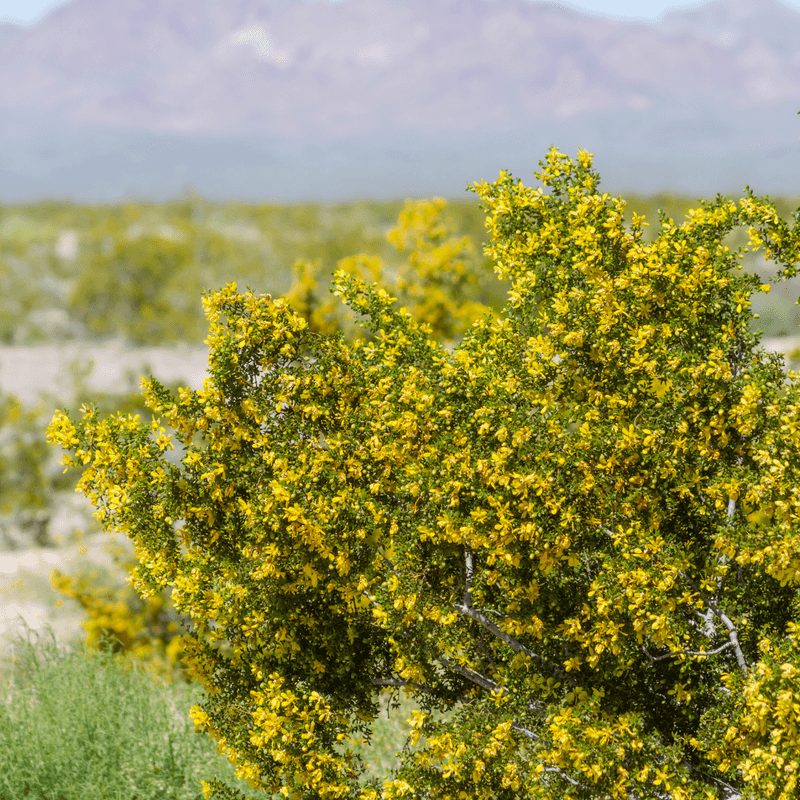
Across Arizona’s lower elevation deserts, creosote bushes dominate the landscape like no other plant.
You can find massive stands of these shrubs throughout the Sonoran Desert, which covers much of southern Arizona.
The plant prefers areas below 5,000 feet in elevation where temperatures stay warm most of the year.
Creosote grows particularly well on bajadas, which are gently sloping areas at the base of mountains.
These locations provide good drainage and prevent roots from sitting in water after storms.
The shrub also thrives in rocky soils and sandy flats where few other plants can compete.
In some areas, creosote forms nearly pure stands that stretch for miles in every direction.
The plants naturally space themselves apart through a process called allelopathy.
Chemicals in their roots prevent other creosote seeds from sprouting too close, ensuring each plant has enough resources.
You can spot creosote bushes along highways, in desert parks, and across undeveloped wilderness areas.
From Phoenix to Tucson and all the way to the Mexican border, this shrub defines the desert experience.
Its presence indicates a true desert environment adapted to extreme conditions.
What Happens To Creosote During Long Dry Spells
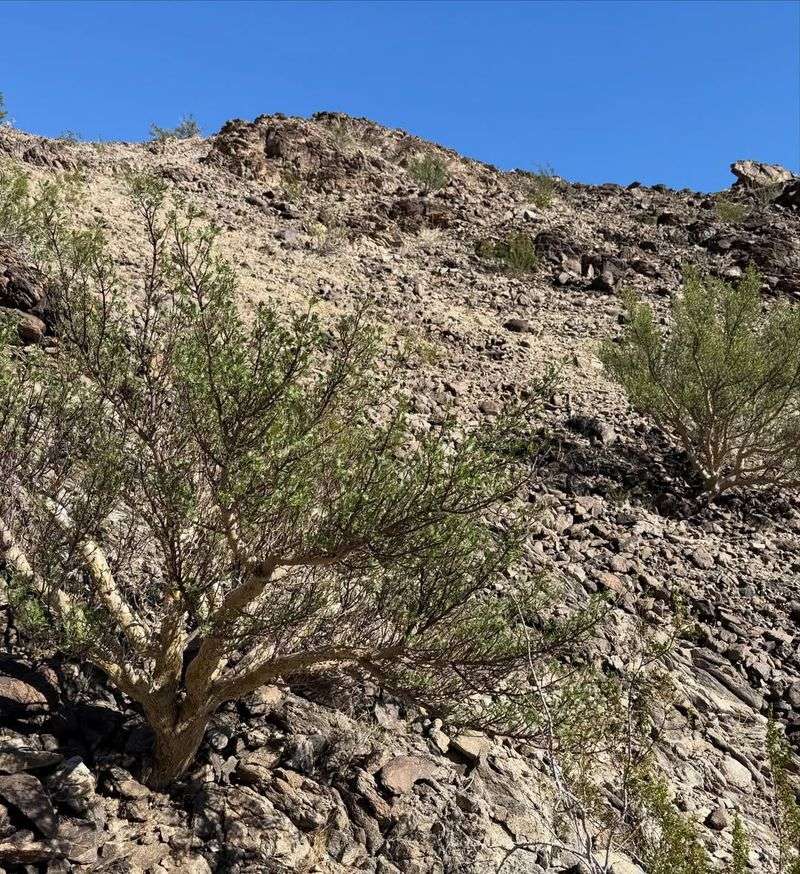
When months pass without significant rainfall, creosote bushes enter a remarkable state of suspended animation.
The normally green leaves begin to turn yellowish-brown and may fall off entirely.
Branches appear bare and brittle, giving the false impression that the plant has perished.
However, beneath this dormant exterior, the plant remains very much alive.
Creosote reduces its metabolic activity to an absolute minimum, using almost no energy or water.
The stems and roots maintain just enough cellular activity to stay viable.
This dormancy can last for many months, even extending beyond a year in extreme cases.
The plant essentially presses pause on its normal life functions until conditions improve.
During this time, the waxy coating on remaining leaves becomes even thicker.
The shrub may lose up to half its leaf mass but preserves the branch structure and root system.
This survival mode requires incredible cellular adaptations that scientists still study today.
The moment rain arrives, specialized cells detect the moisture and trigger rapid awakening processes throughout the entire plant.
Within hours, photosynthesis resumes and new leaf buds begin opening.
Benefits Of Creosote Bush In Desert Landscaping
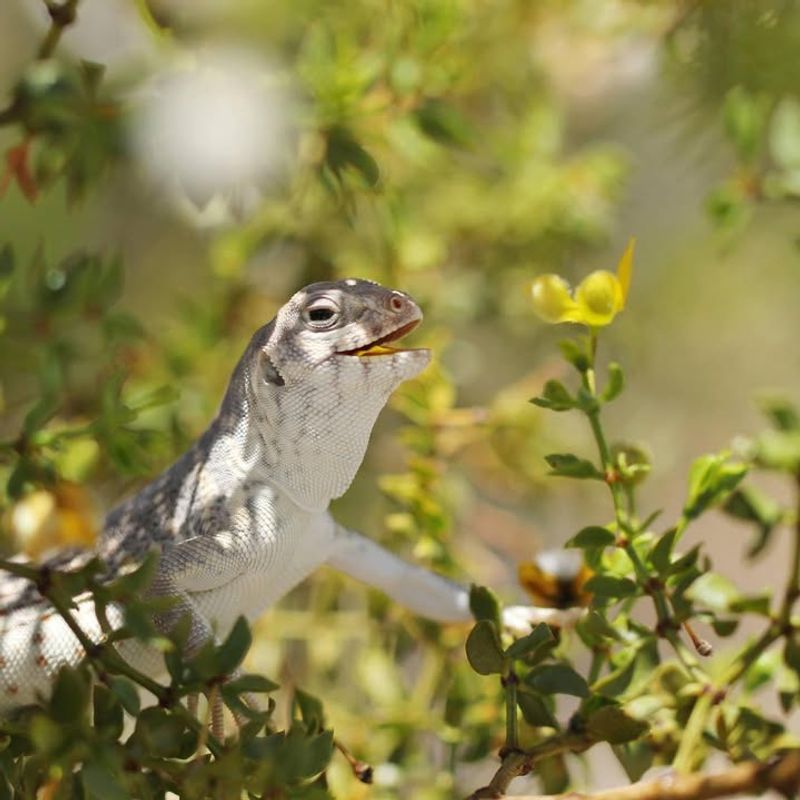
Homeowners and landscape designers increasingly recognize creosote as an ideal choice for desert yards and gardens.
This native shrub requires almost zero supplemental watering once established in appropriate locations.
Unlike thirsty grass lawns or exotic plants, creosote naturally belongs in Arizona’s climate.
The plant provides year-round greenery without demanding constant attention or resources.
Its rounded shape and moderate size make it perfect for creating natural borders and privacy screens.
Creosote bushes can define property boundaries or separate different areas of a yard.
The distinctive scent after rainfall adds a sensory dimension that many desert residents cherish.
Because the plant naturally resists pests and diseases, homeowners avoid using harmful chemicals.
The shrub also helps prevent soil erosion with its extensive root system.
During windstorms, established creosote bushes hold soil in place and protect smaller plants nearby.
For wildlife-friendly gardens, creosote provides essential habitat for native insects, birds, and small mammals.
Landscape maintenance costs drop significantly when replacing water-hungry plants with adapted native species like creosote.
The environmental benefits extend beyond individual properties to support broader conservation goals.
Wildlife That Depend On Creosote For Shelter And Food
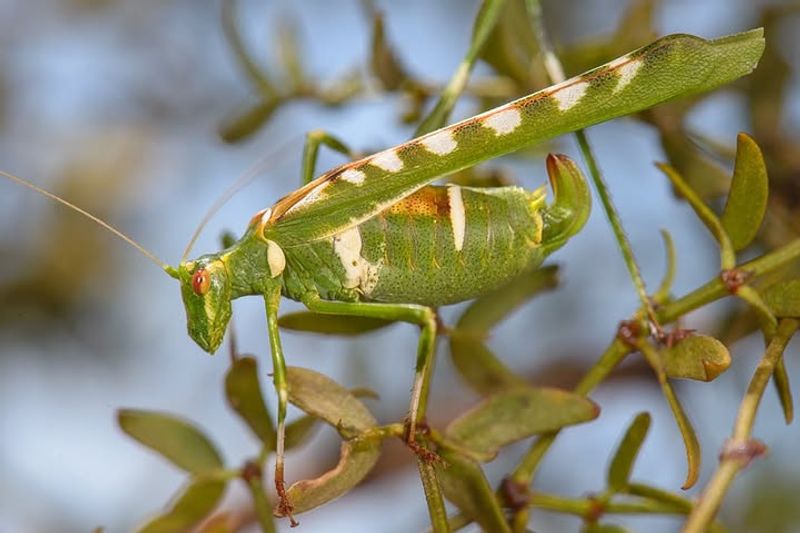
Despite its toxic resins that discourage most herbivores, creosote supports a surprising variety of desert creatures.
More than sixty species of insects have adapted specifically to feed on different parts of the creosote bush.
The creosote grasshopper, for example, eats nothing else and has developed immunity to the plant’s defensive chemicals.
These specialized insects in turn provide food for birds, lizards, and other predators.
Many small bird species build nests within the protective branches of creosote shrubs.
The dense foliage offers shelter from sun, wind, and predators.
Roadrunners often hunt around creosote bushes, knowing that lizards and insects congregate there.
Desert rodents like packrats and ground squirrels find refuge under the shrub’s canopy during hot days.
The shade created by creosote can be several degrees cooler than surrounding open areas.
Some animals use the aromatic leaves to line their nests, possibly to repel parasites.
During spring, the small yellow flowers attract native bees and other pollinators.
Even the seeds provide nutrition for certain bird species adapted to process them.
This web of relationships shows how one tough plant supports an entire desert ecosystem.
Why Creosote Bush Requires Almost No Maintenance
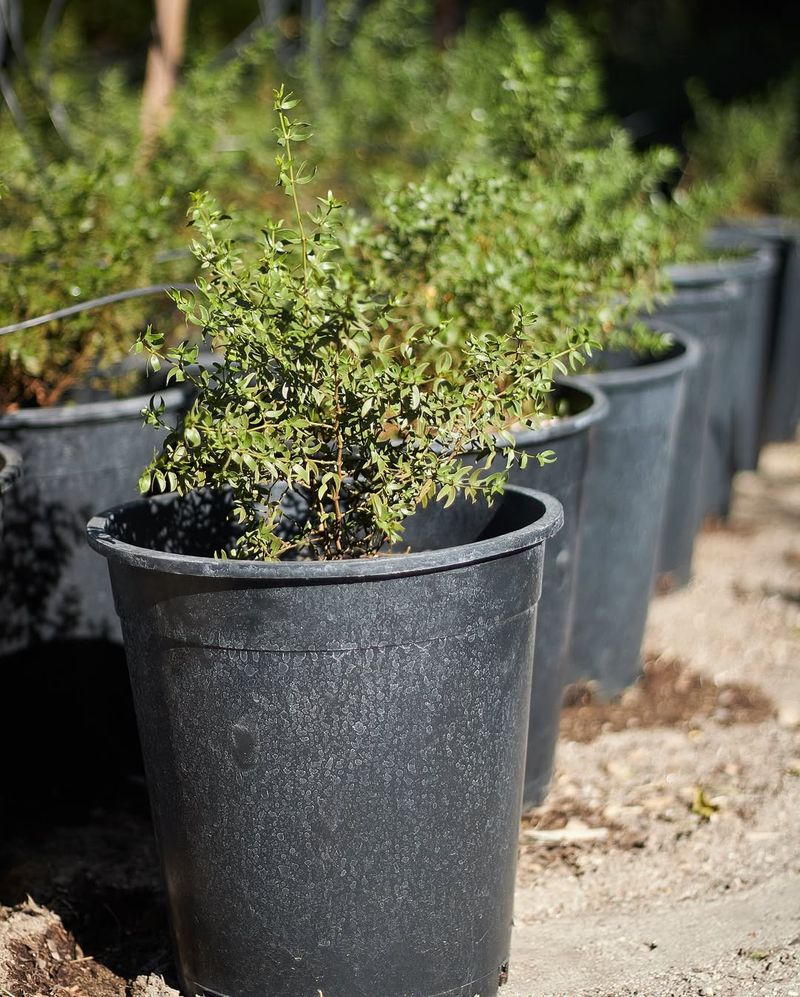
Gardeners and property owners appreciate creosote because it essentially takes care of itself once established.
The plant evolved over millions of years to thrive without human intervention.
No fertilizers are necessary since creosote adapted to nutrient-poor desert soils.
Adding fertilizer actually harms the plant by encouraging excessive growth that requires more water.
Pruning is rarely needed because the shrub naturally maintains an attractive rounded shape.
Unlike many ornamental plants, creosote does not develop leggy growth or require shaping.
The plant resists virtually all common pests and diseases that plague other landscape choices.
Its natural chemical defenses protect it from insects, fungi, and bacterial infections.
After the first year of establishment, supplemental watering becomes unnecessary in most Arizona locations.
The deep roots find moisture on their own, even during extended dry periods.
Creosote naturally drops older leaves and self-mulches, returning nutrients to the soil beneath.
This means no raking or cleanup is required in most situations.
The plant’s longevity means you can enjoy the same shrub for decades without replacement costs.
For sustainable landscaping, few plants match the creosote’s combination of beauty, toughness, and independence.