9 Ways To Support Local Wildlife In Your North Carolina Yard
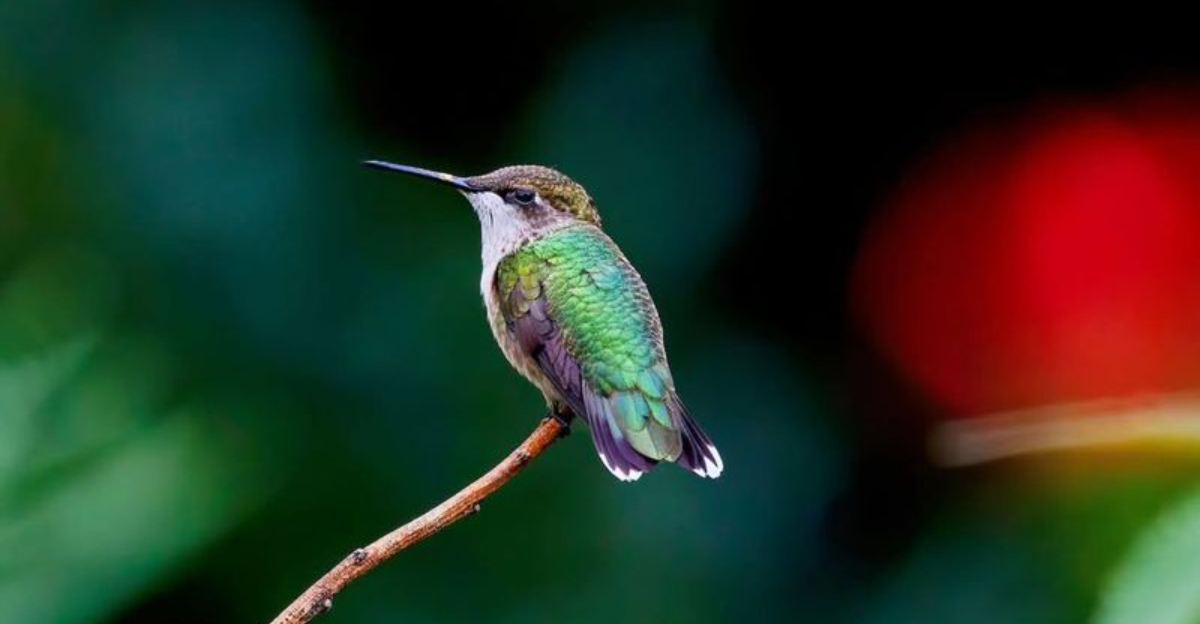
North Carolina yards hold more power than they seem.
A fence line, a shrub bed, or a shallow dish can tip the scales for birds, bees, and small mammals.
Habitat loss presses hard, yet home spaces offer refuge when choices feel right.
Native plants feed hungry mouths, fallen leaves shelter life, and clean water draws steady visits.
Wildlife does not ask much, only room to live and thrive.
Each idea fits real homes, real budgets, and real schedules.
Expect simple shifts with big impact, from plant picks to seasonal care.
With care and intention, a yard can hum with life again, and daily moments can feel richer when nature answers the invitation.
1. Plant Native Species That Belong Here
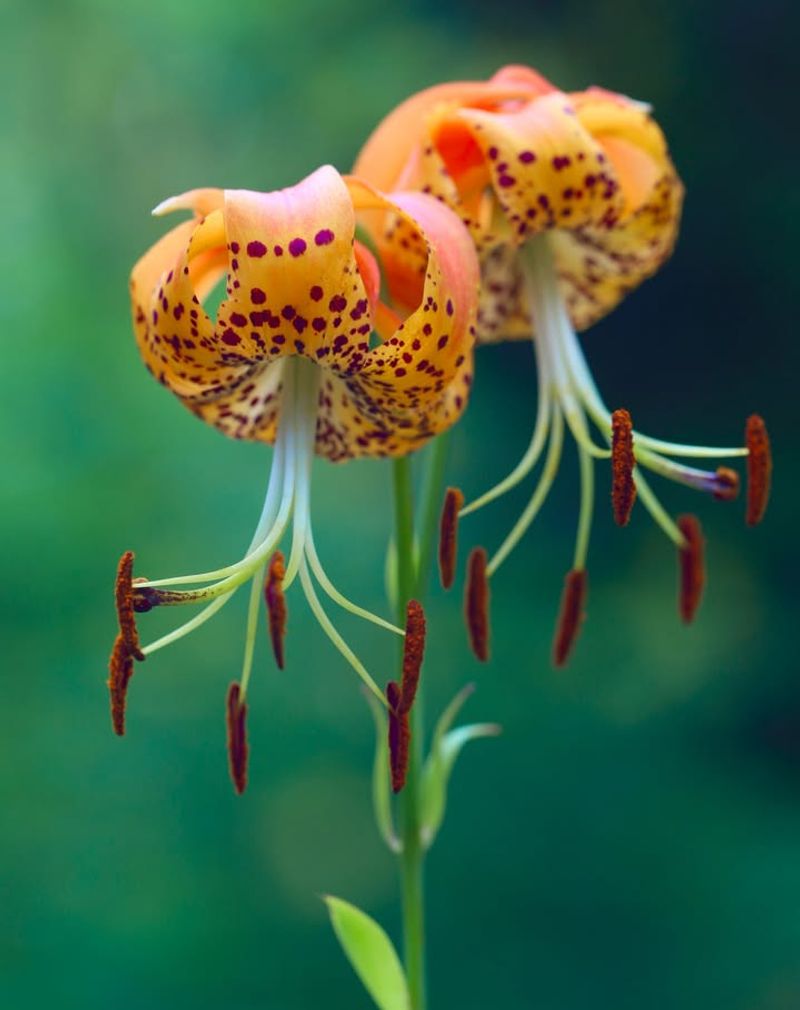
Native plants have evolved alongside North Carolina wildlife for thousands of years, creating perfect partnerships.
Cardinal flowers attract hummingbirds, while oak trees support hundreds of caterpillar species that birds need to feed their babies.
When you choose plants that naturally grow in our region, you provide food sources that local creatures already recognize and depend on.
Black-eyed Susans, purple coneflowers, and milkweed are excellent starter choices that require less water and fewer pesticides than non-native varieties.
These tough plants have already adapted to North Carolina’s climate, soil, and seasonal patterns.
Your yard becomes a mini ecosystem where butterflies find nectar, bees collect pollen, and birds discover seeds and berries throughout the year.
Native shrubs like elderberry and beautyberry offer shelter and nesting spots too.
Replacing even a small section of lawn with native plantings creates valuable habitat.
Visit local native plant sales or nurseries that specialize in regional species to get started.
Group plants together based on their water needs to make maintenance easier.
Within one growing season, you’ll notice more wildlife visitors enjoying your newly planted native garden spaces.
2. Create Water Sources For Thirsty Visitors
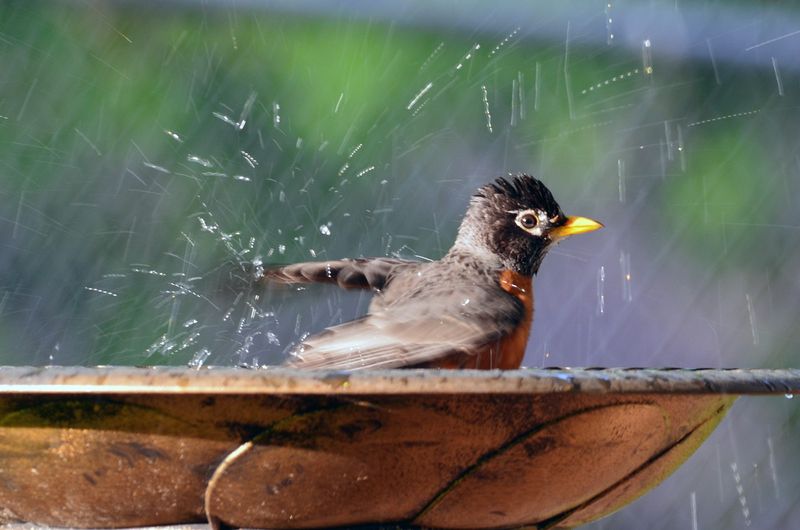
Every creature needs clean water to survive, especially during hot Carolina summers.
A simple birdbath can become the neighborhood watering hole for dozens of species.
Birds need shallow water for drinking and bathing, while butterflies prefer muddy edges where they can sip minerals.
Add a few flat rocks to your birdbath so smaller birds and insects have safe landing spots.
Change the water every few days to prevent mosquitoes from breeding and to keep it fresh.
Position your water feature near shrubs or trees so birds have quick escape routes from predators.
A small fountain or dripper adds movement that attracts attention from greater distances.
During winter months, a heated birdbath provides critical resources when natural water sources freeze.
Ground-level options like shallow dishes tucked among plants help toads, salamanders, and ground-feeding birds.
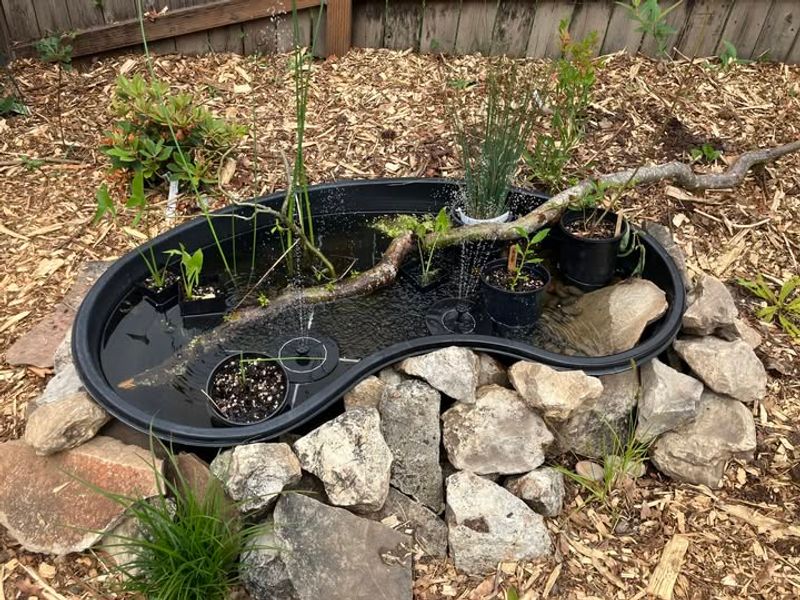
If you have space, a small pond creates habitat for frogs, dragonflies, and other aquatic species.
Even a bucket with a slow leak can create the muddy puddles that butterflies adore.
Water features quickly become popular gathering spots that bring wildlife activity right to your window.
3. Leave Some Messy Areas Undisturbed
Perfection isn’t always best when it comes to supporting wildlife.
Your North Carolina Garden Changes Every Week. Your Plan Should Too.
Gardening in North Carolina changes quickly throughout the season. Every Friday you’ll receive a simple weekly plan showing exactly what to plant, prune, fertilize, harvest, and protect so you never miss the right timing.
That pile of leaves you were planning to bag up actually provides essential winter shelter for butterflies, moths, and beneficial beetles.
Many native bees nest in bare soil or hollow plant stems, so leaving some areas a bit wild helps them thrive.
Fallen logs become homes for salamanders, beetles, and countless decomposers that enrich your soil.
Brush piles offer safe hiding spots for rabbits, chipmunks, and ground-dwelling birds like towhees.
When you resist the urge to clean up every fallen twig and leaf, you create layers of habitat.
Designate one corner of your property as a wildlife sanctuary where nature can do its thing without interference.
This approach saves you time and money while providing exactly what many creatures need most.
Birds will forage through leaf litter searching for insects and spiders.
Overwintering butterflies and moths hide beneath loose bark and dried plant material.
Your neighbors might not understand at first, but explaining your wildlife-friendly approach often inspires them to try it too.
Embrace the natural look and watch biodiversity flourish in your yard.
4. Reduce Or Eliminate Lawn Chemicals
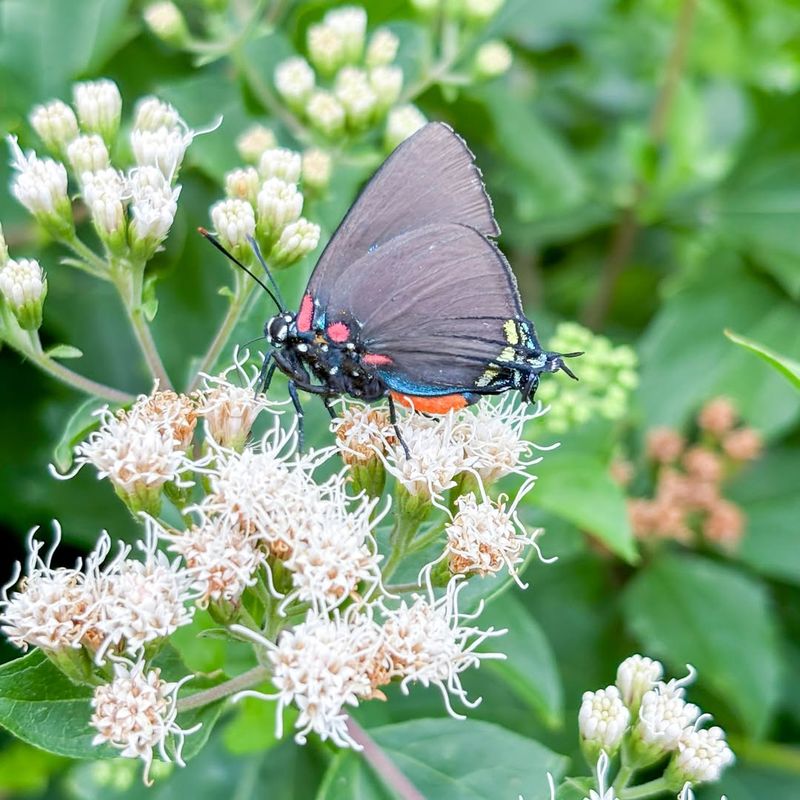
Pesticides and herbicides harm far more than their intended targets.
Chemicals designed to eliminate dandelions also poison bees, butterflies, and the insects that birds rely on for food.
Lawn fertilizers run off into streams and ponds, creating problems for amphibians and aquatic life.
Switching to organic yard care methods protects the entire food web in your outdoor space.
Tolerate a few weeds, which often provide valuable nectar sources for pollinators.
White clover in your lawn actually fixes nitrogen naturally and feeds bumblebees.
Hand-pull weeds in garden beds or use mulch to suppress unwanted growth instead of spraying.
If you must treat problem areas, spot-treat with organic options rather than broadcasting chemicals everywhere.
Healthy soil grows stronger plants that naturally resist pests and diseases.
Add compost annually to improve soil structure and reduce the need for synthetic inputs.
Birds, toads, and beneficial insects will handle many pest problems if you give them a chance.
Within a season or two of going chemical-free, you’ll notice more songbirds, butterflies, and helpful garden allies visiting your property regularly.
5. Add Nesting Boxes And Shelter Options

Cavity-nesting birds like bluebirds, chickadees, and woodpeckers struggle to find suitable homes in modern landscapes.
Older trees with natural hollows have become scarce in many neighborhoods.
Installing properly designed nest boxes gives these birds safe places to raise their families.
Research the specific entrance hole sizes and box dimensions that different species prefer.
Eastern Bluebirds need 1.5-inch entrance holes, while Carolina Chickadees prefer slightly smaller openings.
Mount boxes at appropriate heights and face them away from prevailing winds and afternoon sun.
Clean out old nesting material each fall to prepare for next season’s residents.
Bat houses provide roosting spots for these amazing insect-eaters that consume thousands of mosquitoes nightly.
Brush piles and rock walls create shelter for rabbits, lizards, and small mammals.
Dense shrubs offer nesting sites for cardinals, mockingbirds, and other species that build open-cup nests.
Evergreen trees provide year-round cover and protection from winter weather.
By offering diverse shelter options at different heights and locations, you accommodate various wildlife needs and preferences throughout the seasons.
6. Grow Plants That Produce Seeds And Berries
Food availability changes with the seasons, and wildlife needs reliable sources year-round.
Sunflowers produce nutritious seeds that finches, chickadees, and cardinals devour throughout fall and winter.
Native dogwoods, hollies, and viburnums offer berries that sustain birds during migration and cold months.
Rather than deadheading all your flowers, leave some seed heads standing for wildlife to harvest.
Coneflowers, black-eyed Susans, and native grasses provide seeds that many species depend on.
Serviceberry shrubs produce early summer fruits that robins and cedar waxwings love.
Elderberries ripen in late summer when young birds need extra nutrition.
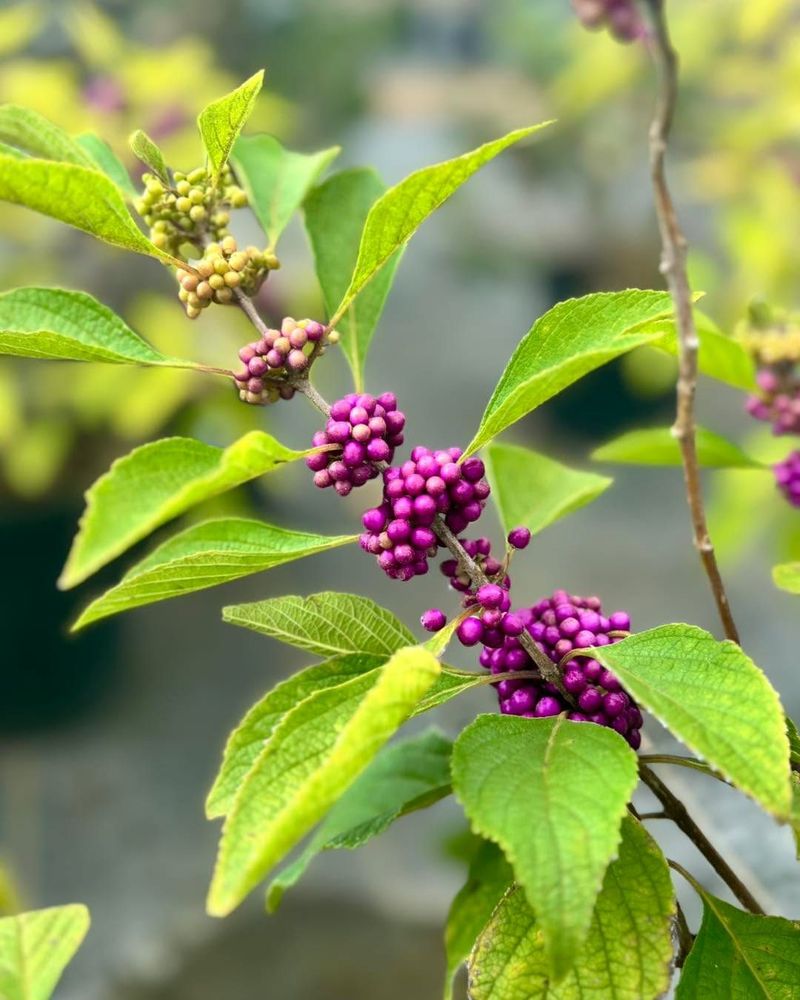
Beautyberry’s striking purple fruits persist into winter, feeding mockingbirds and other resourceful species.
Planting a variety of berry-producing shrubs ensures something is always available.
Native plants produce fruits that local wildlife recognize and have evolved to digest properly.
Avoid exotic ornamentals that produce berries with little nutritional value.
Your edible landscape becomes a buffet that attracts colorful visitors while reducing your workload since you won’t need to deadhead constantly.
7. Install Pollinator-Friendly Flower Gardens
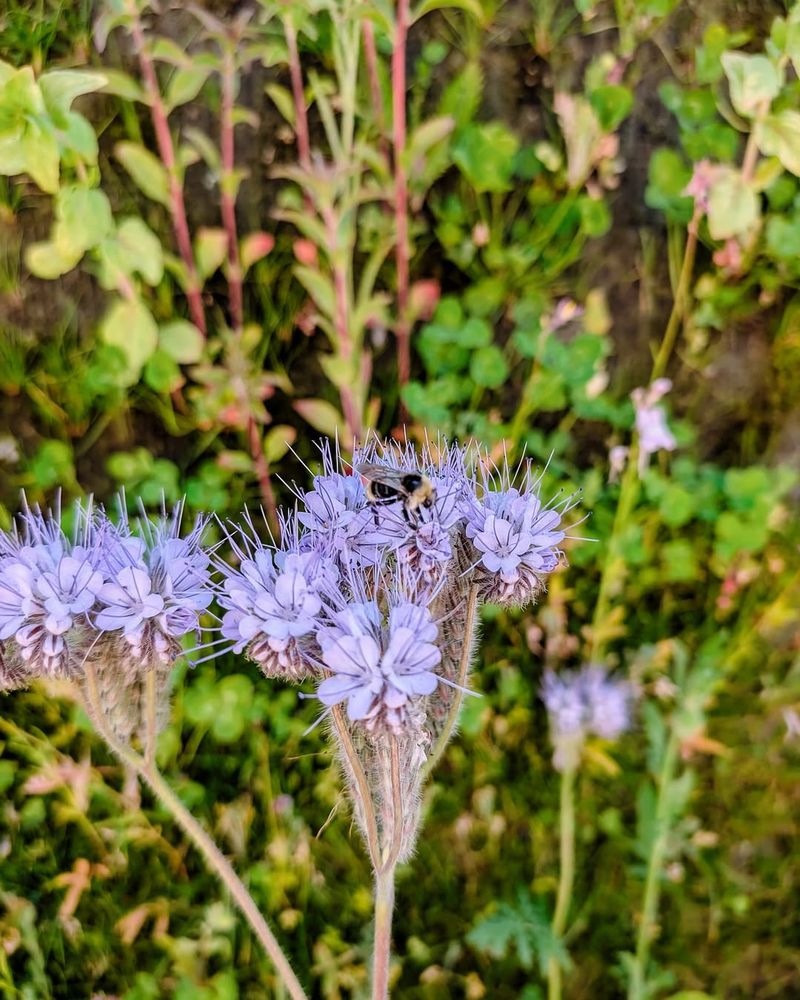
Pollinators face serious challenges from habitat loss and changing landscapes.
Bees, butterflies, moths, and hummingbirds need nectar and pollen from early spring through late fall.
Plant flowers that bloom in succession so something is always flowering in your yard.
Early bloomers like Virginia bluebells and wild columbine feed hungry pollinators emerging from winter dormancy.
Summer favorites include bee balm, mountain mint, and phlox that buzz with activity on sunny days.
Late-season asters and goldenrod provide crucial fuel for migrating monarchs and other butterflies.
Choose single-flowered varieties rather than fancy doubles that hide nectar and pollen.
Group similar flowers together in clusters of at least three to five plants for maximum visibility.
Different pollinators prefer different flower shapes, so diversity matters.
Tubular flowers attract hummingbirds and long-tongued bees, while flat-topped flowers suit butterflies and short-tongued bees.
Skip the pesticides entirely in pollinator gardens since these chemicals harm the very creatures you’re trying to help.
A well-planned pollinator garden becomes a living kaleidoscope of color and movement that delights both wildlife and human observers.
8. Reduce Outdoor Lighting At Night
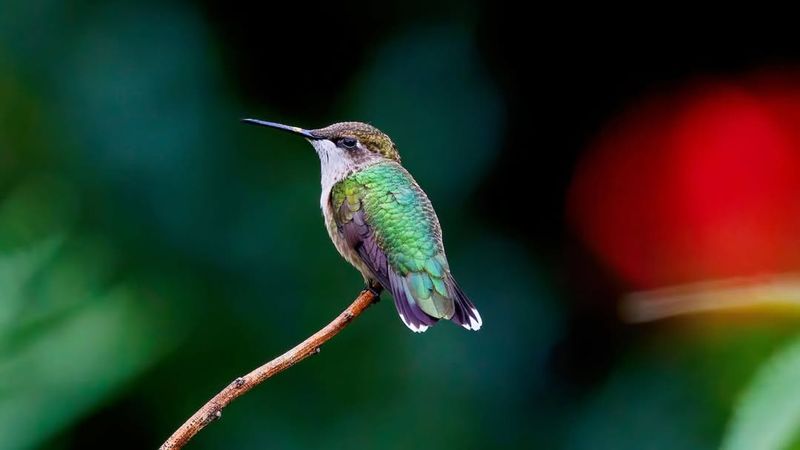
Artificial lights disrupt the natural rhythms of countless species.
Moths become confused and exhausted circling porch lights instead of pollinating night-blooming flowers.
Migrating birds navigate using stars and can become disoriented by bright outdoor lighting.
Fireflies use bioluminescent signals to find mates, but light pollution interferes with their communication.
Sea turtle hatchlings on our coast become confused by beachfront lights and wander away from the ocean.
Simple changes make a big difference for nocturnal wildlife.
Turn off unnecessary outdoor lights or put them on motion sensors and timers.
Use warm-colored bulbs instead of bright white or blue-toned lights that cause more disruption.
Shield fixtures so light points downward rather than up into the sky.
Close curtains and blinds at night to reduce light escaping from windows.
During peak migration seasons in spring and fall, consider turning off decorative lighting entirely.
Your darker yard becomes a safer corridor for wildlife moving through the neighborhood.
You might even rediscover the magic of fireflies dancing across your lawn on summer evenings.
9. Keep Cats Indoors Or Supervised
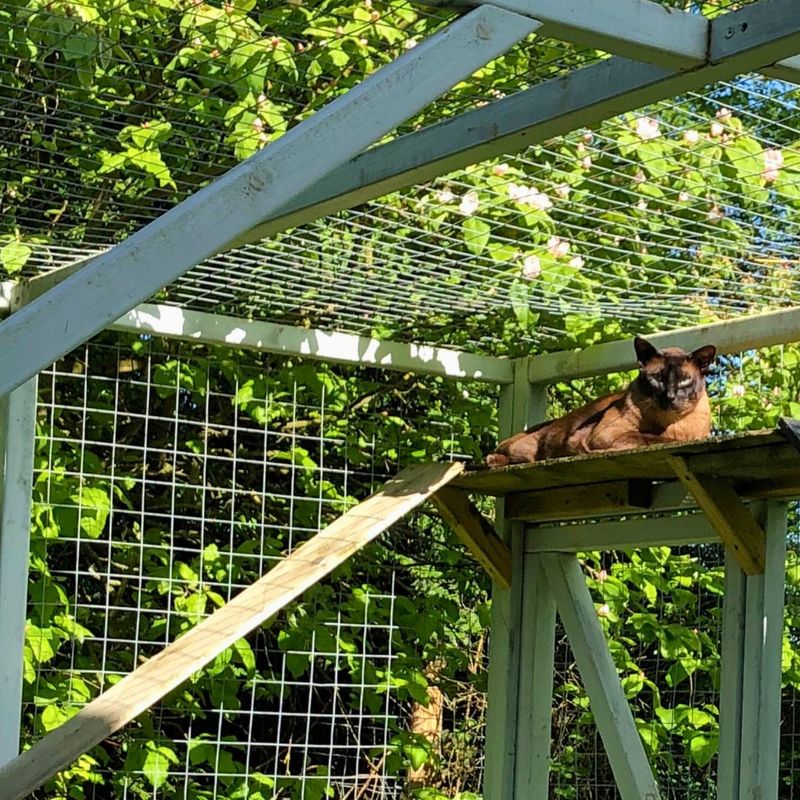
Domestic cats are beloved pets, but they pose serious risks to wildlife populations.
Even well-fed cats retain strong hunting instincts and often catch birds, lizards, and small mammals.
Research shows that free-roaming cats impact billions of wild animals annually across the country.
Indoor cats live longer, healthier lives without exposure to traffic, predators, and diseases.
If your cat loves the outdoors, consider building a secure catio or enclosed porch where they can enjoy fresh air safely.
Leash training works for many cats who enjoy supervised outdoor adventures with their owners.
Window perches and bird feeders positioned for viewing provide entertainment without the hunting.
When cats stay indoors, ground-nesting birds, chipmunks, and other vulnerable species can raise their young successfully.
Your yard becomes a true sanctuary rather than a hunting ground.
Talk with neighbors about the benefits of keeping cats contained for both pet and wildlife safety.
If you feed community cats, work with local groups to implement trap-neuter-return programs that stabilize populations humanely.
Protecting wildlife doesn’t mean giving up cat companionship—it just means being responsible about how and where cats spend their time.