10 Fruit Trees That Can Feed North Carolina Families For A Century Or More
Some of the most valuable things you can plant aren’t meant for quick results.
In North Carolina, fruit trees have a long tradition of feeding families, anchoring homesteads, and quietly doing their job for generations.
With the right choices, a single tree can outlive its planter — producing harvests year after year, decade after decade.
These aren’t trendy backyard additions or short-term garden projects.
They’re legacy trees: resilient, productive, and well-suited to North Carolina’s climate and soils.
From dependable staples to overlooked classics, the following fruit trees have the potential to nourish families for a century or more, turning a patch of land into something enduring, generous, and deeply rooted in place.
1. Apple
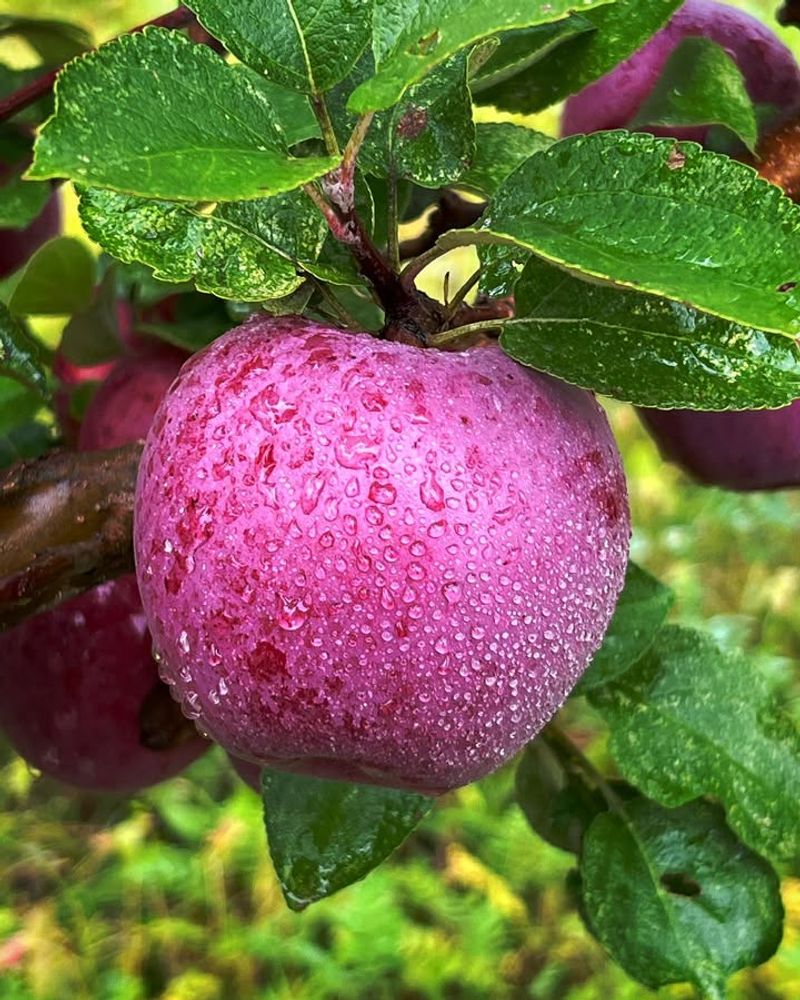
Apple trees stand as one of the most reliable fruit producers for North Carolina families who want fresh harvests for decades ahead.
A well-planted apple tree can easily live between eighty and one hundred years, sometimes even longer with proper care and attention.
North Carolina’s climate suits many apple varieties perfectly, especially in the mountain regions where cooler temperatures help the trees thrive beautifully.
Choosing disease-resistant varieties like Enterprise or Liberty saves you from constant spraying and worrying about pests destroying your precious fruit crop.
These trees need full sun and well-drained soil to grow strong roots that anchor them through storms and heavy fruit seasons.
Planting two different varieties nearby helps with pollination, which means more apples for your family to enjoy fresh or preserve later.
Your children can climb the sturdy branches, pick crisp apples in autumn, and share the same experience with their own kids.
Apple trees reward patience, starting small but growing into generous providers that feed families through countless seasons and celebrations together.
2. Pear
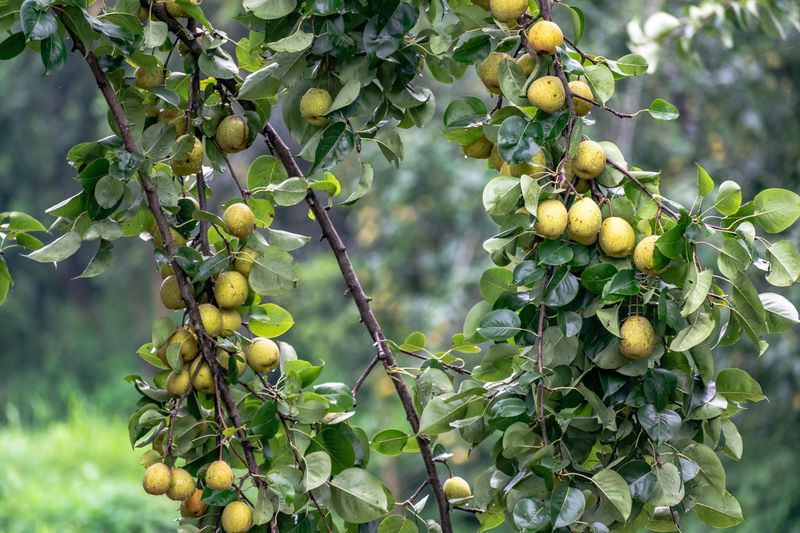
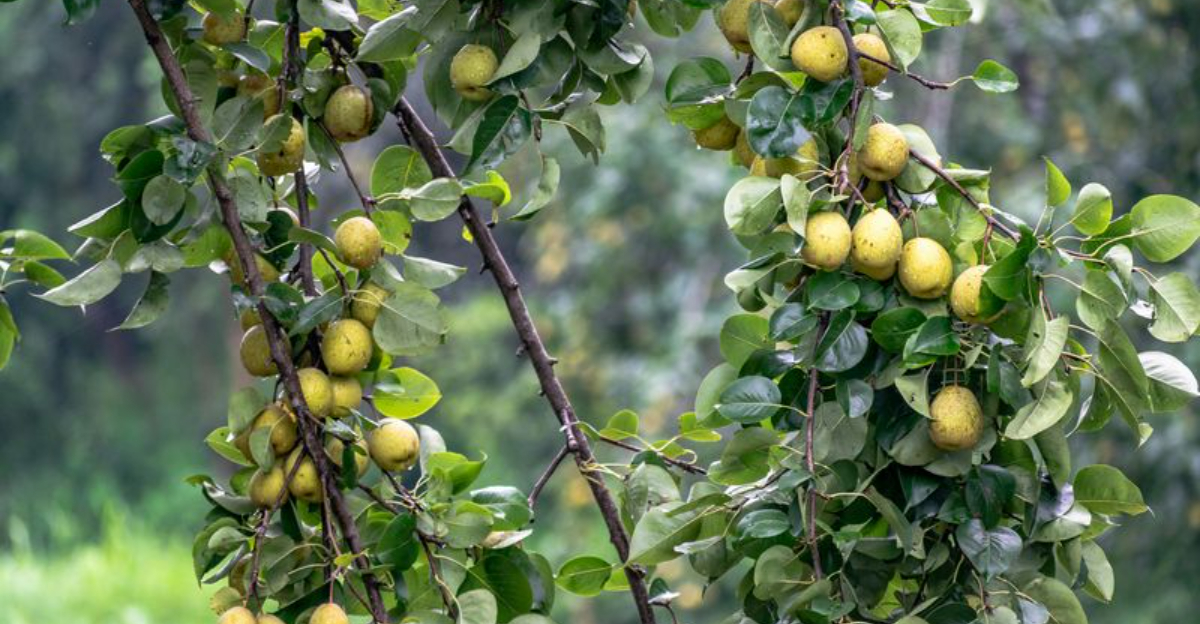
Pear trees bring sweet rewards to North Carolina yards for a century or more when given the right conditions and care.
These elegant trees can reach impressive heights, creating shady spots perfect for summer picnics while producing bushels of delicious fruit annually.
Fire blight poses the biggest challenge for pear growers, but selecting resistant varieties like Kieffer or Moonglow reduces this problem significantly.
Pears need a pollination partner just like apples, so planting at least two different types ensures your trees produce abundant fruit.
The fruit ripens off the tree, which means you pick them firm and let them soften indoors for perfect eating.
Sandy loam soil with good drainage keeps pear roots healthy and prevents waterlogging that can weaken even the strongest trees.
Springtime brings clouds of white blossoms that transform your yard into a breathtaking display before leaves fully emerge from winter sleep.
Pear trees grow slowly but steadily, building strength year after year until they become massive providers for your entire neighborhood.
Grandparents often plant pear trees knowing their grandchildren will enjoy the harvest long after they are gone from the scene.
3. Fig
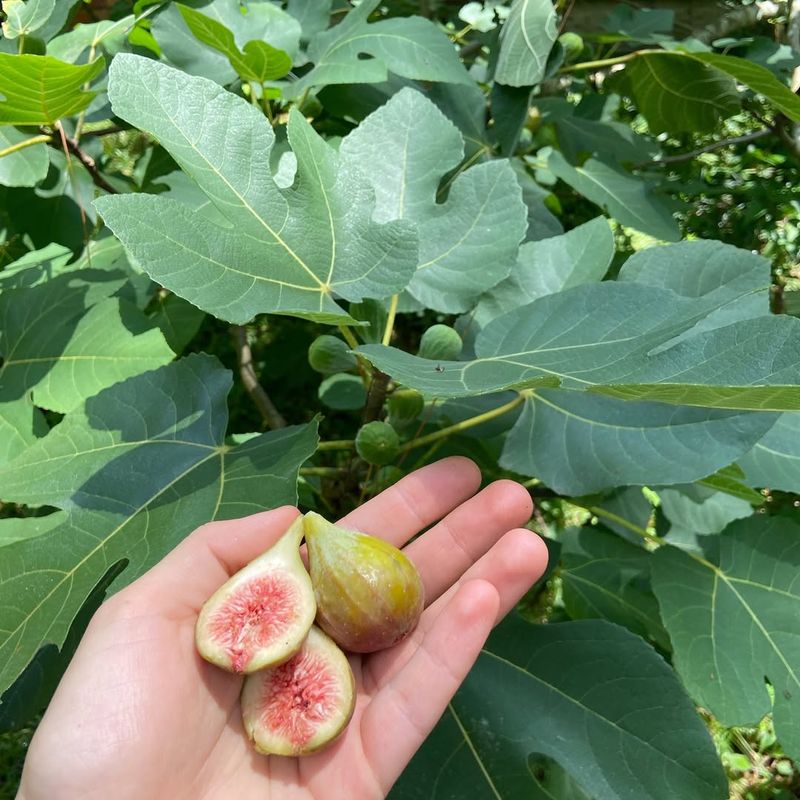
Fig trees offer North Carolina families an unusual advantage because they produce fruit without needing another tree nearby for successful pollination purposes.
Your North Carolina Garden Changes Every Week. Your Plan Should Too.
Gardening in North Carolina changes quickly throughout the season. Every Friday you’ll receive a simple weekly plan showing exactly what to plant, prune, fertilize, harvest, and protect so you never miss the right timing.
These Mediterranean natives adapt surprisingly well to the state’s climate, especially in the coastal and piedmont regions where winters stay mild.
Brown Turkey and Celeste varieties handle North Carolina’s occasional cold snaps better than most other fig types available to home gardeners.
A single fig tree can live well over one hundred years, growing multiple trunks from the base that spread wide.
The trees produce two crops annually in warm areas, giving you fresh figs in early summer and again in fall.
Figs taste incredible eaten fresh off the tree, but they also dry beautifully for winter snacks and holiday baking projects.
Deer and birds love figs as much as people do, so protecting your harvest with netting might become necessary as fruit ripens.
Fig trees tolerate drought once established, making them perfect for busy families who cannot water constantly during hot summer months.
Children love the large, tropical-looking leaves that provide excellent hideouts and the sweet fruit that tastes like natural candy from heaven.
4. Persimmon
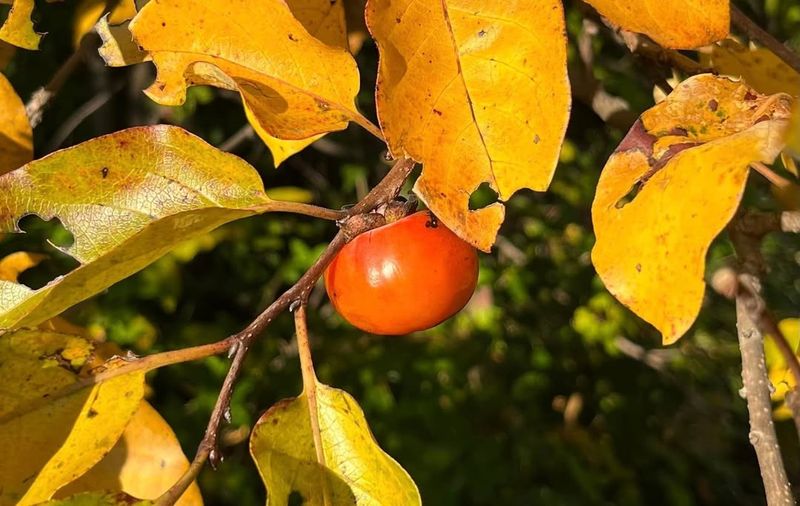
American persimmon trees grow wild across North Carolina, proving their ability to survive and thrive for over a century without human help.
These native trees handle heat, drought, cold, and poor soil better than almost any other fruit tree you could plant today.
Persimmons ripen late in autumn, often after the first frost sweetens them into soft, honey-flavored treats that taste amazing.
The trees grow tall and straight, sometimes reaching sixty feet high, with bark that develops distinctive blocky patterns as they age.
Male and female flowers grow on separate trees, so you need both types nearby to get fruit from your females.
Wild persimmons are smaller than Asian varieties but pack intense flavor that makes them worth the wait each fall season.
Wildlife depends heavily on persimmons for food during autumn and winter when other natural food sources become scarce and hard.
The wood is incredibly dense and valuable, though most families prefer keeping their trees alive for the delicious fruit they provide.
Persimmon trees require almost no maintenance once established, making them perfect for families who want food without endless work and worry.
5. Pecan
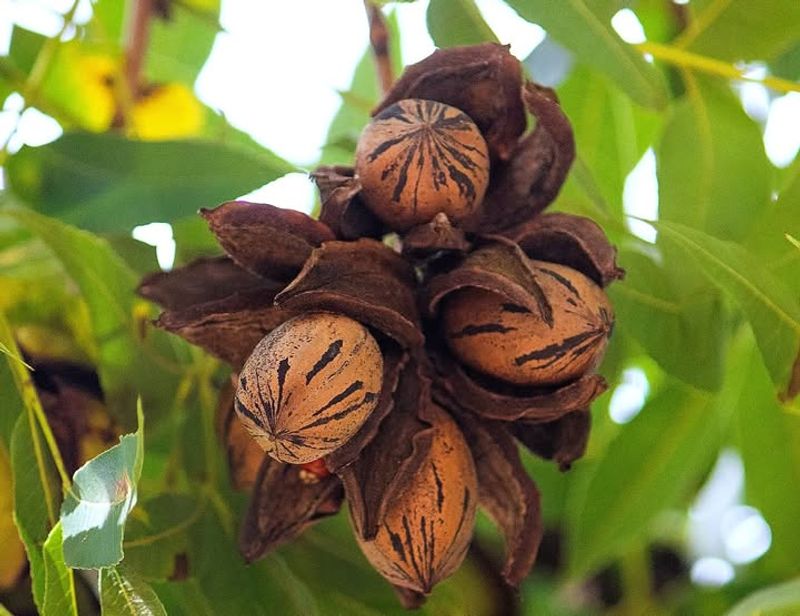
Pecan trees become true family heirlooms, often living three hundred years or more while producing hundreds of pounds of nutritious nuts.
North Carolina’s climate suits pecans wonderfully, particularly in the eastern and central regions where summers stay hot and growing seasons stretch long.
These majestic trees grow enormous, sometimes spreading over seventy feet wide and equally tall, dominating any landscape they inhabit successfully.
Pecans need deep, fertile soil and plenty of space to develop the massive root systems that support their incredible size.
Planting two varieties together improves pollination and nut production, turning good harvests into truly abundant ones that feed entire communities.
The trees take seven to ten years before producing significant crops, but once they start, they rarely stop providing.
Squirrels compete fiercely for pecans, often harvesting them before families get their share of the valuable crop each autumn.
Pecan pie, pralines, and roasted nuts become family traditions that span generations when you have your own productive tree.
The shade these giants provide cools entire houses during brutal summer heat, saving money on air conditioning while beautifying your property forever.
6. Chestnut
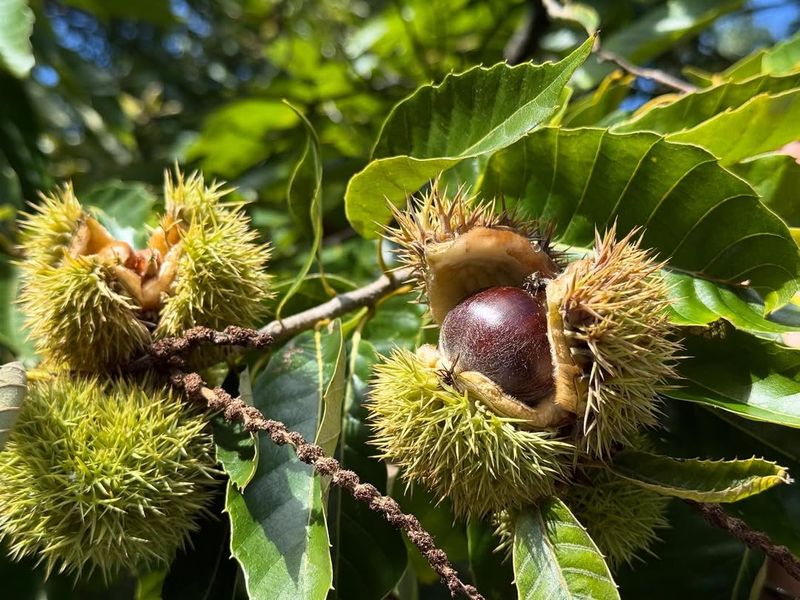
Chinese chestnut trees offer North Carolina families a chance to grow the delicious nuts that once covered eastern forests abundantly.
American chestnuts nearly disappeared due to blight, but Chinese varieties resist the problem while producing similarly tasty nuts for harvest.
These trees live one hundred years or more, growing into broad, spreading shapes that provide wonderful shade and seasonal beauty.
Chestnuts need a partner tree for pollination, so plan to plant at least two different varieties in your yard or neighborhood.
The spiny burrs that protect developing nuts split open in autumn, dropping sweet chestnuts that taste incredible roasted over open fires.
Rich, well-drained soil helps chestnuts establish quickly and grow vigorously through their early years when proper care matters most.
Roasted chestnuts smell absolutely amazing and taste like sweet, starchy treats that satisfy hunger better than many other tree crops.
Chestnut flour provides gluten-free baking options for families dealing with wheat allergies or celiac conditions that limit regular bread consumption.
These trees start producing nuts within three to five years, much faster than pecans, rewarding patient gardeners with relatively quick results.
7. Mulberry
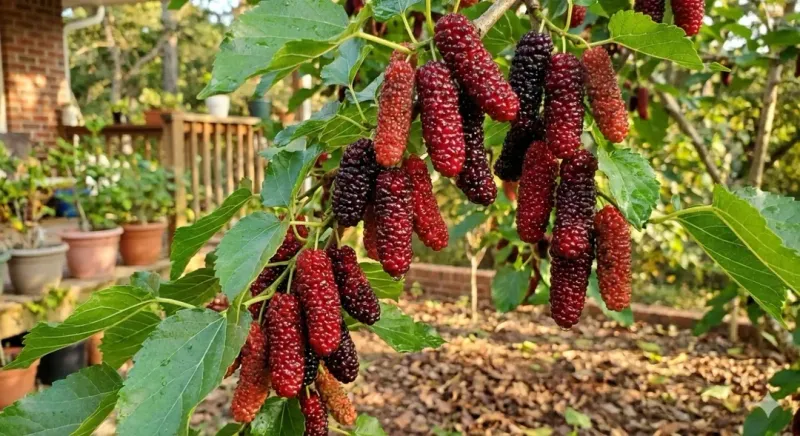
Mulberry trees grow so easily in North Carolina that they sometimes appear in yards without anyone actually planting them on purpose.
Birds eat the berries and spread seeds everywhere, creating new trees that can live well over one hundred years.
These fast-growing trees produce enormous quantities of sweet berries that ripen gradually throughout late spring and early summer months.
Black mulberries taste the best, with deep, complex flavors that make incredible jams, pies, and fresh eating straight from branches.
The berries stain everything they touch, so plant mulberries away from driveways, patios, and sidewalks where purple splotches become annoying.
Chickens, ducks, and other poultry absolutely love mulberries, making these trees perfect for families raising backyard flocks for fresh eggs.
Mulberry trees need almost no care once established, tolerating drought, poor soil, and neglect better than most other fruit producers.
Children love climbing the sturdy branches and eating berries until their faces turn purple and their bellies feel completely full.
The trees grow quickly, providing shade and fruit within just a few years of planting, unlike slower-growing options that test patience.
8. Plum
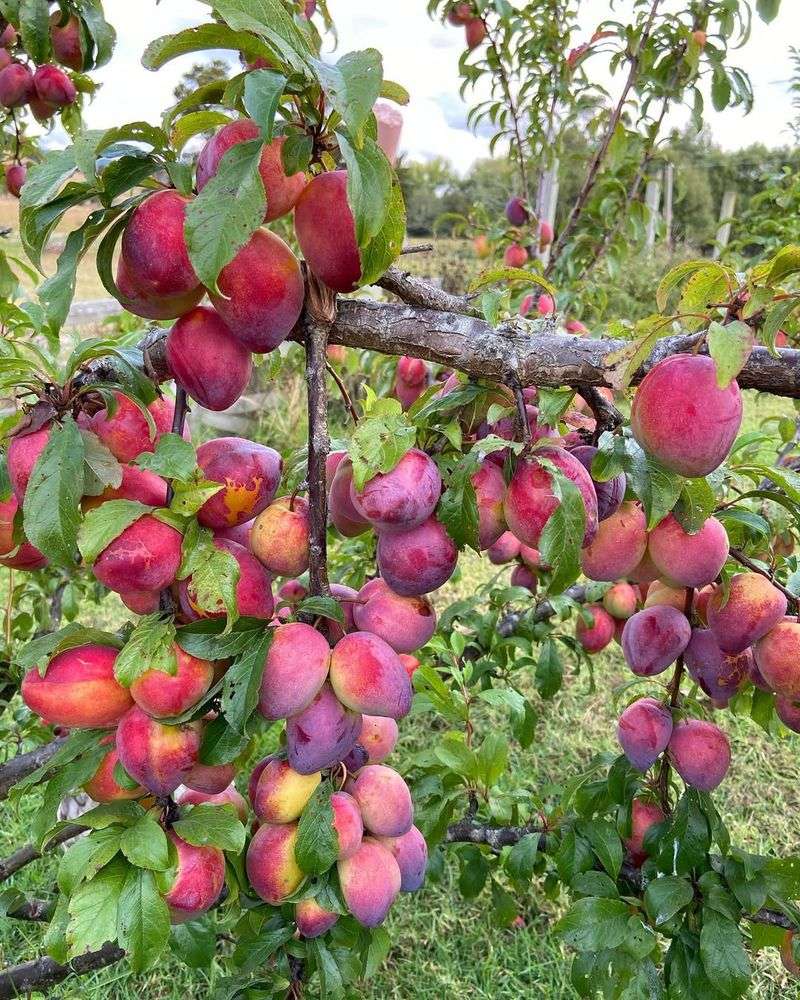
Plum trees adapt beautifully to North Carolina’s varied climate zones, producing juicy fruit for seventy-five to one hundred years or more.
European and Japanese plum varieties both grow successfully here, each offering different flavors, textures, and ripening times for extended harvests.
Methley and AU Rosa plums handle southern heat particularly well, producing reliable crops even during challenging weather patterns and conditions.
Most plum varieties need cross-pollination from different types to set fruit heavily, so research compatible partners before purchasing your trees.
Plums ripen in waves during summer, giving families fresh fruit for several weeks rather than one overwhelming harvest to process.
The trees stay relatively small compared to apples or pears, making them perfect for smaller yards where space is limited.
Plum blossoms appear early in spring, sometimes risking damage from late frosts that can reduce fruit production for that season.
Fresh plums taste incredible, but they also make outstanding jams, preserves, and dried fruit for snacking throughout the cold winter months.
Plum trees require regular pruning to maintain good shape and encourage healthy growth that supports heavy fruit loads without breaking branches.
9. Cherry
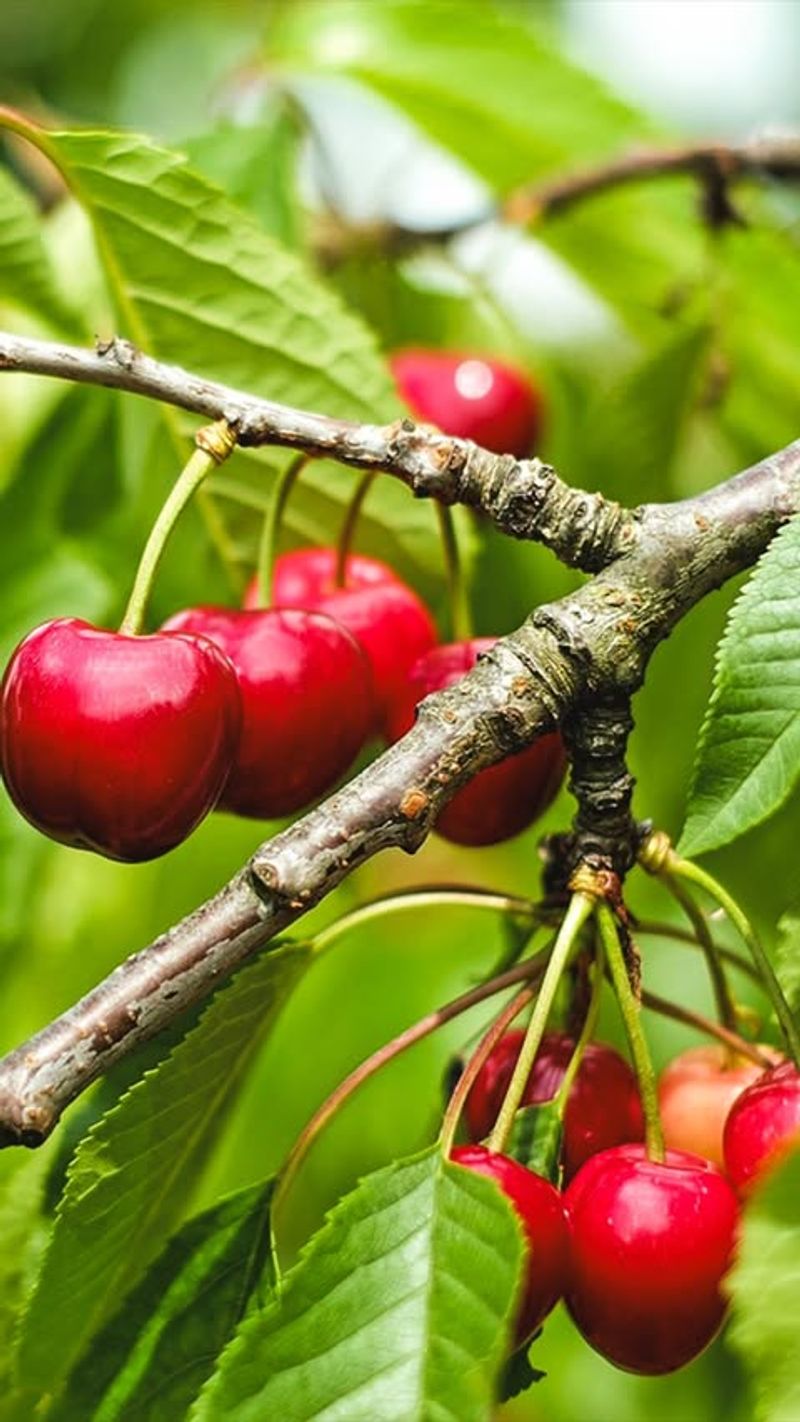
Sour cherry trees grow more successfully in North Carolina than sweet varieties, particularly in the cooler mountain regions where temperatures suit them.
These productive trees can live sixty to one hundred years, providing tart cherries perfect for pies, preserves, and other cooked dishes.
Montmorency cherries remain the most popular variety for home growers because they tolerate heat better than most other sour types.
Sweet cherries struggle in North Carolina’s humid climate where fungal problems attack them relentlessly throughout the growing season each year.
Sour cherries resist these issues much better, producing reliable crops without constant spraying and worrying about losing your entire harvest.
The trees bloom later than many other fruits, which helps them avoid frost damage that destroys early spring flowers.
Birds attack ripe cherries with incredible enthusiasm, often stripping trees bare before families harvest a single fruit for themselves.
Netting your cherry tree protects the crop but requires effort and planning before berries begin changing color and attracting attention.
Cherry trees stay relatively compact, rarely exceeding twenty feet tall, which makes harvesting easier and safer for families with young children helping.
10. Pawpaw

Pawpaw trees produce North America’s largest native fruit, with creamy flesh that tastes like a tropical blend of banana and mango.
These unusual trees grow wild throughout North Carolina’s forests, proving they can survive and thrive for over a century without any care.
Pawpaws prefer shade when young but tolerate full sun once established, making them adaptable to various garden situations and conditions.
The fruit ripens in autumn, turning from green to yellowish and developing a soft texture when ready to eat fresh.
Pawpaws taste incredible but spoil quickly after picking, which explains why you rarely see them in grocery stores or farmer’s markets.
Planting two unrelated pawpaw trees improves pollination and fruit set, though some varieties produce without partners nearby for successful reproduction.
The trees spread slowly through underground runners, eventually forming colonies that produce fruit over large areas if left undisturbed.
Pawpaw leaves and bark contain natural insect repellents, which means the trees rarely suffer from pest damage or require spraying.
These native treasures deserve more attention from North Carolina families looking for unique, delicious fruit that connects them to regional history.