10 Ways North Carolina Gardeners Can Protect Their Yards From The First Freeze
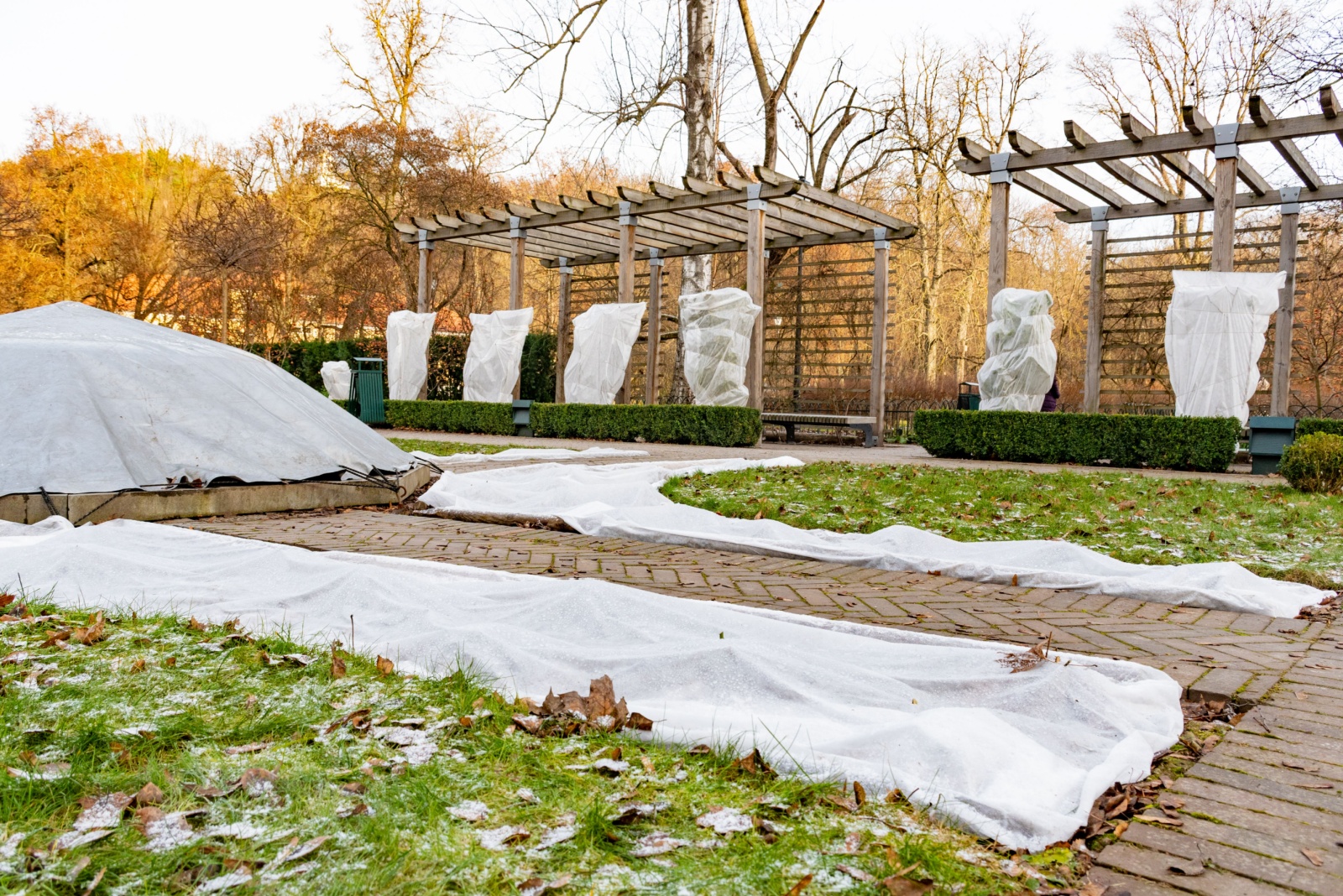
When temperatures drop and frost warnings appear, North Carolina gardeners need to act fast to save their precious plants and landscapes from damage.
Cold snaps can arrive suddenly across the state, turning healthy gardens into wilted messes if proper precautions are not taken beforehand.
Protecting your yard from the first freeze requires planning, the right materials, and knowledge of which plants need the most attention.
These ten practical strategies will help you shield your outdoor spaces from freezing temperatures and ensure your garden bounces back beautifully.
1. Cover Tender Plants With Fabric Or Sheets

Old bedsheets, burlap, or frost blankets work wonders when draped over vulnerable plants before nightfall arrives in your Carolina garden.
Fabric allows moisture to escape while trapping warm air near the soil, creating a cozy microclimate that keeps frost off delicate leaves.
Plastic tarps might seem convenient, but they actually conduct cold and can damage foliage when they touch wet leaves directly.
Make sure your coverings reach all the way to the ground so warm air stays trapped underneath throughout the chilly night.
Secure the edges with rocks, bricks, or garden stakes so wind cannot blow your protective layers away before morning comes around.
Remove the covers once temperatures climb above freezing so plants can breathe and receive sunlight during the warmer daylight hours ahead.
Reusable frost cloths from garden centers offer excellent protection and last for many seasons, making them a smart investment for Carolina gardeners.
Lightweight row covers also allow sunlight and water through while still shielding plants from frost, so you can leave them on longer.
Many North Carolina gardeners keep a stash of old sheets in their garage specifically for those sudden freeze warnings that pop up.
2. Water Your Garden Thoroughly Before The Freeze
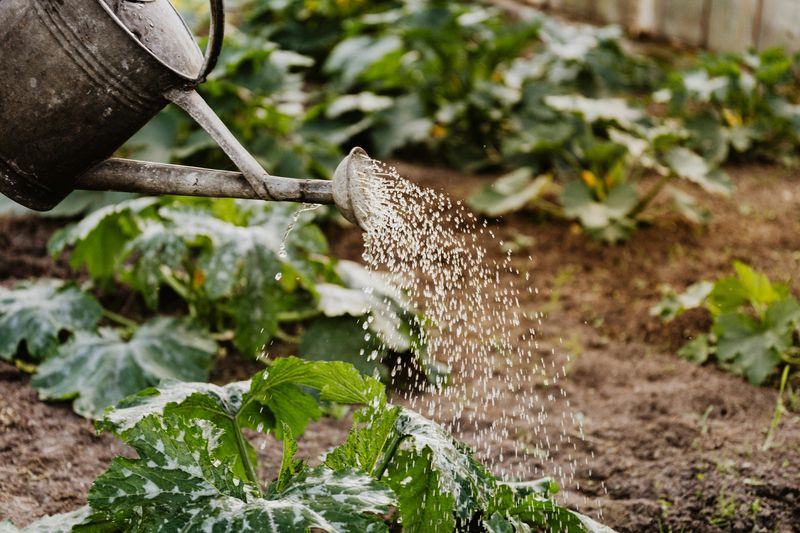
Moist soil holds heat much better than dry ground, so giving your garden a good soaking the day before a freeze helps protect roots from cold damage.
Water acts like a thermal blanket underground, releasing stored warmth slowly throughout the night as temperatures drop around your Carolina plants.
Dry soil loses heat rapidly and allows cold to penetrate deeper, putting roots at risk when the mercury plummets unexpectedly overnight.
Focus your watering efforts on the root zones of shrubs, perennials, and newly planted specimens that have not yet established strong root systems.
Avoid watering late in the evening, as wet foliage can freeze and cause more harm than good when temperatures fall quickly.
Early afternoon watering gives plants time to absorb moisture while allowing leaves to dry before the coldest hours arrive after midnight.
Container plants especially benefit from pre-freeze watering since their roots have limited soil volume and can freeze faster than in-ground plantings.
Sandy soils common in parts of North Carolina drain quickly, so they need more water to retain adequate heat through cold nights.
This simple step costs nothing but time and can make a real difference in helping your garden survive those first frosty mornings.
3. Bring Potted Plants Indoors Or To Sheltered Spots

Container plants lack the insulation that ground soil provides, making them extremely vulnerable when freezing temperatures settle over your North Carolina landscape overnight.
Your North Carolina Garden Changes Every Week. Your Plan Should Too.
Gardening in North Carolina changes quickly throughout the season. Every Friday you’ll receive a simple weekly plan showing exactly what to plant, prune, fertilize, harvest, and protect so you never miss the right timing.
Moving pots into a garage, shed, or covered porch gives them instant protection from frost while keeping them close enough for easy care.
Even an unheated space stays several degrees warmer than the open air, which can make all the difference for tropical plants and succulents.
Heavy containers that cannot be moved easily can be grouped together near a warm house wall where radiant heat escapes overnight.
Wrapping pots with bubble wrap, burlap, or old blankets insulates roots and prevents containers from cracking when water inside the soil freezes.
Terra cotta and ceramic pots are particularly susceptible to cracking, so protecting them saves money on replacements come spring planting season.
Hanging baskets should definitely come down before a freeze since they are exposed to cold air from all sides and cool down fastest.
If indoor space is limited, prioritize tender plants like citrus, hibiscus, and herbs that will not survive even a light frost outside.
North Carolina gardeners with sunrooms or enclosed porches have a perfect temporary home for their container collections during cold snaps that last several days.
4. Mulch Heavily Around Plant Bases And Root Zones

A thick blanket of organic mulch acts like insulation for plant roots, keeping soil temperatures more stable when cold air sweeps across Carolina.
Shredded leaves, pine straw, wood chips, or compost all work beautifully to trap warmth in the ground where roots need it most.
Apply a layer at least three to four inches deep around perennials, shrubs, and trees, extending out to the drip line for maximum benefit.
Mulch also prevents the freeze-thaw cycles that can heave plants out of the ground and damage root systems during winter temperature swings.
Pull mulch away from direct contact with plant stems and tree trunks to prevent rot and discourage rodents from nesting too close.
Fresh mulch applied in late fall gives plants extra protection right when they need it most as the first freezes approach the region.
Pine straw is particularly popular in North Carolina because it is readily available, affordable, and looks attractive in landscape beds year-round.
Shredded leaves from your own yard provide free mulch that enriches soil as it breaks down over the winter months ahead.
For vegetable gardens, straw or hay makes excellent mulch that can be easily removed in spring when it is time to plant again.
5. Harvest Vegetables And Fruits Before Frost Strikes

Tender vegetables like tomatoes, peppers, squash, and cucumbers turn to mush when frozen, so picking them before the first freeze saves your harvest.
Even green tomatoes can be brought indoors to ripen on a windowsill or made into delicious fried green tomatoes for dinner tonight.
Root vegetables like carrots and beets actually taste sweeter after a light frost, but above-ground crops need to come in right away.
Check your local North Carolina forecast carefully and plan a harvesting session a day or two before predicted freezing temperatures arrive overnight.
Herbs like basil and cilantro are extremely cold-sensitive and should be picked, dried, or frozen for later use before frost hits them.
Some gardeners prefer to harvest entire plants and hang them upside down indoors to extend the season a bit longer naturally.
Fruit trees may drop their remaining apples, pears, or figs after a hard freeze, so gather what you can before that happens.
Unripe fruits picked early can sometimes finish ripening indoors if stored in a cool, dark place with good air circulation.
North Carolina gardeners who stay on top of frost dates maximize their harvest and avoid the disappointment of losing produce to cold overnight.
6. Protect Young Trees With Burlap Wraps Or Tree Guards
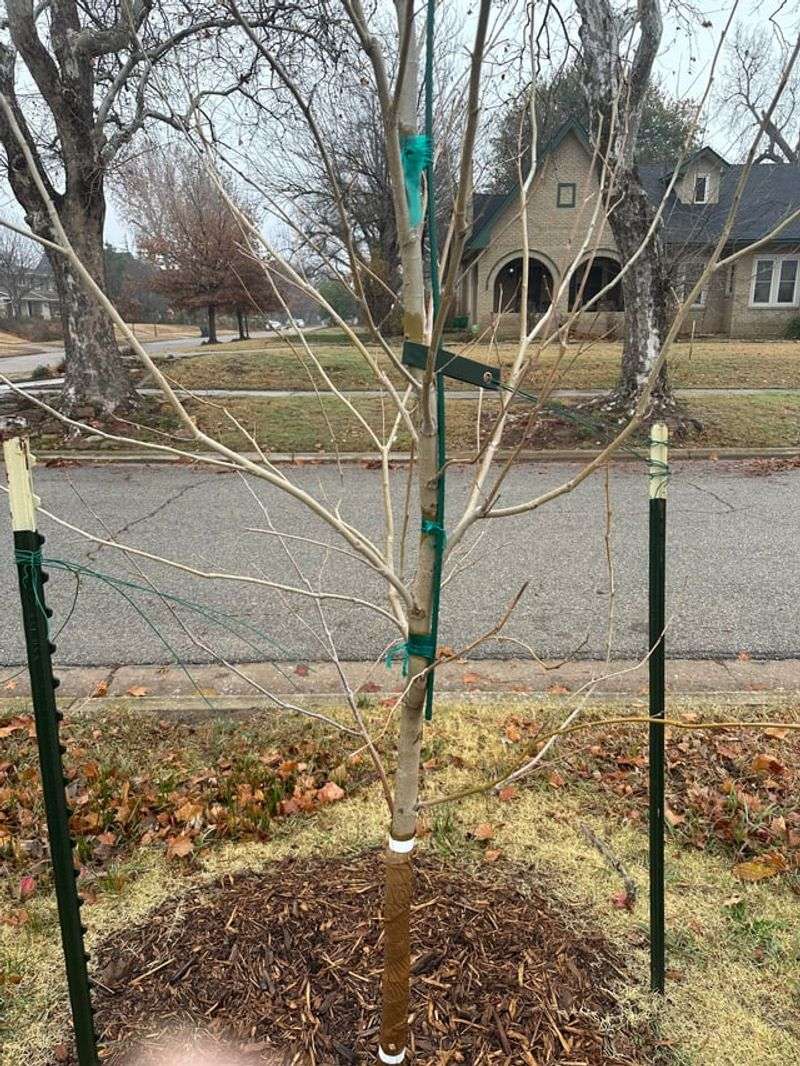
Young trees with thin bark are especially prone to frost cracks and sunscald damage when temperatures fluctuate wildly during Carolina winters ahead.
Wrapping trunks with burlap or commercial tree wrap provides a protective barrier against extreme cold and prevents bark from splitting open painfully.
Start wrapping at the base and spiral upward, overlapping each layer slightly, then secure the top with twine or tape carefully.
Tree guards also shield tender bark from hungry deer and rabbits that browse more aggressively when other food sources become scarce in winter.
Remove wraps in early spring once the danger of hard freezes passes so bark can breathe and moisture does not get trapped underneath.
Newly planted trees need extra attention during their first few winters until their root systems establish and they develop hardier bark naturally.
For small ornamental trees, you can drape frost cloth over the entire canopy on nights when severe freezes are predicted across the region.
Citrus and fig trees, which are marginally hardy in parts of North Carolina, benefit tremendously from trunk wraps and root zone mulching combined.
Investing a little time in protecting young trees now pays off with healthy, vigorous growth for many years to come in your landscape.
7. Move Sensitive Garden Ornaments And Equipment Inside

Ceramic pots, concrete statues, and certain garden ornaments can crack or shatter when water inside them freezes and expands during cold nights.
Bringing these decorative pieces into a shed or garage protects your investment and saves you from discovering broken treasures come spring morning.
Solar lights, fountain pumps, and irrigation timers can also malfunction or become damaged when exposed to repeated freezing and thawing cycles throughout winter.
Drain all water from fountains, birdbaths, and hoses before the first freeze arrives to prevent cracking and expensive repairs later on.
Store hoses coiled neatly in a protected area so they remain flexible and do not develop cracks from ice forming inside them.
Garden tools left outside can rust more quickly in freezing conditions, so a little organization now extends their useful life significantly.
Clay and terra cotta pots are particularly vulnerable and should always be emptied and stored in a dry location during winter months.
If moving large ornaments is not possible, cover them with tarps or wrap them in bubble wrap to minimize freeze damage risks.
North Carolina winters are usually mild, but even one hard freeze can ruin unprotected garden accessories and equipment you treasure most.
8. Create Windbreaks To Shield Plants From Cold Gusts
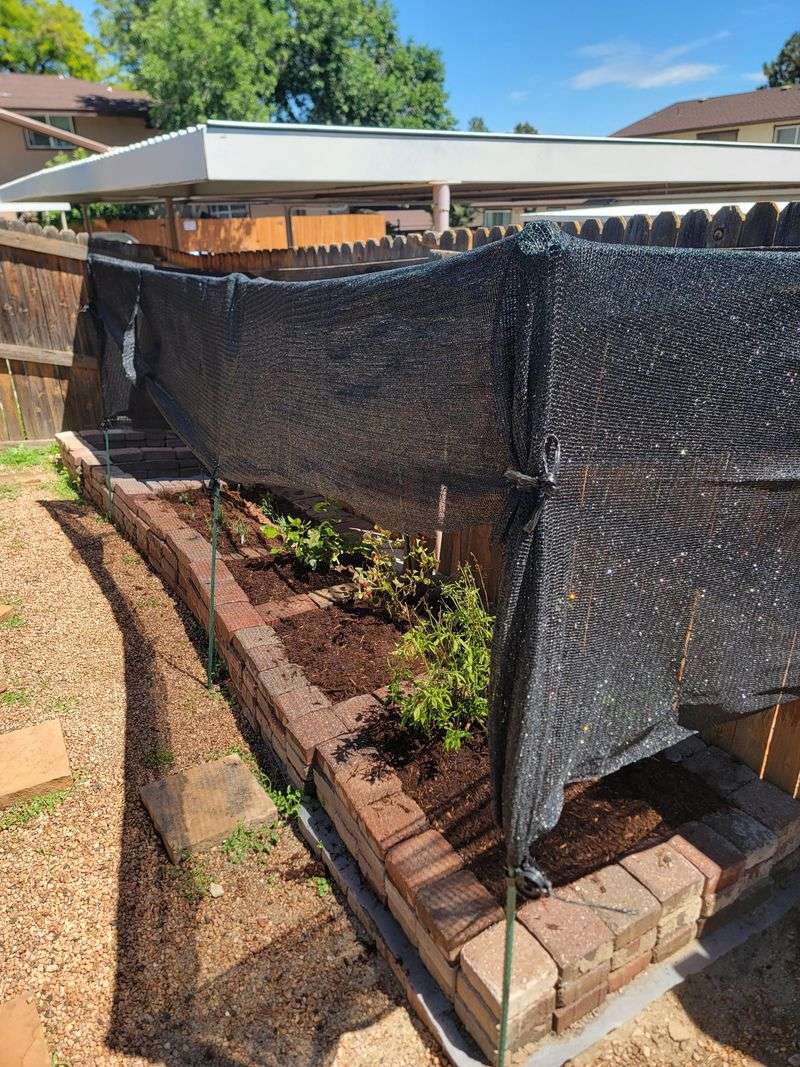
Cold winds strip away the warm air surrounding plants and make freezing temperatures feel even harsher on tender foliage and stems overnight.
Setting up temporary windbreaks with stakes and burlap screens creates calm pockets where plants stay several degrees warmer than exposed areas nearby.
Existing structures like fences, walls, and evergreen hedges also provide natural protection if you position vulnerable plants strategically near them.
Windbreaks work especially well for roses, hydrangeas, and other ornamental shrubs that suffer from desiccation when cold winds blow relentlessly.
Even a simple barrier that blocks wind from one direction can reduce cold stress significantly and help plants retain moisture through winter.
Portable screens can be repositioned as needed depending on which direction the strongest winds blow from during different weather patterns.
Evergreen shrubs planted on the north and west sides of gardens provide permanent windbreak protection year after year as they mature.
Straw bales stacked strategically also make excellent temporary windbreaks and can be repurposed as mulch or compost when spring arrives again.
North Carolina gardeners who understand wind patterns on their property can design landscapes that naturally shelter tender plants from harsh winter conditions.
9. Apply Anti-Transpirant Sprays To Evergreen Foliage
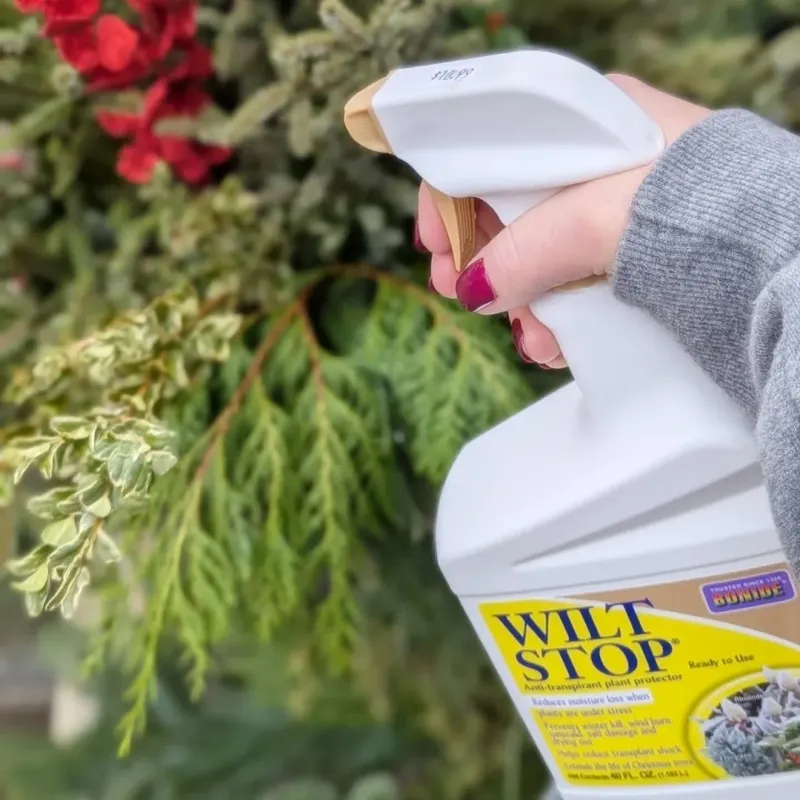
Anti-transpirant sprays coat leaves with a protective film that reduces moisture loss when cold, dry winds blow across your North Carolina landscape.
Evergreens like boxwoods, hollies, and rhododendrons continue to lose water through their leaves even in winter, but frozen ground prevents roots from replacing it.
This moisture imbalance causes foliage to brown and become damaged, a condition called winter burn that looks terrible come springtime weather.
Spray products are available at most garden centers and should be applied on a calm, dry day when temperatures are above freezing.
Cover all leaf surfaces thoroughly, following label directions carefully, and reapply every few weeks throughout winter as the coating breaks down.
These sprays do not prevent freeze damage to plant tissues, but they do reduce stress from dehydration during cold, windy periods.
Broadleaf evergreens are particularly susceptible to winter damage in exposed locations, so they benefit most from anti-transpirant treatments.
Some gardeners also use these products on newly planted trees and shrubs to help them through their first stressful winter season.
North Carolina winters can be unpredictable, with warm spells followed by sudden cold snaps that stress plants repeatedly until spring arrives.
10. Monitor Weather Forecasts And Plan Ahead Carefully

Staying informed about upcoming temperature drops gives you time to implement protective measures before frost damages your Carolina gardens overnight.
Local weather apps and websites provide freeze warnings and frost advisories that help you plan your protection strategy several days in advance.
North Carolina weather can be unpredictable in fall and spring, with warm days followed suddenly by freezing nights.
Pay attention to both predicted low temperatures and wind chill factors, as breezy conditions make frost damage more severe.
Microclimates in your yard mean some areas may freeze while others stay above freezing, so knowing your property helps prioritize efforts.
Low-lying areas where cold air settles and exposed hilltops where wind blows strongest need the most attention when freezes are forecast.
Keep a garden journal noting when the first and last freezes occur each year so you can anticipate patterns and plan better.
Many North Carolina counties have average first frost dates ranging from mid-October in the mountains to late November near the coast.
Being proactive rather than reactive means your plants stay healthy, your harvests are maximized, and your landscape looks beautiful.