Free Garden Ideas Tennessee Gardeners Can Try Without Spending Money

Tennessee gardens thrive on creativity as much as cash.
With soil, sunlight, and a little know-how, empty pockets still produce big results.
Fallen leaves become mulch, kitchen scraps turn into compost, and seed swaps spread color without a price tag.
Gardeners borrow divisions, share cuttings, and reuse what storms or seasons leave behind.
The land already offers plenty.
Expect smart reuse, neighborly swaps, and old-school tricks that still work like a charm.
When budgets tighten, ingenuity steps up, and Tennessee gardens prove that good growth does not need a receipt.
Start Composting With Kitchen Scraps
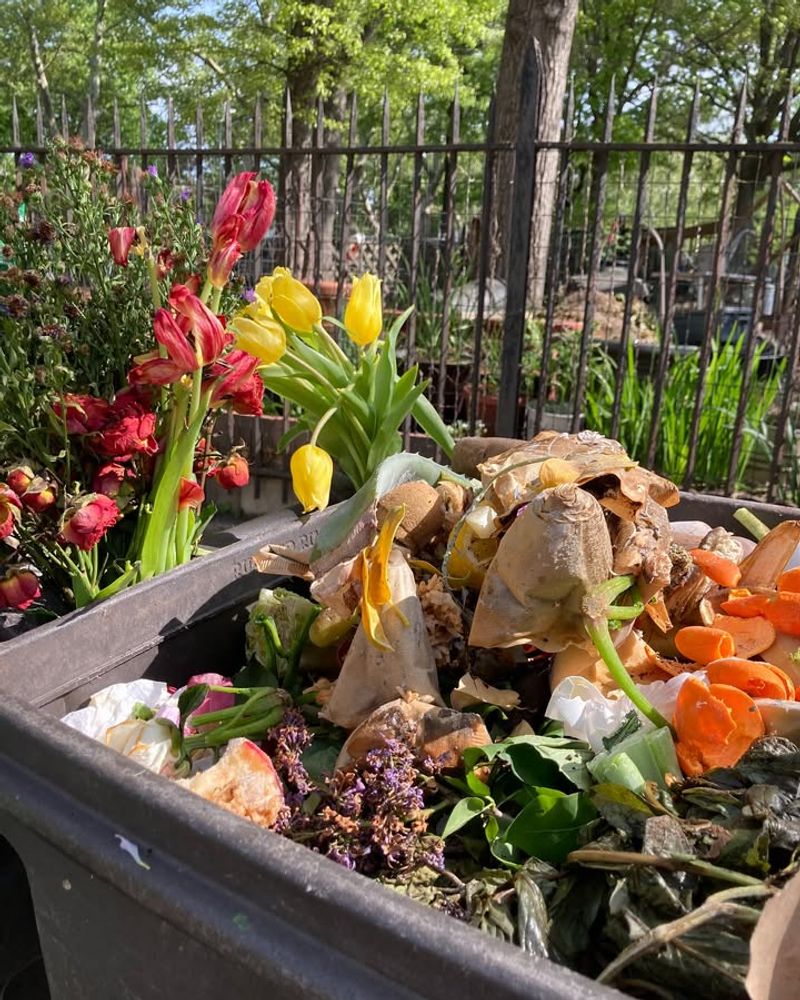
Every banana peel and eggshell you toss becomes gold for your garden when you compost.
Your kitchen produces valuable organic matter daily that most people throw away without realizing its potential.
Vegetable scraps, coffee grounds, and fruit rinds break down naturally into rich soil that plants absolutely love.
You can create a simple pile in your backyard corner or use an old container with holes poked in the sides.
Layer your brown materials like dried leaves with green materials such as grass clippings for best results.
Tennessee’s warm, humid climate actually speeds up the decomposition process, especially during spring and summer months.
Turn your pile occasionally with a stick or shovel to add oxygen and help everything break down faster.
Within a few months, you’ll have dark, crumbly compost that smells earthy and feeds your plants better than store-bought fertilizer.
This free resource improves soil structure, retains moisture, and provides nutrients your vegetables and flowers need to flourish.
Your garden beds will thank you with bigger harvests and healthier blooms all season long.
Collect Rainwater In Buckets And Containers
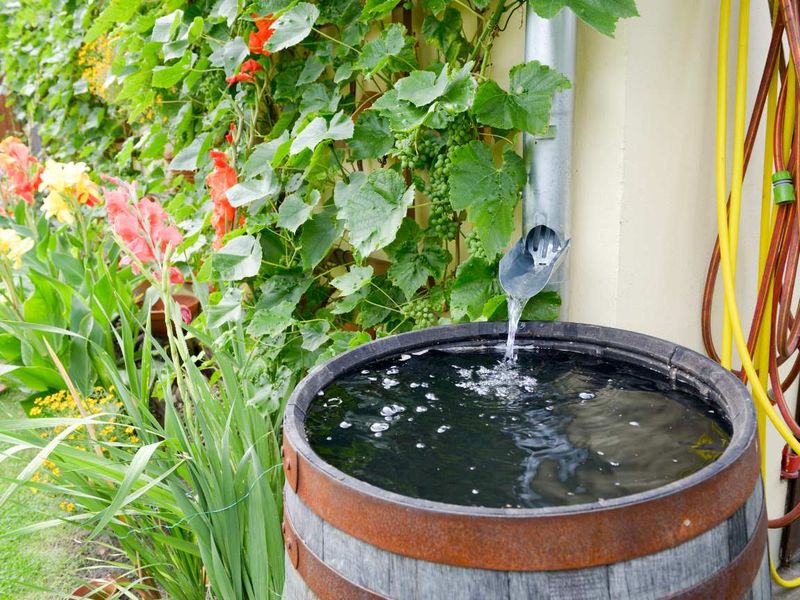
Tennessee receives plenty of rainfall throughout the year, and capturing it costs absolutely nothing.
Position old buckets, plastic containers, or even clean trash cans beneath your downspouts to gather water naturally.
A single rainstorm can fill multiple containers, providing free irrigation for weeks depending on your garden size.
Rainwater actually benefits plants more than tap water because it lacks chlorine and other chemicals municipalities add for treatment.
Your collected water stays at ambient temperature, which plants prefer over cold hose water that can shock their roots.
Cover your containers with mesh or screen to prevent mosquitoes from breeding while still allowing water collection.
During Tennessee’s hot summers, having stored rainwater means you won’t see your water bill spike from garden irrigation.
Use a small cup or ladle to water individual plants, or carefully tip containers to fill watering cans.
This sustainable practice connects you with natural cycles and reduces your environmental footprint significantly.
Your plants grow stronger, your wallet stays fuller, and you become a better steward of precious water resources.
Save And Plant Seeds From Your Produce
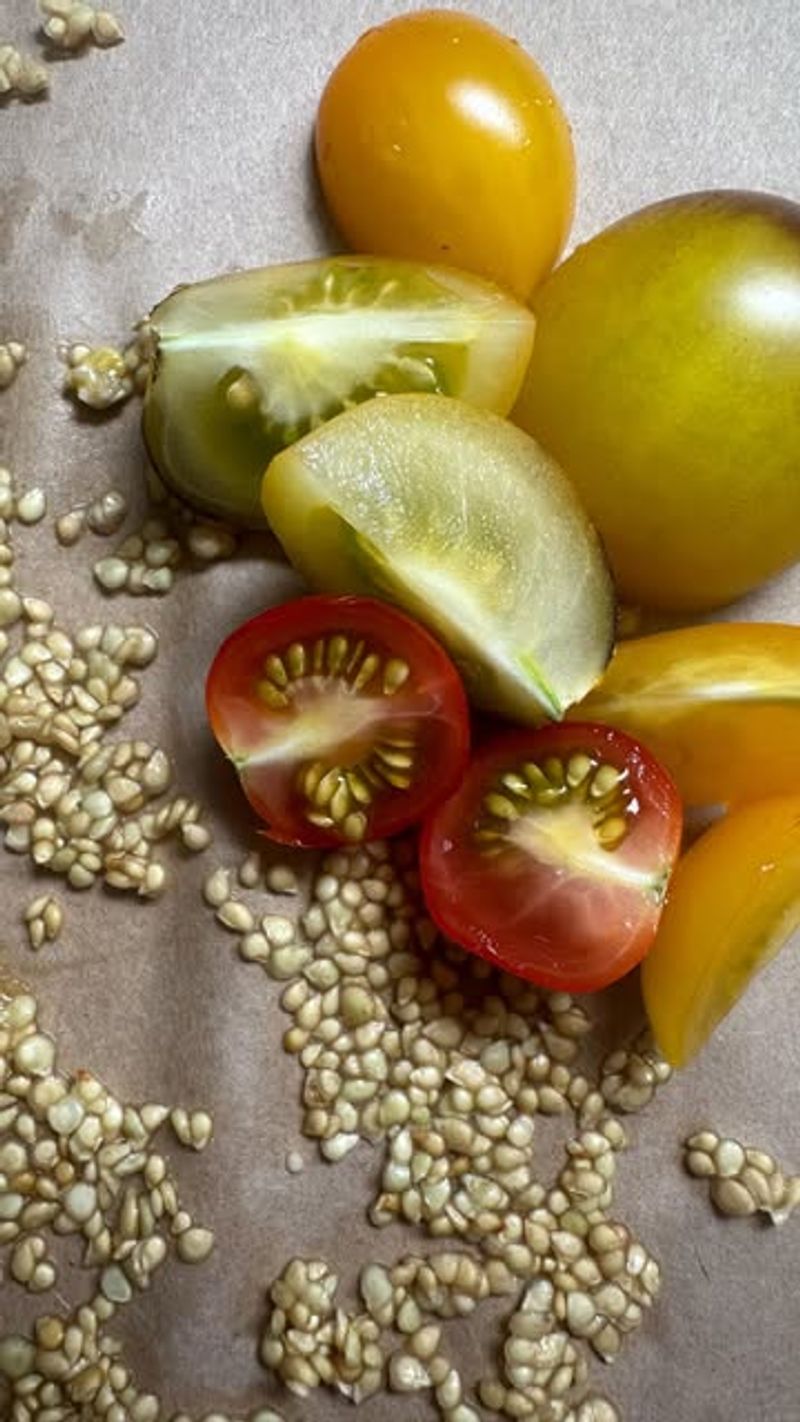
That tomato you enjoyed for lunch contains dozens of future plants waiting inside.
Simply scoop out seeds from peppers, tomatoes, squash, and melons, then rinse and dry them thoroughly.
Spread them on paper towels in a warm, dry spot for about a week until completely moisture-free.
Your Tennessee Garden Changes Every Week. Your Plan Should Too.
Gardening in Tennessee changes quickly throughout the season. Every Friday you’ll receive a simple weekly plan showing exactly what to plant, prune, fertilize, harvest, and protect so you never miss the right timing.
Store your dried seeds in envelopes labeled with the plant variety and date for organization.
When spring arrives in Tennessee, you’ll have a free supply ready for planting without visiting any store.
Heirloom varieties work best for seed saving since they produce plants true to the parent, unlike hybrid types.
You can also save seeds from herbs like cilantro, dill, and basil after they flower and develop seed heads.
This practice connects you to traditional gardening methods that families have used for countless generations.
Each successful harvest means more seeds for next year, creating an endless cycle of abundance.
Your garden becomes self-sustaining, and you’ll have extra seeds to share with neighbors and friends who garden too.
Use Coffee Grounds As Natural Fertilizer

Coffee shops often give away used grounds for free if you simply ask the barista.
These nitrogen-rich leftovers boost plant growth and improve soil texture without costing a penny.
Sprinkle cooled grounds directly around your plants or mix them into your compost pile for added nutrients.
Tomatoes, roses, and blueberries particularly love the slight acidity coffee grounds provide to the soil.
The grounds also help sandy Tennessee soil retain moisture better during our occasional dry spells.
Worms find coffee grounds irresistible, and they’ll flock to your garden beds to help aerate the soil naturally.
You can even brew weak coffee tea by soaking grounds in water overnight, then use it as liquid fertilizer.
Some gardeners report that coffee grounds help deter certain pests like slugs from munching on tender seedlings.
Apply a thin layer rather than thick clumps, which can form a water-resistant barrier if packed too densely.
Your morning coffee ritual becomes a garden-boosting habit that turns waste into wonderful plant food throughout the season.
Create Mulch From Fallen Leaves And Grass Clippings
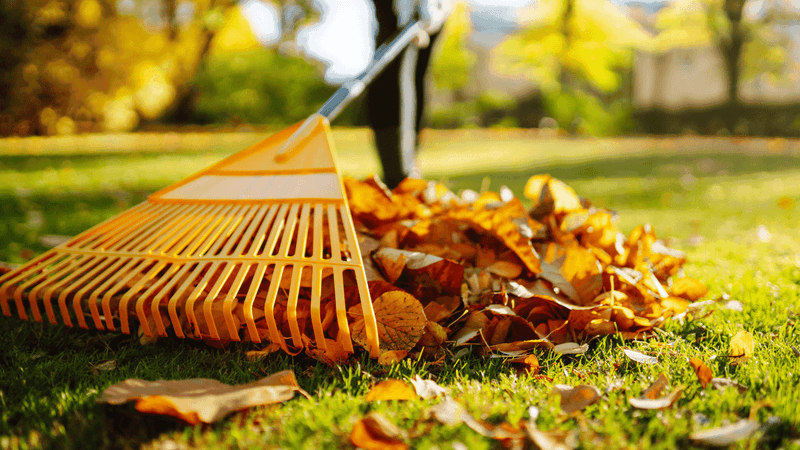
Autumn leaves carpeting your yard aren’t yard waste—they’re free garden treasure just waiting for collection.
Rake them up and spread them around your plants to suppress weeds and retain soil moisture beautifully.
Shredding leaves first helps them break down faster and prevents them from matting together when wet.
You can run over them with your lawn mower to chop them into smaller, more manageable pieces easily.
Grass clippings also make excellent mulch when spread in thin layers around plants between mowing sessions.
Tennessee’s humidity and temperature fluctuations make moisture retention crucial, and mulch provides that protection naturally.
A thick blanket of organic mulch keeps soil cooler in summer and warmer during unpredictable spring weather.
As leaves and clippings decompose, they add valuable organic matter back into your soil continuously.
This natural recycling system reduces the need for store-bought mulch bags that cost money and create plastic waste.
Your garden stays healthier, weeds struggle to emerge, and you transform yard maintenance into garden improvement effortlessly.
Propagate Plants From Cuttings
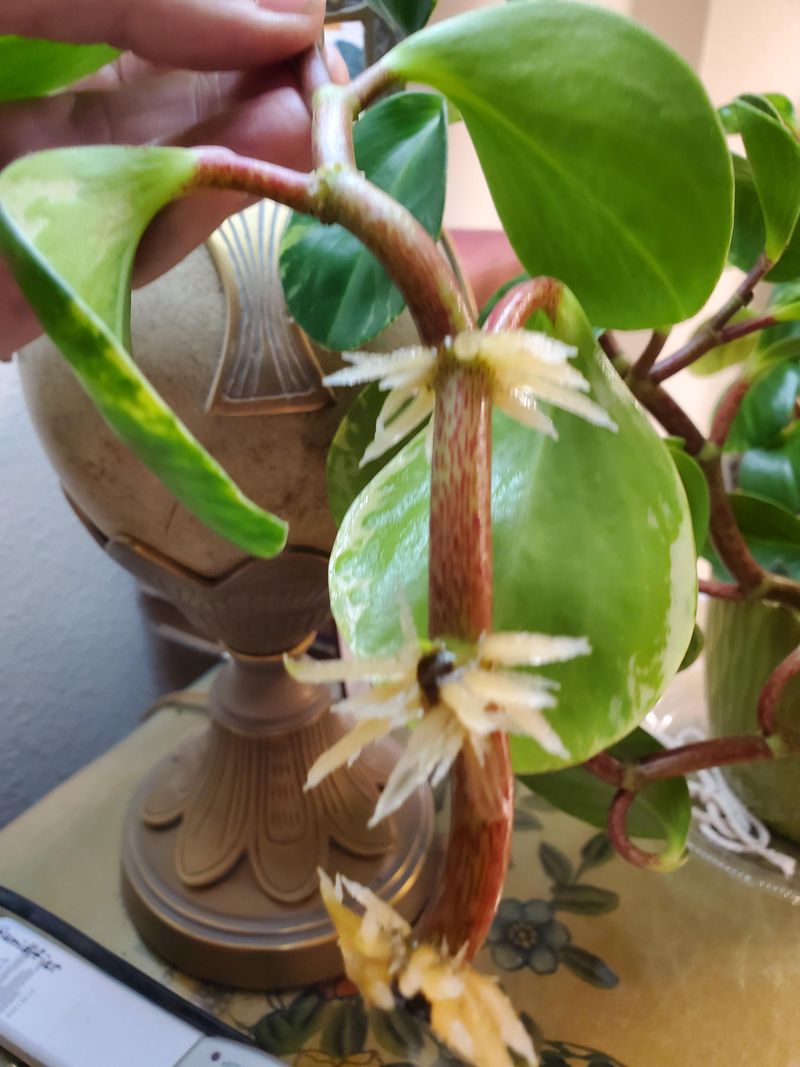
Many plants will grow new roots when you simply stick a cutting in water or moist soil.
Herbs like basil, mint, and rosemary root especially easily, giving you endless free plants from one original.
Snip a four-to-six-inch section from a healthy stem, remove the lower leaves, and place it in water.
Change the water every few days and watch as tiny white roots begin emerging within a week or two.
Once roots reach about two inches long, transplant your new plant into soil and care for it normally.
Perennials like lavender, sage, and even some flowers propagate beautifully through this method during growing season.
Tennessee’s warm spring and summer temperatures create ideal conditions for cuttings to establish roots quickly.
You can multiply your favorite plants indefinitely, filling your garden without purchasing additional specimens from nurseries.
Share rooted cuttings with friends and neighbors to spread the joy of gardening throughout your community.
This ancient technique requires nothing but patience and water, yet yields impressive results that expand your garden exponentially.
Make Natural Pest Spray From Garden Plants
Your garden already grows powerful pest deterrents that work better than many chemical options.
Garlic, hot peppers, and strong-smelling herbs like mint create effective sprays when steeped in water overnight.
Crush a few garlic cloves and hot peppers, add them to a jar of water, and strain the mixture through cloth.
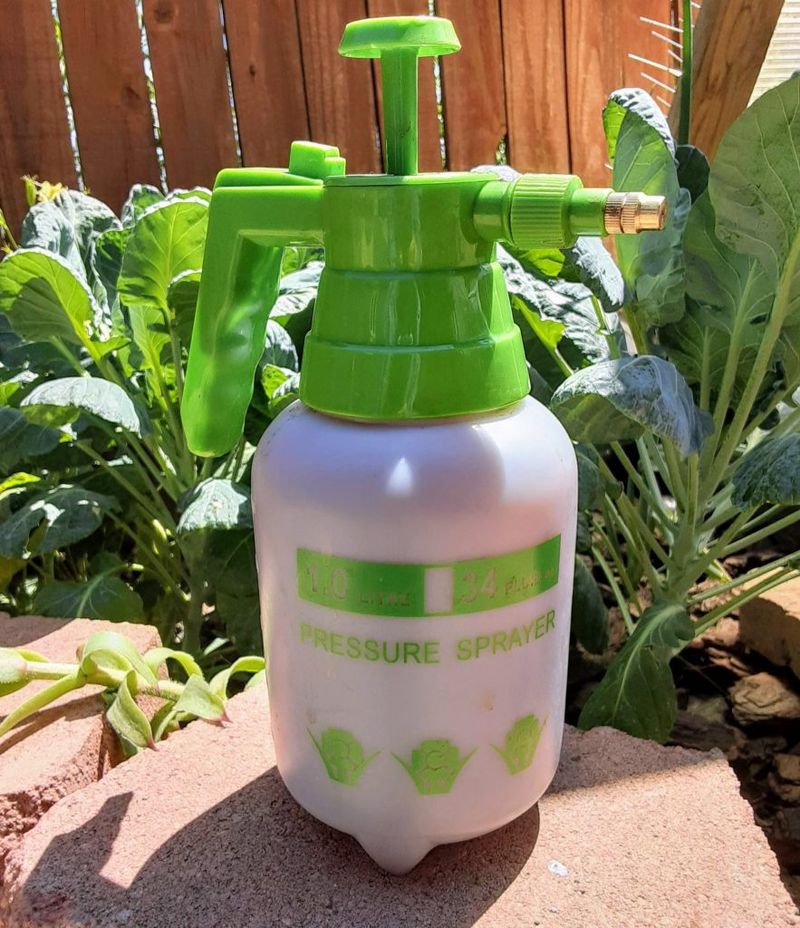
Pour your homemade spray into any bottle with a spray nozzle and apply it directly to plant leaves.
This natural solution repels aphids, caterpillars, and other common Tennessee garden pests without harming beneficial insects significantly.
Reapply after rain or every few days for continued protection throughout the growing season.
Some gardeners add a tiny drop of dish soap to help the spray stick better to leaf surfaces.
The strong smell and taste discourage pests from munching on your precious vegetables and flowers effectively.
You avoid introducing harsh chemicals into your soil or onto food your family will eventually eat.
This approach costs nothing if you already grow these ingredients, and it works surprisingly well for most common pest problems.
Build Raised Beds From Reclaimed Materials
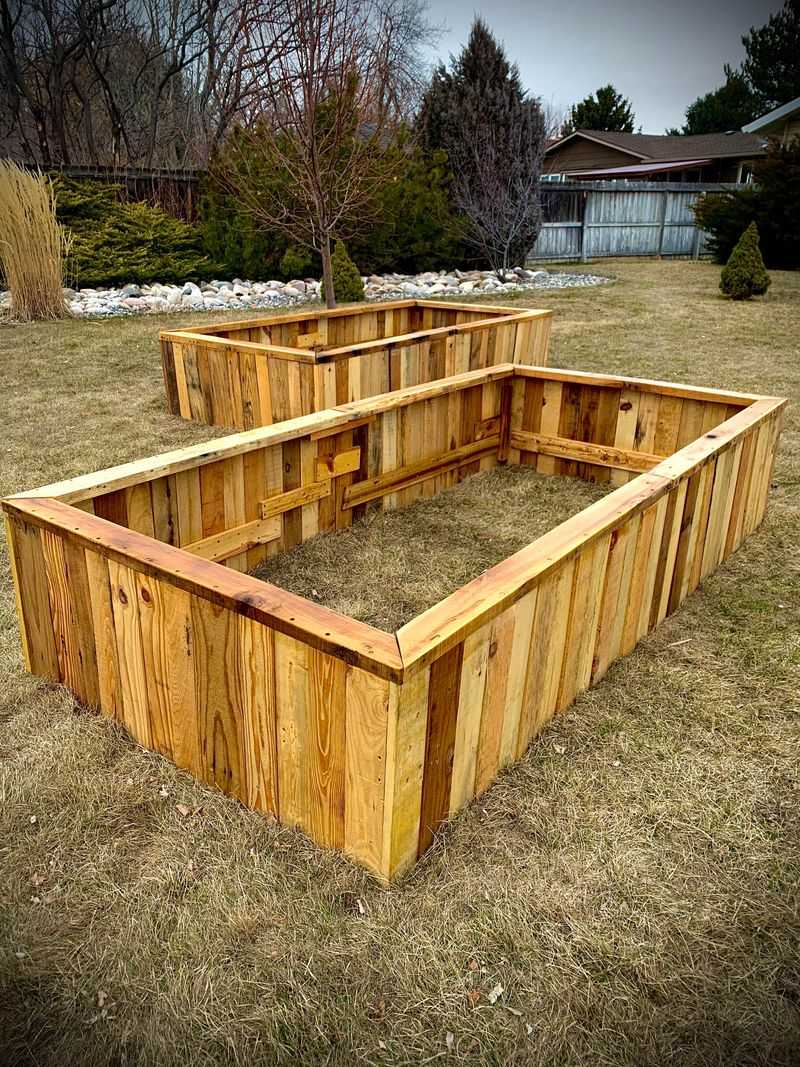
Construction sites, alleyways, and neighbors often have wood pallets and boards they’ll happily give away for free.
These materials build excellent raised beds that improve drainage and make gardening easier on your back.
Disassemble pallets carefully to salvage individual boards, or use whole pallets as bed sides for quick construction.
Stack boards two or three high and secure corners with screws, nails, or even strong wire if hardware isn’t available.
Tennessee’s clay-heavy soil drains poorly in many areas, but raised beds solve this problem by elevating your plants.
Fill your new beds with existing garden soil mixed with compost and leaves for a rich growing medium.
The elevated design also deters some pests and makes weeding and harvesting much more comfortable physically.
You can create multiple beds of various sizes depending on available materials and space in your yard.
Reclaimed materials often have character and weather naturally, giving your garden a rustic, established appearance immediately.
Your investment involves only time and creativity, yet the results improve your garden’s productivity and appearance dramatically for years.