8 Companion Plants That Help Boost Fruit Tree Yields In Tennessee
Fruit trees need friends too, and the right plant neighbors can make all the difference in your Tennessee garden.
In Tennessee orchards and backyards, the right companions play defense, draw pollinators, and enrich soil.
Some repel pests, others fix nutrients, and a few pull bees in like magnets.
The payoff shows up in fuller branches and sweeter harvests.
Learn how smart pairings improve health and yield, without extra sprays or fuss.
When plants team up, trees thrive, and harvest time feels like hitting pay dirt.
1. Comfrey
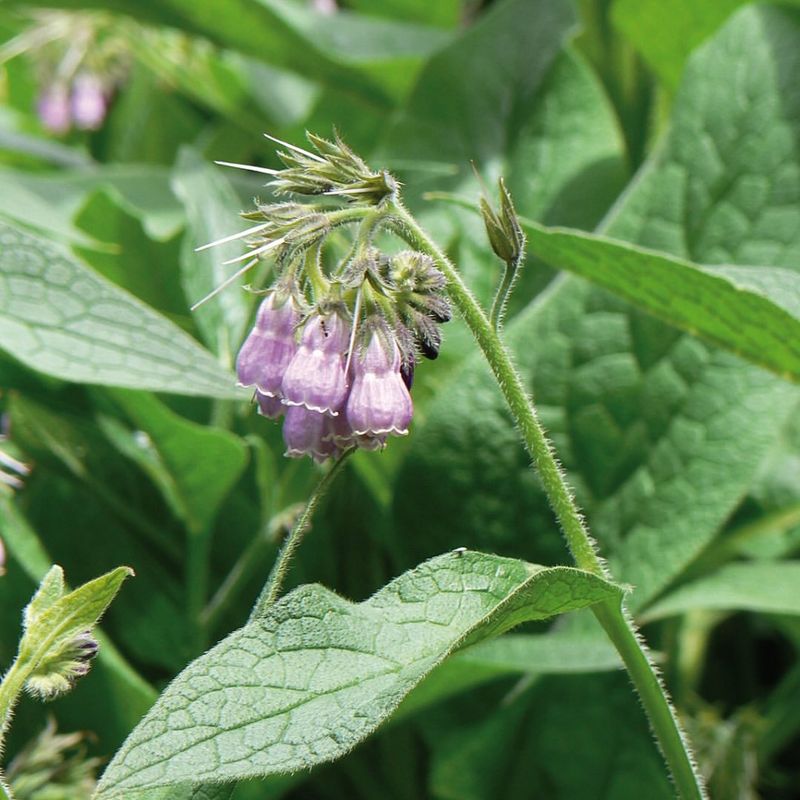
Comfrey roots reach deep into the ground, sometimes going down ten feet or more.
This incredible root system pulls up minerals and nutrients that fruit trees cannot reach on their own.
When comfrey leaves break down, they release these valuable nutrients back into the topsoil where your fruit tree roots can absorb them.
Gardeners often call comfrey a “dynamic accumulator” because it gathers potassium, nitrogen, and phosphorus from deep underground.
You can cut the leaves several times during the growing season and pile them around your fruit trees as mulch.
As the leaves decompose, they feed the soil and improve its structure.
Comfrey also grows quickly in Tennessee’s climate and tolerates both sun and partial shade.
Plant it about three feet away from your tree trunk so the roots have room to spread.
The purple or white flowers attract bees and other pollinators that your fruit trees need for good fruit set.
Comfrey comes back year after year without replanting, making it a low-maintenance addition to your orchard.
Just remember that once established, comfrey can be hard to remove because even small root pieces will regrow.
Choose your planting spot carefully and enjoy decades of free fertilizer for your fruit trees.
2. Chives
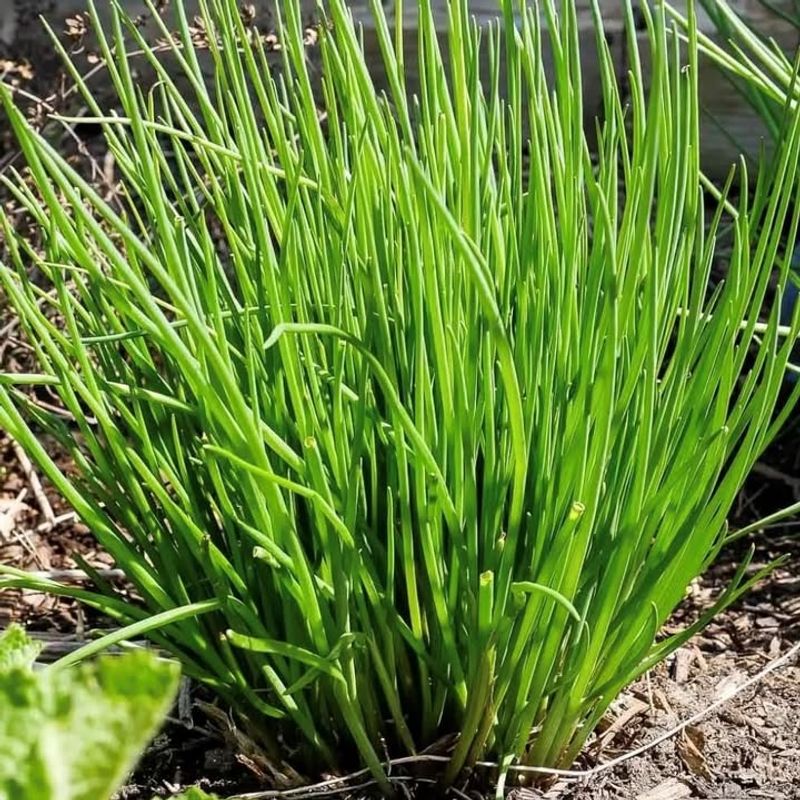
Small but mighty, chives pack a powerful punch when planted near fruit trees.
Their strong onion-like scent confuses many common fruit tree pests and keeps them from finding your trees.
Aphids, Japanese beetles, and other insects that damage fruit trees tend to avoid areas where chives grow.
Chives belong to the allium family, which includes onions and garlic, and all these plants produce natural compounds that repel unwanted bugs.
Beyond pest control, chives produce beautiful purple pom-pom flowers in spring that bees absolutely love.
More bee visits mean better pollination and more fruit on your trees.
Chives also prevent some fungal diseases from spreading because their roots release substances that discourage harmful fungi in the soil.
They grow well in Tennessee’s climate and come back every spring without any extra work from you.
Plant chives in a circle around your fruit tree, about two feet from the trunk.
You can harvest the leaves for cooking throughout the season without harming the plant.
Chives stay compact and tidy, so they won’t compete with your tree for water or nutrients.
Their shallow roots actually help break up compacted clay soil common in many Tennessee gardens.
3. White Clover
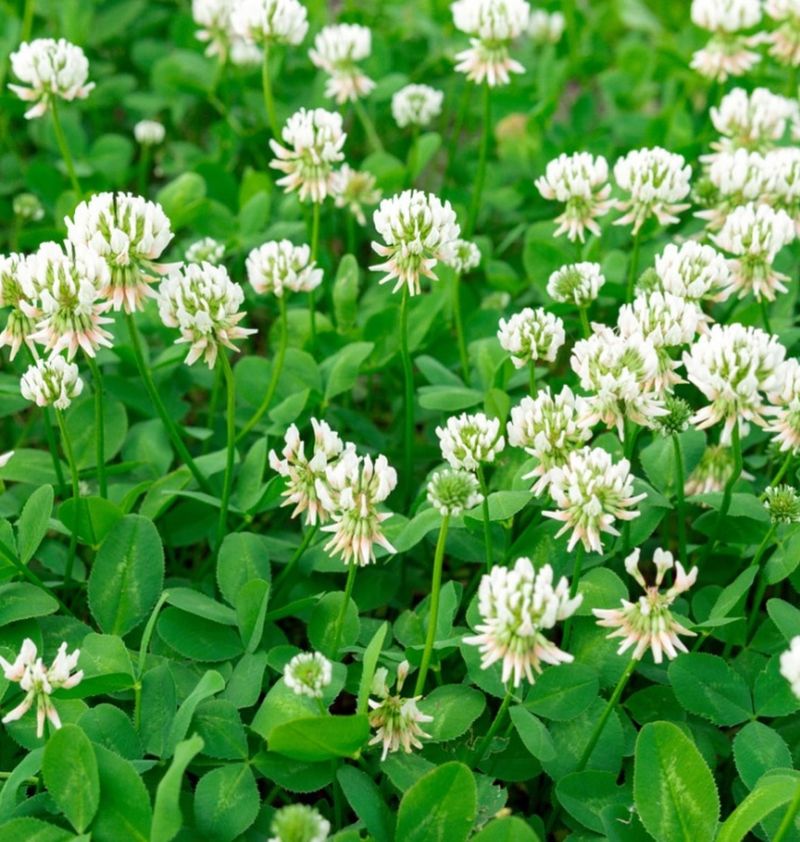
Walking on a soft carpet of white clover feels wonderful, and your fruit trees appreciate this groundcover even more than you do.
Your Tennessee Garden Changes Every Week. Your Plan Should Too.
Gardening in Tennessee changes quickly throughout the season. Every Friday you’ll receive a simple weekly plan showing exactly what to plant, prune, fertilize, harvest, and protect so you never miss the right timing.
White clover is a nitrogen-fixing plant, which means it takes nitrogen from the air and stores it in nodules on its roots.
When the roots naturally break down, they release this nitrogen into the soil where your fruit trees can use it.
Nitrogen helps trees grow strong branches and produce healthy, dark green leaves.
White clover also shades the soil, keeping it cooler during Tennessee’s hot summers and preventing moisture from evaporating too quickly.
This living mulch stays low to the ground and never competes with your trees for sunlight.
The small white flowers bloom all season long, providing constant food for bees and beneficial insects.
Many predatory insects that eat fruit tree pests use clover flowers as a food source between meals.
White clover tolerates foot traffic and mowing, so you can walk through your orchard without damaging the groundcover.
It spreads naturally to fill in bare spots and crowds out many weeds.
The dense mat of clover roots also prevents soil erosion on slopes and holds moisture during dry periods.
Best of all, white clover thrives in Tennessee without fertilizer or special care.
4. Nasturtiums
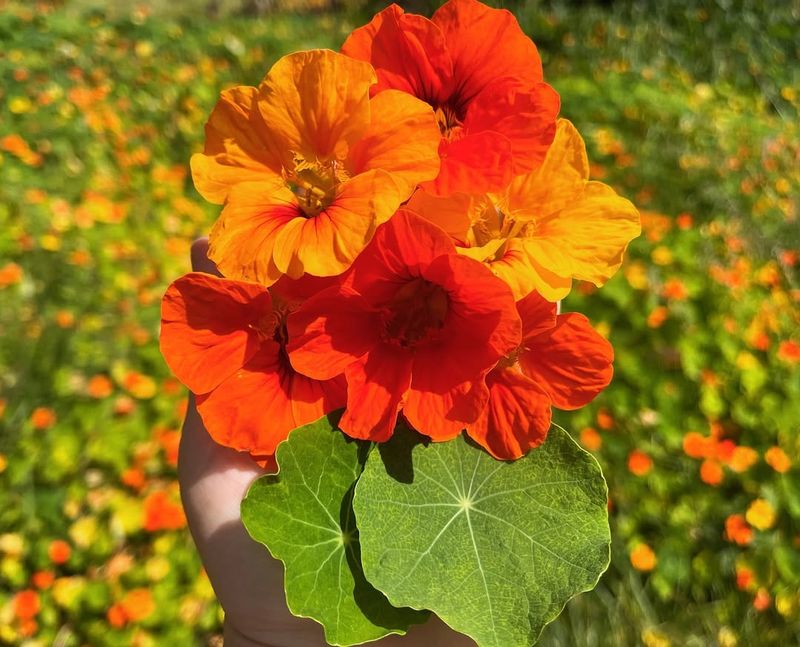
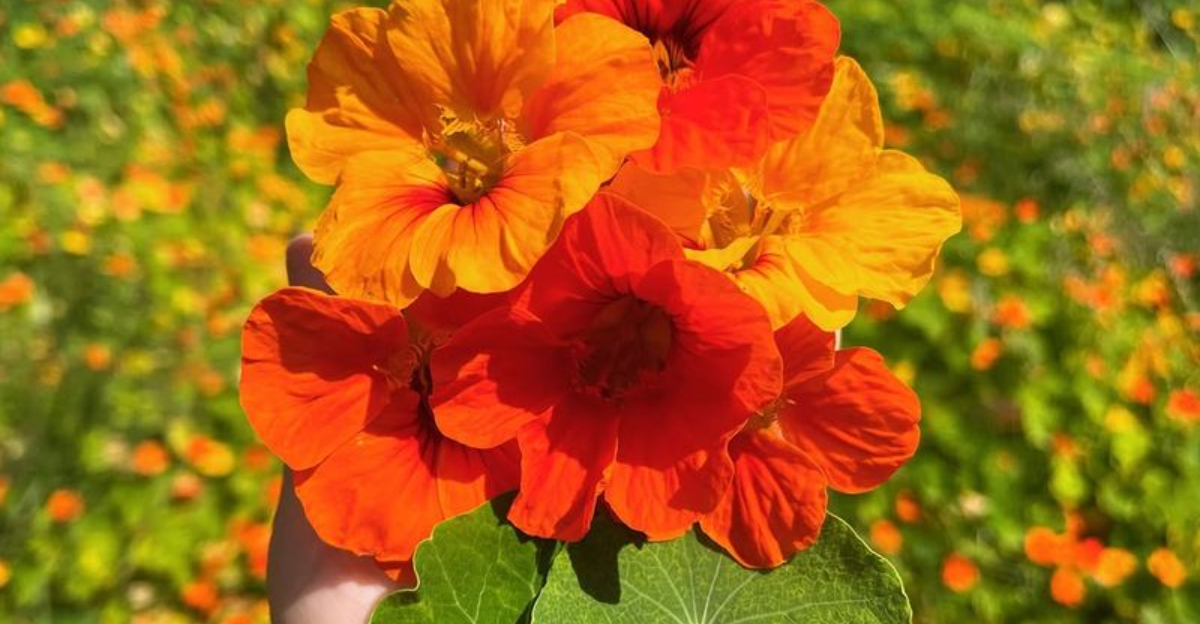
Bright and cheerful, nasturtiums bring color to your orchard while working as bodyguards for your fruit trees.
These flowers act as trap crops, meaning pests prefer eating nasturtiums over your valuable fruit trees.
Aphids particularly love nasturtiums and will swarm them instead of attacking your tree’s tender new growth.
Once the aphids gather on the nasturtiums, beneficial insects like ladybugs and lacewings come to feast on them.
This natural pest control system protects your trees without any chemical sprays.
Nasturtiums also have peppery-tasting leaves and flowers that you can add to salads.
Both the leaves and blooms contain compounds that repel whiteflies, squash bugs, and some beetles.
These fast-growing annuals fill in quickly around young fruit trees, providing living mulch that keeps weeds down.
In Tennessee, you can plant nasturtium seeds directly in the ground after the last frost.
They prefer slightly poor soil, so they won’t steal nutrients from your fruit trees.
The trailing varieties work well as groundcover, while bushy types create colorful borders around tree trunks.
Nasturtiums bloom from late spring until the first frost, giving you months of pest protection and beauty.
5. Marigolds
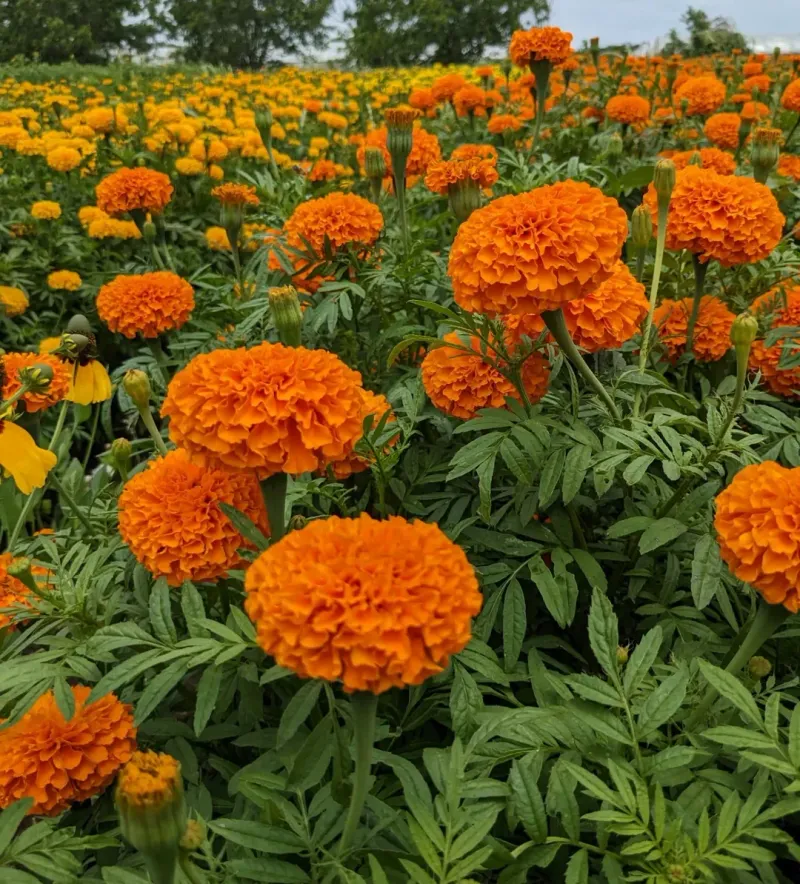
Gardeners have trusted marigolds for generations, and science now backs up what farmers always knew.
The roots of marigolds produce chemicals that discourage harmful nematodes from attacking fruit tree roots underground.
Nematodes are tiny worms that bore into roots and weaken trees, reducing fruit production over time.
French marigolds work especially well for this purpose and grow perfectly in Tennessee’s warm climate.
Above ground, the strong scent of marigold leaves and flowers repels aphids, whiteflies, and some types of beetles.
Many gardeners plant marigolds as a protective border around their entire orchard.
The bright orange and yellow blooms also attract hoverflies, which lay eggs near aphid colonies.
When hoverfly larvae hatch, they consume hundreds of aphids before becoming adults.
Marigolds bloom continuously from late spring through fall if you remove faded flowers regularly.
They tolerate Tennessee’s summer heat and humidity better than many other annual flowers.
Plant marigolds in full sun about eighteen inches from your fruit tree trunk.
Space them six to eight inches apart to create a solid barrier of pest-fighting power around your trees.
6. Dill
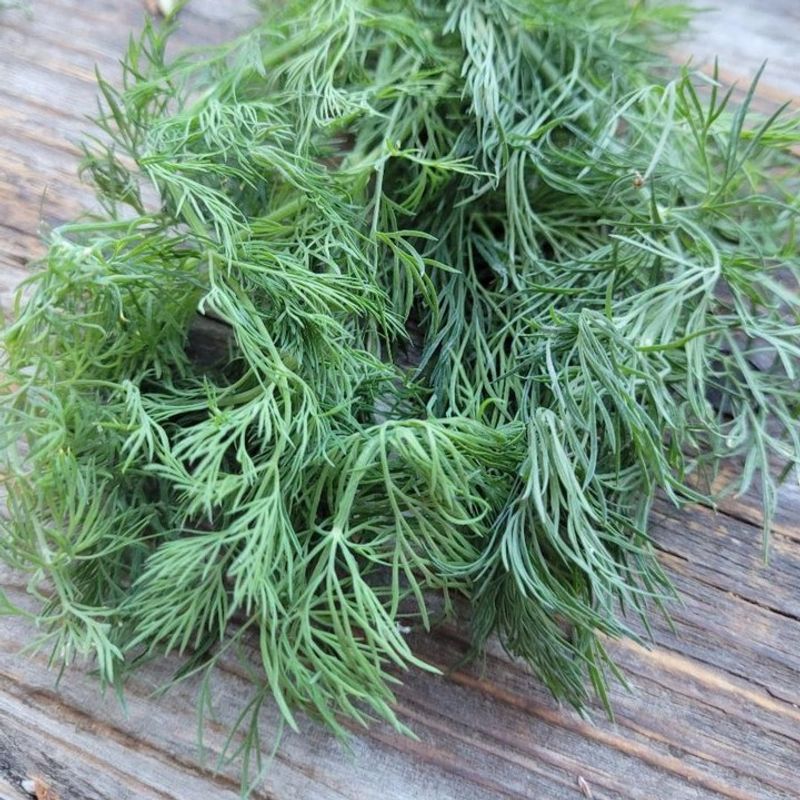
Feathery and delicate in appearance, dill proves surprisingly tough when it comes to protecting fruit trees.
This herb attracts an army of beneficial insects that patrol your orchard looking for pests to eat.
Ladybugs, parasitic wasps, hoverflies, and lacewings all flock to dill flowers for nectar and pollen.
These helpful bugs then stick around to hunt aphids, caterpillars, and other insects that damage fruit trees.
Parasitic wasps deserve special mention because they lay eggs inside pest insects, controlling future generations of tree-damaging bugs.
Dill grows quickly in Tennessee gardens and reaches full height in just a few months.
The umbrella-shaped yellow flowers appear in summer and provide landing platforms for tiny beneficial insects.
You can harvest dill leaves for cooking without hurting the plant’s ability to attract helpers.
Dill also improves the flavor of nearby plants through a process called companion planting synergy.
Some gardeners believe fruit trees produce sweeter fruit when dill grows nearby, though this remains hard to prove scientifically.
Plant dill in clusters of three to five plants around your fruit trees for maximum beneficial insect attraction.
Allow some plants to flower and go to seed, which will give you free dill plants the following year.
7. Yarrow
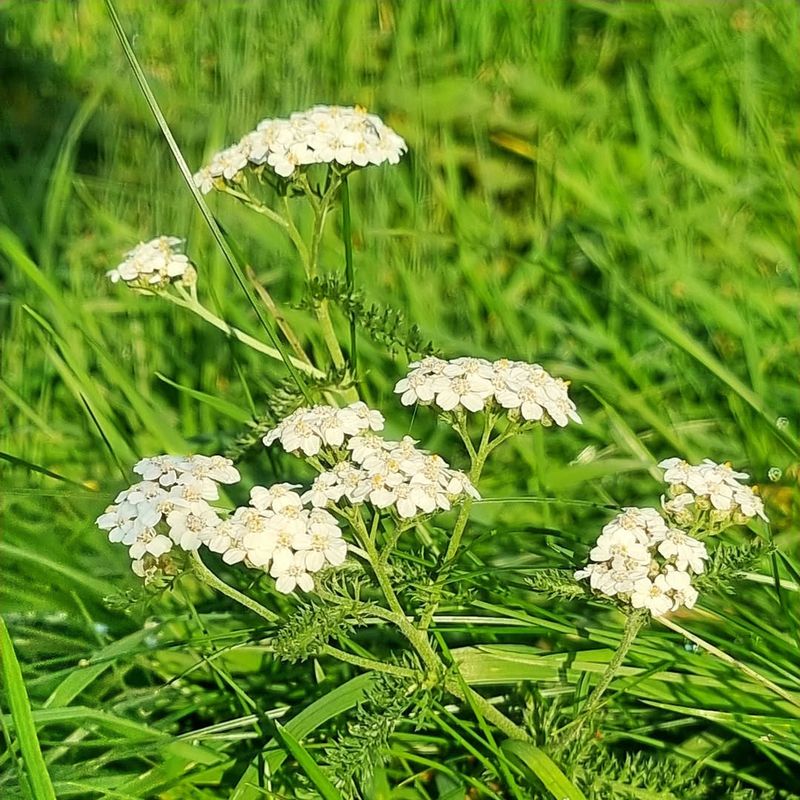
Tough as nails, yarrow survives in poor soil and hot weather that would stress other companion plants.
This perennial herb has roots that mine deep into the soil for minerals, then bring them up to where your fruit trees can access them.
Yarrow accumulates copper, potassium, and phosphorus, making it similar to comfrey but with a completely different growth habit.
The flat-topped flower clusters bloom for months in white, pink, or yellow shades that beneficial insects find irresistible.
Predatory wasps, ladybugs, and hoverflies visit yarrow flowers constantly, then hunt pests in nearby fruit trees.
Yarrow also has a reputation for improving the health and disease resistance of plants growing near it.
Some organic farmers call it the “plant doctor” because struggling plants often recover when yarrow is planted nearby.
The aromatic leaves contain compounds that repel some chewing insects and may help prevent fungal diseases.
In Tennessee, yarrow tolerates drought once established and comes back year after year without replanting.
It spreads slowly through underground stems, forming attractive clumps that never become invasive.
Plant yarrow on the sunny side of your fruit trees where it will receive at least six hours of direct sunlight.
Cut back the flower stalks after blooming to encourage a second flush of flowers in fall.
8. Borage

Borage wears fuzzy leaves and brilliant blue star-shaped flowers that make it instantly recognizable in any garden.
Bees go absolutely crazy for borage blossoms, visiting them more frequently than almost any other garden flower.
More bee activity around your fruit trees means better pollination, which directly translates to more fruit at harvest time.
Studies show that orchards with borage nearby produce significantly higher yields than those without it.
Borage also attracts predatory insects that control tomato hornworms, cabbage worms, and other caterpillars that sometimes munch on fruit tree leaves.
The plant grows quickly from seed and reaches full size in about two months.
Borage leaves add trace minerals to compost or can be used as mulch around fruit trees
Some gardeners claim that borage strengthens the disease resistance of nearby plants, though scientific proof remains limited.
In Tennessee’s climate, borage thrives as a cool-season annual, growing best in spring and fall.
It self-seeds readily, so you only need to plant it once to enjoy borage in your orchard for years.
The flowers are edible with a cucumber-like taste, making them popular garnishes for summer drinks.
Plant borage seeds directly around your fruit trees in early spring for continuous blooms that support both bees and beneficial insects throughout the growing season.