Why Ohio Gardeners Are Finding Salamanders In Mulch Beds
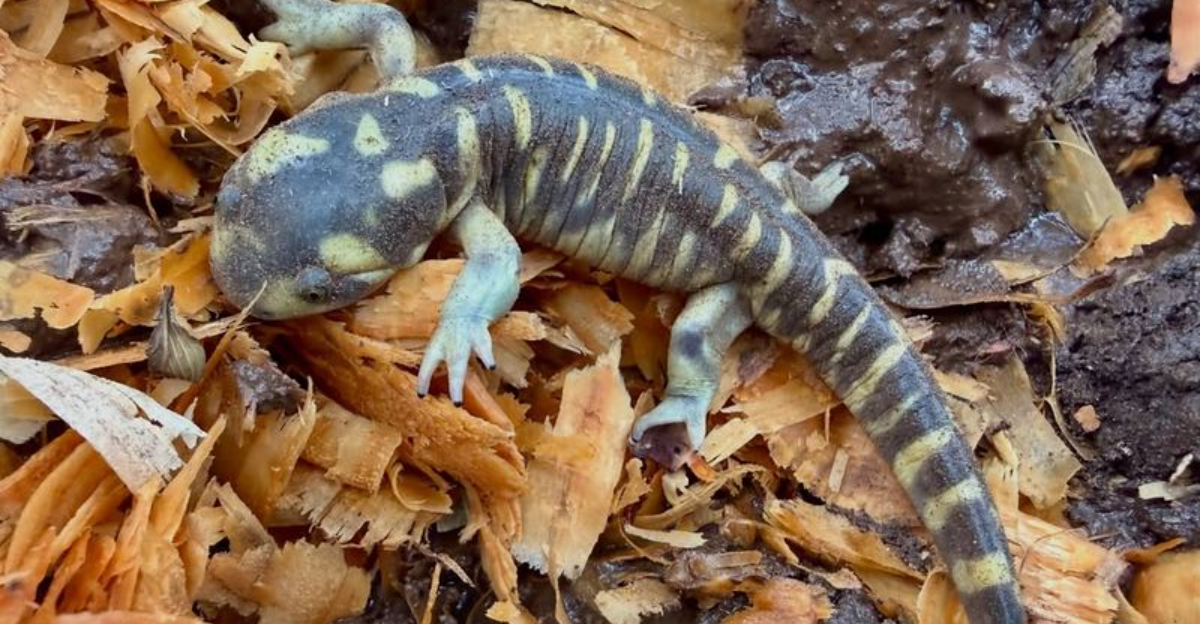
Ohio gardeners are noticing a friendly surprise in their mulch beds as little salamanders start showing up and making themselves at home.
These smooth, shy visitors are a sign of healthy soil life, and once you see one wiggle by your toes, your yard suddenly feels a lot more alive.
1. Mulch Creates Perfect Moisture Conditions
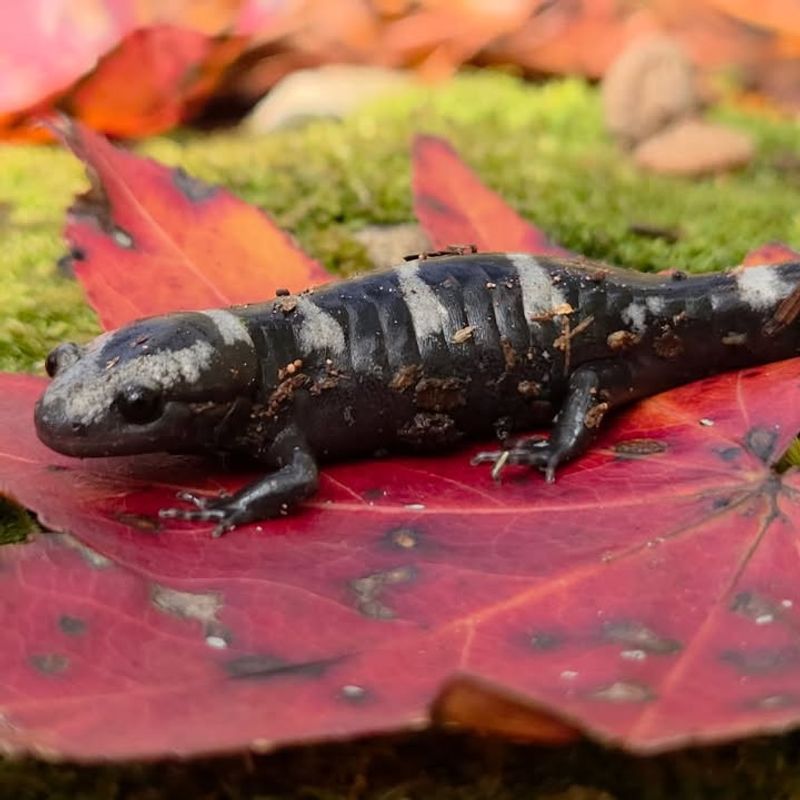
Salamanders need damp environments to survive because their skin must stay moist for them to breathe properly through their unique respiratory system.
Mulch beds hold water exceptionally well after rain or watering, creating the ideal humidity levels that salamanders require for their daily survival needs.
Ohio summers can get hot and dry, but thick layers of mulch provide cool, damp refuges where these amphibians can hide comfortably.
Garden mulch acts like a natural sponge, trapping moisture close to the soil surface where salamanders spend most of their active hours.
Wood chips and shredded bark decompose slowly over time, maintaining consistent dampness that salamanders prefer over dry, exposed ground or rocky areas.
Many gardeners across Ohio add fresh mulch each spring, which coincidentally happens when salamanders become most active after winter dormancy ends naturally.
The constant moisture underneath mulch layers prevents salamanders from drying out, which would otherwise cause serious health problems for these delicate creatures.
Gardeners who water their plants regularly also help salamanders by keeping mulch beds consistently moist throughout the growing season without even realizing it.
These amphibians can detect moisture levels through their sensitive skin, so they naturally gravitate toward the dampest spots in your Ohio landscape.
Understanding this moisture connection explains why you rarely find salamanders in dry grass or sandy areas but frequently encounter them in mulch.
2. Abundant Food Sources Live Under Mulch

Mulch beds attract countless insects, spiders, worms, and other tiny creatures that salamanders love to eat throughout their active feeding seasons each year.
Decomposing organic material beneath mulch creates a thriving ecosystem where invertebrates flourish, providing salamanders with an endless buffet of nutritious prey items daily.
Ohio gardens with thick mulch layers become natural feeding grounds where salamanders can hunt without traveling far from their safe hiding spots nearby.
Earthworms burrow through soil beneath mulch, aerating the ground while also serving as protein-rich meals for hungry salamanders prowling around at night.
Slugs, snails, and various beetle larvae also congregate under mulch, drawn by the same moist conditions that salamanders need for their survival.
Small ants, springtails, and mites swarm through decomposing wood chips, creating a diverse food web that supports salamander populations in residential areas.
Gardeners who use chemical pesticides may reduce salamander food sources, encouraging these helpful amphibians to search elsewhere for their next meal opportunities.
Natural mulch beds in Ohio provide year-round hunting grounds where salamanders can feed efficiently without expending excessive energy searching for scattered prey items.
The concentration of food under mulch means salamanders can eat well while staying hidden from predators like birds and snakes above ground.
These amphibians help control pest populations naturally, eating insects that might otherwise damage your plants or invade your home during warmer months ahead.
Your Ohio Garden Changes Every Week. Your Plan Should Too.
Gardening in Ohio changes quickly throughout the season. Every Friday you’ll receive a simple weekly plan showing exactly what to plant, prune, fertilize, harvest, and protect so you never miss the right timing.
3. Mulch Offers Protection From Predators
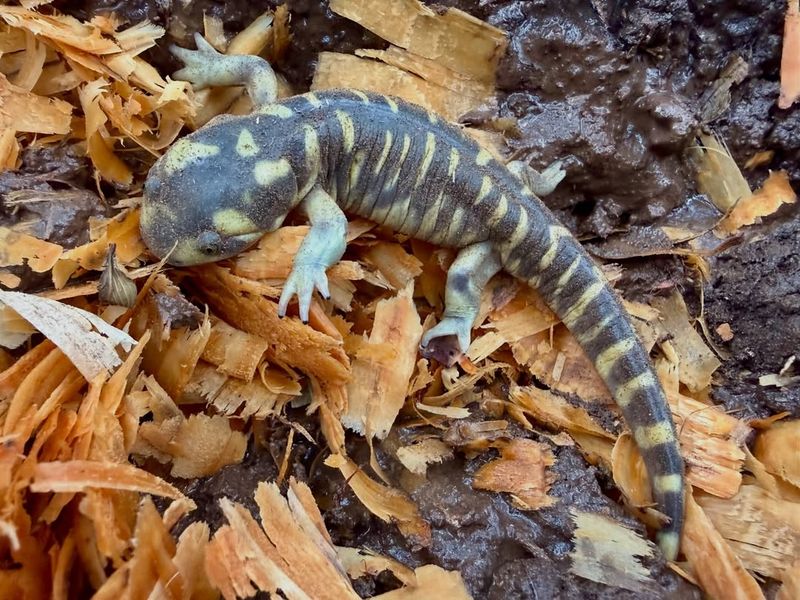
Numerous threats come from birds, snakes, raccoons, and other animals that view these amphibians as easy snacks during daylight hours when visibility improves dramatically.
Thick mulch layers provide excellent hiding spots where salamanders can remain concealed from hungry predators scanning the ground for movement or exposed prey.
Ohio gardens with generous mulch coverage create safe corridors where salamanders can travel between hiding spots without exposing themselves to dangerous open spaces.
The dark color of most wood mulch helps salamanders blend in perfectly, making them nearly invisible to predators flying overhead or prowling nearby.
Loose mulch pieces shift easily when salamanders burrow beneath them, allowing these amphibians to quickly disappear when they sense vibrations from approaching threats.
Many salamander species have developed coloration that matches common mulch colors, providing natural camouflage that has evolved over countless generations successfully.
Gardeners who rake or disturb mulch frequently may accidentally expose salamanders to predators, so gentle maintenance practices help protect these beneficial creatures better.
Ohio wildlife depends on interconnected habitats, and mulch beds serve as critical refuge zones where vulnerable amphibians can rest safely between feeding trips.
Birds like robins and blue jays actively hunt for salamanders, but thick mulch layers reduce successful predation rates significantly throughout the season.
Creating undisturbed mulch areas in your Ohio garden gives salamanders the security they need to establish permanent territories where they can thrive safely.
4. Temperature Regulation Beneath Mulch Layers
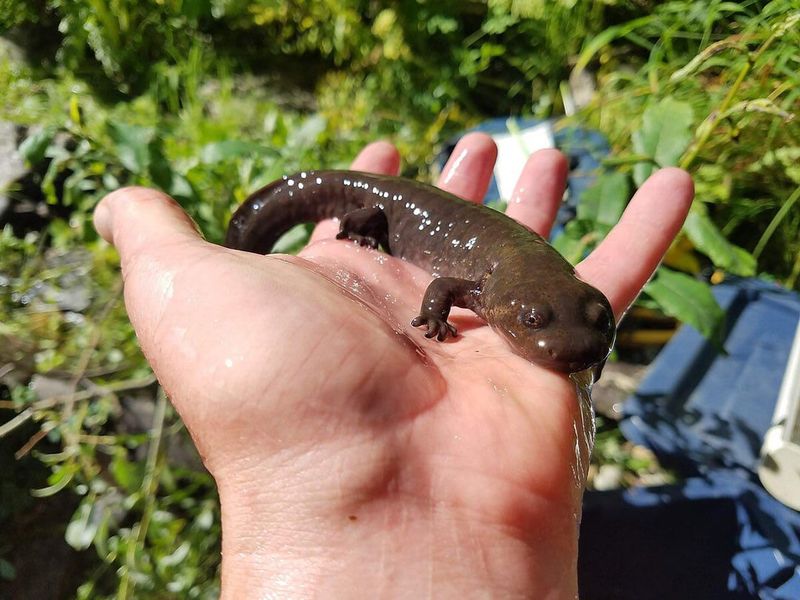
Salamanders cannot regulate their body temperature internally like mammals do, so they rely completely on their environment to stay comfortable throughout changing seasons.
Mulch acts as natural insulation, keeping soil cooler during hot Ohio summers and slightly warmer during chilly spring and fall nights consistently.
Temperature extremes can harm salamanders quickly, but mulch buffers these fluctuations, creating stable microclimates where amphibians can function normally without stress.
During scorching summer afternoons, exposed soil can reach temperatures that would harm salamanders within minutes, but mulch-covered areas remain pleasantly cool underneath.
Ohio experiences significant temperature swings between day and night, especially during spring when salamanders emerge from winter hiding spots seeking suitable habitats.
Mulch beds maintain more consistent temperatures than bare ground, allowing salamanders to remain active longer without retreating to deeper underground burrows frequently.
Gardeners who apply thick mulch layers provide better temperature control, which benefits both plants and the salamanders living among their roots below.
These amphibians become sluggish and vulnerable when temperatures drop too low or rise too high, making temperature-stable mulch beds essential survival zones.
Ohio winters can freeze the ground solid, but some salamanders survive beneath deep mulch layers that prevent soil from freezing completely solid.
Understanding how mulch regulates temperature helps explain why salamanders choose these spots over other areas in your yard that lack this protection.
Proper mulch depth creates the perfect thermal environment where salamanders can hunt, rest, and reproduce successfully throughout their active season annually.
5. Breeding and Egg-Laying Habitat Requirements
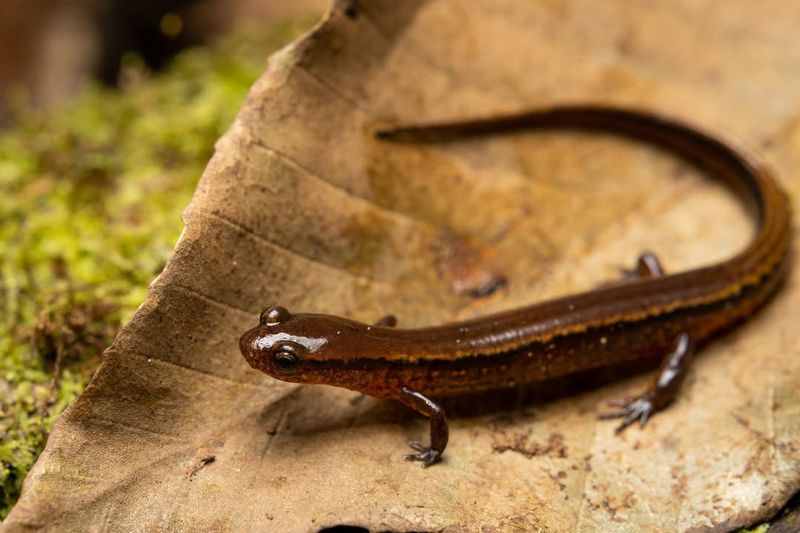
Many salamander species lay their eggs in moist, protected locations where developing embryos can remain safe from drying out or predators throughout incubation.
Mulch beds provide ideal nesting sites because they maintain consistent moisture levels and stable temperatures that eggs need for proper development over weeks.
Ohio gardeners may unknowingly host salamander nurseries beneath their mulch, supporting local amphibian populations that help maintain ecological balance in residential neighborhoods.
Female salamanders seek out dark, damp crevices under mulch where they can deposit small clusters of eggs attached to wood pieces or soil.
The decomposing organic matter in mulch beds creates slight warmth from microbial activity, which can help salamander eggs develop faster than elsewhere.
Ohio spring rains keep mulch beds perfectly moist during peak breeding season, which typically occurs from March through May for most species.
Baby salamanders emerge from eggs looking like miniature adults, ready to hunt tiny insects within the same mulch habitat where they hatched successfully.
Gardeners who disturb mulch during spring might accidentally expose salamander eggs or juveniles, so careful observation before raking helps prevent accidental harm.
Mulch provides shelter for young salamanders during their vulnerable first weeks of life when they are especially susceptible to predators and dehydration.
Creating stable mulch beds in your Ohio garden supports complete salamander life cycles, from egg-laying through juvenile development to adulthood over several years.
Protecting breeding habitats ensures future generations of salamanders will continue providing natural pest control services in your outdoor spaces year after year.
6. Native Ohio Salamander Species Common In Gardens
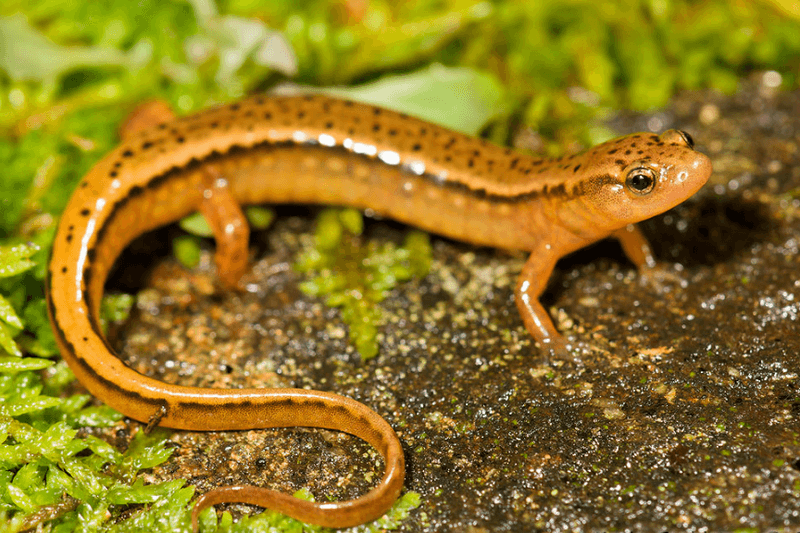
Ohio hosts numerous salamander species that have adapted to living alongside humans in suburban gardens and landscaped areas throughout residential communities statewide.
Red-backed salamanders are among the most common species found in mulch beds, easily identified by the reddish stripe running down their backs.
These small amphibians rarely exceed four inches in length and spend their entire lives on land without needing ponds or streams nearby.
Spotted salamanders also appear in Ohio gardens occasionally, though they prefer wetter areas and typically visit mulch beds only during their breeding migrations.
Slimy salamanders, despite their unappealing name, are harmless creatures that produce a sticky secretion when threatened but otherwise mind their own business.
Eastern newts may wander through mulch beds during their terrestrial juvenile stage, which lasts several years before they return to aquatic habitats.
Ohio gardeners should learn to identify common salamander species to appreciate the biodiversity thriving right beneath their feet in everyday landscapes.
Each species plays a unique role in garden ecosystems, controlling different pest populations while serving as food for larger predators higher up.
Red-backed salamanders are particularly beneficial because they consume vast quantities of insects that might otherwise damage ornamental plants or vegetable crops significantly.
Recognizing these native amphibians helps gardeners understand that salamanders belong in Ohio landscapes and deserve protection rather than removal or relocation.
Healthy salamander populations indicate good environmental quality, showing that your garden provides suitable habitat for sensitive wildlife species that require clean conditions.
7. How Gardeners Can Help Salamanders Thrive
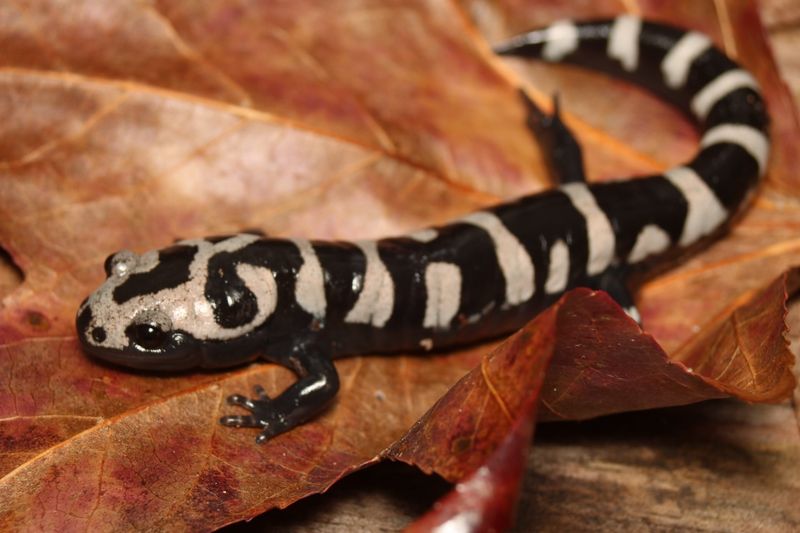
Gardeners can take simple steps to support salamander populations while maintaining beautiful landscapes that benefit both plants and wildlife living among them.
Avoiding chemical pesticides and herbicides protects salamanders from toxic exposure while preserving the insect populations they depend on for food throughout seasons.
Ohio gardeners should apply mulch in thick layers, ideally three to four inches deep, to create optimal habitat conditions for salamanders year-round.
Leaving some areas of your garden undisturbed allows salamanders to establish permanent territories where they can hunt and rest without constant disruption.
When working in mulch beds, move materials gently and check carefully for salamanders before raking or digging to prevent accidental injuries.
Providing water sources like shallow dishes or small ponds nearby gives salamanders additional habitat options, though they can survive on mulch moisture alone.
Ohio residents should educate children and neighbors about the benefits of salamanders, encouraging appreciation rather than fear of these harmless, helpful creatures.
Reducing outdoor lighting near mulch beds helps salamanders hunt more effectively since they prefer darkness and may avoid brightly illuminated areas unnecessarily.
Creating connections between mulch beds with groundcover plants or leaf litter allows salamanders to move safely through your Ohio property without crossing exposed areas.
Monitoring your garden for salamanders throughout the growing season provides valuable information about local amphibian populations that scientists can use for conservation planning.
Supporting salamanders means embracing a more natural approach to gardening that values wildlife as much as flowers, creating spaces where nature thrives.