8 Ways Ohio Homeowners Are Making Yards More Wildlife-Friendly This Season
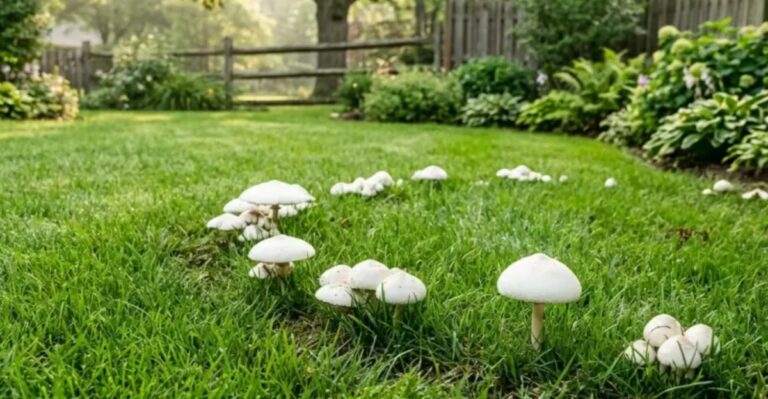
Ohio homeowners are finding simple ways to turn ordinary yards into welcoming spots for birds, butterflies, and other local wildlife without completely reworking their landscapes.
I love seeing how small changes like plant choices and layout tweaks can suddenly make a yard feel alive with movement and sound.
These ideas focus on working with nature instead of against it, making outdoor spaces feel more relaxed, balanced, and rewarding to spend time around.
1. Planting Native Wildflowers and Grasses
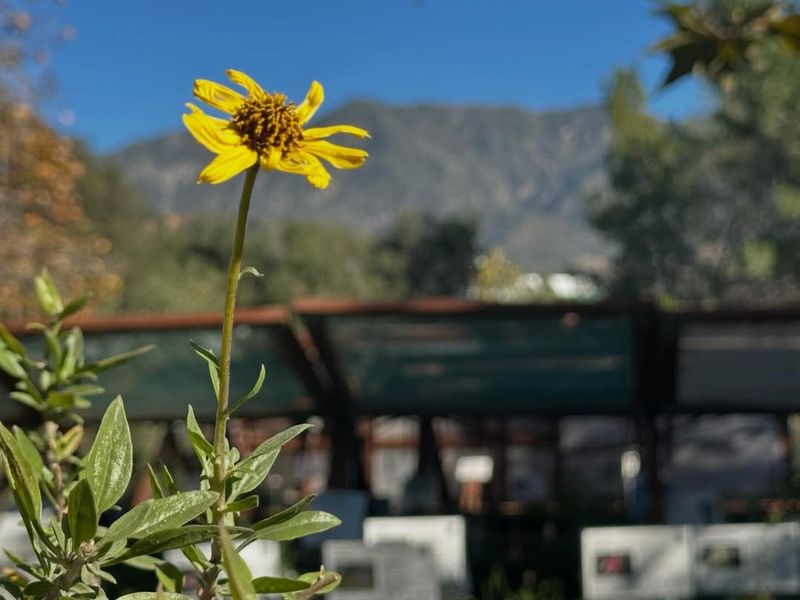
Native plants create magic in Ohio backyards because they evolved alongside local wildlife over thousands of years, forming perfect partnerships that benefit everyone.
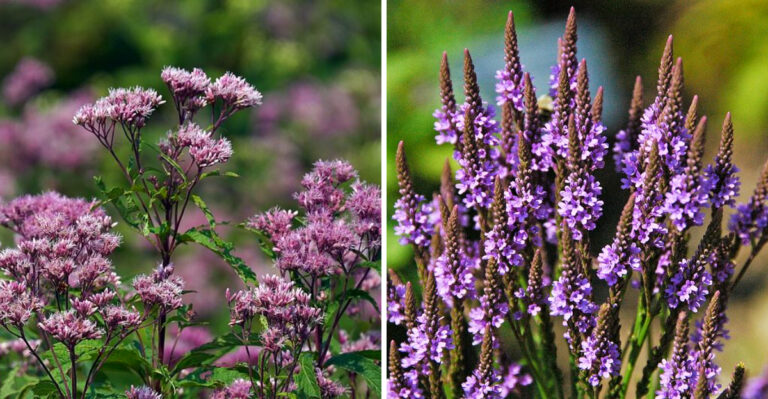
Purple coneflowers, black-eyed Susans, and wild bergamot attract dozens of butterfly species while providing seeds that goldfinches and sparrows absolutely love eating.
These plants need far less water than traditional lawn grass, saving homeowners money on utility bills while supporting pollinators struggling to find food.
Ohio gardeners are replacing sections of turf with native prairie grasses like little bluestem, which offers shelter for ground-nesting birds and beneficial insects.
Wildflower gardens bloom at different times throughout growing seasons, ensuring continuous food sources when migrating birds pass through the Buckeye State each spring.
Planting natives also reduces the need for chemical fertilizers and pesticides that can harm butterflies, bees, and other helpful creatures visiting your yard daily.
Local nurseries across Ohio now stock native species, making it easier than ever to find plants perfectly suited to your specific soil and sunlight conditions.
Starting small with just a few native plants can gradually transform any yard into a thriving ecosystem that supports wildlife for generations to come.
2. Installing Bird Baths and Water Features
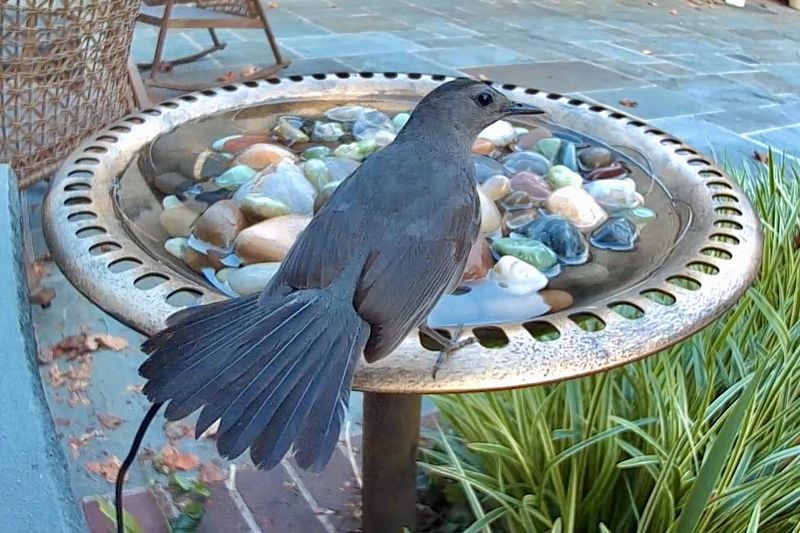
Fresh water ranks among the most valuable resources homeowners can offer wildlife, especially during hot Ohio summers when natural sources often dry up completely.
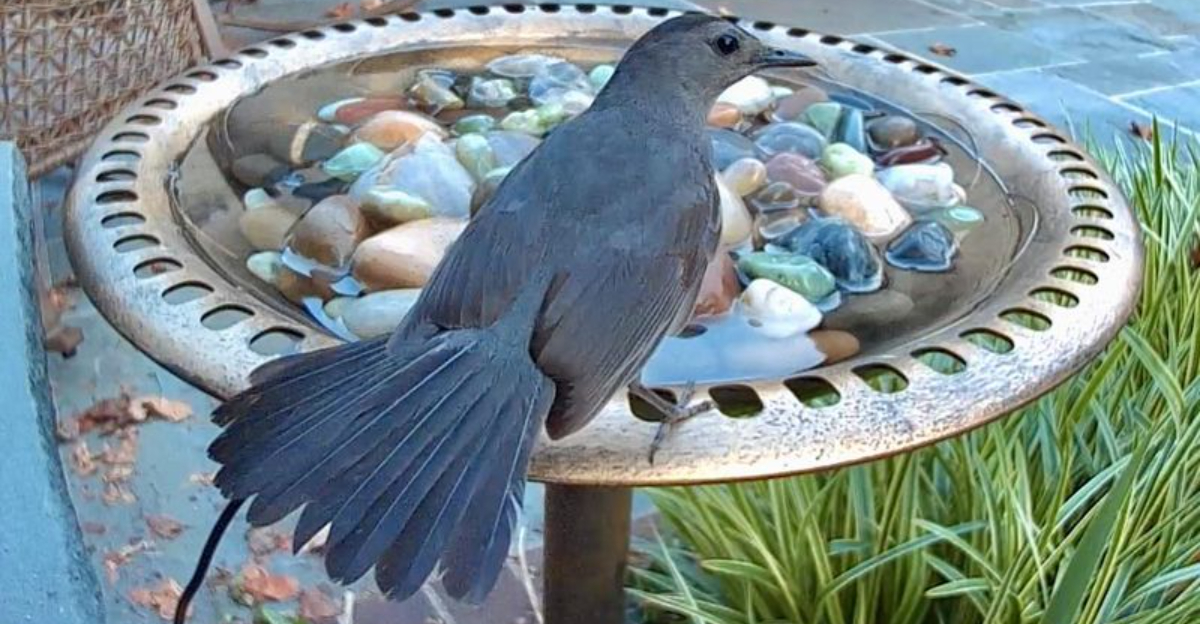
Bird baths provide drinking spots and bathing areas where feathered visitors can cool off and clean their feathers, which helps them fly efficiently.
Adding a small solar fountain creates gentle ripples that attract birds from greater distances, as the sound and movement signal safe, clean water nearby.
Homeowners across Ohio are placing shallow dishes at ground level too, helping rabbits, chipmunks, and other small mammals find hydration without traveling far from cover.
Keeping water fresh matters tremendously; changing it every two or three days prevents mosquitoes from breeding and stops harmful bacteria from growing inside containers.
Positioning water features near shrubs or trees gives birds quick escape routes if predators approach, making them feel secure enough to visit regularly throughout seasons.
During winter months in Ohio, heated bird baths become lifesavers when ponds and streams freeze solid, providing crucial hydration for cardinals and chickadees staying year-round.
Even a simple terracotta saucer filled with clean water can make your yard a destination for dozens of species seeking this essential resource daily.
3. Creating Brush Piles and Log Habitats

Fallen branches and logs might look messy to some neighbors, but they create five-star hotels for countless creatures needing shelter from weather and predators alike.
Brush piles offer safe hiding spots where rabbits, chipmunks, and ground birds can escape hawks while raising their young in protected spaces throughout Ohio seasons.
Your Ohio Garden Changes Every Week. Your Plan Should Too.
Gardening in Ohio changes quickly throughout the season. Every Friday you’ll receive a simple weekly plan showing exactly what to plant, prune, fertilize, harvest, and protect so you never miss the right timing.
Stacking branches loosely allows air circulation while creating multiple entry points, letting small animals move freely while keeping larger predators from reaching them inside.
Rotting logs become homes for salamanders, beetles, and other decomposers that enrich soil and form the foundation of healthy backyard ecosystems across the state.
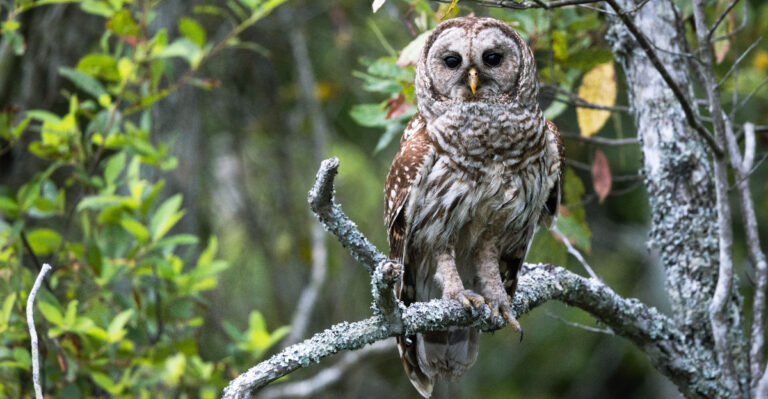
Many Ohio homeowners are intentionally leaving dead trees standing when safe, as woodpeckers excavate nest cavities that later house owls, squirrels, and flying insects.
Positioning brush piles in quiet corners away from heavy foot traffic gives shy animals the privacy they need to feel comfortable using these shelters daily.
As materials break down over months and years, they release nutrients back into the ground, feeding plants and creating richer soil for future gardens.
Starting a brush pile requires nothing more than collecting fallen branches after storms, making this one of the easiest and least expensive wildlife improvements possible.
4. Reducing Lawn Size for Meadow Spaces
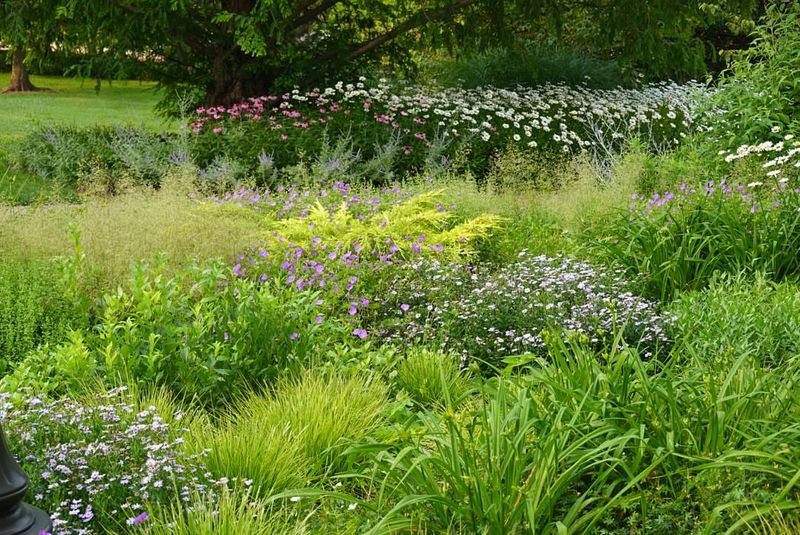
Traditional lawns act like green deserts for wildlife, offering almost nothing in terms of food or shelter despite requiring constant mowing, watering, and chemical treatments.
Converting even small lawn sections into meadow habitats creates instant benefits, as taller grasses and flowers support insects that feed baby birds during critical nesting periods.
Ohio homeowners are mowing paths through meadow areas, which maintains a tidy appearance while allowing most of the space to grow naturally throughout seasons.
Meadows need cutting just once or twice yearly, dramatically reducing time spent on yard work while lowering fuel costs and equipment maintenance expenses significantly.
Native grasses develop deep root systems that prevent erosion, filter rainwater, and create underground networks that improve soil health across entire properties over time.
Fireflies, which are declining rapidly across North America, depend on unmowed grass where they can complete their life cycles away from disturbance and bright lights.
Letting sections go wild doesn’t mean abandoning your yard; it means working with nature instead of fighting it, creating beauty that changes with every season.
Starting with just a small corner allows homeowners to see the wildlife benefits firsthand before expanding meadow areas to larger portions of their property.
5. Hanging Diverse Bird Feeders and Nest Boxes
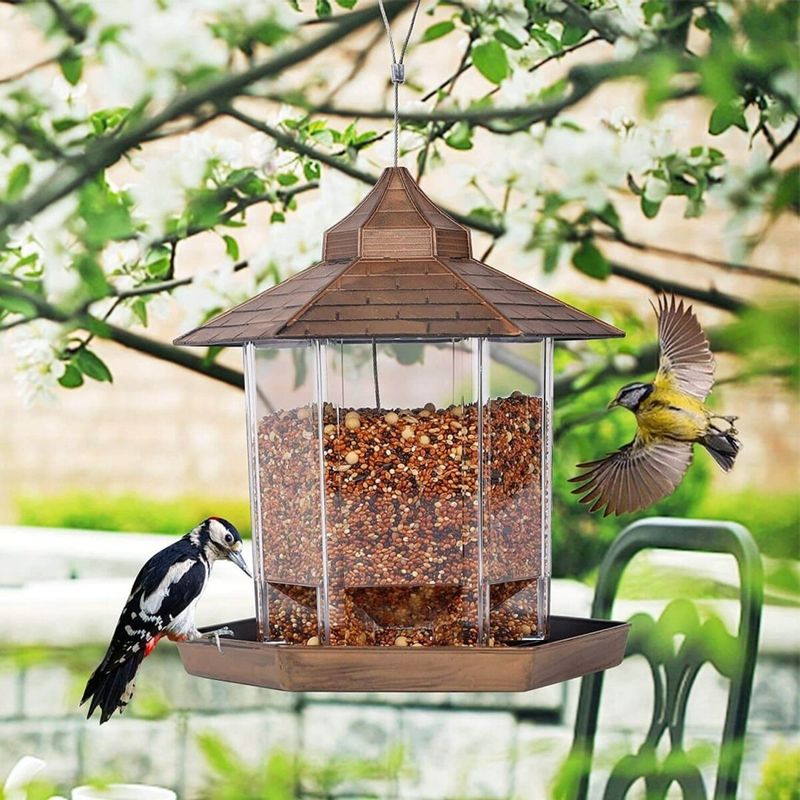
Different bird species have unique feeding preferences, so offering varied feeder types ensures everyone from tiny hummingbirds to hefty woodpeckers finds something they enjoy eating.
Tube feeders filled with nyjer seeds attract goldfinches and siskins, while platform feeders work perfectly for cardinals and jays preferring to eat in open spaces.
Suet cages provide high-energy fat that helps woodpeckers and nuthatches survive cold Ohio winters when insects become impossible to find under frozen bark.
Nest boxes designed for specific species encourage breeding pairs to raise families right in your yard, with bluebirds and chickadees readily accepting properly sized homes.
Positioning boxes at appropriate heights and directions matters greatly; bluebird houses should face east or southeast, protecting nestlings from afternoon heat across the Buckeye State.
Cleaning nest boxes after each breeding season prevents parasites from harming future occupants, giving new families a fresh, healthy start each spring when they arrive.
Spacing feeders throughout your yard reduces competition and aggression, allowing shy species to eat comfortably without being chased away by more dominant birds constantly.
Keeping feeders clean and filled consistently makes your yard a reliable food source, encouraging birds to visit daily and even bring their fledglings to feed.
6. Avoiding Pesticides and Chemical Treatments
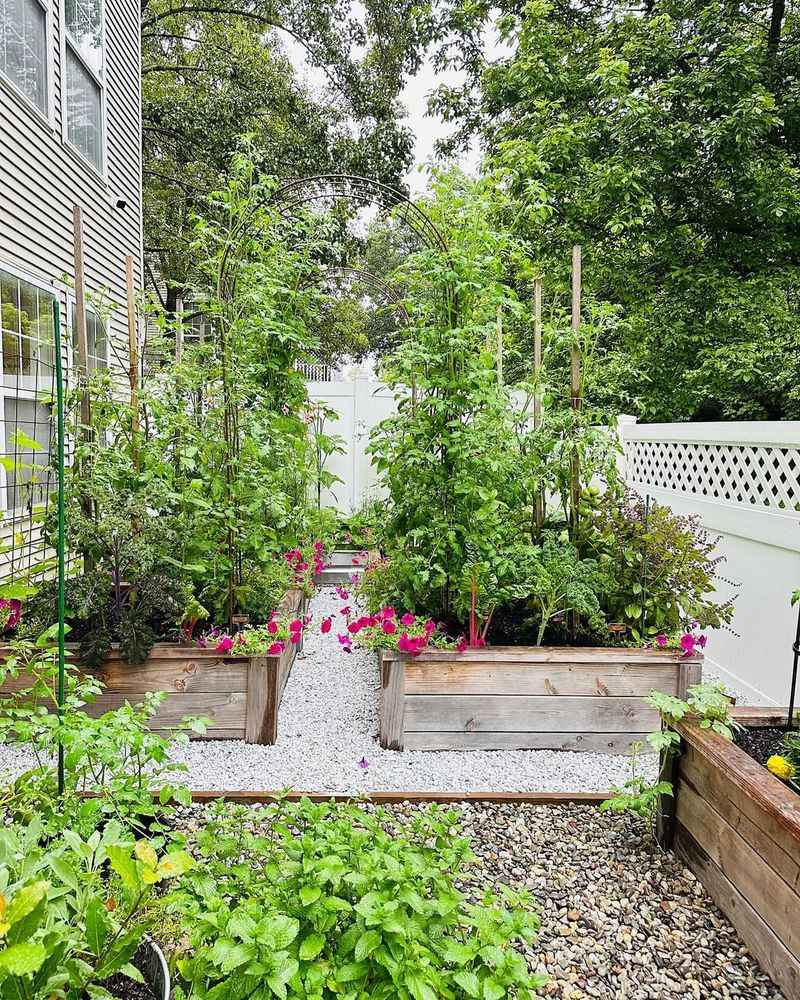
Chemical pesticides eliminate insects indiscriminately, destroying beneficial species like ladybugs and lacewings that naturally control aphids and other pests homeowners actually want gone.
Birds feeding babies need thousands of caterpillars and insects during nesting season, but yards treated with chemicals offer virtually nothing for hungry chicks to eat.
Ohio homeowners are discovering that healthy, diverse yards naturally balance themselves as predatory insects and birds keep pest populations under control without human intervention needed.
Neonicotinoid pesticides, commonly used on lawns and gardens, harm bees even at low concentrations, affecting their ability to navigate back to hives after foraging trips.
Choosing organic mulches, compost, and natural pest deterrents like neem oil protects beneficial creatures while still keeping gardens productive and attractive throughout growing months.
Tolerating minor leaf damage shows acceptance that insects are part of healthy ecosystems, and perfect plants often indicate chemical use that harms wildlife unnecessarily.
Native plants naturally resist local pests better than exotic species, reducing the temptation to spray chemicals when problems arise in yards across the state.
Going chemical-free might require adjusting expectations slightly, but the payoff comes in increased wildlife activity, healthier soil, and safer spaces for children and pets alike.
7. Leaving Leaf Litter and Seed Heads Standing
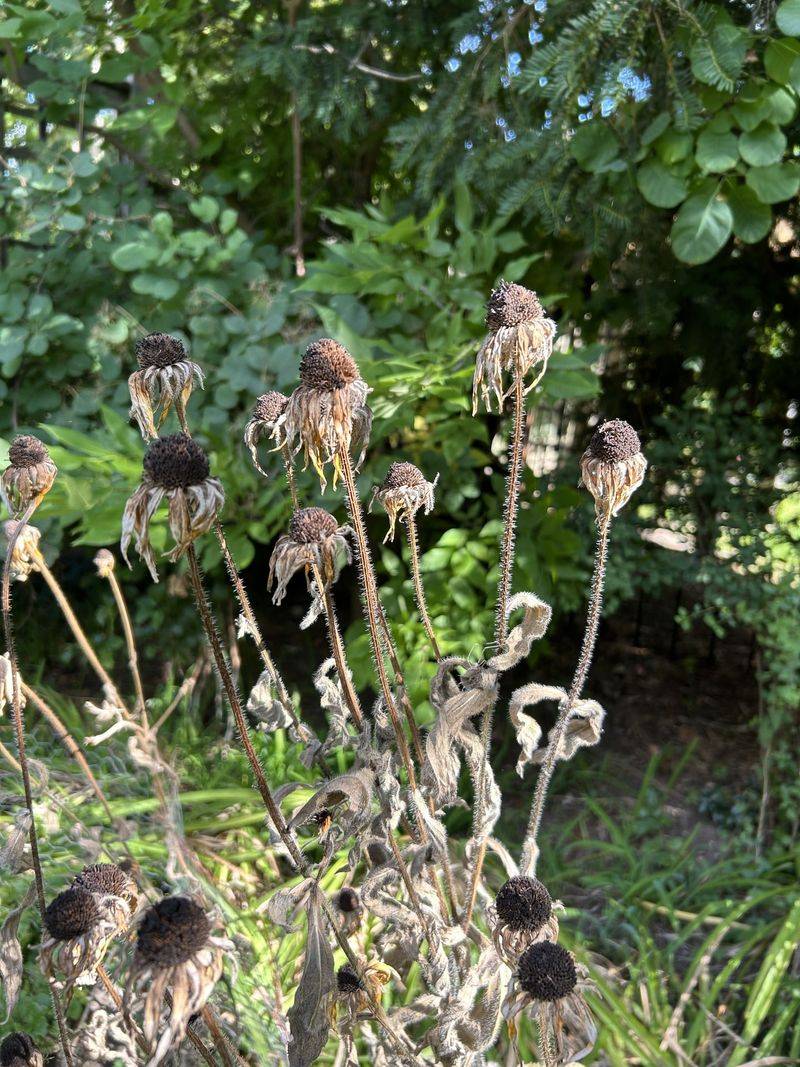
Raking every single leaf creates bare ground that offers nothing for overwintering insects, many of which provide essential food for birds returning to Ohio early each spring.
Fallen leaves form natural mulch that protects plant roots from freezing temperatures while slowly decomposing to enrich soil with nutrients that benefit future growth seasons.
Luna moths, swallowtail butterflies, and countless other species spend winter as pupae hidden beneath leaf layers, emerging only when warm weather returns to yards.
Leaving dried flower heads standing through winter provides seeds that finches, sparrows, and juncos rely on when other food sources disappear under snow and ice.
Coneflowers, black-eyed Susans, and native grasses look beautiful even when dried, adding texture and visual interest to winter landscapes while serving practical wildlife purposes simultaneously.
Leaf litter also shelters salamanders, toads, and beneficial ground beetles that control slugs and other garden pests once spring growing season begins across the state.
Homeowners can rake leaves from walkways and patios while leaving them under shrubs and in garden beds, maintaining tidy appearances without removing valuable wildlife habitat.
This simple practice costs nothing, saves time, and delivers tremendous benefits for creatures trying to survive harsh Midwestern winters in increasingly fragmented landscapes.
8. Planting Berry-Producing Shrubs and Trees
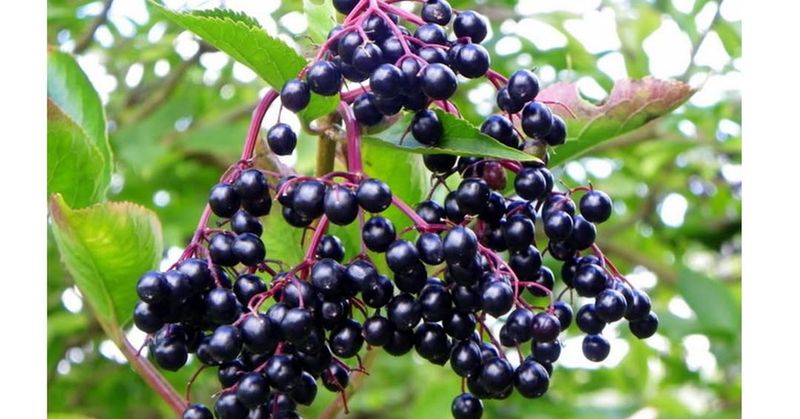
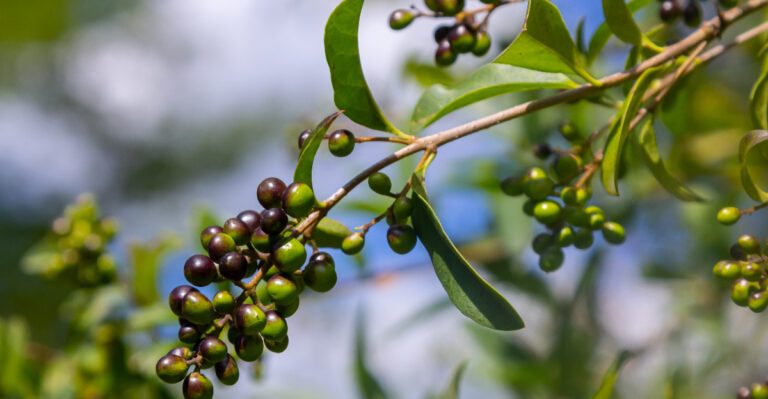
Berry-producing plants act like natural bird feeders that require no refilling, offering nutritious food exactly when migrating species need energy for long journeys ahead.
Serviceberry, elderberry, and native viburnums produce fruits that over fifty bird species eat, including robins, waxwings, and thrushes passing through Ohio during migration periods.
These shrubs also bloom early in spring, providing nectar for bees and butterflies emerging when few other flowers have opened yet across the state.
Planting a variety of species ensures berries ripen at different times, creating continuous food supplies from early summer through late fall for residents and visitors.
Many berry plants display stunning fall colors, adding landscape beauty while simultaneously supporting wildlife preparing for winter or migration journeys to southern locations far away.
Unlike ornamental shrubs bred for appearance alone, native berry producers require less maintenance and water while offering far greater value to local ecosystems throughout seasons.
Positioning berry plants near windows allows homeowners to watch fascinating bird behavior up close as different species compete for ripe fruits during peak feeding times.
Even small yards have room for compact varieties like dwarf blueberries or winterberry holly, which provide food while fitting perfectly into limited spaces available.