10 Best Plants Georgia Homes Use For A Jungle Vibe This Year
Georgia homes are leaning into lush, leafy plants that instantly make indoor spaces feel more relaxed, layered, and full of personality this year.
I keep noticing how the right mix of bold foliage and trailing greenery can completely change the mood of a room without much effort at all.
These plants bring that jungle vibe people love, turning everyday corners into spots that feel cozy, expressive, and a little bit wild in the best way.
1. Monstera Deliciosa
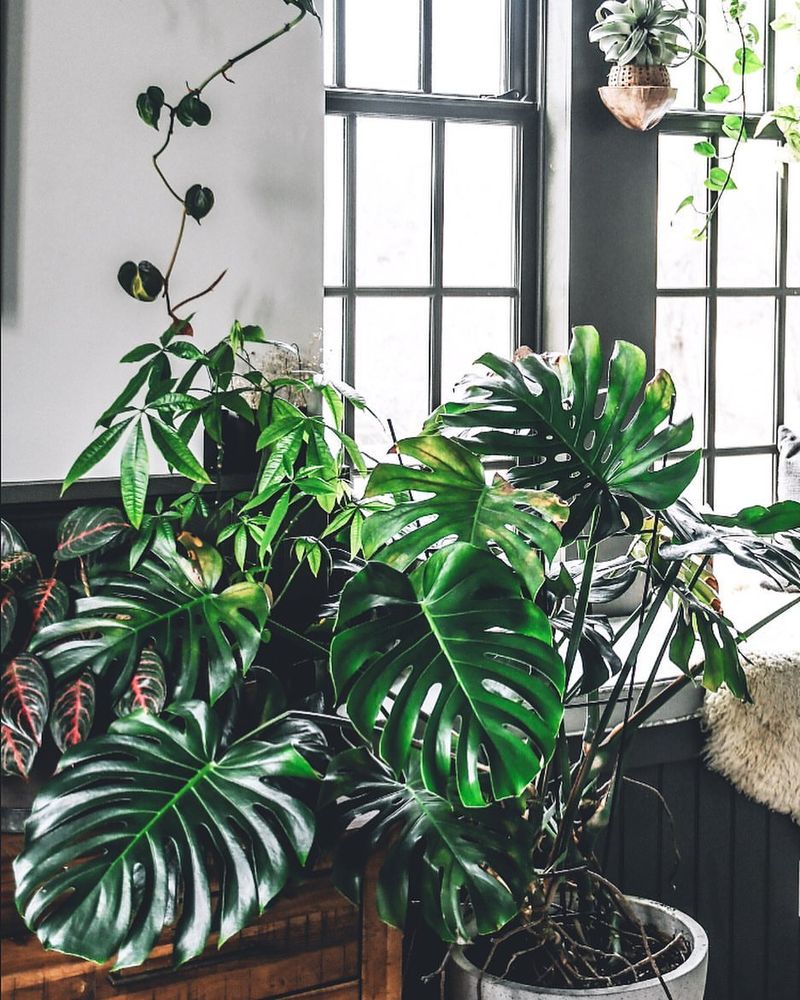
Massive split leaves make this tropical showstopper the ultimate choice for anyone wanting that authentic rainforest feeling inside their Georgia residence.
People across Atlanta and Savannah have fallen head over heels for this plant because it grows fast and looks incredibly dramatic.
Your Monstera will climb upward naturally, so providing a moss pole helps support those enormous leaves as they reach toward available light.
Bright indirect sunlight works best, though this adaptable beauty tolerates lower light conditions better than most people expect from tropical species today.
Water when the top two inches of soil feel dry, which typically happens once weekly during Georgia’s humid summer months indoors.
Brown edges usually signal low humidity, so misting leaves occasionally or using a humidifier keeps your Monstera looking absolutely spectacular year-round.
Homeowners in Georgia love how this plant fills empty corners and instantly makes any room feel like a lush tropical paradise.
Wipe those glossy leaves monthly with a damp cloth to remove dust and help your Monstera photosynthesize more efficiently throughout the year.
2. Bird of Paradise
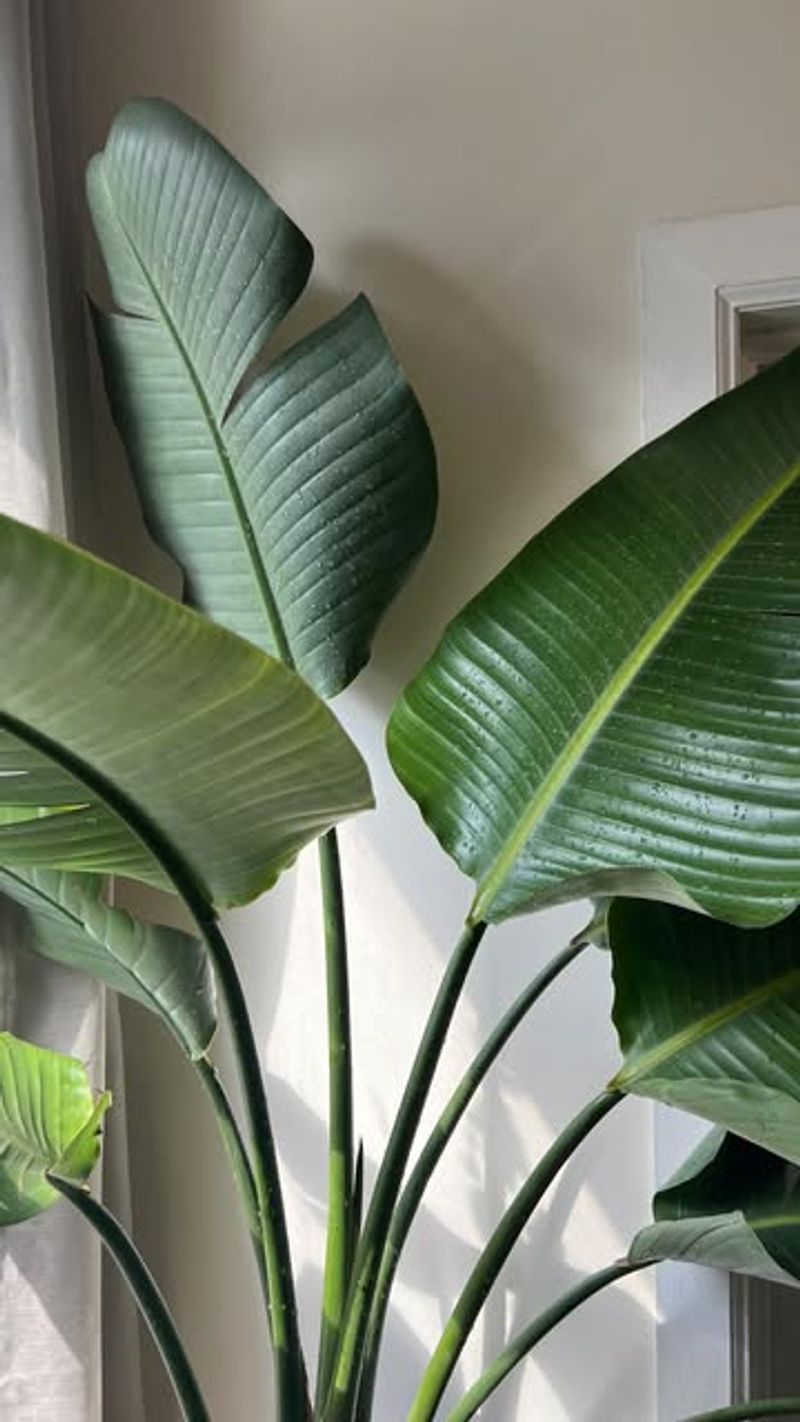
Paddle-shaped leaves stretch skyward on this architectural wonder, instantly transporting Georgia homeowners to a sun-drenched island getaway without leaving their living rooms.
Strelitzia creates incredible visual impact with foliage that can reach five feet tall, making it perfect for filling large empty spaces dramatically.
Bright light is essential for this sun-loving beauty, so position yours near south-facing windows where it receives several hours of direct sunshine.
Georgia residents find this plant surprisingly easy to maintain once they understand its preference for consistent moisture without waterlogged soil conditions ever.
Allow the top inch of soil to dry between waterings, then water thoroughly until liquid drains freely from the bottom holes completely.
Occasionally, older leaves turn yellow and brown naturally, so simply trim them away to keep your Bird of Paradise looking fresh always.
Fertilize monthly during spring and summer using a balanced liquid fertilizer diluted to half strength for optimal growth throughout Georgia’s growing season.
Rotate your plant quarterly to ensure even growth on all sides since it naturally leans toward the brightest available light source.
3. Fiddle Leaf Fig
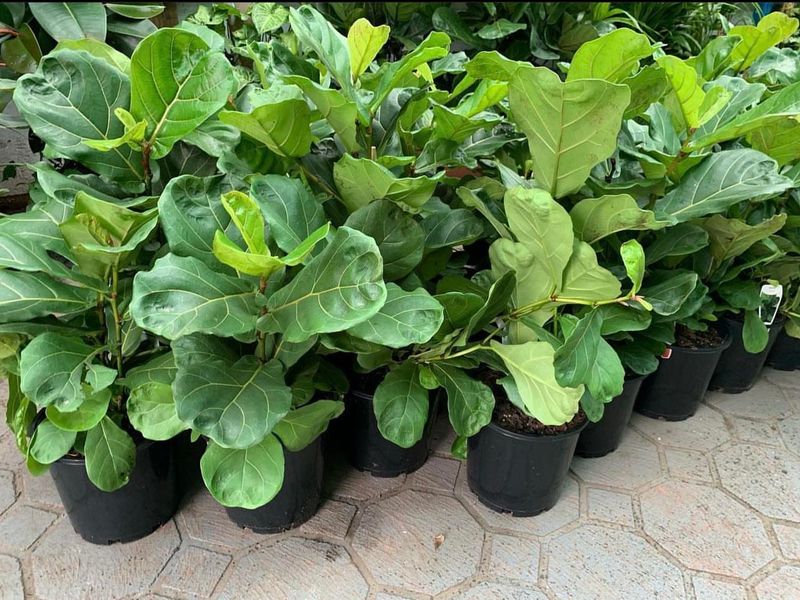
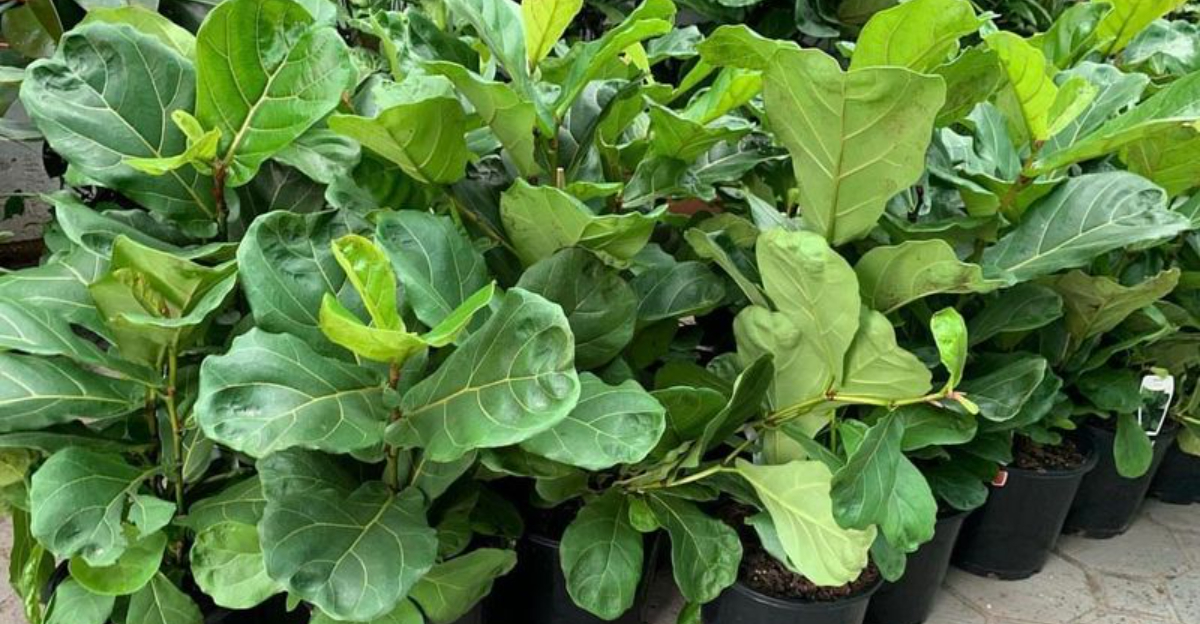
Violin-shaped leaves create an elegant tropical statement that has become the signature plant for design-conscious homeowners throughout Georgia seeking sophisticated jungle vibes.
This finicky beauty demands consistency in lighting, watering, and placement, but rewards your efforts with stunning architectural presence that photographs beautifully always.
Choose one bright spot in your Georgia home and commit to leaving your Fiddle Leaf Fig there permanently since moving stresses it.
Your Georgia Garden Changes Every Week. Your Plan Should Too.
Gardening in Georgia changes quickly throughout the season. Every Friday you’ll receive a simple weekly plan showing exactly what to plant, prune, fertilize, harvest, and protect so you never miss the right timing.
Water only when the top two inches of soil dry out completely, which prevents root rot while maintaining adequate moisture levels year-round.
Brown spots often indicate watering issues, either too much or too little, so monitor your schedule carefully and adjust as needed seasonally.
Georgia’s indoor humidity levels work well for this plant, though occasional misting during winter months when heating systems run constantly helps tremendously.
Wipe those oversized leaves regularly with a soft damp cloth to remove dust buildup that blocks light absorption and dulls their appearance.
Fertilize every few weeks during growing season using diluted liquid fertilizer to encourage healthy new growth and maintain that gorgeous deep color.
4. Pothos
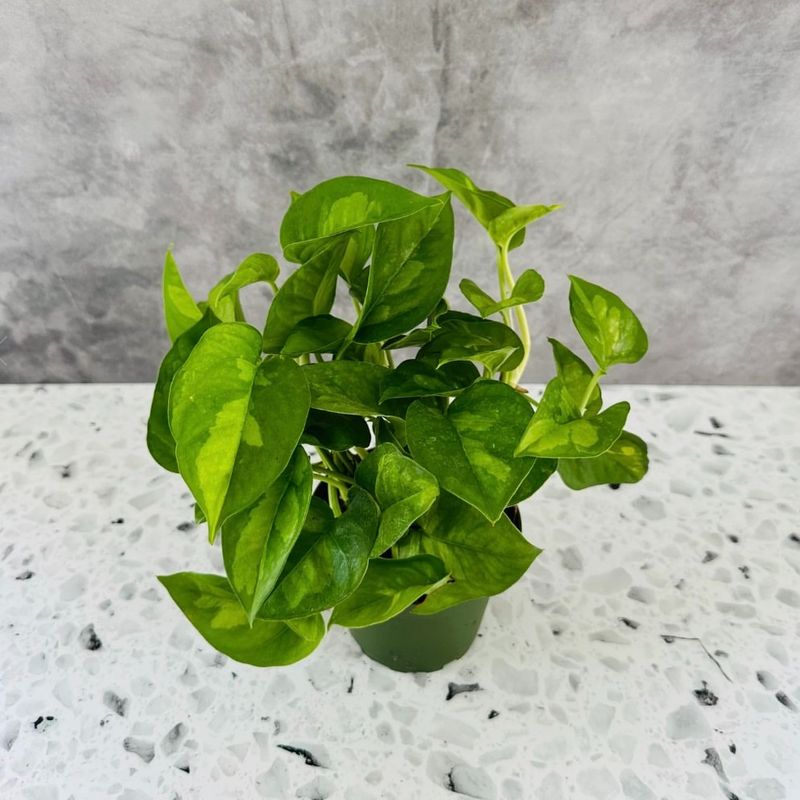
Heart-shaped leaves cascade gracefully from hanging baskets, creating waterfall effects that Georgia homeowners absolutely adore for achieving that layered jungle canopy look.
Nearly indestructible, this beginner-friendly vine tolerates neglect, low light, and irregular watering better than almost any other houseplant available commercially today.
Trailing vines can grow incredibly long, so trim them back occasionally and propagate cuttings in water to create more plants for friends.
Georgia residents love placing Pothos on high shelves, allowing those gorgeous vines to drape downward and soften hard architectural lines beautifully indoors.
This adaptable plant thrives in bright indirect light but survives in dimmer corners where other tropical species would struggle or fail completely.
Water when soil feels dry an inch down, which might be weekly in summer but less frequently during Georgia’s cooler winter months.
Yellow leaves usually mean overwatering, so adjust your schedule accordingly and ensure pots have adequate drainage holes to prevent soggy conditions always.
Variegated varieties feature cream or yellow splashes across leaves, adding extra visual interest and brightening darker rooms throughout your Georgia home effectively.
5. Snake Plant
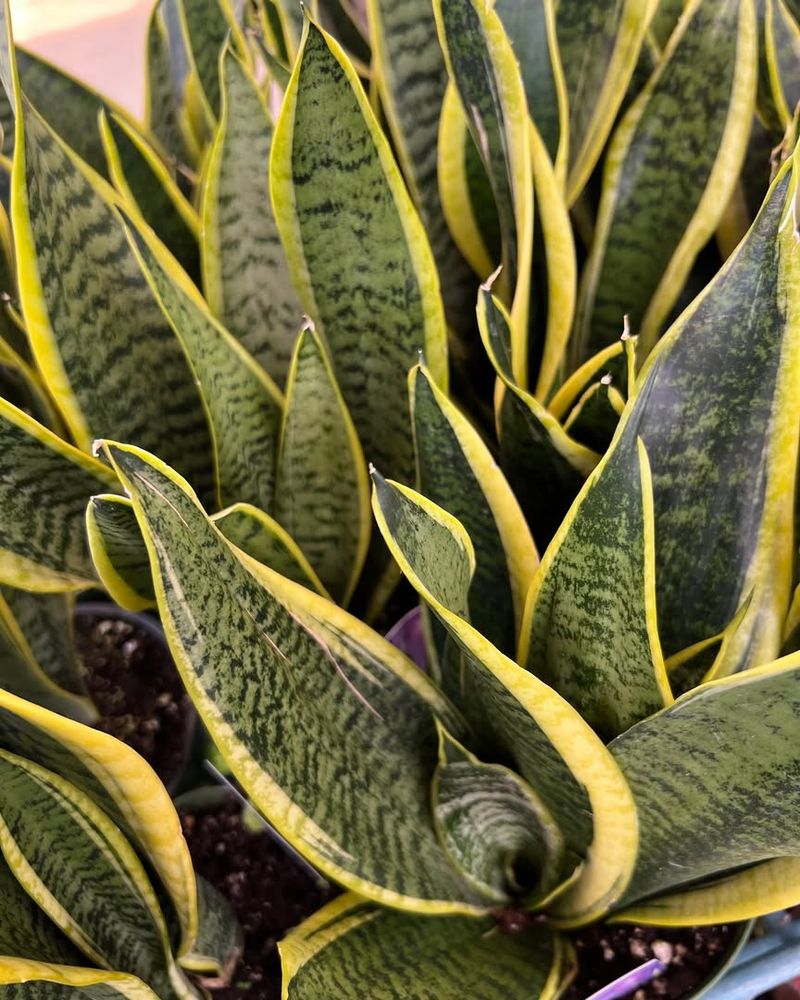
Sword-like leaves shoot upward in bold vertical lines, offering structural contrast to softer jungle plants while purifying air throughout your Georgia residence continuously.
Sansevieria survives practically anything, including low light, infrequent watering, and temperature fluctuations that would devastate more delicate tropical houseplant varieties quickly.
This architectural marvel works perfectly in bedrooms since it releases oxygen at night, unlike most plants that only photosynthesize during daylight hours.
Georgia homeowners appreciate how Snake Plants require minimal attention yet deliver maximum visual impact with their striking variegated patterns and bold forms.
Water sparingly, perhaps every two to three weeks, since these drought-tolerant plants store moisture in their thick leaves and hate soggy soil.
Overwatering causes root rot faster than anything else, so always err on the dry side when caring for Snake Plants indoors.
Different varieties offer unique patterns and colors, from golden edges to cylindrical leaves, letting you customize your jungle aesthetic throughout your space.
Place anywhere in your Georgia home since these adaptable beauties tolerate everything from bright windows to shadowy corners without complaint or decline.
6. Rubber Plant
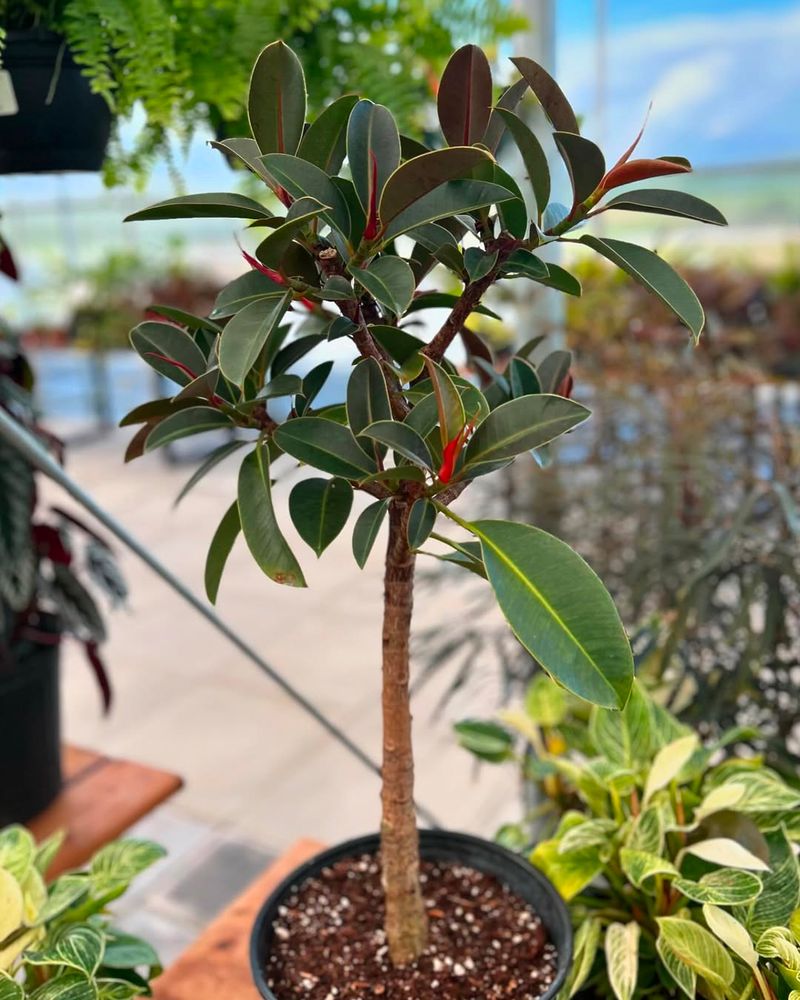
Glossy oval leaves in deep green or burgundy shades command attention while adding sophisticated tropical elegance to any Georgia home seeking that polished look.
Ficus elastica grows steadily upward, eventually reaching impressive heights that create dramatic focal points in living rooms, entryways, or home offices statewide.
Bright indirect light keeps your Rubber Plant thriving, though it adapts reasonably well to medium light conditions found in many Georgia interior spaces.
Wipe those shiny leaves weekly with a damp cloth to maintain their glossy appearance and remove dust that accumulates naturally over time.
Water when the top inch of soil dries out, typically once weekly during warmer months but less frequently when Georgia temperatures drop significantly.
Yellow leaves dropping off usually indicate overwatering or sudden temperature changes, so maintain consistent care routines and avoid cold drafts from air conditioners.
Prune leggy growth to encourage bushier development, and those cuttings can be propagated easily to expand your collection or share with friends.
Burgundy varieties add unexpected color depth to jungle-themed rooms, creating stunning contrast against traditional green foliage plants displayed nearby throughout your space.
7. Philodendron Brasil
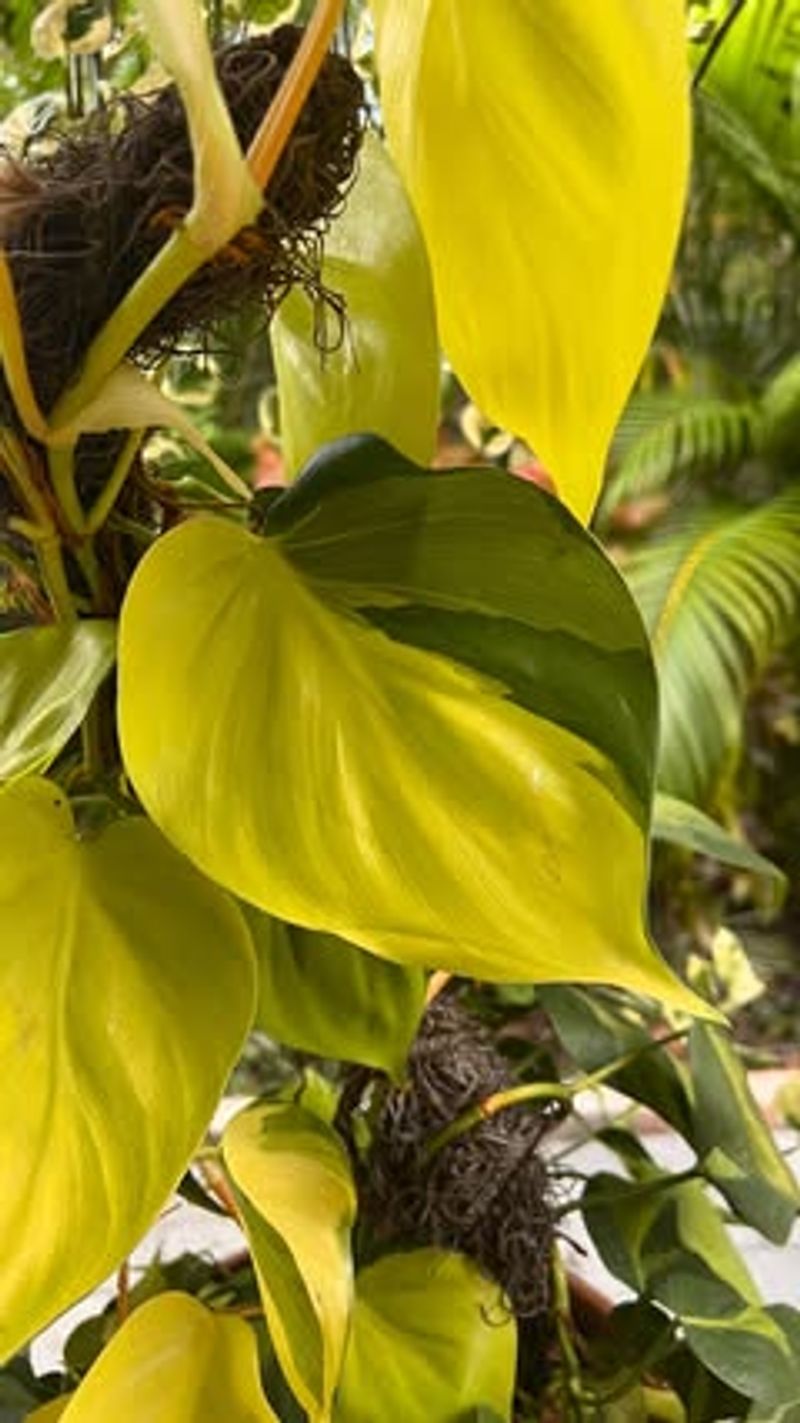
Vibrant lime-green variegation splashes across heart-shaped leaves on this cheerful trailing vine that brightens any Georgia home with its energetic tropical personality.
Fast-growing and forgiving, this Philodendron variety tolerates occasional neglect while still producing abundant foliage that cascades beautifully from elevated positions indoors.
Georgia plant enthusiasts love how quickly Brasil fills hanging baskets and creates that lush, overgrown jungle aesthetic without requiring years of patience.
Bright indirect light enhances the yellow variegation, though this adaptable vine grows reasonably well in medium light conditions found throughout typical homes.
Water when the top inch of soil feels dry to the touch, which maintains adequate moisture without risking root rot problems later.
Trim long vines periodically to encourage fuller growth closer to the base, and propagate those cuttings in water to create additional plants.
This low-maintenance beauty thrives in Georgia’s indoor humidity levels without requiring special misting or humidifier assistance that some tropical species demand constantly.
Combine with solid green Pothos or darker foliage plants to create dynamic color contrasts that enhance your jungle-inspired interior design scheme beautifully.
8. Elephant Ear
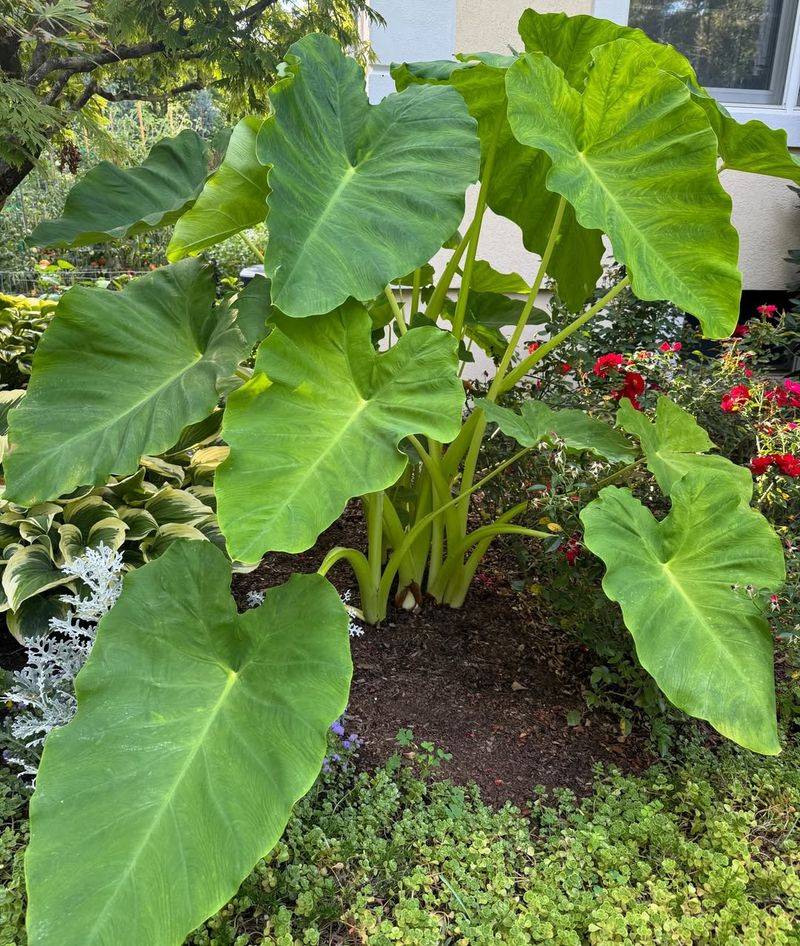
Enormous heart-shaped leaves create jaw-dropping drama that stops visitors in their tracks when they enter Georgia homes featuring these bold tropical specimens.
Alocasia varieties offer diverse leaf patterns, from dark purple undersides to metallic silver veining, giving homeowners countless options for personalizing their jungle spaces.
These moisture-loving plants prefer consistently damp soil, so check them frequently during Georgia’s hot summer months when indoor air conditioning runs continuously.
Bright indirect light works best, though some varieties tolerate lower light conditions better than others, so research your specific type before placement.
High humidity keeps Elephant Ears looking their absolute best, so consider grouping them with other plants or using a humidifier nearby indoors.
Leaves naturally die back occasionally, especially during Georgia’s winter months, so trim brown foliage promptly to maintain an attractive appearance year-round.
Fertilize regularly during growing season using a balanced liquid formula diluted to half strength for optimal growth and vibrant leaf coloration throughout.
Position away from cold drafts or heating vents since temperature fluctuations stress these tropical beauties and cause leaf damage or premature browning.
9. Boston Fern
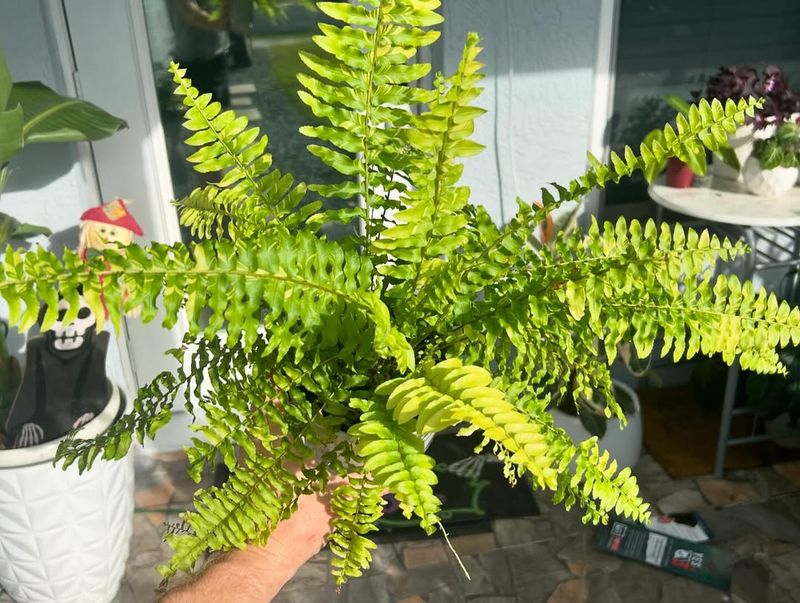
Delicate feathery fronds arch gracefully outward, creating soft textural contrast against bold-leafed plants in jungle-themed Georgia homes seeking layered natural beauty.
Bathrooms make ideal locations for these humidity-loving ferns since steam from showers mimics their native rainforest environment perfectly without extra effort.
Georgia homeowners find Boston Ferns rewarding when given consistent moisture and humidity, though they can be finicky if conditions become too dry.
Water frequently to keep soil consistently moist but never waterlogged, which typically means checking your fern every few days during warmer months.
Mist fronds daily or use a pebble tray filled with water underneath the pot to increase ambient humidity around your plant effectively.
Brown, crispy fronds indicate insufficient moisture or humidity, so adjust your care routine promptly and trim away damaged foliage to encourage regeneration.
Bright indirect light works best, though Boston Ferns tolerate lower light better than many tropical plants, making them versatile for various Georgia rooms.
Fertilize monthly during spring and summer using diluted liquid fertilizer to support continuous frond production and maintain that lush, full appearance always.
10. ZZ Plant
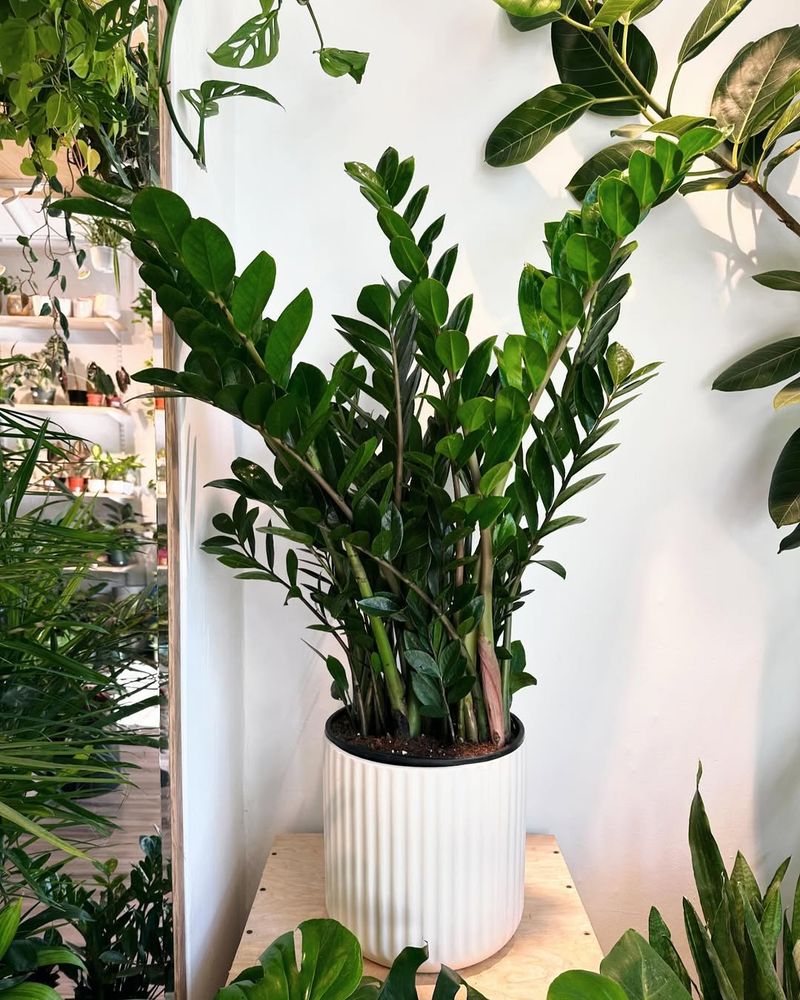
Waxy, glossy leaflets line upright stems in a distinctive pattern that adds architectural interest while requiring almost zero maintenance from busy Georgia homeowners.
Zamioculcas zamiifolia tolerates extreme neglect, including low light, infrequent watering, and temperature variations that would quickly damage more temperamental tropical houseplant species.
This nearly indestructible beauty grows slowly but steadily, gradually filling spaces with lush foliage that always looks healthy and vibrant without constant attention.
Georgia residents appreciate how ZZ Plants thrive in offices, bedrooms, or darker corners where other jungle plants would struggle to survive long-term.
Water sparingly, perhaps every two to three weeks, since thick rhizomes store moisture underground and the plant actually prefers drying out between waterings.
Overwatering causes yellowing leaves and root rot, so always let soil dry completely before watering again to maintain optimal plant health.
Wipe leaves occasionally with a damp cloth to remove dust buildup and restore their natural glossy sheen that makes this plant so attractive.
New growth emerges as light green shoots that darken over time, adding visual interest and signaling your ZZ Plant is happy and thriving.