Late Winter Is The Best Time To Prune This Tree For Early Spring Blooms In Ohio
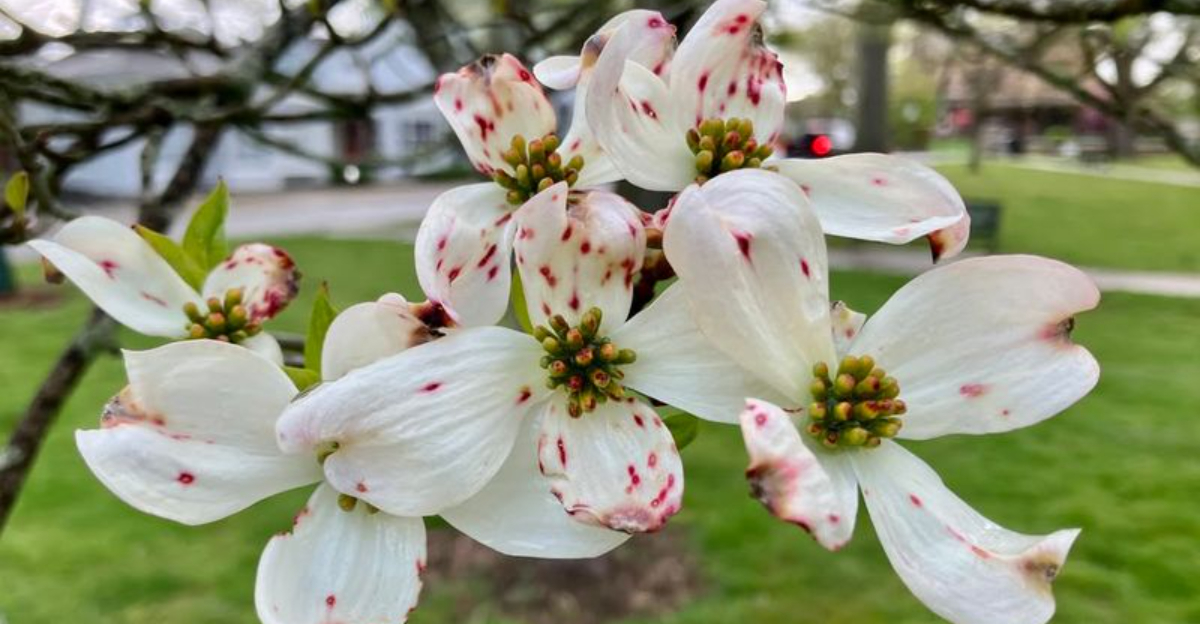
Late winter has a quiet magic in Ohio, and pruning this tree during that window sets the stage for a burst of early spring blooms that always feels rewarding.
It’s one of those simple garden moments that makes you feel ahead of the season, knowing a little effort now leads to a big, beautiful payoff soon.
1. Understanding Dormancy Protects Your Tree
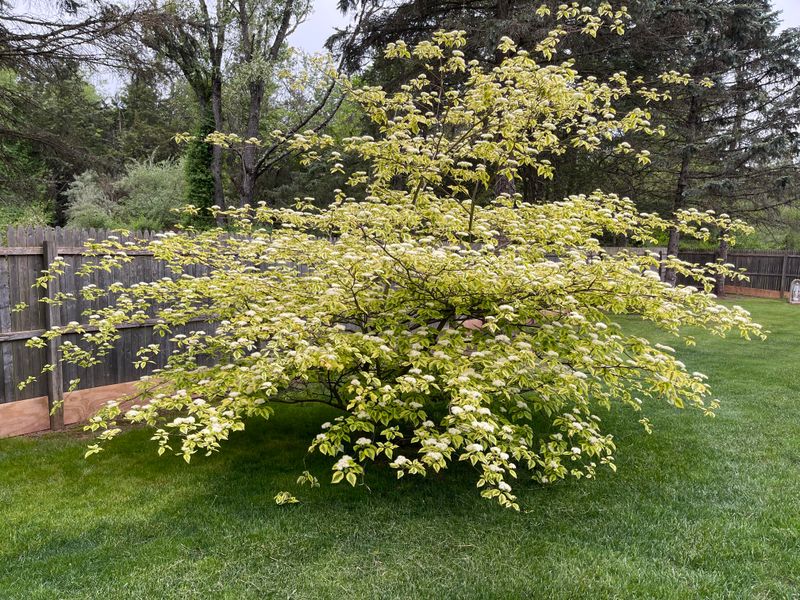
Late winter pruning works best because flowering dogwoods enter a deep rest period when temperatures drop and daylight hours shorten significantly across Ohio.
Trees store energy in their roots during this dormant phase, making them less vulnerable to stress when branches are removed from the main structure.
Pruning while sap flow is minimal reduces the risk of excessive bleeding that can weaken the tree and attract unwanted pests to fresh cuts.
Dormant trees also lack leaves, giving gardeners a clear view of the branch structure and making it easier to identify problem areas needing attention.
Waiting until late February or early March in Ohio ensures the harshest winter weather has passed but buds have not yet begun swelling noticeably.
This timing allows wounds to begin healing before active growth resumes in spring, giving your dogwood the best chance to recover quickly and fully.
Pruning during dormancy also prevents accidental removal of flower buds that form the previous summer and wait patiently through winter for their moment to shine.
Respecting the natural dormancy cycle helps your flowering dogwood maintain its vigor and produce the spectacular blooms that make this species so beloved by gardeners.
2. Flower Buds Form the Previous Summer
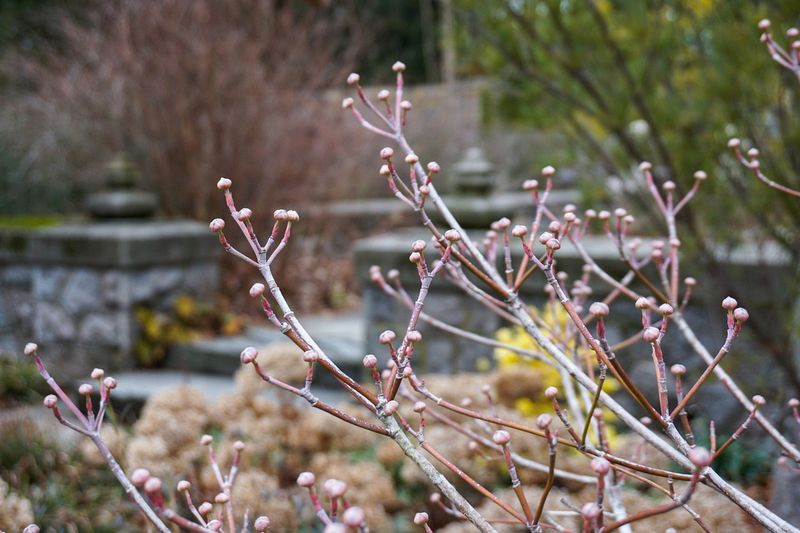
Many gardeners don’t realize that the gorgeous spring blooms on flowering dogwoods actually develop as tiny buds during the warm months of the previous year.
These buds remain tightly closed throughout fall and winter, waiting for the right combination of warmth and daylight to trigger their spectacular transformation into flowers.
Pruning too late in spring risks cutting away these precious buds, resulting in fewer blooms and a disappointing display that doesn’t reflect your tree’s potential.
Late winter pruning in Ohio allows you to see the rounded flower buds clearly since they’re slightly larger and more prominent than the pointed leaf buds.
Careful observation helps you avoid removing branches that carry the most flower buds, ensuring your dogwood puts on its best show when spring arrives.
Understanding this growth pattern changes how you approach pruning decisions, making you more thoughtful about which branches to keep and which ones to remove carefully.
Preserving flower buds while still shaping the tree requires patience and a gentle hand, but the reward comes when your Ohio yard fills with beautiful blooms.
This knowledge transforms pruning from a simple maintenance task into an art form that balances tree health with aesthetic beauty and maximum flowering potential.
3. Remove Dead and Damaged Wood First
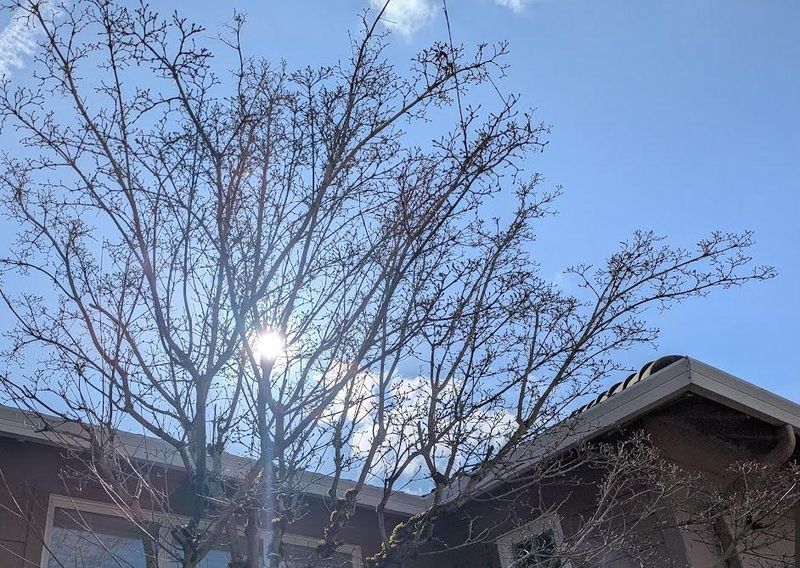
Starting your pruning session by removing branches that are broken, diseased, or no longer living makes the entire process more efficient and less overwhelming for beginners.
Your Ohio Garden Changes Every Week. Your Plan Should Too.
Gardening in Ohio changes quickly throughout the season. Every Friday you’ll receive a simple weekly plan showing exactly what to plant, prune, fertilize, harvest, and protect so you never miss the right timing.
Dead wood provides no benefit to your flowering dogwood and actually creates entry points for insects and diseases that can spread to healthy parts of the tree.
Damaged branches often result from ice storms, heavy snow, or strong winds that are common during Ohio winters, leaving jagged breaks that need clean cuts.
Removing this problem wood first gives you a clearer picture of the tree’s overall structure and helps you make better decisions about additional shaping cuts.
Dead branches are usually easy to identify because they lack the slight flexibility of living wood and often show discolored or peeling bark that looks unhealthy.
Make your cuts just outside the branch collar where the dead wood meets living tissue, allowing the tree to seal the wound naturally and efficiently.
This approach prioritizes tree health over aesthetics, ensuring your dogwood directs its energy toward producing vibrant blooms rather than fighting off infections or pests.
Ohio gardeners who follow this method often notice their flowering dogwoods bounce back faster and display more robust growth throughout the entire upcoming growing season.
4. Maintain the Natural Layered Shape
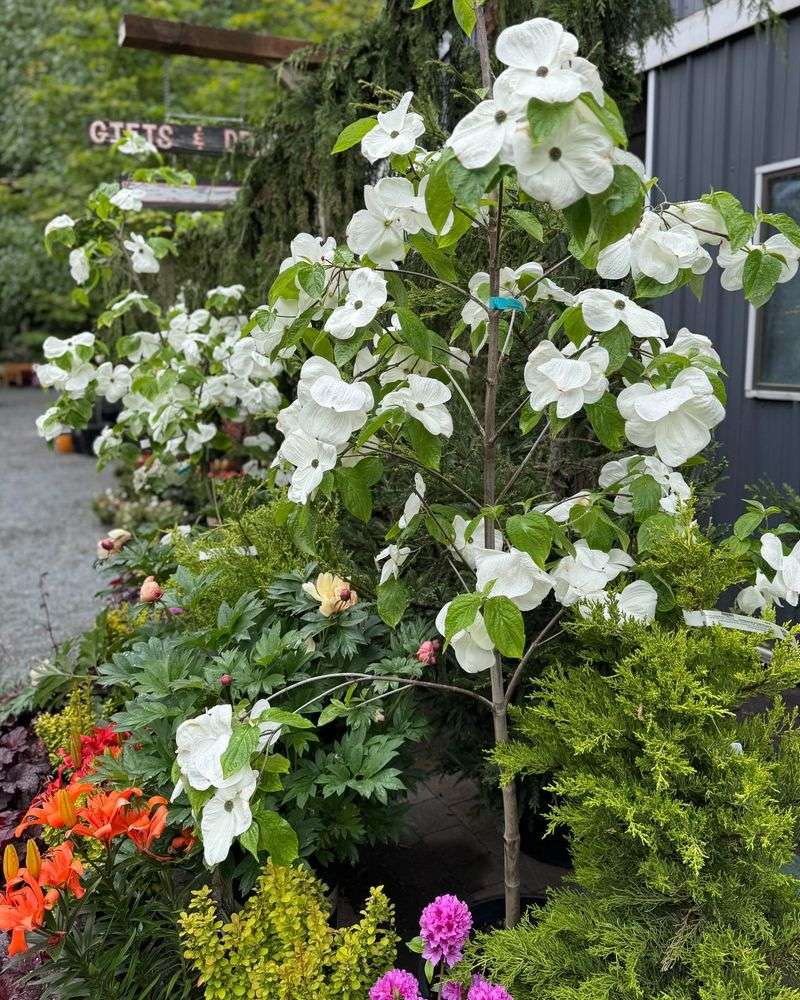
Flowering dogwoods naturally grow in beautiful horizontal layers that create an elegant tiered appearance, making them standout specimens in any Ohio landscape design.
Pruning should enhance this characteristic growth pattern rather than fight against it, preserving the graceful form that makes these trees so visually appealing and distinctive.
Avoid cutting back horizontal branches unnecessarily, as these create the signature look that gardeners love and provide the framework for displaying masses of spring flowers.
Instead, focus on removing vertical shoots called water sprouts that grow straight up from horizontal branches and disrupt the natural layered silhouette of the tree.
These vigorous upright growths rarely produce flowers and steal energy that could go toward developing the horizontal branches that create the tree’s iconic shape.
Step back frequently during your pruning session to view your dogwood from multiple angles, ensuring you’re maintaining balance and not creating awkward gaps in coverage.
Ohio landscapes benefit from dogwoods that retain their natural form because these trees complement both formal and informal garden styles with equal grace and beauty.
Respecting the tree’s inherent growth habit results in a specimen that looks healthy and natural rather than overly manicured or artificially shaped by human intervention.
5. Thin Crowded Interior Branches Carefully
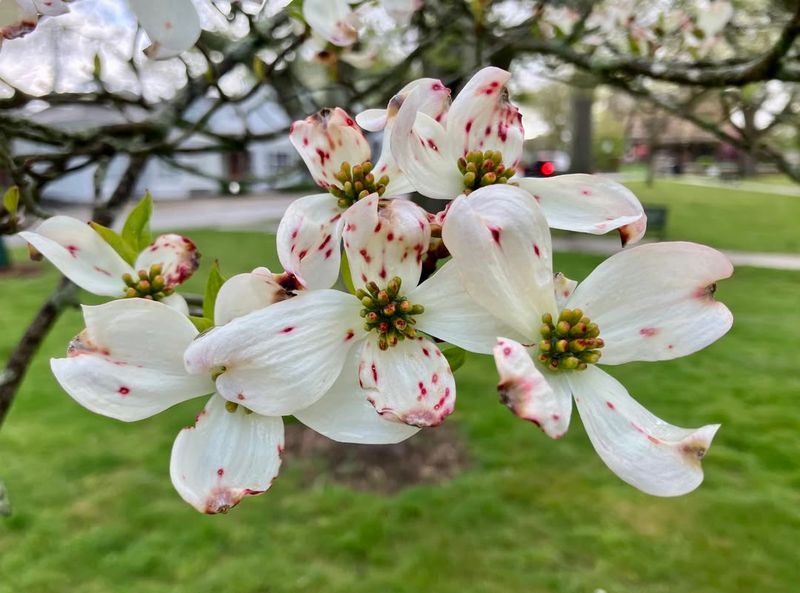
Dense interior growth prevents sunlight and air from reaching the center of your flowering dogwood, creating conditions that favor fungal diseases common in humid Ohio summers.
Thinning crowded branches opens up the canopy, allowing better air circulation that helps foliage dry quickly after rain and reduces the likelihood of disease problems developing.
Improved light penetration encourages flower bud formation on interior branches, resulting in blooms throughout the entire tree rather than just on the outer edges of growth.
Select branches that cross or rub against each other and remove the weaker or less favorably positioned one, making clean cuts close to the parent branch.
Avoid removing more than one-quarter of the tree’s total branch structure in a single season, as excessive pruning can stress the tree and reduce flowering.
Focus on creating an open framework that maintains the tree’s natural shape while allowing light to filter through the canopy to lower branches and interior sections.
Ohio gardeners who thin their dogwoods regularly notice healthier foliage, fewer disease issues, and more abundant blooms that cover the tree from top to bottom beautifully.
This selective approach requires more thought than simply shearing the tree but produces far superior results that enhance both health and appearance over many years.
6. Use Sharp Clean Tools for Best Results
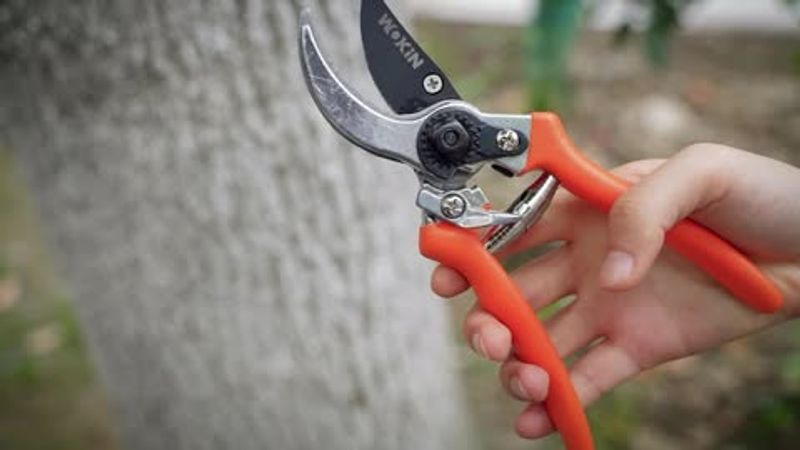
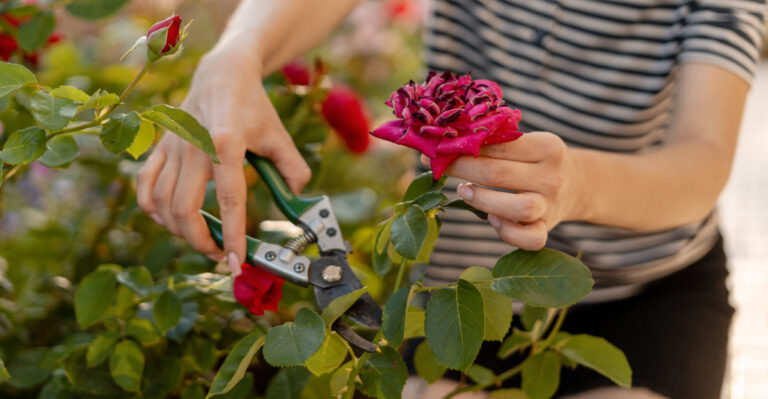
Dull pruning tools crush and tear branch tissue rather than making clean cuts, creating ragged wounds that take longer to heal and invite disease organisms.
Sharp bypass pruners make smooth cuts that seal quickly, helping your flowering dogwood recover from pruning with minimal stress and maximum efficiency throughout the healing process.
Clean your cutting tools with rubbing alcohol or a bleach solution between cuts, especially when removing diseased wood that might harbor harmful pathogens or fungal spores.
This simple sanitation practice prevents spreading problems from one part of the tree to another or transferring diseases between different plants in your Ohio garden.
Hand pruners work well for branches up to three-quarters of an inch thick, while loppers handle larger branches that are too substantial for hand pruners.
A small pruning saw becomes necessary for branches exceeding one and a half inches in diameter, making clean cuts that hand tools cannot accomplish safely.
Investing in quality tools and maintaining them properly makes pruning easier, more enjoyable, and significantly more beneficial for the long-term health of your flowering dogwood.
Ohio gardeners who prioritize tool maintenance find that their pruning sessions go faster and their trees respond with vigorous growth and spectacular bloom displays each spring.
7. Make Proper Cuts at the Branch Collar
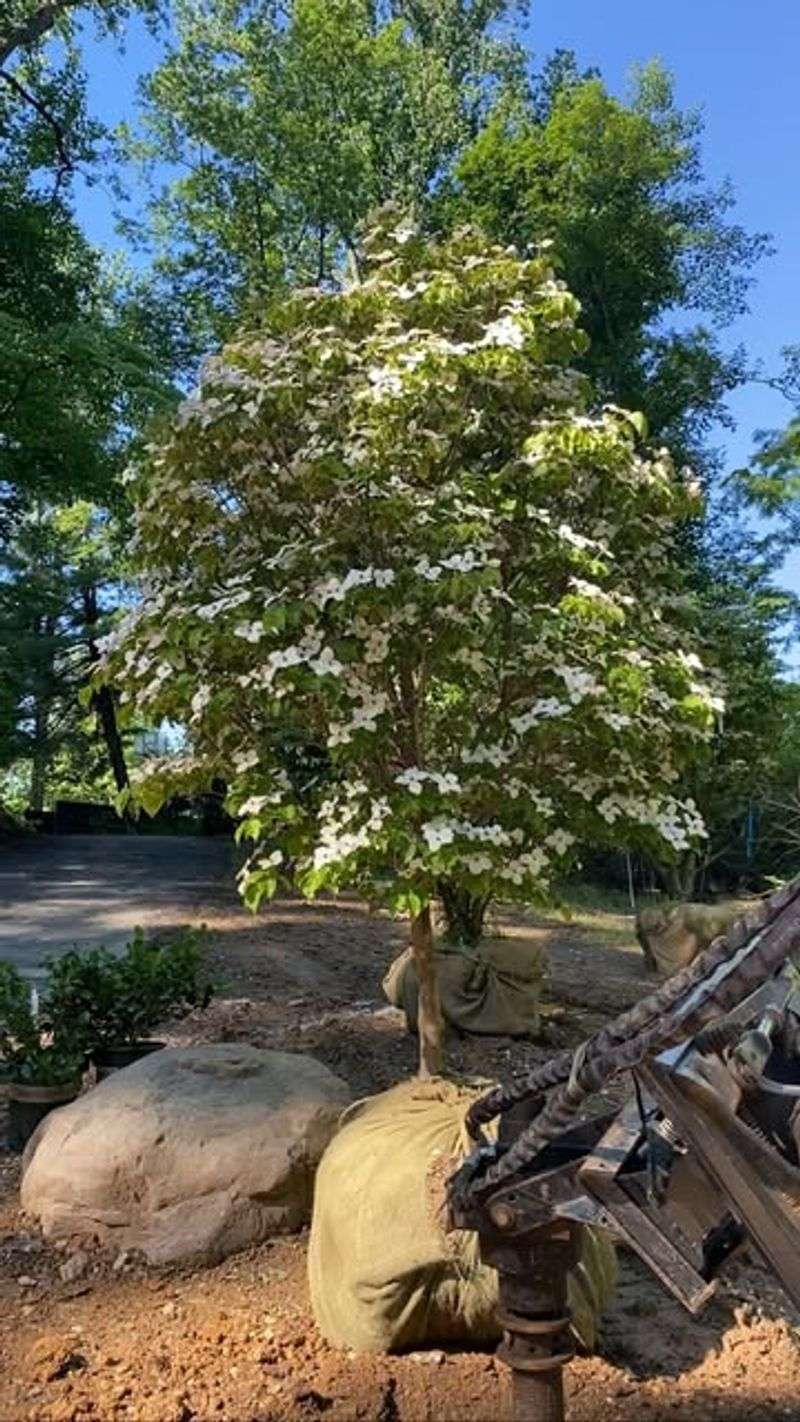
The branch collar is a slightly swollen area where a branch joins the trunk or a larger branch, containing specialized cells that seal wounds naturally.
Cutting just outside this collar allows the tree to compartmentalize the wound effectively, creating a protective barrier that prevents decay from spreading into healthy wood.
Avoid cutting flush with the trunk or leaving long stubs, as both practices interfere with the natural healing process and create unnecessary problems for your tree.
Flush cuts remove the protective collar tissue, while stubs often rot back into the main branch, potentially causing serious structural damage over time in Ohio’s variable climate.
Angle your cuts slightly away from the main branch or trunk, following the natural line of the branch collar for optimal healing and minimal scarring.
Large branches may require a three-cut method to prevent bark from tearing down the trunk as the branch falls, protecting the tree from major injuries.
First make an undercut about a foot from the trunk, then a top cut farther out to remove the branch weight, and finally a precise cut at the collar.
Mastering this technique ensures your flowering dogwood heals quickly and directs its energy toward producing the abundant blooms that make spring special in Ohio gardens everywhere.
8. Avoid Pruning During Active Sap Flow
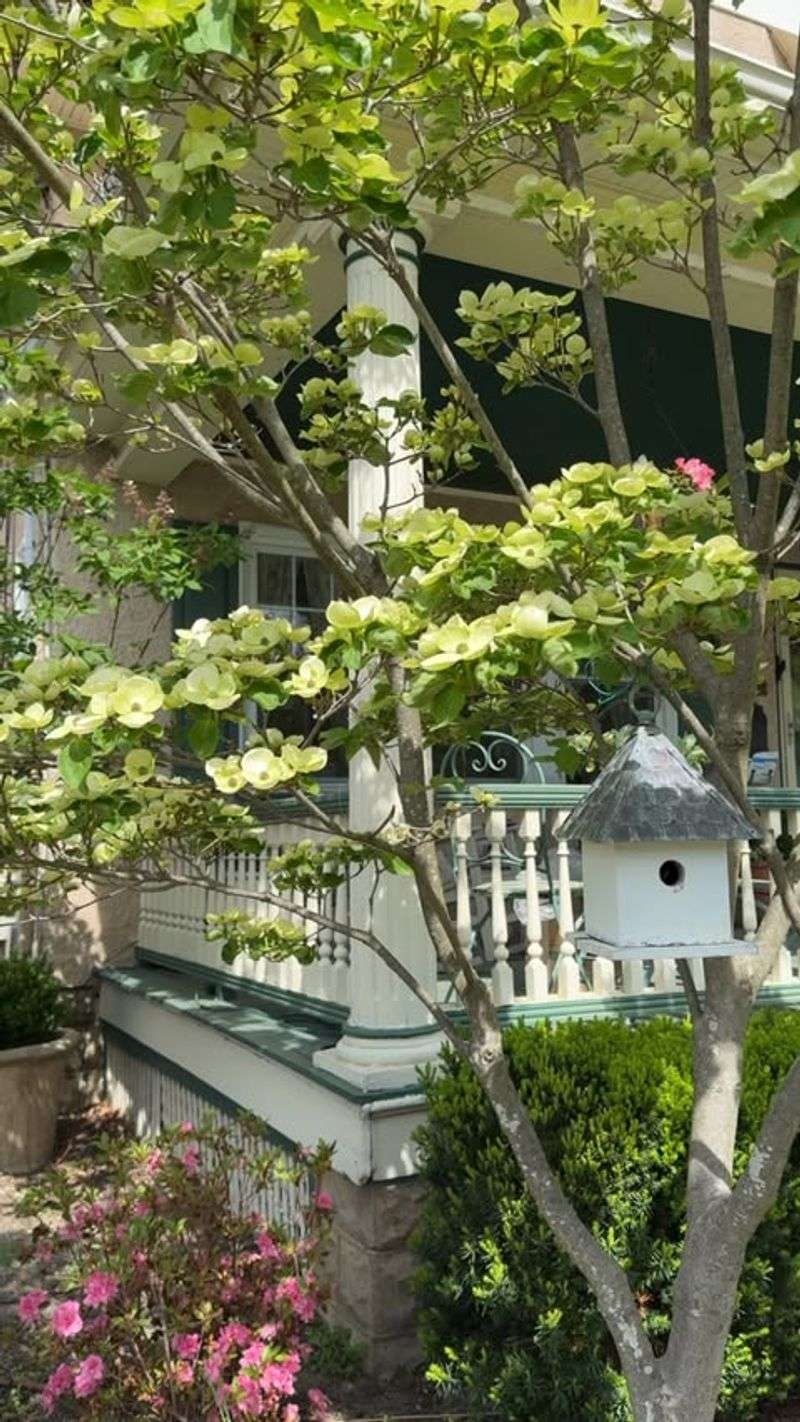
When temperatures warm in early spring, sap begins flowing vigorously through flowering dogwoods as they transport stored nutrients from roots to developing buds and leaves.
Pruning during this active period causes excessive sap bleeding from cut surfaces, weakening the tree and potentially attracting insects that feed on the sugary liquid.
Late winter pruning in Ohio, before sap flow begins in earnest, minimizes this bleeding and allows cuts to seal more efficiently without significant nutrient loss.
Once leaf buds begin swelling noticeably and showing green tissue, the window for ideal pruning has passed and you should wait until the following dormant season.
Emergency pruning for broken or dangerous branches can happen anytime necessary, but routine shaping and maintenance work should respect the tree’s natural seasonal rhythms.
Timing your pruning correctly demonstrates respect for the tree’s biological processes and results in healthier specimens that perform better throughout their entire lifespan in your landscape.
Ohio’s unpredictable spring weather makes it tempting to prune on the first warm day, but patience pays off with dogwoods that bloom abundantly and maintain vigor.
Watching the weather forecast and choosing a mild late winter day for pruning gives you comfortable working conditions while still respecting the tree’s dormant state perfectly.