Prune This Tree In Late Winter For Early Spring Blooms In Pennsylvania
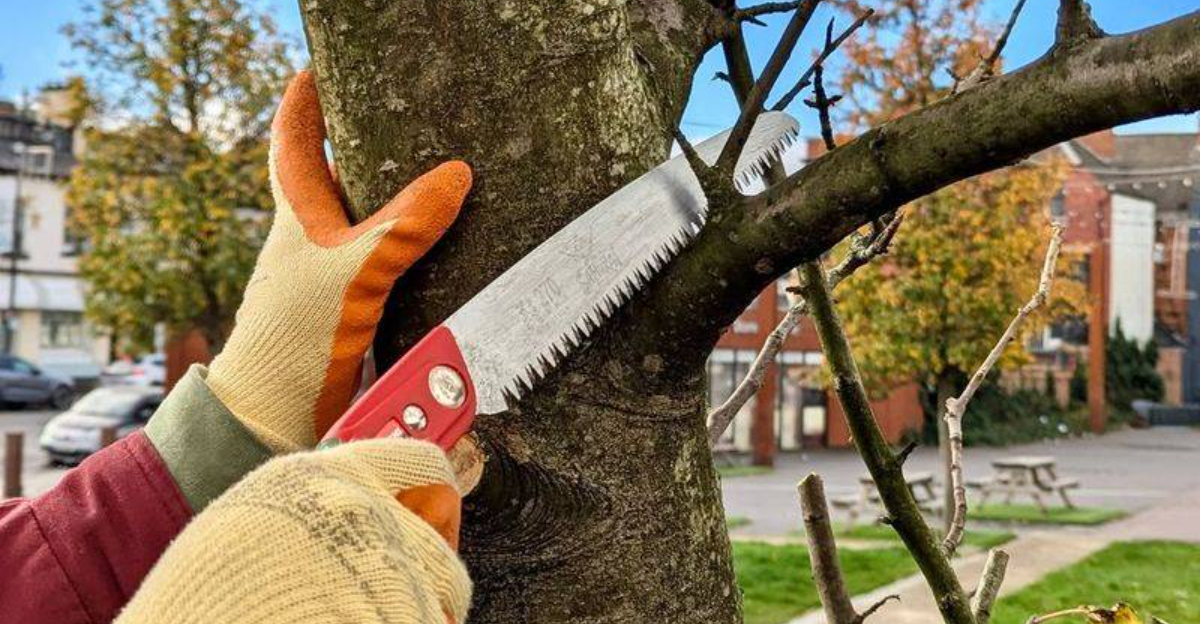
Late winter holds a quiet advantage for Pennsylvania yards.
Cold air rests, branches stand bare, and one smart task sets the stage for a spring show.
The ornamental crabapple tree rewards precise care at this moment, long before buds swell.
Skip the timing, and flowers fade from the calendar.
Choose it well, and color arrives early, bold and generous.
This tree thrives on thoughtful cuts that shape form, balance strength, and wake hidden potential.
Snow still lines walks, yet promise already waits in every limb.
Homeowners who act now gain fuller blossoms, better structure, and fewer problems later.
The effort feels small, but the payoff rings loud when pink and white clouds burst against gray skies.
Early color lifts spirits and marks the true turn.
1. Why Flowering Crabapples Benefit From Late-Winter Pruning
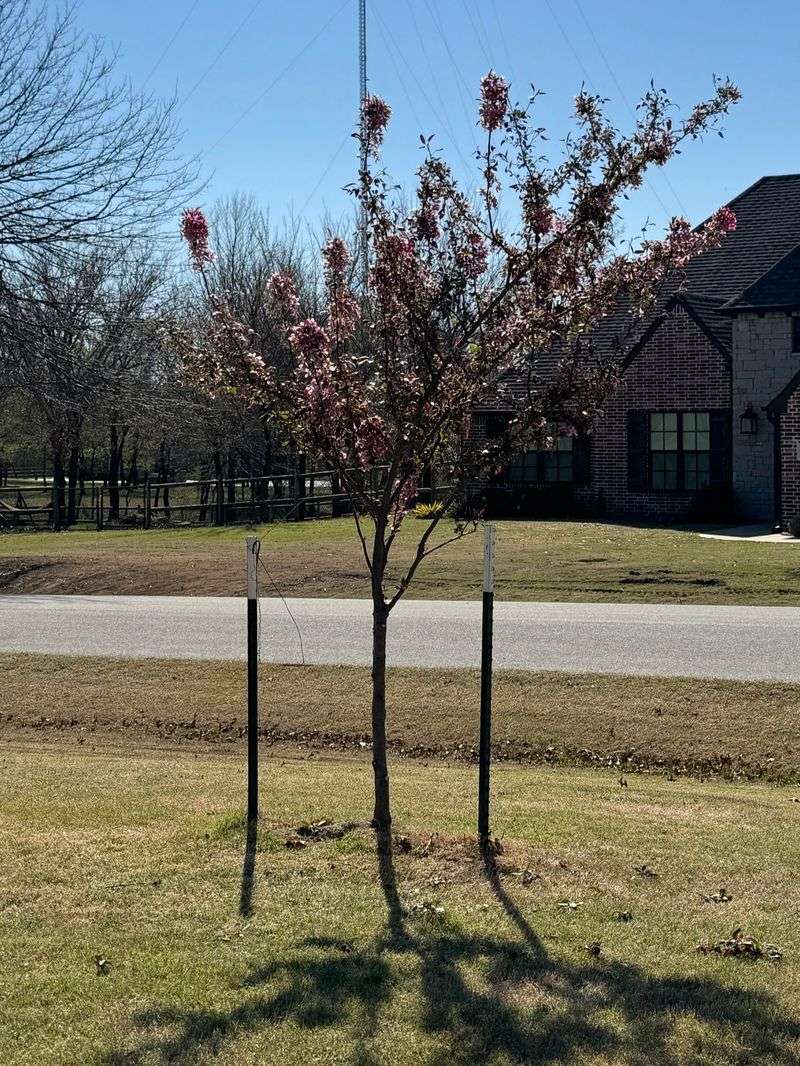
Crabapples set their flower buds during the previous growing season, so timing your cuts correctly protects next spring’s display.
Late winter offers the perfect window because trees remain dormant and their energy stays focused underground.
Pruning during this period causes less stress to the tree than cutting during active growth phases.
You can see the branch structure clearly without leaves blocking your view, which helps you make better decisions about which limbs to remove.
Diseases and pests stay mostly inactive in cold weather, reducing the risk of infection through fresh cuts.
Your crabapple responds to late-winter pruning by directing spring energy toward remaining buds rather than healing wounds.
This strategic timing encourages stronger blooms because the tree channels resources into flower production.
Pennsylvania’s climate provides ideal conditions for this practice since winter temperatures keep trees properly dormant.
Many gardeners notice fuller, more vibrant blossoms after adopting this schedule.
The practice also promotes overall tree health by removing problematic branches before spring growth begins.
Late-winter pruning sets up your ornamental crabapple for success throughout the entire growing season ahead.
2. The Best Time Window To Prune Crabapples In Pennsylvania
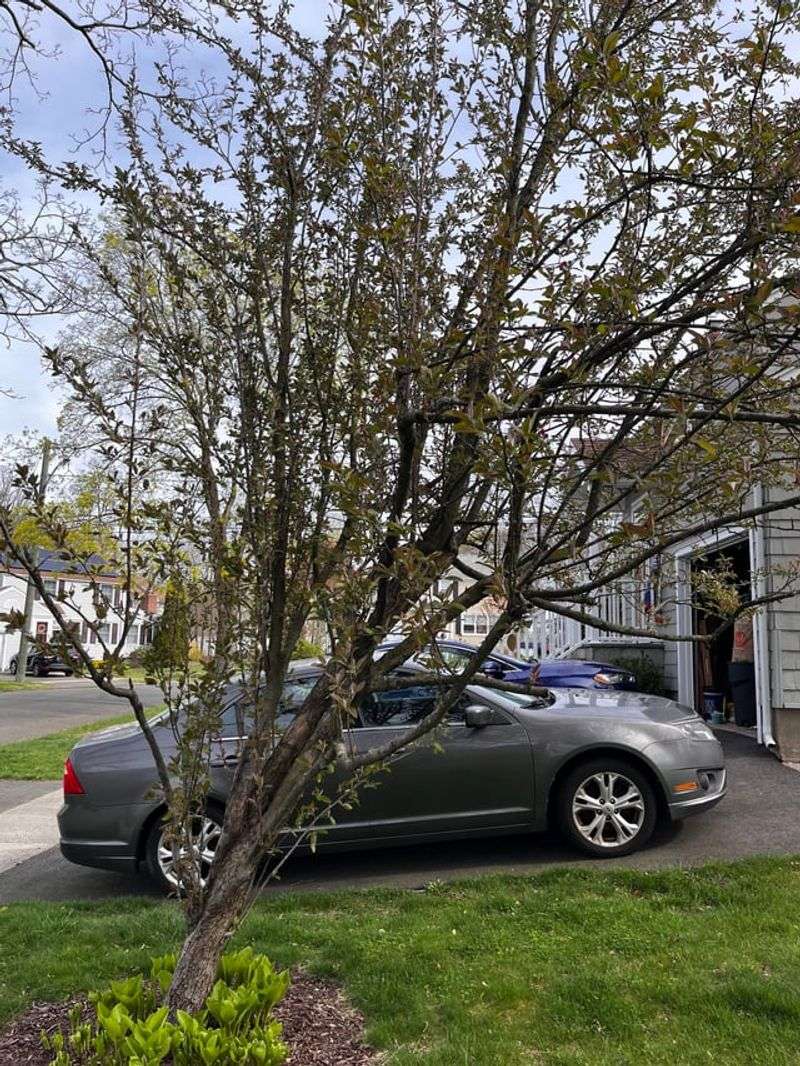
Pennsylvania gardeners should aim for late February through early March as their prime pruning window.
This period falls after the coldest winter temperatures have passed but before buds start swelling noticeably.
Watching for signs helps you identify the right moment—look for days when temperatures stay above freezing but the tree shows no green growth.
Regional variations matter across Pennsylvania, with southern counties warming earlier than northern areas.
Gardeners in Philadelphia might prune a week or two before those in Erie due to climate differences.
Avoid pruning during extreme cold snaps below 20 degrees Fahrenheit, as frozen wood can splinter rather than cut cleanly.
Similarly, waiting too long risks removing swelling buds that would have become beautiful flowers.
A good rule involves checking your tree weekly starting in mid-February.
Once you notice buds beginning to enlarge slightly, complete your pruning within the next few days.
Weather forecasts help you plan around upcoming warm spells that might trigger early bud break.
Mark your calendar each year so this important task becomes a regular part of your garden maintenance routine.
Your Pennsylvania Garden Changes Every Week. Your Plan Should Too.
Gardening in Pennsylvania changes quickly throughout the season. Every Friday you’ll receive a simple weekly plan showing exactly what to plant, prune, fertilize, harvest, and protect so you never miss the right timing.
3. How Dormant Pruning Encourages Better Spring Blooms
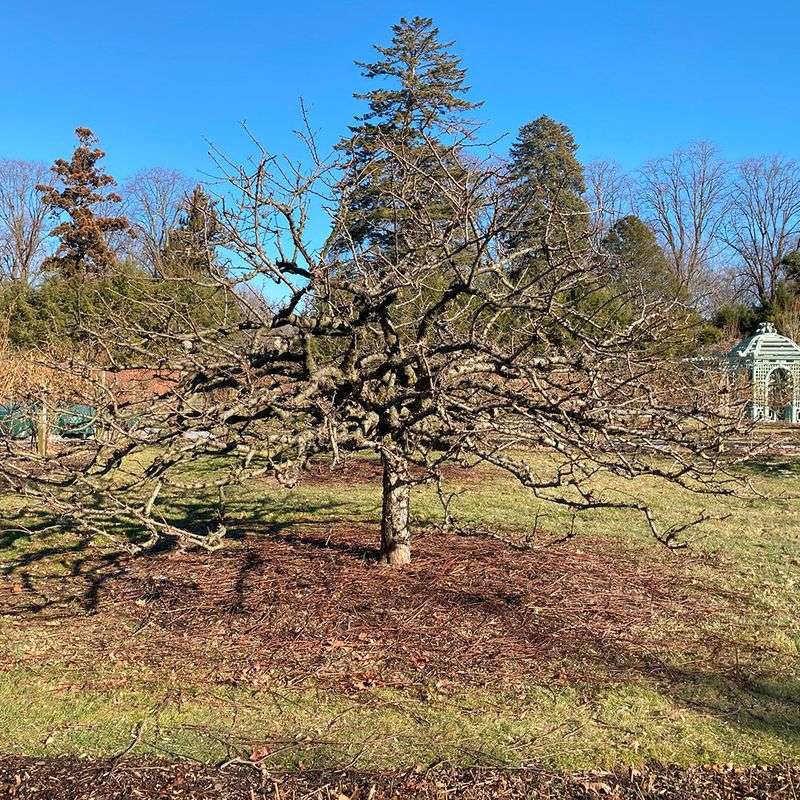
Dormancy represents a special state where your crabapple conserves energy and prepares for spring growth.
Cutting branches during this rest period allows the tree to redirect stored nutrients toward remaining buds.
Each cut you make eliminates competition for resources, meaning fewer buds share the available energy.
Think of it like thinning seedlings in a vegetable garden—giving remaining plants more room and nutrition.
Your crabapple responds similarly, producing larger and more colorful flowers on branches you leave intact.
Dormant pruning also improves air circulation through the canopy, which helps flowers develop fully without crowding.
Better light penetration reaches interior branches, encouraging bloom formation throughout the entire tree rather than just at the tips.
Trees pruned while dormant experience minimal sap loss, which means less stress overall.
This reduced stress translates directly into more vigorous spring growth and flowering.
Many arborists observe that properly timed dormant pruning can increase bloom density by 30 percent or more.
Your patience in waiting for the right dormant window pays off with a spectacular floral display that neighbors will admire.
4. Branches You Should Always Remove Before Spring
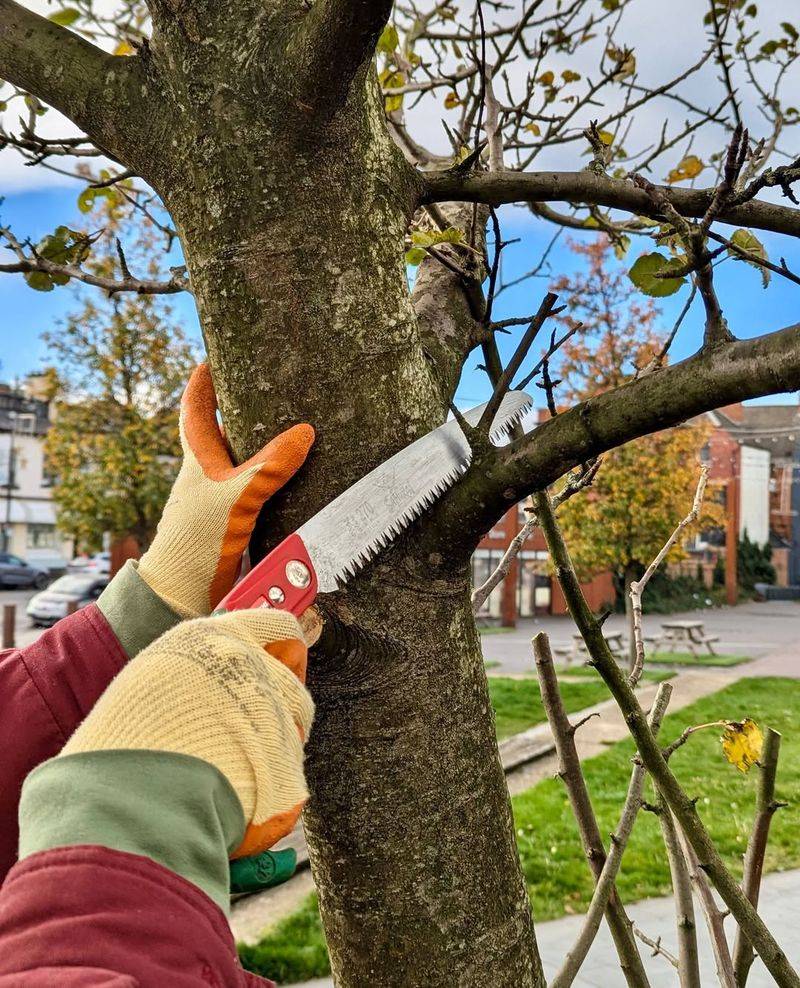
Certain branches cause problems that outweigh any flowers they might produce.
Water sprouts—those fast-growing vertical shoots that pop up along main branches—rarely bloom well and drain energy from productive wood.
Crossing branches rub against each other, creating wounds where disease can enter.
Remove one of any pair that crosses, choosing to keep the healthier or better-positioned limb.
Branches growing inward toward the tree’s center create congestion that blocks light and air movement.
Suckers emerging from the base or rootstock should always go since they often come from a different variety than your grafted ornamental top.
Damaged branches with cracks, splits, or obvious injury need removal because they become disease entry points.
Look for branches with narrow crotch angles—those forming V-shapes rather than U-shapes—since they split easily under stress.
Any branch showing signs of disease, like cankers, unusual discoloration, or fungal growth, must come off to protect the rest of the tree.
Weak or spindly growth that never seems to thicken up wastes resources better used elsewhere.
Taking out these problem branches before spring allows your crabapple to focus energy on healthy, productive wood.
5. Common Pruning Mistakes That Reduce Flowering
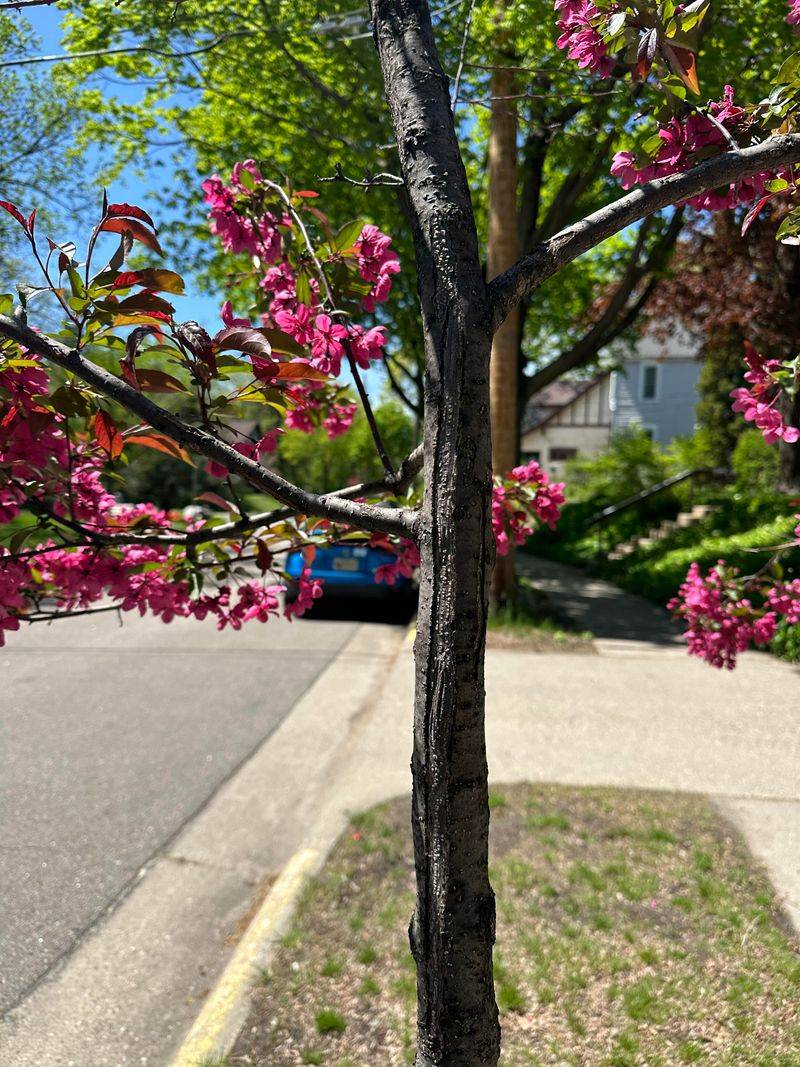
Over-pruning ranks as the most frequent error homeowners make with ornamental crabapples.
Removing more than one-quarter of the canopy in a single season shocks the tree and dramatically reduces bloom production.
Some gardeners mistakenly prune in fall or early winter, which exposes cuts to harsh weather and removes branches that would have flowered beautifully.
Topping—cutting back all branches to the same height—creates ugly growth and eliminates the natural form that makes crabapples attractive.
This practice also stimulates excessive water sprout growth that produces few flowers.
Using dull tools tears bark instead of making clean cuts, leaving wounds that heal slowly and invite infection.
Another mistake involves cutting too close to the trunk or leaving stubs that cannot heal properly.
Ignoring the branch collar—the slightly swollen area where a branch meets the trunk—leads to poor wound closure.
Some people prune during wet weather, which spreads fungal spores and bacteria through the tree.
Failing to step back and assess your work periodically can result in an unbalanced shape that looks awkward even when blooming.
Avoiding these common errors helps ensure your crabapple rewards you with magnificent spring flowers year after year.
6. How Much To Prune Without Sacrificing Blossoms
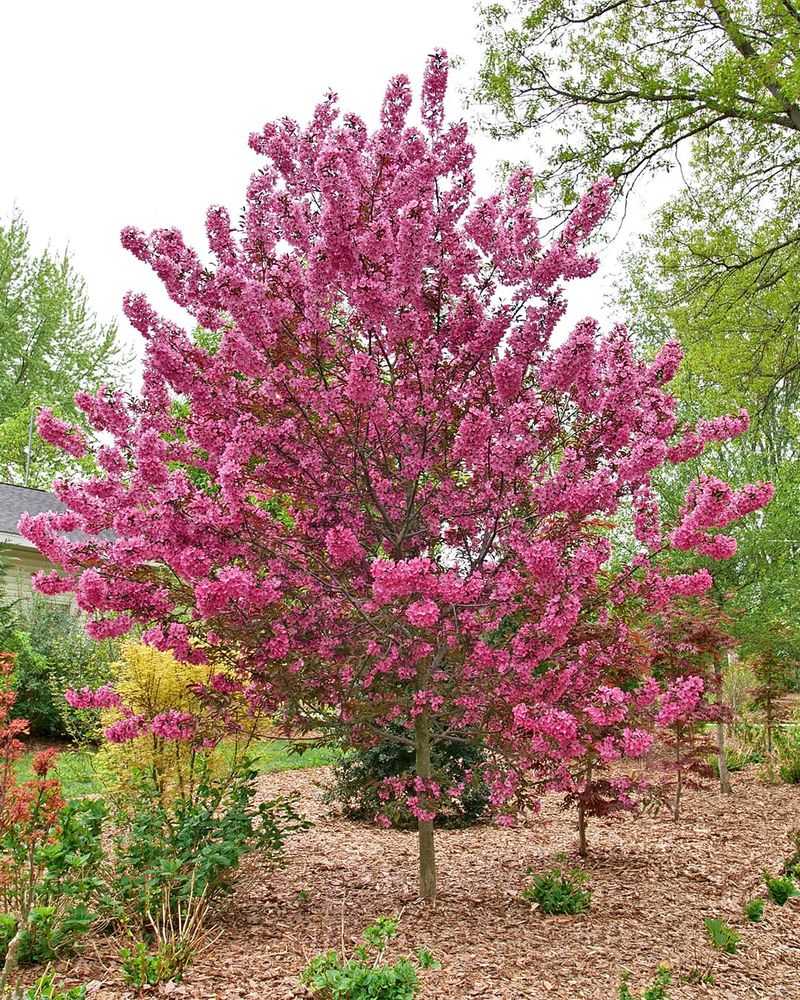
Moderation makes the difference between improvement and disappointment when pruning ornamental crabapples.
A general guideline suggests removing no more than 20 to 25 percent of the canopy during any single pruning session.
This conservative approach maintains enough flower buds to create a beautiful display while still allowing beneficial thinning.
Young trees under five years old need even lighter pruning—just 10 to 15 percent—to avoid stunting their development.
Focus your efforts on the worst offenders: damaged, diseased, or poorly positioned branches that offer little value.
If your tree needs more extensive work, spread the project over two or three years rather than tackling everything at once.
This gradual approach gives the tree time to adjust and maintain its flowering performance.
Count the major branches you remove and stop when you reach your target percentage.
Remember that removing one large branch affects the tree more than taking several small twigs.
Mature crabapples tolerate slightly more aggressive pruning than young specimens, but restraint still serves you best.
When in doubt, prune less rather than more—you can always remove additional branches next year if needed.
7. Tools And Techniques For Clean, Healthy Cuts
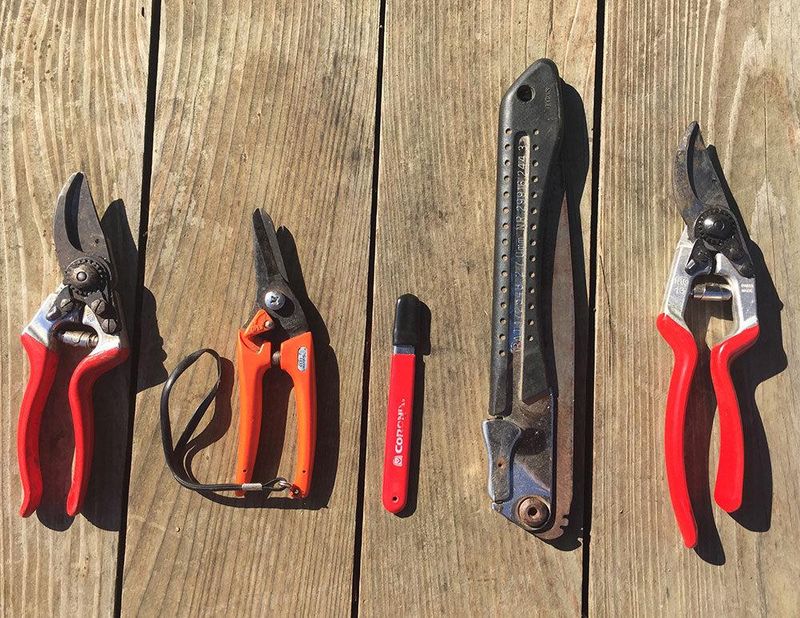
Sharp bypass pruners handle branches up to three-quarters of an inch thick with clean, precise cuts.
Loppers with long handles extend your reach and cut through limbs up to two inches in diameter.
A pruning saw becomes necessary for anything larger, with curved blades working better than straight ones for most gardeners.
Disinfect all tools before starting by wiping blades with rubbing alcohol or a 10-percent bleach solution.
This simple step prevents spreading diseases between cuts or from other plants you have pruned previously.
Make cuts at a slight angle about one-quarter inch above an outward-facing bud or just outside the branch collar.
Angled cuts shed water away from the bud, reducing rot risk.
Avoid leaving stubs, which cannot heal and become entry points for problems.
For larger branches, use the three-cut method: first undercut, then top cut, finally remove the stub at the collar.
This technique prevents bark from tearing down the trunk as the branch falls.
Keep your tools sharp throughout the session by carrying a small sharpening stone or file.
Proper technique combined with quality tools results in cuts that heal quickly and keep your crabapple healthy for years.
8. What To Expect From Your Crabapple After Proper Pruning
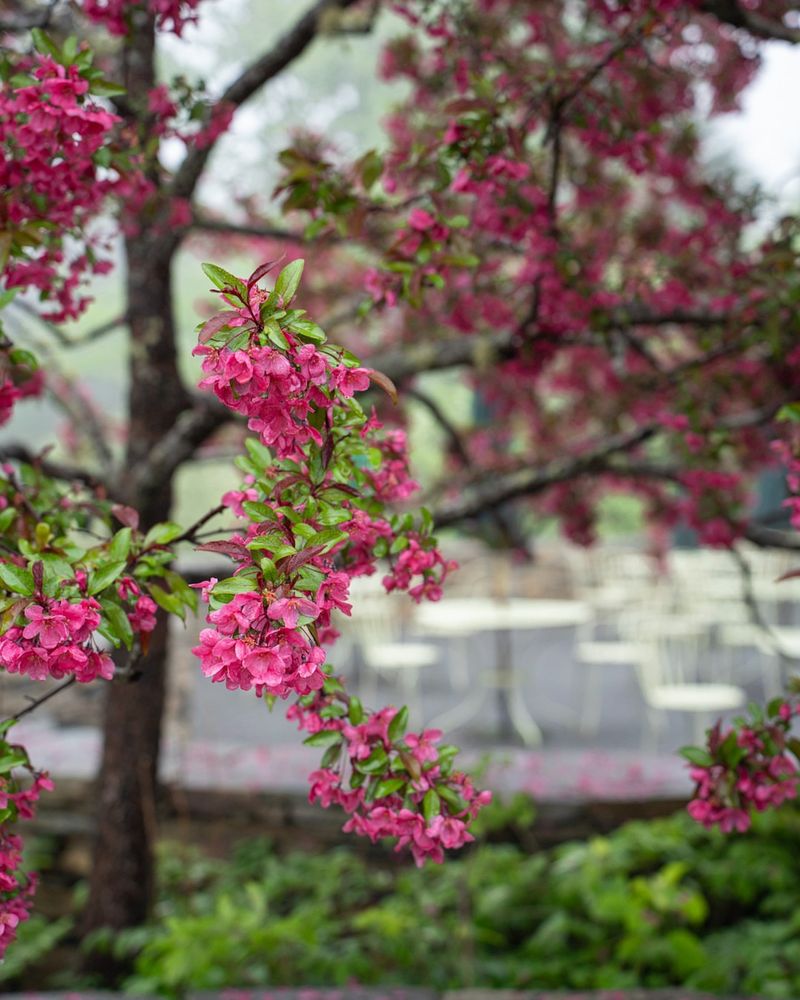
Correctly pruned crabapples typically show improved vigor within weeks as spring temperatures rise.
You will notice buds swelling faster on remaining branches since they receive more nutrients and energy.
Flower production often increases noticeably in the first spring after proper late-winter pruning.
Blooms may appear larger and more intensely colored than in previous years.
The improved air circulation through the canopy helps flowers open fully and last longer before fading.
Your tree’s overall shape will look more balanced and attractive, with better light penetration reaching all areas.
New growth emerges more evenly distributed rather than concentrated in crowded areas.
Disease problems often decrease because you removed infected wood and improved air flow reduces fungal issues.
Fruit production might increase slightly, though ornamental varieties naturally produce smaller crops than standard apple trees.
Over subsequent years, maintaining this pruning routine keeps your crabapple healthy and blooming reliably each spring.
Most gardeners report their pruned trees look fuller and more vibrant throughout the entire growing season, not just during bloom time.
The investment of a few hours in late winter pays dividends in beauty and tree health for months to come.