9 Useful Ways Missouri Gardeners Can Use Echinacea
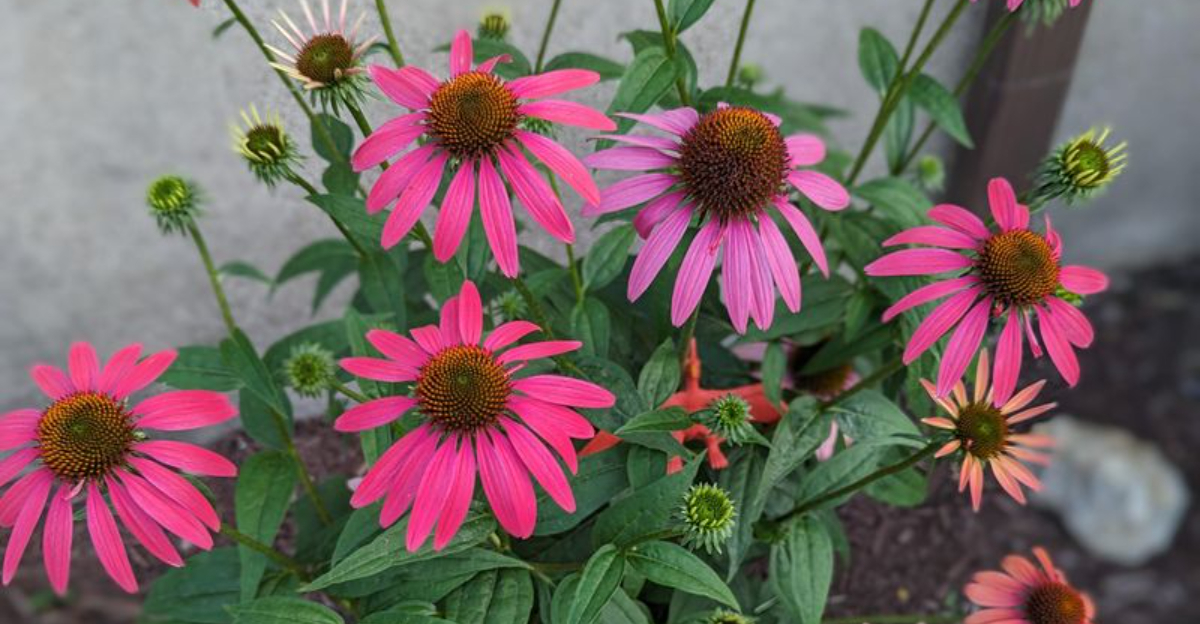
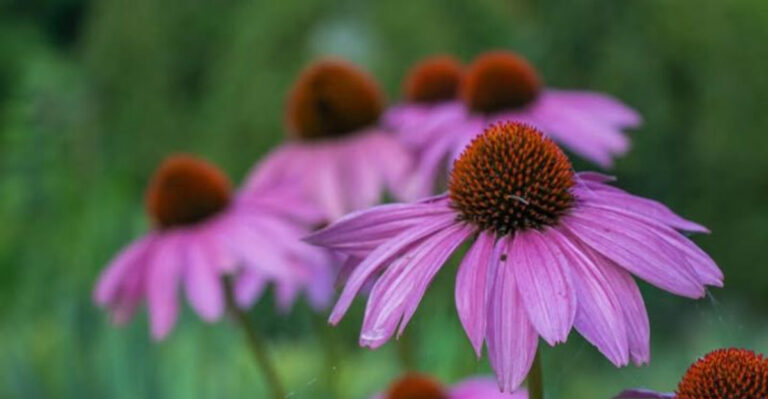
Echinacea, also called purple coneflower, grows beautifully across Missouri gardens and offers far more than just pretty blooms.
This hardy native plant thrives in our climate and provides benefits that extend from your backyard to your medicine cabinet.
Missouri gardeners have discovered countless ways to put this versatile flower to work, whether you want to attract butterflies, create natural remedies, or simply enjoy its cheerful purple petals throughout the season.
From supporting local pollinators to crafting homemade teas, echinacea proves itself as one of the most practical plants you can grow in the Show-Me State.
1. Attract Butterflies And Bees To Your Garden
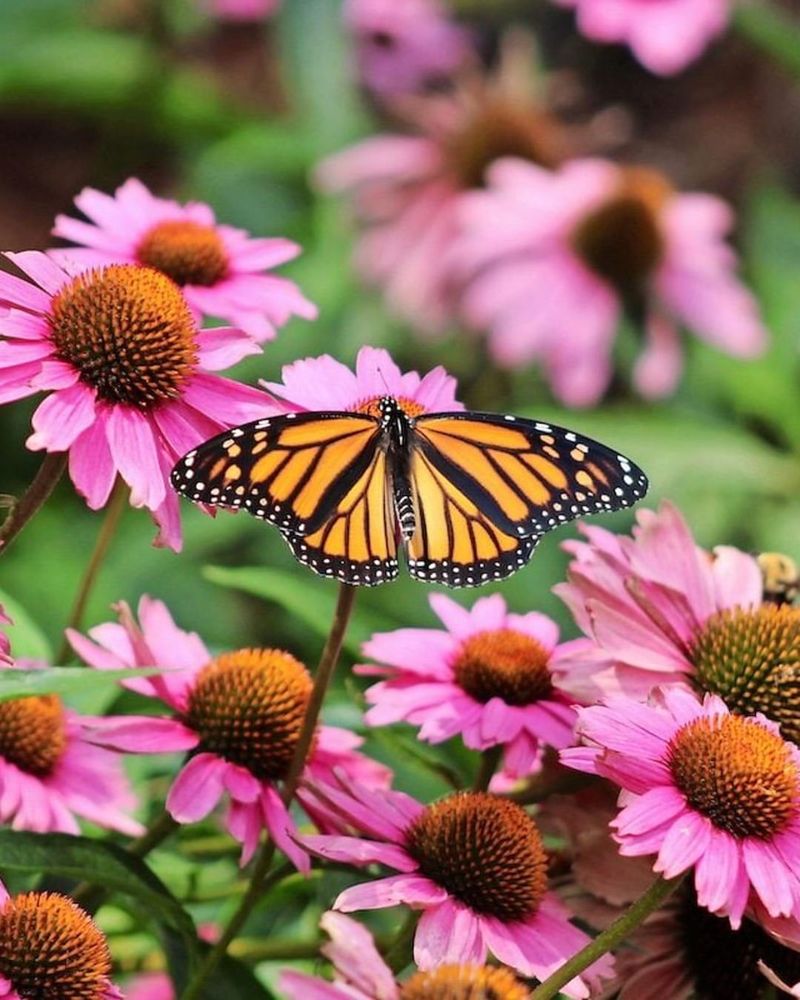
Pollinators flock to echinacea like kids to a candy store, making it one of the best flowers for supporting Missouri’s native insects.
Monarch butterflies, swallowtails, and countless bee species visit these blooms throughout summer and early fall.
The bright purple petals and prominent seed cones produce nectar that feeds hungry pollinators when they need it most.
Planting echinacea in clusters creates feeding stations that butterflies can spot from far away.
Missouri gardeners who want to help declining pollinator populations find this plant essential for their landscape.
Bees use the pollen to feed their young, while butterflies sip nectar to fuel their migrations.
You can watch this activity from your porch or window, turning your garden into a nature observation spot.
The flowers bloom for weeks, providing consistent food sources during critical growing seasons.
Native Missouri bees especially appreciate echinacea since they evolved alongside this plant.
Creating pollinator-friendly spaces also helps your vegetable garden produce better crops through improved pollination.
Plus, watching butterflies dance among purple coneflowers brings joy to gardeners of all ages.
2. Brew Immune-Boosting Herbal Tea

Many Missouri families harvest echinacea roots, leaves, and flowers to create homemade wellness teas that have been used for generations.
Native Americans first discovered the medicinal properties of this plant centuries ago.
The roots contain compounds that many people believe support immune system function during cold and flu season.
You can dry the plant parts in late summer and store them in glass jars for year-round use.
Steep one tablespoon of dried echinacea in hot water for about ten minutes to make a simple tea.
Some gardeners prefer mixing echinacea with honey and lemon to improve the earthy flavor.
Others combine it with mint or chamomile from their garden for a more complex herbal blend.
Missouri’s climate produces particularly potent echinacea since the plant thrives in our soil and weather conditions.
Always harvest sustainably by taking only what you need and leaving plenty for the plant to regenerate.
Fresh flowers can also be used, though dried materials store longer and remain potent through winter months.
Remember to consult healthcare providers before using any herbal remedies, especially if you take medications.
3. Create Natural Dye For Crafts And Fabric
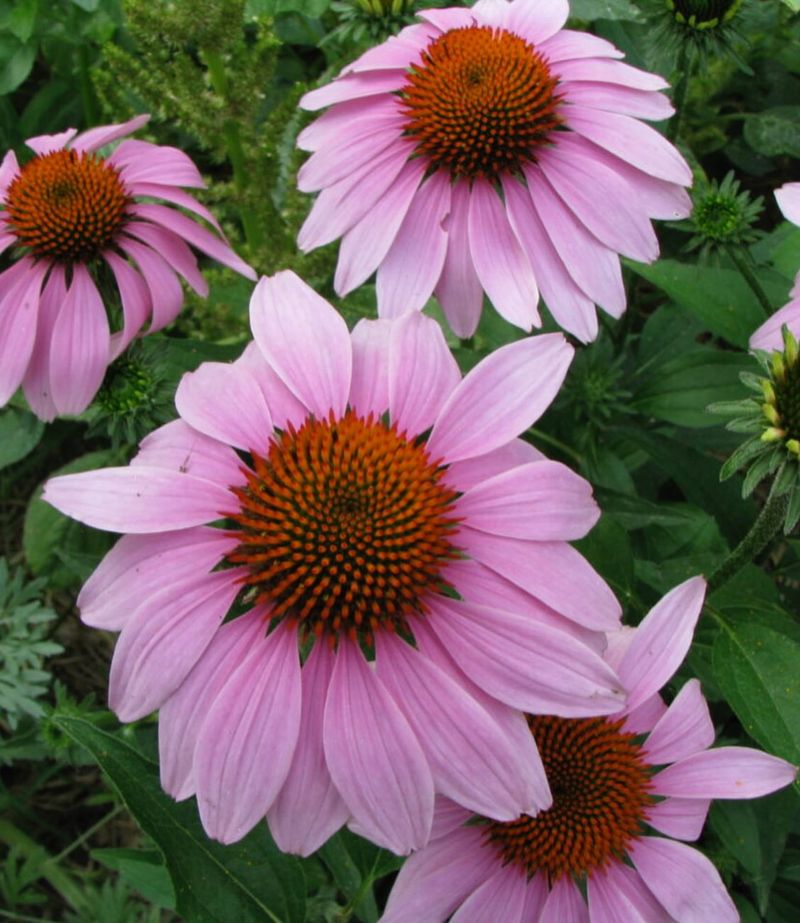
Echinacea petals and leaves produce gorgeous natural dyes in shades ranging from golden yellow to soft green.
Missouri crafters have rediscovered this old-fashioned technique for coloring fabric, yarn, and paper.
Your Missouri Garden Changes Every Week. Your Plan Should Too.
Gardening in Missouri changes quickly throughout the season. Every Friday you’ll receive a simple weekly plan showing exactly what to plant, prune, fertilize, harvest, and protect so you never miss the right timing.
The process involves simmering plant material in water to extract the pigments, then soaking your fabric in the colored liquid.
Different parts of the plant create different hues, giving you options for various craft projects.
Fresh petals tend to produce brighter colors than dried ones, so harvest during peak bloom.
You can experiment with mordants like alum or vinegar to change the final color and help it last longer.
This activity makes a fantastic educational project for kids interested in both gardening and art.
Natural dyes from your garden cost nothing and avoid the chemicals found in commercial products.
Missouri quilters particularly enjoy using plant-based dyes to create unique, earth-toned fabric for their projects.
The colors may fade slightly over time, but they develop a beautiful vintage appearance that many crafters prefer.
Save your echinacea trimmings throughout the season to build up enough material for larger dyeing projects.
4. Provide Winter Food For Goldfinches
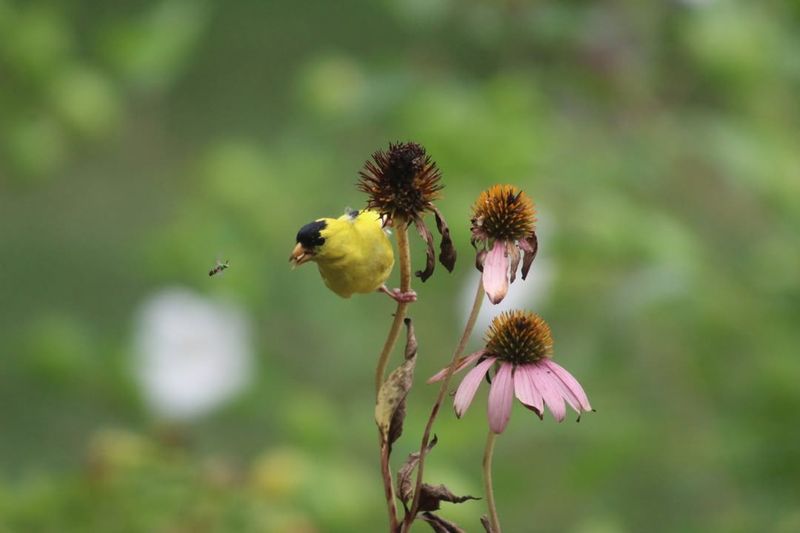
Goldfinches absolutely love echinacea seed heads, which provide crucial nutrition during Missouri’s harsh winter months.
Instead of cutting back your plants in fall, leave the dried seed cones standing through the cold season.
These cheerful yellow birds will perch on the sturdy stems and pick out the nutritious seeds.
Watching goldfinches feed on your echinacea creates wonderful winter wildlife viewing opportunities from warm indoor spaces.
The seeds contain oils and proteins that help birds maintain their energy when other food sources become scarce.
Missouri winters can be tough on small birds, so providing natural food sources helps local populations survive.
The architectural beauty of dried echinacea also adds winter interest to otherwise dormant garden beds.
Snow collecting on the seed heads creates picture-perfect scenes that many gardeners photograph throughout the season.
Other bird species, including chickadees and juncos, also appreciate the seeds and insects that hide in the dried plants.
You can clean up the old stems in early spring once new growth begins and birds have other food options.
This simple practice of leaving seed heads standing requires no extra work while providing maximum benefit to wildlife.
5. Make Homemade Salves And Skin Creams
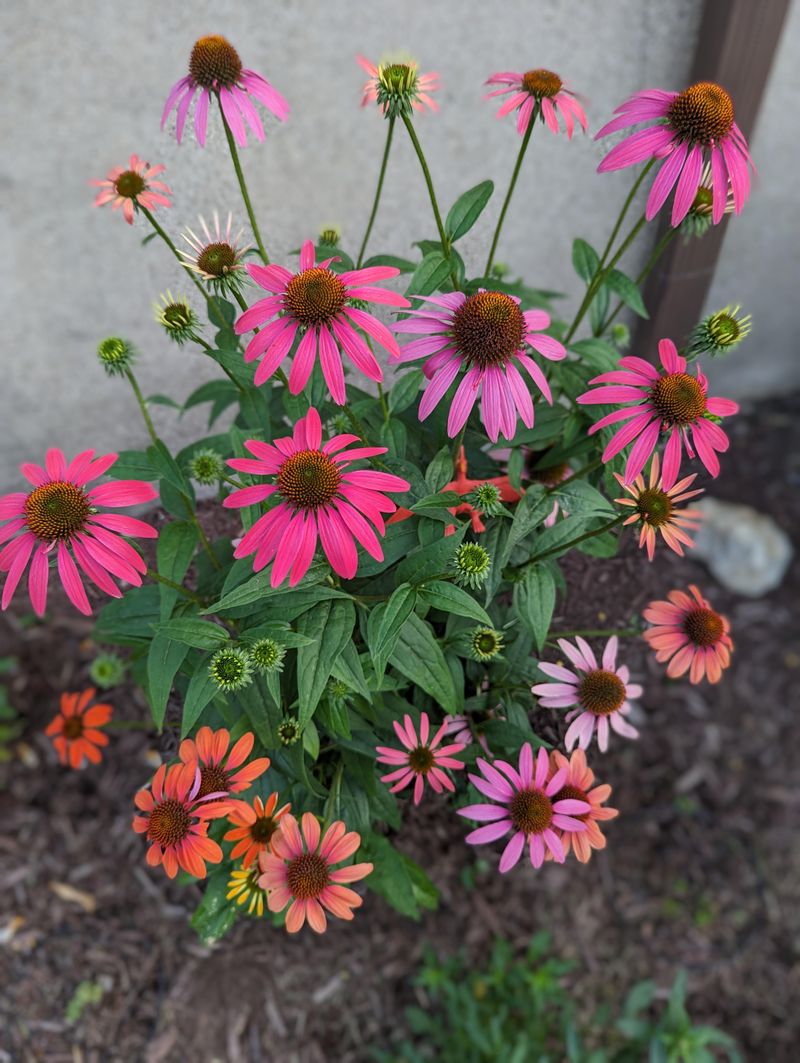
Echinacea-infused oils and salves have been used traditionally to soothe minor skin irritations and support healthy skin.
Missouri gardeners harvest the flowers and roots to create these topical preparations in their own kitchens.
The process starts with infusing dried echinacea in carrier oils like olive or coconut oil for several weeks.
Once the plant compounds transfer into the oil, you can strain out the plant material and use the infused oil as-is or turn it into salve by adding beeswax.
Many people apply these preparations to dry patches, minor scrapes, or areas that need extra moisture.
The anti-inflammatory properties that some research suggests make it popular for homemade first-aid kits.
You can add essential oils like lavender or tea tree for additional benefits and pleasant scents.
Missouri beekeepers often trade their beeswax with gardeners who have echinacea, creating a perfect exchange.
Small tins or jars of homemade salve make thoughtful gifts for friends and family.
Always label your creations with the ingredients and date so you remember what you made.
These preparations typically last several months when stored in cool, dark places away from direct sunlight.
6. Design Low-Maintenance Native Plant Gardens
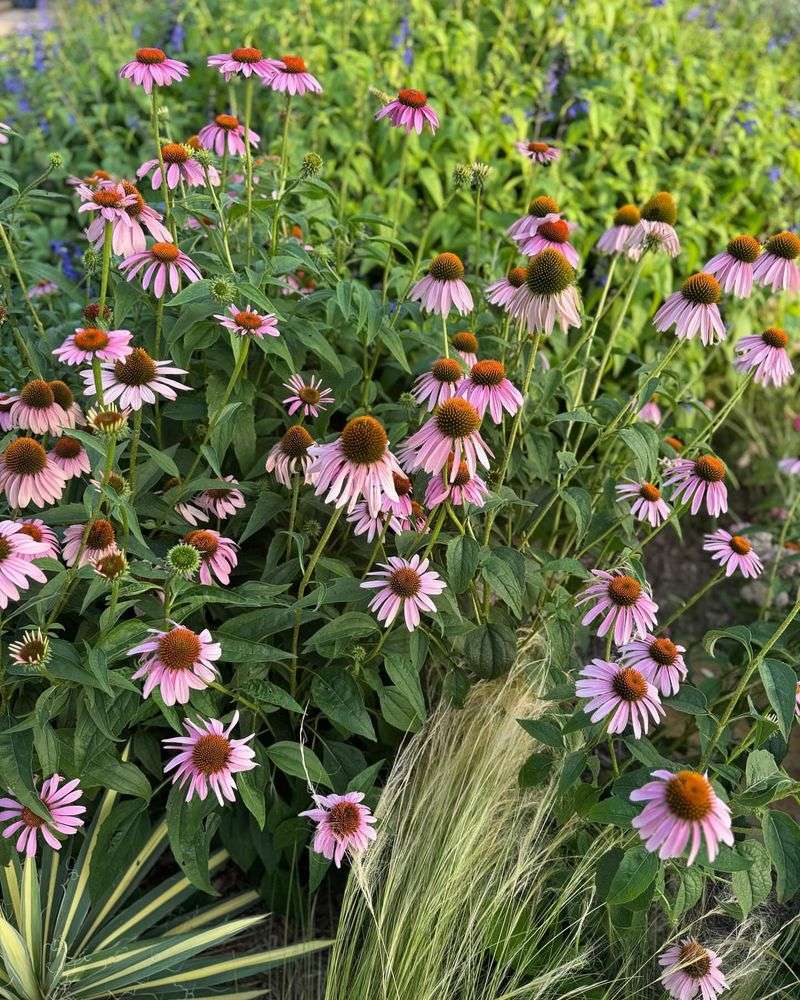
Missouri gardeners appreciate echinacea because it requires almost no fussing once established in the right location.
This prairie native evolved to handle our hot summers, occasional droughts, and temperature swings without complaint.
Unlike high-maintenance ornamentals that need constant watering and fertilizing, echinacea thrives on neglect.
The deep taproot reaches far into the soil to find moisture during dry spells.
You can plant it once and enjoy blooms for years without replanting or much intervention.
Native plant gardens featuring echinacea save water, reduce chemical use, and support local ecosystems.
The plants naturally resist most Missouri pests and diseases since they adapted to local conditions over thousands of years.
Combining echinacea with other natives like black-eyed Susans, wild bergamot, and switchgrass creates stunning, sustainable landscapes.
These gardens look beautiful while requiring a fraction of the work traditional flower beds demand.
Missouri soil types, from clay to loam, accommodate echinacea as long as drainage is reasonable.
The plants even tolerate some shade, though they bloom most prolifically in full sun.
For busy gardeners who want beauty without the burden, echinacea proves itself an invaluable addition.
7. Harvest Seeds For Next Year’s Garden
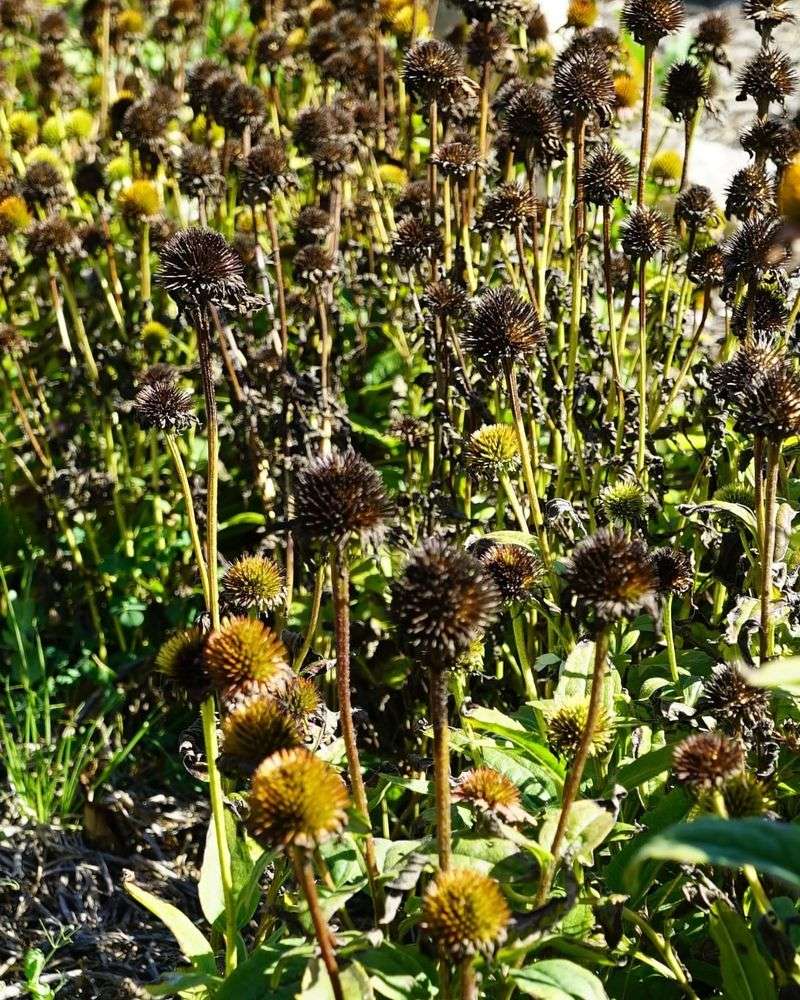
Collecting echinacea seeds from your established plants gives you free flowers for future gardens and sharing with friends.
Missouri gardeners can easily gather seeds in late summer and fall when the flower heads dry and turn brown.
Simply cut the seed heads and place them in paper bags to finish drying in a cool, dry location.
Once completely dry, you can shake or rub the heads to release the seeds.
Store the seeds in labeled envelopes or small containers in a cool place until spring planting time.
Echinacea seeds need cold stratification to germinate well, which Missouri winters naturally provide.
You can plant seeds directly in the garden in fall, or refrigerate them for six weeks before spring sowing.
Young plants may not bloom their first year, but they establish strong root systems that produce abundant flowers in subsequent seasons.
Sharing seeds with neighbors and garden club members spreads these beneficial plants throughout your community.
Some gardeners even sell excess seeds at local farmers markets or plant swaps.
Saving your own seeds ensures you preserve varieties that perform particularly well in your specific Missouri location and microclimate.
8. Add Structure And Height To Flower Beds
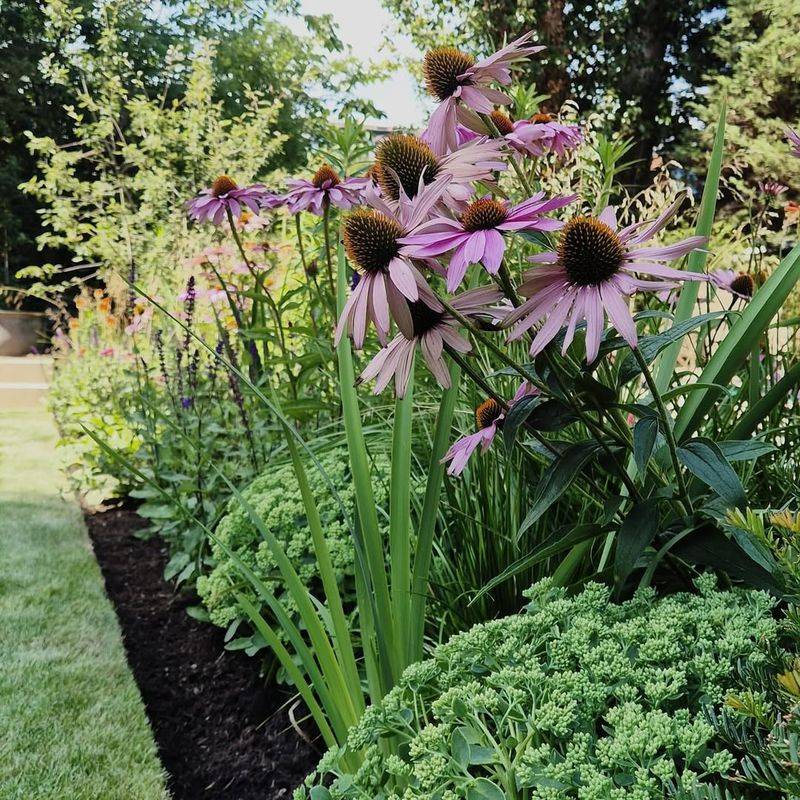
Echinacea’s upright growth habit and sturdy stems make it perfect for adding vertical interest to Missouri garden designs.
The plants typically reach two to four feet tall, creating mid-level height between ground covers and taller plants.
Garden designers use echinacea to establish structure that remains visible even when other flowers come and go.
The strong stems hold blooms upright through Missouri’s summer thunderstorms and strong winds.
Unlike floppy flowers that need staking, echinacea stands proud without extra support in most conditions.
You can plant them in rows for a cottage garden feel or scatter them throughout beds for a naturalistic prairie look.
The spiky seed cones create interesting textures that contrast beautifully with softer, rounded flowers.
Missouri landscape designers often use echinacea as anchor plants that give garden beds their basic shape and form.
The plants look equally attractive when viewed from different angles, making them suitable for island beds or borders.
Their upright nature also makes them excellent for planting along fences or property lines where you want screening without complete blockage.
Even beginning gardeners can use echinacea successfully to create professional-looking, well-structured landscape designs.
9. Create Beautiful Cut Flower Arrangements
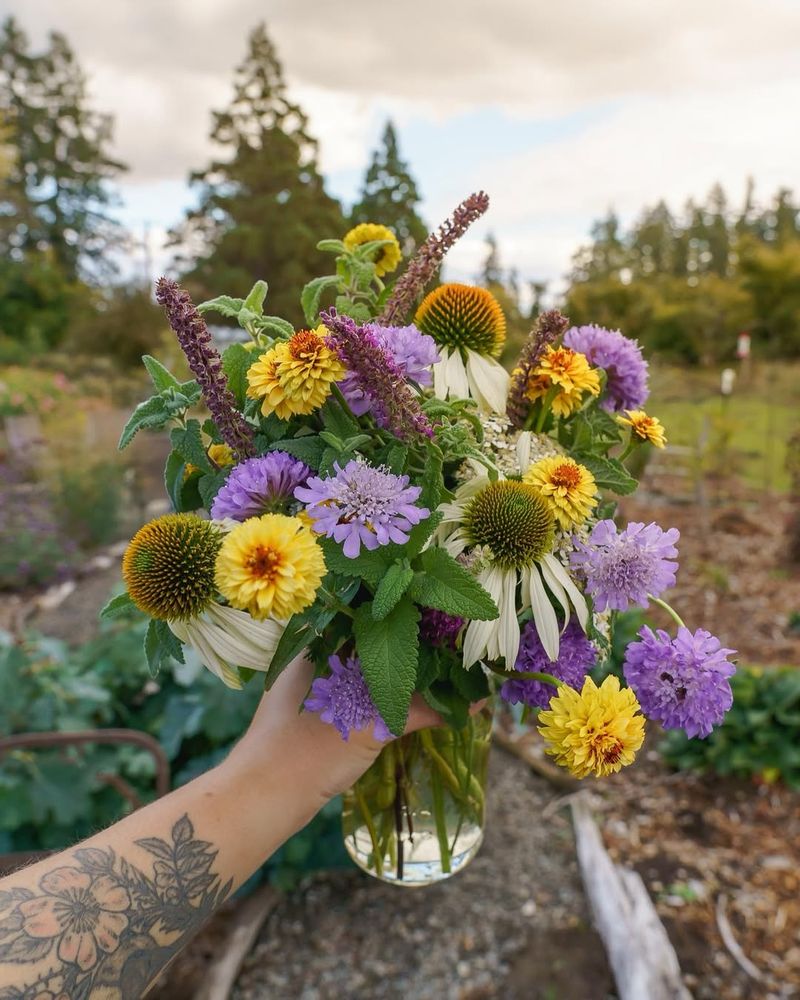
Fresh echinacea blooms make stunning additions to bouquets and vase arrangements that last up to two weeks indoors.
Missouri gardeners can harvest armfuls of flowers throughout the summer without harming the plants.
Cut stems early in the morning when they contain the most moisture for longest vase life.
The distinctive purple petals and orange-brown center cones add unique texture that commercial florists charge premium prices for.
Echinacea pairs beautifully with other Missouri garden favorites like zinnias, sunflowers, and ornamental grasses.
The flowers also dry exceptionally well for permanent arrangements and wreaths that last for months.
Simply hang small bunches upside down in a dark, dry space until they feel crispy.
Dried echinacea retains its shape better than many flowers, maintaining that distinctive cone shape that makes arrangements interesting.
You can spray dried flowers with hairspray or clear sealant to help them last even longer.
Farm stand vendors and farmers market sellers find that bouquets featuring echinacea sell quickly to customers seeking locally-grown flowers.
Having a steady supply of cut flowers from your own garden saves money while providing fresh beauty for your Missouri home all season long.