15 Native Plants That Attract Local Birds To Georgia Home Gardens
Georgia’s birds aren’t looking for fancy feeders—they’re looking for familiar plants.
Native species provide the food, shelter, and nesting materials birds have relied on for generations, and homeowners who plant them quickly notice the difference.
From berry-producing shrubs to insect-supporting perennials, native plants create a food web that feeders alone can’t replace.
They offer nutrition at the right time of year, especially during nesting and migration.
In Georgia’s long growing season, that support matters more than ever.
These plants are also easier to maintain.
They’re adapted to local soils, rainfall, and heat, meaning less watering and fewer chemicals.
The payoff is a garden that feels alive—one where birds don’t just pass through, but settle in.
For homeowners hoping to hear more birdsong and see more fluttering wings, the solution isn’t complicated.
It starts with planting what belongs.
When Georgia gardens reflect the natural landscape, birds recognize it instantly—and respond in kind.
1. American Beautyberry (Callicarpa Americana)
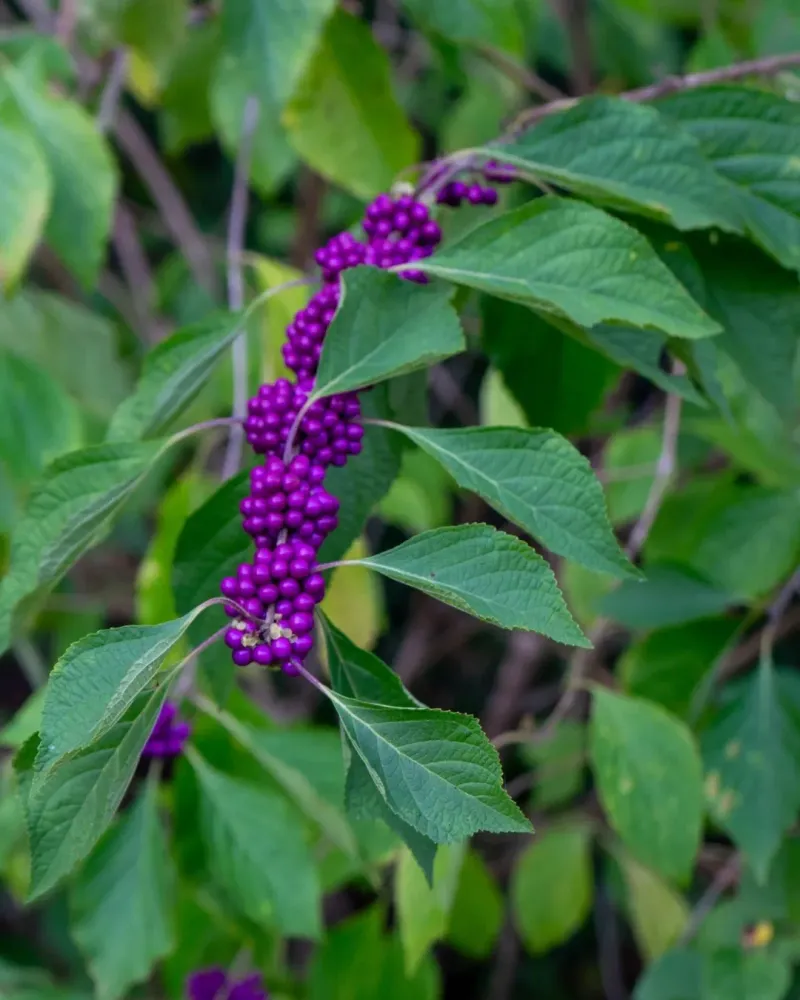
Clusters of jewel-toned purple berries make American beautyberry one of the most visually stunning native shrubs for Georgia gardens.
These berries appear in late summer and persist through fall, providing essential food for mockingbirds, cardinals, robins, and other songbirds when they need energy for migration or winter preparation.
The shrub thrives in partial shade, making it perfect for planting under tall trees or along woodland edges where many birds naturally forage.
Growing between four and eight feet tall, American beautyberry adapts well to Georgia’s clay soils and humidity.
Its arching branches create natural perching spots where birds can rest between feeding sessions.
The white to pink spring flowers also attract pollinators, which in turn provide insect food for nesting birds during breeding season.
Planting this shrub requires minimal effort since it tolerates drought once established and rarely suffers from serious pest problems.
You can prune it back in late winter to encourage bushier growth and more berry production.
Position several plants together to create a berry buffet that will keep feathered visitors coming back throughout autumn and early winter months.
2. Serviceberry (Amelanchier Arborea)
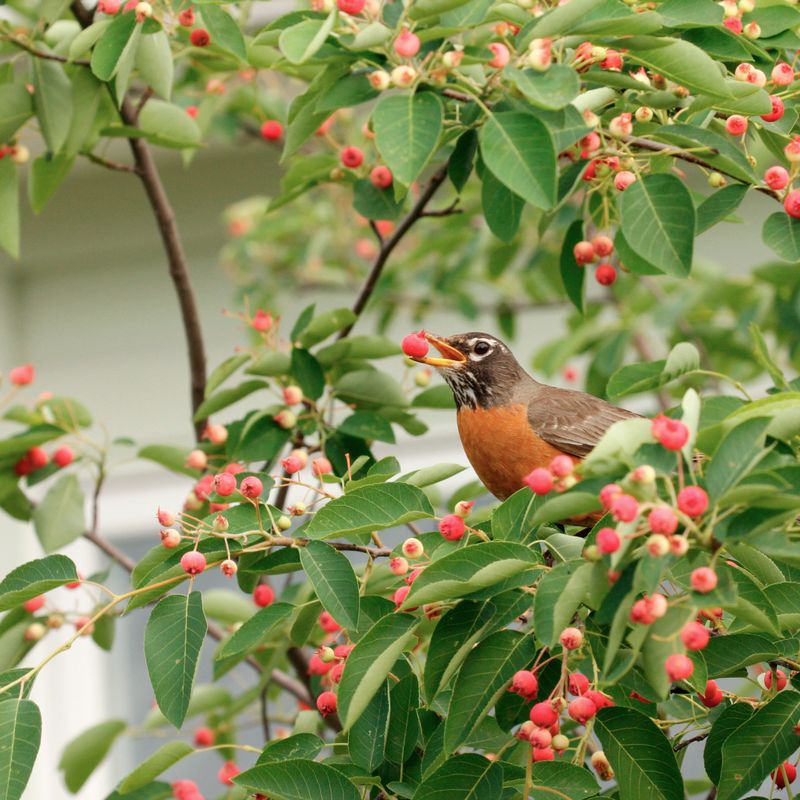
When spring arrives in Georgia, serviceberry becomes one of the first native trees to offer food for hungry birds returning from migration.
Its small, sweet berries ripen in late spring to early summer, providing nutrition for bluebirds, catbirds, thrushes, and waxwings at a critical time when natural food sources can be scarce.
Beyond berries, this tree supports hundreds of native insect species that nesting birds feed to their chicks.
Serviceberry grows as either a small tree or large shrub, reaching heights of fifteen to twenty-five feet with a graceful, multi-stemmed form.
White spring blossoms create clouds of flowers that pollinators adore, setting the stage for the berry crop that follows.
The tree also offers beautiful fall color with leaves turning shades of yellow, orange, and red.
This native adapts to various soil types and light conditions, though it performs best with morning sun and afternoon shade in Georgia’s heat.
Your Georgia Garden Changes Every Week. Your Plan Should Too.
Gardening in Georgia changes quickly throughout the season. Every Friday you’ll receive a simple weekly plan showing exactly what to plant, prune, fertilize, harvest, and protect so you never miss the right timing.
Birds often strip the berries quickly, so plant multiple serviceberries if you want to enjoy both bird-watching and a taste of the fruit yourself.
The tree requires little maintenance once established and adds four-season interest to home landscapes.
3. Eastern Red Cedar (Juniperus Virginiana)
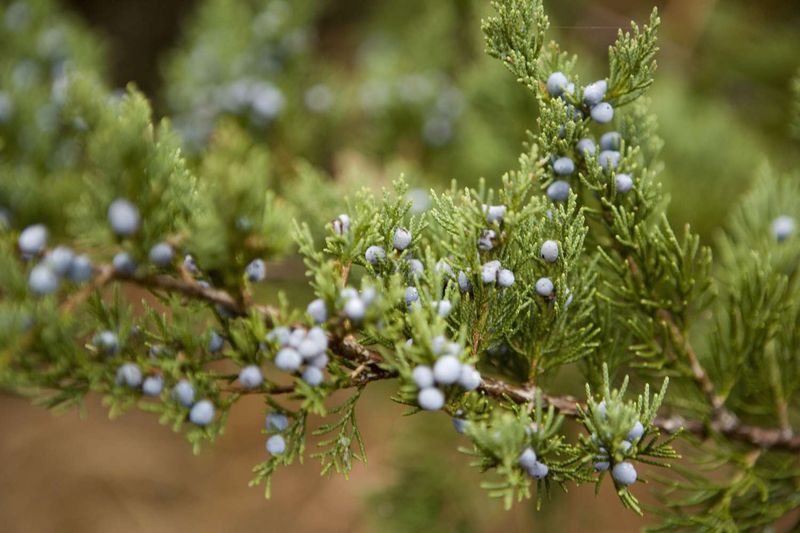
Few native plants match eastern red cedar for providing year-round support to Georgia birds, especially during harsh winter months.
This evergreen tree produces blue berry-like cones that persist through winter, offering essential food when other sources become scarce.
Waxwings, bluebirds, robins, and sparrows rely heavily on these berries during cold snaps and ice storms.
The dense, pyramidal shape of eastern red cedar creates excellent shelter from wind, rain, and predators.
Birds use the thick foliage for roosting at night and seeking refuge during storms.
Many species also nest within the protective branches, appreciating the cover and nearby food source.
The tree grows slowly but steadily, eventually reaching heights of forty to fifty feet in ideal conditions.
Eastern red cedar tolerates poor, dry soils and full sun, making it perfect for challenging spots in Georgia yards.
It also serves as the host plant for several native moth species, providing caterpillars that insect-eating birds need during nesting season.
While some gardeners worry about cedar-apple rust, selecting resistant varieties and proper placement away from apple trees minimizes concerns.
This tough native deserves consideration in any bird-friendly Georgia landscape.
4. American Holly (Ilex Opaca)
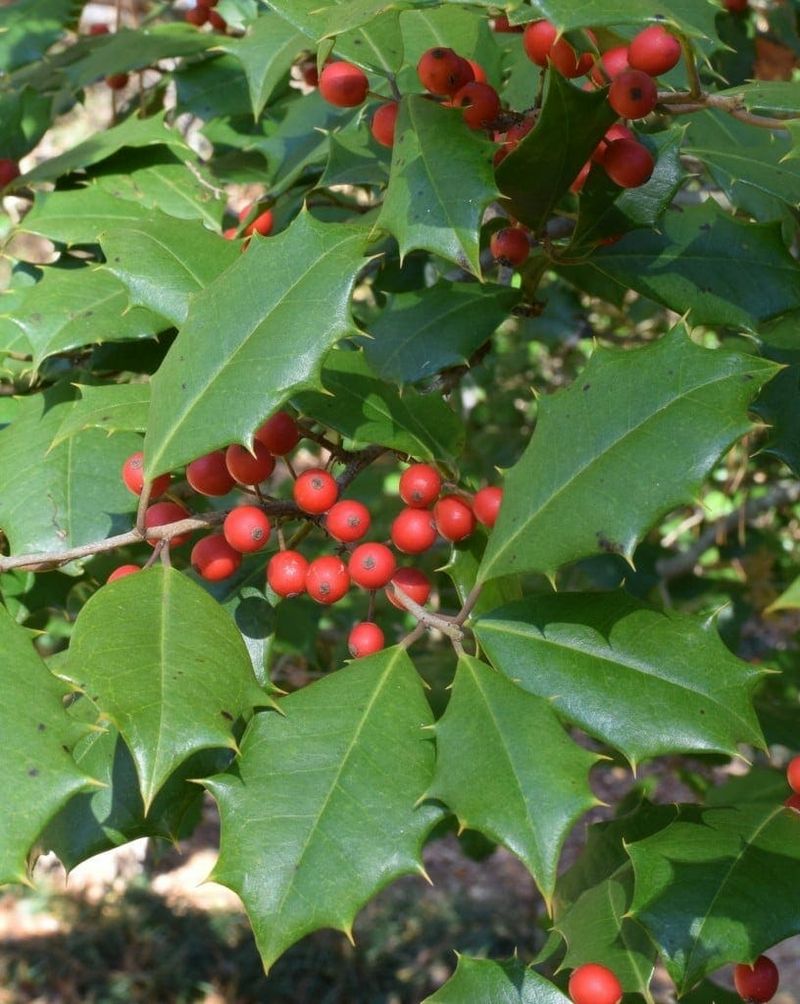
Bright red berries against glossy evergreen leaves make American holly a classic choice for Georgia gardens that support winter birds.
The berries persist from fall through winter, providing food for bluebirds, mockingbirds, thrashers, and other species when natural food becomes limited.
Dense branching offers excellent cover for roosting and nesting, creating safe spaces where birds can escape harsh weather and predators.
One important detail about American holly involves planting both male and female trees to ensure berry production.
Only female hollies produce berries, but they require a male tree nearby for pollination.
Garden centers typically label plants by gender, making it easy to select the right combination.
The trees grow slowly but can eventually reach forty to fifty feet tall with a pyramidal shape.
American holly adapts to various soil types and light conditions, though it prefers slightly acidic soil and partial shade in Georgia’s intense summer heat.
The spiny leaves deter deer browsing while creating secure nesting sites for smaller birds.
This native evergreen adds year-round structure to landscapes while supporting wildlife through every season.
Plant hollies where you can watch birds feast on berries from a window during winter months.
5. Southern Wax Myrtle (Morella Cerifera)
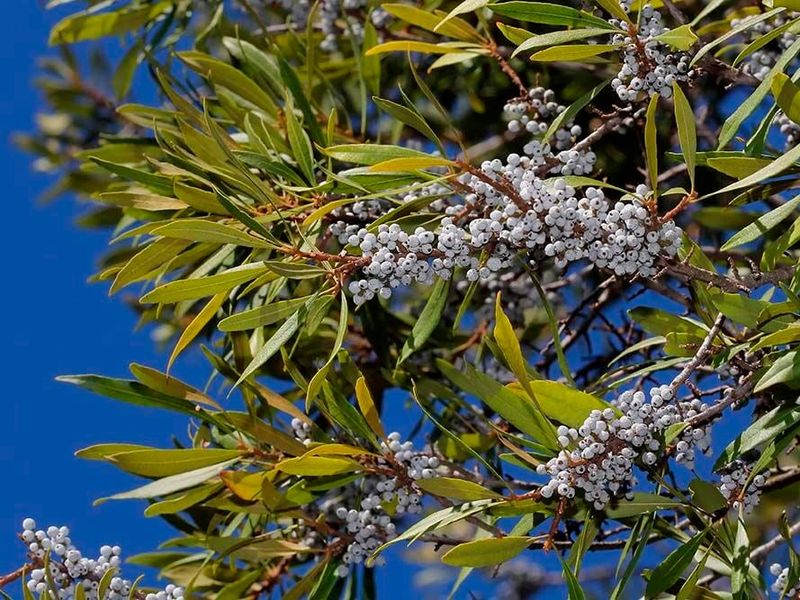
Fast growth and adaptability make southern wax myrtle a favorite recommendation for Georgia gardeners wanting quick bird habitat.
This evergreen shrub produces waxy, blue-gray berries that more than fifty bird species consume, including yellow-rumped warblers, bluebirds, and tree swallows.
The berries remain on branches through winter, providing reliable food when birds need it most.
Wax myrtle tolerates poor soils, salt spray, and both wet and dry conditions, making it incredibly versatile for different garden situations.
It grows rapidly to fifteen feet or more, creating screening and windbreaks while supporting wildlife.
The dense, aromatic foliage offers excellent cover for nesting and roosting birds throughout the year.
This native shrub thrives in full sun to partial shade and requires minimal care once established.
You can prune it into a small tree form or maintain it as a dense hedge.
Wax myrtle also fixes nitrogen in the soil, improving growing conditions for nearby plants.
Female plants produce the berries that birds seek, so include both genders for best results.
The pleasant fragrance when leaves are crushed adds another sensory dimension to your garden.
For fast results in creating bird-friendly habitat, few Georgia natives outperform southern wax myrtle.
6. Elderberry (Sambucus Canadensis)

Heavy berry production makes elderberry a powerhouse food source for Georgia birds during late summer and early fall.
The dark purple-black berries grow in large, flat-topped clusters that attract thrushes, catbirds, woodpeckers, and dozens of other species.
Birds often strip elderberry bushes within days of the berries ripening, demonstrating how valuable this native shrub is to local wildlife.
Beyond berries, elderberry provides dense cover where birds can nest and hide from predators.
The large, compound leaves create thick foliage that offers shade and protection.
White flower clusters in early summer attract pollinators and beneficial insects, which in turn provide food for insect-eating birds and their nestlings.
The shrub grows vigorously, reaching eight to twelve feet tall and spreading through root suckers to form colonies.
Elderberry prefers moist soil and full sun but adapts to various conditions across Georgia.
Planting it near water features or in naturally damp areas yields the best growth and berry production.
You can harvest some berries for jellies and syrups while leaving plenty for birds.
The shrub requires occasional pruning to control size and remove older canes.
For maximum bird activity in your garden, elderberry delivers outstanding results with minimal effort.
7. Black-Eyed Susan (Rudbeckia Hirta)

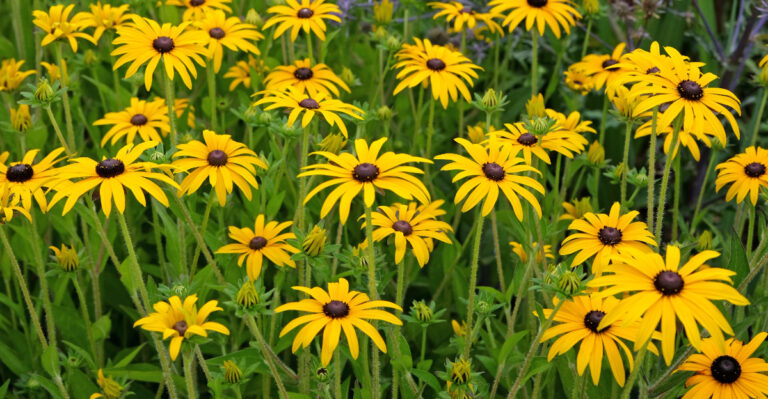
Goldfinches, sparrows, and juncos flock to dried black-eyed Susan seed heads throughout fall and winter in Georgia gardens.
Rather than cutting back these cheerful yellow flowers when they fade, leaving the seed heads standing provides essential food for seed-eating birds.
The dark central cones contain hundreds of small seeds that birds expertly extract while perching on the sturdy stems.
Black-eyed Susans bloom prolifically from early summer through fall, first attracting pollinators and then providing seeds as flowers mature.
These tough perennials spread readily through self-seeding, creating larger patches that offer more bird food each year.
The plants grow two to three feet tall with bright yellow petals surrounding chocolate-brown centers.
This native wildflower thrives in full sun and tolerates drought, heat, and poor soil once established.
Planting black-eyed Susans in masses creates the most dramatic visual impact and attracts more birds than scattered individual plants.
The flowers also work well in meadow gardens, along fence lines, or mixed with native grasses.
During winter, watching finches cling to swaying stems while feeding on seeds brings life and movement to dormant gardens.
For low-maintenance beauty that supports Georgia birds year-round, black-eyed Susans deliver exceptional value.
8. Purple Coneflower (Echinacea Purpurea)

American goldfinches become regular garden visitors when purple coneflowers go to seed in Georgia landscapes.
These beloved native perennials produce large, spiky seed heads that goldfinches and other finches cling to while extracting nutritious seeds.
Leaving spent flowers standing through fall and winter provides ongoing food for birds rather than cutting them back for neatness.
During summer bloom, the purple-pink flowers attract numerous pollinators and beneficial insects, which insect-eating birds like warblers and chickadees hunt.
This creates a complete feeding station that supports birds through multiple seasons.
Purple coneflowers grow two to four feet tall with sturdy stems that hold up well under bird traffic and weather.
The plants spread slowly to form clumps that expand the food source over time.
These drought-tolerant perennials prefer full sun and well-drained soil, making them perfect for Georgia’s hot summers.
They require minimal care beyond occasional watering during establishment and benefit from division every few years.
Planting purple coneflowers in groups rather than single specimens attracts more birds and creates better visual impact.
The combination of summer blooms and winter seeds makes this native a year-round asset.
For gardens focused on supporting goldfinches and other seed-eating species, purple coneflowers are essential additions.
9. Switchgrass (Panicum Virgatum)
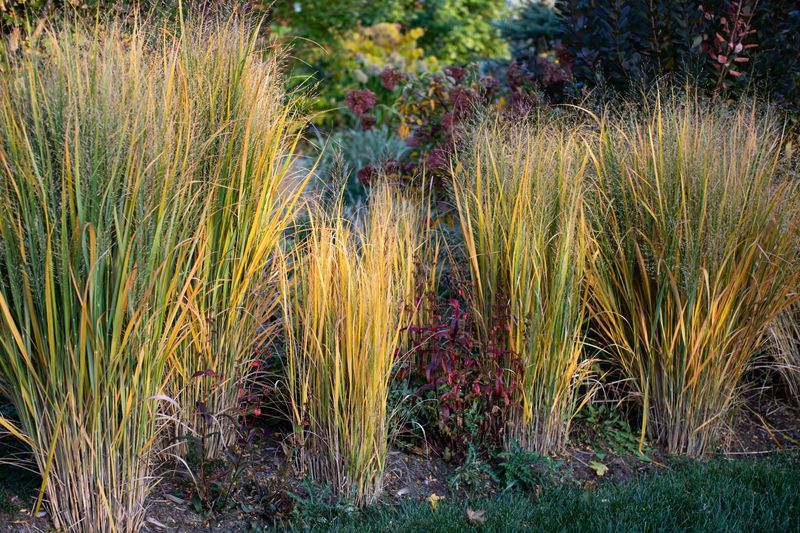
Native switchgrass creates valuable habitat for ground-feeding birds while providing seeds that sparrows, juncos, and finches consume throughout winter.
The graceful, upright clumps grow four to six feet tall, forming dense stands that offer cover for birds moving through Georgia gardens.
Airy seed heads emerge in late summer, creating clouds of tiny seeds that persist well into winter months.
Beyond food, switchgrass provides nesting material that birds gather in spring to build nests.
The fine stems and leaves work perfectly for lining nests and creating structure.
Ground-nesting species like towhees appreciate the cover that switchgrass clumps provide, using the base of plants for concealment.
The grass also hosts numerous native insects that insect-eating birds hunt during growing season.
Switchgrass tolerates various soil types and grows well in full sun to light shade across Georgia.
It requires minimal maintenance, needing only annual cutting back in late winter before new growth emerges.
The grass turns beautiful shades of gold and burgundy in fall, adding seasonal interest beyond its wildlife value.
Planting switchgrass in groups or drifts creates movement and texture while maximizing bird habitat.
For naturalistic landscapes that support diverse bird species, this native grass delivers multiple benefits throughout the year.
10. Coral Honeysuckle (Lonicera Sempervirens)
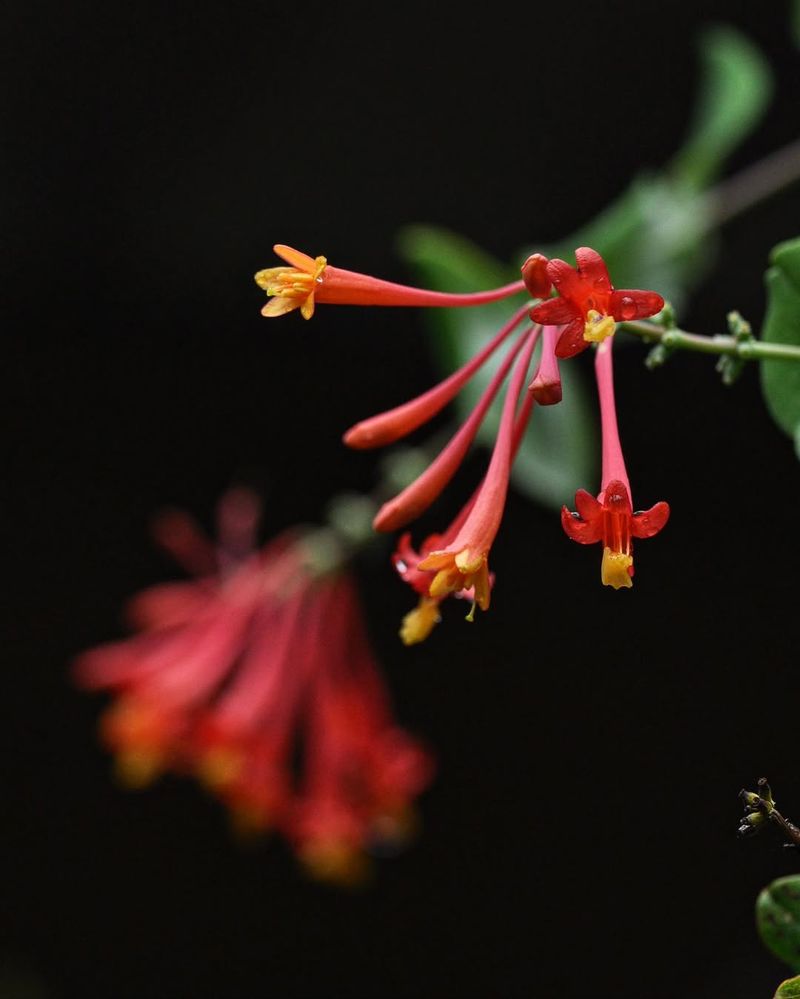
Tubular coral-red flowers make native coral honeysuckle a hummingbird magnet while also supporting other Georgia birds through multiple pathways.
Unlike invasive Japanese honeysuckle, this well-behaved native vine stays under control while producing red berries that bluebirds, catbirds, and robins consume in fall.
The flowers bloom from spring through summer, attracting insects that warblers and other small birds hunt among the foliage.
Coral honeysuckle grows as a twining vine reaching ten to twenty feet, perfect for covering fences, arbors, or trellises.
The semi-evergreen foliage provides cover where birds can nest and hide from predators.
Several bird species build nests within the tangled vines, appreciating the security and nearby food sources.
The plant adapts to full sun or partial shade and tolerates Georgia’s heat and humidity.
Growing this native vine requires providing support for climbing and occasional pruning to maintain desired size.
It spreads slowly and never becomes invasive like its non-native relatives.
The combination of hummingbird flowers, fall berries, insect habitat, and nesting cover makes coral honeysuckle remarkably valuable in compact spaces.
Planting it near windows or patios allows close observation of bird activity.
For vertical gardening that supports wildlife, coral honeysuckle offers beauty and function without maintenance headaches.
11. Oak Trees (Quercus Species)
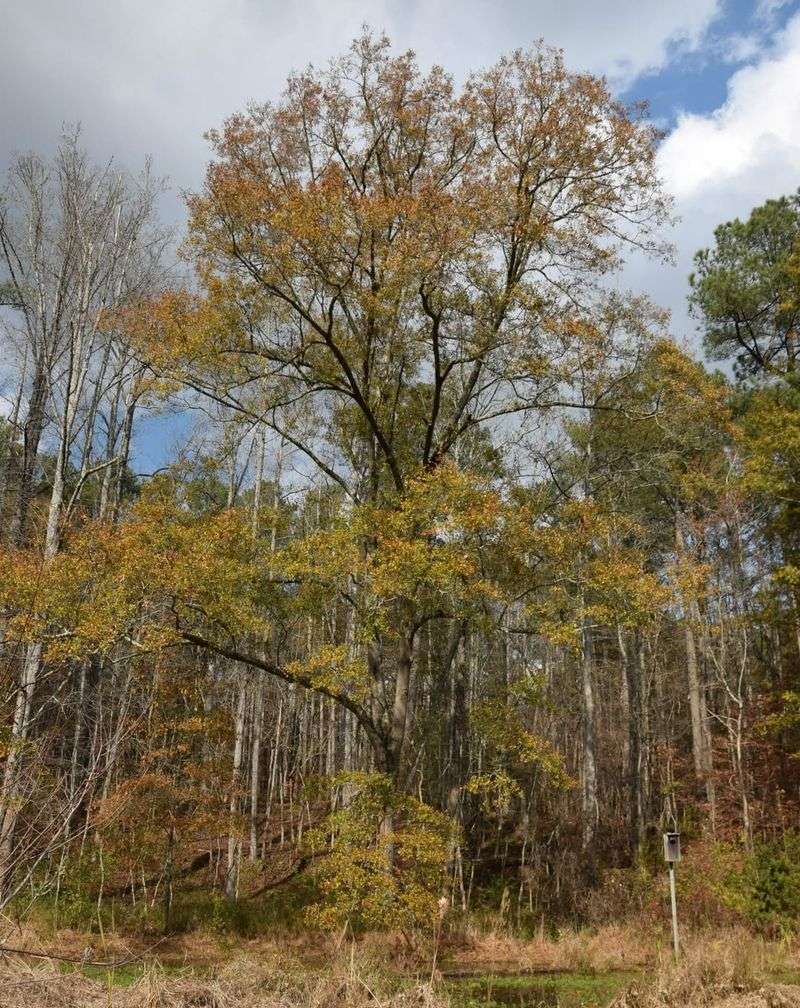
No plants support more bird life in Georgia than native oak trees, which host hundreds of native caterpillar species that birds depend on for raising chicks.
Research shows that a single oak can support thousands of caterpillars during spring, providing essential protein for nesting chickadees, bluebirds, warblers, and woodpeckers.
Beyond insects, acorns feed jays, woodpeckers, turkeys, and numerous other species through fall and winter.
Different oak species thrive across Georgia, from white oaks to red oaks to live oaks, each supporting slightly different wildlife communities.
These long-lived trees create permanent habitat structure that birds use for nesting, roosting, and foraging year after year.
Mature oaks develop cavities that cavity-nesting birds like owls, woodpeckers, and chickadees require for raising young.
The spreading canopies provide shade and shelter while creating complex habitat layers.
Planting native oaks represents a long-term investment in bird habitat since trees take years to mature.
However, even young oaks begin supporting insects and birds relatively quickly.
Choose oak species suited to your specific site conditions and available space.
Once established, oaks require minimal care while providing decades of wildlife value.
For gardeners serious about supporting the most birds possible, planting native oaks delivers unmatched benefits to entire ecosystems.
12. Eastern Redbud (Cercis Canadensis)

Brilliant magenta-pink flowers covering bare branches announce spring in Georgia, transforming eastern redbud into a beacon for returning migratory birds.
The early blooms attract numerous pollinators and insects that warblers, vireos, and other insectivores hunt while refueling after migration.
Later in the season, flat seed pods develop, providing food for chickadees, goldfinches, and other small birds through fall and winter.
This small native tree grows fifteen to thirty feet tall with a spreading, rounded canopy that birds use for perching and nesting.
The heart-shaped leaves create dense summer foliage where birds find cover from predators and harsh sun.
Redbuds adapt to various light conditions, from full sun to partial shade, and tolerate Georgia’s clay soils.
They work well as understory trees beneath taller oaks or as standalone specimens in smaller gardens.
Eastern redbud requires minimal maintenance once established and rarely suffers serious pest problems.
The tree offers four-season interest with spring flowers, summer shade, yellow fall color, and attractive branching structure in winter.
Planting redbuds in groups creates more visual impact and attracts greater numbers of birds.
For compact gardens needing bird-friendly trees that fit smaller spaces, eastern redbud delivers beauty and wildlife value without overwhelming landscapes.
13. Buttonbush (Cephalanthus Occidentalis)

Round, white flower clusters resembling pincushions make buttonbush instantly recognizable in Georgia’s wetland edges and low garden areas.
These unique flowers bloom in summer, attracting hummingbirds, butterflies, and numerous insects that insect-eating birds hunt.
As flowers mature into spherical seed heads, goldfinches, sparrows, and other seed-eaters visit throughout fall and winter.
Buttonbush thrives in wet conditions where many other plants struggle, making it perfect for rain gardens, pond edges, or naturally damp spots.
The shrub grows six to twelve feet tall with a rounded form and glossy green leaves.
Birds use the dense branching for nesting cover, while the flowers and seeds provide food across multiple seasons.
Waterfowl and wading birds often feed near buttonbush in wetland settings, adding to the diversity of bird life it supports.
This native shrub tolerates flooding and grows well in full sun to partial shade.
It requires minimal care beyond occasional pruning to maintain size and shape.
Buttonbush also handles Georgia’s summer heat and humidity without stress.
The unusual flowers add distinctive texture and interest to water features and wet areas.
For gardens with challenging wet spots or those incorporating water features, buttonbush provides exceptional bird habitat while thriving where other plants fail.
14. American Dogwood (Cornus Florida)
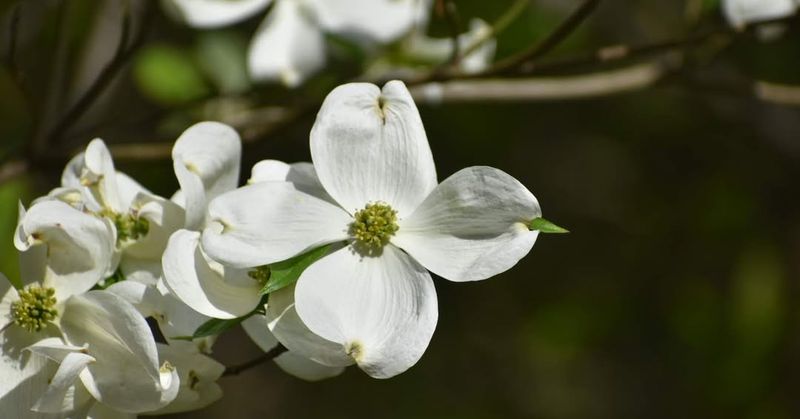
Iconic white spring blooms make flowering dogwood a beloved Georgia native, but its value for birds extends well beyond ornamental beauty.
Bright red berries ripen in fall, providing high-fat food that bluebirds, cardinals, thrushes, and woodpeckers consume to prepare for migration or winter.
The berries often persist into early winter, offering emergency food during harsh weather when other sources become limited.
Dogwood trees grow as understory plants beneath taller trees, creating layered habitat that many bird species prefer.
The branching structure provides nesting sites for robins, cardinals, and other species that build platform nests.
During spring bloom, the flowers attract insects that warblers and vireos hunt while migrating through Georgia.
Trees reach fifteen to thirty feet tall with spreading, horizontal branches that create distinctive silhouettes.
American dogwood prefers partial shade and well-drained, slightly acidic soil typical of Georgia woodlands.
Planting it beneath oak trees mimics natural growing conditions and creates complete bird habitat.
While dogwoods can face disease challenges, selecting resistant varieties and proper placement in partial shade improves success.
The combination of spring flowers, summer shade, fall berries, and winter structure makes dogwood a four-season asset.
For classic Georgia gardens supporting diverse bird populations, flowering dogwood remains an essential native choice.
15. Little Bluestem (Schizachyrium Scoparium)
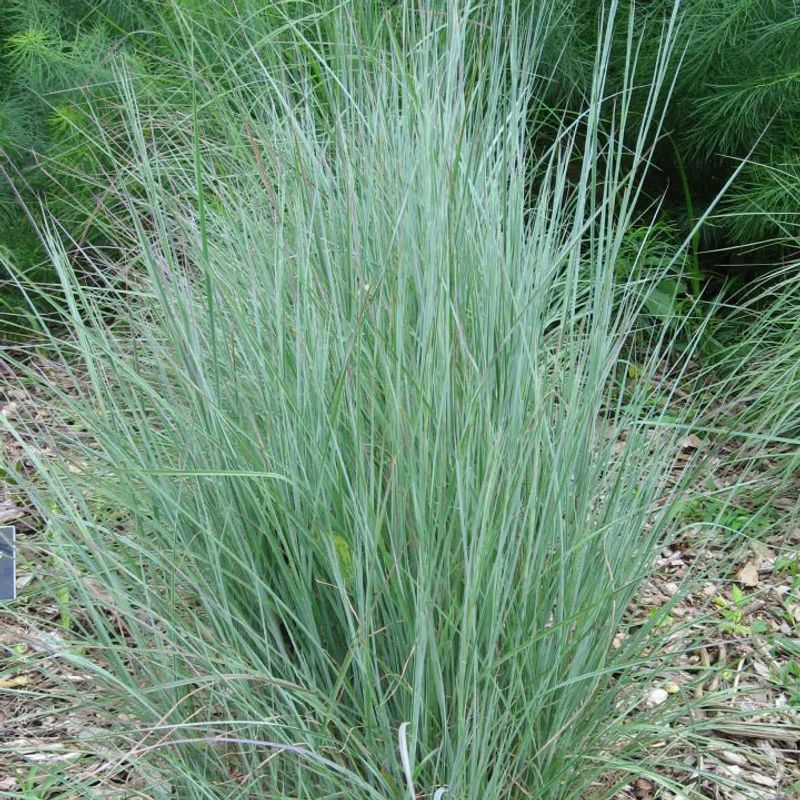
Sparrows, juncos, and towhees search through little bluestem clumps for seeds and insects, making this native grass essential for ground-feeding birds in Georgia.
The fine-textured grass grows in neat clumps two to four feet tall, creating manageable habitat that fits well in home landscapes.
Fluffy seed heads emerge in late summer and persist through winter, providing ongoing food for seed-eating species during cold months.
Little bluestem turns stunning shades of copper, burgundy, and orange in fall, adding seasonal color while continuing to support wildlife.
The dense clumps offer nesting cover and shelter for ground-dwelling birds that need protection from predators.
Birds also gather the fine stems and leaves as nesting material in spring.
The grass hosts numerous native insects that insectivorous birds hunt during breeding season.
This drought-tolerant native thrives in full sun and well-drained soil, making it perfect for Georgia’s hot, dry summers.
It requires minimal maintenance, needing only annual cutting back in late winter before new growth emerges.
Little bluestem works well in meadow gardens, mixed borders, or mass plantings that create naturalistic landscapes.
The grass spreads slowly through self-seeding without becoming invasive.
For compact native grass that supports birds while adding beauty and low maintenance, little bluestem deserves a place in every Georgia garden.