7 Places Ohio Homeowners Should Never Plant A Tree According To Gardening Experts
In Ohio, planting a tree feels like a gift to the future—but location matters more than most homeowners realize.
Experts warn that planting in the wrong spot can lead to costly damage, safety hazards, and eventual removal.
Tree roots interfere with foundations, sidewalks, and underground utilities more often than people expect.
Above ground, branches threaten roofs, power lines, and visibility. These problems don’t show up overnight—but when they do, they’re expensive.
Ohio’s freeze-thaw cycles make poor placement even riskier.
Soil movement stresses roots and structures alike.
Gardening experts agree that smart placement prevents years of regret.
Planting a tree should be a long-term investment, not a future headache.
Knowing where not to plant is just as important as choosing the right species.
1. Directly Over Underground Utility Lines
Utility companies mark underground lines with brightly colored flags and spray paint for good reason.
Planting a tree directly over water, sewer, gas, or electric lines creates a ticking time bomb in your yard.
Tree roots naturally seek out moisture and nutrients, which means they grow toward pipes and cables beneath the soil.
When roots wrap around or penetrate utility lines, they cause service disruptions that affect your entire neighborhood.
Water lines can crack under root pressure, leading to leaks and erosion.
Sewer pipes become clogged when invasive roots find their way inside through tiny cracks or joints.
The financial consequences fall squarely on your shoulders as the property owner.
You become legally responsible for repair costs when your tree damages underground infrastructure.
These bills can reach thousands of dollars, especially if excavation requires heavy equipment and street closures.
Ohio law requires homeowners to call 811 before digging to locate underground utilities.
Gardening experts recommend planting trees at least ten to fifteen feet away from marked utility lines.
This buffer zone protects both your investment and community infrastructure.
Some fast-growing species with aggressive root systems need even more distance to stay safe.
2. Too Close To The Home’s Foundation
Foundation damage from nearby trees ranks among the most expensive home repairs Ohio residents face.
Roots don’t actually break through solid concrete, but they create problems in more subtle and destructive ways.
As roots expand beneath your foundation, they alter soil moisture levels that cause shifting and settling.
Ohio’s notorious freeze-thaw cycles make this situation even worse for homeowners.
When soil moisture changes dramatically between seasons, foundations experience repeated expansion and contraction.
This movement creates cracks in basement walls, uneven floors, and gaps around windows and doors.
Large trees also pull massive amounts of water from soil during growing season.
Clay soils common throughout Ohio shrink significantly when they dry out.
This shrinkage causes foundations to sink unevenly, leading to structural stress and costly repairs.
Gardening experts recommend following a simple rule for foundation setback distances.
Plant trees at least twenty feet away from your home, or measure the tree’s expected mature height and use that as your minimum distance.
Taller species like oaks and maples need even more space, sometimes thirty to fifty feet.
Your Ohio Garden Changes Every Week. Your Plan Should Too.
Gardening in Ohio changes quickly throughout the season. Every Friday you’ll receive a simple weekly plan showing exactly what to plant, prune, fertilize, harvest, and protect so you never miss the right timing.
Proper spacing protects your home’s structural integrity while still allowing you to enjoy shade and beauty.
Your foundation represents your biggest investment, so give it the protection it deserves.
3. Under Or Near Overhead Power Lines
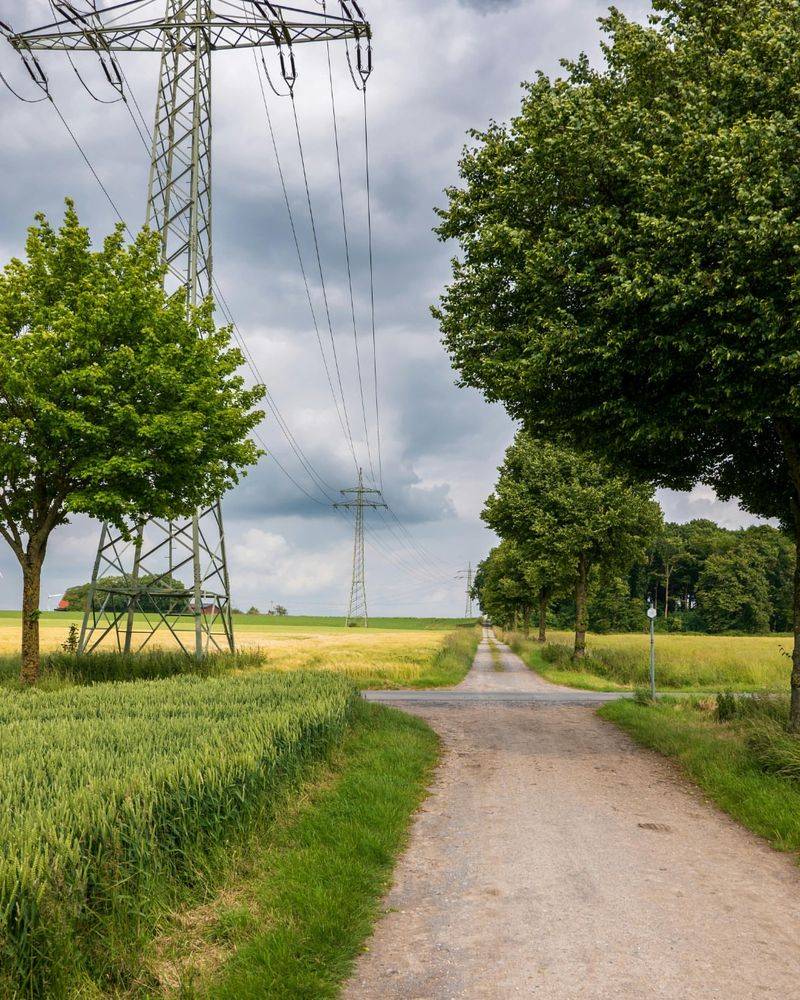
Power companies spend millions trimming trees that grow into overhead lines, and they won’t hesitate to drastically prune yours.
Homeowners often feel shocked when utility crews arrive unannounced to hack away at beloved trees.
These aggressive cuts leave trees looking misshapen and unattractive, resembling lollipops rather than natural specimens.
Safety concerns make this location particularly dangerous for tree planting.
Branches touching power lines create fire hazards and electrocution risks during storms and high winds.
When limbs fall onto energized wires, they can spark neighborhood outages and emergency situations.
Ohio utility companies maintain legal right-of-way beneath power lines, meaning they control vegetation in these areas.
You lose decision-making power over pruning schedules and methods once trees reach into this space.
The results rarely match your aesthetic preferences or timing needs.
Gardening experts recommend planting only low-growing shrubs and perennials beneath power lines.
Choose species that mature at heights below fifteen feet to avoid future conflicts.
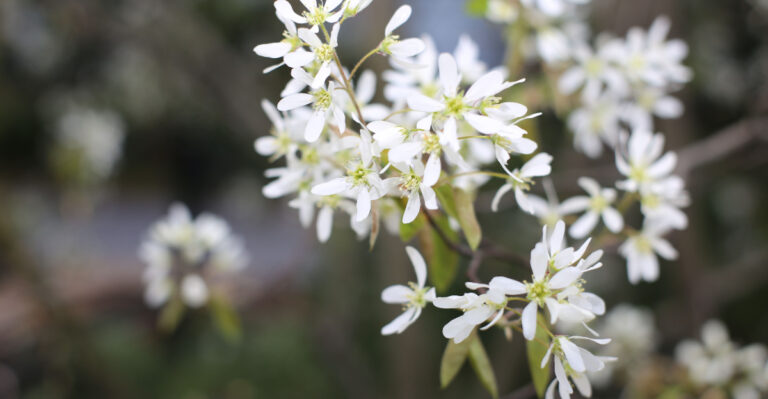
Flowering dogwoods, serviceberries, and ornamental crabapples work well as alternatives in these restricted zones.
If you want tall shade trees, plant them at least twenty-five feet away from overhead wires.
This distance allows trees to reach their full natural form without interference.
Your trees will look better, grow healthier, and require less maintenance throughout their lifetime.
4. In Poorly Drained Or Flood-Prone Areas
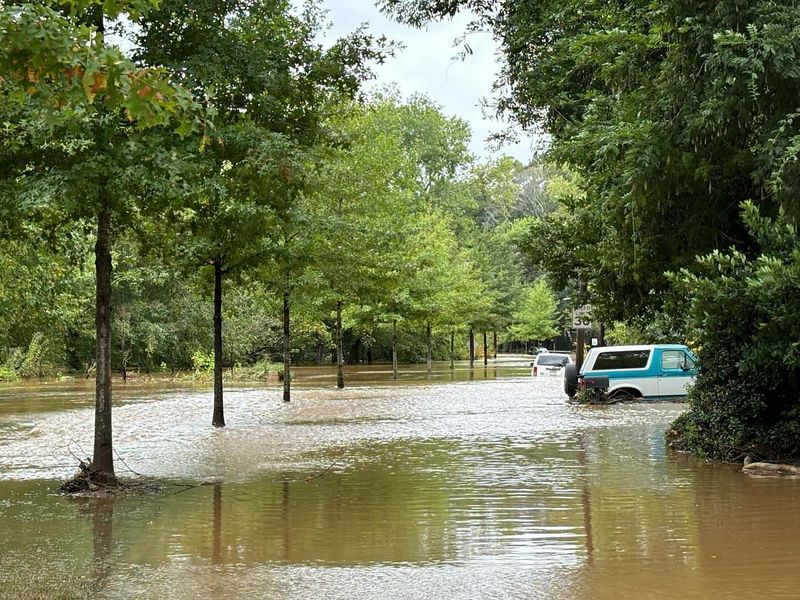
Standing water might seem beneficial for thirsty trees, but most species struggle in waterlogged conditions.
Ohio’s clay-heavy soils compound drainage problems, creating spots where water sits for days after rainfall.
Low-lying areas in your yard become oxygen-deprived zones where roots literally suffocate beneath the surface.
Tree roots need air pockets in soil just as much as they need moisture and nutrients.
When soil stays saturated, these air spaces fill with water and roots cannot breathe properly.
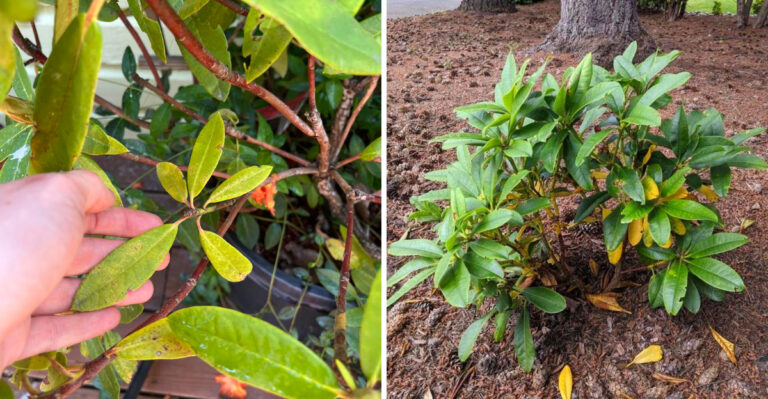
The result shows up as yellowing leaves, stunted growth, and eventual decline of even hardy species.
Seasonal flooding common in parts of Ohio creates additional challenges for tree establishment.
Young trees planted in flood-prone zones face repeated stress that weakens their root systems.
Even brief flooding during growing season can set back development by years.
Compacted clay soil worsens drainage issues in many Ohio neighborhoods.
Construction activity and foot traffic squeeze out air spaces, making water penetration nearly impossible.
Trees planted in these conditions never develop the robust root systems they need for long-term survival.
Gardening experts suggest choosing naturally wet-tolerant species if you must plant in damp areas.
River birch, bald cypress, and red maple handle occasional flooding better than most trees.
Better yet, improve drainage with soil amendments or choose a higher spot in your landscape for better success.
5. Too Close To Driveways, Sidewalks, Or Patios
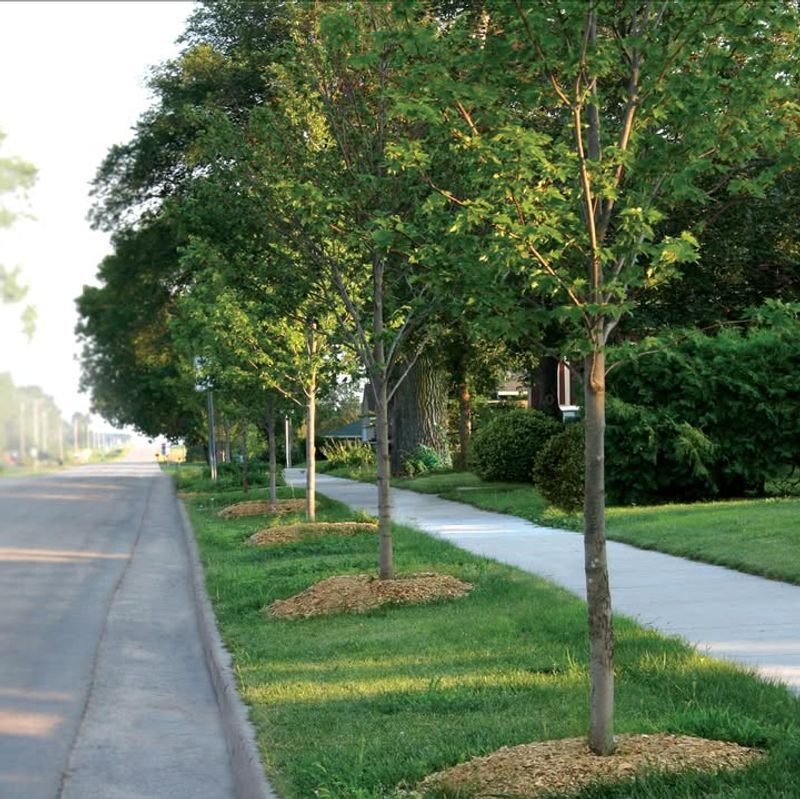
Concrete and asphalt stand no chance against determined tree roots seeking water and stability.
What starts as a tiny crack becomes a major tripping hazard within just a few growing seasons.
Homeowners often underestimate how far roots spread and how much force they exert on hardscapes.
Root systems typically extend one and a half to three times beyond a tree’s canopy width.
These roots grow near the surface where oxygen and moisture are most abundant.
When they encounter sidewalks or driveways, they simply lift the obstacles out of their way.
Repair costs for damaged hardscapes add up quickly, especially when you factor in tree removal.
Grinding out roots and replacing concrete sections can cost thousands of dollars.
Many homeowners face difficult choices between keeping their tree or maintaining safe walkways.
Ohio’s freeze-thaw cycles accelerate damage once roots create initial cracks.
Water seeps into gaps, freezes, expands, and breaks concrete apart more severely each winter.
What begins as a minor annoyance becomes a liability issue when visitors trip and injure themselves.
Gardening experts recommend planting trees at least eight to ten feet from hardscapes as a minimum.
Larger species with aggressive root systems need fifteen to twenty feet of clearance.
This spacing protects your investment in both landscaping and property infrastructure.
Strategic placement lets you enjoy shade without sacrificing the integrity of paths and parking areas.
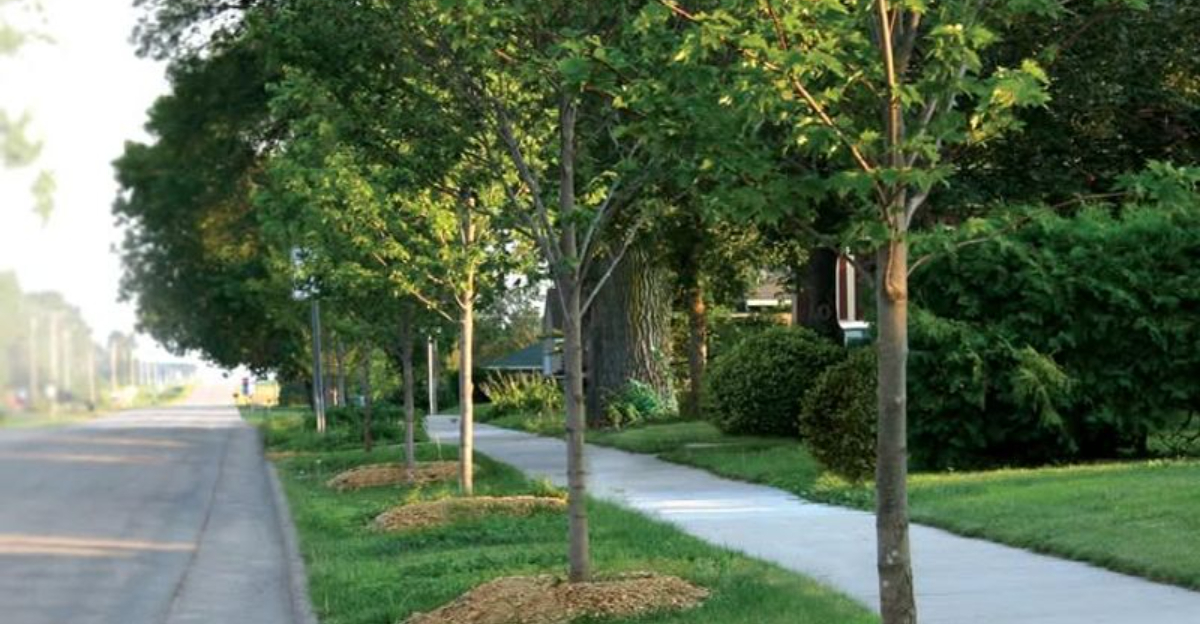
6. In Narrow Planting Strips Or Small Tree Lawns
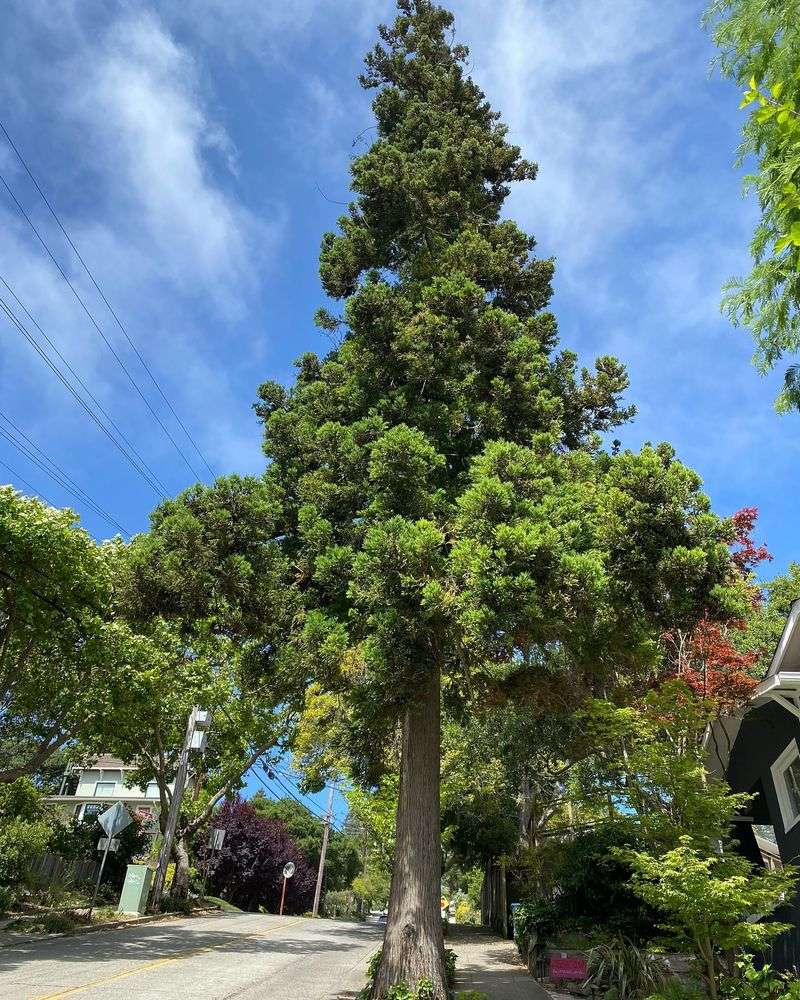
Those skinny strips of grass between sidewalks and streets seem like perfect tree spots, but experts strongly disagree.
Urban foresters call these spaces tree lawns, and they rank among the harshest environments for plant survival.
Compacted soil, road salt, limited root space, and reflected heat create nearly impossible growing conditions.
Ohio winters bring heavy salt applications that damage tree roots and foliage throughout the season.
Salt spray coats lower branches while dissolved salt in soil draws moisture away from roots.
Even salt-tolerant species struggle when concentrations build up year after year in confined spaces.
Root systems need room to spread and anchor trees properly against wind and storms.
Narrow planting strips simply don’t provide adequate soil volume for healthy development.
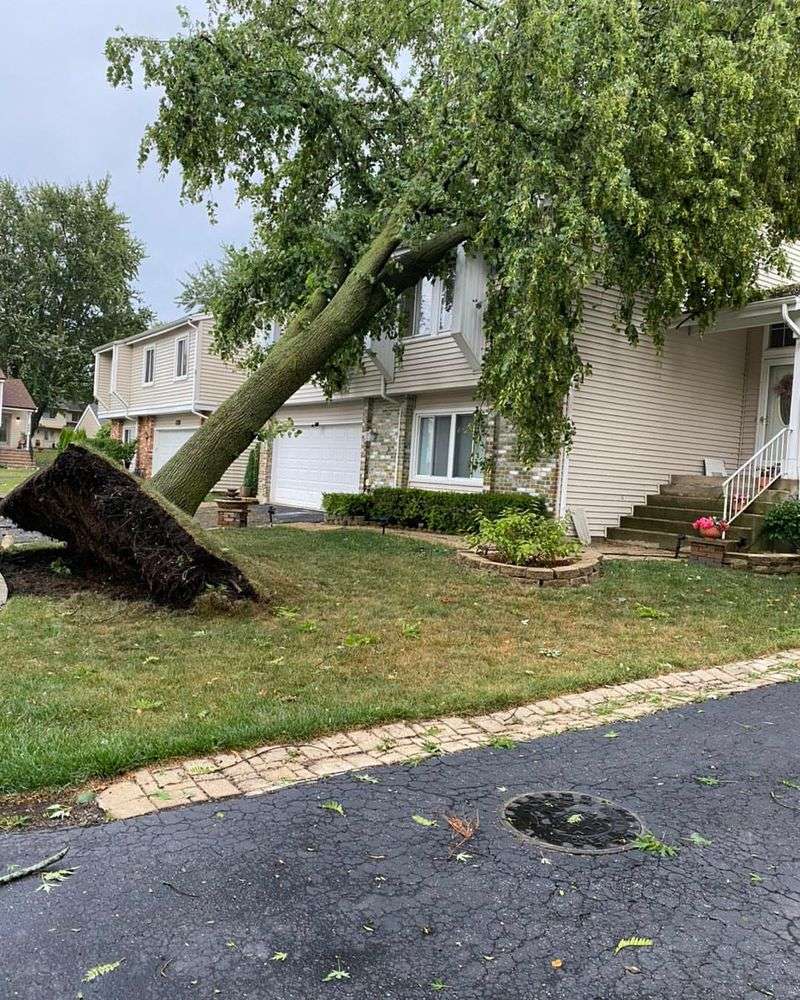
Trees planted in these locations often lean, topple during storms, or simply languish without thriving.
Soil compaction from foot traffic and street construction makes matters worse for struggling trees.
Compressed soil prevents water infiltration and oxygen exchange that roots desperately need.
Many municipalities have abandoned tree lawns in favor of wider planting beds or alternative locations.
Gardening experts recommend minimum planting strip widths of at least eight feet for even small trees.
Larger species need twelve to fifteen feet of width to establish properly.
If your tree lawn falls short of these dimensions, consider planting low-growing perennials or ornamental grasses instead.
Save your tree investment for locations where they can actually flourish and reach their potential.
7. Where Mature Size Isn’t Accounted For
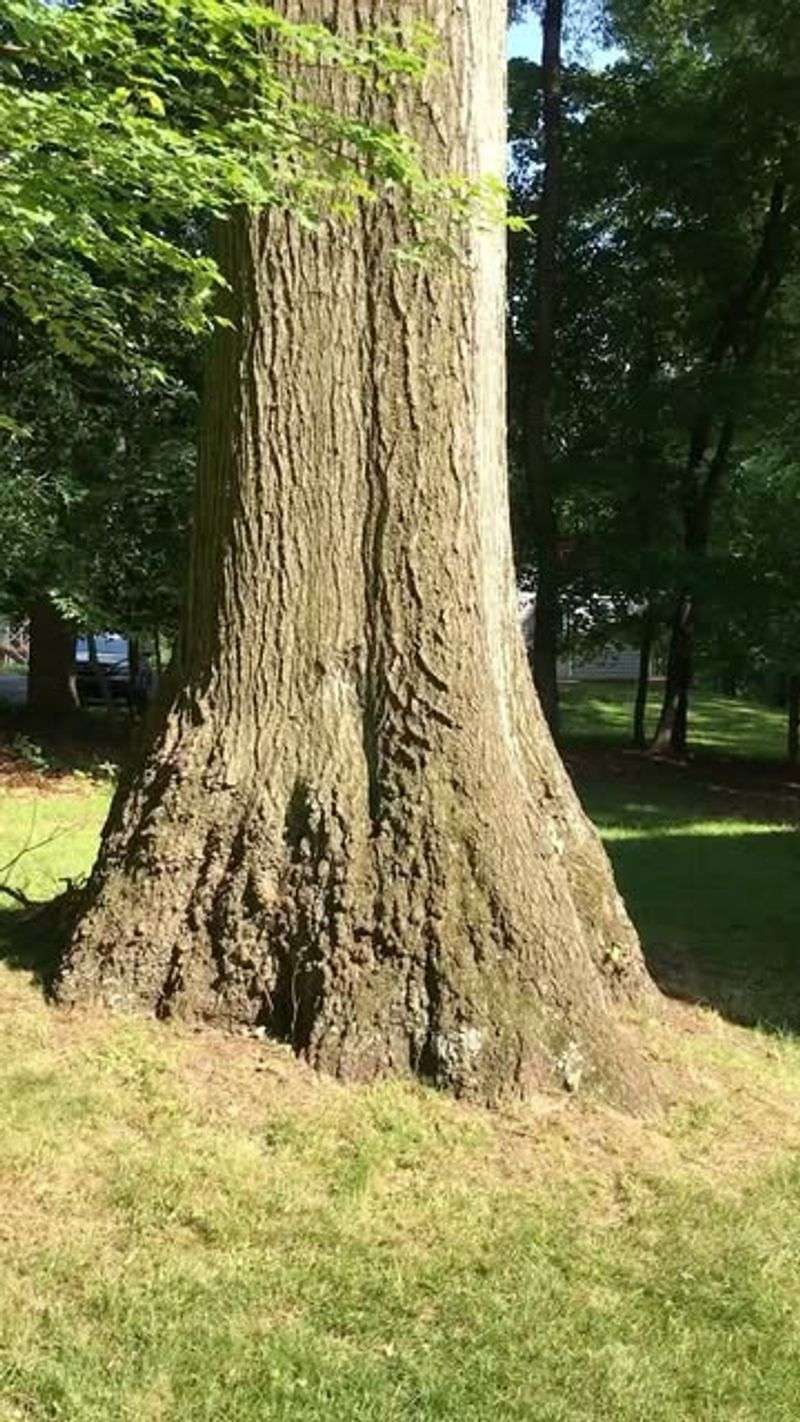
That adorable five-foot sapling from the nursery will eventually transform into a towering giant.
Homeowners consistently underestimate how large trees actually grow, leading to overcrowding problems down the road.
What looks perfectly spaced today becomes a tangled mess in fifteen to twenty years.
Mature tree dimensions vary dramatically between species, making research essential before planting.
A red oak can reach eighty feet tall with a sixty-foot spread, while a crabapple stops at twenty feet.
Planting without checking these specifications guarantees future headaches and expensive corrections.
Overcrowded trees compete for sunlight, water, and nutrients, resulting in poor health for all specimens.
Lower branches become shaded out and bare, creating an unattractive appearance.
Competition also increases susceptibility to pests and diseases as stressed trees lose natural defenses.
Buildings, fences, and other landscape features suffer when trees outgrow their allocated space.
Branches scrape siding, roots invade gardens, and excessive shade prevents grass growth beneath canopies.
Eventually, removal becomes the only option, wasting years of growth and your initial investment.
Ohio gardening experts emphasize the importance of checking mature size specifications before purchasing trees.
Plan spacing based on adult dimensions, not current nursery size.
Proper planning creates landscapes that remain beautiful and functional for decades.
Your patience in spacing trees correctly pays dividends in reduced maintenance and enhanced property value throughout your homeownership.