12 Houseplants That Clean The Air While You Sleep In Michigan Homes This Winter
When Michigan homes are sealed tight for winter, indoor air quality quietly takes a hit.
Houseplants offer a simple, natural way to improve it—especially in bedrooms where we spend hours breathing the same air.
Certain plants absorb airborne pollutants and release oxygen steadily, even in low light.
They also add humidity, easing dry winter air that irritates skin and sinuses.
These plants don’t require constant attention, making them ideal for cold months.
For Michigan homeowners, they offer comfort, health benefits, and a touch of greenery when outdoor landscapes are frozen solid.
Sleeping better sometimes starts with what’s growing beside the bed.
1. Snake Plant (Dracaena Trifasciata)
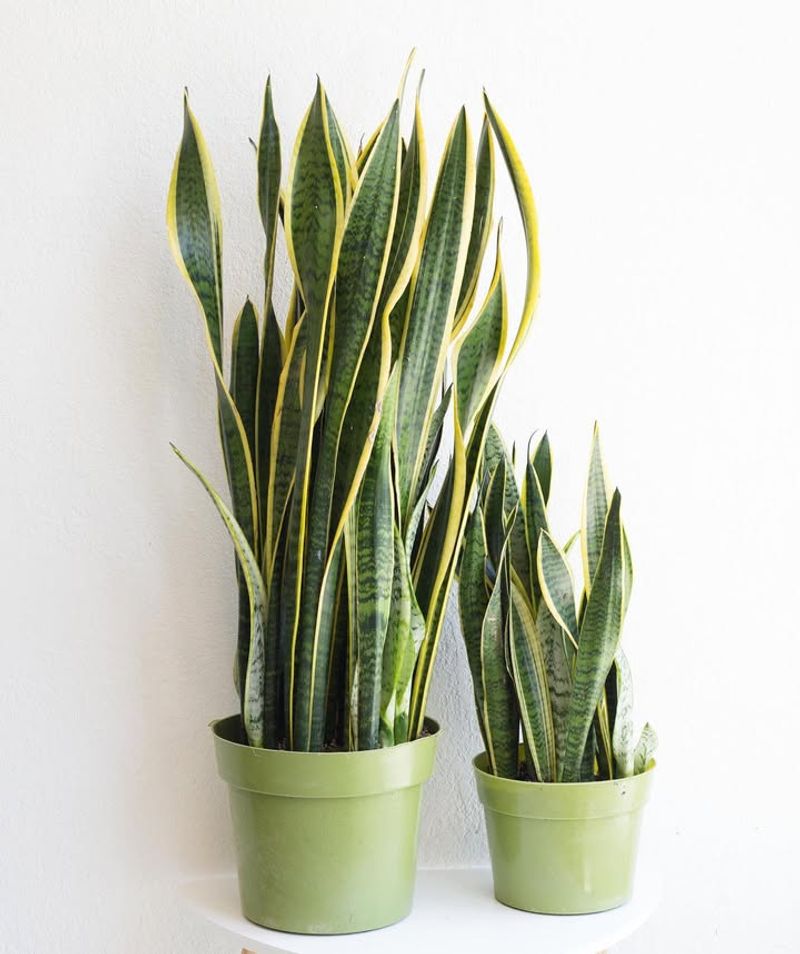
Bedrooms across Michigan benefit from snake plants because these sturdy greens ask for almost nothing in return.
Low winter light does not bother them one bit, and they can go weeks without water when the heating system dries out your home.
What sets snake plants apart is their use of CAM photosynthesis, a process that lets them release oxygen at night instead of during the day like most plants.
That nighttime oxygen boost sounds perfect for a sleeping space, though the actual amount produced is modest and will not replace proper ventilation.
Research has shown snake plants can absorb trace amounts of formaldehyde and benzene in controlled lab settings, but real-world impact depends on plant size, room volume, and air exchange rates.
Still, having a living plant in your bedroom adds humidity to dry winter air and brings a touch of green to gray Michigan days.
Snake plants tolerate neglect better than most houseplants, making them ideal for busy households or anyone new to indoor gardening.
Their upright, sword-like leaves fit neatly on nightstands, dressers, or windowsills without taking up much space.
Just avoid overwatering in winter, as cold indoor temps and low light slow their growth and water needs significantly.
2. Peace Lily (Spathiphyllum Species)
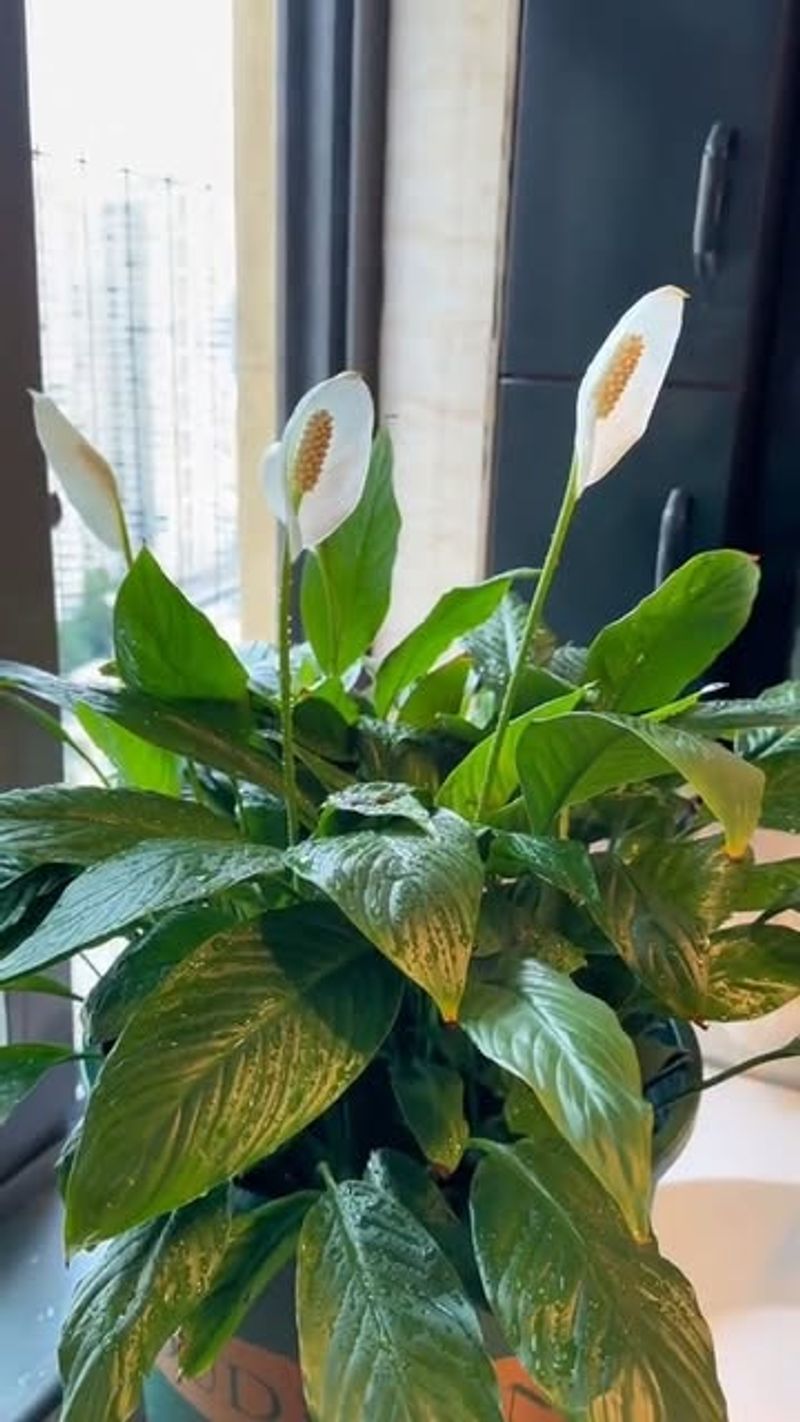
Peace lilies bring elegant white blooms and lush foliage to Michigan bedrooms, even when winter light is scarce.
They tolerate low-light corners and stable indoor temperatures better than many flowering plants, which makes them a favorite for year-round indoor use.
NASA studies from the late 1980s found peace lilies capable of absorbing volatile organic compounds like benzene, formaldehyde, and trichloroethylene in sealed chambers.
Real homes have air exchange through doors, windows, and HVAC systems, so the practical impact is smaller than lab results suggest.
Even so, peace lilies contribute to a healthier indoor environment by adding moisture to the air through transpiration, which can ease dry skin and scratchy throats common in heated homes.
Their drooping leaves signal when they need water, making them easy to care for even if you forget to check soil moisture regularly.
Keep them out of direct sunlight, which can scorch their leaves, and wipe dust off foliage every few weeks to help them breathe.
Peace lilies prefer consistent moisture, so check the soil once a week during winter and water when the top inch feels dry.
With minimal fuss, they reward you with glossy leaves and occasional blooms that brighten up the shortest days of the year.
Your Michigan Garden Changes Every Week. Your Plan Should Too.
Gardening in Michigan changes quickly throughout the season. Every Friday you’ll receive a simple weekly plan showing exactly what to plant, prune, fertilize, harvest, and protect so you never miss the right timing.
3. English Ivy (Hedera Helix – Indoor Use)
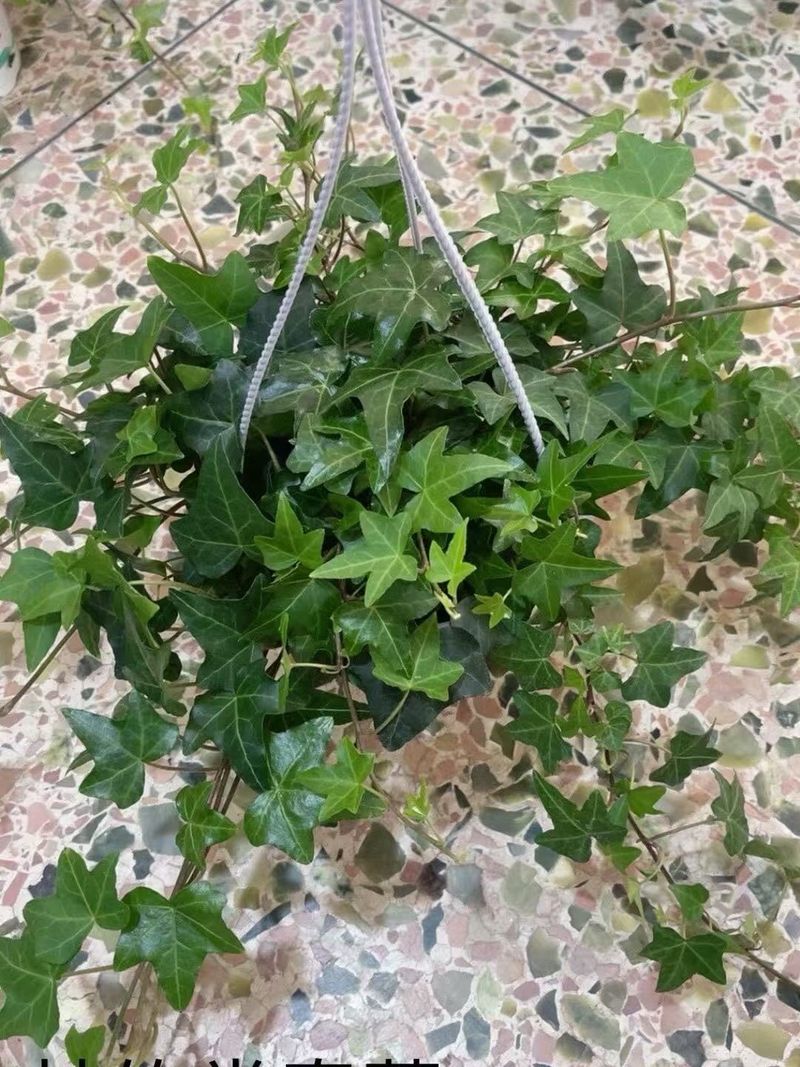
English ivy earns its spot on air-quality lists thanks to research showing it can reduce airborne mold spores and particulate matter in controlled indoor environments.
Its trailing vines and dense foliage create surface area that traps dust and other particles, helping keep bedroom air a bit cleaner.
In Michigan homes, English ivy does best in hanging pots near windows where it gets indirect light and stays contained.
Outdoors, English ivy can become invasive and smother native plants, so keeping it indoors is the responsible choice.
Regular pruning keeps the plant tidy and prevents it from sprawling too far across shelves or curtains.
English ivy likes cooler indoor temperatures, which aligns well with Michigan winters when thermostats stay moderate and heating is steady.
Water it when the top inch of soil dries out, and mist the leaves occasionally if your home gets very dry.
The plant can tolerate lower light levels, but brighter spots encourage fuller growth and more vibrant green color.
Some people find English ivy slightly finicky compared to pothos or snake plants, but once it settles into a routine, it becomes a reliable bedroom companion.
Just keep it away from pets, as the leaves can cause digestive upset if chewed.
4. Pothos (Epipremnum Aureum)
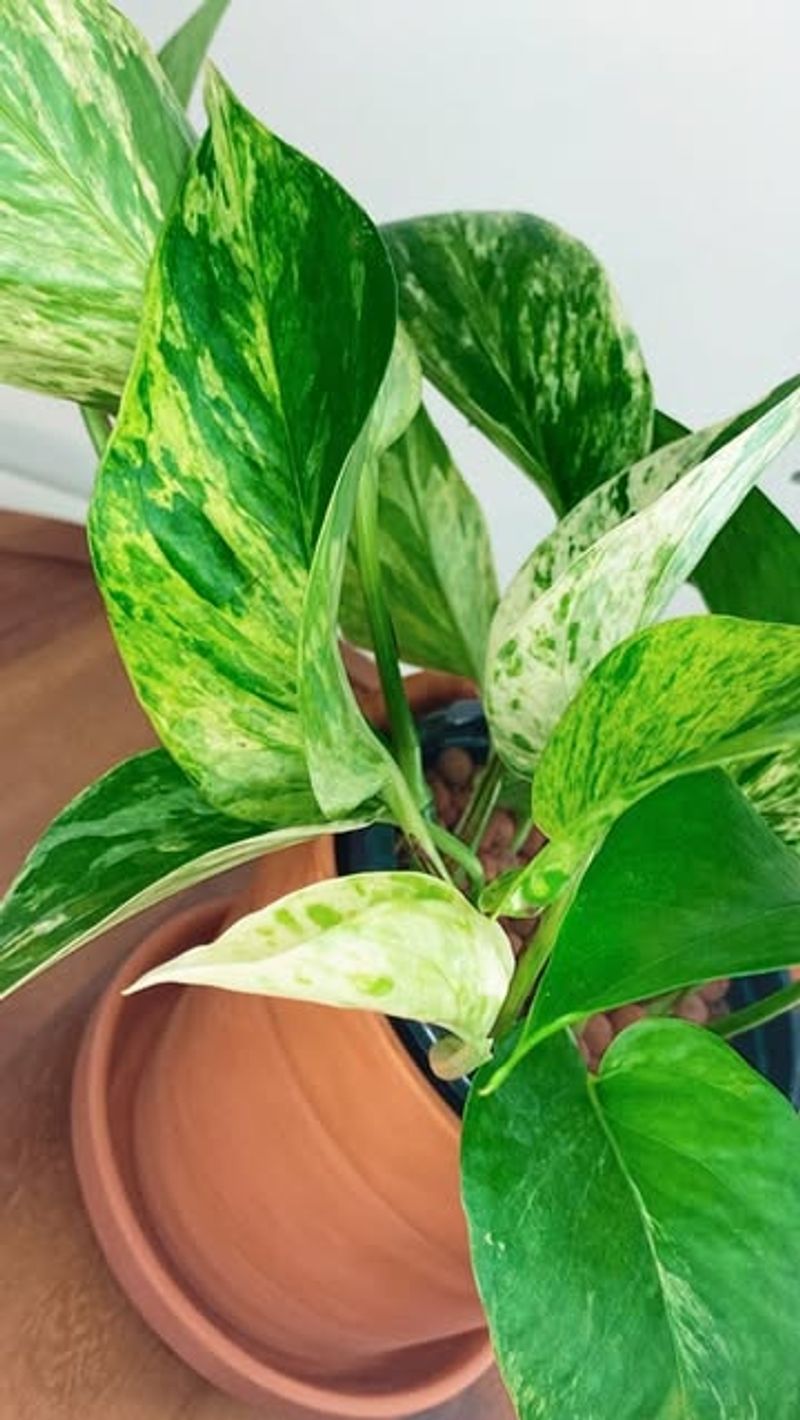
Few plants match pothos for sheer resilience in Michigan bedrooms during the long, dark winter months.
It thrives in low light, tolerates dry air from forced-heat systems, and keeps growing even when you forget to water it for a week or two.
Lab studies have documented pothos absorbing formaldehyde, benzene, and xylene in sealed test chambers, though real-world conditions mean the effect is less dramatic.
Still, having pothos in your bedroom adds a living filter that works around the clock, and its trailing vines bring a softness to any room.
The plant grows quickly, so you can trim back long vines and propagate cuttings in water to create new plants for other rooms or share with friends.
Pothos comes in several varieties, from golden yellow to deep green to variegated white and green, so you can pick one that matches your bedroom style.
Water when the soil feels dry an inch down, and avoid letting the pot sit in standing water, which can lead to root rot.
Pothos does not need fertilizer during winter, as its growth slows in lower light and cooler indoor temps.
Place it on a high shelf or in a hanging planter where its vines can cascade down, adding vertical interest without taking up floor space.
5. Spider Plant (Chlorophytum Comosum)
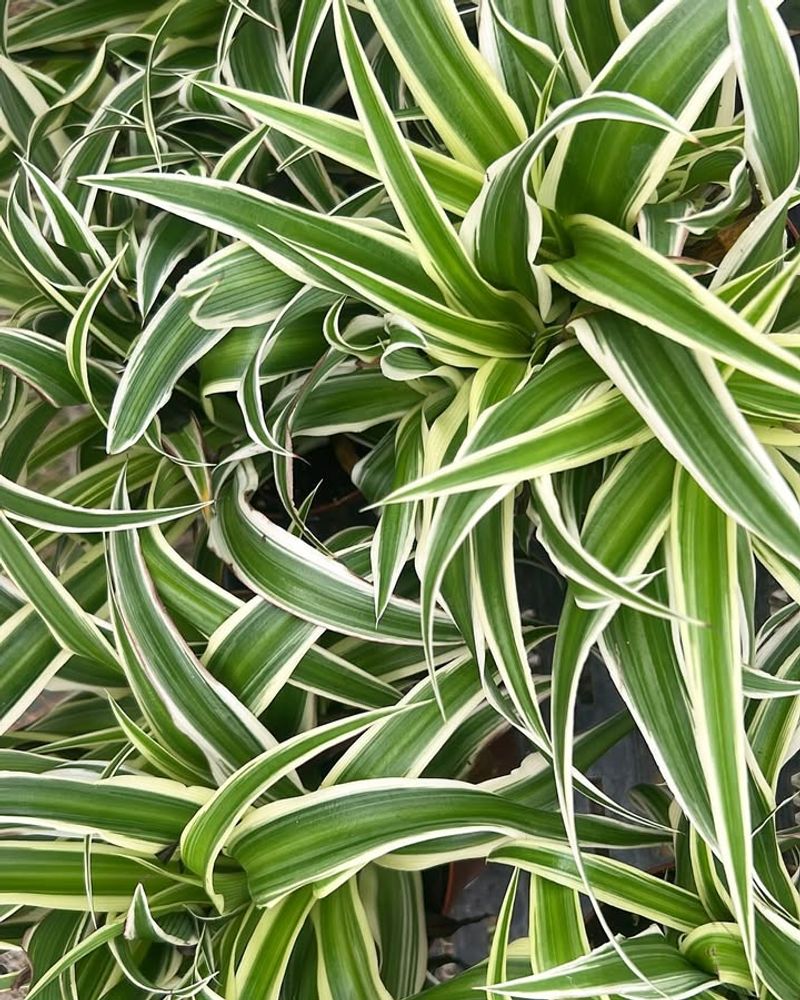
Spider plants handle cool indoor temperatures and reduced winter sunlight better than many houseplants, making them a natural fit for Michigan bedrooms.
Their arching leaves and dangling baby plantlets add a cheerful touch to nightstands, shelves, or hanging baskets near windows.
Research from the 1980s and 1990s included spider plants in studies on indoor air quality, noting their ability to absorb carbon monoxide and formaldehyde in controlled settings.
While those studies used sealed chambers and high pollutant concentrations, spider plants still contribute to a fresher indoor environment by increasing humidity through transpiration.
They grow quickly and produce baby plants on long stems, which you can snip off and pot up to expand your collection or share with neighbors.
Spider plants prefer bright, indirect light but tolerate lower light levels without much complaint, though their growth will slow.
Water when the top inch of soil dries out, and avoid fluoridated tap water if you notice brown leaf tips, as spider plants can be sensitive to fluoride.
They adapt well to a range of indoor temperatures, so they will not suffer if you turn the thermostat down at night to save energy.
With minimal care, spider plants keep producing fresh green foliage and baby plantlets all winter long.
6. ZZ Plant (Zamioculcas Zamiifolia)
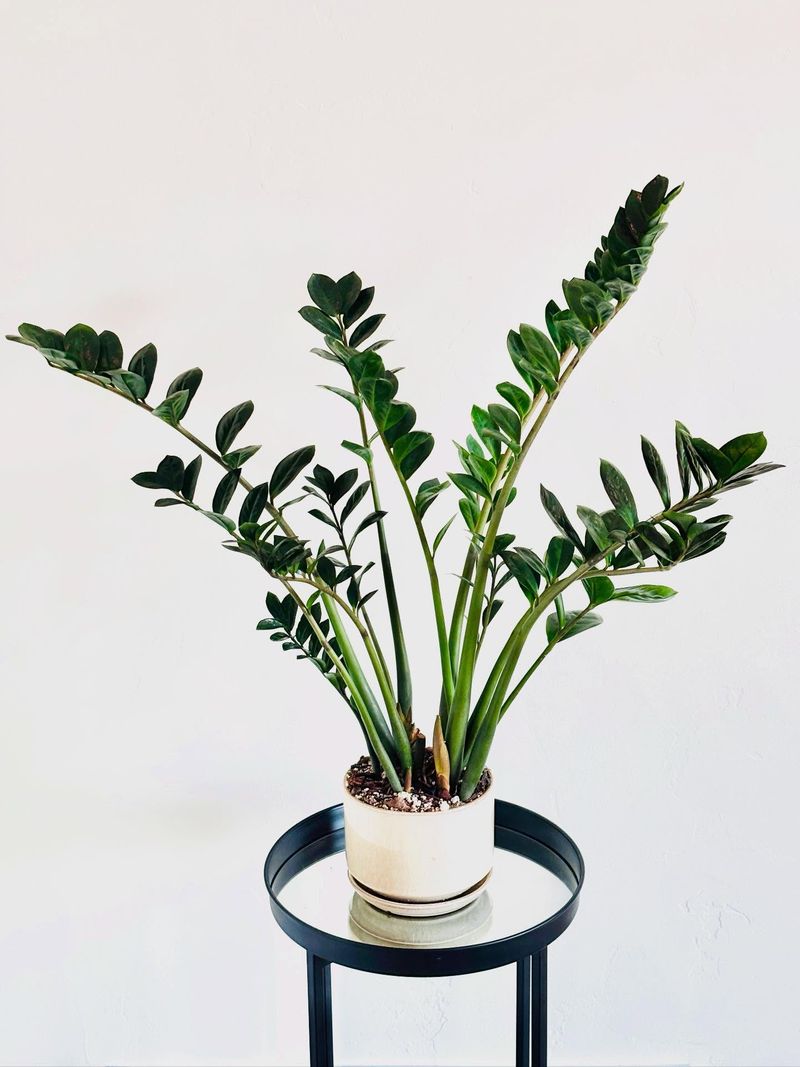
ZZ plants thrive in the dim corners of Michigan bedrooms where other houseplants struggle to survive.
Their thick, waxy leaves store water, allowing them to go weeks without a drink during the winter when growth slows to a crawl.
Low light does not faze ZZ plants, and they tolerate the dry air that comes with running a furnace day and night.
While ZZ plants have not been as widely studied for air purification as some others, their presence still adds humidity and a sense of calm to sleeping spaces.
Their upright, architectural form fits well in modern or minimalist bedrooms, and their dark green foliage contrasts nicely with light-colored walls.
ZZ plants grow slowly, so they will not outgrow their pot quickly or demand frequent repotting.
Water sparingly in winter, only when the soil has dried out completely, as overwatering is the main way to harm this otherwise indestructible plant.
They do not need fertilizer during the cold months, and their glossy leaves stay clean with an occasional wipe-down using a damp cloth.
ZZ plants are perfect for anyone who travels often or has a busy schedule, as they ask for almost nothing and keep looking good month after month.
Just keep them out of reach of pets, as the sap can cause stomach upset if ingested.
7. Aloe Vera
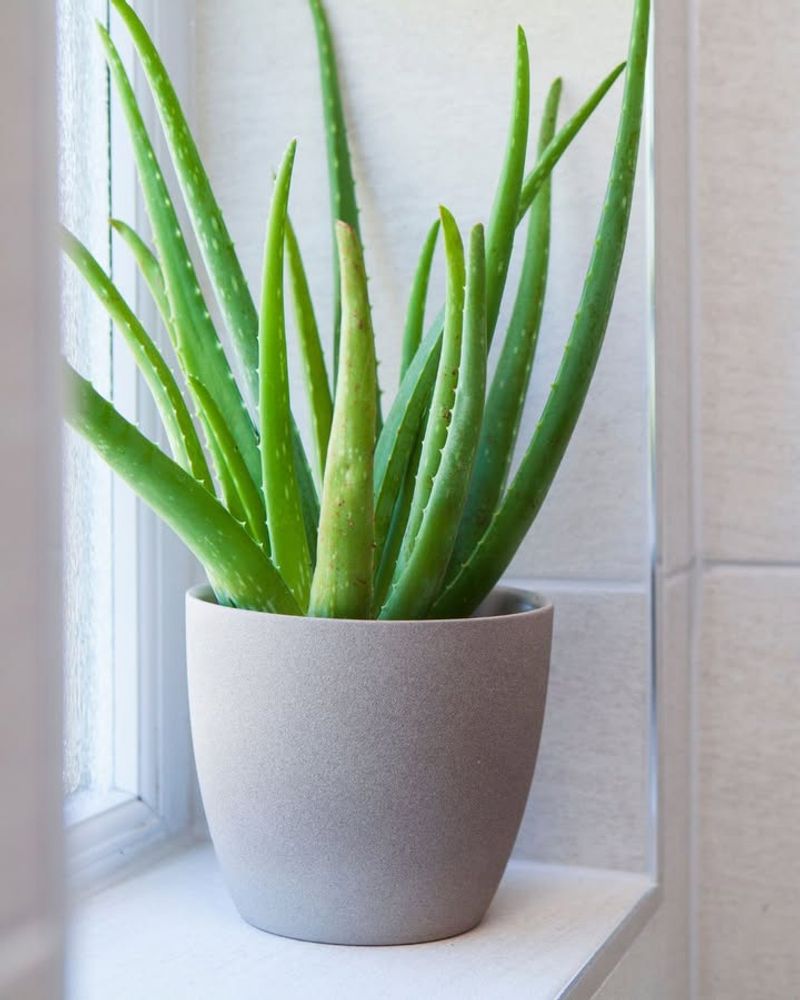
Aloe vera fits perfectly on sunny bedroom windowsills during Michigan winters, soaking up whatever light filters through the clouds.
This succulent stores water in its thick, fleshy leaves, so it can go long stretches without watering when indoor air is dry and growth slows.
Research suggests aloe vera can absorb formaldehyde and benzene in controlled lab environments, though the real-world effect depends on factors like plant size and room ventilation.
Beyond any air-cleaning benefits, aloe vera offers a handy source of soothing gel for minor burns, cuts, or dry skin, which makes it a practical addition to any bedroom.
The plant prefers bright, indirect light and can tolerate a few hours of direct sun, especially during the weaker winter months.
Water only when the soil is completely dry, which might mean once every two or three weeks in winter.
Overwatering is the fastest way to harm aloe vera, as soggy soil leads to root rot and mushy leaves.
Aloe vera does not need fertilizer during winter, and it will not grow much until spring returns and daylight hours increase.
Its spiky, upright form adds texture to windowsills without blocking light, and its pale green color brightens up gray winter days.
Keep it away from drafts and cold windowpanes on especially frigid nights to prevent leaf damage.
8. Cast Iron Plant (Aspidistra Elatior)
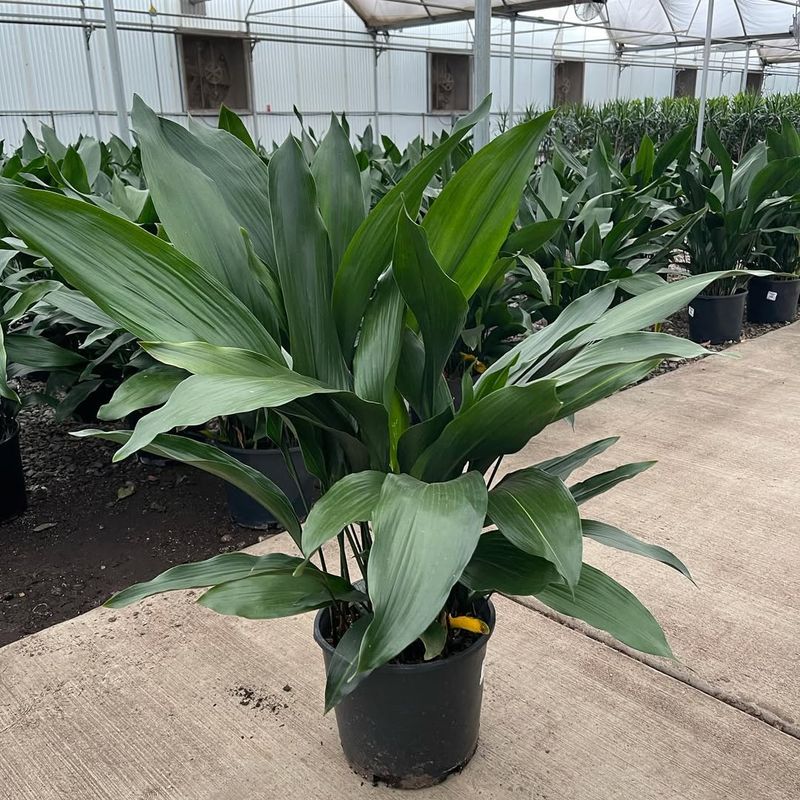
Cast iron plants earn their tough-as-nails reputation by tolerating conditions that would stress out most houseplants.
Low light, cool temperatures, and infrequent watering do not bother them, which makes them ideal for Michigan bedrooms where winter conditions can be challenging.
Their broad, dark green leaves add a lush, tropical feel to sleeping spaces without demanding bright light or high humidity.
While cast iron plants have not been as extensively studied for air purification, their large leaf surface area can trap dust and contribute to a cleaner indoor environment.
They grow slowly and stay compact, so they will not take over your bedroom or need constant pruning.
Cast iron plants tolerate neglect better than almost any other houseplant, making them perfect for anyone who travels frequently or forgets to water regularly.
Water only when the top two inches of soil feel dry, which might be once every two weeks during winter.
They do not need fertilizer in the cold months, and their leaves stay glossy with an occasional wipe to remove dust.
Place them on the floor in a corner or on a low stand where their arching leaves can spread out without getting in the way.
Cast iron plants are nearly impossible to harm, so they are a great choice for beginners or anyone looking for a low-maintenance bedroom plant.
9. Rubber Plant (Ficus Elastica)
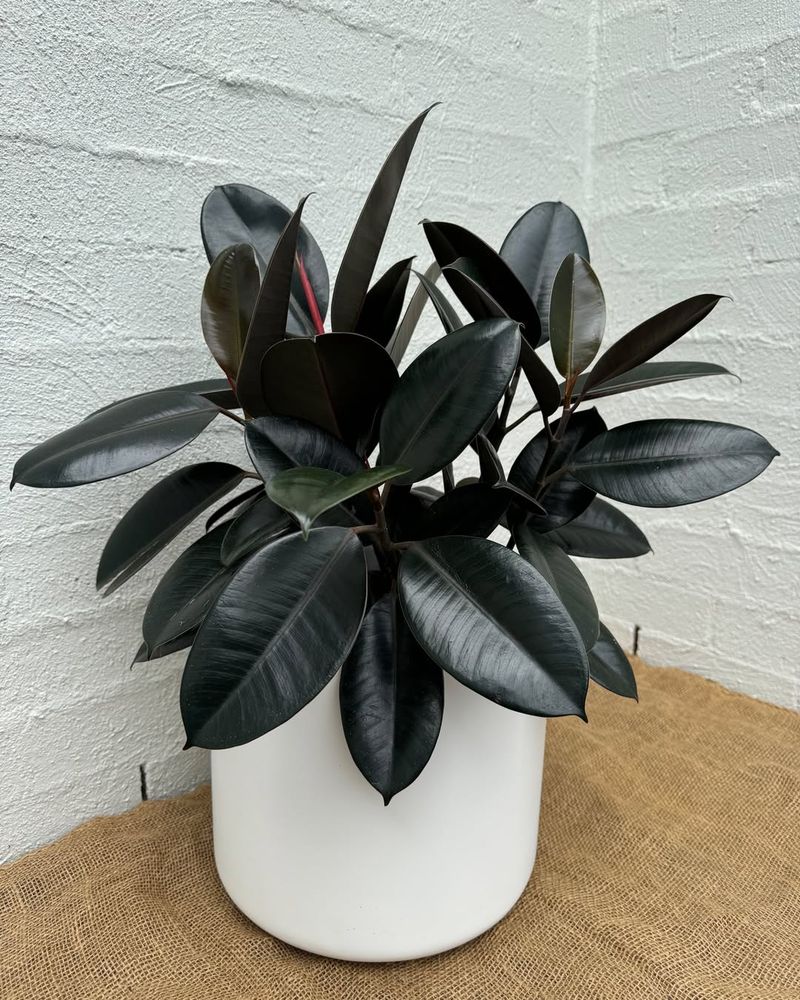
Rubber plants feature large, glossy leaves that interact with indoor air and dust in meaningful ways, trapping particles on their broad surfaces.
Their size and leaf area make them more effective at this than smaller plants, though you will need to wipe the leaves down regularly to keep them working well.
In Michigan winters, rubber plants need brighter light than many other houseplants to maintain their health and vibrant color.
Place them near a south- or west-facing window where they can soak up as much natural light as possible during the short winter days.
Rubber plants grow upright and can become quite tall over time, so they work well in spacious bedrooms with high ceilings.
Water when the top inch of soil dries out, and reduce watering frequency in winter when growth slows.
Overwatering can cause leaf drop, so it is better to err on the dry side during the cold months.
Rubber plants do not need fertilizer in winter, and they appreciate stable indoor temperatures without cold drafts from windows or doors.
Their bold, architectural form adds a statement piece to bedroom corners, and their deep green or burgundy leaves bring richness to neutral color schemes.
Keep them out of reach of pets, as the sap can cause stomach upset if ingested.
10. Boston Fern (Nephrolepis Exaltata)
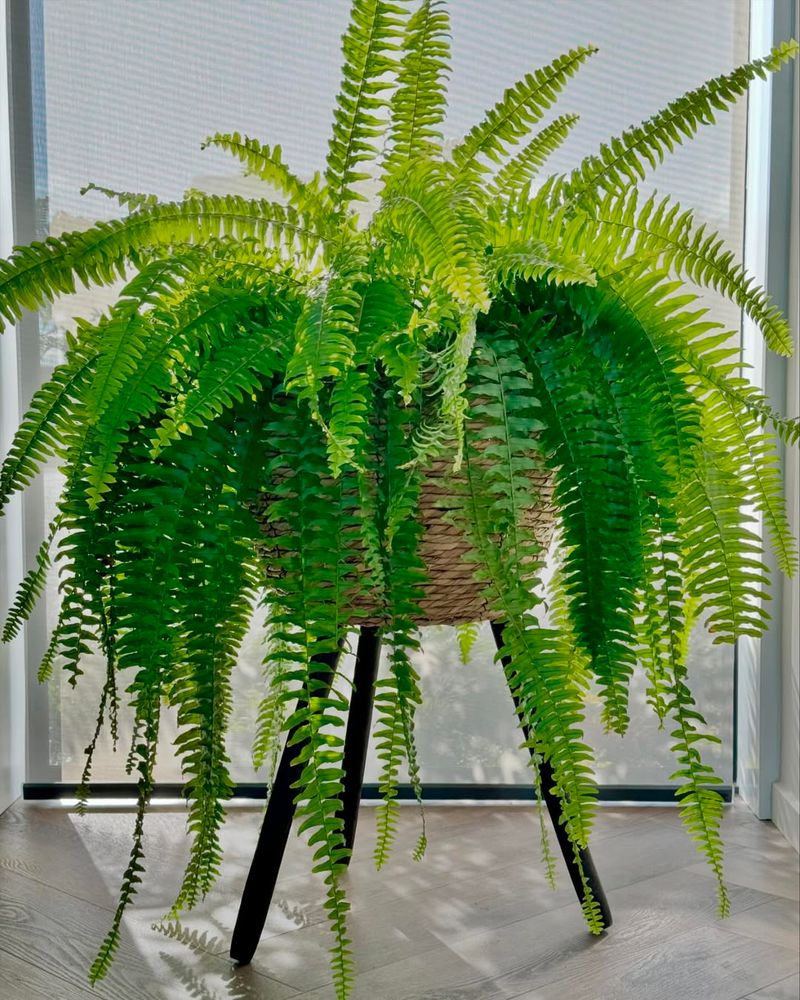
Boston ferns contribute to humidity balance in winter-heated Michigan homes by releasing moisture into the air through their lush, feathery fronds.
That added humidity can ease dry skin, scratchy throats, and static electricity that come with running a furnace day and night.
Research has included Boston ferns in studies on indoor air quality, noting their ability to absorb formaldehyde in controlled environments.
Real-world results vary based on plant size, room ventilation, and air exchange rates, but Boston ferns still make a positive contribution to bedroom air.
They prefer bright, indirect light and consistent moisture, which can make them slightly more demanding than some other houseplants on this list.
Place them near a window where they get plenty of light without direct sun, which can scorch their delicate fronds.
Water regularly to keep the soil evenly moist, and mist the fronds a few times a week if your home gets very dry.
Boston ferns do not tolerate drying out, so check the soil every few days and water before it gets bone-dry.
They look beautiful in hanging baskets where their arching fronds can cascade down, adding a soft, romantic touch to bedrooms.
With a bit of extra attention, Boston ferns reward you with lush greenery that freshens the air and brightens up winter.
11. Areca Palm (Dypsis Lutescens)
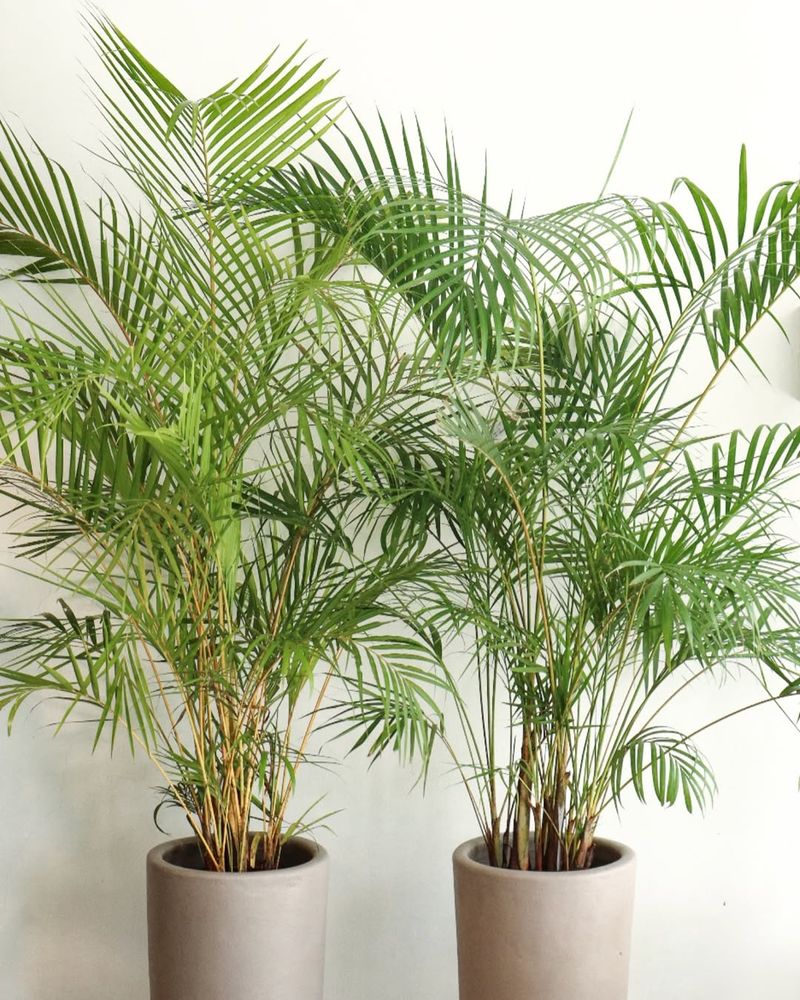
Areca palms are often recommended for sleeping spaces because their large, feathery fronds release significant amounts of moisture into the air through transpiration.
That humidity boost can make a real difference in winter-heated Michigan homes where dry air causes discomfort and respiratory irritation.
While areca palms have not been as widely studied for air purification as some other plants, their size and leaf surface area mean they interact with indoor air in meaningful ways.
They need brighter light than many houseplants, so place them near a window where they get several hours of indirect sun each day.
Areca palms grow tall and wide, so they work best in spacious bedrooms with room to accommodate their size.
Water when the top inch of soil dries out, and reduce watering frequency in winter when growth slows.
They appreciate consistent moisture but do not tolerate soggy soil, which can lead to root rot and yellowing fronds.
Areca palms do not need fertilizer during the cold months, and they prefer stable indoor temperatures without cold drafts.
Their tropical appearance brings a vacation vibe to Michigan bedrooms, and their graceful fronds sway gently with air movement, adding a sense of calm to sleeping spaces.
With adequate light and regular watering, areca palms thrive indoors and keep your bedroom air more comfortable all winter long.
12. Chinese Evergreen (Aglaonema Species)
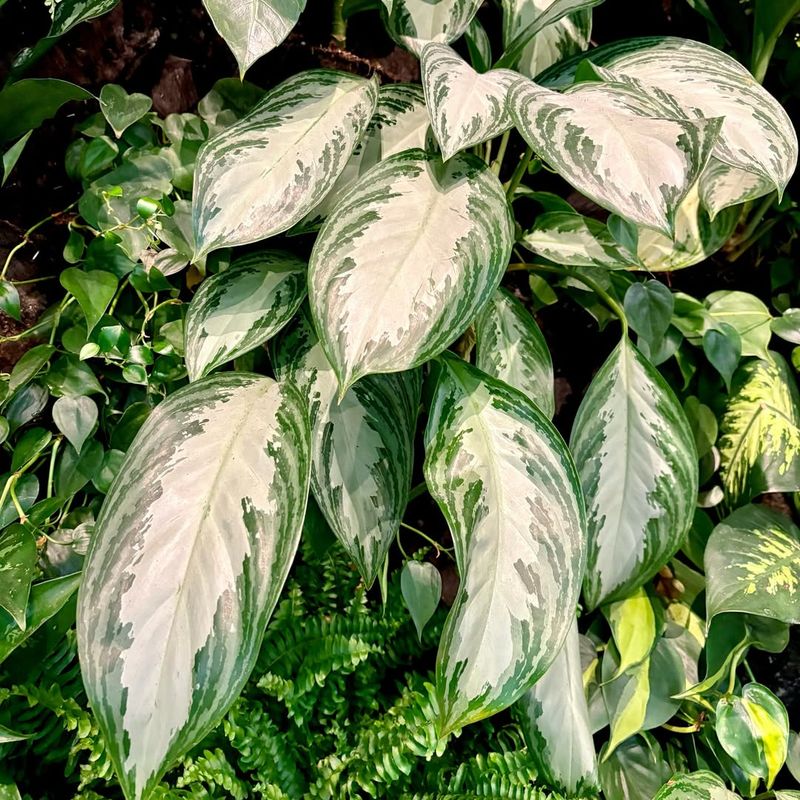
Chinese evergreens tolerate low light and stable indoor temperatures during Michigan winters better than many tropical houseplants.
Their colorful, patterned leaves add visual interest to bedrooms even when natural light is scarce and days feel endlessly gray.
Research has documented Chinese evergreens absorbing formaldehyde and benzene in controlled lab settings, though real-world impact depends on plant size, room ventilation, and pollutant levels.
They grow slowly and stay compact, making them perfect for dressers, shelves, or nightstands where space is limited.
Chinese evergreens prefer consistent moisture, so water when the top inch of soil feels dry and avoid letting the soil dry out completely.
They tolerate lower light levels but produce more vibrant leaf patterns when given brighter, indirect light.
Chinese evergreens do not need fertilizer during winter, and they appreciate stable indoor temperatures without sudden changes or cold drafts.
Their low-maintenance nature makes them ideal for anyone who wants a splash of color in the bedroom without a lot of fuss.
Varieties range from deep green to pink, red, and silver, so you can choose one that matches your bedroom decor.
Wipe the leaves down every few weeks to remove dust and help the plant breathe, and trim off any yellowing leaves to keep it looking tidy.