A Snow White Mushroom Is Appearing In Oregon Gardens And What Researchers Say About It
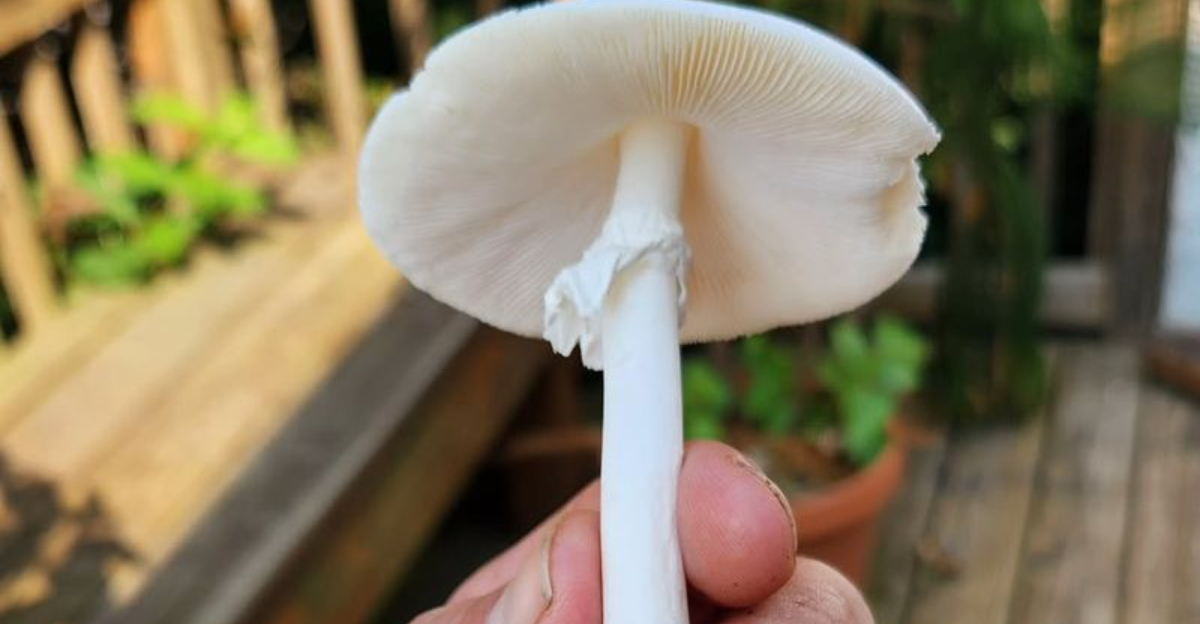
Oregon gardeners are spotting something unusual: bright white mushrooms popping up seemingly overnight.
Their clean, snow-like appearance sparks curiosity—and concern.
Researchers say these fungi are often tied to soil conditions and organic matter, not danger.
In many cases, they signal active, healthy soil breaking down material below the surface.
While unfamiliar fungi can look alarming, most are harmless and temporary.
Understanding what they indicate helps gardeners decide whether to act—or simply observe.
Sometimes, strange appearances are signs of balance, not trouble.
It Is Often A “Destroying Angel” Amanita (Amanita Ocreata Or Related Species)
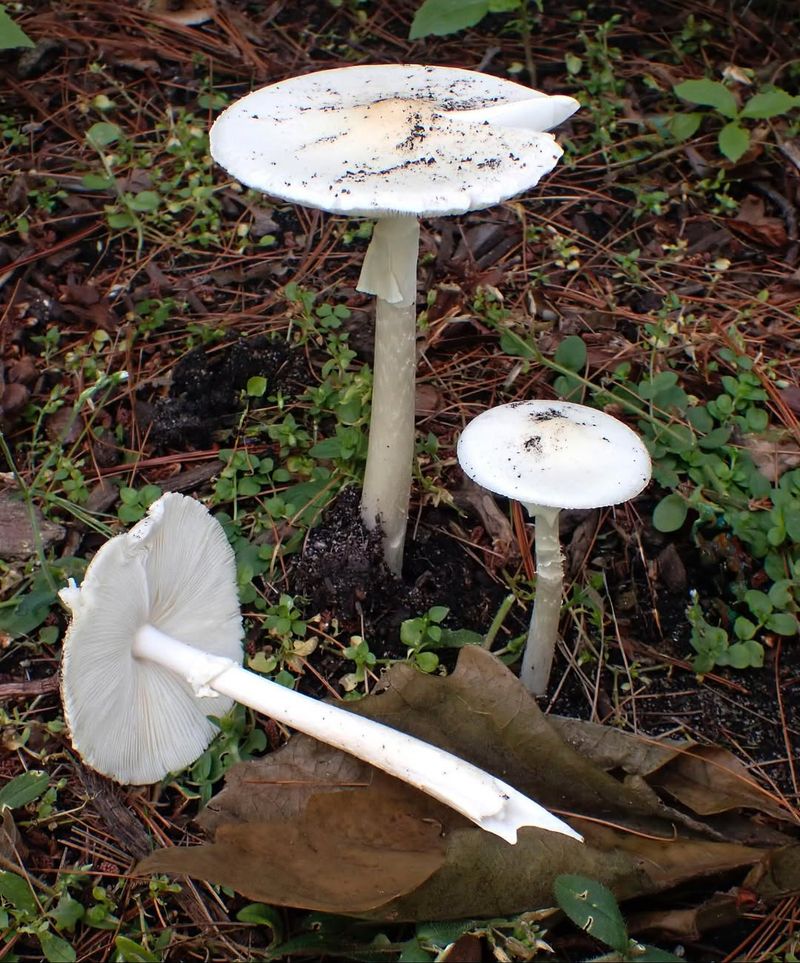
Many of the snow-white mushrooms appearing in Oregon gardens belong to a group called destroying angel Amanitas, according to mycologists and poison control experts.
These native fungi include species like Amanita ocreata and related varieties that thrive in the Pacific Northwest.
Researchers emphasize that these mushrooms contain some of the most potent natural toxins known to science.
What makes them particularly concerning is their innocent appearance—pure white, elegant, and easily mistaken for edible varieties by inexperienced foragers.
Positive identification is absolutely critical because even a small taste can lead to serious health consequences.
Experts recommend never attempting to identify wild mushrooms based on photos or descriptions alone.
Instead, consulting with a trained mycologist or contacting a local poison control center is the safest approach.
Oregon State University Extension and local mushroom clubs offer resources for homeowners who want to learn more.
The destroying angel name comes from the mushroom’s angelic white color combined with its dangerous nature.
Understanding what you’re looking at in your yard can make all the difference in keeping your household safe.
The All-White Color Is A Major Warning Sign
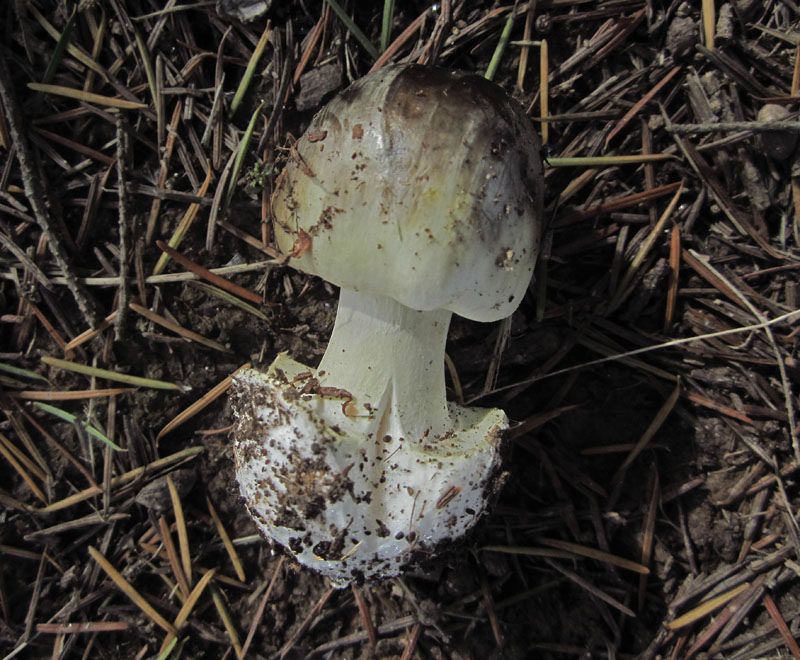
Researchers consistently warn that mushrooms with completely white caps, gills, and stems should be treated with extreme caution.
This uniform coloring is one of the key identification features of destroying angel species.
While not every white mushroom is dangerous, the all-white appearance is common enough among toxic varieties that it serves as a crucial warning signal.
Color alone should never be used to determine whether a mushroom is safe to eat.
Many people mistakenly believe that bright colors indicate danger while plain colors mean safety, but this is a dangerous myth.
Some of the most toxic mushrooms in the world are pale, white, or brown—colors that seem harmless.
Oregon poison control centers report cases every year where people assume a white mushroom is safe because it looks plain or ordinary.
Mycologists stress that edibility cannot be determined by appearance, smell, or even taste tests.
Even experienced foragers use spore prints, microscopic analysis, and chemical tests to confirm species.
For homeowners, the safest rule is simple: if a mushroom is pure white and you didn’t plant it, leave it alone and keep others away from it.
They Commonly Appear After Fall Or Winter Rains
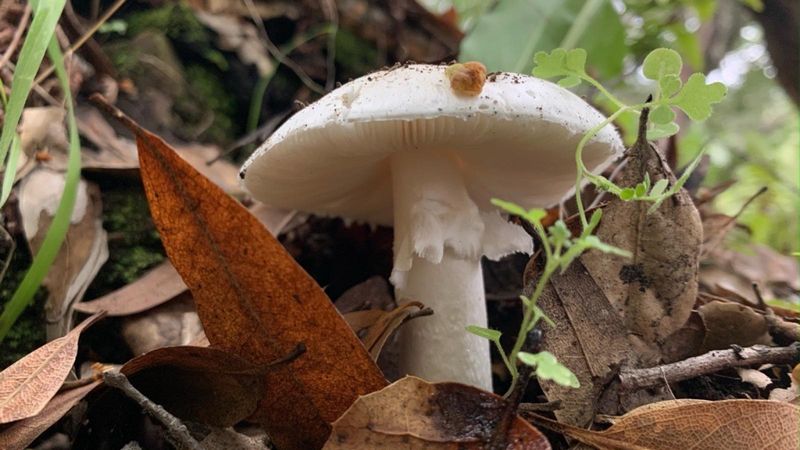
Oregon’s wet fall and winter months create perfect conditions for Amanita mushrooms to fruit and appear above ground.
Your Oregon Garden Changes Every Week. Your Plan Should Too.
Gardening in Oregon changes quickly throughout the season. Every Friday you’ll receive a simple weekly plan showing exactly what to plant, prune, fertilize, harvest, and protect so you never miss the right timing.
These fungi live underground year-round as a network of threads called mycelium, but they only produce visible mushrooms when conditions are right.
Heavy rains, mild temperatures, and moist soil trigger the mushroom to emerge, often overnight.
Homeowners frequently report finding these mushrooms after a series of rainy days, especially in irrigated lawns, mulched garden beds, and along the edges of flower beds.
The mushrooms can appear suddenly and in clusters, which can be alarming for people unfamiliar with fungi.
Researchers explain that this seasonal pattern is completely natural and tied to the fungus’s reproductive cycle.
The mushroom itself is just the fruiting body—similar to an apple on a tree—designed to release spores into the environment.
Once the weather dries out or temperatures drop, the mushrooms may shrivel and disappear, but the fungus remains alive underground.
Oregon’s climate, with its long wet season, makes the state particularly hospitable to Amanita species.
Understanding this seasonal pattern helps homeowners anticipate when to be extra vigilant about checking their yards.
They Grow In Lawns And Gardens Because They’re Mycorrhizal
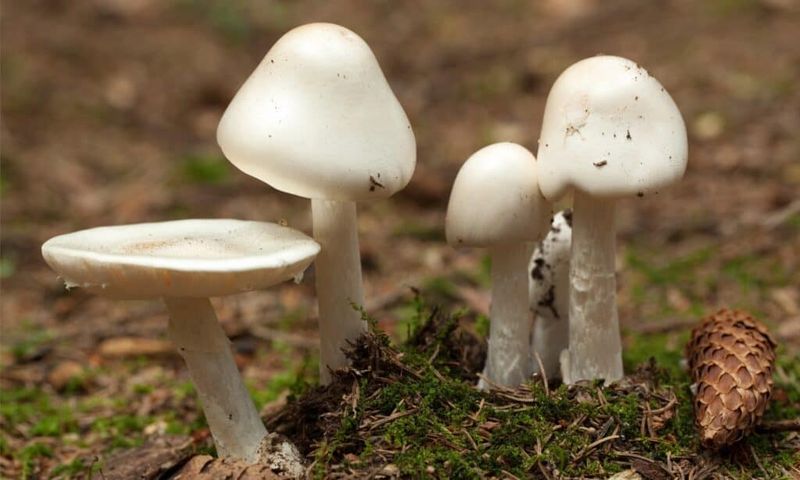
One reason these mushrooms appear in yards is because they form partnerships with tree roots, a relationship called mycorrhizal symbiosis.
The fungus connects to the roots of trees like oaks, firs, pines, and many ornamental species commonly planted in Oregon landscapes.
Through this partnership, the fungus helps the tree absorb water and nutrients from the soil, while the tree provides the fungus with sugars from photosynthesis.
This means the mushroom can pop up anywhere the tree’s roots extend, which may be far from the trunk itself.
Homeowners are often surprised to find mushrooms in the middle of their lawn, not realizing that tree roots can spread widely underground.
Researchers note that these fungal networks can be quite large, sometimes covering entire yards or even connecting multiple trees.
Because the fungus is beneficial to the tree, removing the mushroom won’t harm the partnership—the underground network remains intact.
Oregon’s abundant rainfall and diverse tree species make it an ideal environment for mycorrhizal fungi to thrive.
If you have mature trees in or near your yard, it’s not unusual to see mushrooms appear seasonally.
Recognizing this connection helps explain why these mushrooms keep coming back year after year.
They Are Not A Sign Of Poor Soil Or Disease
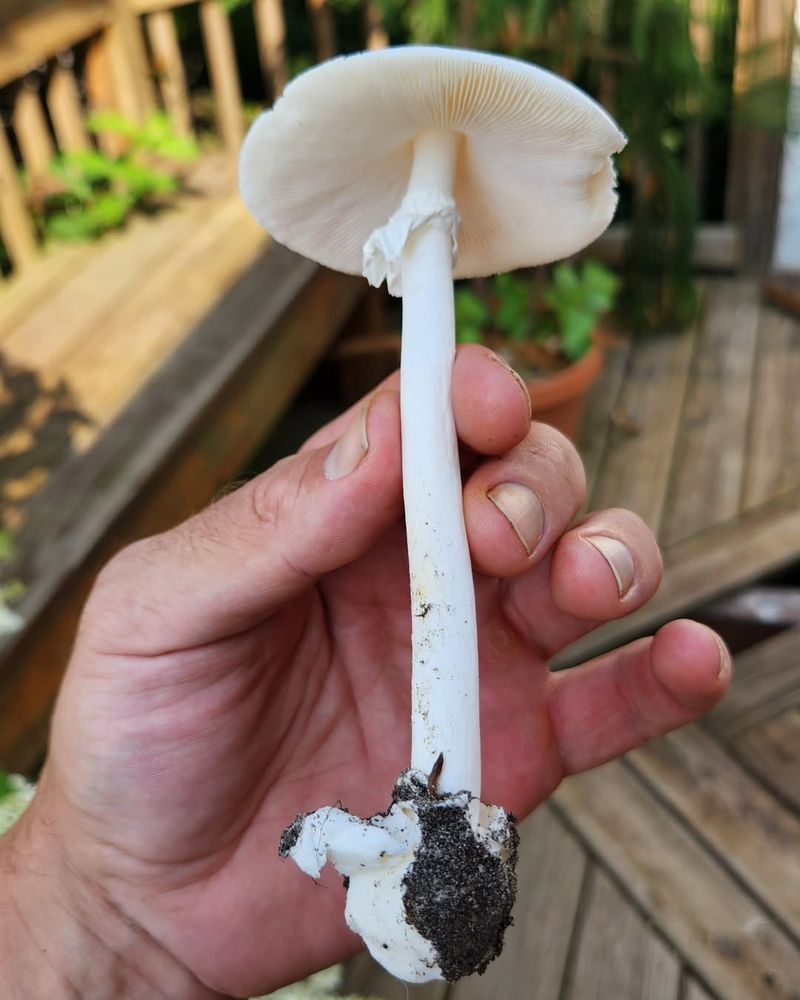
Contrary to what some homeowners fear, the presence of these mushrooms is not an indication of contaminated soil or plant illness.
Researchers and soil scientists actually view mushrooms as a sign of active, healthy soil biology.
Fungi play essential roles in breaking down organic matter, cycling nutrients, and supporting plant health.
The appearance of mushrooms means that your soil has enough organic material and moisture to sustain complex life forms.
In fact, many gardeners and landscapers consider fungal activity a positive indicator of soil quality.
The mushrooms themselves are not feeding on your plants or causing any harm to your garden beds.
They are simply the visible part of a much larger organism living peacefully in the soil.
Oregon State University Extension advises that mushroom presence should not be treated as a pest problem requiring chemical intervention.
Healthy ecosystems include fungi, bacteria, insects, and other organisms working together.
While the mushrooms may be unwanted for safety reasons, their appearance is not a sign that something is wrong with your yard.
Understanding this can help homeowners feel less alarmed and more informed about managing their outdoor spaces responsibly and sustainably.
Ingestion Can Be Fatal Even In Small Amounts
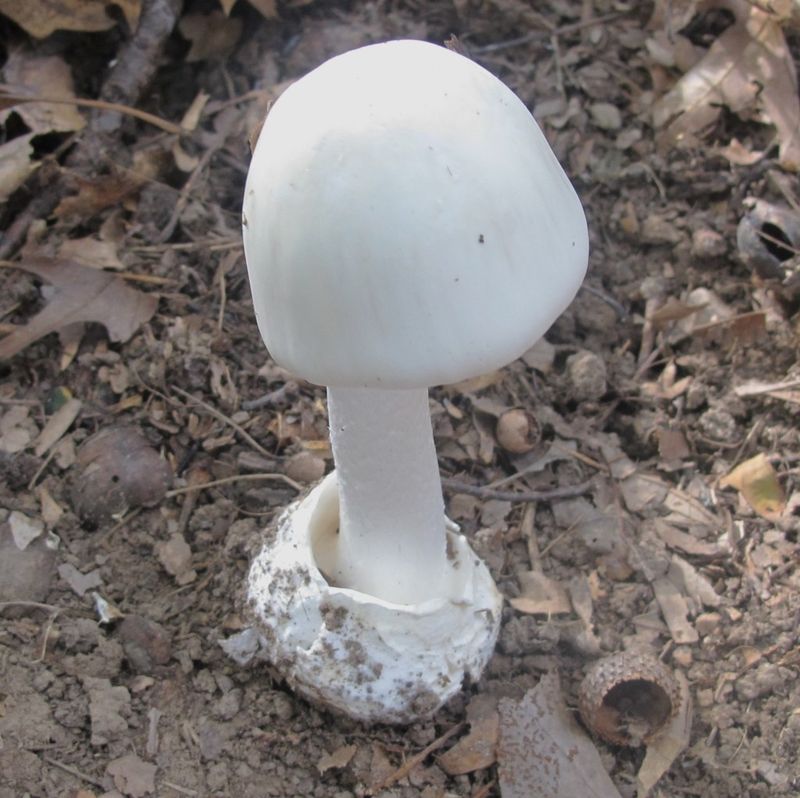
Researchers and toxicologists emphasize that destroying angel mushrooms contain amatoxins, which are among the most lethal natural poisons known.
Even a small bite—sometimes just a single mushroom—can deliver a harmful dose.
What makes these toxins especially dangerous is that symptoms do not appear immediately.
A person may feel fine for six to twelve hours after ingestion, leading them to believe nothing is wrong.
By the time symptoms like nausea, vomiting, and abdominal pain begin, the toxins have already started causing severe liver and kidney damage.
There is no antidote for amatoxin poisoning, and treatment involves intensive supportive care in a hospital setting.
Oregon poison control centers report that even with medical intervention, outcomes can be serious.
The delayed onset of symptoms is particularly troubling because it gives a false sense of security.
Researchers stress that there is no safe amount of destroying angel mushroom to consume.
Cooking, drying, or freezing does not reduce the toxicity.
Because of these facts, experts urge extreme caution and recommend that anyone who suspects ingestion seek emergency medical attention immediately, even if they feel fine at the moment.
Pets And Children Are The Primary Concern
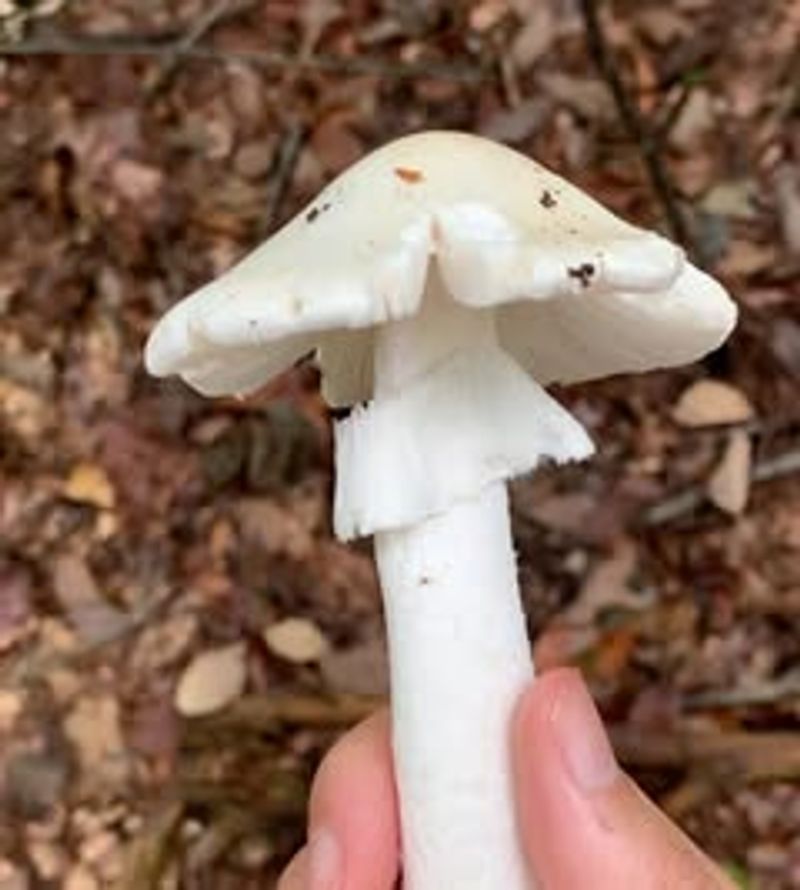
Oregon extension services and veterinarians highlight that pets and young children are the most vulnerable to accidental mushroom ingestion.
Dogs, in particular, may chew or eat mushrooms out of curiosity while playing in the yard.
Cats are generally more cautious, but young kittens or curious pets may still investigate.
Children, especially toddlers, explore the world by touching and tasting, making any toxic mushroom a serious hazard.
Experts emphasize that casual contact—such as touching a mushroom—is not dangerous.
The toxins must be ingested to cause harm.
However, because young children may put their hands in their mouths, it’s wise to supervise outdoor play and wash hands after gardening.
For households with pets or small children, researchers recommend promptly removing any mushrooms that appear in the yard.
Wearing gloves and placing the mushrooms in a sealed bag before disposal prevents accidental contact or ingestion.
It’s also helpful to teach children early on never to touch or taste wild mushrooms.
Oregon veterinarians advise pet owners to monitor their animals closely during mushroom season and contact a vet immediately if ingestion is suspected.
Quick action can make a significant difference in outcomes.
Removal Does Not Eliminate The Fungus
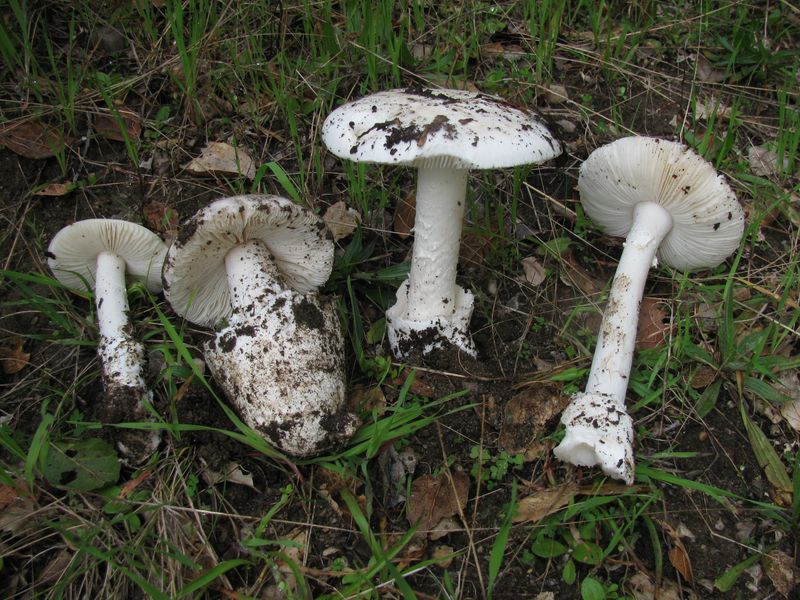
Picking or mowing down mushrooms only removes the visible fruiting body, not the fungus itself.
The actual organism lives underground as a network of thread-like structures called mycelium, which can span large areas.
Researchers explain that removing mushrooms is like picking apples from a tree—the tree remains alive and will produce more fruit.
Similarly, the fungus will continue to live in the soil and may produce more mushrooms when conditions are favorable.
This is why homeowners often see mushrooms reappear in the same spots year after year.
While removal doesn’t eliminate the fungus, it does reduce the immediate risk of accidental ingestion by children or pets.
Experts recommend regular yard checks during wet seasons and prompt removal of any mushrooms that appear.
Some people try to dig out the mycelium, but this is rarely effective and can damage plant roots and soil structure.
Fungicides are not recommended because they can harm beneficial soil organisms and are often ineffective against established fungi.
The best approach is to accept that the fungus is a natural part of the ecosystem and focus on managing the visible mushrooms.
Understanding this helps set realistic expectations and prevents frustration over recurring mushroom growth.
Lookalikes Can Confuse Gardeners
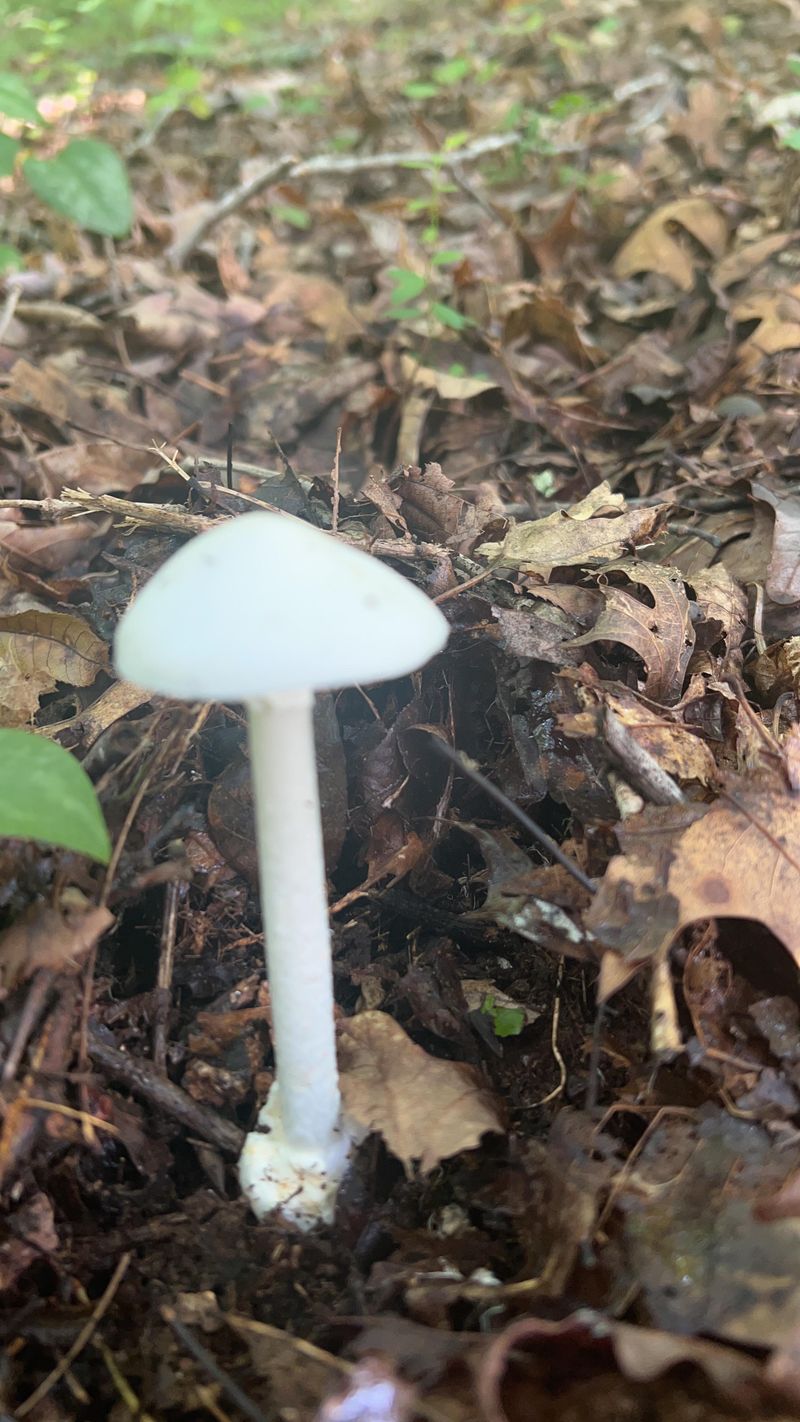
One of the challenges researchers highlight is that several non-toxic white mushrooms can resemble dangerous Amanitas.
Species like meadow mushrooms, parasol mushrooms, and certain puffballs may appear similar to the untrained eye.
Even experienced mushroom hunters use detailed identification keys, spore prints, and sometimes microscopic examination to tell species apart.
Visual comparison alone is never reliable, especially when relying on photos or descriptions from books or websites.
Lighting, growth stage, and environmental conditions can all affect a mushroom’s appearance.
Young Amanitas may have different features than mature ones, adding another layer of complexity.
Researchers strongly advise against using identification apps or online forums as the sole method of determining whether a mushroom is safe.
Mistakes can have serious consequences, and even small differences in features can indicate completely different species.
Oregon mushroom clubs and mycological societies offer workshops and forays where people can learn proper identification techniques under expert guidance.
For homeowners who simply want to keep their yards safe, the best policy is to treat all unidentified mushrooms as potentially dangerous.
When in doubt, remove and dispose of the mushroom safely, and never taste or consume any wild mushroom without expert confirmation.
Researchers Recommend Observation, Not Panic
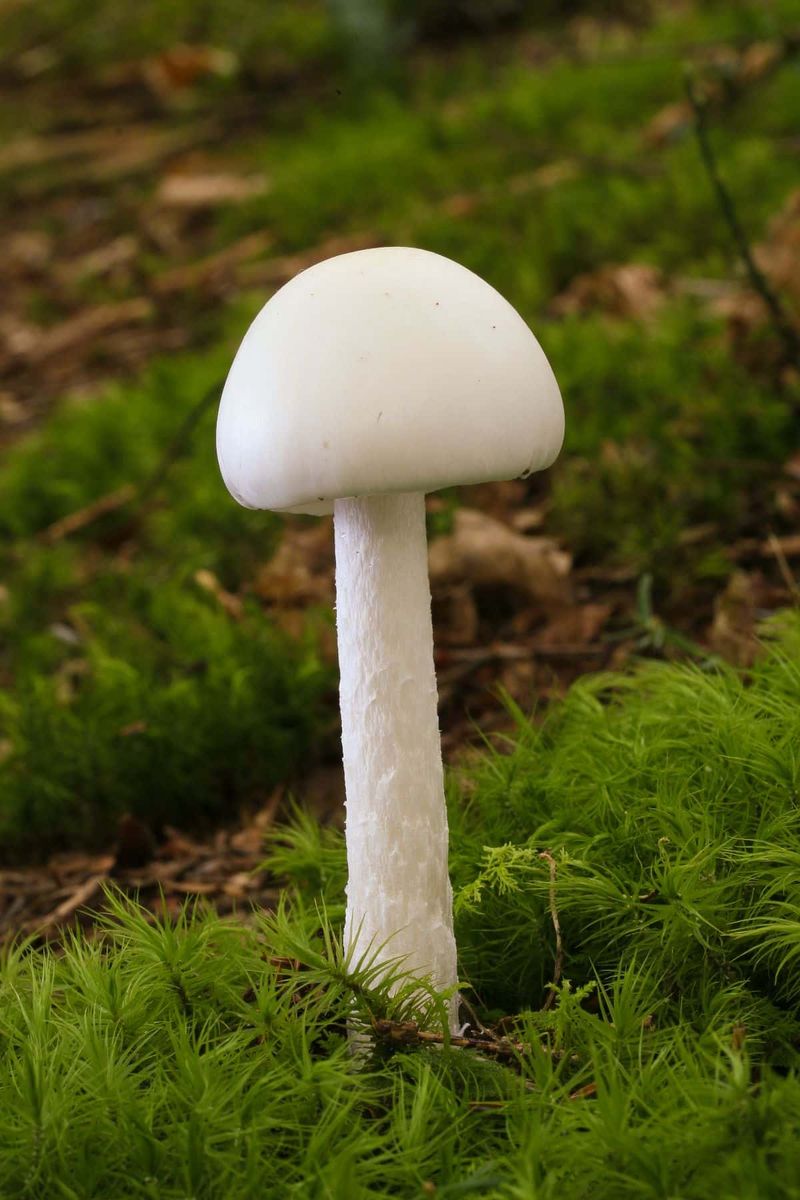
Experts emphasize that finding these mushrooms in your yard is not cause for alarm, but rather an opportunity for education and careful management.
Panic or overreaction—such as applying harsh chemicals or disrupting the soil—can do more harm than good.
Researchers encourage homeowners to take a calm, informed approach: identify what you’re dealing with, remove mushrooms if necessary, and educate family members about safety.
Chemical treatments are generally ineffective against fungi and can harm beneficial organisms in the soil.
Soil disruption can damage plant roots and upset the natural balance of the ecosystem.
Instead, focus on regular monitoring during wet seasons and prompt removal of any mushrooms that appear.
Oregon State University Extension and local poison control centers offer free resources and consultations for concerned homeowners.
Taking photos and reaching out to experts can provide peace of mind and accurate information.
Researchers also recommend using the presence of mushrooms as a teaching moment for children, helping them understand the importance of not touching or eating wild plants and fungi.
By staying informed and taking sensible precautions, homeowners can coexist safely with the natural fungi in their yards.
Remember, these mushrooms are part of Oregon’s native ecosystem and play important ecological roles, even if they require careful management around homes.