Common Yard Features That Could Soon Be Outlawed Across Louisiana
Louisiana yards are changing as environmental concerns and safety regulations tighten.
Features once considered standard are now under scrutiny for water use, storm impact, and wildlife conflicts.
From decorative elements to structural additions, regulations aim to reduce long-term risks.
Homeowners often don’t realize their yard includes features that could soon face restrictions.
Staying informed now allows Louisiana residents to adapt gradually instead of scrambling later.
Because when rules change, compliance isn’t optional.
Open Yard Burning Of Leaves And Yard Waste
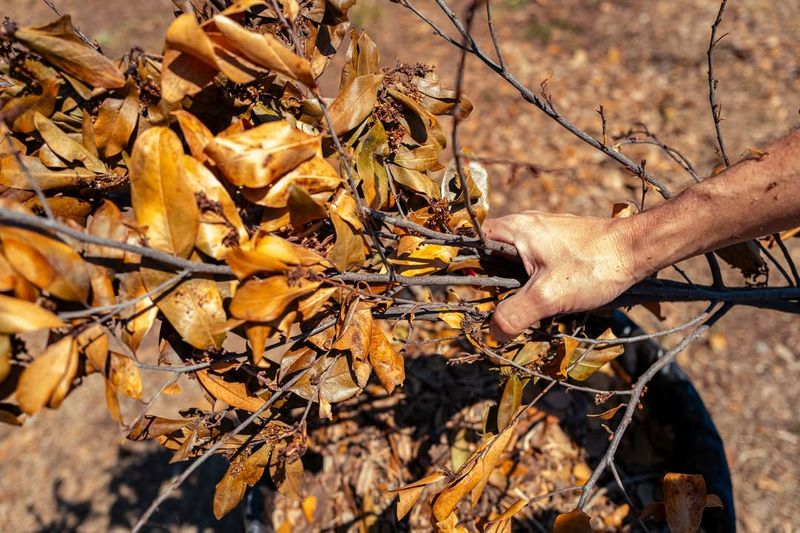
Burning leaves and yard debris in your backyard might seem like an easy cleanup solution, but Louisiana’s environmental regulations are making this practice increasingly restricted.
The Louisiana Environmental Regulatory Code broadly prohibits open burning of waste materials, and local ordinances across the state have added even stricter rules.
While state law does permit limited burning of yard debris in some rural parishes, urban and suburban municipalities are cracking down hard on this old-fashioned practice.
Air quality concerns drive much of this regulatory push.
When you burn leaves, grass clippings, and branches, you release harmful particulates and pollutants into the air that affect your neighbors and contribute to regional smog.
Fire safety is another major concern, especially during Louisiana’s dry seasons when fire danger ratings climb.
Many cities like Baton Rouge and New Orleans have enacted complete bans on residential yard waste burning.
Violators can face fines ranging from $100 to $500 or more for each offense.
Instead, municipalities encourage composting, mulching, or using curbside yard waste collection services.
Check your local ordinances before striking that match, because what was acceptable on your grandfather’s property might now land you in legal trouble.
Yard Features That Increase Stormwater Pollution

Blowing grass clippings and leaves into the street might save you a few minutes of cleanup time, but it’s becoming an illegal practice across Louisiana.
Stormwater ordinances in cities like Lafayette now classify yard debris in streets and storm drains as an illicit discharge, subject to fines and mandatory removal requirements.
This isn’t just about keeping streets tidy—it’s about protecting Louisiana’s already vulnerable waterways from nutrient pollution.
When organic yard waste washes into storm drains, it doesn’t go to a treatment facility.
Instead, it flows directly into bayous, rivers, and eventually the Gulf of Mexico.
As this debris decomposes, it releases excess nitrogen and phosphorus that fuel harmful algae blooms and create oxygen-depleted dead zones.
Local enforcement officers are increasingly patrolling neighborhoods after lawn service days, issuing citations to homeowners and landscaping companies that blow debris into public rights-of-way.
Fines typically start around $150 but can escalate with repeated violations.
The solution is simple: blow clippings back onto your lawn where they act as natural fertilizer, bag them for collection, or compost them properly.
Your waterways will thank you, and your wallet will too.
Gas-Powered Leaf Blowers

That roaring gas-powered leaf blower might be powerful, but it’s also becoming controversial in Louisiana communities.
Municipal governments across the state are discussing or implementing restrictions on these noisy, emissions-heavy tools.
Your Louisiana Garden Changes Every Week. Your Plan Should Too.
Gardening in Louisiana changes quickly throughout the season. Every Friday you’ll receive a simple weekly plan showing exactly what to plant, prune, fertilize, harvest, and protect so you never miss the right timing.
Some cities have already limited the hours when gas blowers can operate, while others are considering outright bans in favor of electric alternatives.
The complaints are twofold: noise pollution and air quality.
A typical gas leaf blower produces sound levels around 70–75 decibels, comparable to highway traffic or a vacuum cleaner running inches from your ear.
When multiple landscaping crews work in a neighborhood simultaneously, the cumulative noise becomes unbearable for residents working from home or caring for young children.
Emission concerns are equally serious—one hour of gas blower operation can produce as much smog-forming pollution as driving a modern car for over 100 miles.
Communities throughout Louisiana are following national trends by restricting gas blowers to certain hours, typically 8 AM to 6 PM on weekdays, or banning them entirely on weekends.
Professional landscapers are being encouraged to switch to battery-powered models, which have improved dramatically in recent years.
Homeowners should check local ordinances before purchasing new equipment, as the regulatory landscape is shifting rapidly.
Unpermitted Outdoor Fire Pits And Bonfires
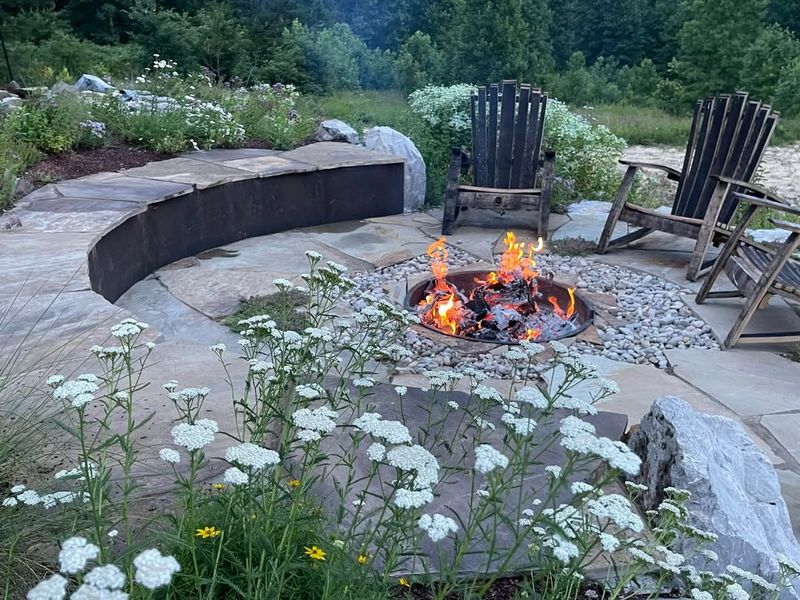
Backyard fire pits create wonderful gathering spaces, but they’re increasingly regulated or prohibited under Louisiana’s local fire codes and burn bans.
What seems like harmless outdoor entertainment can quickly become a safety hazard and air quality concern, especially in densely populated neighborhoods.
Many municipalities now require permits for permanent fire features and impose strict rules on when and how you can use them.
Local fire codes typically specify minimum distances from structures, property lines, and overhanging vegetation.
Most Louisiana cities require fire pits to be at least 10–25 feet from any building and prohibit open flames during high wind conditions or drought periods.
Seasonal burn bans are common during dry months, and violations can result in fines starting at $200 or more.
Some homeowners associations have banned fire pits entirely, citing smoke complaints and liability concerns.
Even where allowed, fire pits must often meet specific construction standards.
Portable units may be prohibited in favor of permanent, contained designs with spark screens.
Natural gas or propane fire features typically face fewer restrictions than wood-burning options because they produce less smoke and particulate matter.
Before installing that cozy fire feature, contact your local fire marshal and review your HOA covenants to ensure compliance with all applicable regulations.
Invasive Landscaping Plants In Public Or HOA-Regulated Spaces
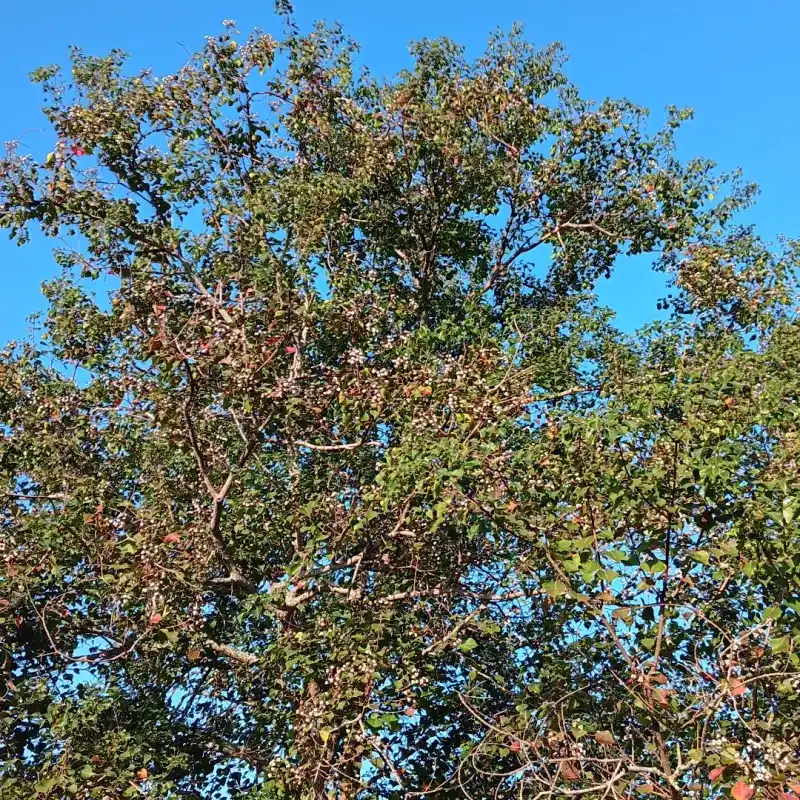
Beautiful doesn’t always mean beneficial when it comes to landscaping plants.
Louisiana conservation authorities and local landscape codes are increasingly targeting invasive species that threaten native ecosystems.
Some cities now discourage or outright ban certain ornamental plants in front yards, public easements, and HOA-managed common areas.
Popular landscaping choices like Chinese tallow trees, Japanese climbing fern, and water hyacinth are now recognized as ecological threats in Louisiana.
These aggressive plants escape cultivation, spread rapidly into natural areas, and outcompete native species that wildlife depends on.
Once established, invasive plants can reduce property values, increase maintenance costs, and damage infrastructure with aggressive root systems.
State and local conservation plans increasingly include invasive plant management strategies.
Some municipalities have created prohibited plant lists for new landscaping projects.
HOAs are updating their architectural guidelines to exclude invasive species from approved planting palettes.
Homeowners with existing invasive plants may be required to remove them during property sales or major renovations.
The Louisiana Department of Wildlife and Fisheries maintains updated lists of invasive species to avoid.
Choosing native alternatives not only keeps you compliant with emerging regulations but also reduces maintenance, conserves water, and supports local pollinators and songbirds that make Louisiana yards so vibrant.
Unshielded Or Excessively Bright Outdoor Lighting
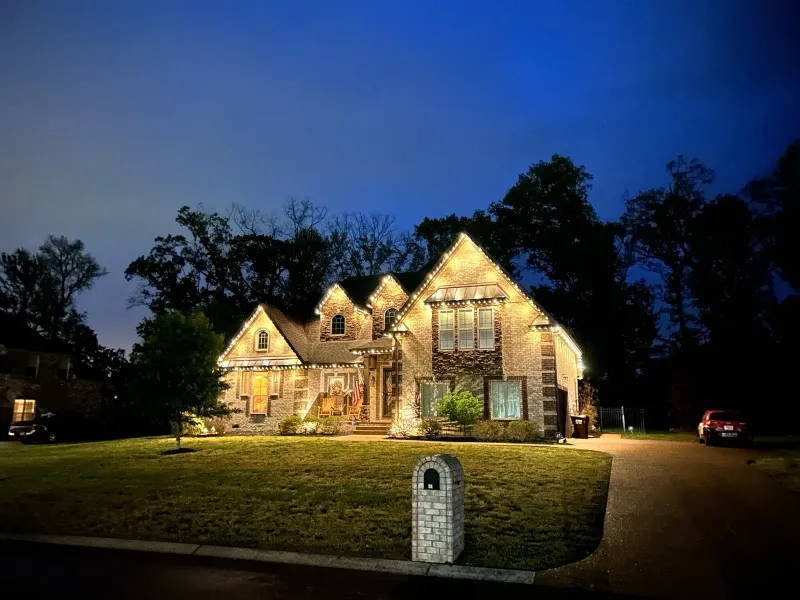
Security lighting serves an important purpose, but excessively bright or poorly aimed fixtures are becoming targets of new dark-sky ordinances in Louisiana municipalities.
Light pollution affects more than just stargazing—it disrupts wildlife, interferes with neighbors’ sleep, and wastes energy.
Progressive cities across the state are adopting regulations that limit glare, brightness, and light trespass from residential properties.
Unshielded floodlights that spray light in all directions are the primary concern.
These fixtures send light upward into the sky and sideways onto neighboring properties rather than directing illumination downward where it’s actually needed.
The result is wasted electricity, annoyed neighbors, and disoriented wildlife, particularly during migration seasons when Louisiana serves as a critical corridor for millions of birds.
Emerging ordinances typically require outdoor lighting to be shielded, directed downward, and limited in brightness.
Brightness is often measured in lumens.
Motion sensors and timers are encouraged to reduce unnecessary illumination.
Some cities restrict the color temperature of outdoor lights, requiring warmer tones that are less disruptive to circadian rhythms.
Homeowners with bright, unshielded security lights may receive warnings from code enforcement and be required to modify or replace non-compliant fixtures.
Properly shielded, downward-facing lights actually improve security by reducing glare and shadows while keeping you on the right side of evolving regulations.
Front-Yard Vegetable Gardens In Restrictive HOAs
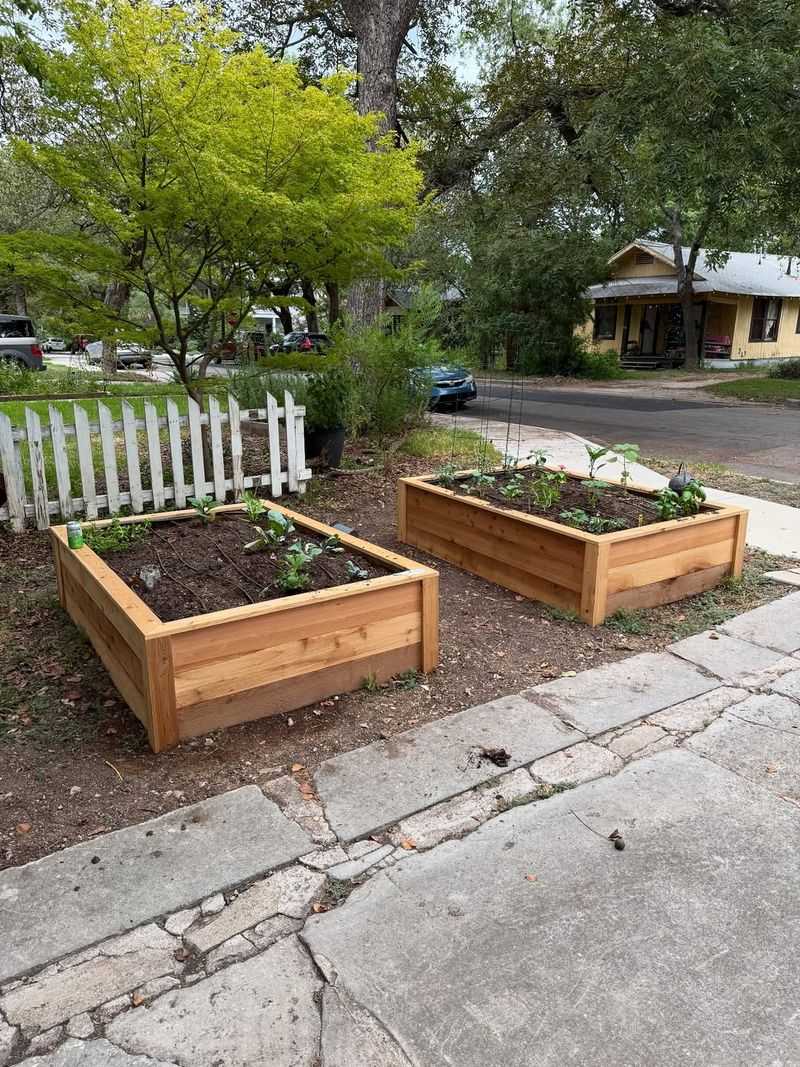
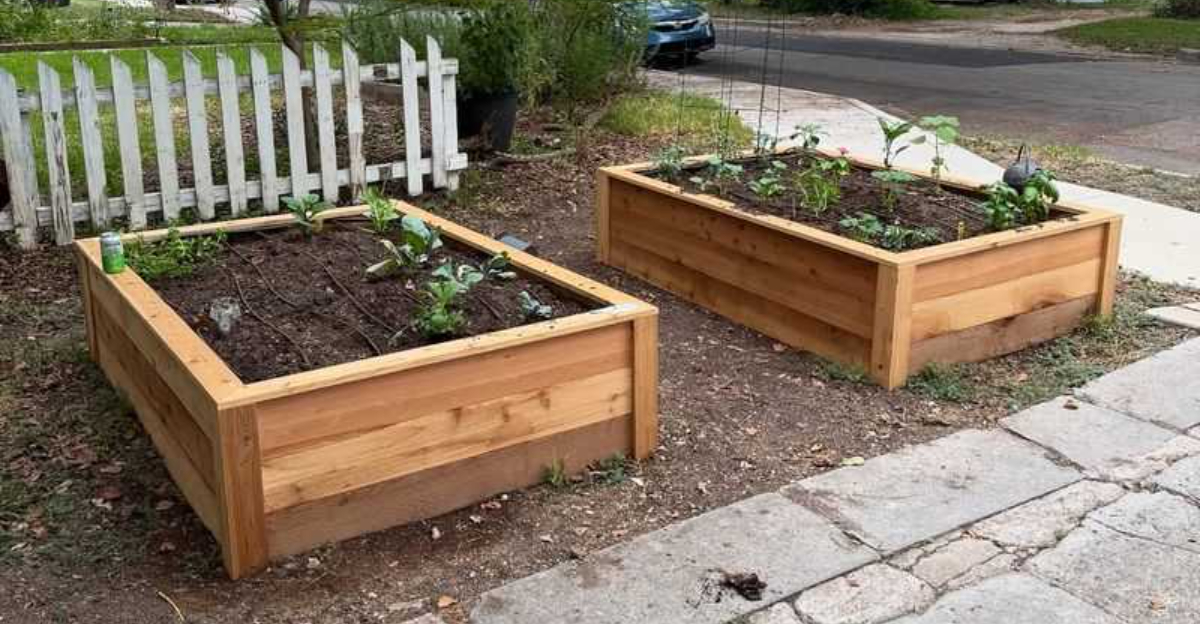
Growing your own tomatoes and peppers makes perfect sense in Louisiana’s long growing season, but front-yard vegetable gardens remain controversial in many homeowners associations.
While state law has evolved to protect homeowners’ rights to grow food, some HOAs still maintain restrictive covenants that limit edible landscaping to backyards only.
These aesthetic zoning rules reflect a traditional view that front yards should feature ornamental plants exclusively.
The conflict between food security, sustainability, and neighborhood appearance standards has sparked debates across Louisiana communities.
HOAs argue that uniform, manicured front yards protect property values and maintain community character.
Gardening advocates counter that well-designed vegetable beds can be just as attractive as flower gardens while providing fresh, healthy food.
Some Louisiana municipalities have passed ordinances protecting homeowners’ rights to vegetable gardens regardless of HOA rules, but these protections aren’t universal.
HOAs that haven’t updated their covenants may still enforce bans on front-yard food production, raised beds, and informal garden structures.
Violations can result in fines, liens, or even forced removal of garden beds.
Before planting that front-yard vegetable patch, carefully review your HOA covenants and consider attending board meetings to advocate for updated, garden-friendly policies.
Many communities are finding middle ground by allowing attractive, well-maintained edible landscapes that enhance rather than detract from curb appeal.
Tall Fences Without Permits
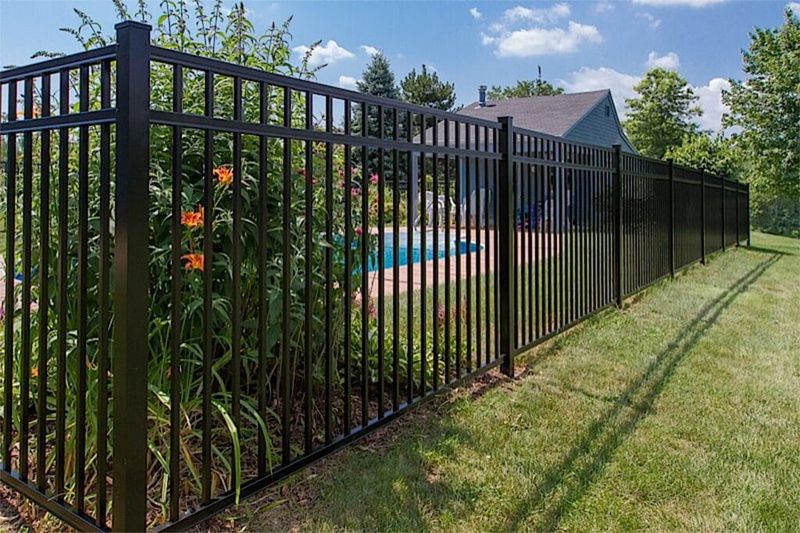
Privacy fences offer security and seclusion, but building without proper permits can lead to expensive problems in Louisiana.
Municipal codes and HOA regulations carefully control fence height, style, placement, and materials, especially in front yards and along public sidewalks.
What seems like a straightforward weekend project can result in violation notices and mandatory removal if you skip the permitting process.
Most Louisiana cities limit front-yard fences to 3–4 feet in height to maintain sight lines for traffic safety and preserve neighborhood openness.
Backyard fences typically max out at 6 feet, though some municipalities allow taller privacy fences with proper permits and setbacks from property lines.
Corner lots face additional restrictions because side yards adjacent to streets are often treated as secondary front yards with corresponding height limits.
HOAs frequently impose even stricter requirements, specifying approved materials, colors, and styles that maintain architectural consistency.
Installing a fence without HOA architectural approval can void your covenants and result in forced removal at your expense.
Permit fees are typically modest, usually $50–$150.
The approval process takes just a few weeks.
This small investment ensures your fence meets setback requirements, doesn’t encroach on utility easements, and complies with height restrictions.
Unpermitted fences discovered during property sales can delay closings and force costly last-minute modifications.
Structures Like Sheds, Gazebos, And Pergolas Without Proper Permits
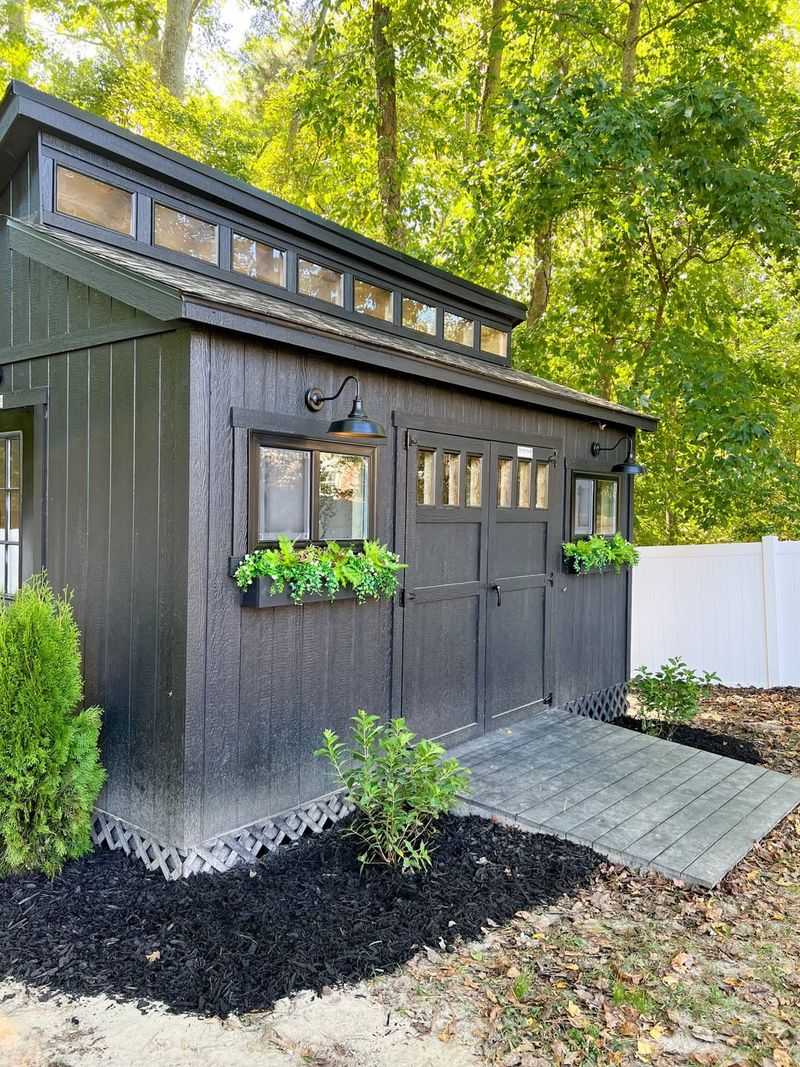
Adding a storage shed, gazebo, or pergola enhances your outdoor living space, but these structures trigger building codes and permitting requirements across Louisiana.
Local regulations govern size, placement, setbacks from property lines, and construction standards.
Unpermitted structures can be deemed code violations subject to fines or mandatory removal, regardless of how much you invested in materials and labor.
Most municipalities allow small sheds under 100–120 square feet without permits, but anything larger requires plan review and inspection.
Structures must typically sit at least 3–5 feet from property lines and comply with maximum lot coverage percentages.
Gazebos and pergolas often need permits if they include permanent footings, electrical wiring, or exceed certain height thresholds.
The permitting process protects you and your neighbors by ensuring structures won’t collapse, won’t block drainage patterns, and don’t violate utility easements.
Inspectors verify that foundations are adequate, materials are appropriate for Louisiana’s climate, and electrical work meets safety standards.
Unpermitted structures discovered during property sales create serious problems.
Title companies may require removal or after-the-fact permitting before closing.
This can potentially cost thousands in rush fees and modifications.
Some insurance policies exclude coverage for unpermitted structures, leaving you financially exposed if damage occurs.
The few hundred dollars in permit fees is a small price compared to the risk of forced removal or legal complications down the road.
Unscreened Compost Or Waste Piles That Attract Pests
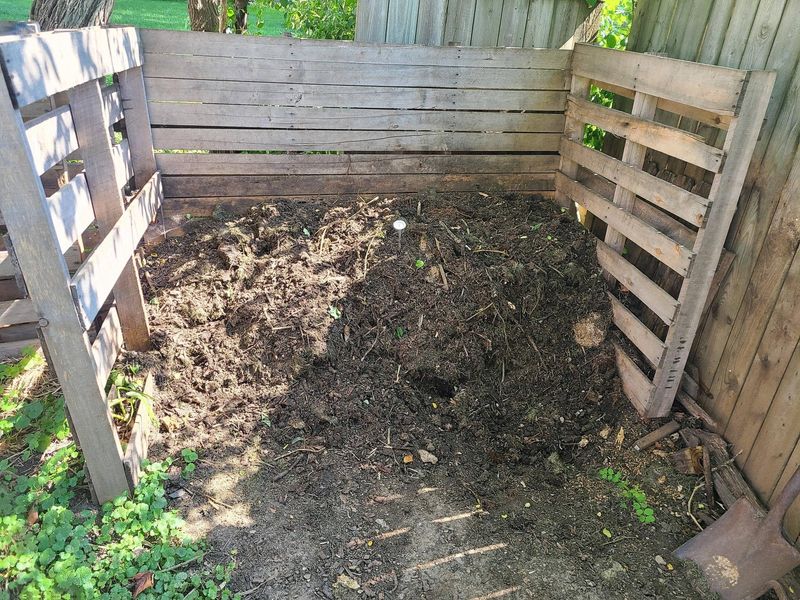
Composting reduces waste and creates rich soil amendments, but poorly managed compost piles can violate Louisiana health and nuisance ordinances.
Uncovered heaps of organic waste attract rodents, roaches, and other pests while generating odors that bother neighbors.
Cities across the state are increasingly enforcing regulations against compost operations that create public health concerns or quality-of-life impacts.
Proper composting requires the right balance of materials, adequate aeration, and appropriate containment.
Open piles of food scraps and yard waste become breeding grounds for rats, possums, and insects when not managed correctly.
Louisiana’s hot, humid climate accelerates decomposition but also intensifies odor problems and pest attraction if compost isn’t turned regularly and kept properly moist.
Municipal nuisance ordinances give code enforcement authority to require screening, relocation, or removal of problematic compost piles.
Complaints from neighbors can trigger inspections and violation notices with deadlines for compliance.
Fines typically start around $100 but increase with repeated violations or failure to remedy the situation.
The solution is using enclosed compost bins or tumblers that contain odors and exclude pests.
Position compost systems away from property lines and neighboring windows.
Avoid composting meat, dairy, and oily foods that attract animals.
Maintain proper carbon-to-nitrogen ratios and turn your pile regularly.
Well-managed composting is both legal and beneficial.
It’s the neglected, pest-attracting piles that draw regulatory attention.
Rooftop Or Backyard Tenants And Ad-Hoc Living Structures

Converting sheds, oversized outbuildings, or constructing makeshift structures for tenants violates building and zoning codes throughout Louisiana.
These unpermitted dwelling units lack proper electrical systems, plumbing, egress windows, and other safety features required for habitable spaces.
Local codes strictly prohibit ad-hoc living arrangements in structures not designed and permitted as residences.
This applies regardless of financial pressures that might make extra rental income attractive.
Backyard sheds with electrical hookups, portable buildings with beds and appliances, and garage conversions without proper permits all fall into this prohibited category.
These structures typically lack adequate insulation, heating and cooling systems, fire safety features, and sanitary facilities.
They pose serious health and safety risks to occupants while creating liability exposure for property owners.
Code enforcement officers investigate complaints about unpermitted dwelling units.
They have authority to red-tag structures, order immediate evacuation of occupants, and require removal or remediation.
Property owners face substantial fines, often $500–$1,000 per violation.
Daily penalties may apply until the situation is corrected.
Rental income from unpermitted units may also trigger tax complications and insurance policy violations.
If you need additional living space or rental income, work with licensed contractors and your local building department to properly permit accessory dwelling units where allowed.
Many Louisiana cities are updating codes to allow legal ADUs that meet safety standards, providing legitimate alternatives to risky, unpermitted backyard conversions.