11 Illegal Backyard Crops That Might Already Be Growing In Kentucky Yards
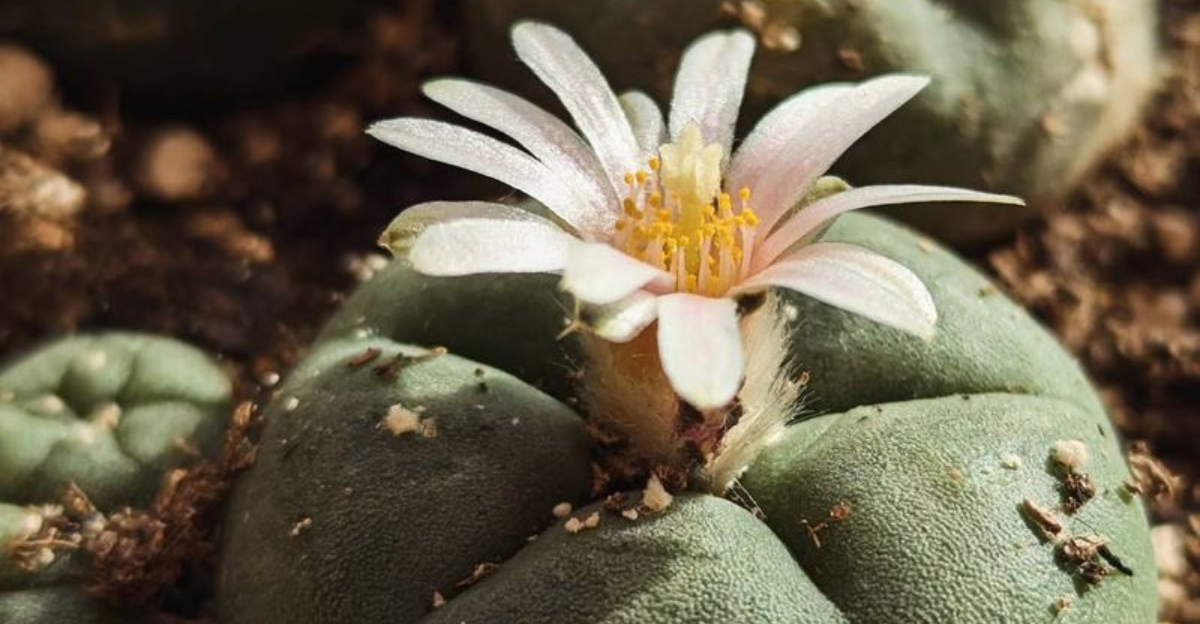
Kentucky’s rich soil and long growing season tempt gardeners to try just about anything—but not every plant belongs in a backyard garden.
In fact, some crops commonly grown by homeowners are illegal under state or federal regulations, often without people realizing it.
These banned crops aren’t restricted to exotic or obviously dangerous plants.
Some are invasive species that threaten native ecosystems, while others are regulated due to agricultural risks, controlled substances, or disease concerns.
A few may even be sold online or passed along by neighbors, adding to the confusion.
Once established, these plants can spread quickly, making removal difficult and sometimes mandatory.
Fines and enforcement actions aren’t common—but they do happen, especially when a prohibited crop affects surrounding land or agriculture.
For Kentucky gardeners, knowledge is the best defense.
Understanding which plants cross legal lines helps homeowners avoid costly mistakes and forced removals.
Sometimes the most important gardening skill isn’t knowing what to grow—but knowing what not to plant.
1. Cannabis (Marijuana) — Cannabis Sativa (Non-Hemp Varieties)
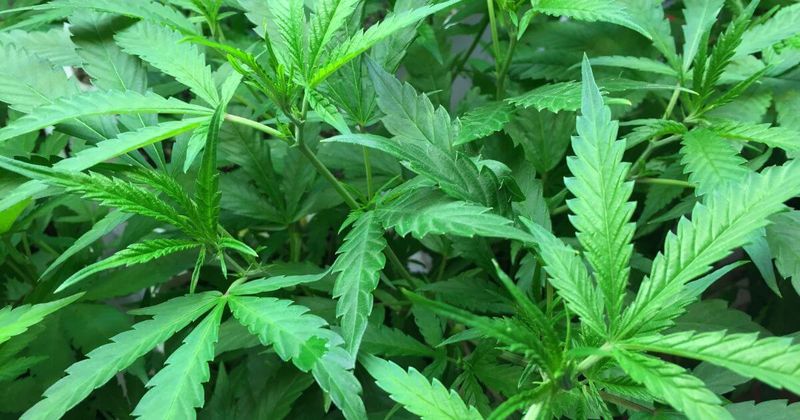
Growing marijuana plants with high THC content remains illegal for private gardeners in Kentucky, even though the state has embraced industrial hemp production.
The law draws a clear line between licensed hemp cultivation and unauthorized marijuana growing.
Hemp must contain less than 0.3% THC to be legal, while marijuana exceeds this threshold significantly.
Kentucky law treats unlicensed marijuana cultivation as a criminal offense with penalties ranging from misdemeanors to felonies depending on plant count and intent.
First-time offenders growing fewer than five plants may face misdemeanor charges, but larger operations trigger felony prosecution.
Penalties can include substantial fines, imprisonment, and a permanent criminal record.
The confusion between hemp and marijuana causes many Kentucky residents to mistakenly believe all cannabis cultivation is now permitted.
However, only licensed hemp farmers who comply with Kentucky Department of Agriculture regulations can legally grow cannabis plants.
Private backyard marijuana gardens remain strictly prohibited regardless of personal use intentions.
Law enforcement agencies can distinguish between hemp and marijuana through field testing and laboratory analysis.
Even claiming ignorance about THC levels won’t protect gardeners from prosecution if their plants test above legal limits.
2. Coca — Erythroxylum Coca
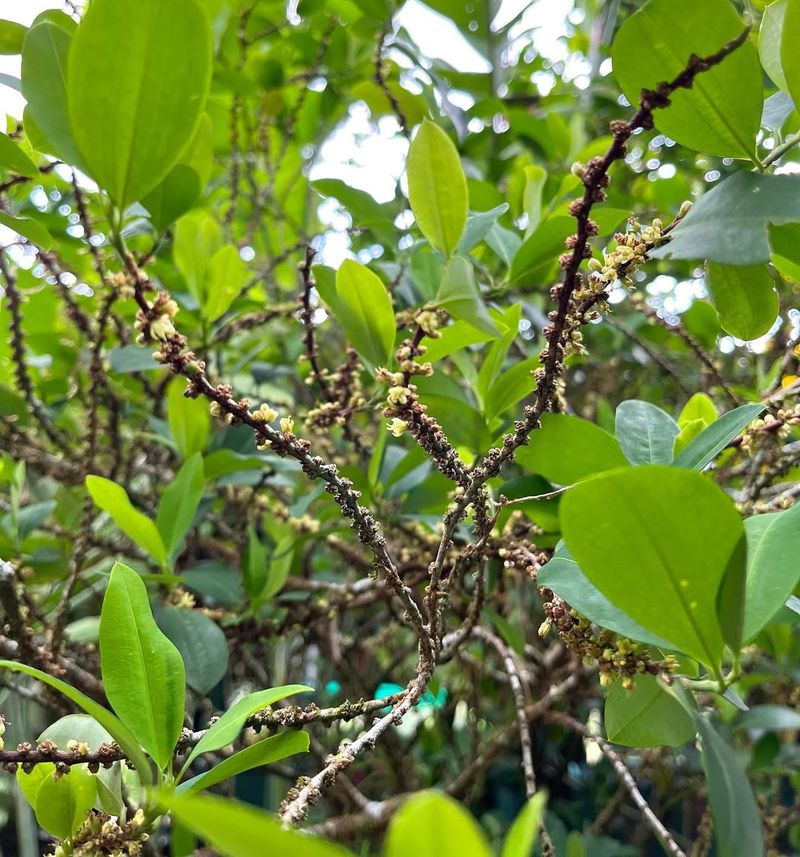
Coca plants are completely illegal to cultivate anywhere in Kentucky due to federal controlled substance laws.
This South American shrub produces leaves containing cocaine alkaloids, making it a Schedule II controlled substance under the Controlled Substances Act.
No exceptions exist for home gardening, ornamental purposes, or personal use.
The plant itself might seem innocuous to gardeners interested in exotic species, but possession and cultivation carry severe federal penalties.
Growing coca plants can result in felony charges with potential prison sentences ranging from several years to decades depending on quantity and circumstances.
Federal authorities take coca cultivation extremely seriously due to its direct connection to illegal drug production.
Some gardeners might encounter coca plants through specialty seed suppliers or exotic plant collectors without fully understanding the legal implications.
The DEA actively monitors and prosecutes coca cultivation cases, and ignorance of the law provides no defense.
Your Kentucky Garden Changes Every Week. Your Plan Should Too.
Gardening in Kentucky changes quickly throughout the season. Every Friday you’ll receive a simple weekly plan showing exactly what to plant, prune, fertilize, harvest, and protect so you never miss the right timing.
Even a single coca plant growing in your backyard constitutes a federal crime.
Kentucky residents should avoid purchasing, planting, or maintaining coca plants under any circumstances.
The risk simply isn’t worth the curiosity, as federal drug enforcement agencies maintain zero tolerance for coca cultivation outside strictly regulated pharmaceutical research facilities.
3. Opium Poppy — Papaver Somniferum
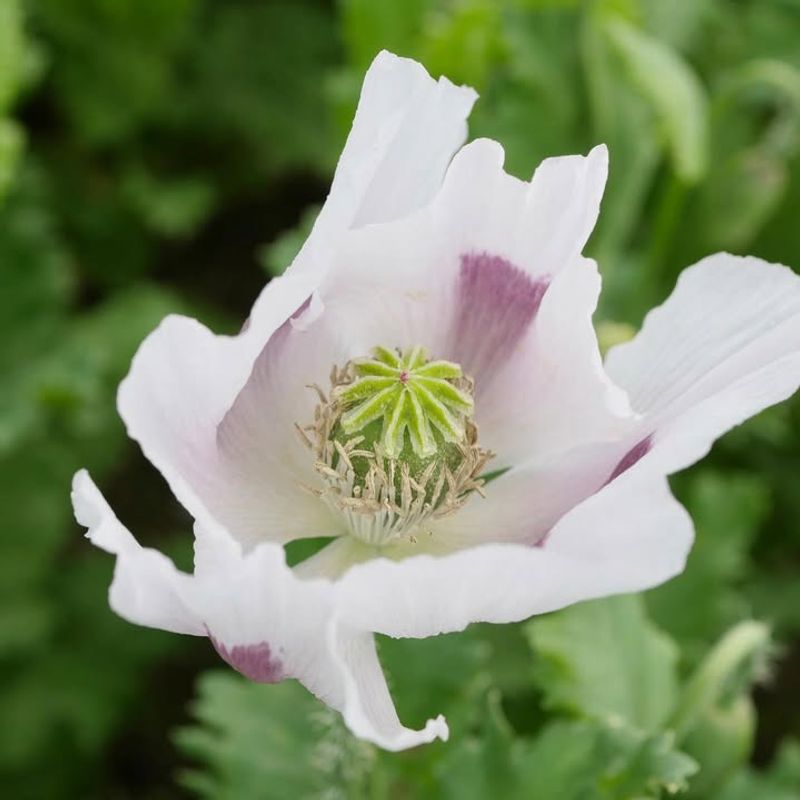
Papaver somniferum, commonly known as opium poppy, presents a legally complicated situation for Kentucky gardeners.
While many people grow ornamental poppies without realizing they’re cultivating a controlled substance, this species is illegal without proper DEA or agricultural permits.
The plant produces opium alkaloids including morphine and codeine, making it a Schedule II controlled substance.
Kentucky law enforcement can prosecute gardeners for growing opium poppies even if they claim purely ornamental intentions.
The legal ambiguity arises because some people grow these poppies for their seeds used in baking, while others may have inherited gardens containing them.
However, cultivating the plants remains illegal regardless of intent, and penalties can include fines and imprisonment.
Opium poppies are surprisingly common in Kentucky gardens because they resemble other legal poppy varieties and self-seed readily.
Their beautiful flowers range from white to deep purple, making them attractive additions to flower beds.
Many gardeners don’t realize they’re breaking federal law until law enforcement identifies the plants.
The safest approach is to avoid planting Papaver somniferum entirely and choose legal ornamental poppy varieties instead.
If you discover these poppies already growing in your yard, consult with legal counsel before taking action, as even removing them requires careful handling to avoid prosecution.
4. Peyote Cactus — Lophophora Williamsii
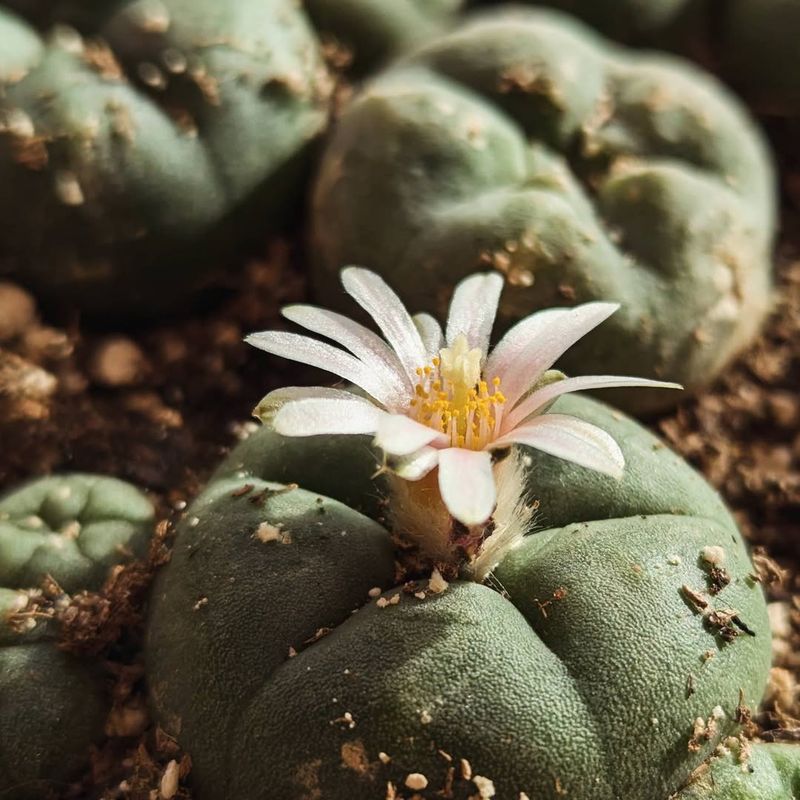
Peyote cactus cultivation is strictly prohibited in Kentucky for unauthorized individuals due to its mescaline content.
This small, spineless cactus native to Mexico and southern Texas is classified as a Schedule I controlled substance under federal law.
Only members of the Native American Church can legally possess peyote for religious ceremonies, and even they cannot cultivate it without specific permits.
The button-like appearance of peyote makes it distinctive among cacti, but this uniqueness also makes it easily identifiable by law enforcement.
Growing peyote in Kentucky backyards constitutes a federal felony with serious consequences including lengthy prison sentences and substantial fines.
The DEA actively investigates peyote cultivation cases and prosecutes offenders vigorously.
Some cactus enthusiasts might acquire peyote through specialty plant sales or online vendors without understanding the legal risks.
The plant’s slow growth rate means that even small specimens represent years of illegal cultivation.
Prosecutors often view peyote growing as evidence of intent to produce controlled substances rather than innocent plant collecting.
Kentucky gardeners interested in unique cacti should focus on the thousands of legal species available through legitimate nurseries.
The legal and personal risks associated with peyote cultivation far outweigh any botanical interest.
If you accidentally acquire peyote, consult an attorney immediately rather than attempting to grow or dispose of it yourself.
5. Khat — Catha Edulis
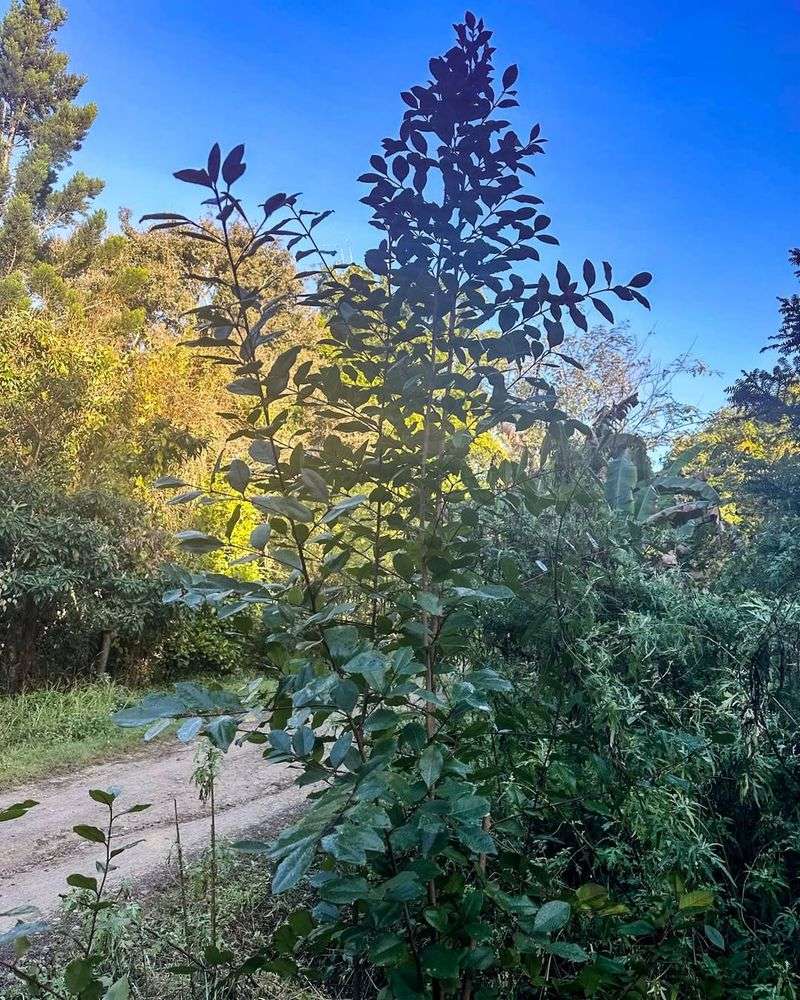
Khat remains illegal to grow in Kentucky because its leaves contain cathinone, a Schedule I controlled substance.
This evergreen shrub, popular in parts of East Africa and the Arabian Peninsula, produces leaves that people traditionally chew for stimulant effects.
Federal law treats khat cultivation with the same seriousness as growing other controlled substance plants.
The plant might appeal to gardeners interested in ethnobotany or exotic species, but Kentucky law provides no exceptions for personal, ornamental, or cultural cultivation.
Penalties for growing khat include federal felony charges with potential prison sentences and significant fines.
Law enforcement agencies have become increasingly aware of khat cultivation in the United States, particularly in communities with cultural ties to regions where khat use is traditional.
Khat plants can reach considerable size when grown in suitable climates, making them difficult to conceal from neighbors or authorities.
The shrub’s appearance might not immediately suggest its controlled substance status, but ignorance provides no legal protection.
Federal prosecutors treat khat cultivation as seriously as growing other Schedule I plants.
Kentucky residents should avoid purchasing khat seeds or plants through any channels, including international suppliers or cultural communities.
The legal consequences far exceed any cultural or botanical interest.
Alternative legal plants can satisfy curiosity about ethnobotany without risking federal prosecution and permanent criminal records.
6. Salvia Divinorum
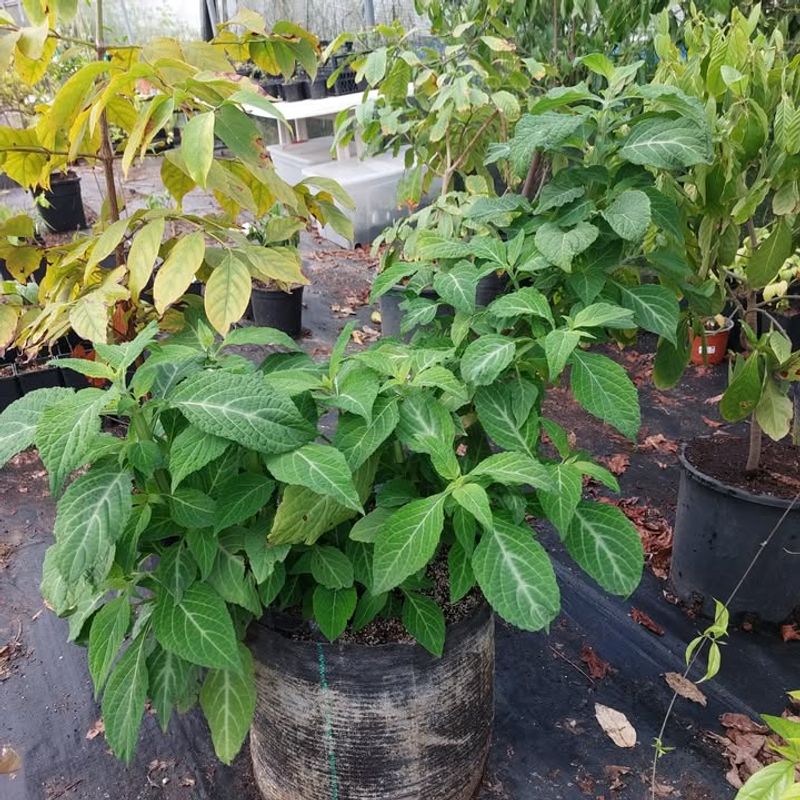
Kentucky specifically classifies Salvia divinorum as a controlled substance, making private cultivation illegal without permits.
This member of the mint family contains salvinorin A, a powerful hallucinogenic compound.
Despite its ornamental appearance with attractive leaves and flowers, growing this plant violates Kentucky state law.
Many gardeners might encounter Salvia divinorum through plant swaps or specialty nurseries without realizing its legal status.
The plant resembles other legal salvia species, creating potential confusion for innocent gardeners.
However, Kentucky law enforcement can identify Salvia divinorum and prosecute growers under state controlled substance statutes.
Penalties for cultivating Salvia divinorum in Kentucky vary based on quantity and circumstances but can include misdemeanor or felony charges.
The state enacted specific legislation targeting this plant after its recreational use became publicized.
Prosecutors may view cultivation as evidence of intent to produce or distribute controlled substances.
Gardeners interested in salvia species have hundreds of legal alternatives available, including many beautiful ornamental varieties.
The risk of prosecution makes Salvia divinorum cultivation unwise for Kentucky residents.
If you discover this plant in your garden, consult legal counsel before taking action, as even possession can trigger legal consequences depending on circumstances and local enforcement priorities.
7. Magic Mushroom Species (E.G., Psilocybe Cubensis) — Fungi
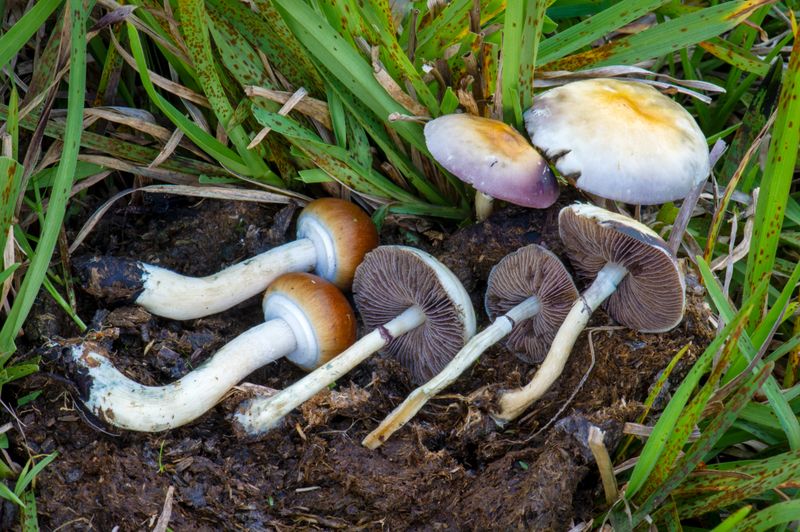
While technically fungi rather than plants, psilocybin-producing mushrooms are illegal to cultivate in Kentucky under controlled substance laws.
Species like Psilocybe cubensis contain psilocybin and psilocin, both Schedule I controlled substances.
Growing these mushrooms in backyards, basements, or any other location constitutes a serious federal and state crime.
Some mushroom enthusiasts might accidentally cultivate psilocybin species while exploring mycology, but this provides no legal defense.
The distinctive appearance of magic mushrooms makes them identifiable to law enforcement and prosecutors.
Penalties for cultivation include felony charges with potential prison sentences, substantial fines, and permanent criminal records.
Psilocybin mushrooms can grow naturally in Kentucky’s climate, particularly in areas with appropriate substrate and moisture conditions.
Property owners might discover these fungi growing spontaneously in their yards or gardens.
However, deliberately cultivating or maintaining conditions favorable to their growth crosses into illegal territory.
Kentucky residents interested in mushroom cultivation should focus on the many legal edible and ornamental species available.
Gourmet mushrooms like oyster, shiitake, and lion’s mane provide fascinating cultivation opportunities without legal risks.
The mycology hobby offers tremendous possibilities through legal channels, making psilocybin mushroom cultivation an unnecessary and dangerous choice for Kentucky gardeners seeking to explore fungi growing.
8. Wild Tobacco (Without Proper Permits) — Nicotiana Tabacum
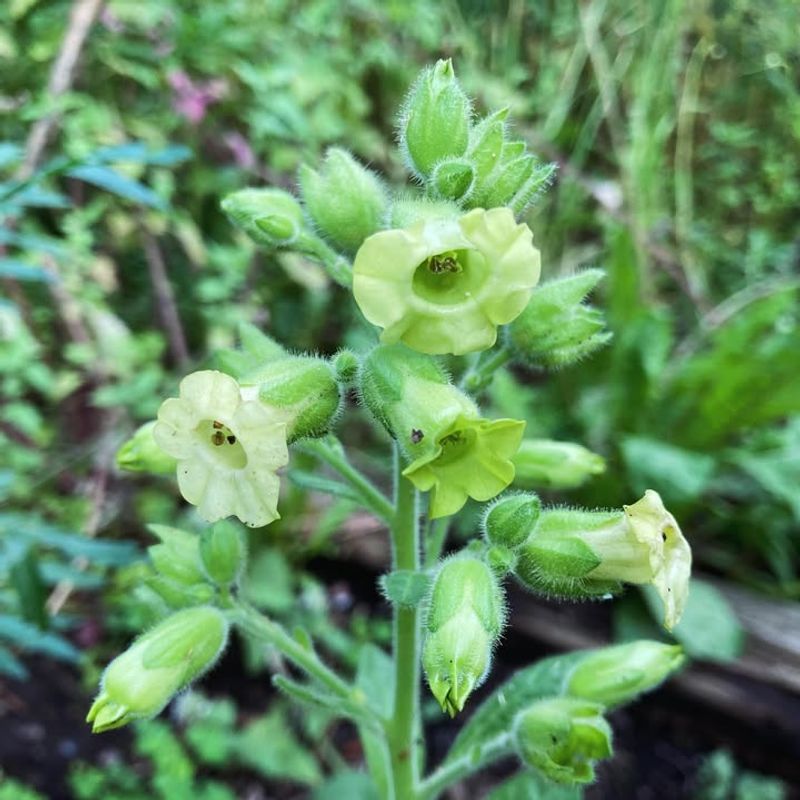
Tobacco cultivation in Kentucky carries complex legal requirements despite the state’s historical association with tobacco farming.
While growing small amounts of Nicotiana tabacum for personal use may be legal in some circumstances, Kentucky requires compliance with USDA and state regulations for any significant cultivation.
Unpermitted large-scale tobacco growing violates federal and state agricultural laws.
Kentucky tobacco farmers must register with the Kentucky Department of Agriculture and comply with numerous regulations regarding acreage, marketing, and sales.
Backyard gardeners growing tobacco without proper permits, especially in quantities suggesting commercial intent, risk legal consequences.
Federal tobacco regulations also apply, creating potential for both state and federal violations.
The confusion arises because Kentucky has such deep tobacco farming traditions that many residents assume all tobacco growing is automatically legal.
However, modern regulations strictly control tobacco production for tax, health, and commercial reasons.
Growing tobacco plants in your backyard garden might seem harmless, but quantities exceeding personal ornamental use can trigger regulatory scrutiny.
Gardeners interested in growing tobacco should carefully research Kentucky and federal requirements before planting.
Small-scale personal cultivation may be permissible under certain conditions, but larger operations definitely require licensing.
The safest approach involves contacting the Kentucky Department of Agriculture for guidance before establishing any tobacco plants in your yard.
9. Ephedra (Ephedra Spp.) — For Alkaloid Extraction
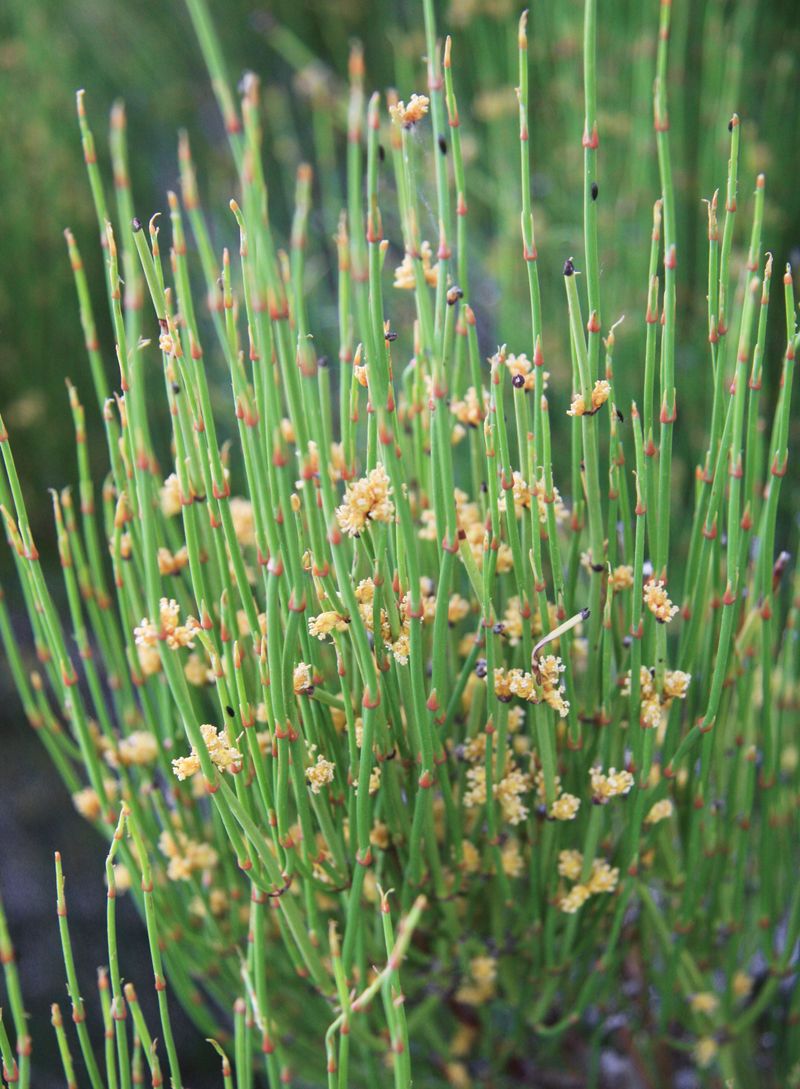
Growing ephedra plants for ornamental purposes remains legal in Kentucky, but cultivating them with intent to extract ephedrine or other alkaloids for stimulant production violates federal law.
This distinction creates a legally gray area for gardeners interested in these unique desert shrubs.
The plants themselves aren’t inherently illegal, but intended use determines legality.
Ephedra species have been used medicinally for thousands of years, but modern regulations restrict ephedrine extraction due to its use in manufacturing methamphetamine.
Federal law enforcement monitors ephedra cultivation when combined with evidence of extraction equipment or chemicals.
Prosecutors can charge individuals with intent to manufacture controlled substances based on circumstantial evidence.
Kentucky gardeners who appreciate ephedra’s distinctive appearance and drought tolerance can legally grow these plants as landscape specimens.
However, maintaining documentation of ornamental intent and avoiding any extraction activities or related equipment protects against potential legal complications.
The plants’ alkaloid content makes them subjects of law enforcement interest when cultivation appears suspicious.
The safest approach involves treating ephedra purely as an ornamental landscape plant without researching or attempting alkaloid extraction.
Many beautiful drought-tolerant alternatives exist for Kentucky gardeners seeking unique landscape plants.
If you grow ephedra, maintain clear ornamental purposes and avoid any activities that could suggest extraction intentions to avoid unwanted legal attention.
10. Jimsonweed (Datura Stramonium) For Psychoactive Use
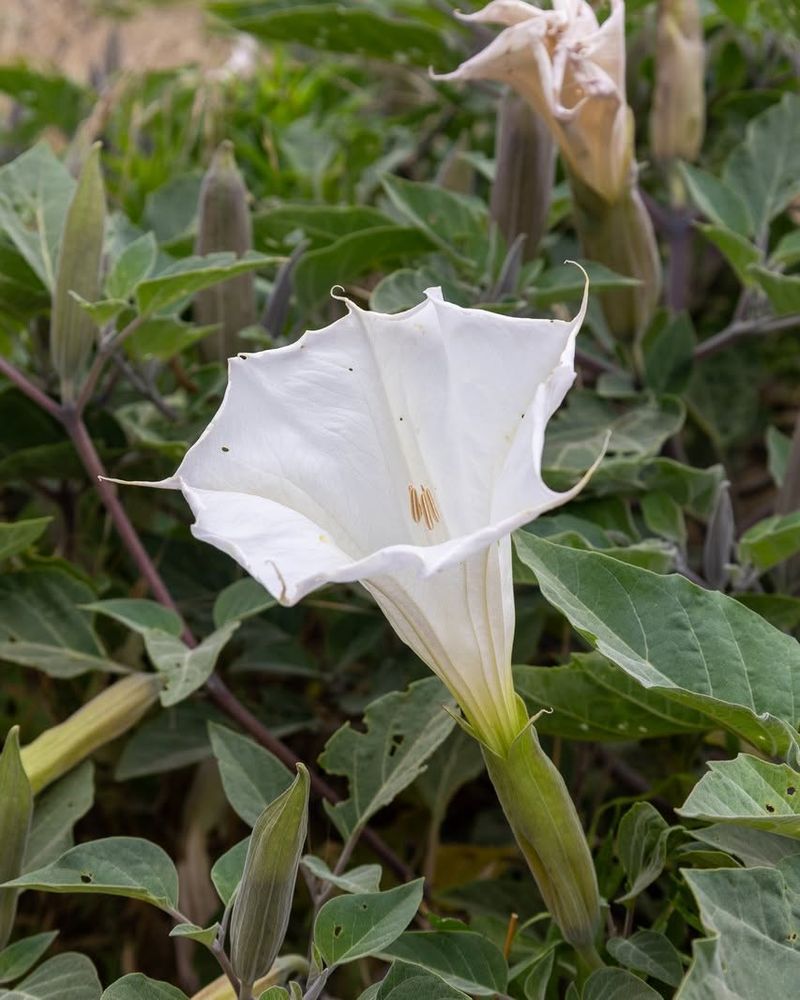
Jimsonweed presents a unique legal situation because the plant itself grows wild throughout Kentucky and isn’t illegal to possess ornamentally.
However, cultivating Datura stramonium with intent to ingest or process for psychoactive effects crosses into illegal territory.
The plant contains tropane alkaloids that produce dangerous hallucinogenic effects and can cause severe medical emergencies.
Many Kentucky yards already contain jimsonweed as it grows naturally as a common weed throughout the state.
The plant’s striking trumpet-shaped flowers and spiky seed pods make it visually distinctive.
Property owners aren’t required to remove naturally occurring jimsonweed, but deliberately cultivating it for psychoactive purposes violates laws against manufacturing or possessing controlled substance analogs.
Law enforcement typically becomes involved with jimsonweed cases when individuals experience medical emergencies after ingestion or when evidence suggests intentional cultivation for psychoactive use.
The plant’s extreme toxicity makes consumption incredibly dangerous, with numerous documented cases of severe poisoning and long-term health consequences.
Prosecutors can charge individuals with various crimes depending on circumstances and evidence of intent.
Gardeners who appreciate jimsonweed’s ornamental qualities can legally maintain these plants as landscape specimens.
However, researching psychoactive properties, preparing plant material for consumption, or encouraging others to ingest jimsonweed creates serious legal and safety risks that Kentucky residents should absolutely avoid.
11. Hemp Grown Without A Kentucky Hemp License — Cannabis Sativa
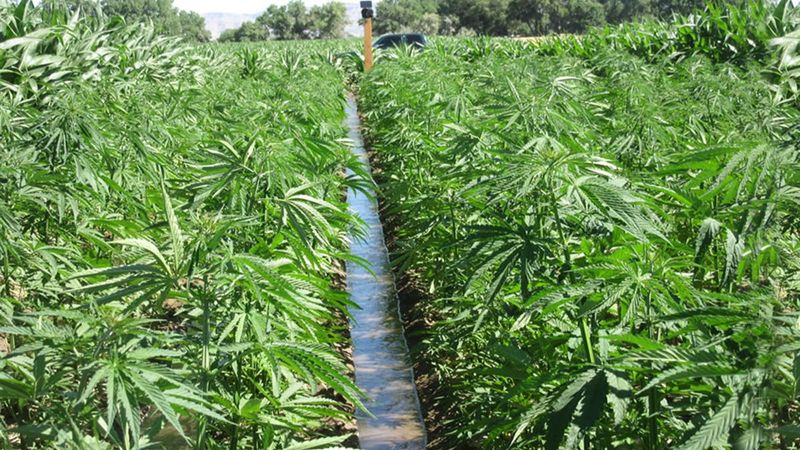
Kentucky legalized industrial hemp cultivation, but only for licensed growers who comply with strict Kentucky Department of Agriculture regulations.
Growing hemp with less than 0.3% THC content remains illegal for unlicensed backyard gardeners despite widespread misconceptions about hemp legality.
The state’s hemp program requires licensing, testing, and regulatory compliance that excludes casual home cultivation.
Many Kentucky residents mistakenly believe hemp legalization allows anyone to grow cannabis plants as long as they contain minimal THC.
However, state law specifically restricts hemp cultivation to licensed participants in Kentucky’s agricultural hemp program.
Unlicensed backyard hemp gardens violate state law and face enforcement actions including plant destruction, fines, and potential criminal charges.
The confusion stems from hemp’s legal status change and its similarity to marijuana plants.
Law enforcement cannot visually distinguish between legal licensed hemp, illegal unlicensed hemp, and illegal marijuana without laboratory testing.
This reality means unlicensed hemp growers face the same initial law enforcement response as marijuana cultivators.
Kentucky residents interested in hemp cultivation must apply for licenses through the Kentucky Department of Agriculture and meet all regulatory requirements.
The licensing process includes background checks, acreage registration, and compliance with testing protocols.
Backyard hemp growing without proper licensing remains illegal and enforceable regardless of the plant’s THC content or grower intentions.