11 Reasons You Might Regret Removing Possums From Your Yard In Kentucky
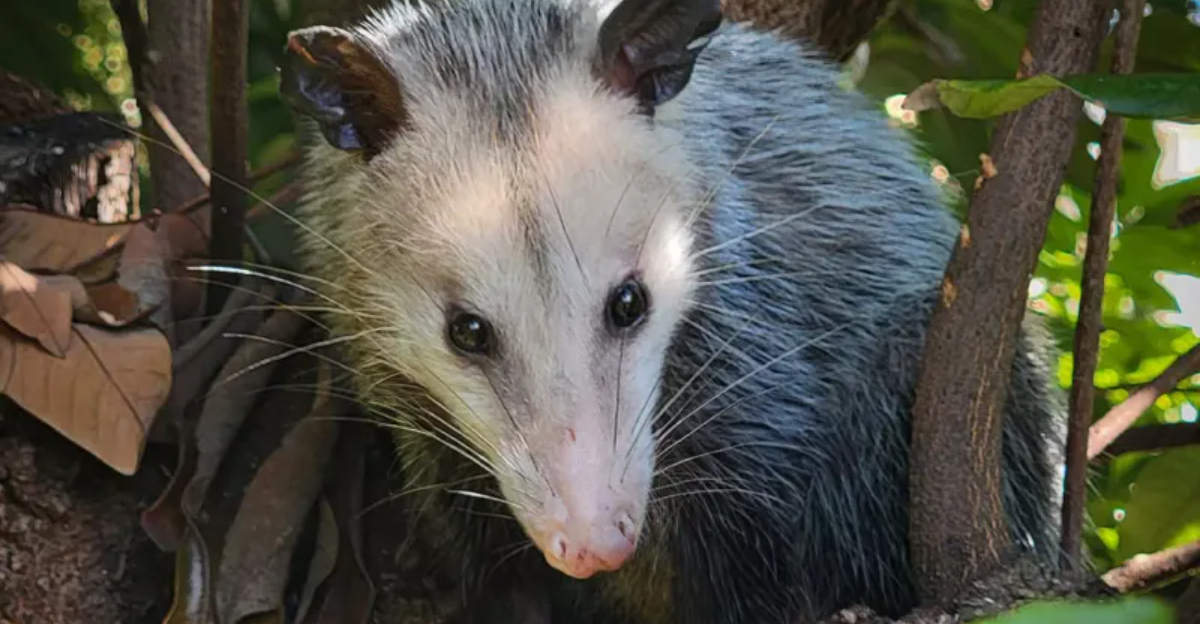
Possums don’t win many popularity contests, but in Kentucky, removing them often leads to unexpected consequences.
These slow-moving, misunderstood animals quietly provide services most homeowners don’t realize they’re benefiting from—until the possums are gone.
Possums consume ticks, insects, rodents, and decaying organic matter, acting as natural cleanup crews.
When they’re removed, pest populations often surge, creating new problems that are harder and more expensive to control.
Despite their reputation, possums are generally non-aggressive and rarely cause property damage.
There’s also the legal and ethical side to consider. Wildlife laws limit how possums can be handled, and improper removal can separate mothers from young or cause suffering.
Many homeowners act quickly, only to regret the disruption they’ve caused.
Before deciding to remove a possum, it’s worth understanding what it actually contributes to your yard’s ecosystem.
In many cases, the animal you want gone is quietly keeping far worse problems in check.
1. Possums Eat Large Numbers Of Ticks
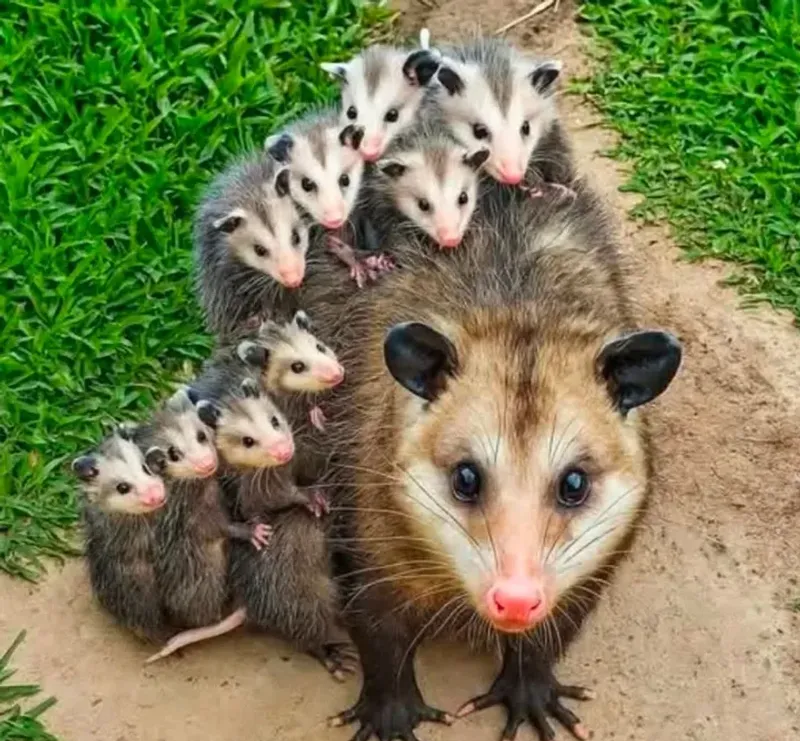
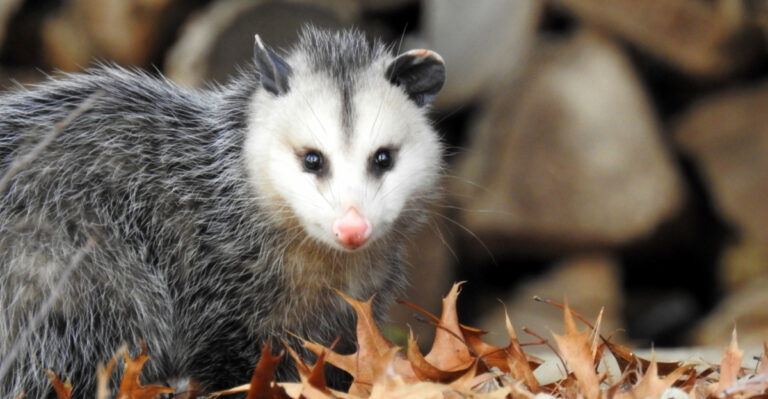
Virginia opossums are surprisingly effective at controlling tick populations in your Kentucky backyard.
These nocturnal creatures spend hours each night grooming themselves meticulously, and during this process, they consume any ticks that have latched onto their fur.
Research suggests a single possum can eat thousands of ticks in one season, significantly reducing the number of these dangerous parasites in your yard.
Ticks carry serious diseases like Lyme disease and Rocky Mountain spotted fever, which pose real health risks to your family and pets.
By allowing possums to roam your property, you’re essentially employing a natural pest control service that works tirelessly without chemicals or cost.
Unlike pesticide treatments that require repeated applications and can harm beneficial insects, possums provide ongoing tick management throughout their active seasons.
The impact of this service becomes especially noticeable in wooded or overgrown areas where ticks typically thrive.
Kentucky’s climate supports healthy tick populations, making natural predators like possums even more valuable.
Removing these helpful animals from your yard means losing this free, eco-friendly protection against tick-borne illnesses that could affect your household for years to come.
2. They Help Control Other Nuisance Pests
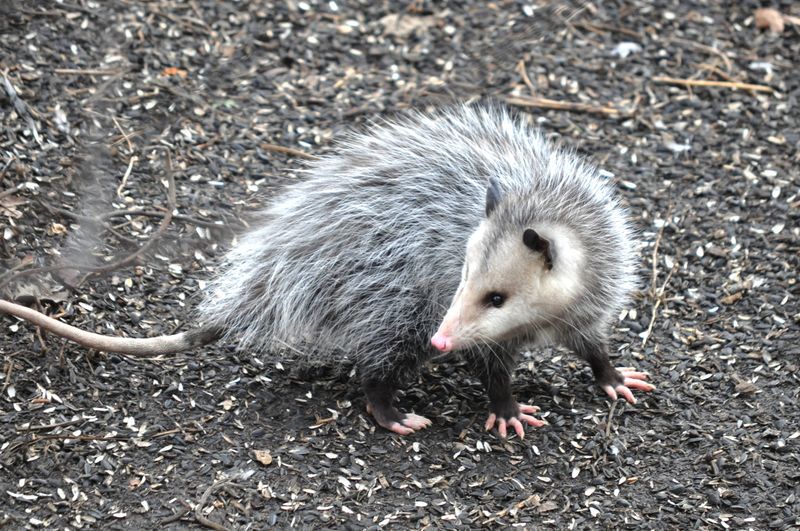
Beyond ticks, possums have quite the appetite for creatures you definitely don’t want around your home.
Their diet includes cockroaches, beetles, slugs, snails, and various insects that damage gardens and invade homes.
These omnivorous marsupials will even consume mice and small rodents, providing pest control that might otherwise require professional exterminators.
Garden enthusiasts particularly appreciate how possums handle slug and snail populations that destroy vegetable plants and ornamental flowers.
Rather than spending money on chemical treatments that can harm soil quality and beneficial organisms, possums offer a natural solution.
They patrol your property nightly, searching for these soft-bodied pests and keeping their numbers manageable without any effort on your part.
Cockroaches and other household insects that venture outdoors also fall prey to hungry possums exploring near foundations and porches.
This reduces the likelihood of infestations moving indoors where they become much harder to manage.
Your Kentucky Garden Changes Every Week. Your Plan Should Too.
Gardening in Kentucky changes quickly throughout the season. Every Friday you’ll receive a simple weekly plan showing exactly what to plant, prune, fertilize, harvest, and protect so you never miss the right timing.
The rodent control aspect shouldn’t be overlooked either, as possums compete with mice for food sources and will consume young rodents they encounter.
Eliminating possums from your Kentucky yard removes this multi-layered pest management system, potentially leading to increased problems with insects and rodents that cause more damage and spread more diseases than possums ever could.
3. Possums Rarely Carry Rabies
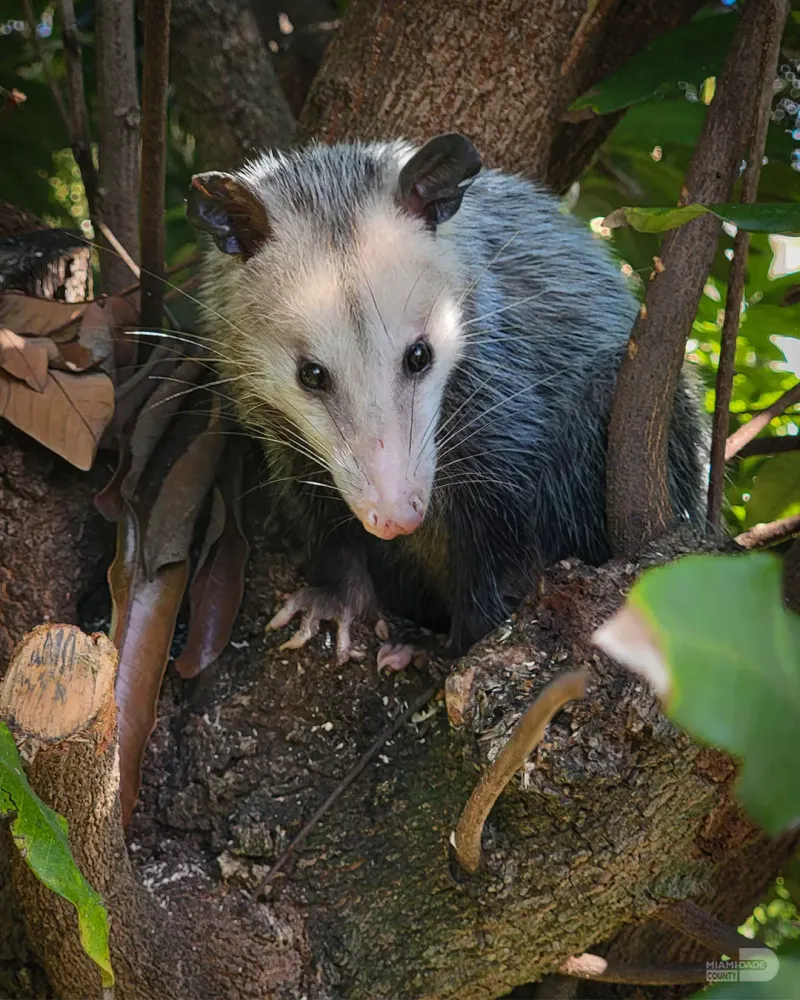
One of the biggest misconceptions driving unnecessary possum removal is the fear of rabies transmission.
Many homeowners panic when they spot a possum, assuming it poses the same rabies risk as raccoons or skunks.
The truth is far more reassuring than most people realize.
Possums have a naturally lower body temperature than most mammals, typically ranging between 94 and 97 degrees Fahrenheit.
This cooler internal environment makes it extremely difficult for the rabies virus to survive and replicate in their systems.
While it’s not completely impossible for a possum to contract rabies, documented cases are extraordinarily rare compared to other wildlife species.
This biological advantage means possums are actually among the safest wild animals to have near your Kentucky home from a disease transmission standpoint.
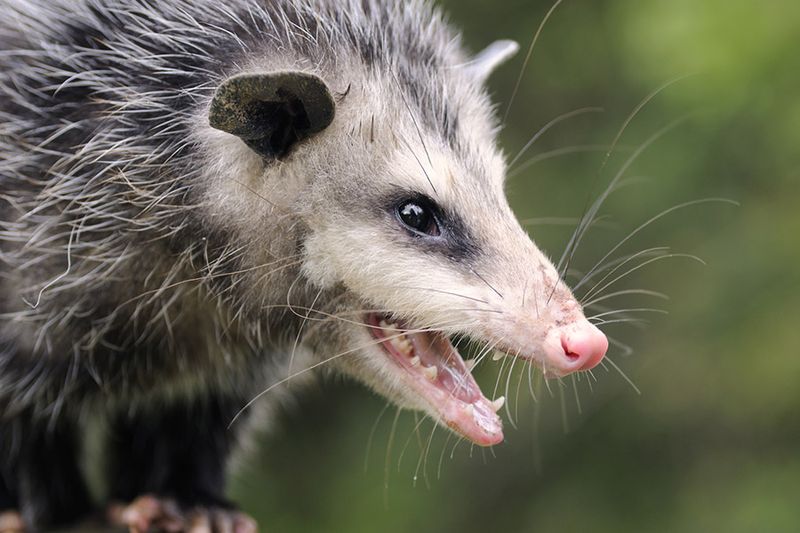
The defensive behaviors they display—hissing, drooling, and baring teeth—often get mistaken for signs of rabies when they’re simply natural fear responses.
Understanding this distinction can save you unnecessary worry and prevent the removal of a harmless, beneficial animal.
When you remove possums based on unfounded rabies fears, you’re eliminating one of the safer wildlife neighbors you could have.
You might inadvertently create space for animals that actually do carry higher rabies risks, making your property less safe rather than more secure.
4. They Are Protected Native Wildlife

Virginia opossums are native to Kentucky and have lived in this region for thousands of years.
As native wildlife, they fall under state regulations that govern how they can be handled, relocated, or removed.
Many homeowners don’t realize that improper removal or relocation of possums can actually violate Kentucky wildlife laws.
The Kentucky Department of Fish and Wildlife Resources has specific guidelines about wildlife management on private property.
While property owners have some rights to protect their homes, there are legal methods that must be followed.
Trapping and relocating possums without proper permits or outside of designated seasons can result in fines and legal complications you probably want to avoid.
Beyond legal considerations, possums play an important role in Kentucky’s native ecosystems as both consumers and prey species.
They’ve evolved alongside other local wildlife and plants, creating balanced relationships that support environmental health.
Removing native species disrupts these natural connections and can have ripple effects you might not anticipate.
Before taking action against possums on your property, check current Kentucky wildlife regulations or consult with a licensed wildlife professional.
You might discover that simple coexistence strategies are not only legal but also more effective than removal.
Respecting these native animals and following proper guidelines protects both you and Kentucky’s natural heritage for future generations.
5. Removal Can Create A Pest Vacuum

Wildlife territories operate on a principle similar to real estate—when one occupant leaves, another quickly moves in to claim the space.
Possums are actually among the more benign animals that might occupy your yard, and removing them often leads to worse replacements.
This phenomenon, known as a pest vacuum, can turn a minor concern into a major problem.
Raccoons frequently move into areas where possums have been removed, and these masked bandits cause significantly more damage.
They’re stronger, more destructive, more aggressive, and far more likely to tear into trash cans, damage roofs, and create expensive problems.
Skunks are another common replacement, bringing with them the obvious issue of their defensive spray that can make your yard unbearable for weeks.
Rats and other rodents also take advantage of vacant territories, multiplying rapidly once the possum competition disappears.
Unlike possums, rats actively damage structures by chewing through wiring, insulation, and wood, creating fire hazards and costly repairs.
They also carry more diseases and reproduce much faster than the solitary possum you removed.
The possum you’re tempted to evict is essentially holding valuable territory against animals that would cause you far more grief.
By removing possums, you’re not solving a wildlife problem—you’re just trading one neighbor for several worse ones who’ll be much harder to manage.
6. They Clean Up Fallen Fruit And Carrion
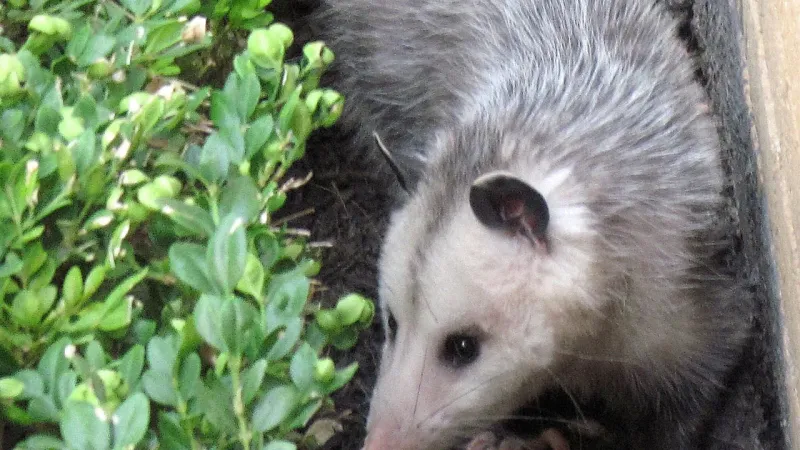
Possums serve as nature’s cleanup crew, consuming organic waste that would otherwise create problems in your Kentucky yard.
Fallen fruit from apple, pear, and persimmon trees attracts swarms of wasps, fruit flies, and other nuisance insects if left to rot.
Possums patrol beneath these trees nightly, eating overripe and fallen fruit before it becomes a pest magnet.
This sanitation service extends to pet food left outdoors and other food scraps that might accumulate around your property.
Rather than letting these items attract rats, ants, and flies, possums consume them efficiently and move on.
They’re not picky eaters, which makes them excellent at cleaning up messes that other animals might ignore.
Perhaps less pleasant but equally important is their consumption of carrion—animals that have passed and would otherwise decompose slowly while attracting scavengers and spreading odors.
Possums help break down this organic matter quickly, reducing unpleasant smells and the disease risks associated with decomposition.
This scavenging behavior is actually an important ecosystem service that keeps environments healthier.
Without possums performing these cleanup duties, your yard becomes more attractive to pest species that cause greater problems.
The accumulated rotting fruit, scattered pet food, and other organic waste will draw in animals and insects you definitely want to avoid.
Keeping possums around means maintaining a natural sanitation system that works continuously without any effort from you.
7. Possums Are Generally Non-Aggressive
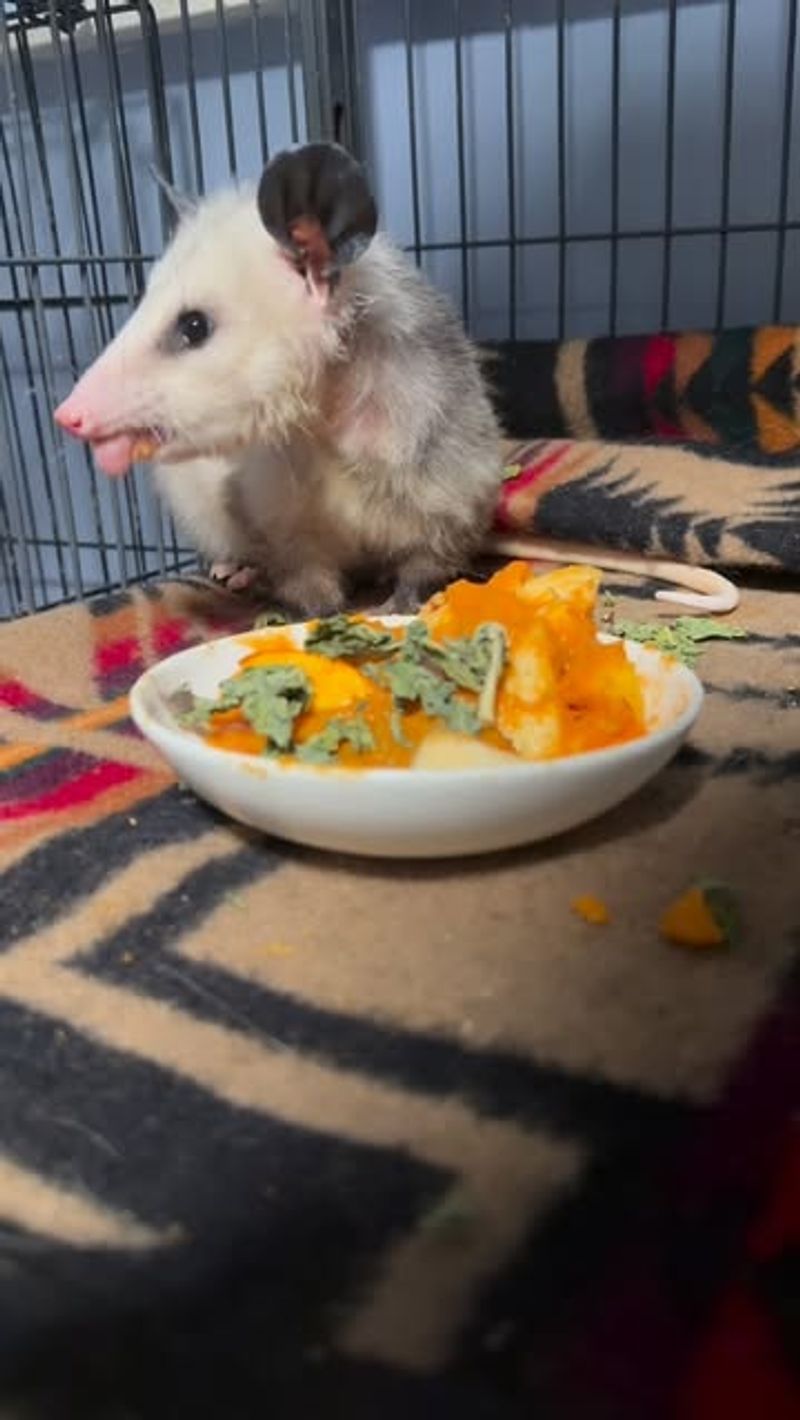
Despite their somewhat intimidating appearance when threatened, possums are remarkably peaceful animals with little interest in confrontation.
Their famous defensive displays—hissing loudly, showing all fifty teeth, and drooling excessively—look scary but are entirely bluff behaviors.
These theatrical performances are designed to make predators think twice without any actual intention to attack.
When these intimidation tactics fail, possums resort to their most famous defense mechanism: playing possum.
This involuntary response causes them to fall into a catatonic state that can last for hours, complete with a foul smell that deters predators.
It’s not a conscious choice but rather an automatic physiological response to extreme fear, similar to fainting.
Actual aggressive behavior toward humans or pets is extraordinarily rare and typically only occurs when possums are cornered with no escape route.
Even then, their small size and limited defensive capabilities mean they pose minimal threat compared to raccoons, which will actively defend territory and resources.
Possums would much rather waddle away slowly than engage in any conflict.
This gentle temperament makes them ideal wildlife neighbors, especially for families with children and pets.
Unlike animals that might defend food sources or territory aggressively, possums simply retreat when disturbed.
Removing such a non-threatening animal from your yard makes little sense when compared to the genuinely aggressive species that might replace them in your Kentucky landscape.
8. They Don’t Dig Extensive Burrows
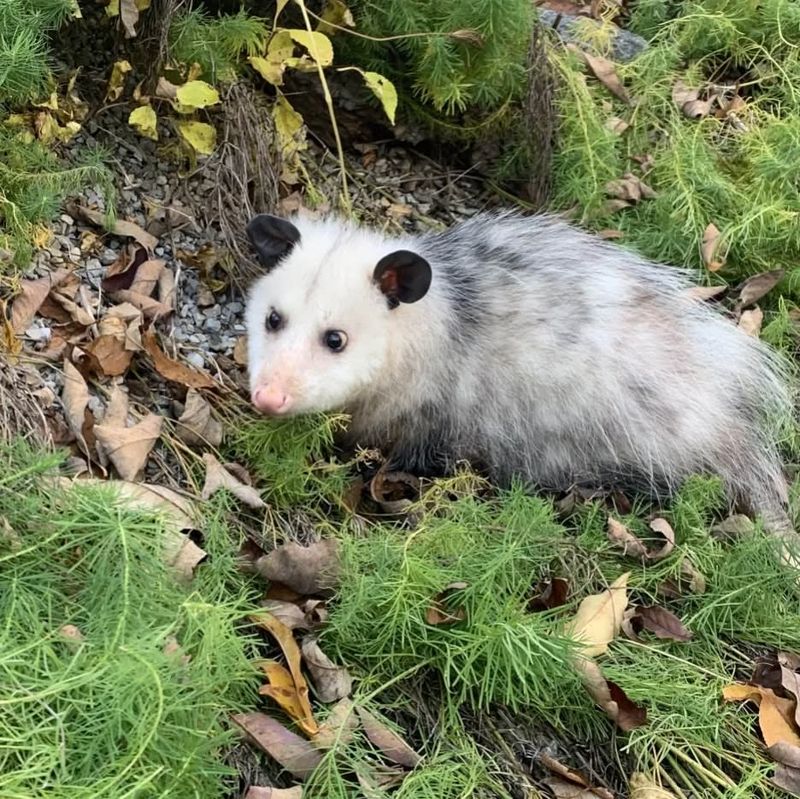
Many homeowners worry about wildlife damaging their lawns, foundations, and landscaping through digging and burrowing.
Possums are not diggers by nature and rarely create the kind of damage associated with groundhogs, armadillos, or even skunks.
Instead, they’re opportunistic den-seekers who prefer using spaces that already exist.
You’ll typically find possums taking shelter under decks, in hollow trees, beneath sheds, or in other ready-made cavities.
They might enlarge an entrance slightly if needed, but they won’t excavate extensive tunnel systems or undermine structures.
This makes them far less destructive to your property than many other wildlife species that might move in after you remove them.
Their nomadic lifestyle means they rarely stay in one location for extended periods anyway.
Possums typically rotate between several den sites within their territory, spending only a few days in each spot before moving on.
This transient behavior minimizes any impact they might have on your property structures.
Groundhogs, by contrast, create complex burrow systems that can compromise foundations and create tripping hazards across lawns.
Skunks dig numerous small holes searching for grubs, leaving yards looking pockmarked and damaged.
The minimal structural impact of possums makes them preferable neighbors compared to the animals that might claim the territory once they’re gone.
Your Kentucky lawn and landscaping face far less risk with possums present than with many alternatives.
9. They Support The Local Ecosystem
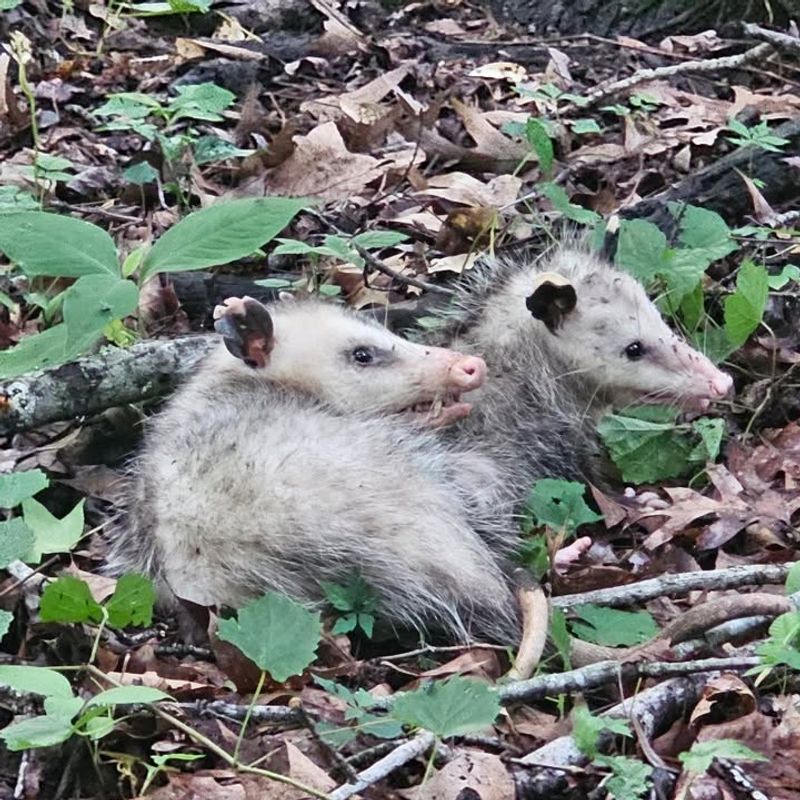
Possums occupy an important niche in Kentucky’s ecological web, serving multiple roles that keep local environments balanced and healthy.
As omnivorous scavengers, they help break down organic matter and redistribute nutrients throughout their territories.
This decomposition service accelerates natural recycling processes that support plant growth and soil health.
They also serve as prey for larger predators including owls, coyotes, foxes, and occasionally bobcats.
These predator-prey relationships help sustain populations of animals higher on the food chain, which in turn regulate other species populations.
Removing possums disrupts these connections, potentially causing imbalances that affect multiple species across the ecosystem.
The insects, rodents, and other small animals that possums consume are also part of this intricate web.
By keeping these populations in check naturally, possums prevent any single species from becoming overabundant and causing problems.
This regulatory function happens quietly every night without human intervention or cost.
Kentucky’s biodiversity depends on native species like possums fulfilling their ecological roles consistently over time.
When homeowners remove these animals unnecessarily, they’re essentially pulling threads from a complex tapestry that took thousands of years to weave.
The short-term convenience of removal can lead to long-term ecological consequences that affect everything from insect populations to soil quality across your neighborhood and beyond.
10. Removing Them Rarely Solves Long-Term Issues
Trapping and removing a possum might provide temporary satisfaction, but it almost never addresses the underlying reasons wildlife visits your property.
If your yard offers food, water, and shelter, removing one animal simply opens an invitation for the next one to move in.
This creates an endless cycle of removal that wastes time and money without solving anything.
The attractants that drew the possum to your property remain after removal—accessible trash cans, pet food left outdoors, bird feeders, fallen fruit, and sheltered spaces under structures.
Another possum will likely claim the territory within days or weeks, or worse, a more problematic species will move in instead.
You end up repeatedly dealing with wildlife issues rather than resolving them permanently.
Professional wildlife managers emphasize that exclusion and habitat modification are the only lasting solutions to wildlife conflicts.
Removing food sources, securing trash, blocking access to den sites, and eliminating attractants actually solve problems.
These measures work regardless of which animal species might be present, providing comprehensive long-term protection.
Focusing on removal rather than prevention is like bailing water from a boat without plugging the leak.
You’re treating symptoms instead of causes, ensuring the problem continues indefinitely.
Kentucky homeowners who invest effort in making their properties less attractive to wildlife find lasting peace, while those who focus on removal face recurring frustrations and expenses that never seem to end.
11. Simple Coexistence Methods Usually Work Better
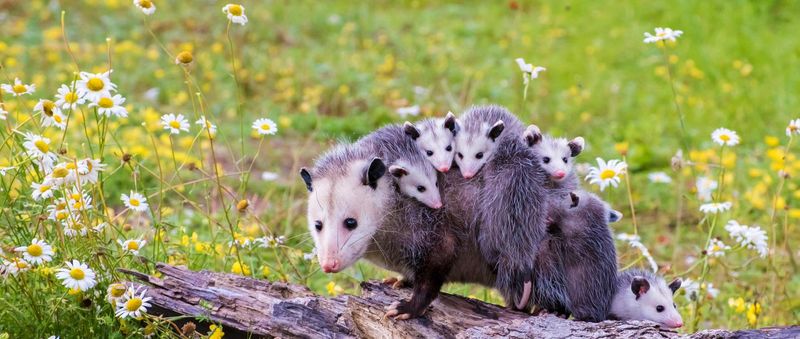
Most conflicts between possums and Kentucky homeowners can be resolved through simple, humane modifications that benefit both parties.
Securing trash can lids with bungee cords or purchasing wildlife-proof containers eliminates one major attractant immediately.
Bringing pet food indoors at night removes another reason possums might linger near your home.
Blocking access to potential den sites under decks, sheds, and porches takes minimal effort but prevents possums from settling too close to living spaces.
Hardware cloth or lattice installed around these areas creates effective barriers while still allowing air circulation.
Trimming back vegetation near structures reduces cover and makes your property less appealing as a permanent residence.
Motion-activated lights or sprinklers can encourage possums to choose other routes through your neighborhood without harming them.
These gentle deterrents respect their presence while directing traffic away from areas where you prefer not to encounter them.
Most possums quickly learn to avoid areas where these surprises occur regularly.
These coexistence strategies require far less effort than repeated trapping and removal while producing better long-term results.
They allow possums to continue providing pest control and other benefits while minimizing any inconvenience to your household.
Kentucky residents who adopt these approaches find they can enjoy their yards without wildlife conflicts, appreciating the ecological services possums provide while maintaining comfortable boundaries that work for everyone involved.