Who Is Responsible When A Neighbor’s Tree Drops Leaves On Your Yard In Pennsylvania
Few things strain neighborly goodwill in Pennsylvania faster than a yard full of someone else’s leaves.
While the tree may stand firmly on one property, autumn winds have a way of redistributing the workload—often unfairly.
The big question is whether the law agrees.
Pennsylvania law draws a clear but often misunderstood line.
While property owners are responsible for maintaining their own trees, leaves that naturally fall across property lines usually become the responsibility of the person whose yard they land in.
It’s not about fairness—it’s about natural processes.
That said, there are exceptions when damage occurs or neglect becomes hazardous.
Understanding these distinctions helps homeowners avoid unnecessary disputes and false assumptions about liability.
Before confronting a neighbor or escalating a disagreement, it’s worth knowing where the law actually stands.
In many cases, peace of mind comes from accepting that some seasonal annoyances simply come with the territory.
Pennsylvania Follows The “Self-Help” Rule

Under Pennsylvania law, fallen leaves are treated as a natural condition of property ownership.
This means each homeowner is responsible for maintaining what lands on their own property, even when it originates from a neighbor’s tree.
Courts have consistently ruled that leaves falling naturally from healthy trees do not constitute a nuisance or trespass.
The self-help rule places the burden on the property owner receiving the leaves rather than the tree owner.
You cannot force your neighbor to rake your yard or pay for cleanup services.
This legal principle reflects the idea that living near trees comes with predictable seasonal changes that all property owners must accept.
Pennsylvania’s approach encourages homeowners to handle minor property maintenance issues themselves rather than turning to the courts.
While this might seem unfair if you’re dealing with piles of leaves, it promotes good neighborly relations and prevents frivolous lawsuits.
The law assumes that property ownership includes managing natural debris that falls from the sky or drifts from nearby vegetation.
Understanding this rule helps set realistic expectations about autumn yard work.
Instead of expecting your neighbor to clean up after their tree, plan your own leaf management strategy each fall.
This might include raking, mulching, or composting leaves as part of your regular seasonal maintenance routine.
Your Neighbor Is Not Legally Required To Rake Your Yard
Many homeowners mistakenly believe that tree owners must clean up leaves that fall onto adjacent properties.
In Pennsylvania, this simply isn’t true.
A tree owner is generally not responsible for cleaning up leaves that naturally fall onto your property, provided the tree is healthy and properly maintained.
This rule applies regardless of how many leaves fall or how much work it creates for you.
Even if your neighbor’s massive oak tree drops thousands of leaves onto your lawn every autumn, they have no legal obligation to help with cleanup.
The law views this as a natural consequence of living in a neighborhood with trees.
Expecting your neighbor to rake your yard can create unnecessary tension.
Your Pennsylvania Garden Changes Every Week. Your Plan Should Too.
Gardening in Pennsylvania changes quickly throughout the season. Every Friday you’ll receive a simple weekly plan showing exactly what to plant, prune, fertilize, harvest, and protect so you never miss the right timing.
While they might offer to help out of courtesy, you cannot demand it as a legal right.
Some neighbors do work together on leaf cleanup, sharing equipment or taking turns with blowers, but this is voluntary cooperation rather than legal requirement.
If you’re frustrated by the amount of leaves you’re dealing with, consider having a friendly conversation with your neighbor about possible solutions.
Perhaps they’d be willing to trim some lower branches or help with occasional cleanup as a gesture of goodwill.
However, remember that they’re doing you a favor, not fulfilling an obligation.
Focus your energy on efficient leaf management rather than trying to shift responsibility to your neighbor.
Leaves Are Treated Like Pine Needles, Acorns, And Seeds
Pennsylvania courts group leaves together with other forms of natural debris like pine needles, acorns, seeds, and twigs.
All of these are viewed as normal, unavoidable aspects of living near trees rather than a legal nuisance.
This classification protects tree owners from liability for natural processes beyond their control.
Just as you cannot sue a neighbor because their tree produces acorns that fall into your yard, you cannot pursue legal action over falling leaves.
The law recognizes that trees naturally shed various materials throughout the year as part of their growth cycle.
Autumn leaf drop is simply the most visible example of this ongoing process.
This legal principle prevents courts from becoming overwhelmed with disputes about natural occurrences.
Imagine if every homeowner could sue their neighbors over pine needles, flower petals, or tree seeds—the legal system would be flooded with trivial cases.
By treating all natural tree debris the same way, Pennsylvania law encourages property owners to handle these minor issues themselves.
Some homeowners find certain types of tree debris more annoying than others.
For example, pine needles can be difficult to rake, and acorns can create hazards on walkways.
However, the legal treatment remains consistent across all forms of natural debris.
If you’re considering purchasing property near large trees, factor in the maintenance requirements that come with natural debris.
This awareness helps you make informed decisions and avoid future frustration.
You May Trim Overhanging Branches—But Only To The Property Line
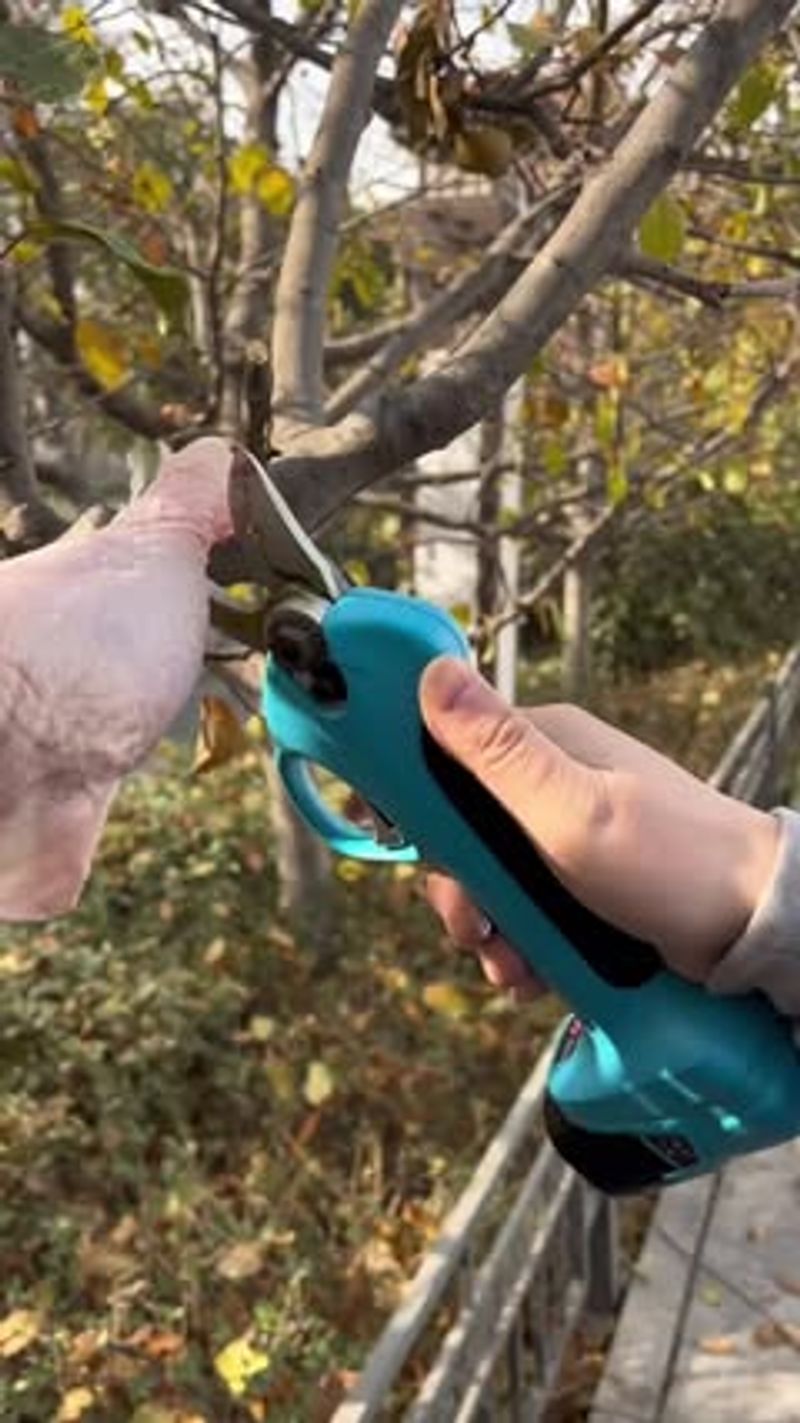
Pennsylvania law grants homeowners a self-help remedy when dealing with branches that extend over their property line.
You have the right to trim branches that cross onto your property, as long as you cut only up to the boundary line and don’t harm the overall health of the tree.
This rule applies whether the branches are dropping leaves, blocking sunlight, or simply encroaching on your space.
Before you start trimming, make absolutely certain where your property line is located.
Cutting branches on your neighbor’s side of the line could lead to legal trouble and financial liability.
Consider hiring a surveyor if you’re unsure about the exact boundary, especially if the property line isn’t clearly marked by a fence.
When trimming, use proper techniques that won’t injure the tree.
Make clean cuts at appropriate angles and avoid removing so many branches that you compromise the tree’s structure or health.
If you’re not confident in your pruning skills, hire a professional arborist who understands both proper tree care and property law.
While you have the right to trim overhanging branches, courtesy suggests informing your neighbor beforehand.
They might prefer to handle the trimming themselves or want to coordinate timing.
This communication can prevent misunderstandings and maintain good neighborly relations.
Remember that trimming branches might reduce the number of leaves falling into your yard, making this a practical solution to your leaf problem.
You Cannot Damage The Tree To Stop Leaf Drop
While Pennsylvania law allows you to trim branches at the property line, it strictly prohibits actions that harm or injure your neighbor’s tree.
Excessive pruning, poisoning, or deliberately damaging a tree can create serious legal liability, even if your goal is simply to reduce falling leaves.
Tree damage cases can result in substantial financial penalties.
Pennsylvania law recognizes trees as valuable property assets.
Mature trees can be worth thousands of dollars, and some municipalities allow triple damages for tree destruction or injury.
If you over-prune a neighbor’s tree and it suffers permanent damage or perishes, you could face a lawsuit for the tree’s replacement value plus additional penalties.
Even well-intentioned pruning can cross the line into harmful territory.
Removing too many branches at once, cutting too close to the trunk, or trimming during the wrong season can stress a tree and compromise its health.
What seems like reasonable pruning to reduce leaf drop might actually constitute actionable damage.
Never use herbicides or other chemicals near a neighbor’s tree, even on your side of the property line.
These substances can spread through soil and groundwater, affecting trees beyond your property.
Such actions are not only legally risky but also environmentally irresponsible.
If falling leaves are truly overwhelming, explore solutions that don’t involve altering the tree itself.
Improved leaf management strategies on your property are safer and more legally sound than attempting to modify your neighbor’s tree.
Healthy Trees Do Not Create Legal Liability
Pennsylvania law generally shields tree owners from liability when their healthy trees drop leaves, create shade, or produce natural debris through normal growth patterns.
As long as a tree is properly maintained and structurally sound, the owner faces no legal responsibility for its natural effects on neighboring properties.
This protection encourages tree ownership and preserves Pennsylvania’s tree canopy.
Courts recognize that trees provide significant environmental and aesthetic benefits that outweigh minor inconveniences like falling leaves.
Trees improve air quality, reduce stormwater runoff, provide wildlife habitat, and increase property values throughout neighborhoods.
Legal protection for healthy trees supports these broader community benefits.
The key word here is “healthy.”
A tree owner who maintains their trees through proper watering, occasional pruning, and monitoring for disease or structural problems enjoys broad legal protection.
Regular tree maintenance demonstrates responsible ownership and reduces the chances of future liability issues.
If you’re the tree owner, document your tree care efforts.
Keep records of professional inspections, pruning work, and any treatments applied.
This documentation can prove valuable if a neighbor ever questions your tree’s condition or tries to hold you responsible for natural leaf drop.
For those receiving leaves from a neighbor’s tree, understand that healthy tree ownership is protected by law.
Rather than viewing your neighbor’s tree as a nuisance, consider the benefits it provides to the entire neighborhood, including shade, beauty, and environmental improvements.
Dry Or Dangerous Trees Are A Different Legal Matter
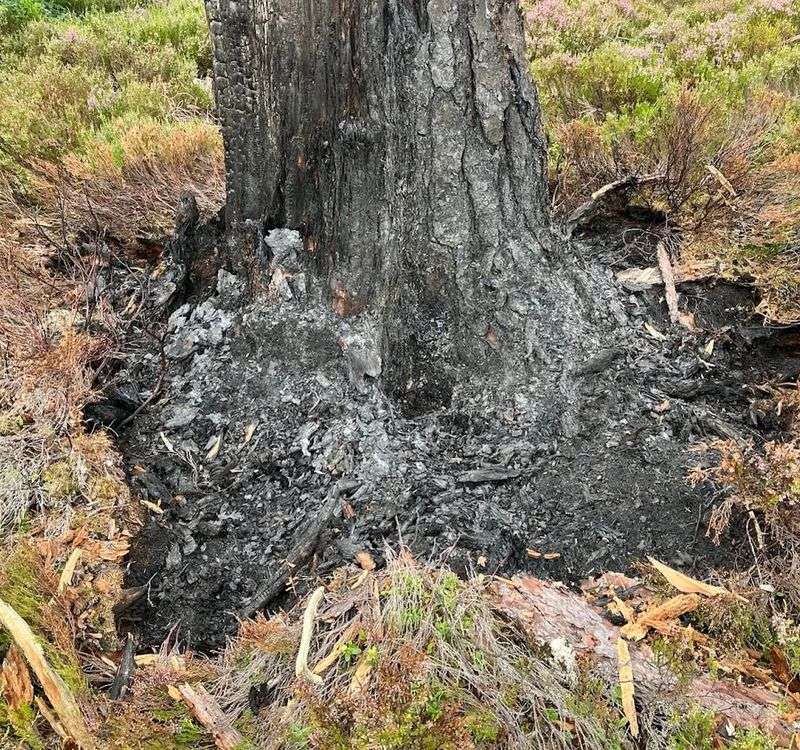
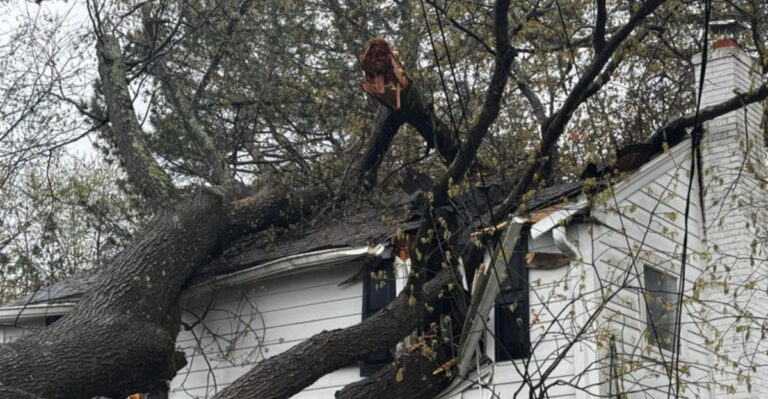
While healthy trees enjoy broad legal protection, deceased or structurally dangerous trees create potential liability for their owners.
If a tree is visibly unhealthy, diseased, or poses a safety risk, and the owner has been notified of the problem, they may be held responsible for damage it causes.
However, leaf drop alone does not qualify a tree as dangerous.
The important distinction involves actual hazards rather than mere inconveniences.
A tree with significant structural damage, extensive decay, or severe disease that could cause it to fall represents a genuine danger.
Falling leaves, even in large quantities, do not rise to this level of concern under Pennsylvania law.
If you believe your neighbor’s tree poses a real safety threat, document the problem with photographs and consider having a certified arborist provide a written assessment.
Then notify your neighbor in writing about the concern, giving them reasonable opportunity to address the issue.
This notification is crucial for establishing potential liability if problems arise later.
Tree owners should take neighbor concerns seriously, even if they seem exaggerated.
Having a professional inspect a tree costs far less than potential liability if a dangerous tree causes property damage or injury.
Responsible tree ownership includes addressing legitimate safety issues promptly.
Remember that seasonal leaf drop, heavy shade, or even minor branch breakage during storms does not make a tree legally dangerous.
The threshold for liability involves clear, documented hazards that a reasonable property owner should address.
HOA Rules Can Override Default Responsibilities
Homeowners associations in Pennsylvania may impose stricter landscaping and maintenance rules that go beyond state common law.
If you live in an HOA community, your governing documents might assign different responsibilities for tree maintenance and leaf cleanup than state law provides.
Always review your HOA covenants and restrictions to understand your specific obligations.
Some HOAs require property owners to maintain trees even when leaves fall onto neighboring properties.
Others establish community-wide landscaping standards that include leaf removal within specific timeframes.
These rules are typically enforceable as long as they’re clearly stated in the HOA’s governing documents and applied consistently to all members.
HOA rules can actually provide clearer guidance than general property law when it comes to leaf disputes.
Instead of navigating ambiguous neighbor relationships, you can refer to specific written standards that everyone agreed to when purchasing property in the community.
This clarity can prevent disputes before they start.
If you’re experiencing issues with a neighbor’s tree in an HOA community, review your documents first and then contact the HOA board.
The association may have established procedures for handling tree-related complaints.
They might mediate between neighbors or enforce specific maintenance requirements.
Before purchasing property in an HOA, carefully read all landscaping and tree maintenance provisions.
These rules can significantly affect your rights and responsibilities regarding trees and falling leaves, potentially creating obligations that wouldn’t exist under general Pennsylvania law.
Local Ordinances Rarely Shift Leaf Responsibility
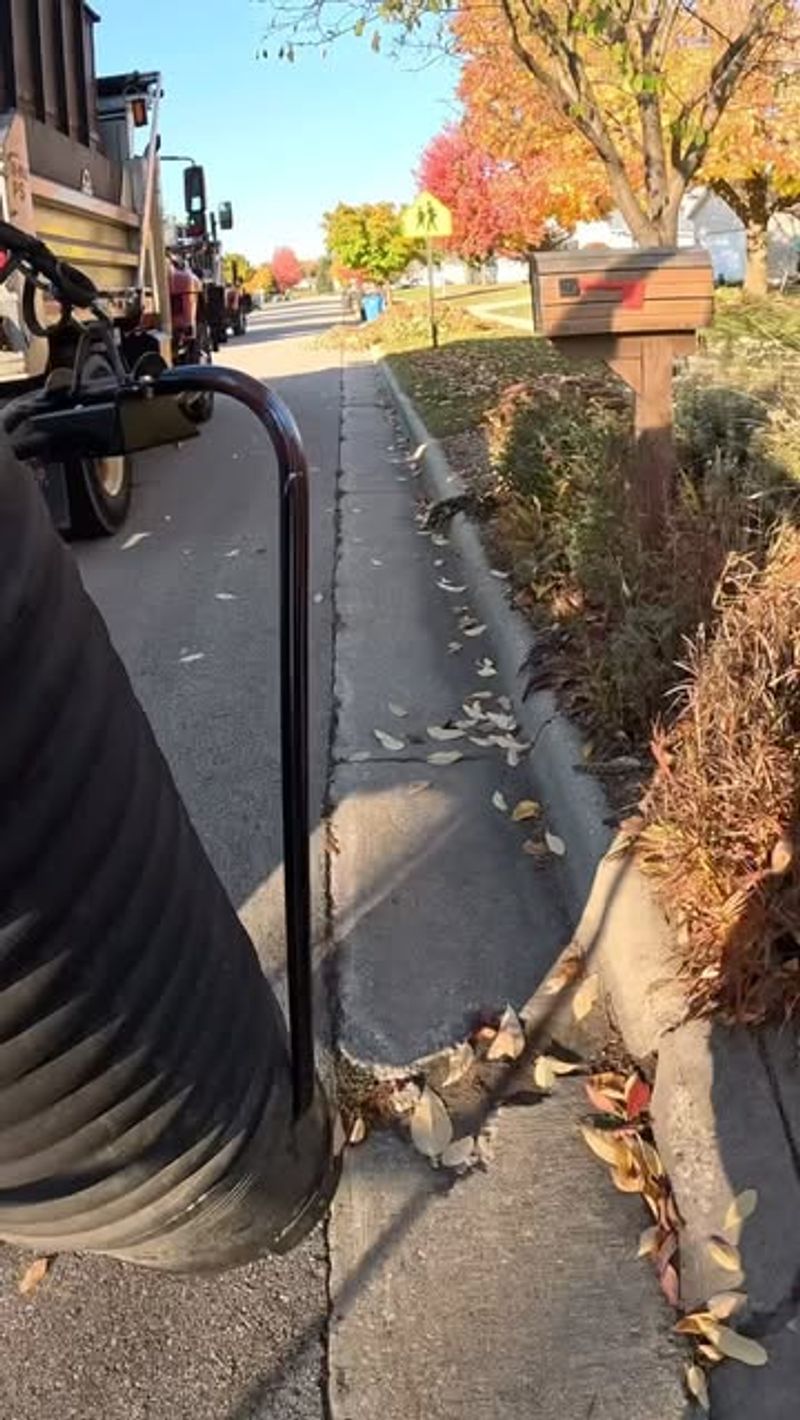
Most Pennsylvania municipalities do not have ordinances that assign leaf cleanup responsibility to neighboring tree owners, even when comprehensive leaf collection programs exist.
Municipal leaf programs typically focus on removing leaves from curbs and streets rather than resolving disputes between private property owners.
These services are designed to prevent drainage problems and maintain public areas, not to shift private property responsibilities.
Some Pennsylvania towns offer curbside leaf collection during autumn months.
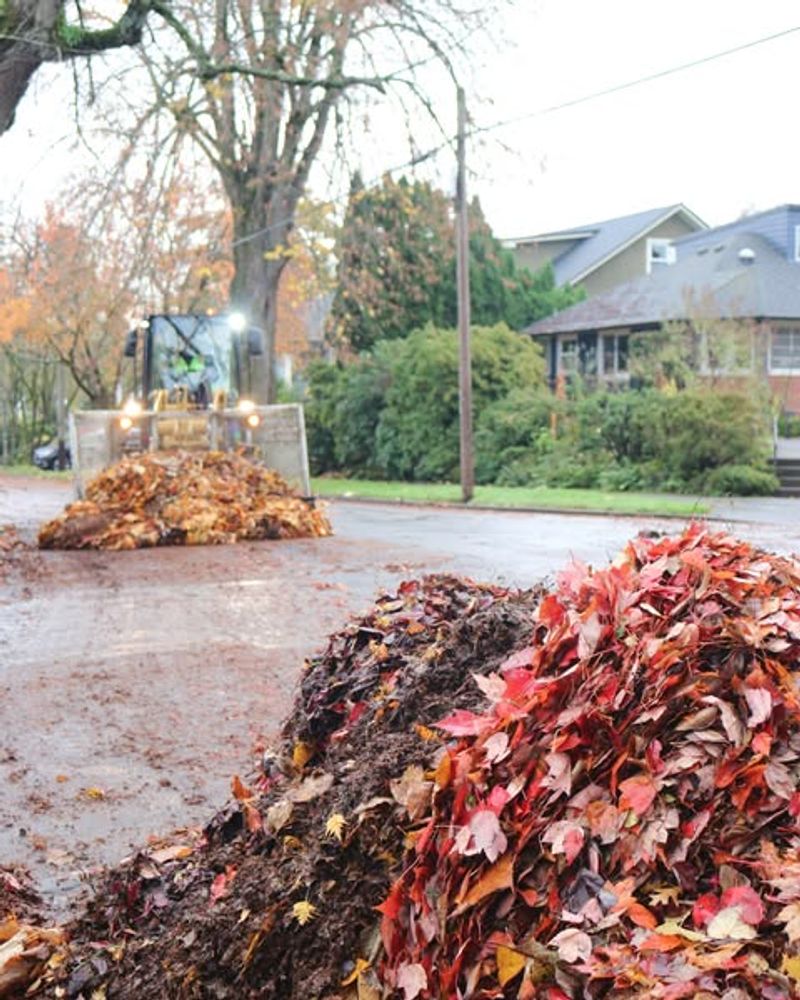
Homeowners rake their leaves to the curb, and municipal crews collect them for composting or disposal.
However, participation in these programs is the responsibility of each property owner for their own leaves, regardless of where those leaves originated.
A few municipalities have ordinances requiring property owners to keep their sidewalks clear of leaves, primarily for safety reasons.
Wet leaves on sidewalks can create slipping hazards for pedestrians.
These rules apply to the property adjacent to the sidewalk, again following the principle that each owner maintains their own property.
Before assuming your local government will resolve a leaf dispute, check your municipal code.
You’ll likely find that local ordinances reinforce rather than contradict the state’s self-help approach.
Towns generally avoid inserting themselves into private property disputes over natural tree debris.
If your municipality offers leaf collection services, take full advantage of them.
These programs make leaf management much easier, even when you’re dealing with leaves from a neighbor’s tree.
Communication Works Better Than Legal Action
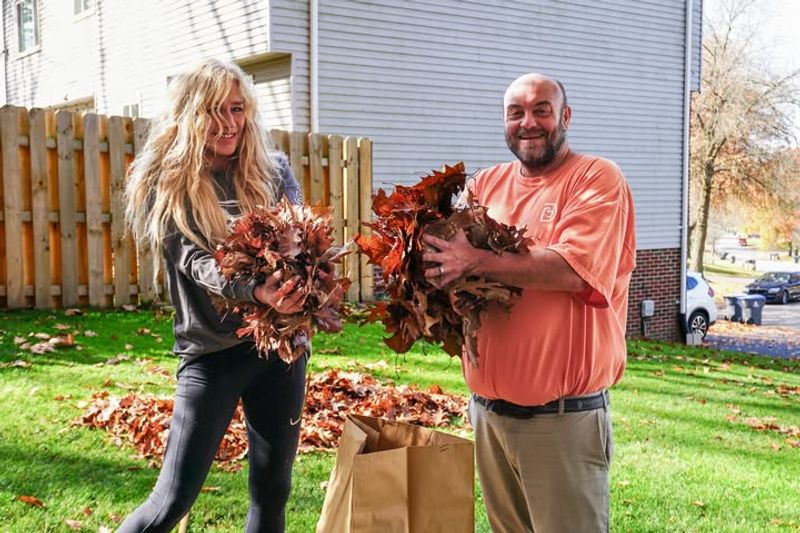
Most leaf disputes are best handled through friendly neighbor communication rather than legal escalation.
Talking openly with your neighbor about shared concerns often leads to practical solutions that work for both parties.
Legal action over falling leaves is expensive, time-consuming, and unlikely to succeed given Pennsylvania’s clear legal standards.
Start any conversation with a positive attitude and recognition of mutual challenges.
Your neighbor probably isn’t thrilled about raking their own yard either.
Approaching the discussion as a shared problem rather than an accusation makes cooperation much more likely.
Consider proposing practical solutions like sharing equipment, coordinating leaf removal schedules, or even splitting the cost of a lawn service for heavy cleanup days.
Some neighbors establish informal agreements where one person handles mowing while the other manages leaf removal.
Creative cooperation often works better than rigid adherence to legal rights.
If direct conversation feels uncomfortable, a friendly note can open the dialogue.
Keep your tone light and solution-focused rather than demanding or accusatory.
Most people respond positively when approached with respect and reasonable requests.
Remember that you’ll likely live near this neighbor for years to come.
Maintaining a positive relationship is worth far more than winning a dispute over fallen leaves.
Good neighbors help each other through seasonal challenges, creating communities where everyone feels supported rather than constantly defending their legal rights.