9 Garden Prep Steps For The First Freeze In Georgia
In Georgia, the first freeze has a habit of sneaking up when gardens still look wide awake.
One cool night can flip the script, turning healthy plants into frost bitten casualties by morning.
A little prep before temperatures drop can mean the difference between plants that bounce back and those that call it quits.
As fall winds down, gardens need a change of pace.
Soil, plants, and tools all deserve attention before cold settles in.
Mulch acts like a warm blanket, locking in moisture and protecting roots.
Tender plants need extra cover, while spent crops should be cleared to keep pests from setting up shop.
These steps may feel small, but they add up fast.
Preparation also saves time and frustration later.
Draining hoses, cleaning tools, and planning ahead keeps problems from snowballing once winter takes hold.
Like tying down loose ends before a storm, getting ahead of the first freeze brings peace of mind.
Georgia’s winters may be mild, but they still pack a punch when least expected.
With smart garden prep, homeowners can protect their hard work and set the stage for a smoother transition into the colder months ahead.
1. Harvest All Cold-Sensitive Vegetables
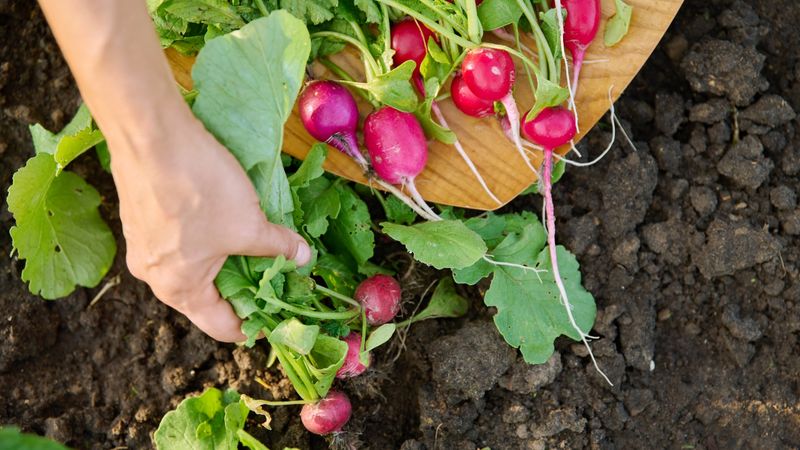
Getting your harvest in before the first freeze hits is absolutely essential for protecting all that delicious food you’ve been growing.
Vegetables like tomatoes, peppers, cucumbers, squash, and beans will turn to mush once temperatures dip below 32 degrees.
Even green tomatoes are worth picking because they’ll ripen indoors on your kitchen counter or windowsill over the next few weeks.
Georgia gardeners often face surprise cold fronts in late October or early November, so keeping an eye on weather forecasts becomes crucial during this time.
Walk through your garden rows carefully and gather everything that won’t survive freezing temperatures.
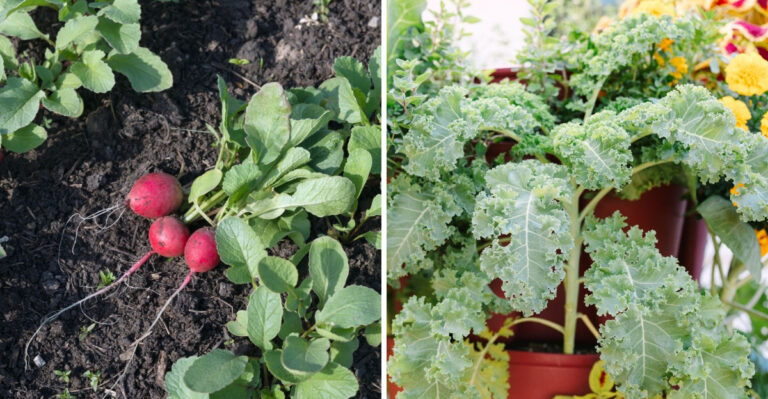
Some vegetables actually taste sweeter after a light frost, including carrots, kale, collards, and Brussels sprouts, so you can leave those in the ground a bit longer.
Store your harvested produce properly by keeping tomatoes at room temperature, refrigerating peppers, and curing winter squash in a warm, dry spot for about two weeks before storing.
Missing this step means watching perfectly good food go to waste overnight.
Taking an hour to harvest before that first freeze can fill your kitchen with fresh vegetables for weeks to come.
2. Cover Your Tender Plants With Frost Cloth
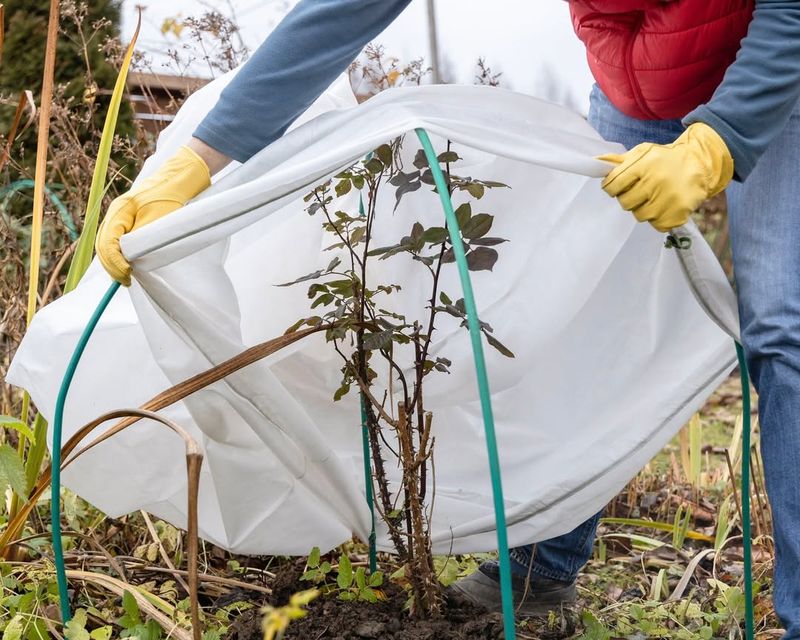
Frost cloth acts like a cozy blanket for your plants when temperatures drop below freezing in Georgia.
This lightweight fabric traps heat radiating from the soil while still allowing moisture and air to reach your plants.
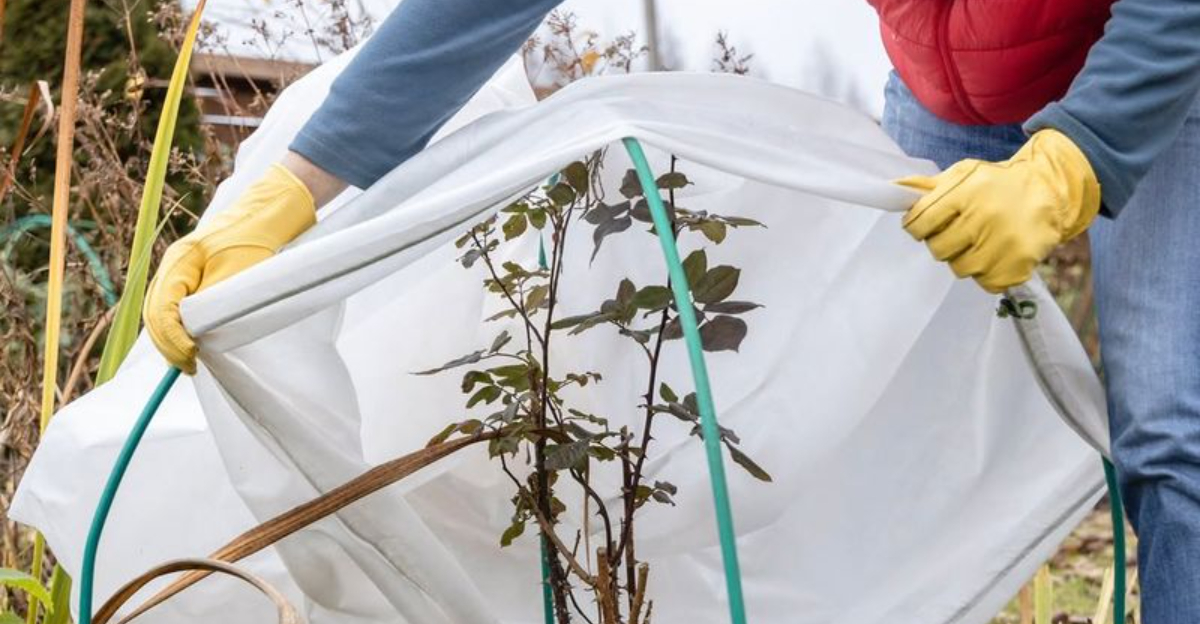
You’ll want to drape the cloth loosely over your tender vegetables, flowers, and young shrubs before sunset on nights when frost is predicted.
Make sure the fabric reaches all the way to the ground and secure the edges with rocks, bricks, or garden stakes so wind doesn’t blow it away.
Plants like tomatoes, peppers, basil, and impatiens are especially vulnerable to cold damage and benefit most from this protection.
Your Georgia Garden Changes Every Week. Your Plan Should Too.
Gardening in Georgia changes quickly throughout the season. Every Friday you’ll receive a simple weekly plan showing exactly what to plant, prune, fertilize, harvest, and protect so you never miss the right timing.
Old bedsheets or blankets work in a pinch, but avoid using plastic sheeting directly on plants because it can actually make things worse by trapping moisture and causing freeze damage where it touches leaves.
Remove the covers the next morning once temperatures rise above freezing so plants can get sunlight and fresh air.
Keeping frost cloth handy throughout Georgia’s unpredictable fall and winter months means you’ll always be ready when cold snaps arrive unexpectedly.
This simple step can save weeks of regrowth and keep your garden producing longer into the season.
3. Mulch Around Perennials And Root Crops
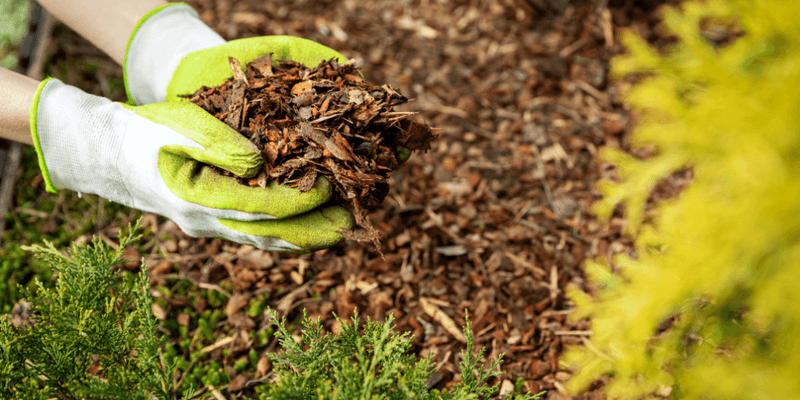
A thick blanket of mulch works wonders for insulating plant roots during Georgia’s coldest months.
Spreading three to four inches of organic mulch around your perennials, strawberry plants, and root vegetables like carrots and beets helps keep soil temperatures more stable.
This layer acts as a buffer against those sudden temperature swings that can stress plants and damage tender root systems.
Pine straw is especially popular in Georgia because it’s readily available, affordable, and breaks down slowly throughout winter.
Shredded leaves from your yard also make excellent free mulch that adds nutrients as they decompose.
Pull mulch away from direct contact with plant stems and tree trunks to prevent rot and discourage pests from setting up camp there.
Root crops left in the ground benefit hugely from mulch protection because it keeps soil from freezing solid, which makes harvesting easier throughout winter.
Your perennial flowers and herbs will emerge stronger in spring when their roots stay protected all winter long.
Applying mulch before the first freeze is much easier than trying to spread it over frozen ground later.
This simple task pays dividends by reducing winter damage and giving plants a healthier start next growing season.
4. Water Your Garden Deeply Before The Freeze
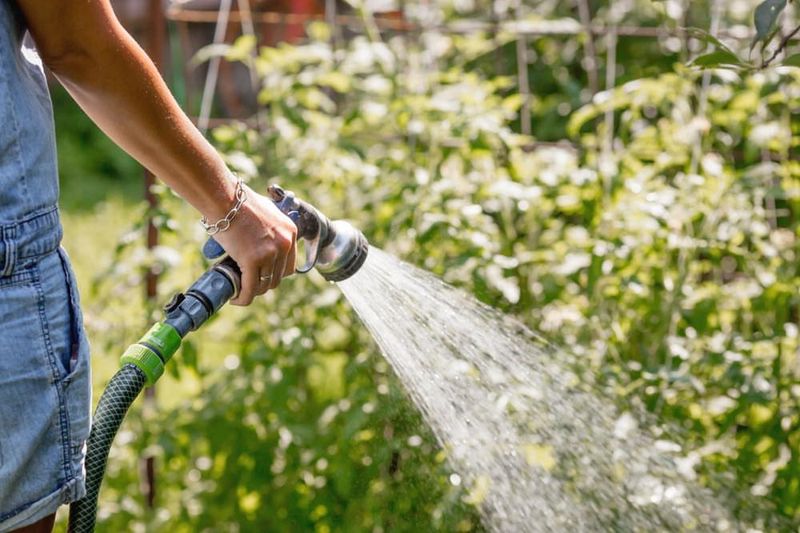
It might seem backward, but watering your garden thoroughly before a freeze actually helps protect plants from cold damage.
Moist soil holds and releases heat much better than dry soil, creating a slightly warmer microclimate around plant roots.
Plan to water deeply during the afternoon before temperatures are expected to drop, giving the soil time to absorb moisture before nightfall.
Focus on the root zones of shrubs, perennials, and any plants you’re trying to protect through the cold snap.
This technique is especially helpful in Georgia where fall weather can be dry, leaving soil parched right when plants need that extra heat buffer most.
Avoid watering foliage directly before a freeze because wet leaves are more susceptible to frost damage than dry ones.
Container plants particularly benefit from this practice since pots dry out faster and roots are more exposed to temperature changes.
The water releases heat slowly overnight as it cools, providing several extra degrees of warmth that can make the difference between a plant surviving or suffering serious damage.
This old farming trick has been used for generations because it genuinely works.
Taking fifteen minutes to water before the first freeze arrives is one of the easiest protective measures you can take.
5. Move Container Plants To Sheltered Locations
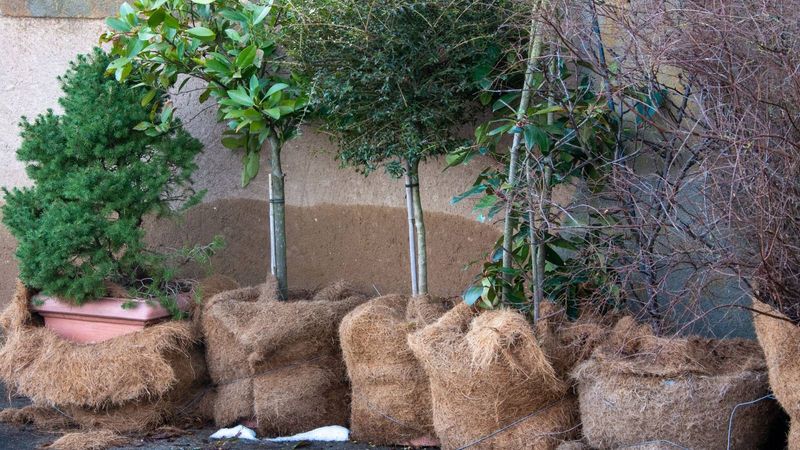
Container gardens are beautiful but vulnerable when freezing weather arrives in Georgia.
Pots expose roots to cold from all sides, unlike in-ground plants where soil provides natural insulation.
Before that first freeze hits, relocate tender potted plants to protected spots like covered porches, unheated garages, or inside your home.
Even moving containers against a south-facing wall or under roof eaves provides significant protection from the worst cold.
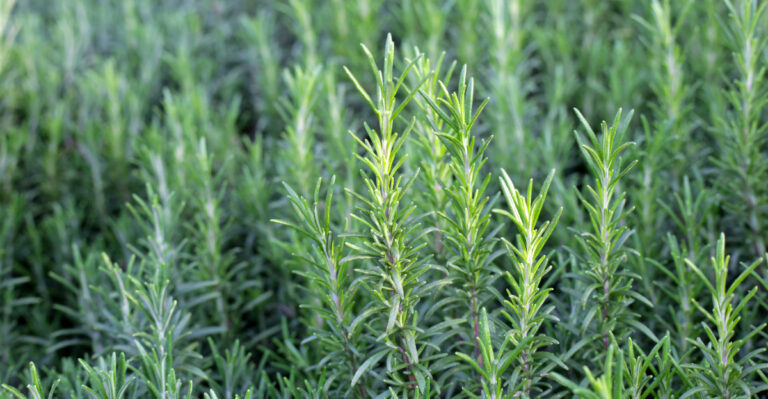
Tropical plants, herbs like basil and rosemary, and flowering annuals in pots won’t survive freezing temperatures outdoors.
If you’re bringing plants indoors, check carefully for hitchhiking insects first to avoid bringing pests into your house.
Group pots together in their sheltered location because plants create their own warmer microclimate when clustered.
Heavy containers that can’t be moved easily can be wrapped with bubble wrap or burlap to insulate the pot itself, preventing roots from freezing.
Georgia’s freeze events are often short-lived, so you might only need to shelter plants for a night or two before returning them outside.
This mobility is one of the best advantages of container gardening because you can literally move your garden out of harm’s way when needed.
6. Drain And Store Garden Hoses And Irrigation Systems
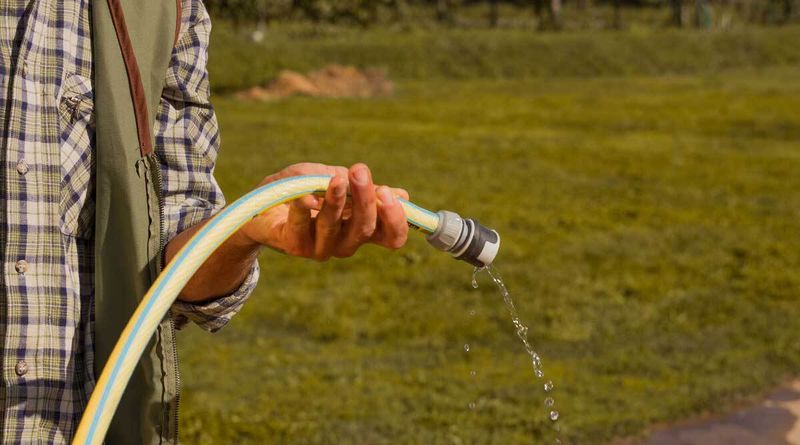
Frozen water expands with incredible force, and that means hoses and irrigation lines left full of water can burst when temperatures plummet.
Before Georgia’s first freeze arrives, disconnect all hoses from outdoor faucets and drain them completely by stretching them out on a slope or swinging them around to force water out.
Coil drained hoses neatly and store them in a garage or shed where they’ll stay dry and protected all winter.
Drip irrigation systems and soaker hoses also need attention because trapped water in the lines will freeze and crack the tubing.
Walk your irrigation system and open any drain valves, then blow out remaining water using compressed air if your system has that capability.
Don’t forget to shut off and drain backflow preventers and above-ground sprinkler components too.
Outdoor faucets themselves benefit from insulated covers that you can find at any hardware store for just a few dollars.
Taking thirty minutes to properly winterize your watering equipment prevents expensive replacements come spring.
Many Georgia gardeners have learned this lesson the hard way after finding split hoses and cracked fittings following an unexpected hard freeze.
This preventive maintenance is quick, easy, and saves both money and frustration when you’re ready to start watering again next season.
7. Prune Dry Growth But Wait On Major Trimming
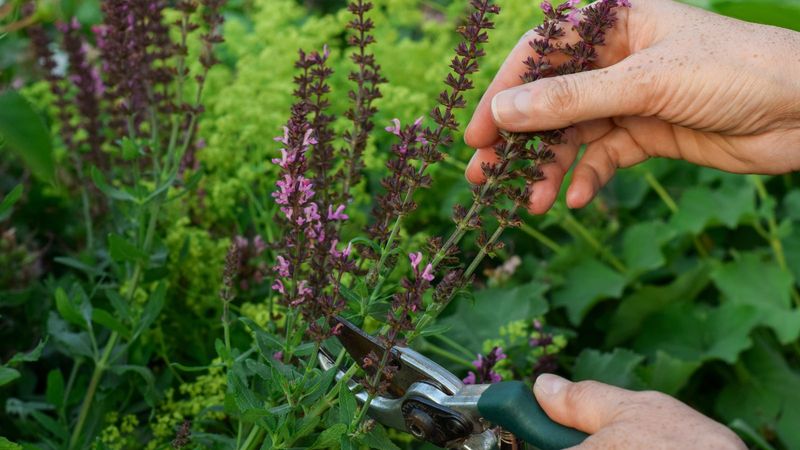
Fall cleanup tempts many gardeners to grab pruning shears and start cutting everything back before winter.
While removing obviously dry or diseased branches makes sense, holding off on major pruning until late winter is actually better for most plants in Georgia.
Cutting back healthy growth before the first freeze can stimulate new tender shoots that won’t have time to harden off before cold weather arrives.
Those fresh cuts also create entry points where cold air can damage plant tissue more easily.
Focus your pre-freeze pruning efforts on removing broken branches, clearing away pest-damaged stems, and cutting back annual flowers that have finished for the season.
Perennials like coneflowers and black-eyed Susans can actually be left standing because their seed heads feed birds throughout winter and the dried stems provide habitat for beneficial insects.
Save heavy pruning of roses, shrubs, and fruit trees for February or early March when plants are still dormant but the worst cold has passed.
This timing gives cuts time to heal before new growth begins in spring.
Georgia’s mild winters sometimes confuse plants into thinking spring has arrived early, so avoiding late fall pruning prevents triggering that response.
Clean up what’s truly damaged, then put those pruners away until late winter for the health of your garden.
8. Protect Young Trees And Shrubs With Wrapping
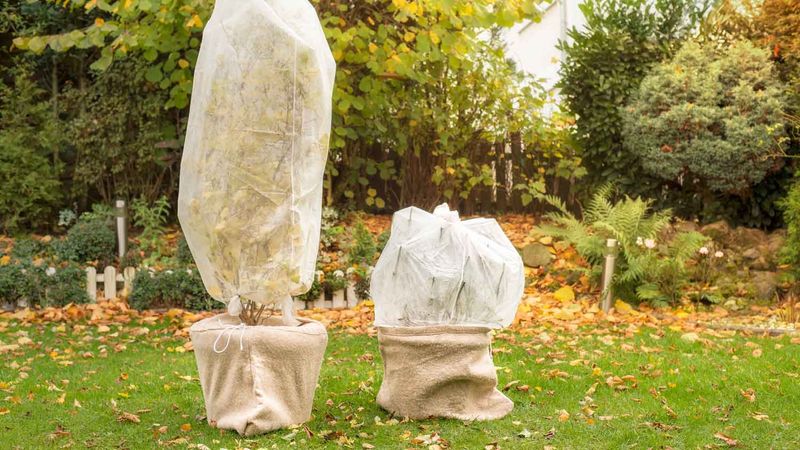
Young trees and newly planted shrubs haven’t developed the tough bark and established root systems that help mature plants weather cold snaps.
Wrapping vulnerable trunks with burlap or special tree wrap protects tender bark from freeze damage and prevents sunscald during Georgia’s sunny winter days.
Start at the base and spiral the wrapping material up the trunk to the lowest branches, overlapping each layer slightly.
Secure with twine or tape, but avoid wrapping so tightly that you restrict the trunk.
This protection is especially important for thin-barked trees like Japanese maples, crape myrtles, and fruit trees planted within the last two years.
Evergreen shrubs benefit from burlap screens placed on the windward side to block drying winter winds that can damage foliage.
Young plants put all their energy into establishing roots during their first seasons, leaving less resources for cold hardiness.
Georgia’s variable winter temperatures create additional stress because warm spells trick plants into breaking dormancy, then sudden freezes cause damage.
Remove tree wrap in early spring once temperatures consistently stay above freezing so bark doesn’t stay too moist underneath.
Investing a little time protecting young landscape plants now means they’ll grow into strong, healthy specimens that can handle whatever Georgia weather throws at them in future years.
9. Apply Compost And Prepare Beds For Spring

The period right before the first freeze offers a perfect opportunity to feed your soil and set up next season’s success.
Spreading a layer of finished compost over garden beds now gives those nutrients all winter to break down and enrich the soil.
Microorganisms continue working even during Georgia’s cooler months, slowly releasing minerals and improving soil structure.
Apply two to three inches of compost over empty beds where you’ve already harvested summer crops.
You don’t need to till or dig it in because earthworms and weather will gradually incorporate it naturally.
This is also an ideal time to test your soil pH and add amendments like lime or sulfur that need months to adjust acidity levels properly.
Georgia’s red clay soils particularly benefit from regular organic matter additions because compost improves drainage and makes nutrients more available to plants.
Consider planting a cover crop like winter rye or crimson clover in larger garden spaces to prevent erosion and add nitrogen.
These cold-hardy plants grow through winter, then get turned under in spring to boost soil fertility.
Taking care of your soil now means easier planting and healthier crops when gardening season returns.
This forward-thinking approach separates experienced gardeners from beginners because great gardens truly start with great soil.