10 Ways To Protect Ohio Garden Plants From The First Freeze
Ohio gardeners know that autumn brings beautiful colors, cooler weather, and one serious challenge: the first freeze.
When temperatures drop below 32 degrees Fahrenheit, tender plants can suffer serious damage in just one night.
Leaves turn brown and mushy, flowers wilt, and all that hard work from spring and summer seems lost.
But you can save your precious plants with some simple preparation and smart techniques.
From covering delicate blooms to moving containers indoors, there are many ways to shield your garden from Jack Frost’s icy grip.
Most Ohio regions see their first freeze sometime between late September and mid-October, though northern areas might experience it earlier.
With the right knowledge and a little effort, you can extend your growing season and keep your garden looking gorgeous well into fall.
1. Cover Plants With Frost Blankets Or Sheets
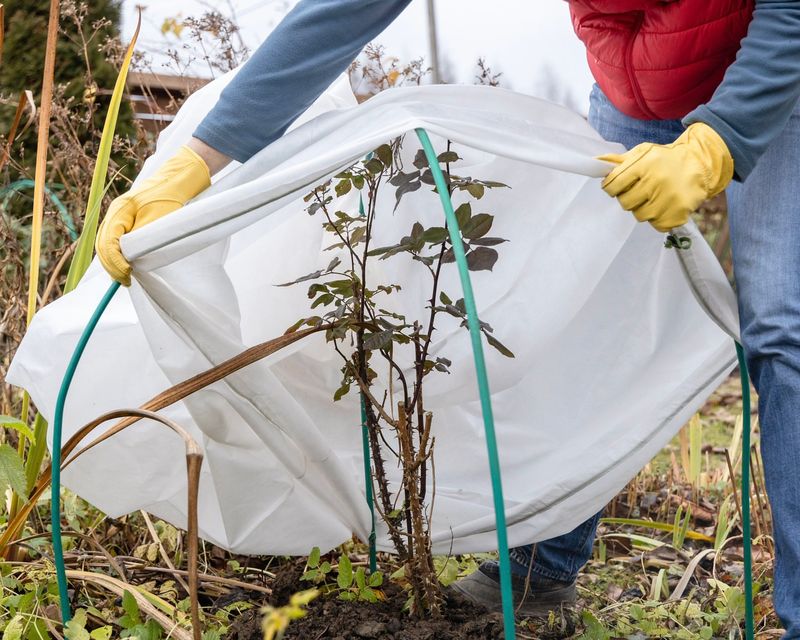
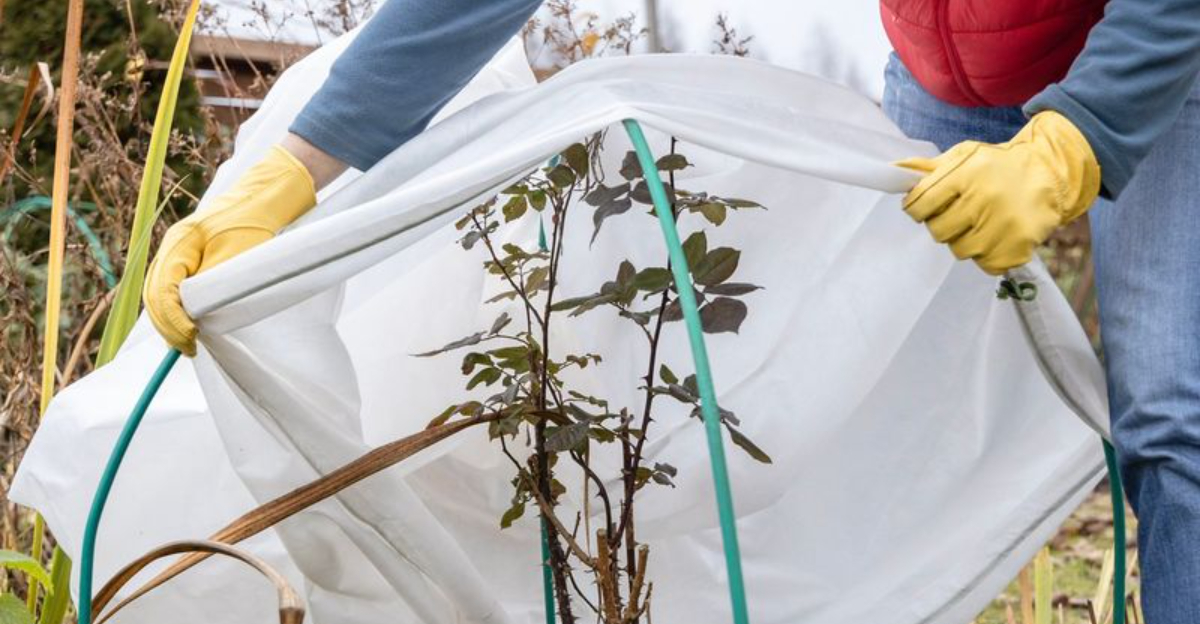
Old bedsheets, blankets, or special frost cloths create a protective barrier that traps warm air around your plants.
When you drape fabric over vulnerable plants before sunset, you help them retain heat that radiates from the soil throughout the night.
The key is making sure the covering reaches all the way to the ground, forming a tent-like structure that keeps cold air out.
Lightweight materials work best because they allow some air circulation while still providing insulation.
Heavy tarps or plastic should touch only the support stakes, never the plant leaves themselves, since direct contact can actually cause more damage when temperatures drop.
You can use stakes, tomato cages, or even upside-down buckets to hold the fabric away from delicate foliage.
Remove the coverings in the morning once temperatures rise above freezing so plants can receive sunlight and air.
Frost blankets designed specifically for gardening offer the best protection and can be reused season after season.
Keep several old sheets in your garage or shed ready to grab when the weather forecast warns of freezing temperatures.
This simple method has saved countless tomato plants, pepper bushes, and flower beds across Ohio for generations.
2. Water Plants Thoroughly Before The Freeze

Moist soil holds heat much better than dry soil, acting like a natural storage heater for your garden.
When you water your plants deeply the afternoon before an expected freeze, you give the soil time to absorb that moisture and release warmth slowly overnight.
The water molecules actually give off heat as they cool, creating a slightly warmer microclimate around plant roots.
Focus on the root zone rather than spraying leaves, since wet foliage can freeze faster and cause additional harm.
Apply enough water to soak down six to eight inches into the soil for best results.
Container plants especially benefit from this technique since pots lose heat more quickly than ground soil.
Avoid watering too early in the day, as you want the moisture present right when temperatures start dropping after sunset.
Clay and loam soils retain heat better than sandy soils, so gardens with lighter soil may need extra watering.
This method works wonderfully when combined with other protection strategies like covering or mulching.
Your Ohio Garden Changes Every Week. Your Plan Should Too.
Gardening in Ohio changes quickly throughout the season. Every Friday you’ll receive a simple weekly plan showing exactly what to plant, prune, fertilize, harvest, and protect so you never miss the right timing.
Many experienced Ohio gardeners swear by this trick and make it their first line of defense against unexpected cold snaps.
3. Apply Extra Mulch Around Plant Bases

Think of mulch as a cozy blanket for your plant roots and the soil beneath them.
Adding a thick layer of organic material like straw, shredded leaves, or wood chips helps insulate the ground and keeps temperatures more stable.
A four to six inch layer works wonders for protecting perennials, shrubs, and the roots of annual vegetables.
Spread the mulch in a circle around each plant, keeping it a few inches away from stems to prevent rot and pest problems.
The mulch traps air pockets that act as insulation, slowing down how quickly heat escapes from the soil.
Fallen leaves raked from your yard make excellent free mulch and break down over winter to enrich your soil.
Pine needles, grass clippings, and compost also work well for this purpose.
You can apply mulch anytime in fall, but adding extra right before the first freeze gives immediate benefits.
This protective layer not only guards against cold but also helps prevent the freeze-thaw cycles that can heave plants out of the ground.
Ohio winters can be unpredictable, and mulch provides ongoing protection throughout the entire cold season ahead.
4. Move Container Plants Indoors Or To Sheltered Spots

Pots and containers lose heat rapidly since they have much less soil volume than garden beds.
Plants growing in containers face a double threat because cold air attacks both the exposed pot sides and the soil surface.
Bringing your potted herbs, flowers, and vegetables inside before freezing temperatures arrive is the most foolproof protection method available.
Even moving containers to a garage, covered porch, or against the house foundation provides significant shelter.
The walls of your home radiate stored heat and block chilling winds that make freezes even more damaging.
Group smaller pots together in a protected corner where they can share warmth and get extra insulation from each other.
If you plan to keep plants indoors for an extended period, place them near windows where they can still receive adequate light.
Check soil moisture regularly since indoor air tends to dry out plants faster than you might expect.
Tender tropical plants like coleus, begonias, and impatiens absolutely must come inside if you want to enjoy them again next year.
Container gardening offers this flexibility that in-ground planting cannot match when Ohio’s unpredictable weather turns suddenly cold.
5. Use Cloches Or Individual Plant Covers
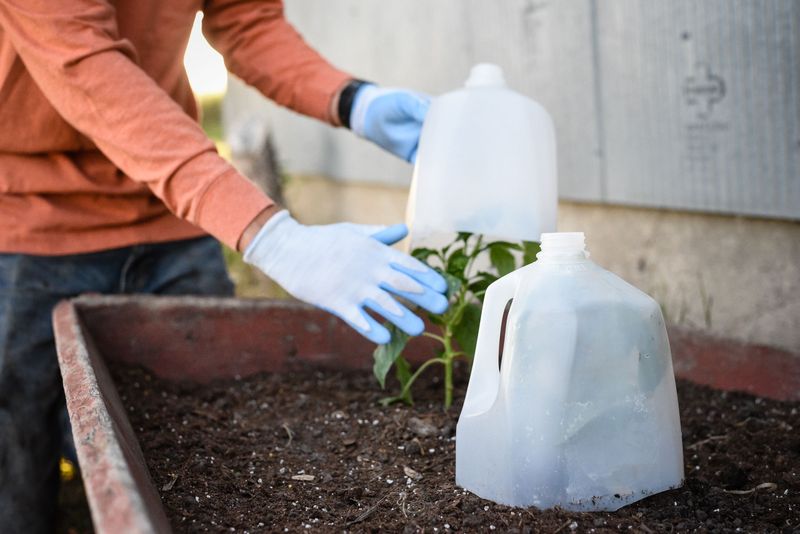
Individual plant protectors called cloches have been used by gardeners for hundreds of years with excellent results.
These miniature greenhouses trap warmth around single plants or small groups, creating a protective dome that blocks wind and holds in heat.
You can buy fancy glass cloches, but simple solutions like milk jugs with the bottoms cut off work just as well.
Place the cloche over the plant in late afternoon, pushing it slightly into the soil for stability.
Leave the cap off or cut ventilation holes so moisture and heat do not build up too much during sunny days.
Clear plastic soda bottles, overturned flower pots, and even large yogurt containers make effective homemade cloches for smaller plants.
This method works particularly well for protecting individual pepper plants, eggplants, or prized flowers you want to save.
The transparent material allows sunlight to reach the plant while providing a warm, protected environment
Remember to remove or vent cloches on warm days to prevent overheating and excessive moisture buildup.
Many Ohio gardeners keep a collection of various sized cloches ready to deploy whenever the forecast calls for cold weather.
6. Harvest Tender Vegetables Before The Freeze Hits
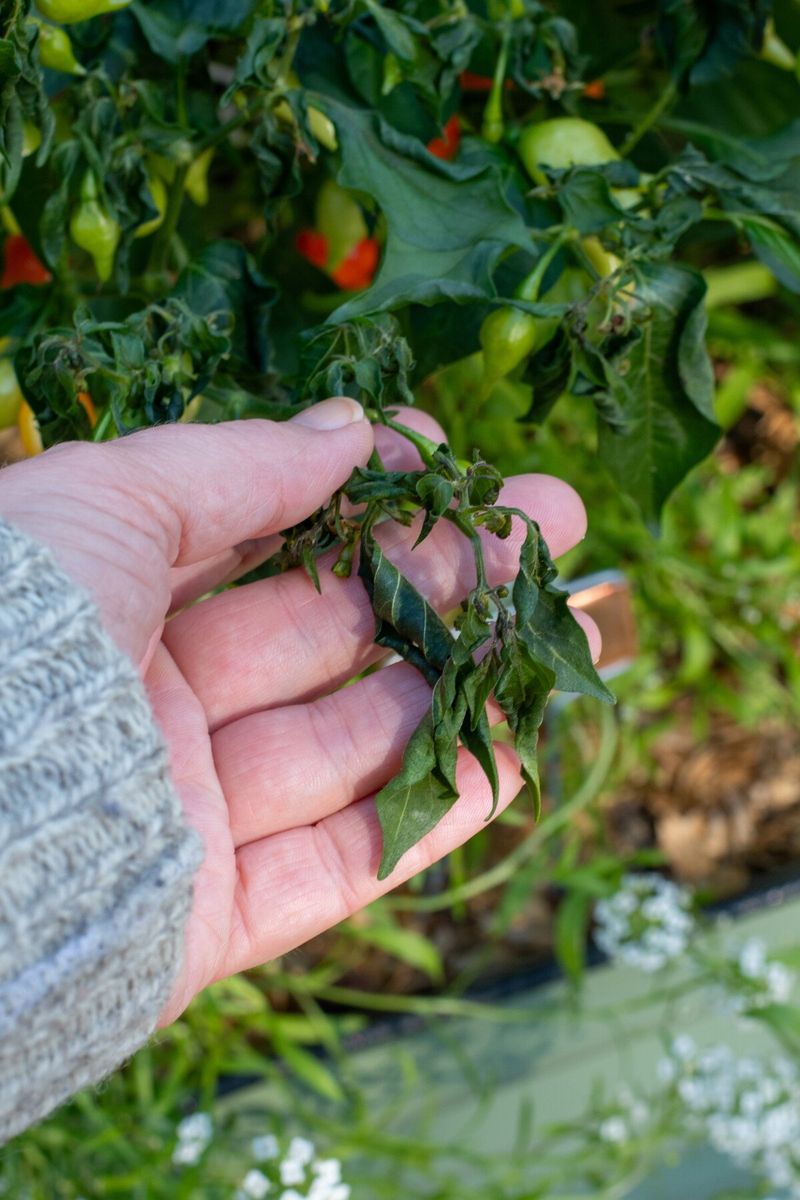
Sometimes the smartest protection strategy is simply gathering your produce before cold temperatures ruin it.
Tomatoes, peppers, cucumbers, squash, and beans all suffer severe damage when exposed to freezing temperatures.
Even green tomatoes can ripen indoors on a sunny windowsill or wrapped in newspaper in a cool, dark place.
Check your local weather forecast regularly as autumn progresses so you have advance warning of approaching cold fronts.
Pick all your tender vegetables a day or two before the predicted freeze, even if some are not fully ripe yet.
You can make green tomato recipes, pickle immature cucumbers, or simply enjoy whatever stage your vegetables have reached.
Root vegetables like carrots, beets, and turnips actually taste sweeter after a light frost, so those can wait.
However, basil, cilantro, and other tender herbs should be harvested immediately or they will turn black and mushy.
Preserve your harvest by freezing, canning, or drying whatever you cannot eat fresh right away.
Ohio gardens produce abundantly through September and early October, so you will likely have plenty to gather before winter arrives.
7. Build Temporary Cold Frames Around Garden Beds
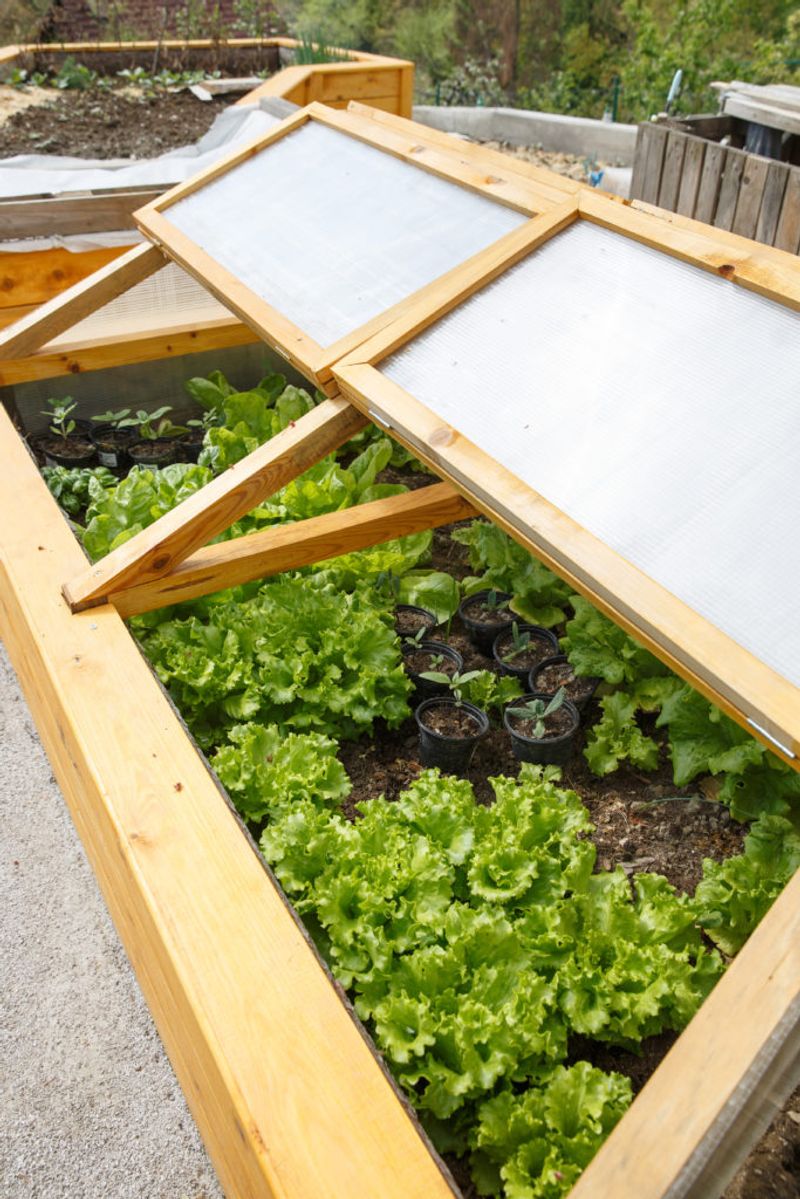
Cold frames are like miniature greenhouses that sit directly on the ground over your plants.
You can construct simple versions using old windows, clear plastic sheeting, or even shower curtains stretched over a wooden or PVC pipe frame.
The transparent top allows sunlight to enter while trapping warm air inside, often keeping temperatures ten to fifteen degrees warmer than outside.
Position your cold frame over rows of lettuce, spinach, kale, or other cool-season crops you want to extend into late fall.
The south-facing side should be lower than the north side to maximize sun exposure and allow rain to run off easily.
Prop open the lid on warm days to prevent overheating and close it tightly when freezing temperatures are forecast.
Bales of straw or bags of leaves placed around the outside edges provide extra insulation on the coldest nights.
Many Ohio gardeners build permanent cold frames that last for years, while others prefer quick temporary structures they assemble only when needed.
This method protects larger areas than individual cloches and allows you to harvest fresh greens well into November or even December.
With a cold frame, your growing season extends weeks beyond what neighbors without protection experience.
8. Bring Garden Lights Or Heat Sources Near Plants
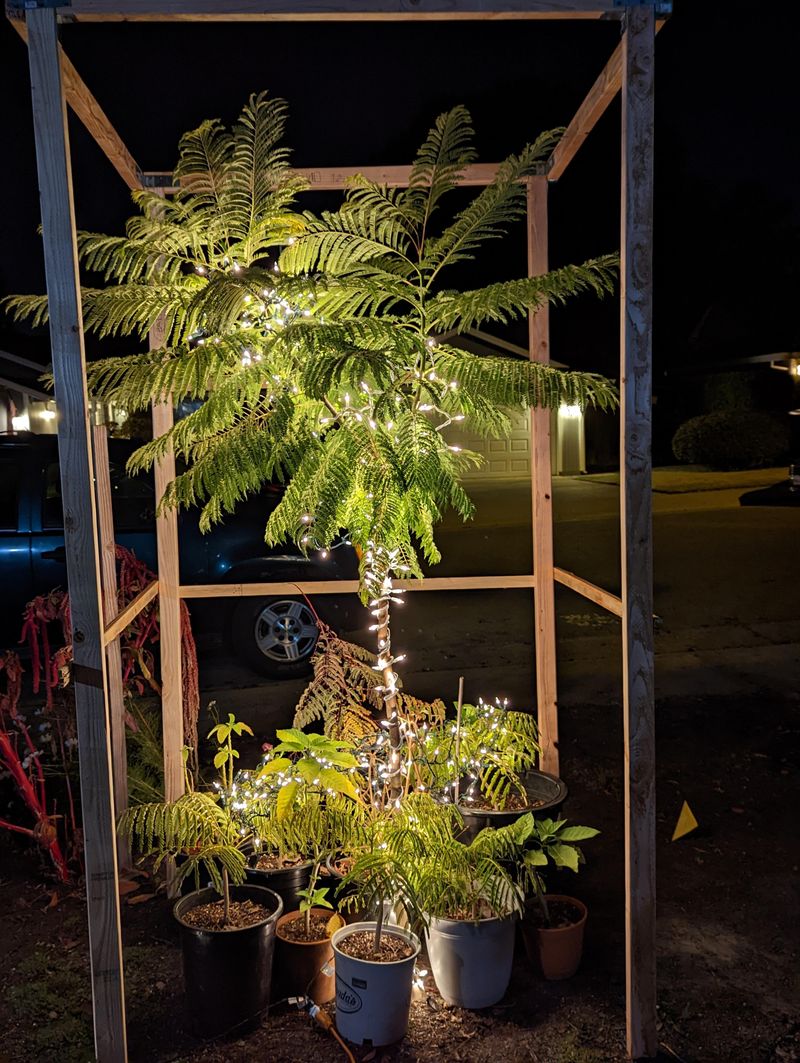
Did you know that old-fashioned incandescent light bulbs produce heat as well as light?
Stringing outdoor lights near vulnerable plants can raise temperatures just enough to prevent freeze damage on borderline nights.
Even holiday string lights placed under plant covers create a warmer microclimate that keeps frost from forming.
Place a trouble light with an incandescent bulb under a sheet-covered plant to create a mini heated shelter.
Make absolutely certain that bulbs never touch fabric or plant material since fire hazards are real and serious.
LED lights do not work for this purpose because they produce almost no heat, so stick with traditional bulbs.
Some gardeners use small space heaters or heat lamps in enclosed areas like porches where potted plants gather for protection.
Extension cords rated for outdoor use and ground fault circuit interrupters provide essential safety when using electricity in the garden.
This method works best for small, high-value plants rather than entire garden beds.
Commercial growers sometimes use smudge pots or propane heaters, but these are usually unnecessary for home Ohio gardens.
The combination of covers plus a gentle heat source offers excellent protection during those critical first freeze nights.
9. Plant Cold-Hardy Varieties And Plan Garden Layout Wisely
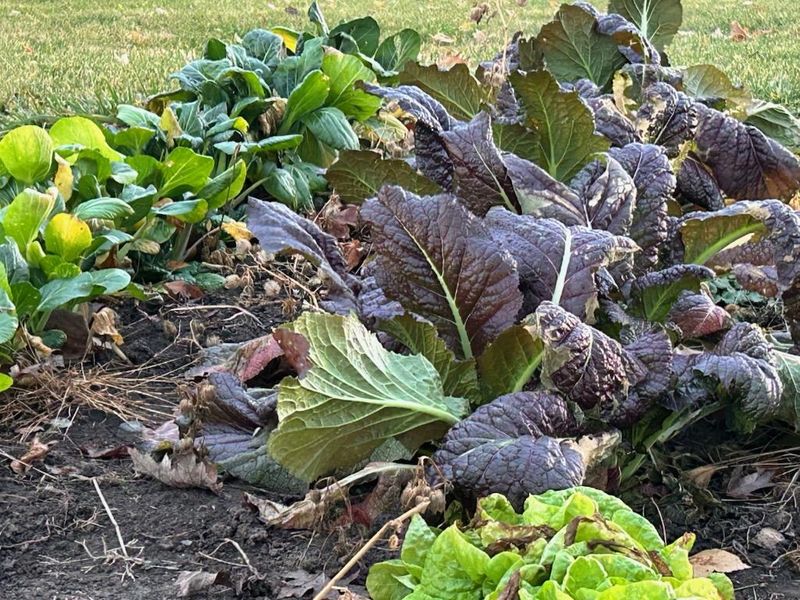
Prevention starts long before the first freeze when you select what to plant and where to place it.
Choosing varieties bred for cold tolerance means less scrambling to protect plants when temperatures drop unexpectedly.
Kale, Brussels sprouts, carrots, and many herbs actually improve in flavor after experiencing light frosts.
Position tender plants in the warmest spots of your garden, such as south-facing areas near walls or fences that absorb and radiate heat.
Avoid planting frost-sensitive vegetables in low-lying areas where cold air naturally settles on chilly nights.
Raised beds warm up faster in spring and stay slightly warmer in fall compared to ground-level plantings.
Research which plant varieties perform best in Ohio’s climate zone before buying seeds or transplants each season.
Seed catalogs and plant tags usually indicate frost tolerance and recommended growing zones.
Succession planting allows you to harvest some crops early while extending others with protection methods.
Smart gardeners in Ohio always keep the first freeze date in mind when planning their gardens each spring.
This forward-thinking approach reduces stress and work when autumn arrives with its inevitable cold temperatures.
10. Monitor Weather Forecasts And Act Quickly
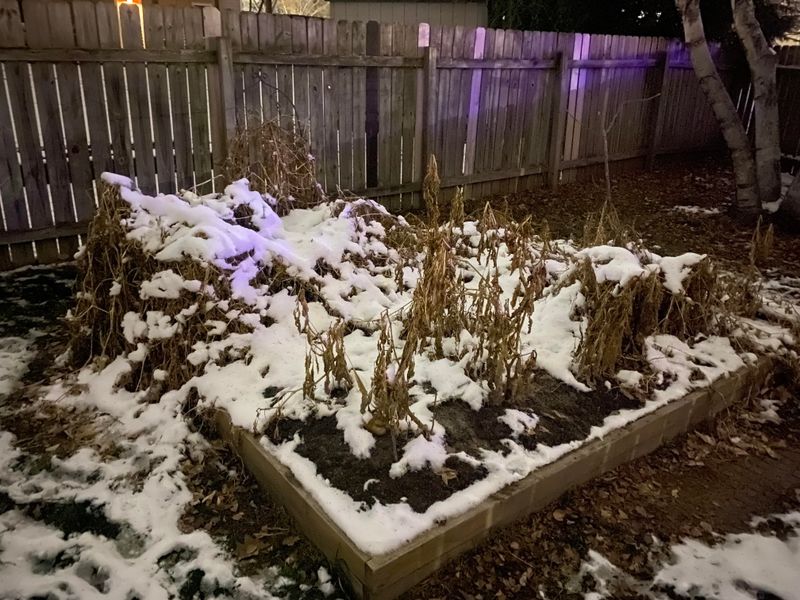
Your most powerful tool for protecting plants is accurate, timely information about approaching cold weather.
Modern weather apps and websites provide detailed forecasts that predict freezing temperatures days in advance.
Set up weather alerts on your phone so you receive notifications when frost or freeze warnings are issued for your Ohio county.
Temperatures can vary significantly across your property, with low spots and open areas freezing while protected areas stay warmer.
A simple outdoor thermometer placed in your garden helps you understand the specific conditions your plants experience.
Clear, calm nights with low humidity create the most dangerous freeze conditions since clouds and wind actually provide some protection.
When frost is predicted, take action in the afternoon or early evening rather than waiting until the last minute.
Keep your protection supplies organized and easily accessible so you can respond quickly when weather turns threatening.
Join local gardening groups or online forums where Ohio gardeners share real-time information about conditions in different areas.
Being proactive rather than reactive makes all the difference between saving your garden and losing it to an early freeze.
Vigilance and preparation transform you from a worried gardener into a confident one ready for whatever weather arrives.