South Carolina Rules About Clearing A Neighbors Vines Over Your Fence
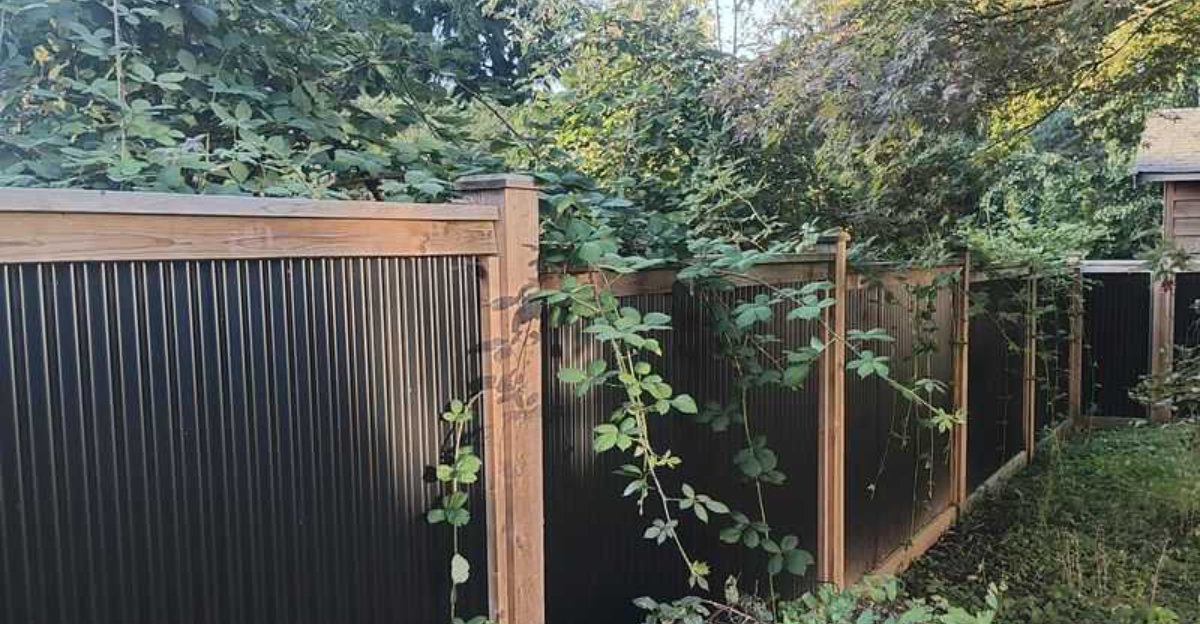
Vines show no respect for property lines in South Carolina.
One season they climb a trellis, the next they spill over fences like uninvited guests.
Homeowners face a common dilemma: protect their space or risk a neighbor feud.
Clippers feel attractive, yet the law carries sharp edges too.
Property rights, plant ownership, and damage rules all factor into one simple snip.
Cut too far, and trouble grows faster than the vine itself. Learn where your rights begin, where they stop, and how to act without a move that stirs the pot.
A calm approach beats courtroom drama every time.
Before you trim, tug, or tear, know the ground rules that keep peace intact and wallets safe.
Knowledge helps homeowners handle invasive vines with confidence and courtesy.
Property Owners Can Trim Overhanging Vegetation At The Boundary Line
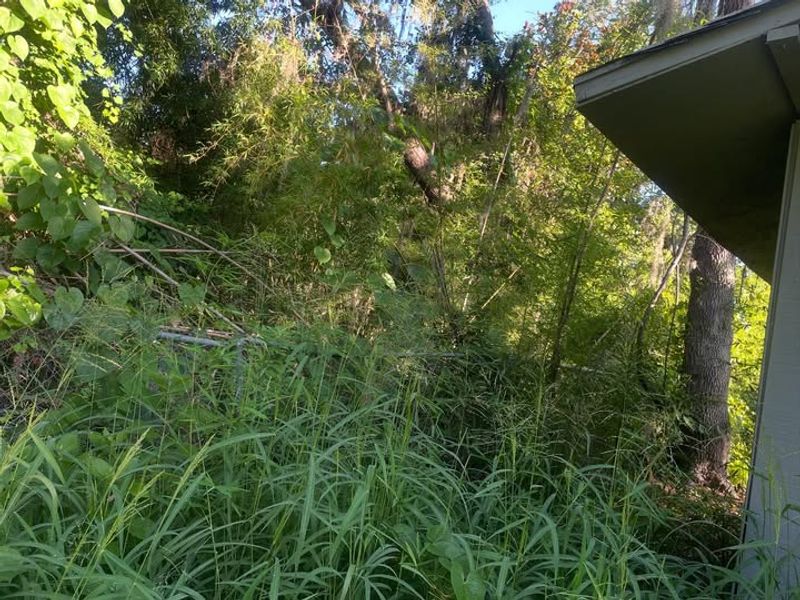
South Carolina law gives property owners the right to trim any branches, vines, or roots that cross onto their land.
You can cut back vegetation right at the property line without asking your neighbor for permission first.
This rule exists because landowners have the right to enjoy their property without interference from plants growing on someone else’s land.
However, you must be careful to only trim what actually crosses the boundary.
Going onto your neighbor’s property to cut their plants without permission could get you in legal trouble.
Make sure you know exactly where your property line sits before you start trimming.
You might need to check your property survey or hire a professional surveyor if there is any confusion about the exact boundary.
Always trim responsibly and avoid causing unnecessary damage to the neighbor’s plants.
Keep the cuttings on your side or dispose of them properly.
Being respectful about the process can help prevent arguments and maintain a peaceful relationship with the people next door.
Remember that while you have the right to trim, you should still try to be a considerate neighbor throughout the process.
You Cannot Force Your Neighbor To Remove Their Vines

Even though vines from next door might annoy you, South Carolina law does not allow you to demand that your neighbor remove them from their own property.
The plants belong to your neighbor, and they have the right to grow whatever they want on their land.
Your only legal option is to trim the parts that cross onto your side of the fence.
You cannot go to court and force your neighbor to cut down their vines or remove them completely.
This rule protects property rights and ensures that people can landscape their yards as they see fit.
If the vines are causing serious damage to your property, you might have other legal options, such as filing a nuisance claim.
But simply not liking the look of the vines is not enough to make your neighbor remove them.
Communication is often the best approach in these situations.
Talk to your neighbor politely and explain your concerns.
Many people are willing to work together to find a solution that keeps everyone happy.
Your South Carolina Garden Changes Every Week. Your Plan Should Too.
Gardening in South Carolina changes quickly throughout the season. Every Friday you’ll receive a simple weekly plan showing exactly what to plant, prune, fertilize, harvest, and protect so you never miss the right timing.
Building a friendly relationship can go a long way toward resolving plant-related disputes without involving lawyers or courts.
Trimming Must Not Harm The Health Of The Plant On Neighbor’s Property
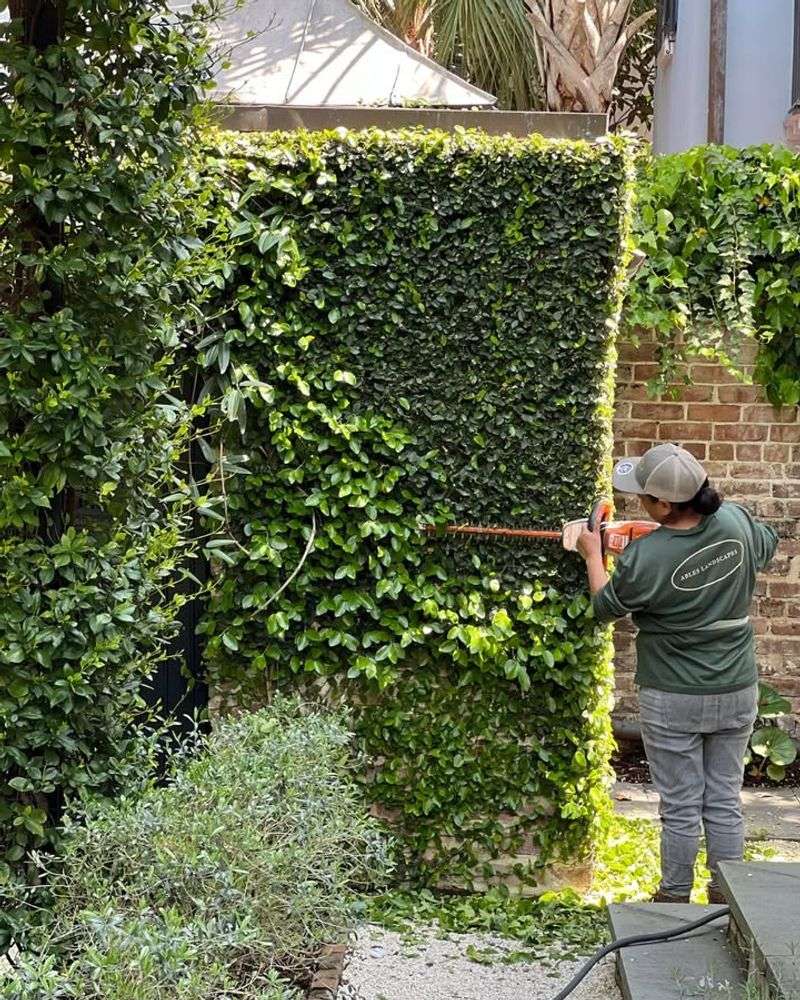
While you can trim vines that cross your property line, South Carolina law requires you to do so carefully.
You cannot cut the vines in a way that would seriously harm or damage the plant on your neighbor’s side.
This means you need to trim responsibly and avoid cutting so much that the entire vine suffers.
For example, if cutting a particular branch would cause the whole plant to weaken or stop growing properly, you might be held responsible for the damage.
Courts have ruled that property owners must balance their right to trim with their duty not to cause unnecessary harm to a neighbor’s vegetation.
If you trim too aggressively and the plant suffers, your neighbor could sue you for damages.
To avoid problems, consider hiring a professional arborist or landscaper who understands how to trim plants properly.
They can advise you on the best way to remove the parts on your property without harming the rest of the plant.
Taking this extra step shows that you respect your neighbor’s property and want to handle the situation fairly.
It also protects you from potential legal consequences down the road.
You Are Responsible For Disposal Of Trimmed Vegetation
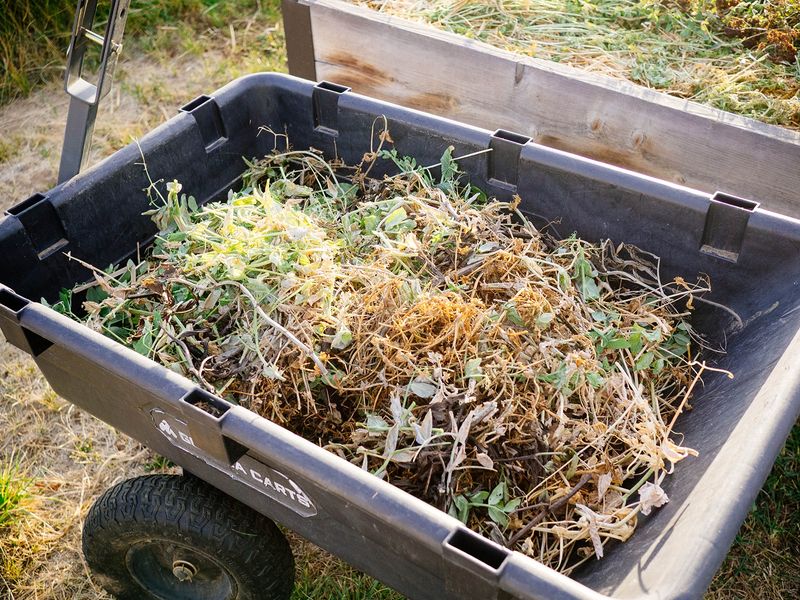
Once you trim the vines that have crossed onto your property, South Carolina law makes you responsible for getting rid of the cuttings.
You cannot simply toss the trimmed branches back over the fence onto your neighbor’s yard.
Doing so could be considered littering or trespassing, and it would certainly damage your relationship with your neighbor.
Proper disposal methods include bagging the cuttings for yard waste pickup, composting them if you have a compost pile, or taking them to a local green waste facility.
Some communities have specific rules about how to dispose of plant material, so check with your local waste management department.
Never burn the vines without checking local ordinances, as many areas have strict rules about outdoor burning.
If you hire a professional to do the trimming, make sure your contract includes removal and disposal of the cuttings.
Most landscaping companies will haul away the debris as part of their service.
Taking care of disposal properly shows that you are a responsible property owner.
It also prevents any additional conflicts with your neighbor about the mess left behind.
Clean up thoroughly after trimming to keep your yard looking nice and your neighbor relations positive.
Damage Caused By Vines May Create A Nuisance Claim
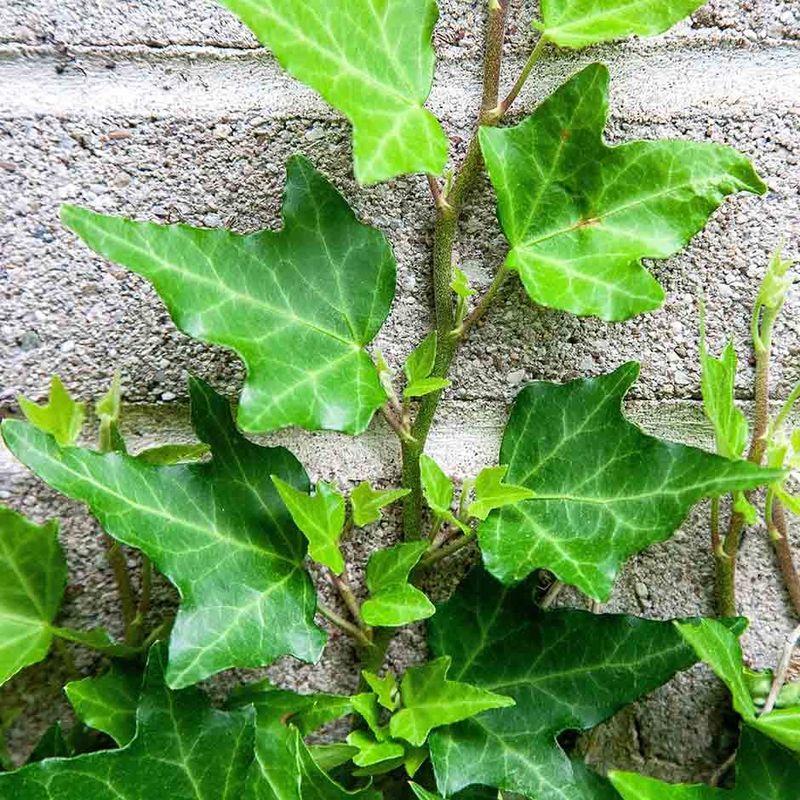
When vines from your neighbor’s yard cause actual damage to your property, you might have grounds for a nuisance claim under South Carolina law.
A nuisance occurs when someone’s use of their property interferes with your ability to enjoy yours.
For example, if the vines are so heavy that they pull down your fence or damage your siding, you could potentially sue your neighbor.
To win a nuisance claim, you typically need to show that the damage is significant and ongoing.
Minor annoyances usually do not qualify as legal nuisances.
You also need to prove that the damage is directly caused by your neighbor’s vines.
Before filing a lawsuit, document the damage with photographs and keep records of any repair costs.
Try talking to your neighbor first to see if they will voluntarily address the problem.
Many disputes can be resolved through conversation without going to court.
If your neighbor refuses to cooperate and the damage continues, consult with a local attorney who specializes in property law.
They can help you understand your options and determine whether a nuisance claim is appropriate for your situation.
Shared Fences Require Cooperation For Vine Management
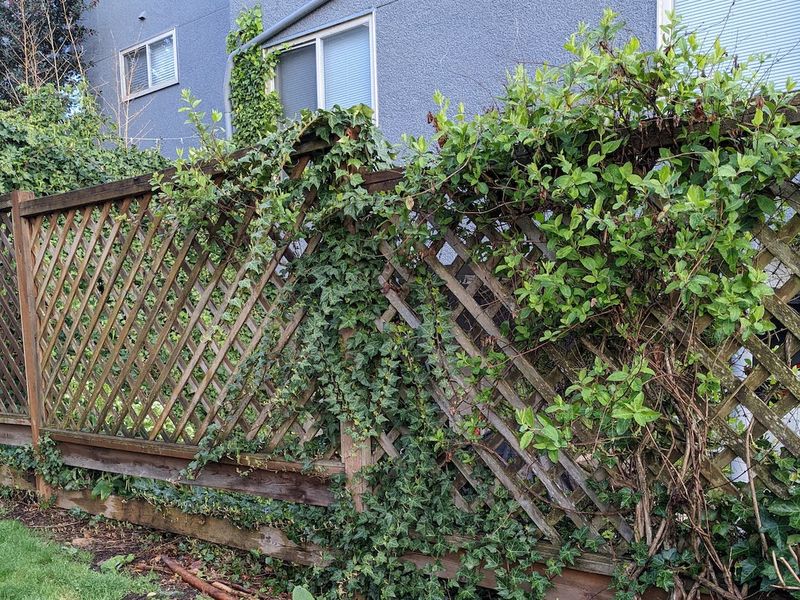
Many fences sit directly on the property line and are considered shared property between neighbors.
When a fence is shared, both property owners have equal rights and responsibilities for its maintenance.
This includes dealing with vines that grow on or damage the fence.
South Carolina law requires neighbors to work together on issues affecting shared structures.
You cannot make unilateral decisions about a shared fence without consulting the other owner.
If vines are damaging a shared fence, both neighbors should discuss the problem and agree on a solution.
This might mean splitting the cost of removing the vines or repairing any damage they have caused.
When neighbors cannot agree, the dispute might need to be resolved through mediation or in small claims court.
Judges typically expect both parties to act reasonably and share expenses fairly
To avoid conflicts, put any agreements about fence maintenance in writing.
Clear communication from the start can prevent misunderstandings later on.
Remember that maintaining a good relationship with your neighbor is often more valuable than winning an argument about vines.
Approach shared fence issues with a spirit of cooperation and compromise.
Local Ordinances May Add Additional Restrictions On Vegetation
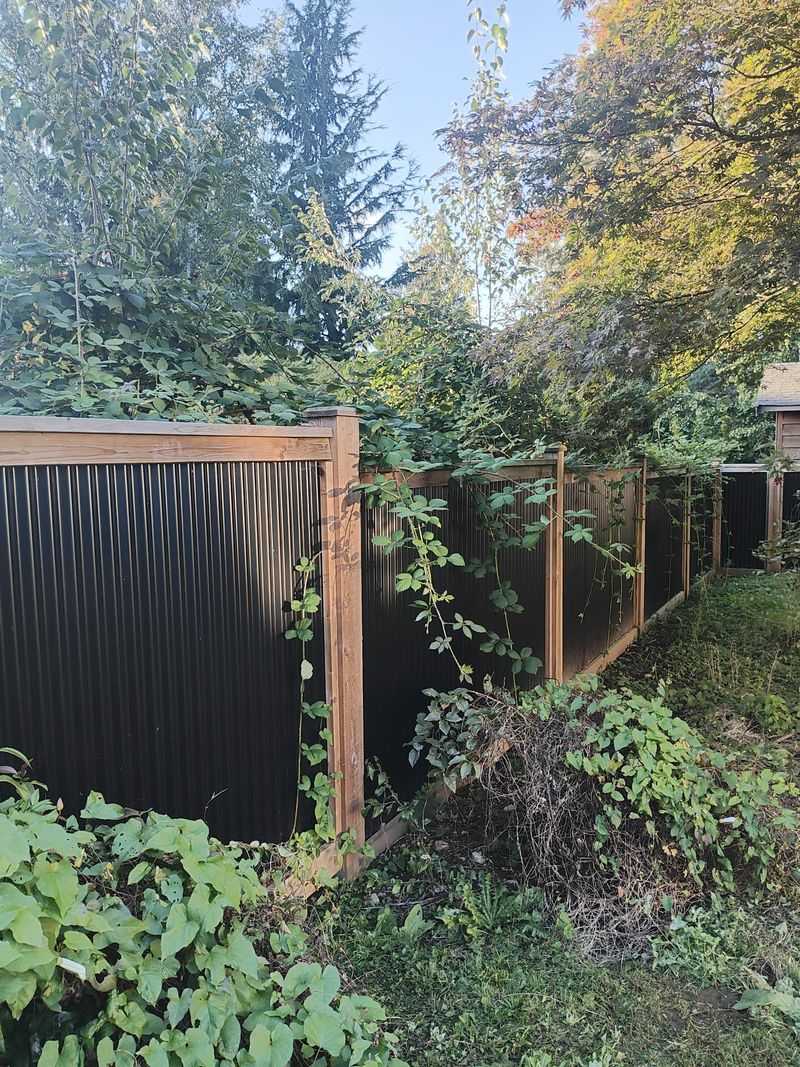
Beyond state law, many South Carolina cities and counties have their own rules about vegetation and property maintenance.
These local ordinances can add extra requirements or restrictions that go beyond what state law requires.
For example, some municipalities have rules about how tall plants can grow near property lines or require property owners to keep vegetation trimmed back from sidewalks and streets.
Your local government might also have specific codes about invasive plant species or vegetation that poses safety hazards.
To find out what rules apply in your area, contact your city or county code enforcement office
They can provide information about local ordinances and explain how they affect your situation.
Many local governments also post their codes online for easy reference.
If your neighbor’s vines violate a local ordinance, you might be able to file a complaint with code enforcement.
The government can then investigate and require your neighbor to bring their property into compliance.
This approach can sometimes resolve vine problems without direct confrontation between neighbors.
Always check both state law and local ordinances to fully understand your rights and responsibilities regarding vegetation that crosses property lines.