What To Do If An Armadillo Is Digging In Your Georgia Yard
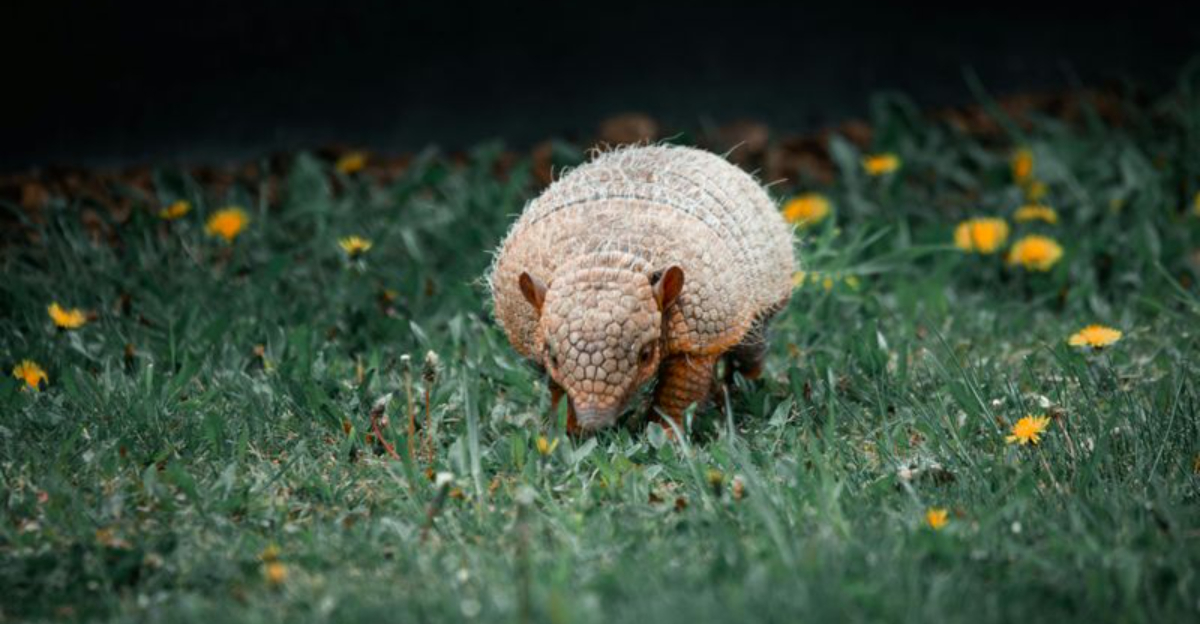
Fresh holes dot a Georgia lawn, small pits like a bad joke played overnight.
An armadillo often stands behind the mess, nose down, armor tough, and focus fixed on grubs.
Homeowners feel caught flat footed, torn between curiosity and frustration.
This animal means no harm, yet the damage tests patience fast.
Quick moves can save turf, protect beds, and keep peace with wildlife rules.
Panic or rash action only adds fuel to the fire. Smart response starts with calm steps that respect state law and limit repeat visits.
Expect practical options, clear limits, and realistic outcomes.
With the right plan, lawns recover, nights grow quiet, and balance returns.
The goal stays simple: protect property, avoid trouble, and let nature pass through. Peace wins for all sides.
Identify The Signs Of Armadillo Activity
Recognizing armadillo damage early can save you a lot of headache down the road.
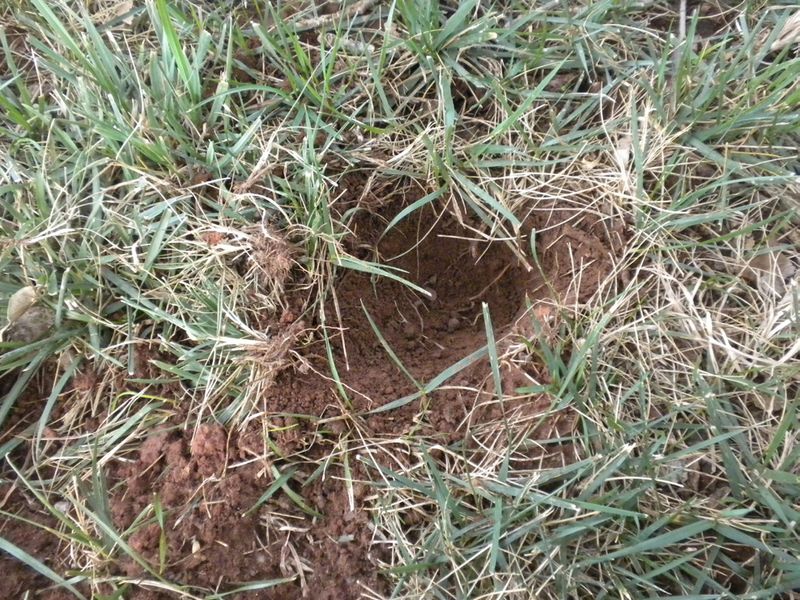
Look for small, cone-shaped holes scattered across your lawn, typically three to five inches wide and a few inches deep.
Unlike mole tunnels that create raised ridges, armadillo digging leaves distinct divots where they’ve used their strong claws to search for food.
You might also notice disturbed mulch beds, uprooted plants, or torn-up flower gardens throughout your Georgia property.
These nocturnal diggers are most active during the cooler evening hours, so you may not catch them in the act during daylight.
Fresh dirt piles and tracks with four toes can confirm their presence.
Pay attention to areas near water sources, as armadillos prefer moist soil where insects thrive.
Once you’ve confirmed armadillo activity, you can move forward with targeted solutions.
Early detection makes it easier to prevent extensive damage and protect your landscape investment.
Document the affected areas with photos to track progress as you implement control measures.
Understanding their behavior patterns will help you choose the most effective strategies for your specific situation in Georgia.
Remove Their Food Source
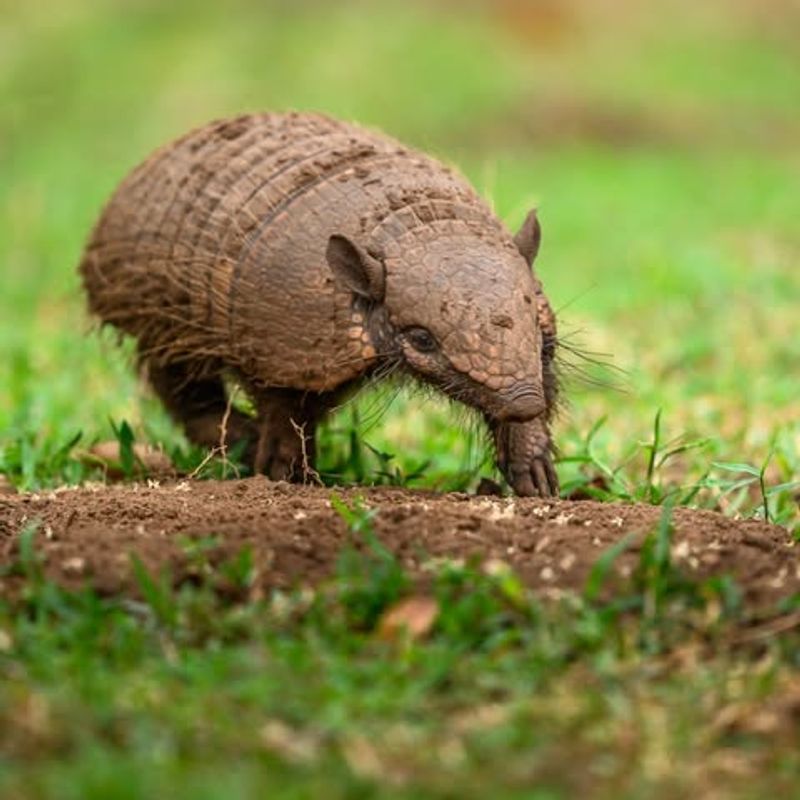
Armadillos aren’t digging up your yard for fun—they’re hunting for their next meal.
Their favorite foods include grubs, beetles, earthworms, and other insects living in your soil.
By treating your lawn with beneficial nematodes or appropriate insecticides, you can reduce the insect population that attracts these hungry visitors.
Beneficial nematodes are microscopic organisms that naturally control grub populations without harsh chemicals.
Apply them during the cooler months when soil temperatures are ideal for nematode activity in Georgia.
If you prefer chemical treatments, choose products specifically designed for grub control and follow all label instructions carefully.
Reducing soil moisture can also make your yard less appealing, as insects prefer damp environments.
Adjust your watering schedule to avoid overwatering, especially during evening hours.
A well-maintained lawn with healthy grass and proper drainage is naturally less attractive to burrowing pests.
This approach takes patience, as it may take several weeks before you notice a decrease in armadillo visits.
Combining food source removal with other deterrent methods creates a comprehensive defense strategy for your Georgia property.
Install Physical Barriers Around Your Property
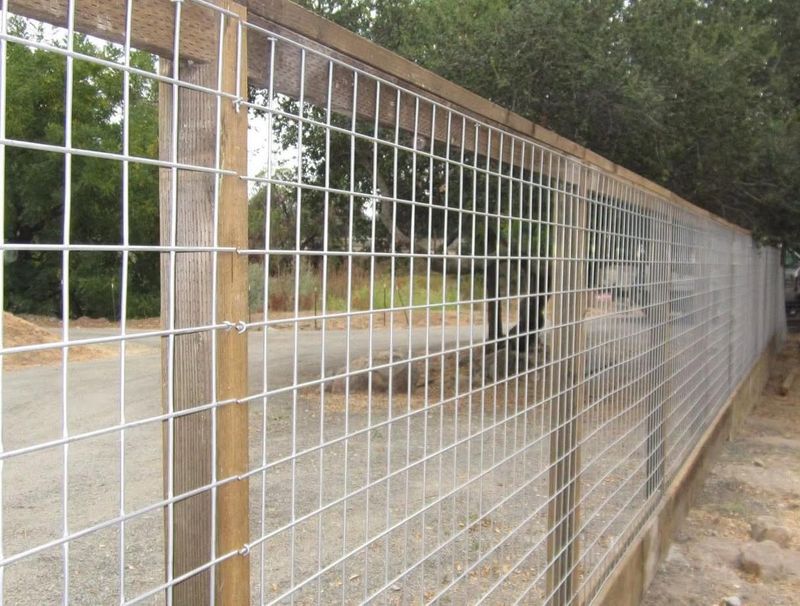
Building a fence might sound extreme, but it’s one of the most reliable long-term solutions.
Your Georgia Garden Changes Every Week. Your Plan Should Too.
Gardening in Georgia changes quickly throughout the season. Every Friday you’ll receive a simple weekly plan showing exactly what to plant, prune, fertilize, harvest, and protect so you never miss the right timing.
Armadillos can’t jump or climb very well, so a properly installed barrier can keep them out effectively.
Use sturdy wire mesh or hardware cloth with openings no larger than three inches to prevent them from squeezing through.
The fence should extend at least 12 inches below ground level, as armadillos are skilled diggers who can burrow underneath obstacles.
Above ground, the barrier should stand at least 24 inches tall with an outward-angled top section for added protection.
Focus on protecting vulnerable areas like vegetable gardens, flower beds, and newly planted sections of your Georgia yard.
You don’t necessarily need to fence your entire property—strategic placement around high-value areas works well.
Secure the bottom edge with landscape stakes or bury it in a trench filled with gravel for extra stability.
Check the fence regularly for damage or gaps that might allow entry.
This method requires upfront effort and investment but pays off with consistent protection.
Physical barriers work especially well when combined with other deterrent techniques for maximum effectiveness in Georgia.
Use Motion-Activated Sprinklers Or Lights
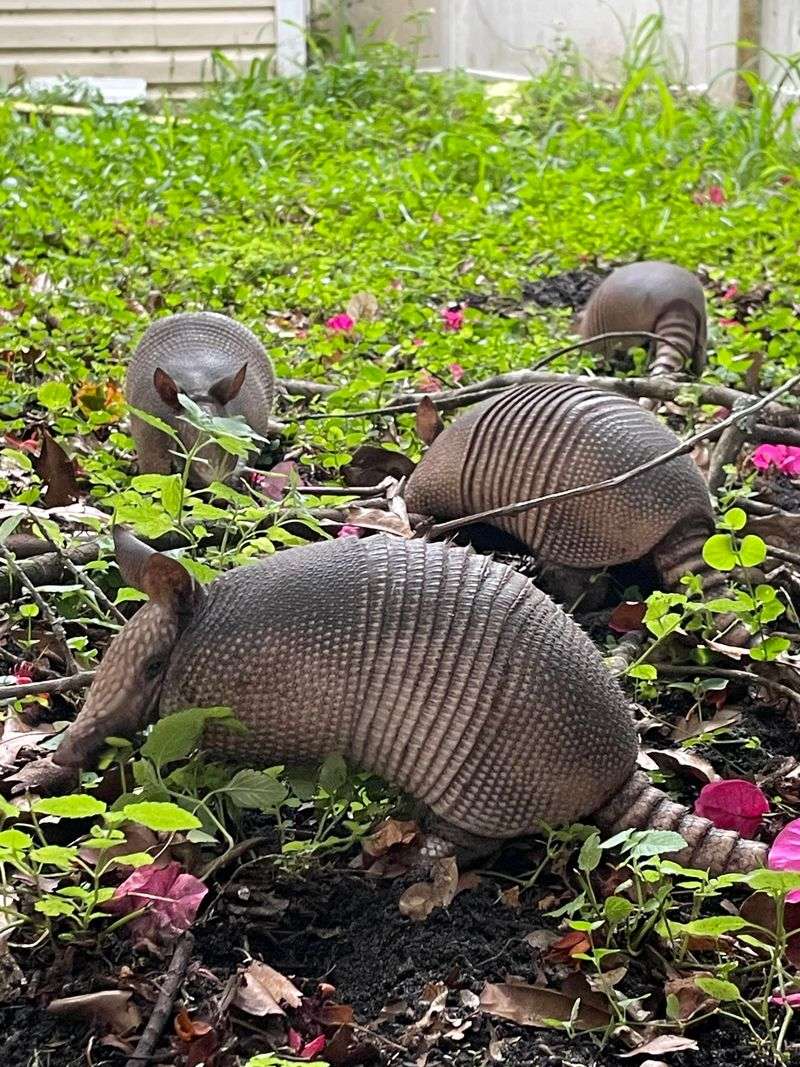
Technology can be your best friend when dealing with persistent armadillo problems.
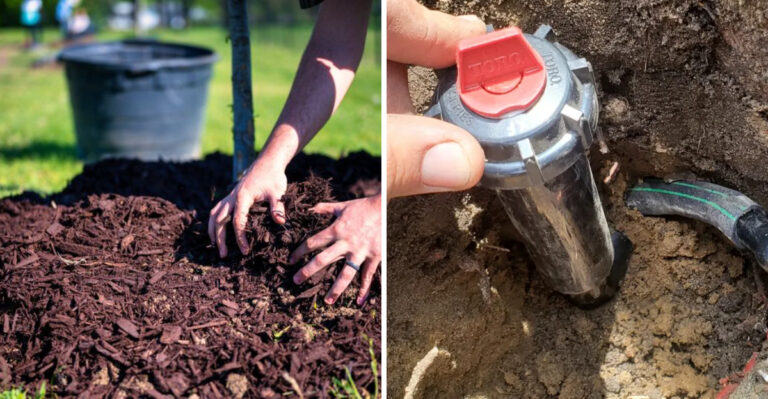
Motion-activated sprinklers detect movement and release a sudden burst of water that startles the animal without causing harm.
Armadillos have poor eyesight but are sensitive to unexpected movements and sensations, making this method particularly effective.
Position sprinklers in areas where you’ve noticed the most digging activity across your Georgia property.
These devices work around the clock and require minimal maintenance once installed properly.
Motion-activated lights serve a similar purpose by creating an uncomfortable environment for these nocturnal creatures.
Bright, sudden illumination can discourage armadillos from lingering in your yard during their evening foraging sessions.
Solar-powered options are available and environmentally friendly, requiring no electrical wiring or battery changes.
The initial cost of these devices is reasonable, and they provide continuous protection without daily effort
Adjust the sensitivity settings to avoid triggering the system with every passing leaf or small animal.
This humane approach keeps armadillos away while also deterring other unwanted visitors like raccoons or opossums in Georgia.
Apply Natural Repellents And Deterrents
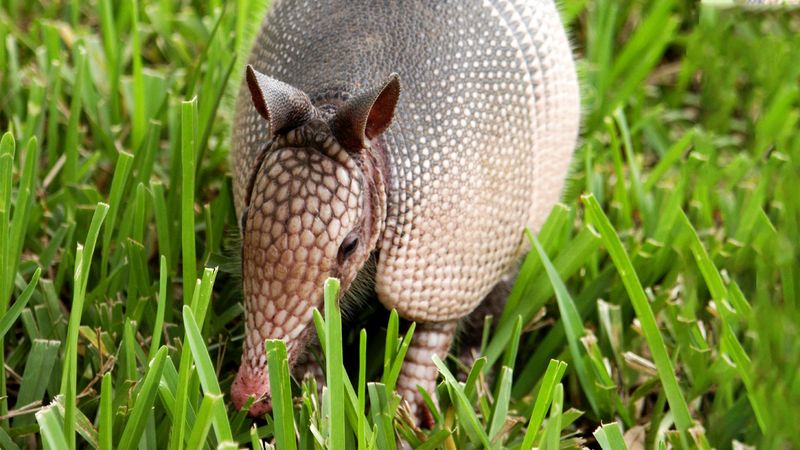
Mother Nature provides several ingredients that armadillos find absolutely unbearable.
Castor oil-based repellents are among the most popular choices because they create an unpleasant taste and smell in the soil.
Mix castor oil with water and dish soap, then spray it liberally over affected areas of your Georgia lawn.
The mixture won’t harm your grass or plants but will make the area unappealing to hungry armadillos.
Cayenne pepper, garlic powder, and predator urine are other natural options that can discourage these visitors.
Sprinkle these substances around the perimeter of your yard and near burrow entrances for best results.
Reapply repellents after heavy rain or watering, as moisture reduces their effectiveness over time.
Some homeowners report success with ammonia-soaked rags placed near digging sites, though this method requires frequent replacement.
Natural repellents work best when applied consistently and combined with other control methods.
While not a permanent solution, they provide an affordable and eco-friendly first line of defense.
Experiment with different products to find what works best for your specific situation in Georgia’s climate and soil conditions.
Fill In Existing Burrows And Holes
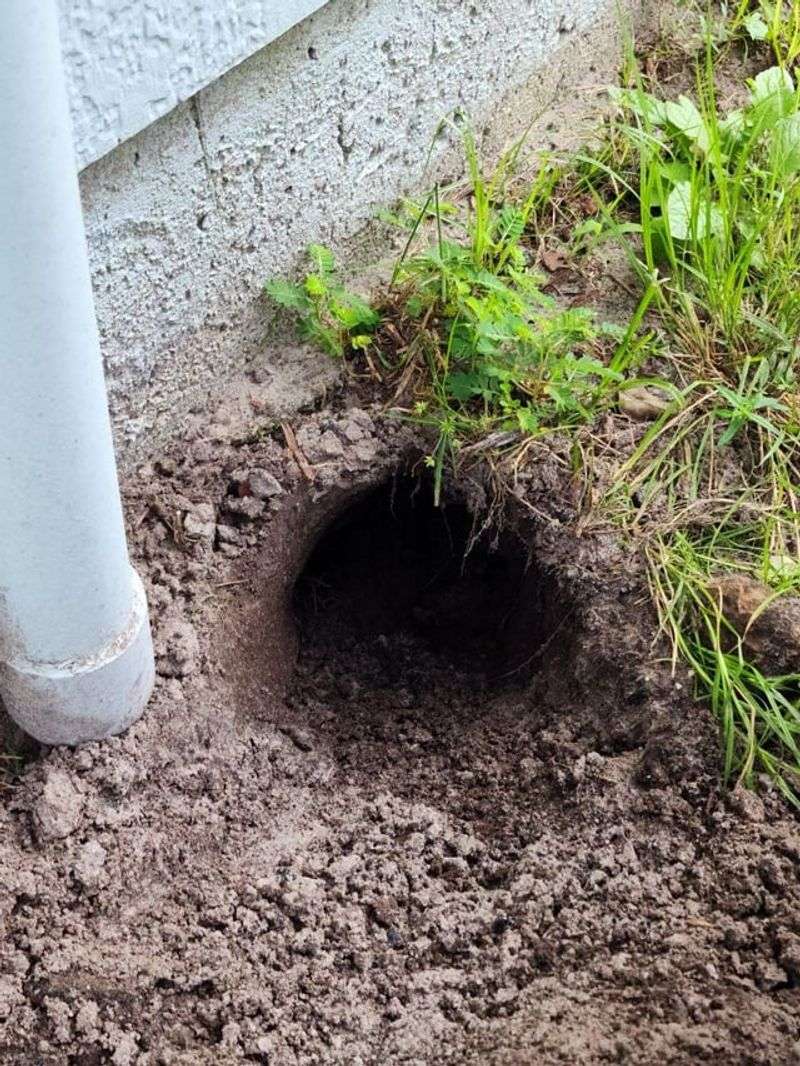
Leaving armadillo holes untouched sends an open invitation for return visits.
Once you’ve confirmed the burrow is unoccupied, fill it completely with soil or gravel to eliminate potential shelter.
Tamp down the fill material firmly to prevent it from settling and creating new depressions in your Georgia yard.
For larger burrows, consider using a mixture of dirt and small rocks to make it harder for armadillos to re-excavate.
Check the holes over several days to ensure no animals are trapped inside before sealing them permanently.
If you notice fresh digging after filling, it means the armadillo is still active in that area.
Combine hole-filling with repellents or barriers for a more comprehensive approach.
Repair damaged areas of your lawn by reseeding or laying new sod to restore your yard’s appearance.
Proper drainage around filled burrows helps prevent water accumulation that might attract insects back to the spot.
Regular yard inspections allow you to catch new digging early before it becomes extensive.
This maintenance task is simple but crucial for discouraging armadillos from viewing your Georgia property as their personal buffet.
Contact A Wildlife Professional For Removal
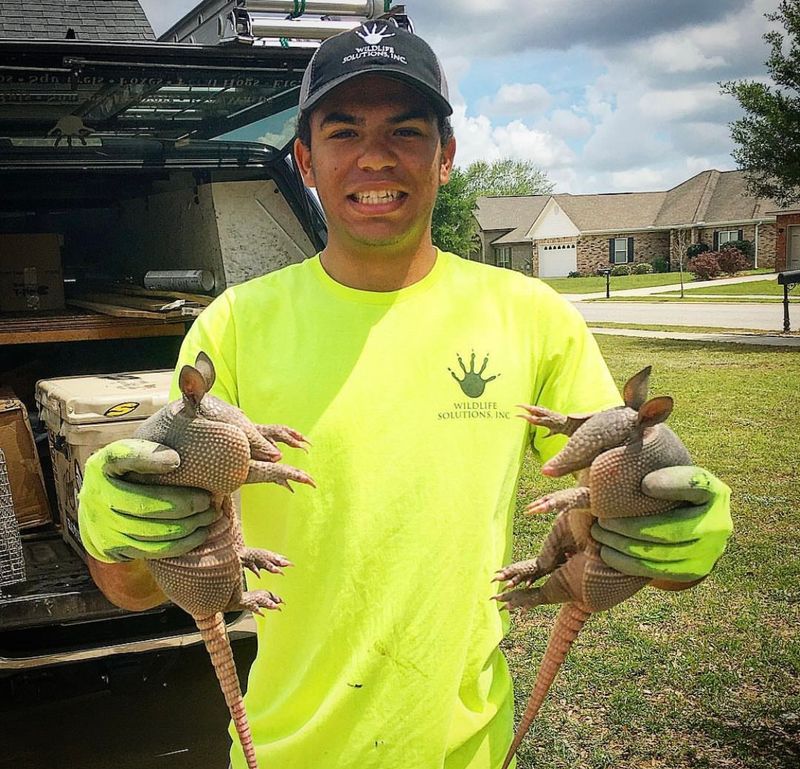
Sometimes the problem exceeds what homeowners can handle on their own.
Licensed wildlife control experts have the training, equipment, and legal permits necessary to trap and relocate armadillos safely.
They understand Georgia’s wildlife regulations and can ensure removal happens in compliance with state laws.
Professional services typically begin with a thorough inspection to assess the extent of the infestation.
Technicians will identify entry points, active burrows, and the number of animals causing problems on your property.
Humane trapping methods capture armadillos without injury, allowing for relocation to appropriate habitats away from residential areas.
Many companies offer follow-up services to monitor your yard and prevent future invasions.
While professional removal costs more than DIY methods, it guarantees results and saves you time and frustration.
Ask for references and verify licensing before hiring any wildlife control service in Georgia.
Some professionals also provide exclusion services, installing barriers and making modifications to keep armadillos out permanently.
This option is particularly valuable for homeowners dealing with persistent or severe armadillo problems that haven’t responded to other solutions.
Maintain A Healthy Lawn To Discourage Digging
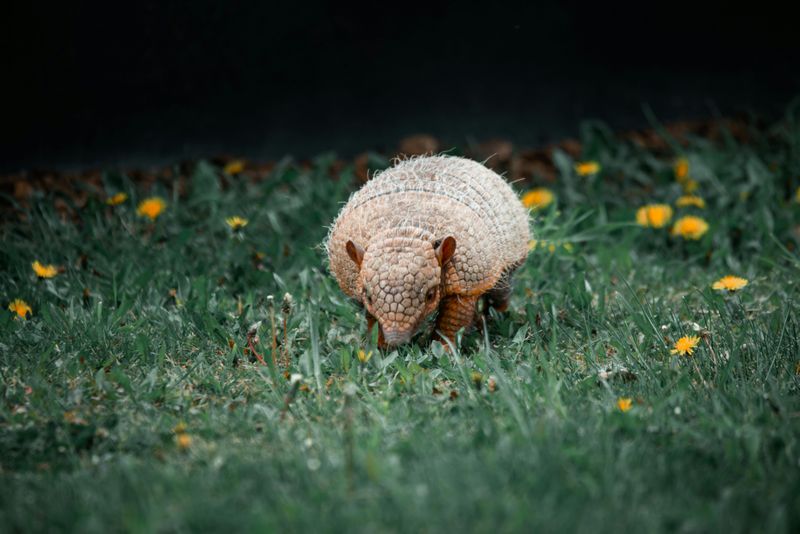
Prevention truly is the best medicine when it comes to armadillo invasions.
A thick, healthy lawn with deep root systems makes it harder for armadillos to dig and less likely to harbor large insect populations.
Regular mowing, fertilizing, and aerating keep your Georgia grass strong and resilient against pest damage.
Overseed thin or bare patches where armadillos might find easy digging opportunities.
Proper soil pH and nutrient levels create conditions that favor grass growth over insect infestations.
Avoid excessive thatch buildup, which provides ideal habitat for grubs and other armadillo food sources.
Water deeply but infrequently to encourage deep root growth rather than shallow, insect-friendly moisture layers.
Remove yard debris like fallen fruit, pet food, and compost piles that might attract armadillos to your property.
Trim overgrown shrubs and vegetation near your home’s foundation to eliminate hiding spots.
Regular yard maintenance not only discourages armadillos but also improves your property’s overall appearance and value.
Consistency is key—ongoing care creates an environment that naturally resists armadillo activity in Georgia’s climate and conditions.