The Eco Friendly Way Oregon Residents Reuse Christmas Trees As Winter Mulch
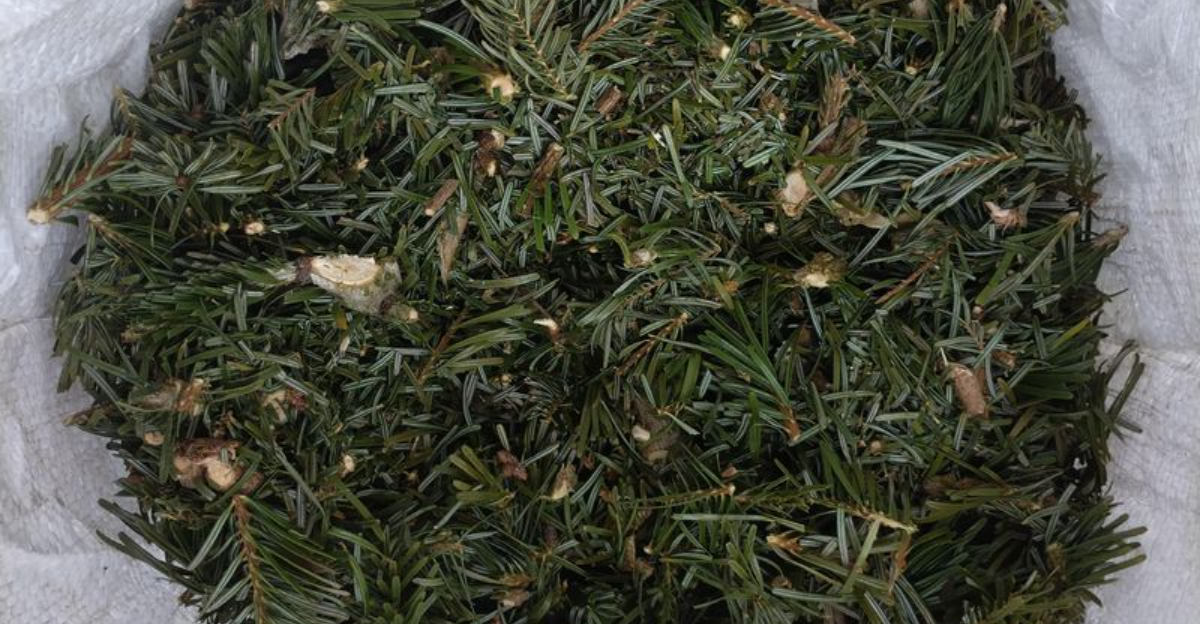
After the lights come down and ornaments rest in boxes, Oregon Christmas trees earn a second life.
Instead of curbside waste, many residents see value in every needle and branch.
Cut trunks break down into soft paths, chipped boughs shield soil, and evergreen scent lingers through cold months.
Winter mulch from old trees protects roots, holds moisture, and guards beds from frost swings that define the Pacific Northwest.
This habit blends thrift with care for land, and neighbors share tips like old friends.
Cities support drop sites, gardeners grab saws, and yards stay tidy without landfill guilt.
The practice feels grounded, practical, and quietly smart.
Oregon soil thanks the effort with healthier beds and fewer weeds come spring.
What once framed gifts now serves gardens, proof that seasonal joy does not end at the curb.
With simple steps and mindful reuse, holiday trees turn into winter armor that pays dividends long after celebrations fade.
Tree Recycling Programs Thrive Throughout Oregon Communities

Oregon has built an impressive network of tree recycling programs that make it super easy for residents to drop off their Christmas trees after the holidays.
Cities like Portland, Eugene, and Salem operate collection sites where families can bring their trees for free.
Many neighborhoods even offer curbside pickup services, so you don’t have to drive anywhere at all.
These programs collect thousands of trees each January and February.
Workers then process the trees using industrial chippers that turn them into useful mulch within hours.
The whole operation runs smoothly because volunteers and city staff work together to make recycling convenient for everyone.
Local governments promote these programs through social media, flyers, and community newsletters.
They remind people to remove all decorations, tinsel, and stands before dropping off trees.
Some cities partner with schools and environmental groups to spread awareness about the benefits of tree recycling.
The success of these programs shows how Oregonians value sustainability and want to make responsible choices.
By participating, families contribute to a circular system where nothing goes to waste.
This community effort demonstrates how small actions can create big environmental impacts when everyone works together.
Mulch Protects Plant Roots From Freezing Temperatures
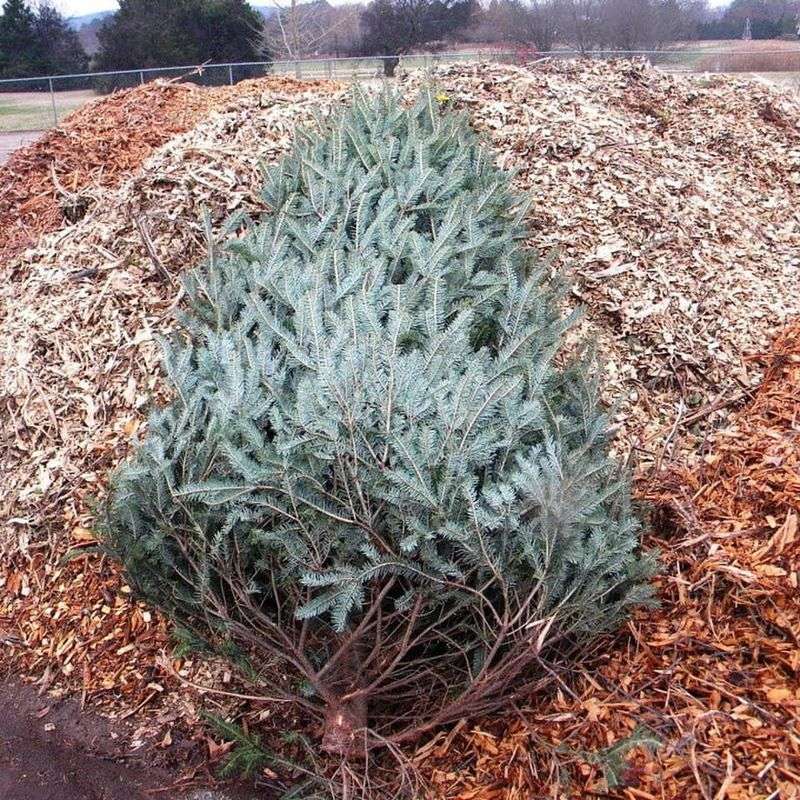
Winter in Oregon can bring surprisingly cold nights that threaten garden plants and shrubs.
A thick layer of Christmas tree mulch acts like a cozy blanket for plant roots buried in the soil.
This protective covering prevents the ground from freezing too deeply, which could damage delicate root systems.
Evergreen branches contain natural oils that break down slowly, providing long-lasting insulation throughout the winter months.
The needles and small twigs create air pockets that trap heat rising from the earth below.
This temperature regulation helps plants maintain healthy root growth even when frost covers the surface.
Gardeners spread the mulch around perennials, roses, and young trees that need extra protection during cold snaps.
The material works especially well for plants that were recently transplanted and haven’t established strong root systems yet.
By preventing dramatic temperature swings, the mulch reduces stress on plants trying to survive harsh conditions.
Your Oregon Garden Changes Every Week. Your Plan Should Too.
Gardening in Oregon changes quickly throughout the season. Every Friday you’ll receive a simple weekly plan showing exactly what to plant, prune, fertilize, harvest, and protect so you never miss the right timing.
Many Oregon farmers also use Christmas tree mulch around berry bushes and fruit trees in their orchards.
The insulation effect extends the growing season slightly and protects valuable crops from unexpected freezes.
This simple technique has been passed down through generations of gardeners who understand the value of natural protection methods.
Acidic Needles Benefit Certain Garden Plants Tremendously
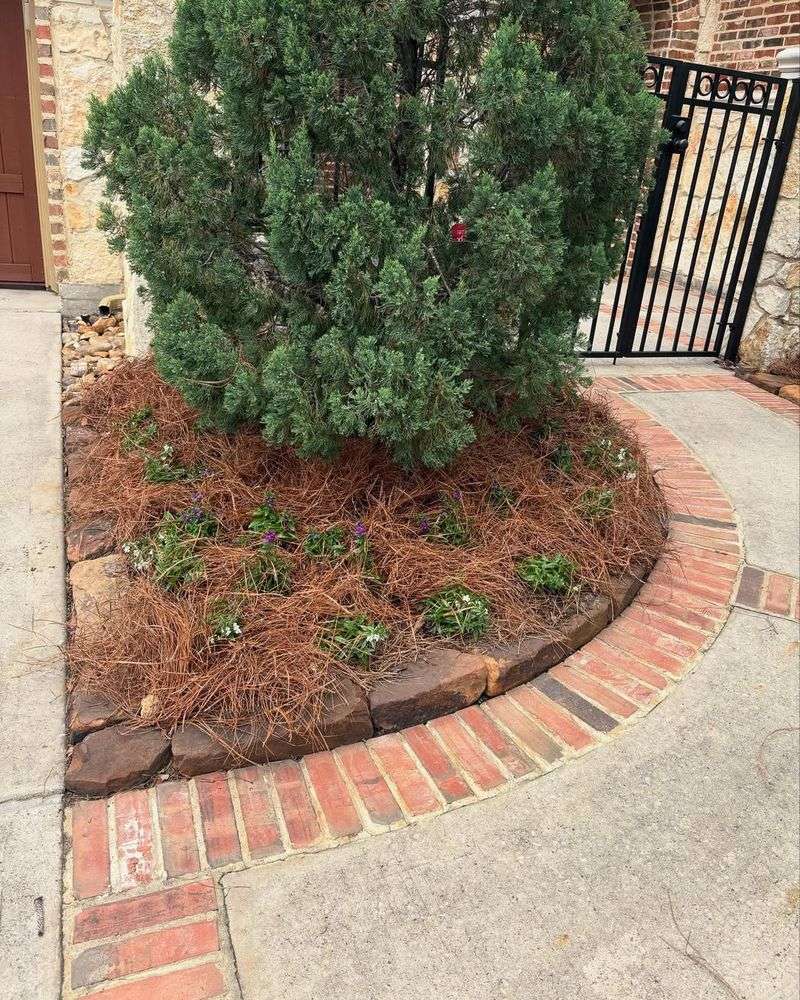
Christmas tree needles naturally contain acids that gradually lower the pH level of soil as they decompose.
This characteristic makes them perfect for acid-loving plants like blueberries, azaleas, rhododendrons, and hydrangeas.
Oregon gardeners have discovered that spreading evergreen mulch around these plants creates ideal growing conditions without buying expensive soil amendments.
The acidification process happens slowly over several months as rain and microorganisms break down the needles.
This gradual change prevents shocking plants with sudden pH shifts that could harm their roots.
The natural chemistry of pine, fir, and spruce needles matches exactly what these acid-preferring species need to thrive.
Many Oregon landscapes feature rhododendrons and other plants native to the Pacific Northwest that evolved in acidic forest soils.
Using Christmas tree mulch mimics their natural habitat and helps them flourish in home gardens.
The needles also add organic matter that improves soil structure and drainage over time.
Experienced gardeners test their soil pH each spring to monitor how the mulch affects their garden beds.
They adjust the amount of evergreen mulch based on what their specific plants need.
This targeted approach allows them to create customized growing zones within a single garden space.
Moisture Retention Reduces Water Waste During Rainy Season
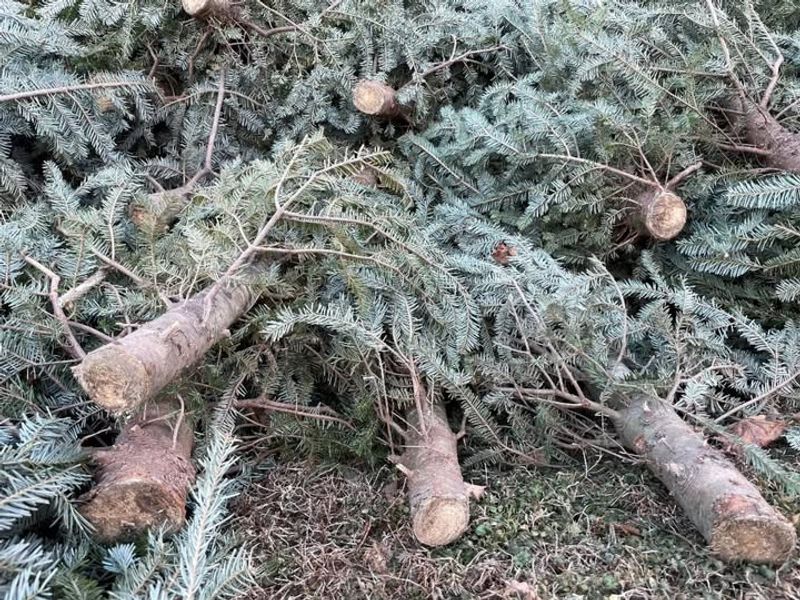
Oregon experiences plenty of winter rain, but heavy downpours can actually wash away topsoil and nutrients before plants absorb them.
Christmas tree mulch creates a protective barrier that slows water runoff and allows moisture to soak into the ground gradually.
This helps gardens retain water more efficiently even during intense storms.
The branchy structure of chipped Christmas trees acts like a sponge that holds moisture near plant roots where it’s needed most.
During dry spells between rainstorms, this stored water evaporates slowly, keeping the soil consistently moist.
Plants benefit from steady hydration rather than experiencing cycles of flooding followed by drought.
Gardeners notice they need to water less frequently in spring when they’ve applied thick winter mulch layers.
The organic material continues working for months, gradually breaking down while still providing moisture management benefits.
This reduces household water consumption and lowers utility bills for families practicing sustainable gardening.
Environmental experts praise this practice because it prevents water pollution from garden runoff carrying fertilizers into streams.
When rain soaks through mulch instead of rushing across bare soil, fewer chemicals reach Oregon’s rivers and lakes.
Homeowners contribute to watershed protection simply by spreading recycled Christmas trees around their yards and gardens each winter season.
Wildlife Benefits From Temporary Shelter And Habitat
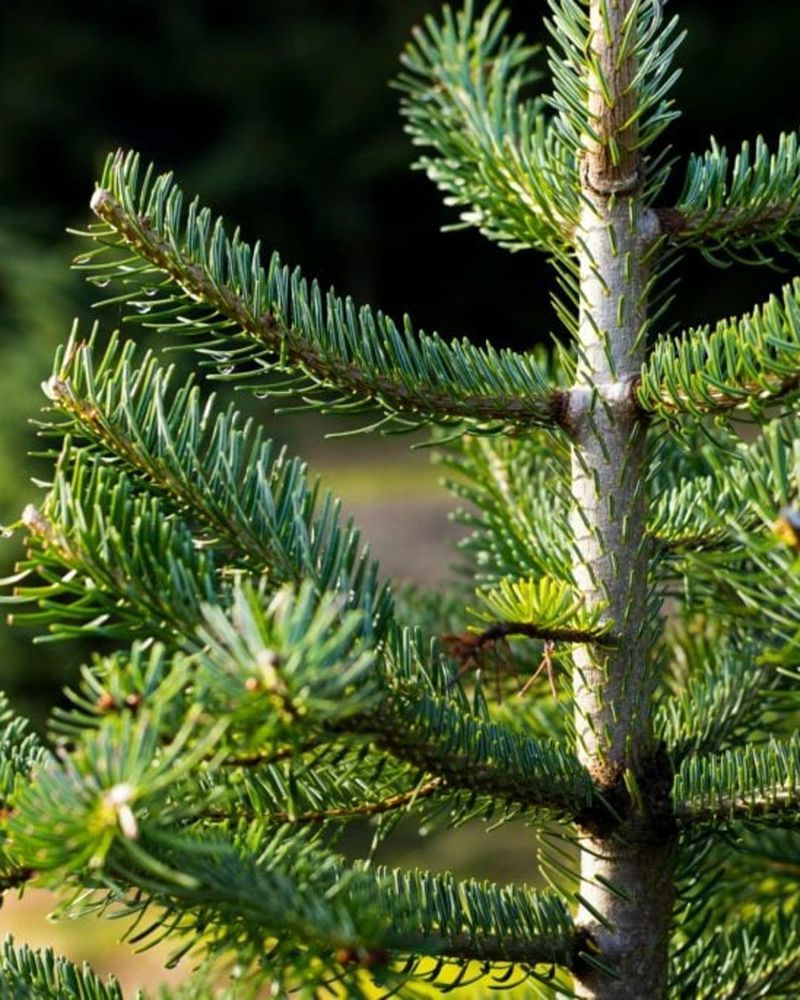
Piling Christmas tree branches in garden corners creates instant shelters for beneficial wildlife that help gardens thrive.
Small birds seek refuge among the evergreen boughs during winter storms and cold nights.
Chickadees, juncos, and sparrows appreciate these protected spaces where they can rest safely away from predators and harsh weather.
Ground-dwelling creatures like toads and beneficial insects also use Christmas tree piles as winter hideouts.
These animals play important roles in garden ecosystems by eating pests and pollinating flowers when spring arrives.
Providing them with safe winter housing ensures they’ll stick around to help your garden flourish during growing season.
Some Oregon residents deliberately stack larger branches to create more substantial habitat structures before chipping the rest for mulch.
These brush piles offer nesting spots for rabbits and cover for salamanders that need moist, protected environments.
The temporary shelters break down naturally over time while supporting diverse wildlife populations.
Children enjoy watching birds visit the Christmas tree habitats and learning about local wildlife needs.
This practice teaches families about ecological connections between plants, animals, and decomposition processes.
By reusing trees as wildlife shelter, Oregonians create mini nature preserves right in their backyards that benefit entire communities of living creatures.
Erosion Control Stabilizes Slopes And Garden Beds
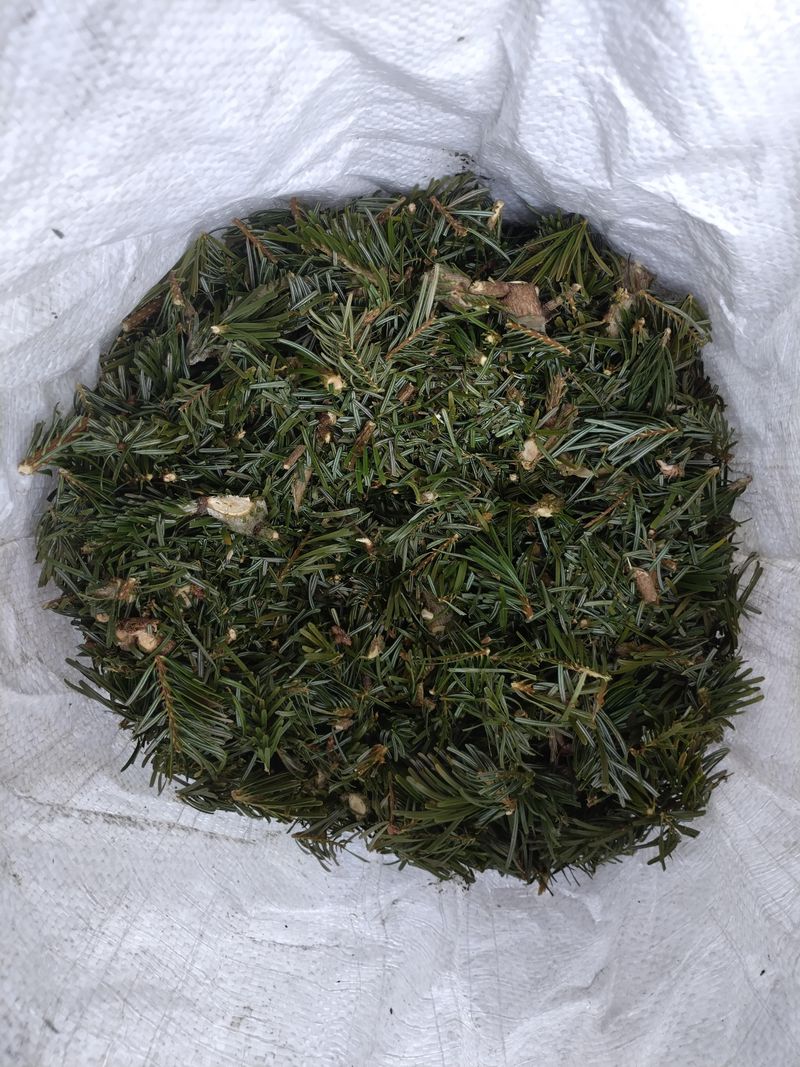
Oregon’s hilly terrain and heavy winter rains create serious erosion problems for many homeowners with sloped yards.
Christmas tree mulch provides an excellent solution because the branchy material catches soil that would otherwise wash away during storms.
The interlocking needles and twigs create a stable mat that holds everything in place while allowing water to filter through.
Gardeners with steep slopes spread whole branches across vulnerable areas before winter rains begin.
The evergreen material grips the hillside and prevents mudslides that could damage property or harm plants.
As the branches gradually decompose, their roots systems and new plant growth take over the erosion control duties.
This technique works particularly well along stream banks and drainage ditches where water flows rapidly during rainstorms.
The Christmas tree material slows water velocity and traps sediment that would otherwise cloud waterways.
Environmental restoration projects throughout Oregon use this method to stabilize disturbed soils naturally without expensive engineering solutions.
Homeowners appreciate how this free erosion control method protects their property while improving the landscape.
The mulch eventually breaks down into rich organic matter that supports healthy plant growth on previously bare slopes.
Many people combine Christmas tree mulch with native plant seeds to establish permanent vegetation that prevents future erosion problems naturally.
Nutrient Release Enriches Soil For Spring Planting Season
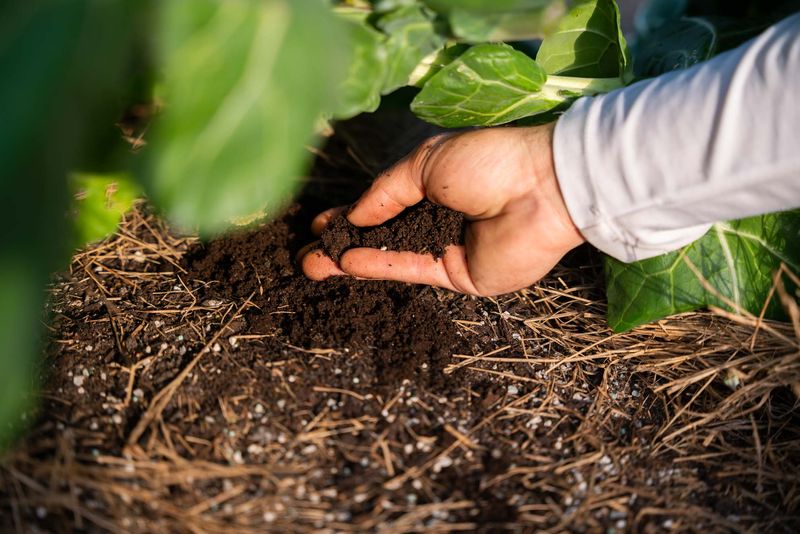
As Christmas tree mulch breaks down over winter months, it releases valuable nutrients directly into the soil where plants can use them.
Nitrogen, phosphorus, and potassium slowly become available as microorganisms decompose the organic material.
This natural fertilization process prepares garden beds perfectly for spring planting without requiring chemical additives.
The decomposition timeline works ideally with Oregon’s growing season because nutrients become most available just as plants start actively growing.
By March and April, much of the mulch has broken down into dark, crumbly material that mixes easily into existing soil.
Gardeners simply work the partially decomposed mulch into their beds when preparing for vegetables and flowers.
This recycling process creates true sustainability where waste becomes a resource that supports future growth.
The carbon from tree trunks and branches feeds beneficial soil organisms that improve overall soil health.
Earthworms thrive in mulched areas, creating tunnels that improve drainage and aeration for plant roots.
Organic gardeners especially value Christmas tree mulch because it fits perfectly with their chemical-free growing philosophy.
The slow nutrient release prevents the feast-or-famine cycles that synthetic fertilizers create.
Plants grow steadily and develop stronger root systems when fed by natural decomposition rather than quick chemical boosts that wash away quickly.