8 Simple Ways To Welcome Wildlife Into Your Pennsylvania Yard
Pennsylvania yards hold quiet promise beyond trimmed grass and tidy borders.
A simple shift can turn a patch of land into a haven for birds, bees, and small visitors that bring life back home.
Song fills mornings, butterflies drift past windows, and nature feels close again.
Wildlife does not demand perfection, only food, water, and safe cover.
Native plants pull weight, fallen leaves shelter insects, and fresh water draws steady traffic.
Even small spaces make a difference when choices feel intentional.
This approach rewards patience and curiosity, not expense or expertise.
The focus stays on harmony, not control.
Each step fits Pennsylvania seasons and respects local rhythms.
With care and restraint, fences fade, balance returns, and everyday moments find purpose.
Nature answers with color, motion, calm, and moments that feel earned daily.
1. Plant Native Pennsylvania Trees And Shrubs
Native plants evolved alongside local wildlife for thousands of years, creating perfect partnerships that benefit both.
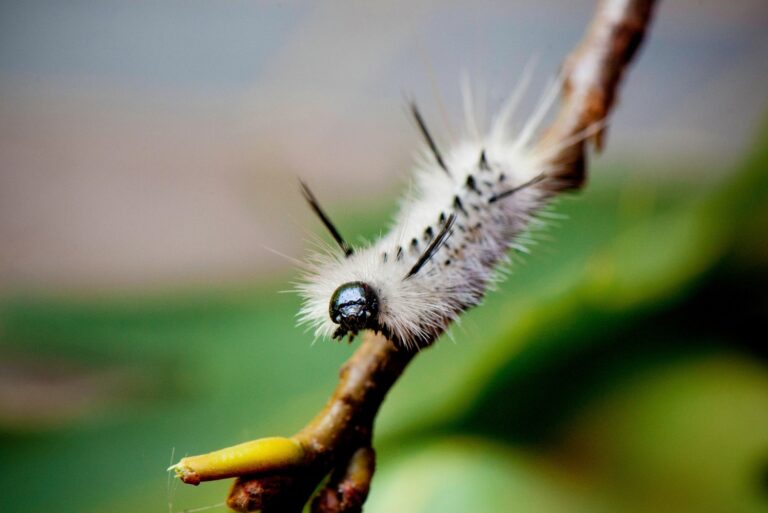
Oak trees support over 500 species of caterpillars, which become essential food for baby birds during nesting season.
Dogwoods produce berries that feed migrating songbirds in autumn.
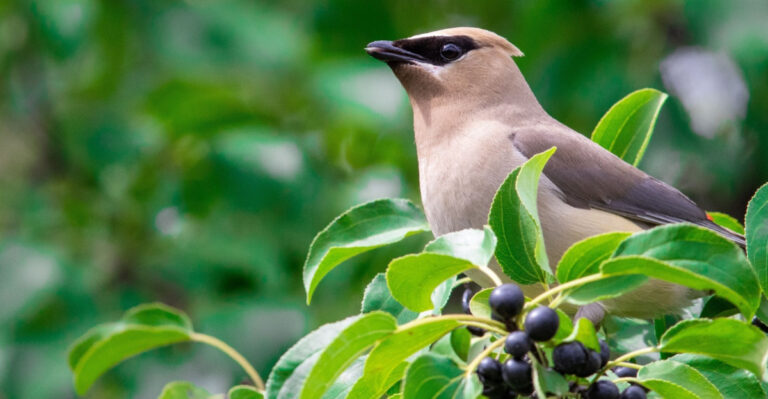
Serviceberry shrubs offer spring blossoms for pollinators and summer fruits for robins and cedar waxwings.
Non-native ornamental plants often look pretty but provide little nutritional value for Pennsylvania wildlife.
Native species also require less maintenance since they adapted to our climate and soil conditions.
You won’t need as much watering, fertilizer, or pest control when you choose plants that belong here naturally.
Start small by replacing one non-native shrub each year with a native alternative.
Visit local nurseries that specialize in native plants, or check Pennsylvania conservation websites for recommended species lists.
Your yard will gradually transform into a thriving ecosystem that attracts cardinals, chickadees, butterflies, and beneficial insects.
Watching wildlife interact with plants they evolved to use creates a magical outdoor classroom right outside your window.
2. Create A Year-Round Water Source
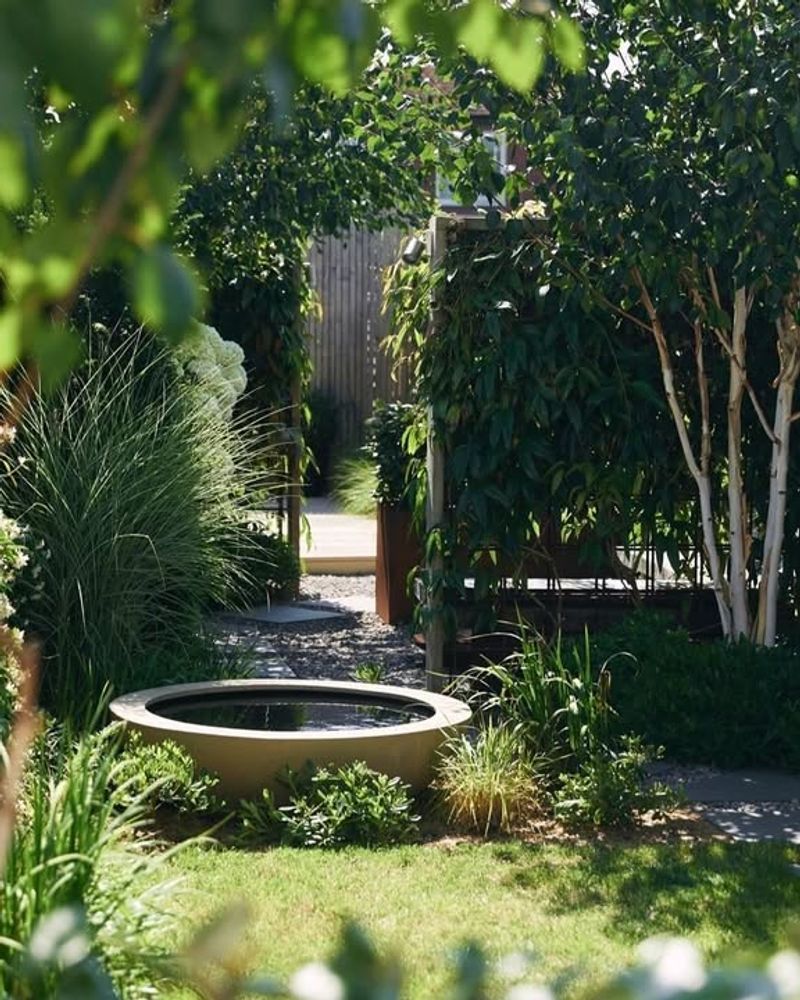
Every living creature needs water to survive, yet clean sources can be surprisingly scarce in suburban neighborhoods.
A simple birdbath becomes a gathering place for dozens of species throughout the day.
Birds need water for drinking and bathing, which keeps their feathers clean and properly insulated.
Squirrels, chipmunks, and even butterflies will visit your water feature regularly.
Place your birdbath in a partially shaded spot where birds can see approaching predators.
Change the water every two or three days to prevent mosquito larvae from developing.
During winter months, consider a heated birdbath or add warm water daily to prevent freezing.
Many Pennsylvania birds stay year-round and struggle to find liquid water when temperatures drop.
You can also create a ground-level water dish for smaller mammals and amphibians.
Add a few stones or sticks inside so insects and bees can safely land and drink without drowning.
Moving water from a small fountain or dripper attracts even more wildlife through sound and sparkle.
Your water source will quickly become the most popular destination in your backyard habitat.
3. Leave Leaf Piles And Brush Undisturbed
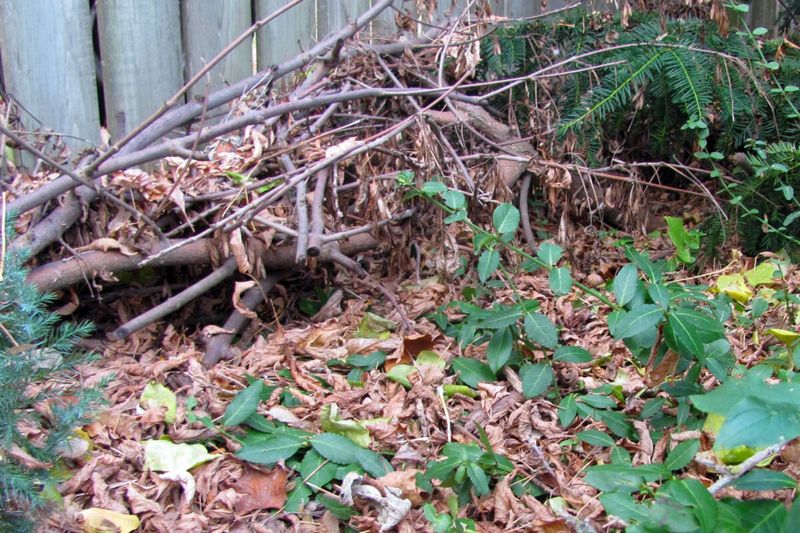
Tidying up every fallen leaf might make your yard look manicured, but it removes crucial habitat for countless creatures.
Your Pennsylvania Garden Changes Every Week. Your Plan Should Too.
Gardening in Pennsylvania changes quickly throughout the season. Every Friday you’ll receive a simple weekly plan showing exactly what to plant, prune, fertilize, harvest, and protect so you never miss the right timing.
Salamanders, toads, and beneficial ground beetles shelter under leaf litter during cold weather.
Native bees nest in hollow stems and small cavities within brush piles.
Many butterfly species overwinter as pupae attached to plant stems or hidden beneath leaves.
When you rake everything clean, you accidentally remove these fragile life stages.
Instead, designate a corner of your yard as a natural area where leaves and small branches can accumulate.
This messy-looking spot actually functions as a wildlife apartment complex.
Chipmunks and rabbits use brush piles as escape routes from predators.
Wrens and sparrows search through leaf litter for insects and spiders to eat.
You can make your natural area more attractive by adding larger branches or logs in a loose pile.
This simple action costs nothing and requires no maintenance, yet it dramatically increases the biodiversity in your yard.
Your neighbors might not understand at first, but the wildlife will thank you with their presence.
4. Install Different Types Of Bird Feeders
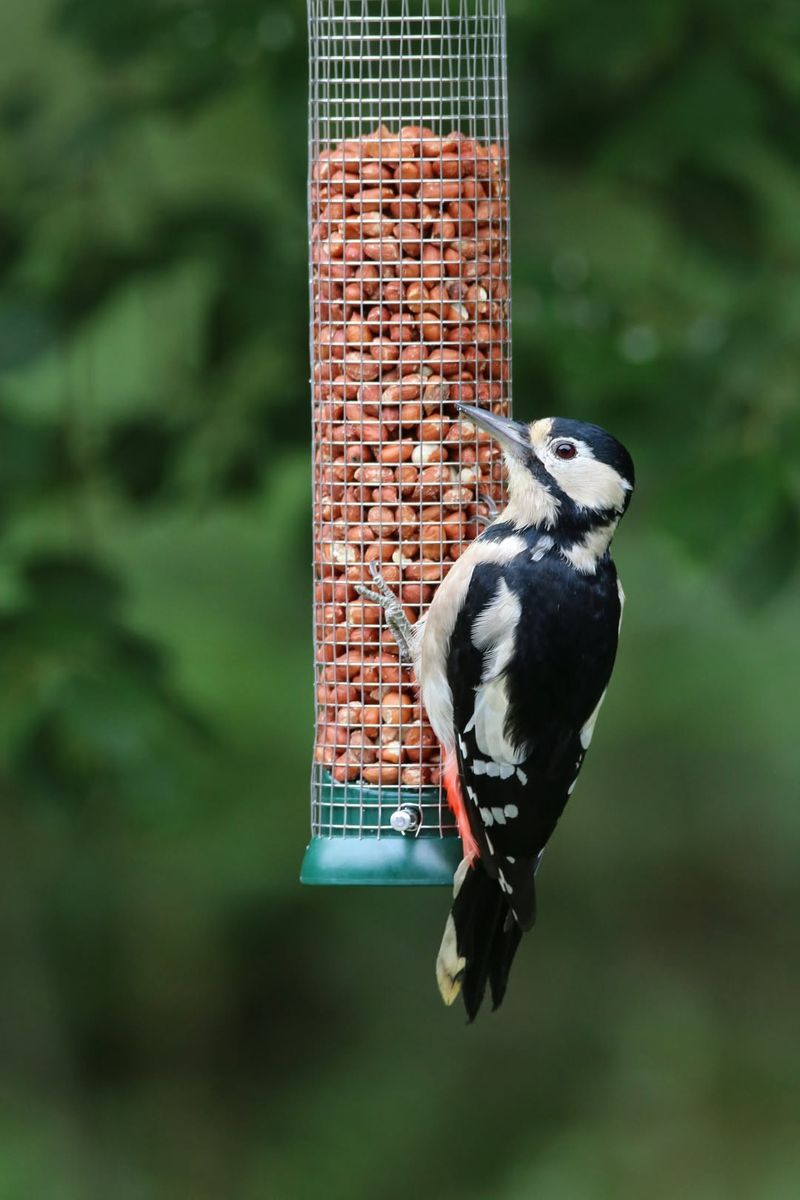
Different bird species have different feeding preferences, so offering variety brings more diversity to your yard.
Tube feeders filled with black oil sunflower seeds attract finches, chickadees, and nuthatches.
Platform feeders accommodate larger birds like cardinals, jays, and mourning doves.
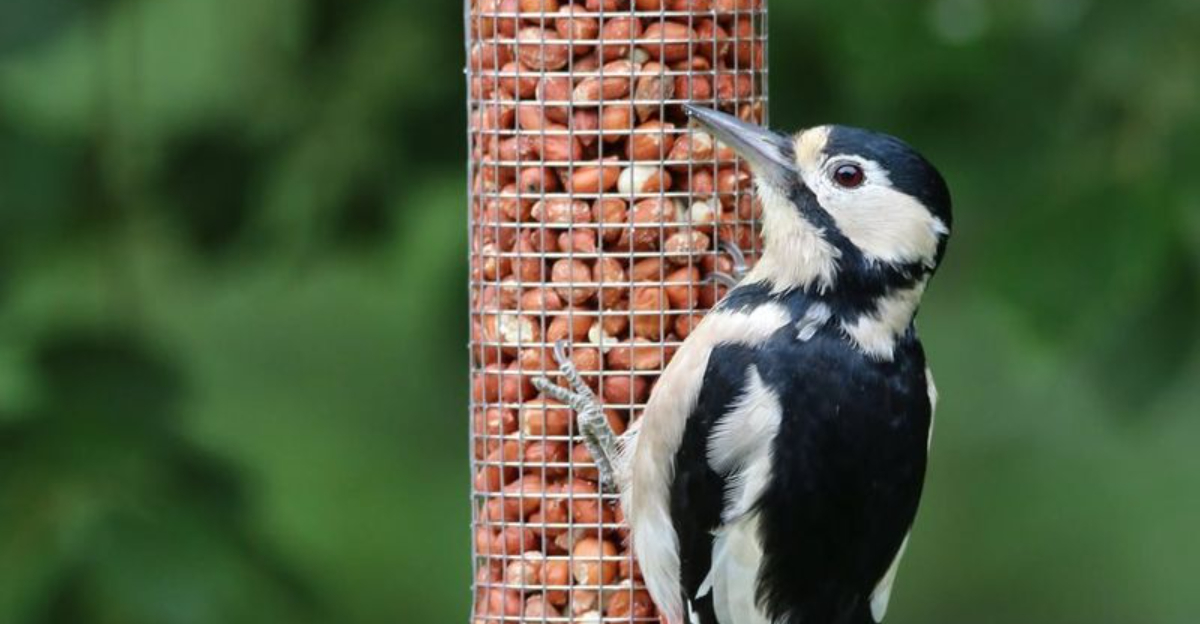
Suet cages provide high-energy food for woodpeckers, especially during cold Pennsylvania winters.
Nyjer seed in specialized feeders brings goldfinches by the dozen during migration seasons.
Ground-feeding birds like juncos and sparrows prefer seeds scattered on the ground or in low tray feeders.
Position feeders at different heights and locations to reduce competition and accommodate various comfort levels.
Keep feeders clean by washing them with hot soapy water every two weeks to prevent disease spread.
Store seed in sealed containers to keep it fresh and protect it from rodents.
During spring and summer, birds find plenty of natural food, so feeder traffic might decrease.
That’s perfectly normal and actually healthier for baby birds, who need protein-rich insects rather than seeds.
Your feeding station will become a year-round entertainment center where you can observe behavior, learn bird songs, and connect with nature daily.
5. Build Or Buy Nesting Boxes
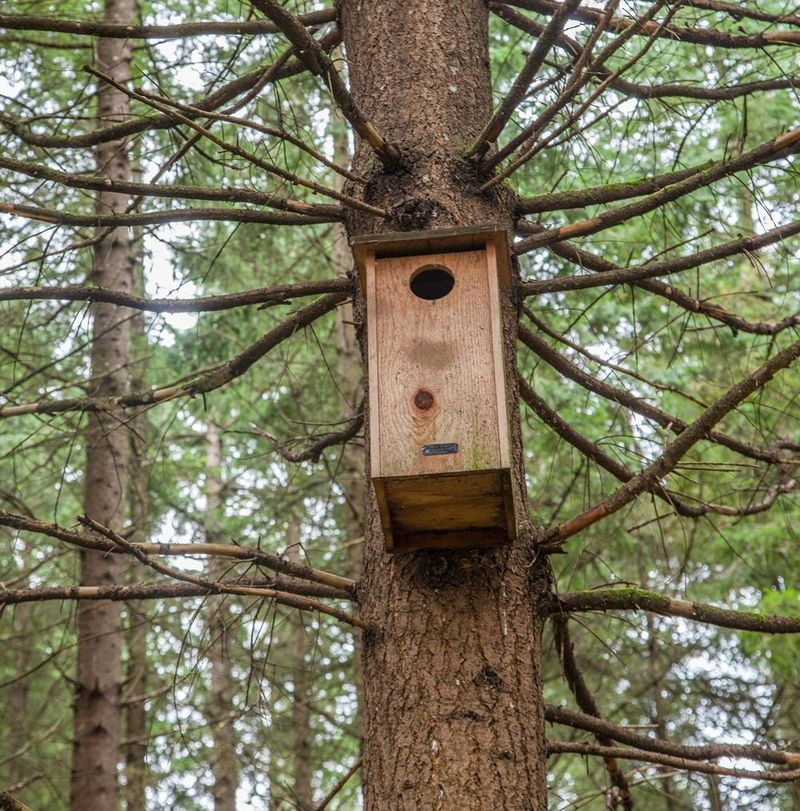
Many cavity-nesting birds struggle to find suitable homes in modern landscapes where old trees with natural holes are scarce.
Bluebirds, chickadees, wrens, and tree swallows readily accept well-designed nesting boxes.
Each species prefers specific entrance hole sizes, so research which birds you want to attract before purchasing or building.
Bluebird boxes need 1.5-inch entrance holes and should be mounted on poles in open areas.
Chickadee and wren boxes use slightly smaller holes and work well attached to trees near wooded edges.
Position boxes away from busy areas where human activity might disturb nesting parents.
Face entrance holes away from prevailing winds and afternoon sun to keep interiors comfortable.
Install boxes in late winter before birds begin scouting for nest sites in early spring.
Clean out old nesting material each fall after babies have fledged to prepare for next season.
Watching parent birds carry food to their nestlings and seeing fledglings take first flights creates unforgettable memories.
You become an active participant in conservation when you provide safe nesting habitat.
Your simple box might raise dozens of birds over the years, contributing to healthy local populations.
6. Reduce Or Eliminate Pesticide Use
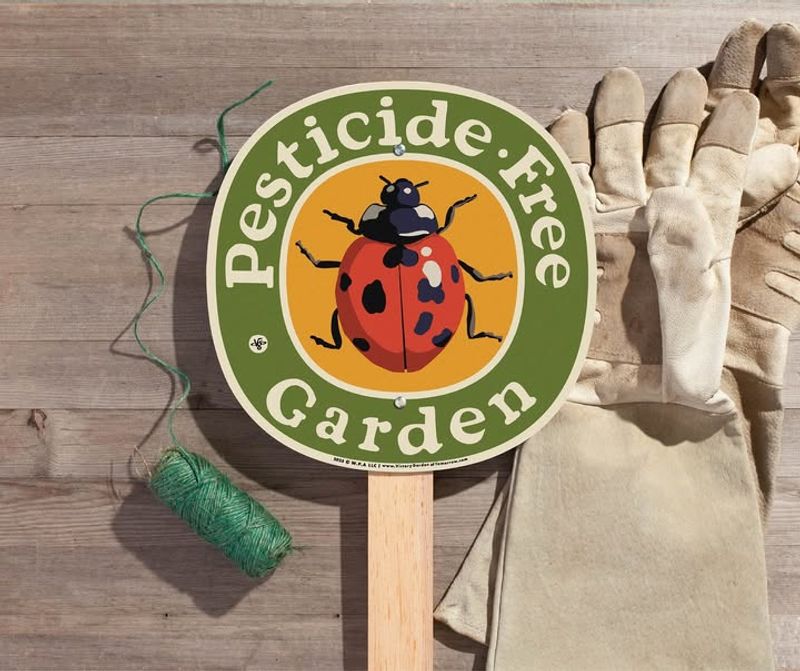
Chemicals designed to eliminate insects also harm the birds, butterflies, and other animals you want to attract.
Many songbirds feed their babies almost exclusively on caterpillars and other soft-bodied insects.
When you spray pesticides, you remove this essential food source right when birds need it most.
Beneficial insects like ladybugs, lacewings, and ground beetles naturally control pest populations when given the chance.
These helpful creatures need time to move in and establish populations, so be patient with the process.
Accept that some leaf damage is normal and actually indicates a healthy ecosystem at work.
Native plants typically resist pests better than non-native species because they evolved defenses against local insects.
Hand-pick large pests like Japanese beetles or tomato hornworms instead of spraying broad-spectrum chemicals.
Strong water sprays from your hose can knock aphids off plants without any chemicals at all.
Encourage birds to patrol your garden by providing nearby perches and water sources.
A single chickadee family can consume thousands of caterpillars during one nesting season.
Your yard will balance itself naturally when you stop interrupting with chemical interventions, creating a healthier environment for everyone.
7. Plant Flowers That Bloom Across All Seasons
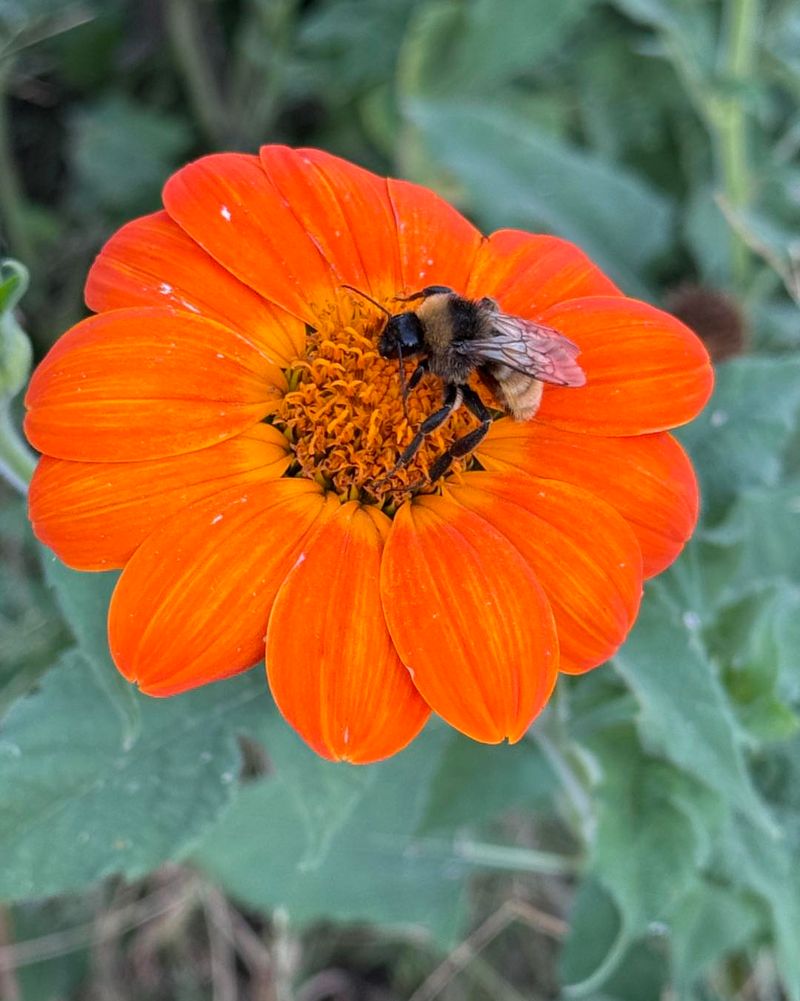
Pollinators need nectar and pollen from early spring through late fall to survive and reproduce successfully.
A yard with flowers blooming in only one season leaves butterflies, bees, and hummingbirds hungry during other months.
Early spring bloomers like Virginia bluebells and wild columbine feed the first bees emerging from winter dormancy.
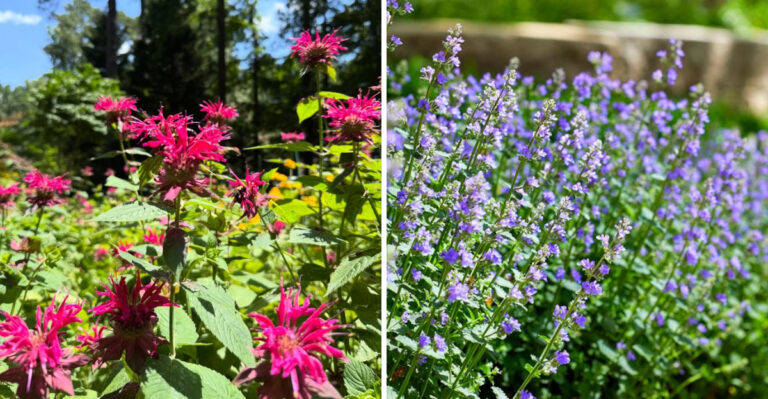
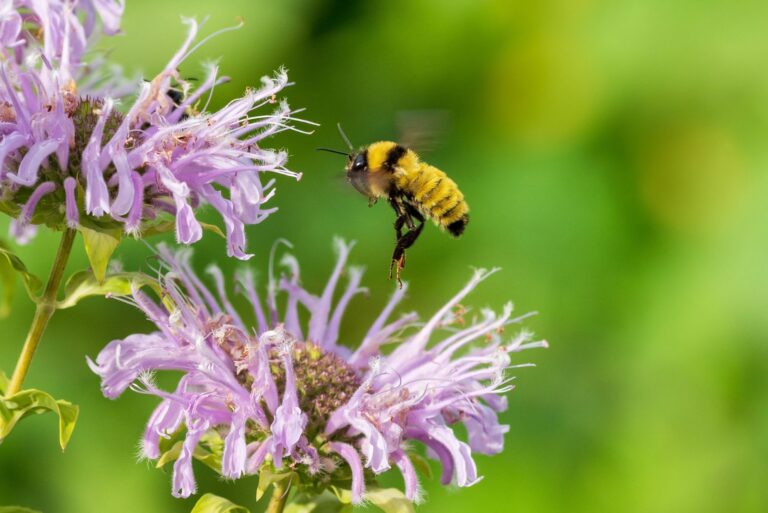
Summer flowers such as purple coneflower, black-eyed Susan, and bee balm support peak pollinator populations.
Fall-blooming asters and goldenrod provide crucial fuel for monarch butterflies migrating to Mexico.
These late-season flowers also help bees build energy reserves before winter.
Choose native wildflowers whenever possible since they offer the most nutritional value for local pollinators.
Group similar plants together in clusters rather than scattering single specimens around your yard.
Pollinators can find and feed from flower patches more efficiently when plants grow in groups of three or more.
Avoid double-flowered cultivars that look showy but produce little or no pollen and nectar.
Simple, single-flowered varieties provide better resources for wildlife.
Your thoughtfully planned flower garden will buzz with activity throughout the growing season, creating a dynamic and colorful landscape that changes week by week.
8. Add Shelter With Evergreen Plants And Rock Piles
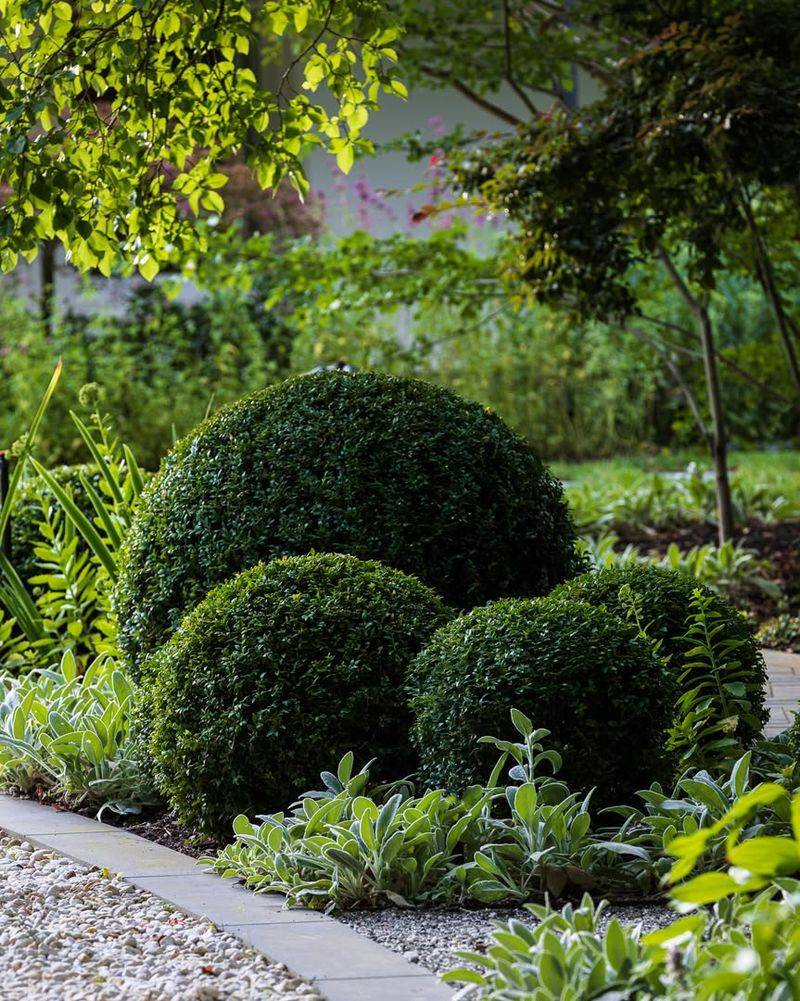
Wildlife needs safe places to hide from predators, escape harsh weather, and rest between feeding trips.
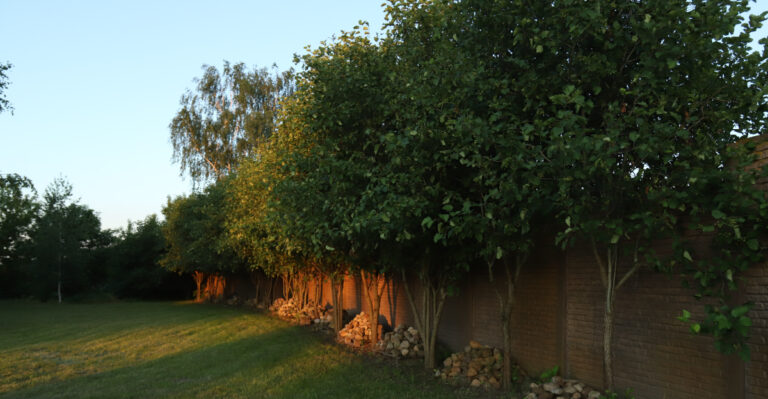
Evergreen trees and shrubs provide year-round cover that becomes especially valuable during winter months.
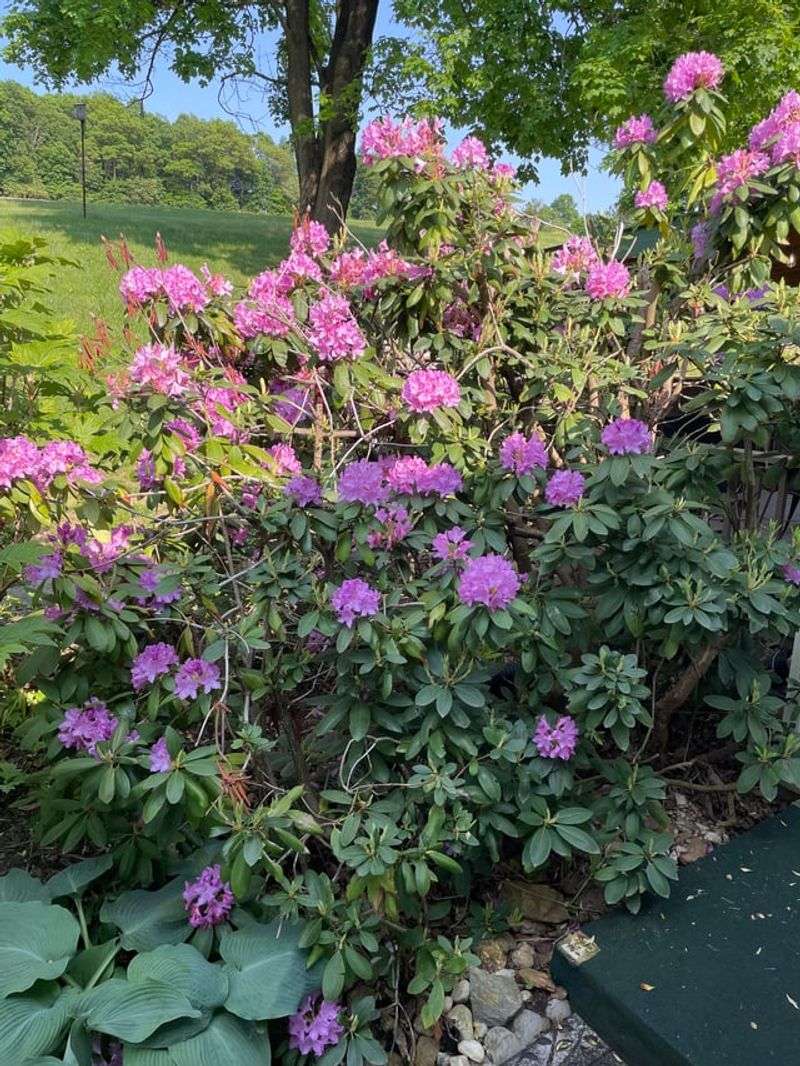
Eastern red cedar, American holly, and rhododendron create dense shelter where birds can roost during storms.
These plants also serve as windbreaks that make your entire yard more comfortable for wildlife.
Rock piles offer hiding spots for chipmunks, salamanders, and beneficial snakes that control rodent populations.
Stack rocks loosely to create gaps and crevices of various sizes.
Position your rock pile in a quiet corner where animals can come and go without disturbance.
The rocks will absorb heat during sunny days, creating warm basking spots for cold-blooded creatures.
Combine rocks with nearby shrubs to create layered habitat that appeals to many species.
Rabbits might nest beneath shrubs while sparrows roost in the branches above.
Avoid trimming evergreens into tight geometric shapes, which reduces their value as wildlife shelter.
Natural, slightly shaggy growth provides better cover and looks more attractive in wildlife-friendly landscapes.
Your shelter additions will help animals survive Pennsylvania’s cold winters and raise their young successfully during warmer months.