Chicago Botanic Garden Expert Says Anyone Can Grow A Smooth Hydrangea
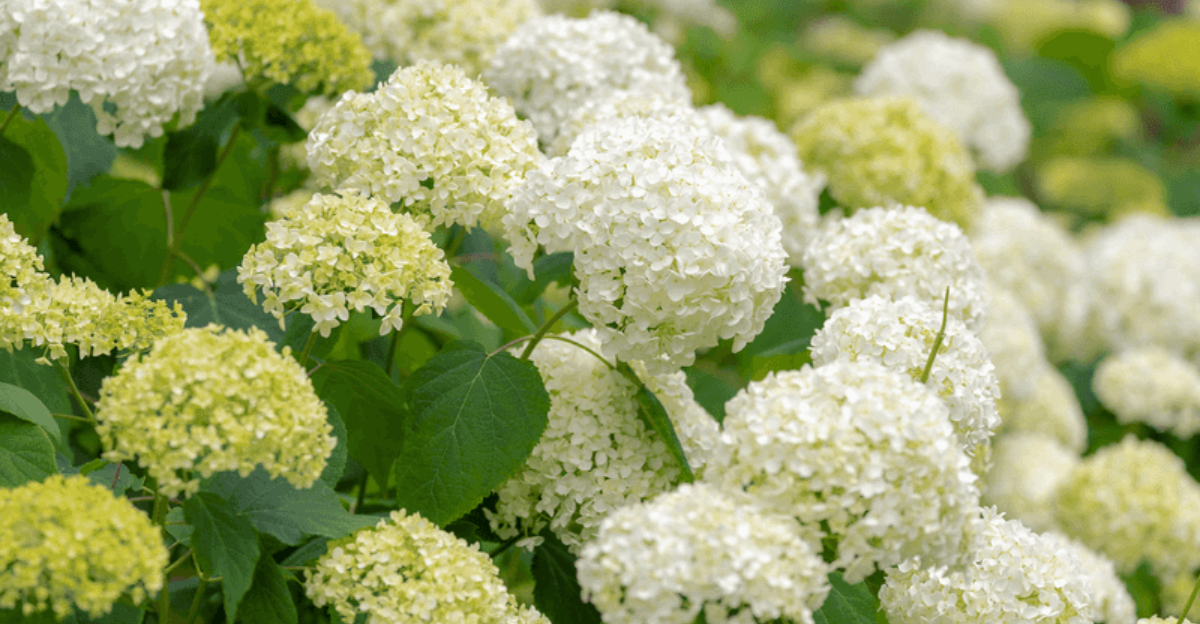
A lush hydrangea does not require a master gardener’s touch, and Chicago Botanic Garden expert Richard Hawke proves the point.
Known for his deep plant wisdom and plainspoken advice, Hawke points to smooth hydrangea as a shrub that rewards confidence, not complexity.
Hardy, adaptable, and generous with blooms, this native favorite shrugs off cold winters and rebounds with gusto each summer.
Big white flower heads light up shady corners, brighten foundations, and soften tough landscapes without drama.
With the right site and a little trust in nature, success falls within reach of beginners and seasoned growers alike.
Hawke’s insight cuts through the noise and restores faith in simple gardening wins.
For anyone who dreams of showy flowers without high stakes, smooth hydrangea steps up, plays fair, and delivers beauty that feels earned rather than forced.
1. What Makes Smooth Hydrangeas Different From Other Hydrangea Types
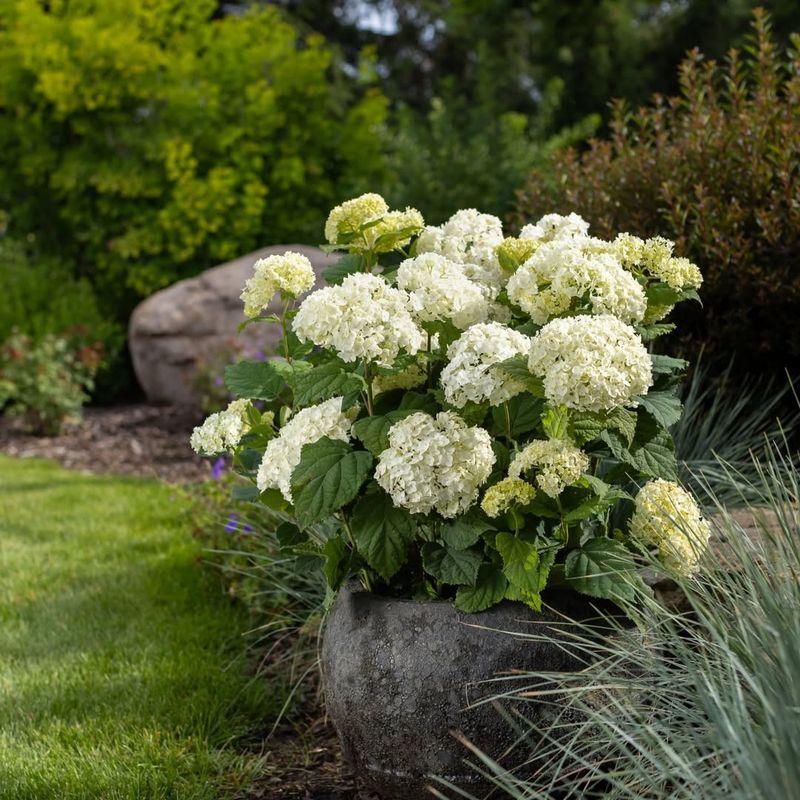
Smooth hydrangeas belong to a special group of flowering shrubs that bloom on new wood, which means they produce flowers on branches that grow during the current season.
This characteristic sets them apart from many other hydrangea varieties that bloom on old wood from the previous year.
Because of this growth habit, smooth hydrangeas are incredibly forgiving if you accidentally prune them at the wrong time or if winter weather damages their branches.
Gardeners in Chicago and throughout the Midwest appreciate how these plants bounce back from harsh winters without losing their ability to bloom.
The native species, Hydrangea arborescens, grows wild in parts of the eastern United States and has been cultivated into stunning garden varieties.
Unlike mophead hydrangeas that change color based on soil pH, smooth hydrangeas consistently produce white or cream-colored blooms.
Their flowers start out green, mature to brilliant white, and then fade to a lovely green again as summer ends.
This predictable color pattern makes them perfect for gardeners who want reliable white blooms without worrying about soil chemistry.
The Chicago Botanic Garden has showcased these plants for years, demonstrating their exceptional reliability.
Their sturdy stems hold up the large flower clusters without flopping over, even after heavy rainstorms.
2. Why Smooth Hydrangeas Thrive In Cold Midwest Climates
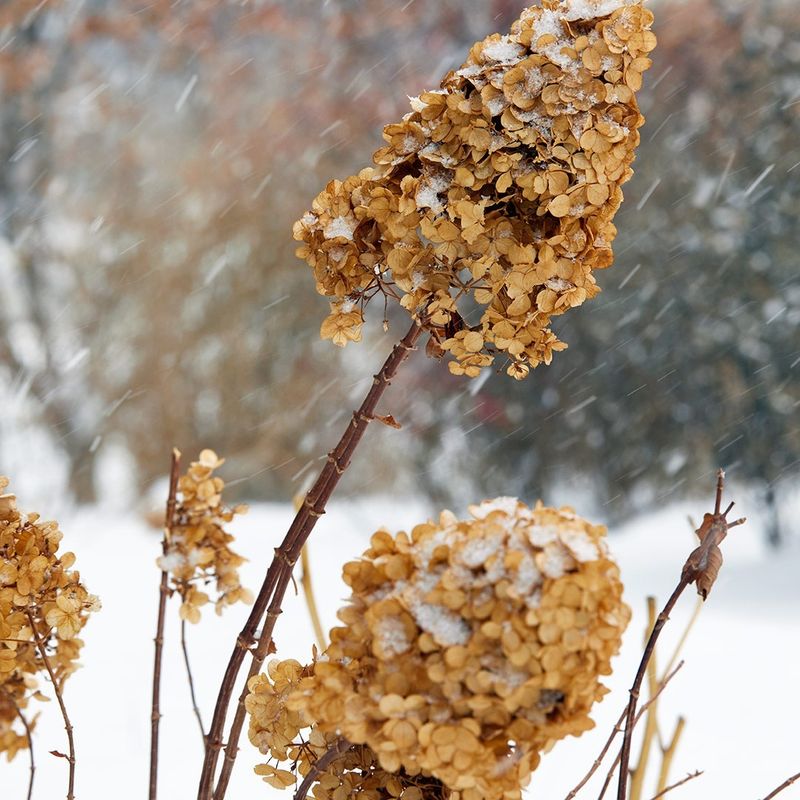
Cold winters actually benefit smooth hydrangeas rather than harm them, making them ideal for gardens throughout Illinois and neighboring states.
These tough shrubs can survive temperatures well below zero without any special protection or winter wrapping.
Since they bloom on new growth each spring, even if the branches freeze back completely during winter, the plant will still produce abundant flowers the following summer.
Experts at the Chicago Botanic Garden explain that this cold hardiness eliminates one of the biggest frustrations gardeners face with other hydrangea types.
Many gardeners have experienced the disappointment of carefully protecting their hydrangeas all winter only to get no blooms because the flower buds froze.
Smooth hydrangeas sidestep this problem entirely by creating fresh flower buds every spring on brand-new stems.
The natural dormancy period triggered by cold weather actually strengthens these plants and prepares them for vigorous spring growth.
Your Illinois Garden Changes Every Week. Your Plan Should Too.
Gardening in Illinois changes quickly throughout the season. Every Friday you’ll receive a simple weekly plan showing exactly what to plant, prune, fertilize, harvest, and protect so you never miss the right timing.
In Chicago, where winters can be brutal and unpredictable, this reliability makes smooth hydrangeas a smart choice for both experienced and beginning gardeners.
They need no burlap wrapping, no special mulching, and no fussing over whether the flower buds survived.
Simply let them rest during winter and enjoy the show when warm weather returns.
3. The Ideal Light And Soil Conditions For Easy Growth

Finding the right spot in your yard makes all the difference when planting smooth hydrangeas, though these adaptable shrubs tolerate a wide range of conditions.
They perform best with morning sun and afternoon shade, especially during hot summer months when intense sunlight can stress the plants.
In Chicago gardens, placing them on the east or north side of your house often provides the perfect light balance.
Full sun locations work fine as long as you keep the soil consistently moist, but the flowers may fade faster in intense afternoon heat.
Soil quality matters less than you might expect with smooth hydrangeas, as they adapt to various soil types from clay to loam.
The Chicago Botanic Garden recommends enriching your planting area with compost to improve drainage and provide nutrients, but these plants are not fussy.
They prefer slightly acidic to neutral soil but will grow in alkaline conditions common throughout the Midwest.
Good drainage is more important than perfect soil composition, so avoid spots where water pools after rain.
If your soil is heavy clay, simply mix in some organic matter before planting.
These forgiving shrubs will establish quickly and reward you with beautiful blooms even if your soil is far from perfect.
4. How and When to Prune Smooth Hydrangeas for Best Blooms
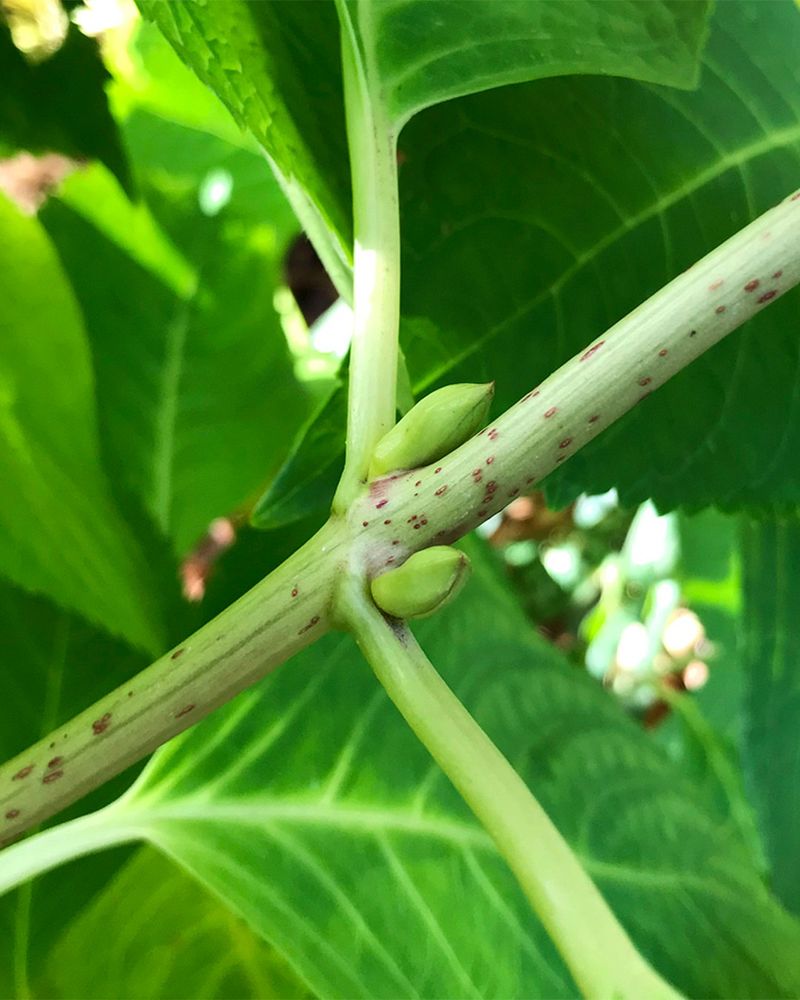
Pruning smooth hydrangeas is surprisingly simple because these plants bloom on new wood, giving you flexibility with timing.
The best time to prune is late winter or early spring before new growth begins, typically March in the Chicago area.
You can cut the entire plant back to about 12 to 18 inches from the ground without worrying about removing flower buds.
This hard pruning encourages strong new stems that will support those big, heavy flower heads throughout the summer.
Many gardeners at the Chicago Botanic Garden prefer this method because it keeps plants compact and prevents them from getting leggy or floppy.
If you skip pruning one year, your smooth hydrangea will still bloom, but the stems may be weaker and the flowers might not be as impressive.
Some people choose to leave the dried flower heads on through winter for visual interest and to provide food for birds.
When spring arrives, simply remove the old stems and let fresh growth emerge from the base.
You can also do light shaping in summer after the flowers fade if needed.
The forgiving nature of smooth hydrangeas means pruning mistakes rarely cause problems, making them perfect for gardeners still learning proper techniques.
5. Common Mistakes Gardeners Make — And How To Avoid Them
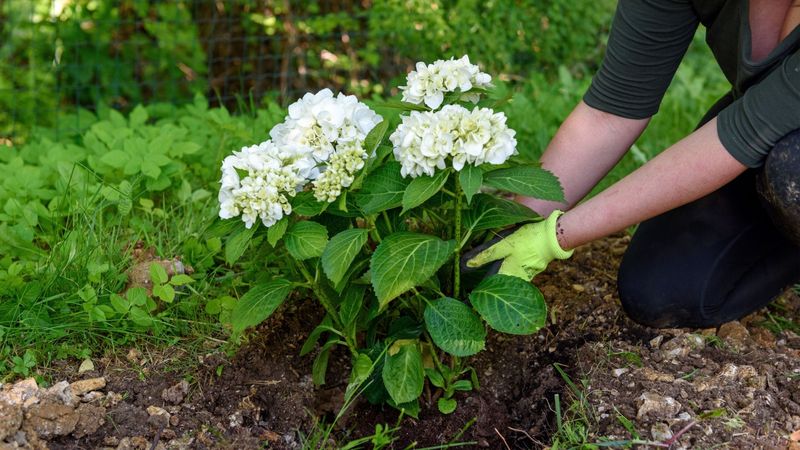
Even though smooth hydrangeas are beginner-friendly, certain mistakes can prevent them from reaching their full potential in your garden.
Overwatering ranks as one of the most common problems, especially when gardeners confuse wilting leaves on hot days with lack of water.
Smooth hydrangeas naturally droop slightly during afternoon heat but perk up again as temperatures cool, so resist the urge to water constantly.
Soggy soil leads to root rot and weakens the plant over time.
Another frequent error is planting too close to other shrubs or structures, which limits air circulation and creates competition for nutrients.
Chicago Botanic Garden experts recommend spacing plants at least four to five feet apart to allow for their mature size.
Many gardeners also make the mistake of expecting instant results and become discouraged when newly planted hydrangeas take a season to establish.
Patience pays off as these shrubs develop strong root systems before putting energy into spectacular blooms.
Fertilizing too heavily can cause excessive leaf growth at the expense of flowers, so use a balanced fertilizer sparingly.
Finally, some people give up on smooth hydrangeas after one disappointing season without realizing that young plants improve dramatically in their second and third years.
6. Popular Smooth Hydrangea Varieties Recommended By Chicago Botanic Garden
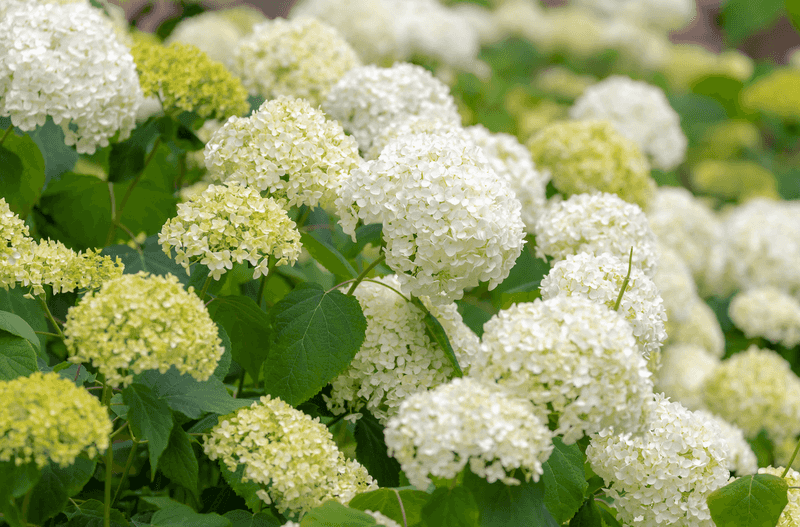
Several outstanding smooth hydrangea cultivars have proven themselves in Chicago gardens and earned recommendations from botanical experts.
Annabelle remains the classic choice, beloved for its huge white flower clusters that can reach up to 12 inches across.
This variety has been a garden staple for decades because of its reliability and stunning visual impact.
Incrediball offers even larger blooms than Annabelle, with stronger stems that support the massive flowers without staking.
Gardeners who struggled with floppy Annabelle stems often find Incrediball solves that problem beautifully.
For something different, Invincibelle Spirit produces pink flowers instead of white, adding a new color option to the smooth hydrangea family.
This cultivar was developed to support breast cancer research, with a portion of sales going to charity.
Incrediball Blush combines the best of both worlds with strong stems and flowers that open white then blush to soft pink.
The Chicago Botanic Garden displays many of these varieties so visitors can compare them in person.
All of these cultivars share the same easy-care nature and cold hardiness that make smooth hydrangeas such reliable performers in Midwest landscapes.
7. Why Smooth Hydrangeas Are One Of The Most Reliable Shrubs For Home Gardens
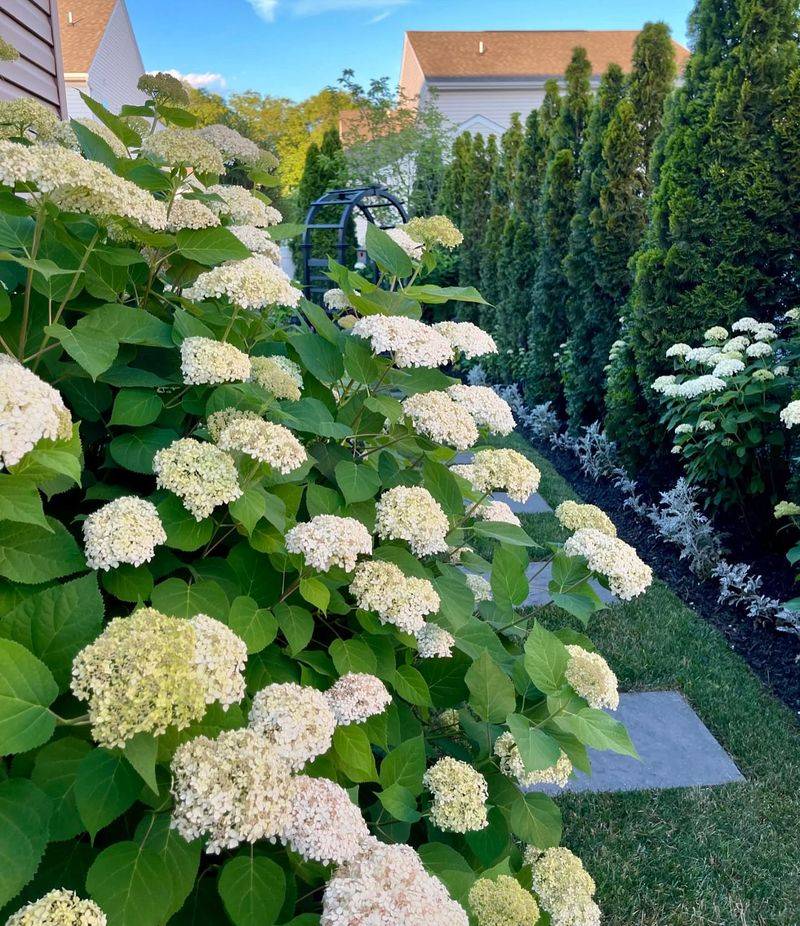
Few flowering shrubs offer the combination of beauty, toughness, and ease of care that smooth hydrangeas provide to home gardeners.
Their ability to bloom reliably every year regardless of winter weather sets them apart from more temperamental plants.
While other hydrangeas may bloom sporadically or not at all after cold winters, smooth varieties deliver consistent performance season after season.
The long bloom period from early summer through fall gives you months of enjoyment from a single plant.
Chicago gardeners appreciate how these shrubs fill space quickly, creating a mature look in just two to three years.
They work beautifully as foundation plantings, privacy screens, or focal points in mixed borders.
The low maintenance requirements mean you can enjoy gorgeous flowers without spending every weekend fussing over your plants.
Smooth hydrangeas resist most pests and diseases, rarely requiring sprays or treatments.
Their deer resistance adds another advantage for suburban gardeners who struggle with browsing wildlife.
Whether you are just starting your first garden or looking to simplify your landscape maintenance, smooth hydrangeas deliver reliable beauty year after year with minimal effort required.