Why Owls Are Roosting Near Homes Across Washington State This Winter

Cold nights and quiet streets across Washington State bring an unexpected neighbor into view.
Owls appear closer to homes this winter, perched on fences, trees, and rooftops with watchful eyes.
Their presence sparks curiosity, awe, and a touch of unease.
These birds follow ancient instincts, not chance.
Food shifts, weather pressure, and habitat change push them toward familiar human spaces.
Neighborhood lights offer clear sight lines, while yards shelter prey and sturdy cover.
For homeowners, the sight feels personal, like nature knocking at the door.
Feathers drift, calls echo, and routines pause.
This seasonal pattern tells a larger story about survival, adaptation, and shared ground.
When owls settle near houses, they remind residents that wild lives persist alongside daily life, even in cold months, under the same gray sky.
Across towns, balance shapes each winter encounter.
Rodent Populations Have Surged Near Residential Areas

Mice, voles, and rats thrive near human homes during winter months when natural food sources become scarce.
Garbage bins, compost piles, and bird feeders attract these small mammals, creating a buffet for hungry owls.
Throughout Washington State, neighborhoods with mature landscaping and garden areas provide perfect hunting grounds.
Owls possess incredible hearing that lets them detect rodent movement beneath snow and leaf litter.
A single barn owl can consume over 1,000 rodents annually, making residential areas attractive feeding territories.
Homeowners who notice increased owl activity often have unknowingly created ideal rodent habitats nearby.
Woodpiles, sheds, and overgrown vegetation offer shelter for prey animals that owls depend upon.
These natural pest controllers follow their food source, explaining why they appear in yards and gardens.
Washington State’s mild winters compared to other regions keep rodent populations active year-round.
Owls adapt quickly to suburban environments when hunting proves more successful than in depleted natural habitats.
Residents can appreciate these feathered hunters as beneficial allies in controlling unwanted pests around their properties.
Loss Of Natural Forest Habitat Pushes Owls Closer
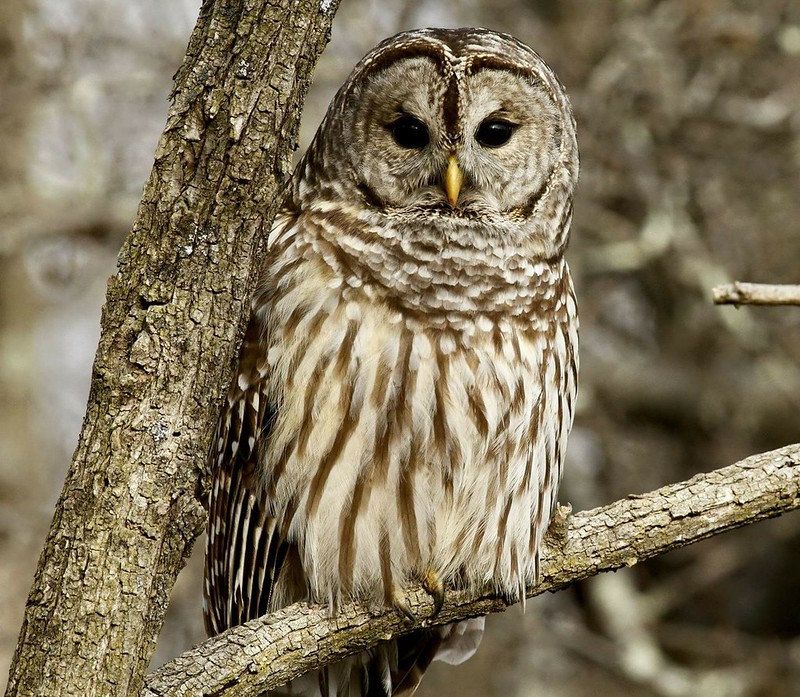
Urban expansion continues shrinking the wild spaces where owls traditionally nest and hunt for prey.
Logging operations, housing developments, and commercial projects reduce available forest territory across Washington State.
When ancient trees disappear, cavity-nesting species like screech owls must find alternative roosting spots.
Mature trees in residential neighborhoods become valuable real estate for displaced owl populations.
Development fragments large forest tracts into smaller patches, forcing owls into closer contact with humans.
Many owl species show remarkable adaptability when their preferred wilderness homes become unavailable.
Suburban areas with established trees, parks, and green spaces serve as refuge zones.
Conservation efforts cannot keep pace with habitat loss, creating pressure on remaining suitable territories.
Owls that once avoided human proximity now accept neighborhoods as necessary compromises for survival.
Washington State’s rapid population growth accelerates this habitat squeeze, especially in western regions.
Homeowners witness this ecological shift firsthand when owls appear in backyards seeking shelter and hunting grounds.
Protecting mature trees on private property helps these displaced birds find sanctuary.
Harsh Winter Conditions Drive Birds To Sheltered Locations
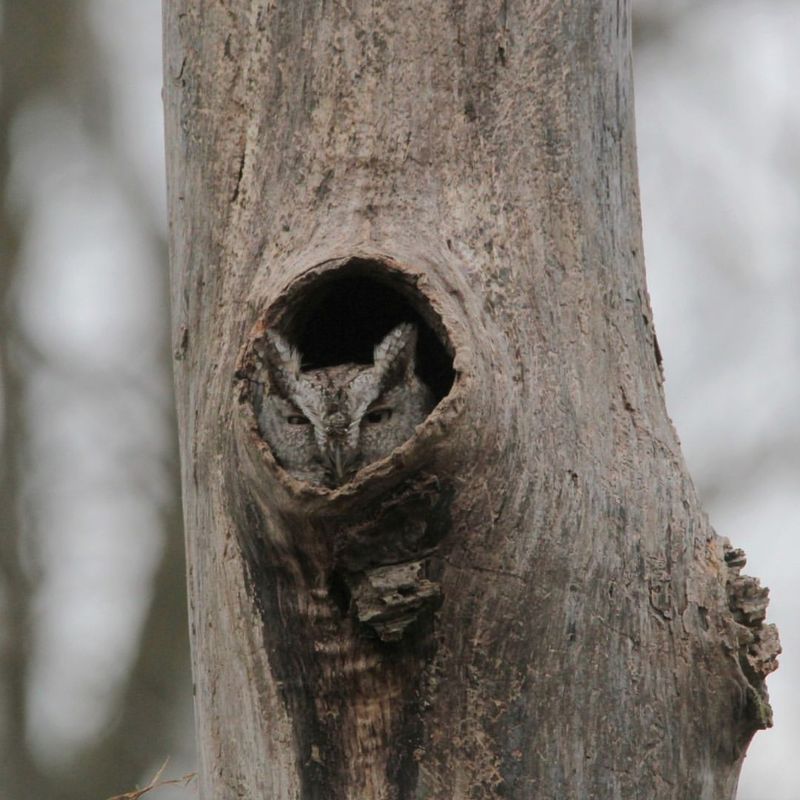
Extreme cold snaps and heavy snowfall push owls toward structures that provide wind protection and warmth.
Your Washington Garden Changes Every Week. Your Plan Should Too.
Gardening in Washington changes quickly throughout the season. Every Friday you’ll receive a simple weekly plan showing exactly what to plant, prune, fertilize, harvest, and protect so you never miss the right timing.
Buildings, barns, and covered porches offer thermal advantages that help conserve precious energy during brutal weather.
Washington State experiences unpredictable winter storms that challenge even hardy owl species.
Roosting near homes allows these birds to escape harsh winds while remaining close to active hunting areas.
Evergreen trees planted around residences create natural windbreaks that owls utilize for comfort.
Heat radiating from buildings creates microclimates that are several degrees warmer than surrounding open areas.
Owls instinctively seek these advantageous spots to reduce energy expenditure between hunting sessions.
Attics, barns, and sheds become attractive roosting sites when temperatures plummet across the state.
Survival depends on finding efficient shelter that minimizes heat loss during long winter nights.
Homeowners may hear owls calling from surprisingly close locations as they claim these protective spots.
Residential areas offer diverse shelter options unavailable in exposed natural environments throughout Washington State.
This behavior intensifies during particularly severe winters when survival margins become razor-thin.
Increased Outdoor Lighting Attracts Prey Animals
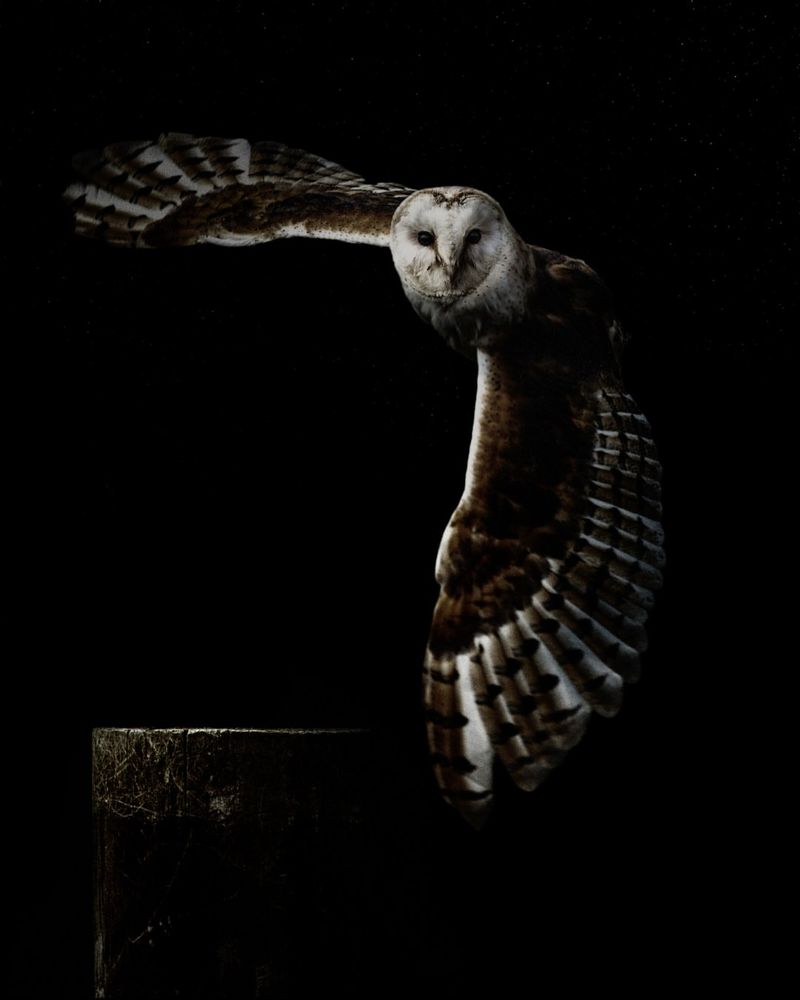
Porch lights, security lamps, and decorative landscape lighting create hunting opportunities that owls quickly exploit.
Artificial illumination attracts insects, which in turn draw small mammals and birds that owls prey upon.
Washington State neighborhoods glow brightly at night, inadvertently establishing productive hunting zones for nocturnal predators.
Moths, beetles, and other insects swarm around lights, attracting mice and shrews that feed on them.
Owls perch near these illuminated areas, watching for movement below with their exceptional night vision.
Motion-sensor lights and well-lit driveways reveal prey that would remain hidden in complete darkness.
This unintentional food chain makes residential areas more attractive than dimly lit natural habitats.
Some owl species have learned to associate human lighting with easy meals and reliable hunting success.
Bird feeders illuminated by nearby lights become focal points where owls ambush songbirds and rodents.
Garage lights left on overnight create stages where the nightly drama of predator and prey unfolds.
Residents across Washington State unknowingly support owl populations through their lighting choices.
Understanding this connection helps explain why owls frequently appear in well-lit suburban neighborhoods.
Fewer Natural Predators Exist In Suburban Settings
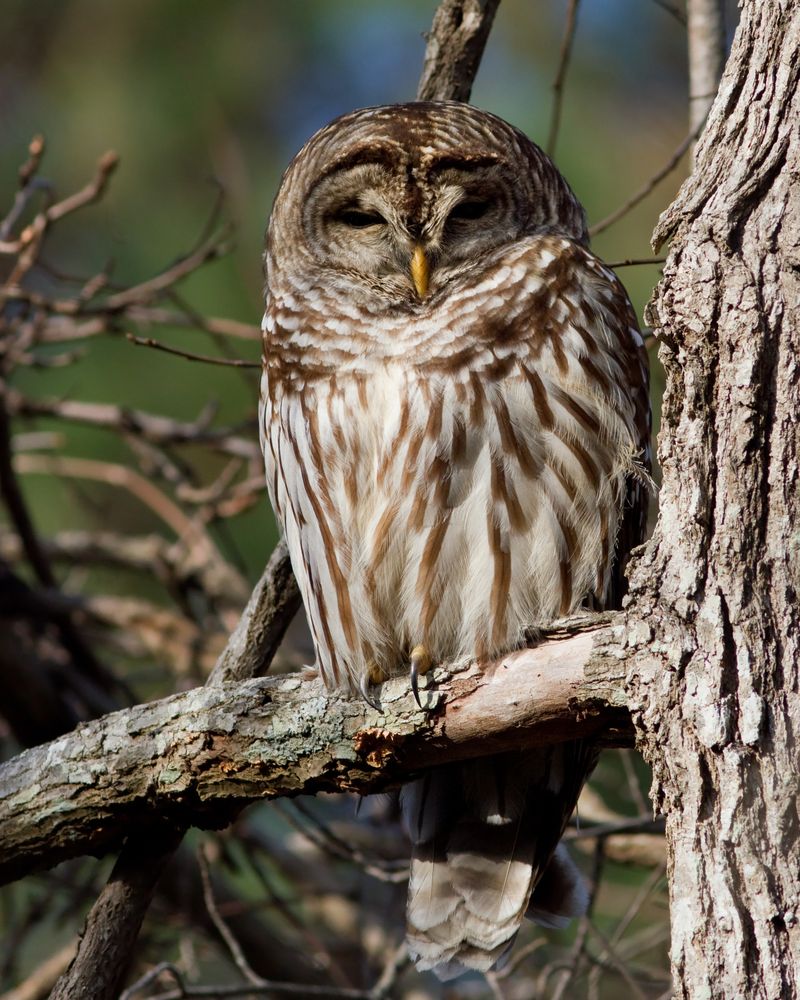
Coyotes, bobcats, and larger raptors typically avoid densely populated areas, creating safer zones for smaller owl species.
Washington State’s suburban neighborhoods offer refuge from natural enemies that dominate wilderness territories.
Great horned owls sometimes prey on smaller owl species, but residential areas provide hiding spots and escape routes.
Domestic dogs and cats pose some risk, yet owls remain beyond reach when perched high in yard trees.
Reduced predation pressure allows owl populations to establish territories closer to human dwellings.
Young owls learning to hunt benefit from these relatively protected environments during their vulnerable early months.
Competition for territory decreases when apex predators avoid areas with heavy human activity and noise.
Barred owls and screech owls particularly benefit from this predator-free advantage in Washington State communities.
Nesting success rates improve when fewer threats exist to raid nests or attack adult birds.
Suburban settings function as inadvertent sanctuaries where medium-sized owls thrive with minimal interference.
This safety factor contributes significantly to why owl sightings increase near homes during winter months.
Homeowners become unintentional protectors by creating spaces where natural predators rarely venture.
Mature Trees In Yards Provide Perfect Roosting Sites
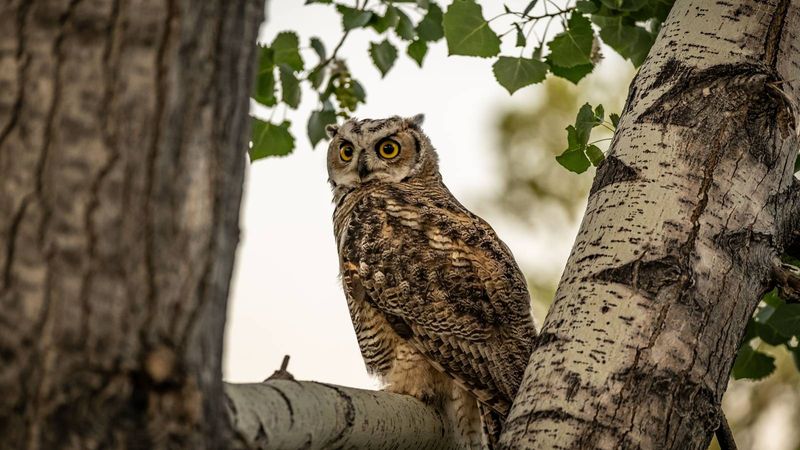
Old-growth trees in established neighborhoods offer ideal perches with excellent visibility and structural support.
Thick branches accommodate roosting owls while dense foliage provides concealment from potential threats and harsh weather.
Washington State homeowners who maintain mature evergreens and deciduous trees create premium owl habitat.
Cavity-nesting species find abandoned woodpecker holes in aging yard trees, perfect for shelter and nesting.
Height advantages allow owls to survey surrounding areas for prey while remaining safely above ground disturbances.
Conifers retain needles year-round, offering winter protection that deciduous trees cannot provide once leaves fall.
Residential landscapes often feature diverse tree species that accommodate different owl preferences and roosting styles.
Property owners who resist removing dead snags unknowingly preserve valuable owl real estate.
Strategic tree placement near homes creates convenient hunting perches overlooking gardens and lawns.
Owls return repeatedly to favored trees that meet their specific needs for safety and comfort.
Well-maintained yards across Washington State inadvertently replicate natural forest structures that owls require.
These living landmarks become anchors for owl territories that span multiple residential properties throughout neighborhoods.
Bird Feeders Create Concentrated Prey Opportunities

Backyard bird feeders attract sparrows, finches, and juncos that become potential meals for hungry owls.
Spilled seed on the ground draws rodents and squirrels, doubling the food availability around feeding stations.
Washington State residents who maintain feeders through winter unknowingly establish owl hunting grounds.
Owls perch in nearby trees, patiently watching the comings and goings of smaller birds throughout the day.
Dawn and dusk feeding times coincide perfectly with owl hunting periods, creating predictable ambush opportunities.
Concentrated prey populations make residential areas more efficient hunting territories than dispersed natural settings.
Some homeowners report seeing owls swoop down near feeders during early morning or evening hours.
This food chain connection explains why owl activity increases in neighborhoods with active bird-feeding programs.
Suet feeders and platform feeders particularly attract ground-feeding species vulnerable to owl predation.
While disturbing to witness, this natural behavior demonstrates the interconnected ecosystem within suburban Washington State.
Feeder enthusiasts should understand they attract entire food webs, not just the colorful songbirds they intend.
Responsible feeding practices include providing cover for small birds to escape approaching predators.
Climate Change Alters Traditional Migration Patterns
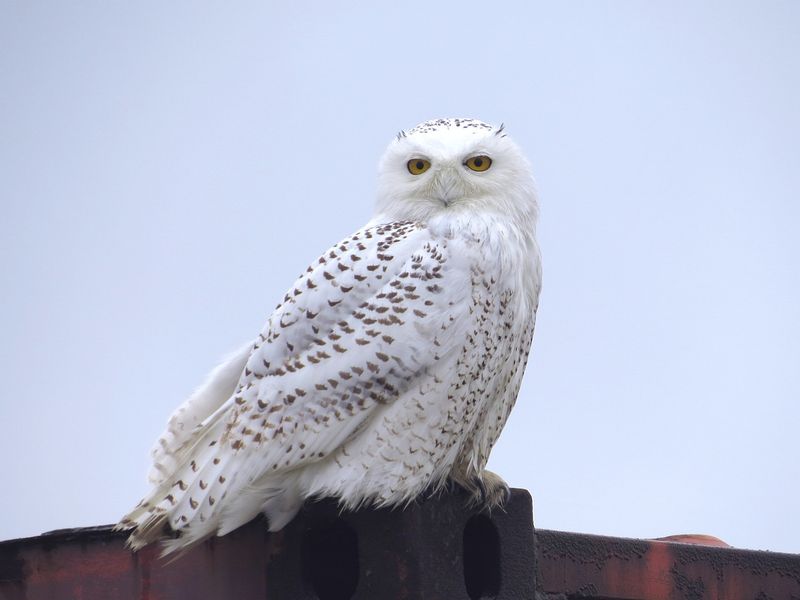
Warming temperatures disrupt food availability in northern breeding grounds, pushing some owl species southward earlier than normal.
Washington State sees increased visitation from snowy owls and other Arctic species during irruption years.
Changing climate patterns affect prey populations throughout traditional owl territories, forcing range adjustments.
Milder winters allow some resident owl species to expand into areas previously too cold for year-round survival.
Unpredictable weather creates food shortages in wilderness areas, making suburban hunting grounds more appealing.
Owls that typically migrate farther south may stop in Washington State when conditions prove adequate.
Ecological shifts force these adaptable birds to explore new territories, including residential neighborhoods.
Scientists document range expansions and altered behaviors linked to environmental changes across the state.
Homeowners witness these global phenomena firsthand when unusual owl species appear in their yards.
Shorter, warmer winters may allow prey populations to remain active longer, sustaining owl presence near homes.
Long-term climate trends suggest continued changes in where and when owls appear throughout Washington State.
These adaptations demonstrate remarkable flexibility as species respond to rapidly changing environmental conditions.
Water Sources In Yards Attract Diverse Wildlife
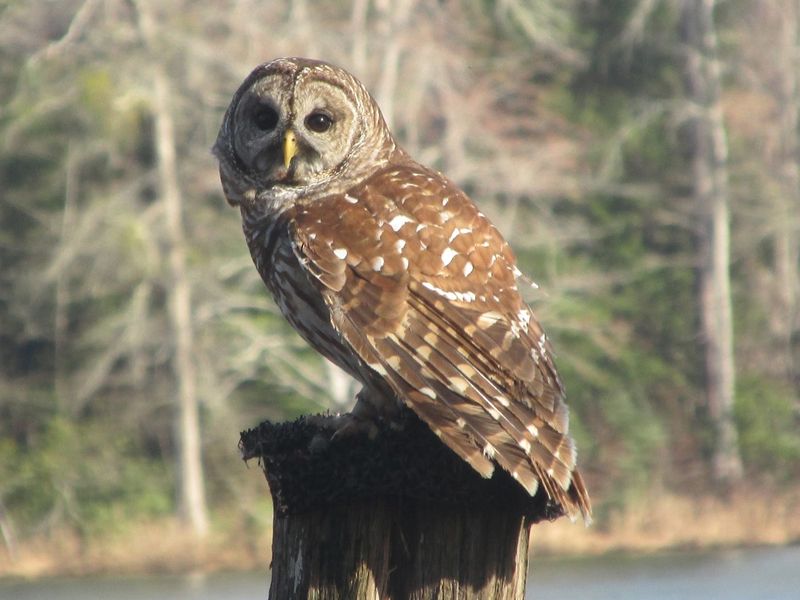
Ponds, birdbaths, and decorative water features draw thirsty animals during cold months when natural sources freeze.
Reliable water access attracts not only prey species but also the predators that hunt them.
Washington State experiences freezing temperatures that lock up streams and puddles, making backyard water sources valuable.
Squirrels, rabbits, and songbirds visit residential water features regularly, creating predictable hunting schedules for observant owls.
Heated birdbaths remain accessible throughout winter, functioning as wildlife magnets in frozen landscapes.
Owls stake out these gathering spots, knowing prey animals must eventually come to drink.
Amphibians and small mammals congregate near open water, concentrating food resources in convenient locations.
Homeowners who maintain water features through winter support entire ecosystems within their properties.
This attracts owls seeking both hydration and the abundant prey drawn to these artificial oases.
Natural water scarcity during frozen periods makes residential sources disproportionately important across the state.
Owls incorporate these reliable spots into their hunting territories, explaining their frequent presence nearby.
Understanding this connection helps residents appreciate the complex web of interactions their landscaping supports throughout Washington State.