The Rare Lady Slipper Orchid Being Spotted By Minnesota Hikers This Winter
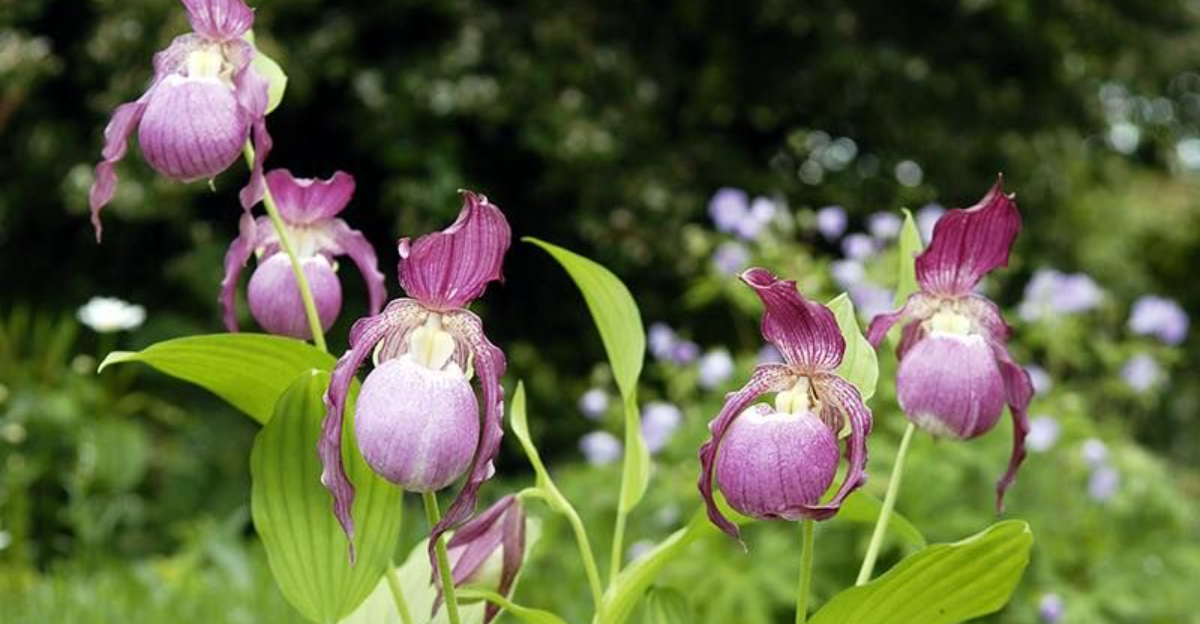
Winter woods in Minnesota rarely share secrets, yet hikers now meet a surprise.
A rare lady slipper orchid shows itself amid snow and silence, a sight that stops boots midstep.
This flower carries legend, patience, and fragility in equal measure.
Its sudden appearance feels like a bolt from the blue, proof that nature still holds cards close to the chest.
Trails gain wonder, conversations spark, and cameras pause as respect takes the lead.
Cold months usually demand endurance, not reward, which makes this moment hit harder.
Botanists raise brows, locals trade stories, and visitors tread with care.
Habitat shifts, climate quirks, and chance align in unusual ways.
For those lucky enough to witness this bloom, the memory lasts long after frost loosens its grip.
Such encounters remind people that wild beauty thrives beyond schedules and expectations, even under winter skies.
Quiet awe follows each step on trails.
Winter Blooming Is Extremely Unusual For This Species
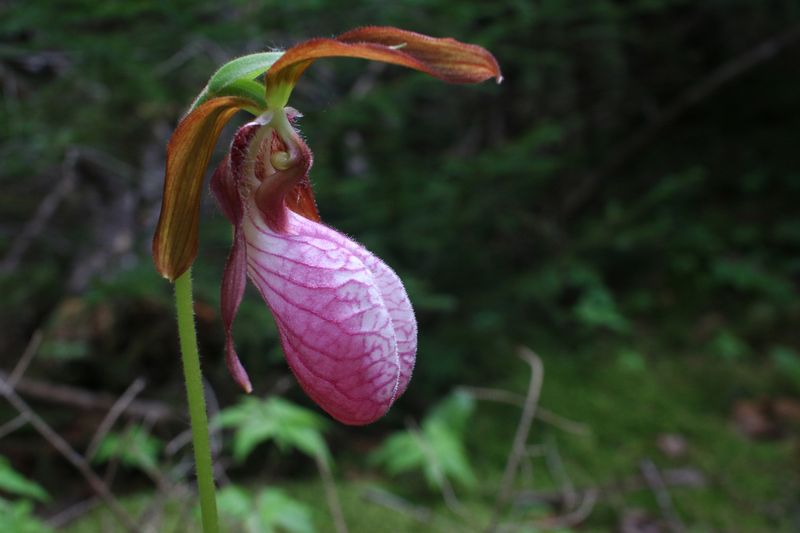
Lady slipper orchids normally bloom between late May and early July when temperatures warm and daylight hours increase.
Seeing them emerge during Minnesota’s harsh winter months breaks every rule botanists thought they knew about this species.
The orchid’s typical life cycle depends on specific temperature triggers and soil conditions that simply don’t exist in January or February.
Climate scientists believe that unusual weather patterns might be confusing the plant’s internal clock.
Warmer-than-average fall temperatures followed by sudden cold snaps could trick the orchids into thinking spring has arrived.
Minnesota has experienced several unseasonable temperature swings over recent winters.
These fluctuations may be sending mixed signals to plants that have evolved over thousands of years to respond to predictable seasonal changes.
Hikers discovering these winter blooms should document their findings with photos and GPS coordinates.
This information helps researchers track climate change impacts on native Minnesota plant species.
The phenomenon reminds us that nature constantly adapts in ways we’re still learning to understand.
Minnesota Is Home To Multiple Lady Slipper Varieties

Most people don’t realize that Minnesota hosts several different lady slipper species throughout its diverse ecosystems.
The pink and white lady slipper serves as the official state flower, earning this honor back in 1902.
Beyond this famous variety, hikers might encounter the rare showy lady slipper, yellow lady slipper, and even the small white lady slipper.
Each type prefers slightly different growing conditions, from boggy wetlands to dry pine forests.
The showy lady slipper ranks as Minnesota’s largest native orchid, with blooms reaching up to two inches across.
Yellow lady slippers tend to grow in colonies, sometimes carpeting entire forest clearings with golden blooms during normal spring seasons.
Minnesota’s unique position where prairie, deciduous forest, and northern coniferous forest meet creates perfect conditions for orchid diversity.
The state’s limestone-rich soils in certain regions provide the alkaline conditions these plants crave.
Winter sightings have included multiple varieties, suggesting the phenomenon affects different species.
Knowing which type you’ve spotted helps scientists understand which varieties are most vulnerable to climate disruption.
Your Minnesota Garden Changes Every Week. Your Plan Should Too.
Gardening in Minnesota changes quickly throughout the season. Every Friday you’ll receive a simple weekly plan showing exactly what to plant, prune, fertilize, harvest, and protect so you never miss the right timing.
Protected Status Makes These Flowers Illegal To Pick

Many excited hikers don’t know that picking lady slipper orchids in Minnesota carries serious legal consequences.
State law protects these rare beauties, and removing them from public or private land without permission is illegal.
Violators can face substantial fines and even misdemeanor charges depending on the circumstances.
The plant’s rarity and slow growth rate make every individual orchid precious to Minnesota’s ecosystem.
Lady slippers can take up to sixteen years from seed to first bloom, making population recovery extremely slow.
When someone picks the flower, they’re not just taking this year’s bloom but potentially preventing future reproduction.
The roots require specific fungi partners to survive, and disturbing the plant often results in its eventual decline even if replanted.
Minnesota conservation officers take reports of orchid poaching seriously and investigate documented cases.
If you spot these winter orchids, enjoy them with your camera only.
Share your discovery on social media without revealing exact locations to prevent overcrowding or poaching.
Protecting these rare plants ensures future generations of Minnesota hikers can experience the same wonder you felt.
Symbiotic Fungi Relationship Keeps These Orchids Alive
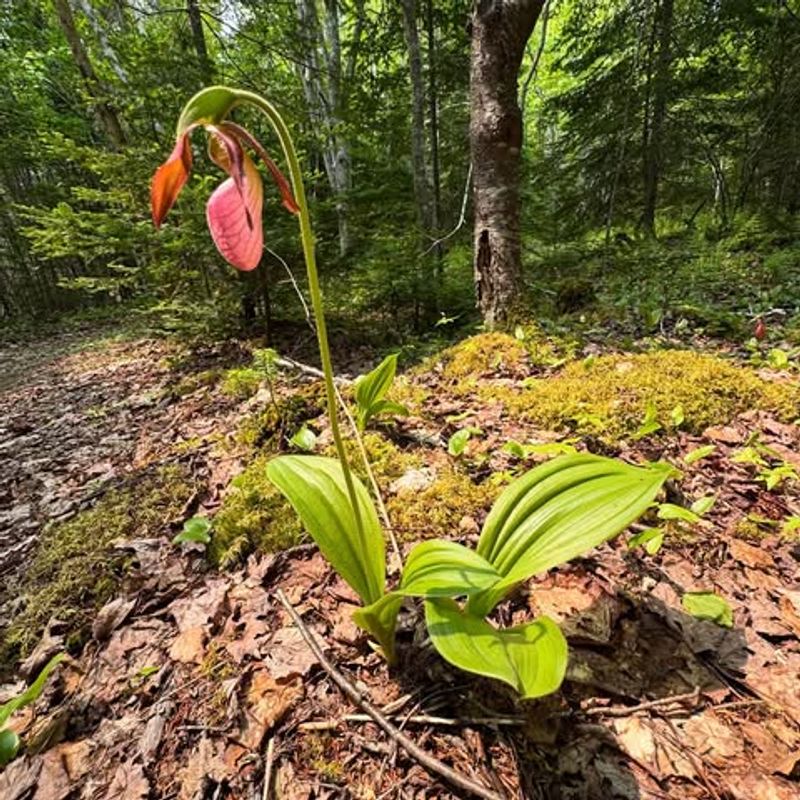
Lady slipper orchids can’t survive without forming partnerships with specific soil fungi.
This relationship, called mycorrhizal symbiosis, allows the orchid to extract nutrients from the forest floor.
The tiny orchid seeds contain almost no stored energy, unlike most plant seeds that pack nutrients for germination.
Instead, lady slipper seeds must immediately connect with the right fungus species or perish within days.
The fungus essentially feeds the developing orchid seedling until it can produce its own leaves and photosynthesize.
Even mature plants maintain this partnership throughout their lives, relying on fungi for essential minerals.
Minnesota’s rich forest soils contain diverse fungal networks, but only certain species work with lady slippers.
This picky relationship explains why transplanting these orchids almost never succeeds.
The fungus might not exist in the new location, or soil conditions might not support the partnership.
Winter blooming could stress this delicate relationship since frozen soil reduces fungal activity.
Scientists worry that climate disruption affecting either partner could threaten the entire system.
Understanding these hidden underground connections helps explain why protecting orchid habitat means protecting entire ecosystems.
Climate Change May Be Triggering Unseasonable Growth
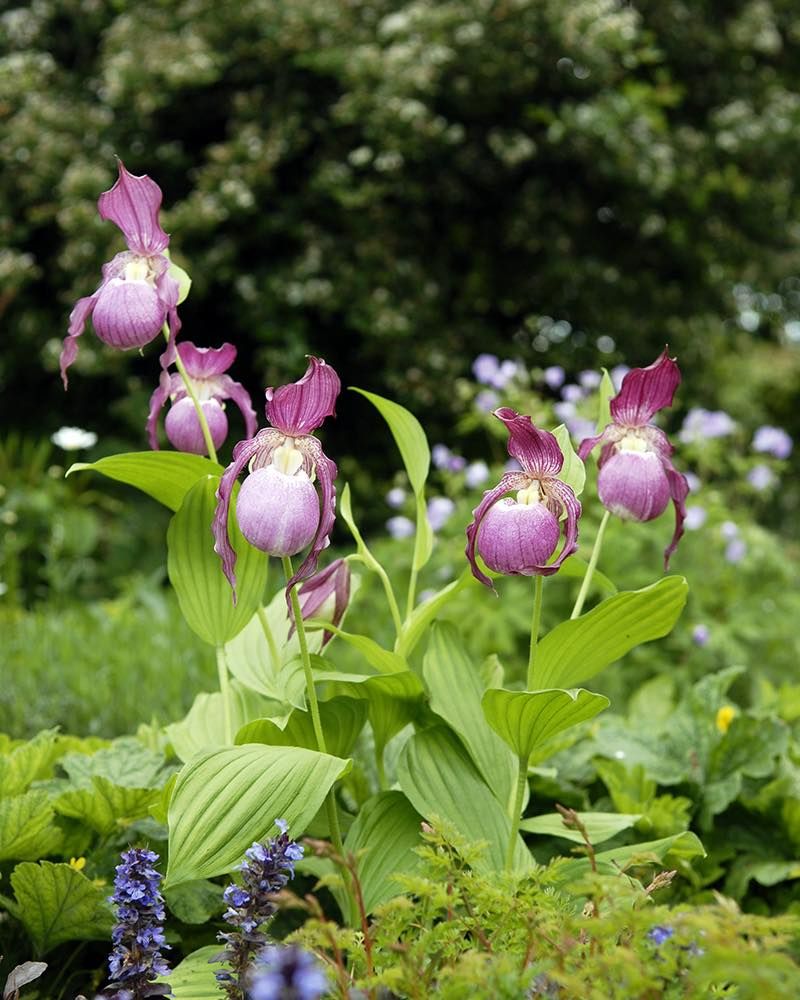
Scientists studying the winter lady slipper sightings point toward climate change as the most likely culprit.
Minnesota has warmed significantly over the past several decades, with winters showing the most dramatic temperature increases.
Average winter temperatures in the state have risen by several degrees since the 1970s.
Plants evolved over millennia to respond to consistent seasonal cues like temperature and daylight length.
When those patterns change rapidly, species with long life cycles struggle to adapt quickly enough.
Warmer autumns might prevent lady slippers from entering proper dormancy, leaving them vulnerable to early growth triggers.
Brief warm spells during Minnesota winters could then fool the plants into beginning their bloom cycle prematurely.
The orchids essentially wake up at the wrong time, emerging into conditions that threaten their survival.
Freezing temperatures following bloom emergence can damage reproductive structures and reduce seed production.
Over time, this pattern could reduce lady slipper populations if plants consistently bloom at the wrong season.
Minnesota serves as an important indicator region for climate impacts on northern plant species.
What happens here often predicts changes coming to other northern states and Canadian provinces.
Specific Hiking Trails Report The Most Sightings
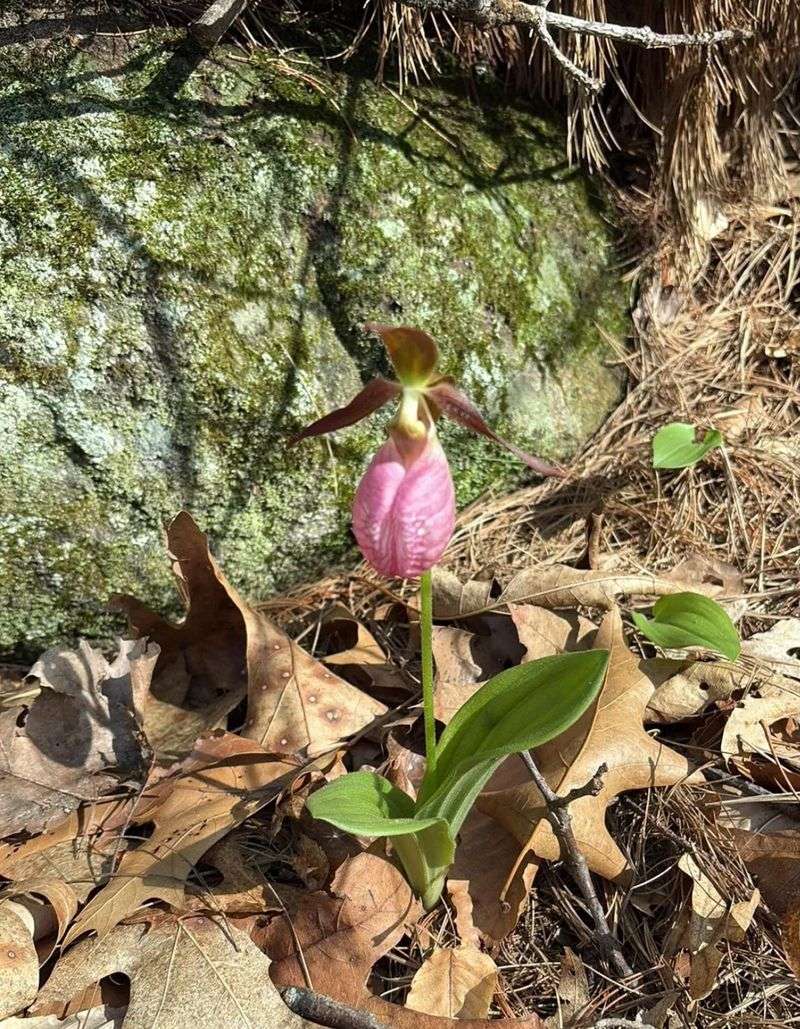
Certain Minnesota trails have emerged as hotspots for winter lady slipper sightings.
Areas around the Superior Hiking Trail in northeastern Minnesota have produced numerous reports.
The trail’s varied terrain and microclimates create pockets where conditions might trigger early blooming.
State parks near the Twin Cities, including Lebanon Hills and Afton, have also documented winter orchids.
These locations combine protected habitat with high hiker traffic, increasing the chances someone will spot unusual blooms.
Southern Minnesota trails near the Iowa border report fewer sightings despite having lady slipper populations.
This geographic pattern suggests that northern regions experiencing the most dramatic climate shifts see more unseasonable blooming.
Hikers exploring areas with limestone outcroppings and mature hardwood forests should watch carefully.
Lady slippers often grow near rotting logs or in spots where leaf litter accumulates thickly.
Morning hikers have better chances of spotting the flowers before snow cover increases or temperatures drop.
Joining Minnesota native plant groups on social media helps you track where others have reported recent sightings.
Always stay on designated trails to avoid trampling orchids or other sensitive plants hidden under snow.
Photography Tips Help Document This Rare Phenomenon
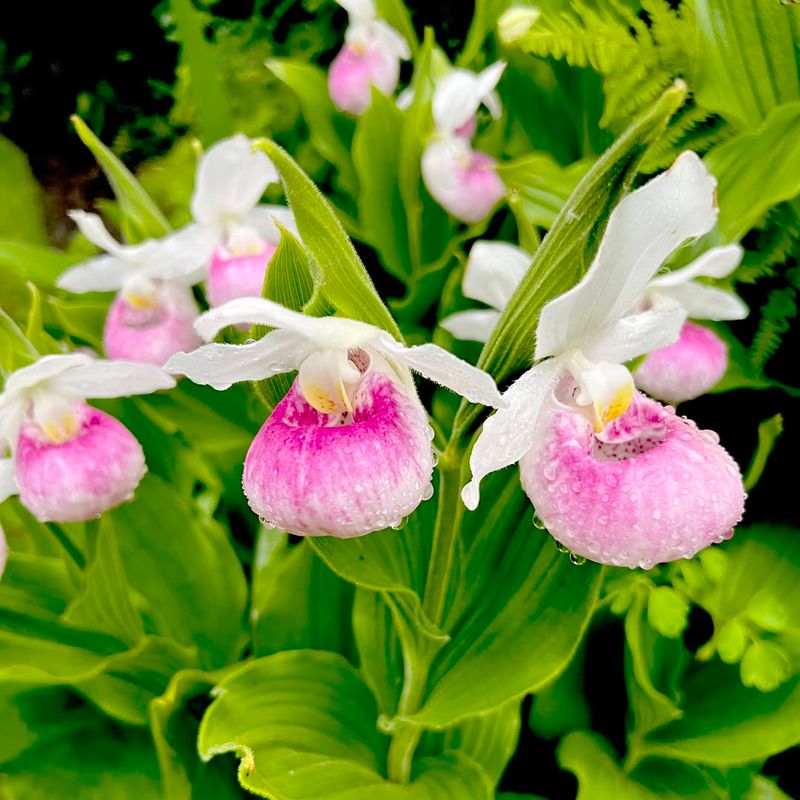
Capturing quality photos of winter lady slippers helps scientists while creating memorable images.
Natural lighting works best, so plan your hike for mid-morning when the sun reaches forest floors.
Avoid using flash, which can wash out the flower’s delicate colors and create harsh shadows.
Get down to the orchid’s level rather than shooting from above for more engaging perspectives.
Minnesota’s winter light can be tricky, often creating blue-tinted photos that need color correction
Include environmental context by showing snow, ice, or bare trees to document the unusual season.
Use your phone’s or camera’s macro mode to capture the intricate pouch structure that gives lady slippers their name.
Take multiple shots from different angles since reviewing photos later often reveals unexpected details.
Note the exact location using GPS coordinates, time, and trail name in your photo metadata.
Submit your images to Minnesota native plant organizations or university botany departments conducting research.
Citizen science projects like iNaturalist welcome observations and help track species distribution changes.
Your photographs become valuable scientific data while preserving this unusual moment in Minnesota’s natural history.
Conservation Efforts Protect Remaining Orchid Populations

Organizations across Minnesota work tirelessly to protect lady slipper habitats from development and degradation.
The Minnesota Native Plant Society leads efforts to educate landowners about orchids on their property.
State parks and nature preserves maintain specific management practices that benefit these sensitive species.
Controlled burns, invasive species removal, and careful trail placement all help preserve orchid colonies.
Private landowners who discover lady slippers can work with conservation groups to develop protection plans.
Some Minnesota counties have established orchid preserves where public access is limited during blooming seasons.
Habitat fragmentation from roads and development poses one of the biggest threats to orchid survival.
Lady slippers need large, undisturbed forest areas with the right soil conditions and fungal partners.
Climate change adds another layer of challenge that requires adaptive management strategies.
Researchers are studying whether assisted migration might help populations survive in their traditional ranges.
You can support conservation by volunteering with local nature organizations or donating to habitat protection funds.
Every acre of Minnesota forest preserved increases the chances these remarkable orchids will survive for future generations to discover and admire.