10 New Garden Designs Expected To Replace Oregon Lawns By 2040
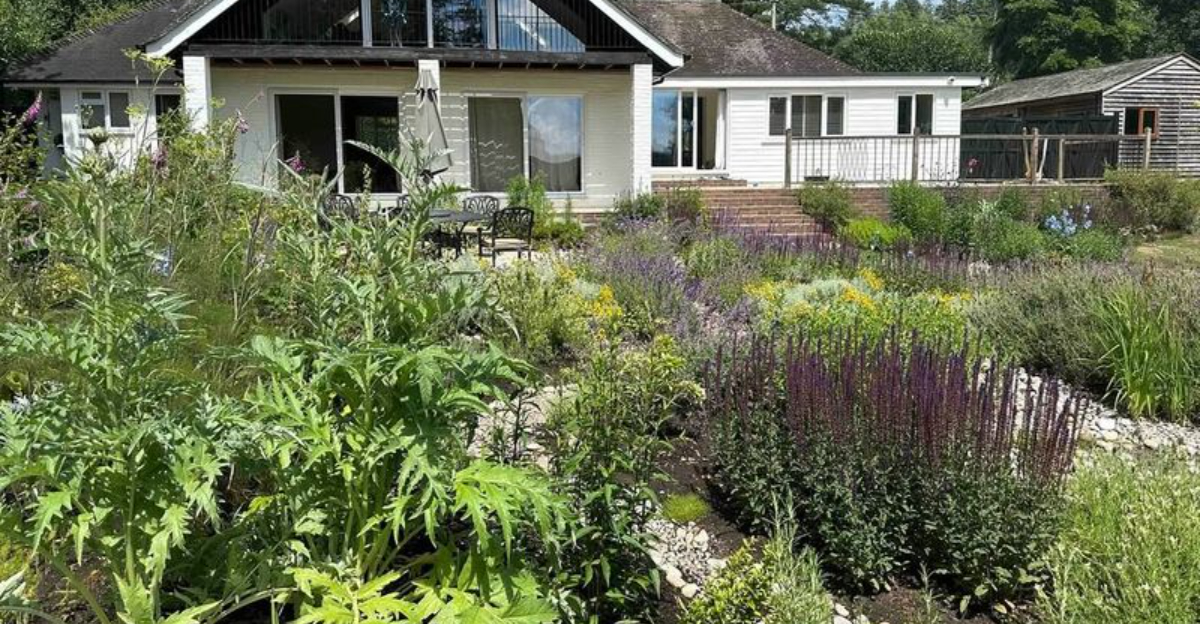
Across Oregon neighborhoods once ruled by clipped grass, a quiet shift takes root.
Lawns lose favor as climate pressure, water limits, and modern taste reshape outdoor space.
Homeowners seek yards that pull weight, not just look neat.
Color, texture, and purpose rise above empty green carpet.
Oregon designers picture front yards full of life, motion, and value.
Native plants claim ground, stone paths add order, and edible beds earn praise.
These future landscapes offer shade, food, habitat, and calm.
Maintenance drops, beauty holds steady, and bills shrink.
What once felt radical now feels wise.
By 2040, curb appeal tells a new story, one of resilience and respect for place.
The Oregon lawn era fades without tears.
In its place stands a patchwork of smart design that works with nature, not against it.
The result feels fresh, practical, and long overdue, a sign of progress under open sky for future yards.
1. Pollinator Paradise Gardens
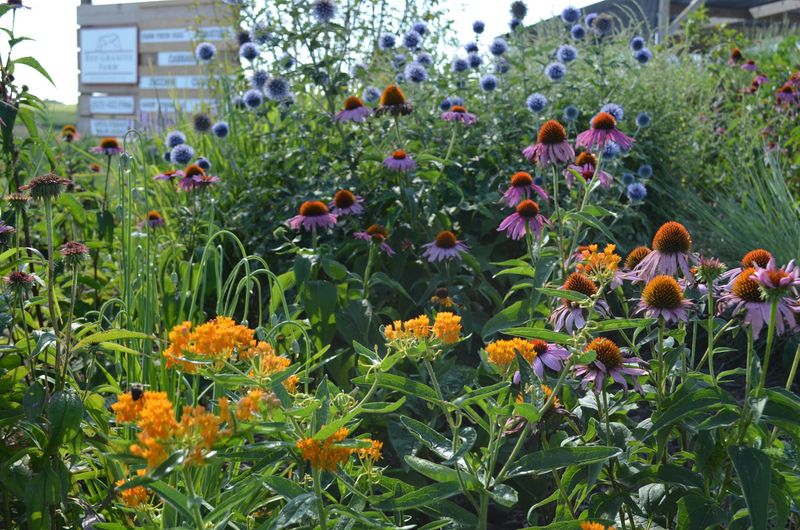
Native wildflowers and flowering shrubs create living sanctuaries that attract bees, butterflies, and hummingbirds right to your doorstep.
These gardens burst with color throughout the growing season while providing essential food sources for pollinators that help our entire ecosystem thrive.
Unlike traditional lawns that require constant mowing and offer little to wildlife, pollinator gardens practically take care of themselves once established.
Plants like coneflowers, black-eyed susans, milkweed, and native asters need minimal watering after their first year and come back stronger each season.
Homeowners can watch nature’s fascinating drama unfold as different species visit throughout the day, turning yards into educational outdoor classrooms for kids.
Many communities by 2040 will likely offer incentives or rebates for installing pollinator-friendly landscapes because of their environmental benefits.
Local Oregon garden centers are already stocking more native plant varieties as demand grows among environmentally conscious gardeners.
Creating these habitats helps reverse the alarming decline in pollinator populations that scientists have documented over recent decades.
Best of all, pollinator gardens bring constant movement, color, and life to outdoor spaces in ways that flat grass never could.
Your neighbors might even follow your lead once they see how stunning and low-maintenance these gardens truly are.
2. Edible Landscape Yards
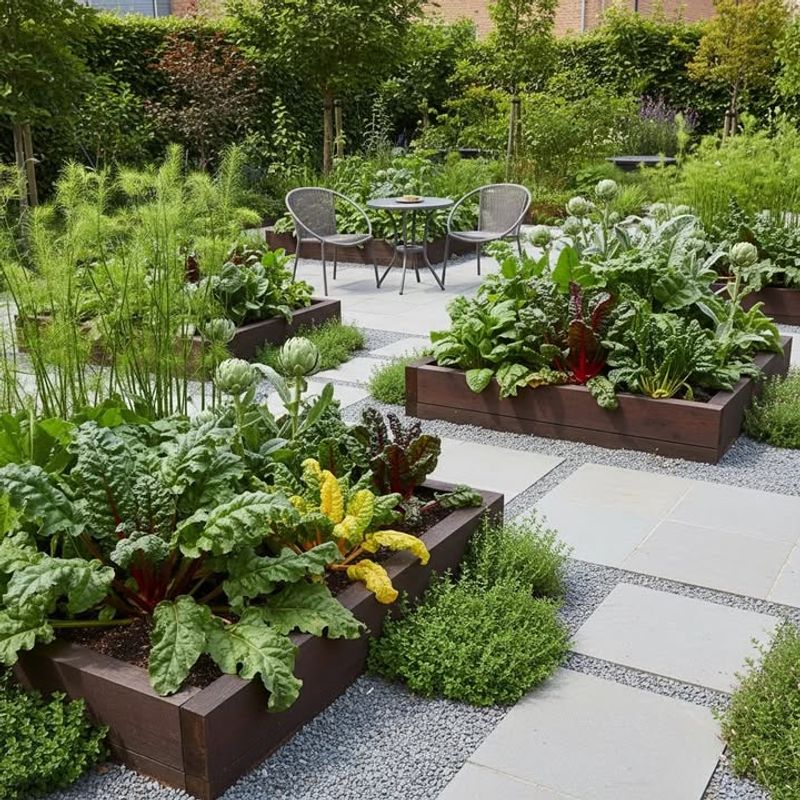
Imagine stepping outside to pick fresh tomatoes, herbs, and berries from your front yard instead of just mowing grass every weekend.
Edible landscaping transforms ordinary yards into productive gardens that feed families while looking absolutely gorgeous.
Fruit trees provide shade and beauty in spring with their blossoms, then reward you with apples, pears, or cherries later in the season.
Blueberry and raspberry bushes serve as attractive hedges that also produce delicious harvests for months.
Raised beds filled with lettuce, kale, and colorful peppers can be designed as attractive focal points rather than hidden in the backyard.
Herb borders along pathways release wonderful scents when brushed against, making every walk through the garden a sensory experience.
By 2040 in Oregon, food security concerns and rising grocery costs will make edible landscapes increasingly appealing to budget-conscious families.
These gardens teach children where food actually comes from while encouraging healthier eating habits through hands-on involvement.
Your Oregon Garden Changes Every Week. Your Plan Should Too.
Gardening in Oregon changes quickly throughout the season. Every Friday you’ll receive a simple weekly plan showing exactly what to plant, prune, fertilize, harvest, and protect so you never miss the right timing.
Permaculture principles guide many edible landscape designs, creating self-sustaining systems that improve soil health over time.
Community regulations are gradually changing to allow vegetable gardens in front yards as attitudes shift toward productive landscaping.
Growing your own food reduces your carbon footprint significantly by eliminating transportation and packaging waste.
3. Xeriscaping With Succulents
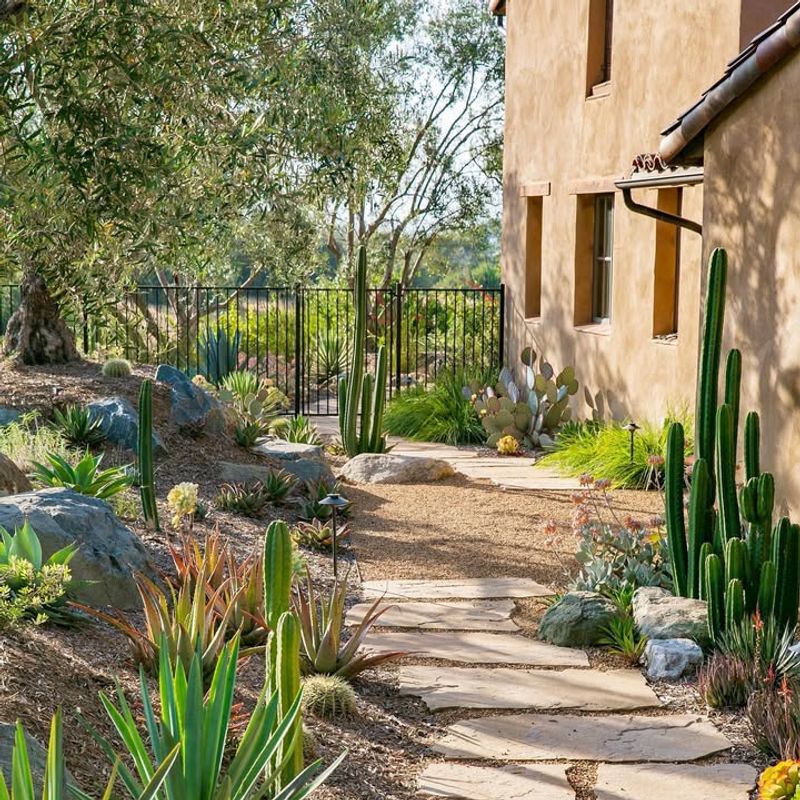
Water scarcity is becoming a serious issue across many regions, making water-wise xeriscaping an essential landscape solution for the future.
Succulents, cacti, and other drought-tolerant plants create stunning gardens that use up to 80 percent less water than traditional grass lawns.
These hardy plants come in incredible varieties of shapes, sizes, and colors, from blue-green agaves to purple sedums and architectural yuccas.
Decorative rock mulches, gravel pathways, and artistic boulder placements add visual interest while preventing water evaporation from the soil.
Xeriscaping looks particularly striking in modern and contemporary Oregon home designs, complementing clean architectural lines beautifully.
Many southwestern communities already offer substantial rebates for removing grass and installing xeriscape gardens due to severe drought conditions.
By 2040, these incentive programs will likely expand nationwide as climate patterns continue shifting toward hotter, drier conditions.
Maintenance requirements drop dramatically since these plants evolved to survive harsh conditions with minimal care or supplemental watering.
Homeowners save significant money on water bills while still enjoying attractive outdoor spaces that look intentionally designed rather than neglected.
Even in regions with adequate rainfall, xeriscaping makes sense for sloped areas, sandy soils, or spots where grass struggles to grow.
The sculptural quality of many drought-tolerant plants creates year-round visual interest that grass simply cannot match.
4. Moss And Groundcover Carpets
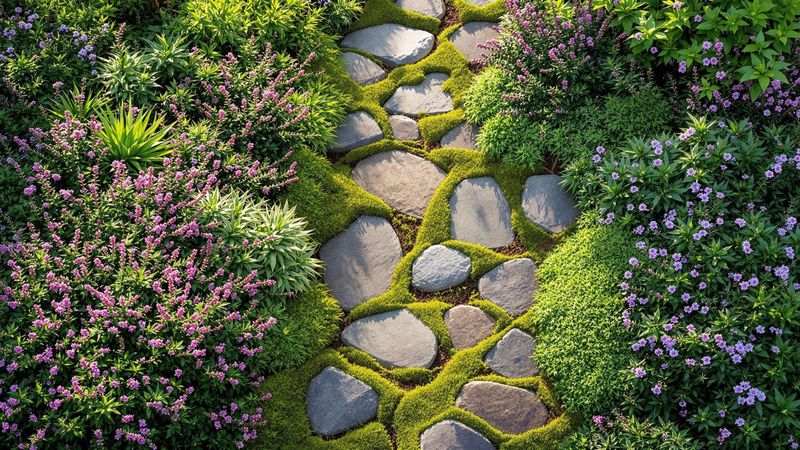
Soft, velvety moss creates magical garden floors that feel like walking on nature’s own carpet without any mowing required.
Shaded areas where grass struggles become perfect spots for moss gardens that thrive in conditions lawns hate.
Moss requires no fertilizer, rarely needs watering once established, and never grows tall enough to need cutting.
Japanese garden designers have used moss for centuries, proving its timeless beauty and incredible durability in landscape applications.
Creeping groundcovers like thyme, sedum, and clover provide similar benefits in sunnier locations where moss cannot grow.
These low-growing plants form dense mats that naturally suppress weeds while adding texture and often fragrance to garden spaces.
Walking on creeping thyme releases a wonderful herbal scent that makes every stroll through the garden more enjoyable.
By 2040, moss cultivation kits and groundcover starter collections will become common at garden centers as demand increases.
These alternatives handle foot traffic surprisingly well, especially varieties specifically selected for pathway and lawn replacement purposes.
Moss stays green year-round in many climates, providing consistent color even when traditional grass goes dormant and brown.
Groundcover gardens support beneficial Oregon insects and create healthier soil ecosystems compared to chemically maintained grass lawns.
Installation is straightforward, often requiring just clearing existing grass and establishing small starter plugs that spread naturally.
5. Rain Gardens And Bioswales

Stormwater runoff causes serious pollution problems in rivers and streams, but rain gardens offer an elegant solution that also beautifies properties.
These shallow depressions filled with native plants capture rainwater from roofs, driveways, and patios, allowing it to soak slowly into the ground.
Instead of rushing into storm drains carrying pollutants, water filters naturally through the soil while nourishing beautiful moisture-loving plants.
Rain gardens feature stunning native species like cardinal flower, Joe-Pye weed, and blue flag iris that thrive in periodically wet conditions.
Bioswales work similarly but are designed as attractive channels that guide water through the landscape while filtering and cleansing it.
By 2040, many municipalities will likely require rain gardens in new developments to manage stormwater more sustainably and reduce infrastructure costs.
These features add visual interest to yards with their varied plant heights, textures, and seasonal color changes.
Homeowners appreciate how rain gardens solve drainage problems while creating habitat for frogs, dragonflies, and birds.
Installation involves careful grading and plant selection but pays off with reduced flooding, healthier waterways, and lower maintenance needs.
Native plants in rain gardens develop deep root systems that improve soil structure and increase groundwater recharge over time.
These gardens demonstrate environmental stewardship in visible ways that inspire neighbors and strengthen community resilience.
6. Wildflower Meadows

Picture a Oregon yard filled with swaying grasses and colorful wildflowers dancing in the breeze like something from a countryside painting.
Wildflower meadows bring that romantic, natural beauty to suburban neighborhoods while requiring just one or two mowings per year.
These low-maintenance landscapes support dozens of beneficial insect species, birds, and small wildlife that traditional lawns cannot sustain.
Annual and perennial wildflowers create constantly changing displays of color from early spring through late fall.
Meadow gardens work especially well on larger properties where the naturalistic style complements the surrounding environment beautifully.
Establishing a meadow requires patience initially, as native species develop extensive root systems before showing their full glory above ground.
By 2040, meadow seed mixes tailored to specific regions will be readily available, making installation much simpler for average homeowners.
The gentle movement of grasses and flowers adds a peaceful, calming quality to outdoor spaces that rigid grass lawns lack.
Children love exploring meadow gardens, discovering insects, seedheads, and natural treasures hidden among the diverse plantings.
Meadows actually improve property values in many areas as buyers increasingly seek distinctive, eco-friendly landscapes.
These gardens also provide valuable teaching opportunities about native ecosystems, plant identification, and seasonal changes in nature.
Maintenance involves simply cutting everything down once or twice annually, far less work than weekly lawn mowing.
7. Permeable Paver Patios
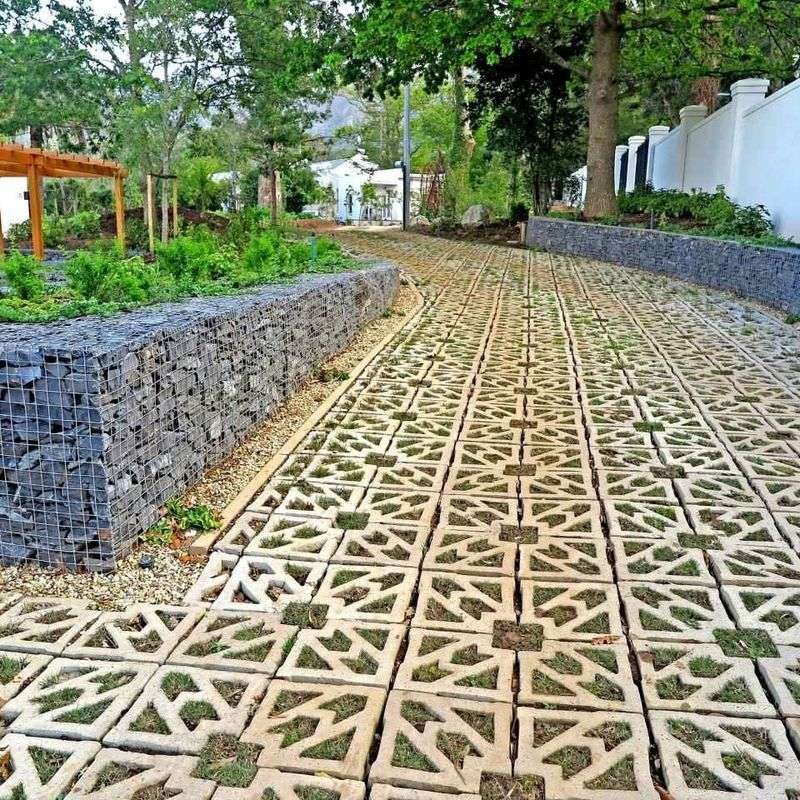
Hard surfaces like concrete patios and driveways create runoff problems, but permeable pavers offer an attractive alternative that lets water soak through.
These innovative systems use specially designed pavers with gaps that allow rainwater to filter naturally into the soil below.
Grass, moss, or low groundcovers can grow between pavers, softening the look while maintaining functionality for vehicles and foot traffic.
Permeable hardscaping reduces flooding, recharges groundwater, and filters pollutants that would otherwise wash into storm systems.
By 2040, building codes in many areas will likely mandate permeable surfaces for new construction due to their environmental benefits.
These systems come in various styles from traditional brick patterns to modern geometric designs that complement any architectural style.
Installation costs have decreased as the technology becomes more common, making permeable pavers competitive with traditional concrete.
Homeowners appreciate the reduced maintenance since permeable systems naturally handle drainage without puddling or ice formation.
The pavers remain cooler in summer than solid concrete because water evaporating through the gaps provides natural cooling.
Combining permeable patios with rain gardens creates comprehensive water management systems that work together beautifully.
These surfaces handle heavy use while still supporting environmental goals, making them perfect for driveways, pathways, and entertainment areas.
Repair and adjustment are simpler than with poured concrete since individual pavers can be lifted and replaced as needed.
8. Vertical Garden Walls
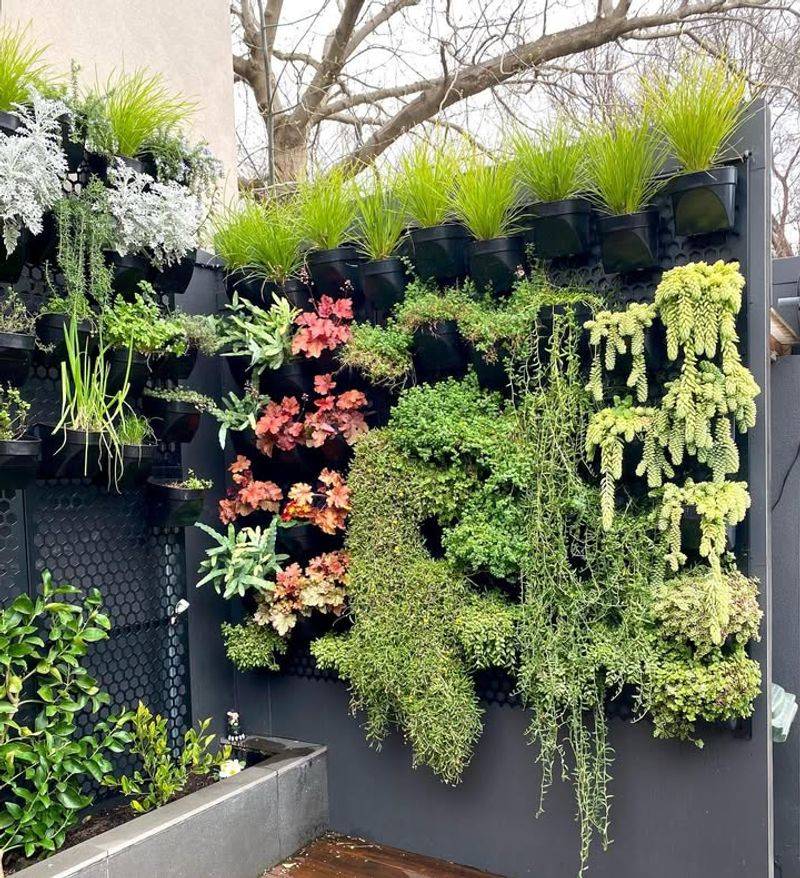
When horizontal space is limited, growing upward offers creative solutions that maximize greenery without requiring large yard areas.
Vertical garden walls transform blank fences, walls, and structures into living tapestries of plants that provide beauty and environmental benefits.
These systems use modular panels or pocket planters that hold soil and plants, creating stunning displays that can cover entire surfaces.
Herbs, succulents, ferns, and flowering plants all work well in vertical gardens depending on sun exposure and climate conditions.
Urban homeowners with tiny yards find vertical gardens particularly valuable for adding substantial greenery without sacrificing limited ground space.
By 2040, vertical garden technology will become more affordable and user-friendly, with built-in irrigation systems and modular designs.
These installations provide insulation benefits, cooling buildings naturally and reducing energy costs during hot summer months.
Vertical gardens also improve Oregon air quality by filtering pollutants and producing oxygen right where people live and gather.
Maintenance involves periodic trimming and occasional plant replacement, but built-in watering systems handle the daily care automatically.
The dramatic visual impact of a living wall creates an impressive focal point that guests always notice and admire.
Balconies, courtyards, and small patios become lush garden retreats when vertical growing techniques maximize every available surface.
Food production is even possible with vertical gardens designed specifically for growing lettuce, strawberries, and herbs.
9. Clover Lawns
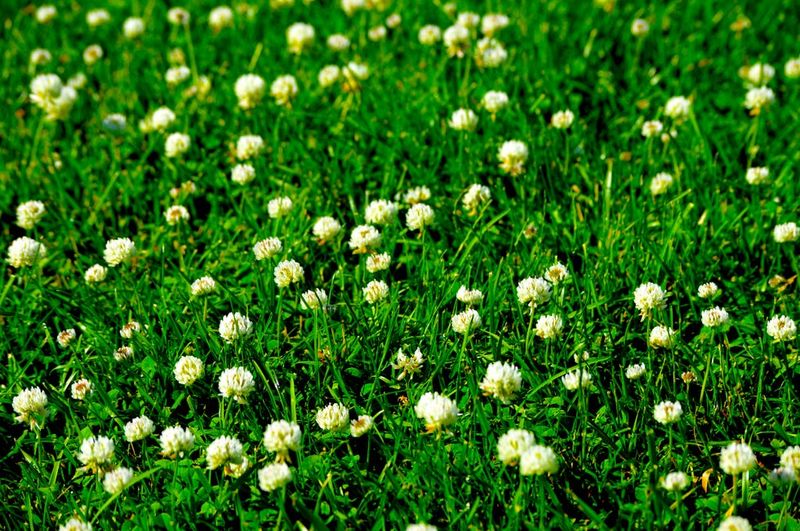
Before chemical companies convinced everyone that perfect grass was essential, clover lawns were actually the standard in American yards.
This nitrogen-fixing plant stays green through droughts, never needs fertilizing, and remains naturally low without constant mowing.
White clover spreads quickly to form dense, soft carpets that feel wonderful underfoot and handle foot traffic remarkably well.
The small white flowers attract beneficial bees while adding charming texture to the landscape throughout the growing season.
Clover actually improves soil health by pulling nitrogen from the air and converting it into nutrients that surrounding plants can use.
By 2040, clover lawns will likely become mainstream again as people rediscover their practical benefits and environmental advantages.
These lawns require about 80 percent less water than traditional grass, saving homeowners significant money on utility bills.
Clover naturally crowds out many weeds, reducing or eliminating the need for chemical herbicides that harm beneficial insects.
The deep root system helps prevent soil erosion while improving drainage and soil structure over time.
Some homeowners mix clover with grass for a more traditional appearance while still gaining the benefits of reduced maintenance.
Micro-clover varieties developed specifically for lawns grow even lower and blend seamlessly with grass for those wanting a transitional approach.
Establishing a clover lawn is simple, requiring just seed broadcasting over prepared soil in spring or fall.
10. Food Forest Layers
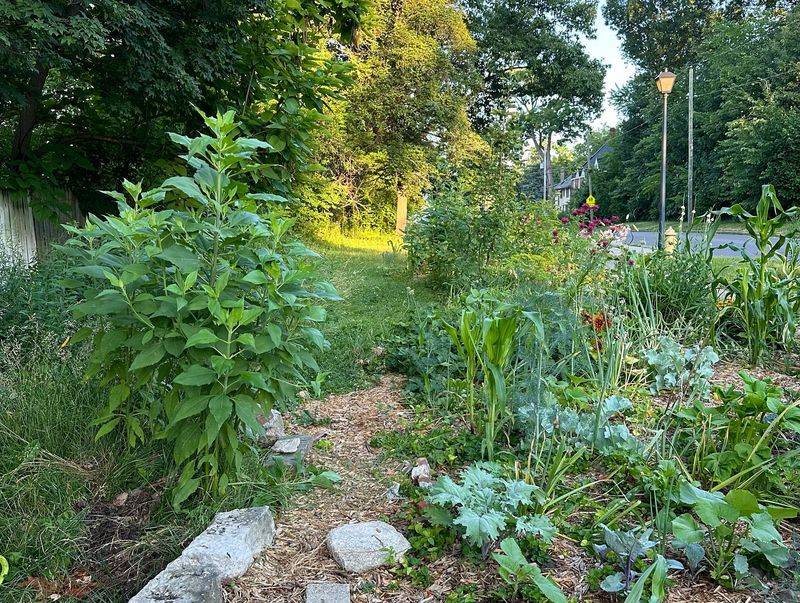
Food forests mimic natural woodland ecosystems but feature edible plants at every level from tall trees down to ground-hugging herbs.
Fruit and nut trees form the upper canopy, providing shade for berry bushes, which in turn shelter herbs and edible groundcovers below.
This layered approach maximizes production from limited space while creating a self-sustaining system that improves over time.
Once established, food forests require minimal maintenance since the diverse plantings naturally support each other and suppress weeds.
Fallen leaves and plant debris create natural mulch that feeds the soil, eliminating the need for purchased fertilizers or amendments.
By 2040, permaculture principles behind food forests will be widely understood and applied in suburban landscapes everywhere.
These gardens provide food security, habitat for wildlife, and beautiful spaces for families to enjoy throughout the seasons.
Children growing up with food forests develop deep connections to nature and understand ecological relationships in hands-on ways.
The initial planning requires thought about plant compatibility, mature sizes, and sun requirements, but the long-term rewards are substantial.
Food forests can be adapted to any climate by selecting appropriate species that thrive in local conditions.
The abundance produced often exceeds what families can consume, creating opportunities for sharing with neighbors and building community connections.
These systems demonstrate how yards can be both beautiful and productive, challenging the notion that landscapes must be purely ornamental.