Why Overwatering Container Plants Is Common In Illinois
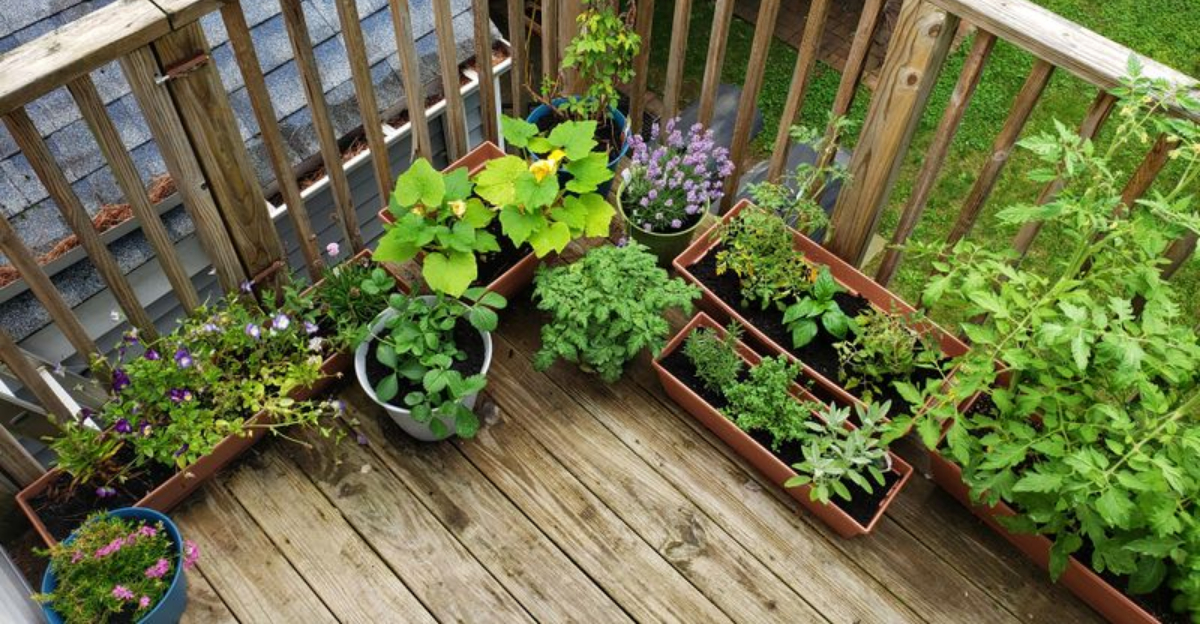
Container gardens across Illinois promise control, color, and convenience, yet trouble often sneaks in through the watering can.
Many plant lovers equate care with constant moisture, and that habit backfires fast.
Cool springs, humid summers, and sudden storms blur the line between help and harm.
Pots trap water, roots suffocate, and leaves tell a sad tale.
The Midwest climate plays tricks on judgment, with cloudy days and heavy air masking damp soil.
Good intentions pave a rocky road, especially for beginners eager to see growth.
Advice from warmer regions adds confusion, and fear of drought tips the scale.
One extra soak feels harmless, then decline sets in.
With a sharper eye and a lighter hand, containers thrive instead of struggle.
In Illinois, success favors patience over panic and knowledge over habit.
Unpredictable Midwest Weather Patterns Create Confusion
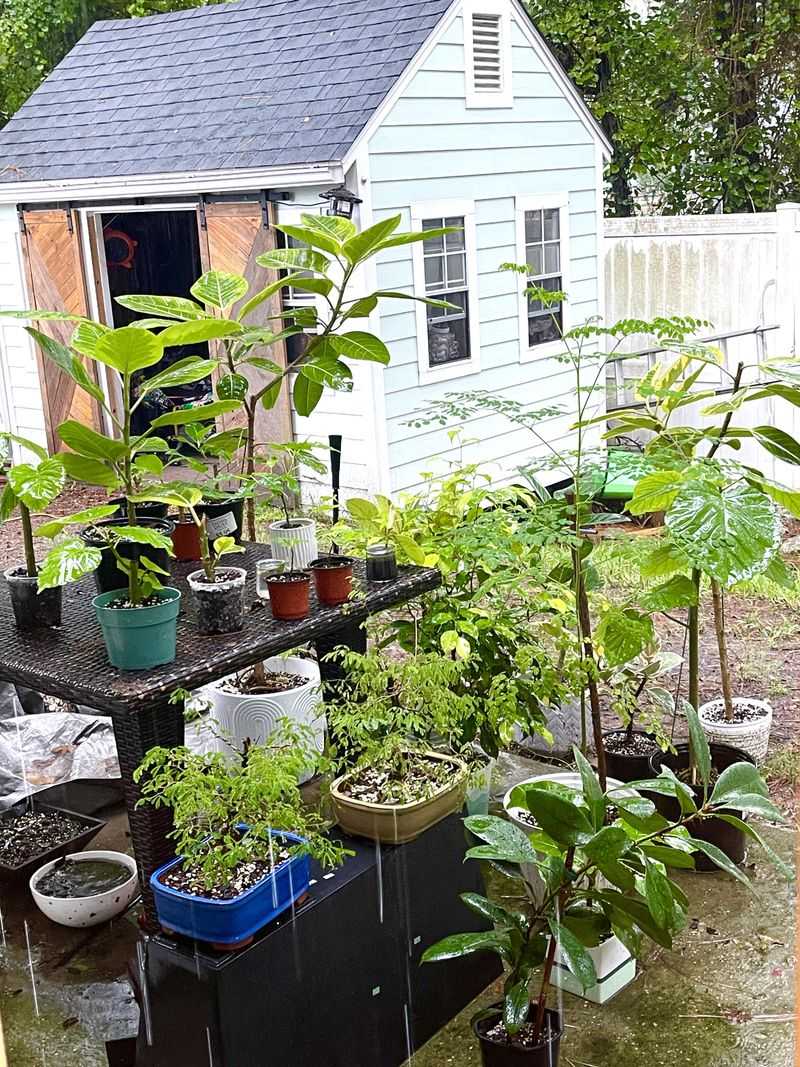
Illinois weather can change dramatically within hours, leaving gardeners second-guessing their watering schedules.
One day might bring scorching heat, while the next delivers unexpected rain showers that drench your containers.
This constant fluctuation makes it incredibly difficult to establish a consistent watering routine.
Many Illinois gardeners water their plants based on yesterday’s conditions rather than checking current soil moisture.
When a surprise rainstorm rolls through after you’ve already watered, your containers end up sitting in soggy soil.
The variable spring and fall temperatures across Illinois also confuse plant parents about how much water their containers actually need.
Plants require less water during cooler periods, but gardeners often maintain their summer watering habits.
This mismatch between weather conditions and watering practices leads to oversaturated soil.
Checking the weather forecast before watering can help prevent accidental overwatering.
Sticking your finger into the soil to test moisture levels works better than following a rigid schedule.
Adjusting your watering frequency based on actual conditions rather than calendar dates will keep your container plants healthier throughout Illinois’s unpredictable seasons.
Heavy Clay Soil Amendments Don’t Drain Properly
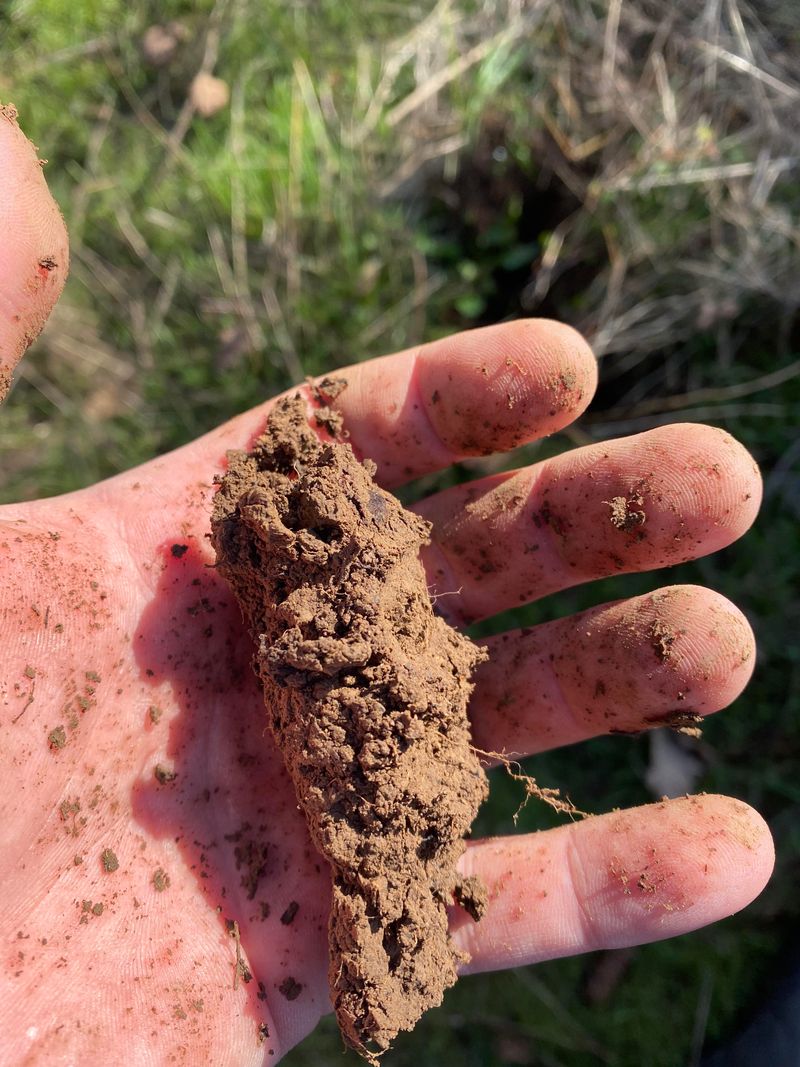
Many Illinois residents naturally use local soil when filling their containers, which often contains heavy clay.
Clay-based soil holds onto moisture for extended periods and drains very slowly.
When gardeners add this dense soil to containers, water has nowhere to escape quickly.
Even containers with drainage holes struggle when filled with clay-heavy mixtures.
The water sits around plant roots, creating an oxygen-deprived environment that suffocates them.
Illinois gardeners sometimes mix garden soil with potting mix, thinking they’re improving the blend.
However, this combination often makes drainage problems worse rather than better.
The clay particles in Illinois soil compact easily inside containers, forming an almost waterproof layer.
This compaction prevents excess water from flowing through and out the bottom.
Professional potting mixes designed specifically for containers contain materials like perlite, vermiculite, or coconut coir.
These ingredients create air pockets that allow water to drain freely while still retaining appropriate moisture.
Investing in quality potting soil rather than using backyard dirt makes a tremendous difference in preventing overwatering issues throughout Illinois.
Containers Without Adequate Drainage Holes Trap Water
Gorgeous decorative pots line store shelves across Illinois, tempting gardeners with beautiful colors and designs.
Your Illinois Garden Changes Every Week. Your Plan Should Too.
Gardening in Illinois changes quickly throughout the season. Every Friday you’ll receive a simple weekly plan showing exactly what to plant, prune, fertilize, harvest, and protect so you never miss the right timing.
Unfortunately, many of these attractive containers lack proper drainage holes at the bottom.
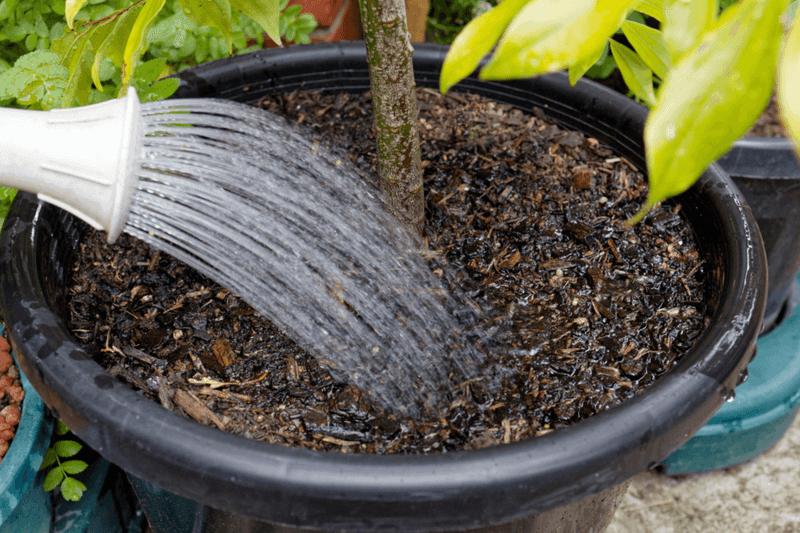
Without drainage, every drop of water you add stays trapped inside the pot.
The water accumulates at the bottom, creating a hidden reservoir that keeps soil constantly wet.
Plants sitting in this waterlogged environment quickly develop root rot and other moisture-related problems.
Some Illinois gardeners try drilling holes in ceramic or plastic pots themselves.
Others place plants in plain nursery pots with drainage, then set those inside decorative containers.
However, many people skip these steps and plant directly into attractive pots without drainage.
They assume careful watering will compensate for missing drainage holes.
This approach rarely works because it’s nearly impossible to judge exactly how much water to add.
Even experienced gardeners struggle to water perfectly when drainage isn’t available.
Always choose containers with at least one drainage hole, or be prepared to modify your pots before planting to ensure excess water can escape freely.
Generous Watering Habits Stem From Caring Too Much
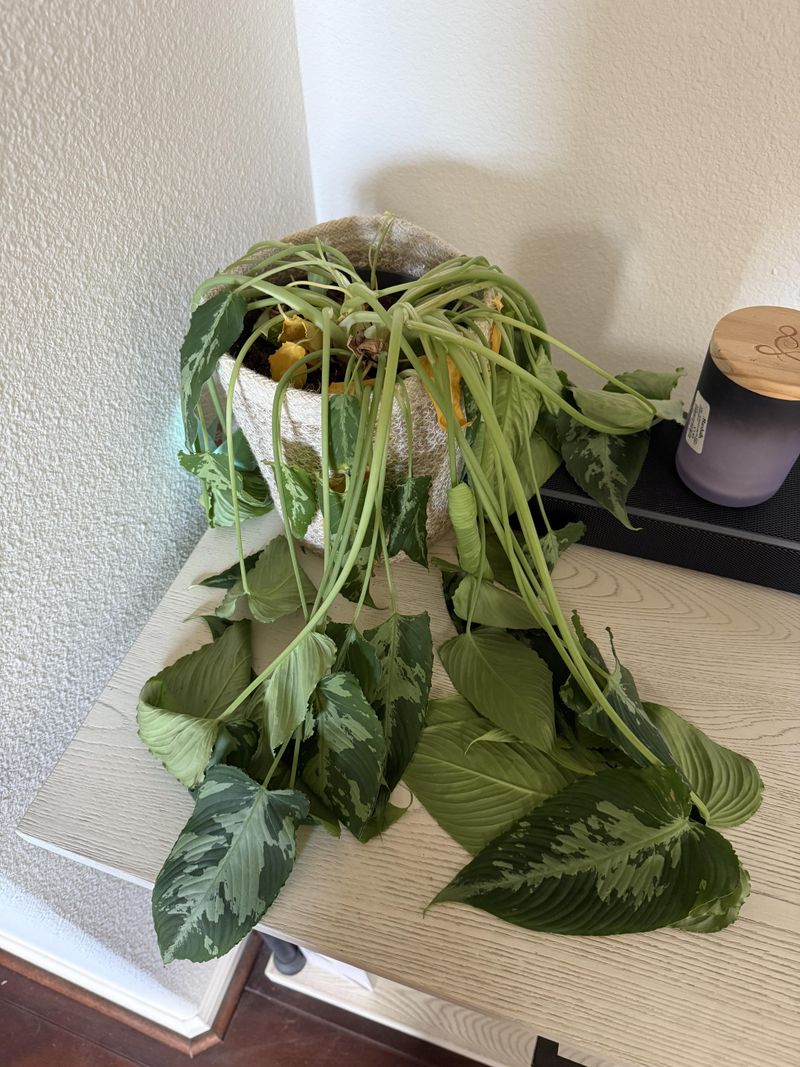
Plant lovers across Illinois often equate watering with caring, believing more attention means healthier plants.
This well-intentioned mindset leads to daily watering sessions regardless of whether plants actually need moisture.
Gardeners worry their plants might suffer from thirst, so they water preemptively.
The emotional connection people develop with their container gardens drives this overly generous behavior.
Seeing a plant brings an impulse to nurture it, and watering feels like the most direct way to show care.
Unfortunately, plants don’t interpret this attention the same way humans do.
Most container plants prefer their soil to dry out slightly between waterings.
Constant moisture prevents roots from accessing the oxygen they need to function properly.
Illinois gardeners sometimes water because they feel guilty about skipping a day.
They think plants will suffer if left alone, when actually a brief dry period benefits most species.
Learning that less frequent watering often produces healthier plants can be counterintuitive.
Trusting your plants to communicate their needs through slight wilting or lighter pots helps break the cycle of overwatering driven by excessive concern.
Lake Michigan Humidity Affects Evaporation Rates
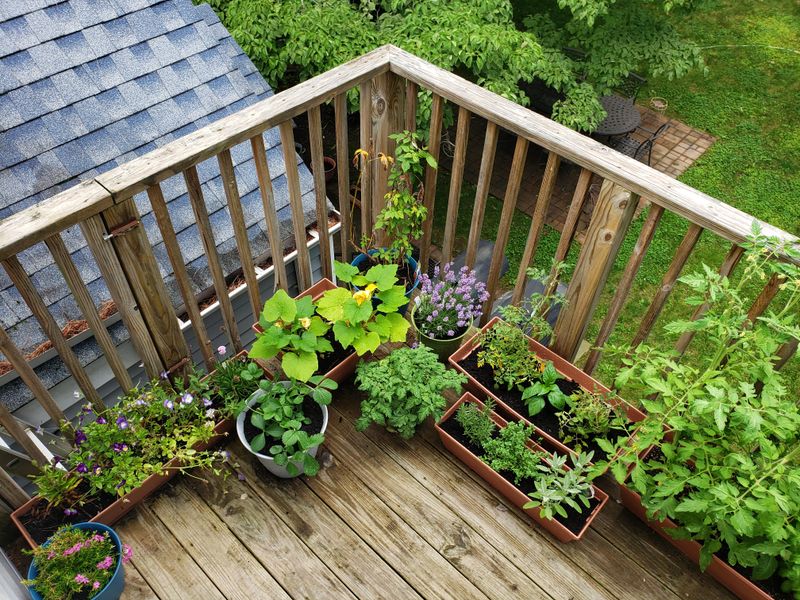
Northern Illinois residents, especially those near Lake Michigan, experience higher humidity levels than other parts of the state.
Chicago and surrounding communities benefit from the lake’s moderating effects on temperature.
However, this increased atmospheric moisture significantly slows soil evaporation rates.
Container plants in humid conditions retain moisture much longer than those in drier climates.
Gardeners who follow general watering advice don’t account for their local humidity levels.
Books and websites often provide watering guidelines based on average conditions.
These recommendations don’t apply perfectly to the humid microclimate created by Lake Michigan.
Plants near the lake need less frequent watering because their soil stays moist longer.
The air itself contains so much moisture that it reduces how quickly water evaporates from containers.
Illinois gardeners in these humid zones often water on the same schedule as friends in drier regions.
This approach leads to oversaturated soil because evaporation happens more slowly.
Monitoring your specific container’s moisture level matters more than following generic schedules when humidity plays such a significant role in your garden’s environment.
Self-Watering Containers Can Deliver Excessive Moisture
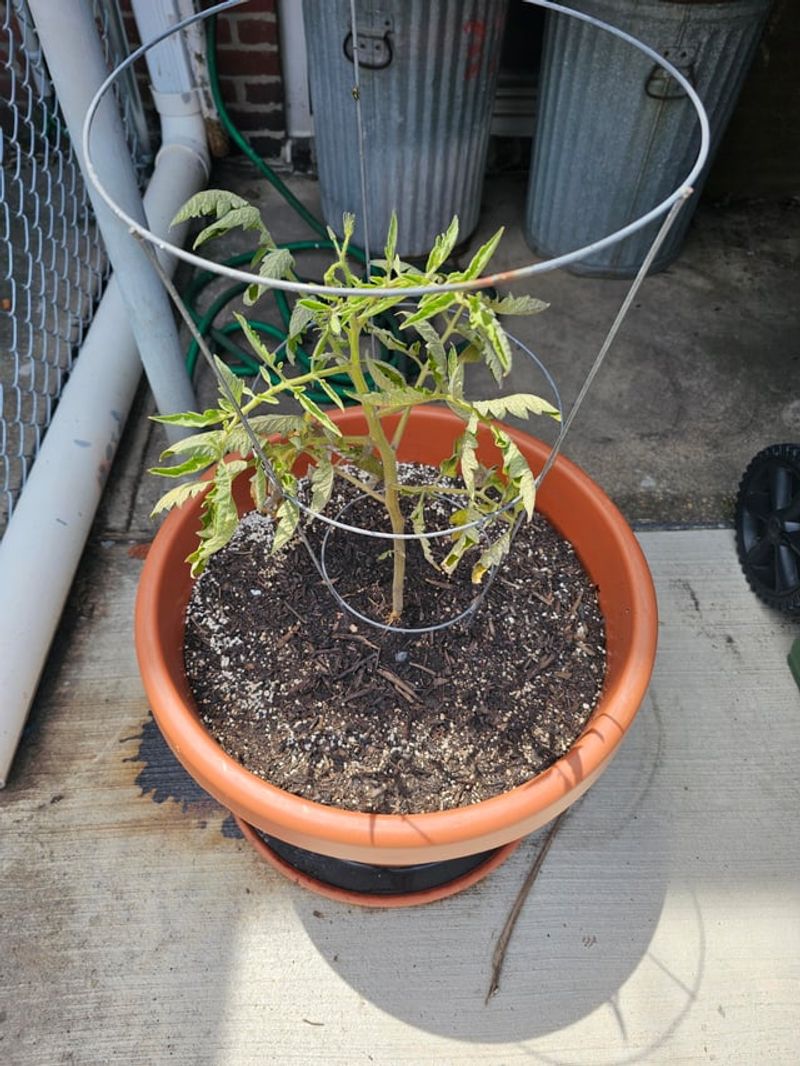
Self-watering containers have gained popularity across Illinois as a convenient solution for busy gardeners.
These systems feature built-in reservoirs that supply water to plants through wicking action.
The concept sounds perfect—plants take only what they need from the reservoir below.
However, these containers can actually contribute to overwatering problems when used incorrectly.
Many gardeners fill the reservoir completely and then also water from the top.
This double-watering approach saturates the soil far beyond what plants require.
The reservoir keeps soil consistently moist, which works well for water-loving plants.
But many popular container plants prefer periods of slight dryness between waterings.
Illinois gardeners sometimes choose self-watering containers for plants that don’t suit constant moisture.
Herbs like rosemary and lavender, succulents, and Mediterranean plants struggle in these systems.
The wicking mechanism keeps delivering water even when the plant would benefit from drying out.
Understanding which plants actually thrive in self-watering containers prevents mismatches that lead to overwatering throughout the growing season in Illinois.
Cooler Spring And Fall Temperatures Reduce Water Needs
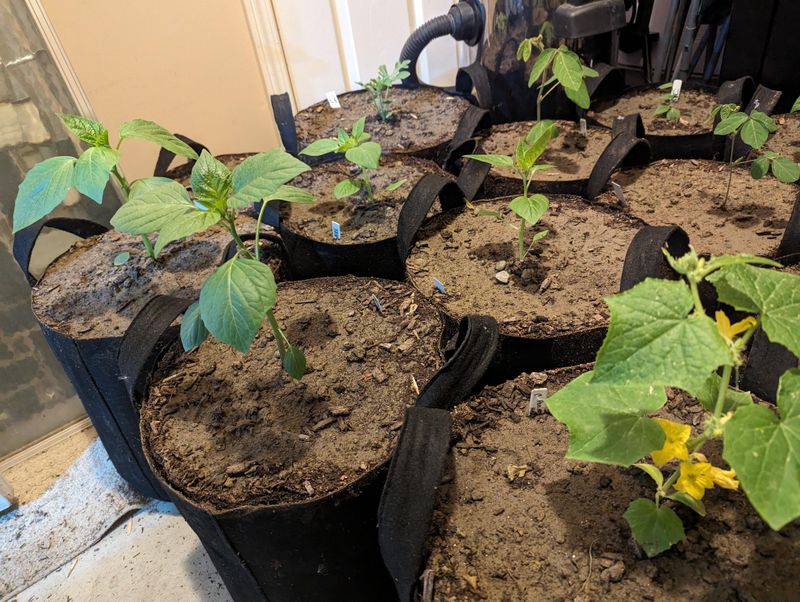
Illinois experiences distinct seasonal transitions with cool springs and falls that extend for several months.
During these cooler periods, plants grow more slowly and require significantly less water.
Their metabolic processes slow down, meaning they absorb moisture at reduced rates.
Evaporation from soil also decreases dramatically when temperatures drop below summer levels.
Many Illinois gardeners establish watering routines during peak summer heat.
They become accustomed to watering daily or every other day when temperatures soar.
As autumn arrives and temperatures cool, they continue this frequent watering schedule.
Plants that needed daily water in July may only require watering once weekly in October.
The same container that dried out quickly in summer heat now stays moist for days.
Gardeners don’t always recognize this dramatic shift in plant water requirements.
Spring presents similar challenges as Illinois warms gradually from winter.
Eager gardeners often start watering enthusiastically before plants actually need much moisture.
Paying attention to seasonal temperature changes and adjusting watering frequency accordingly prevents overwatering during Illinois’s extended cool seasons.
Small Containers With Large Plants Create False Urgency
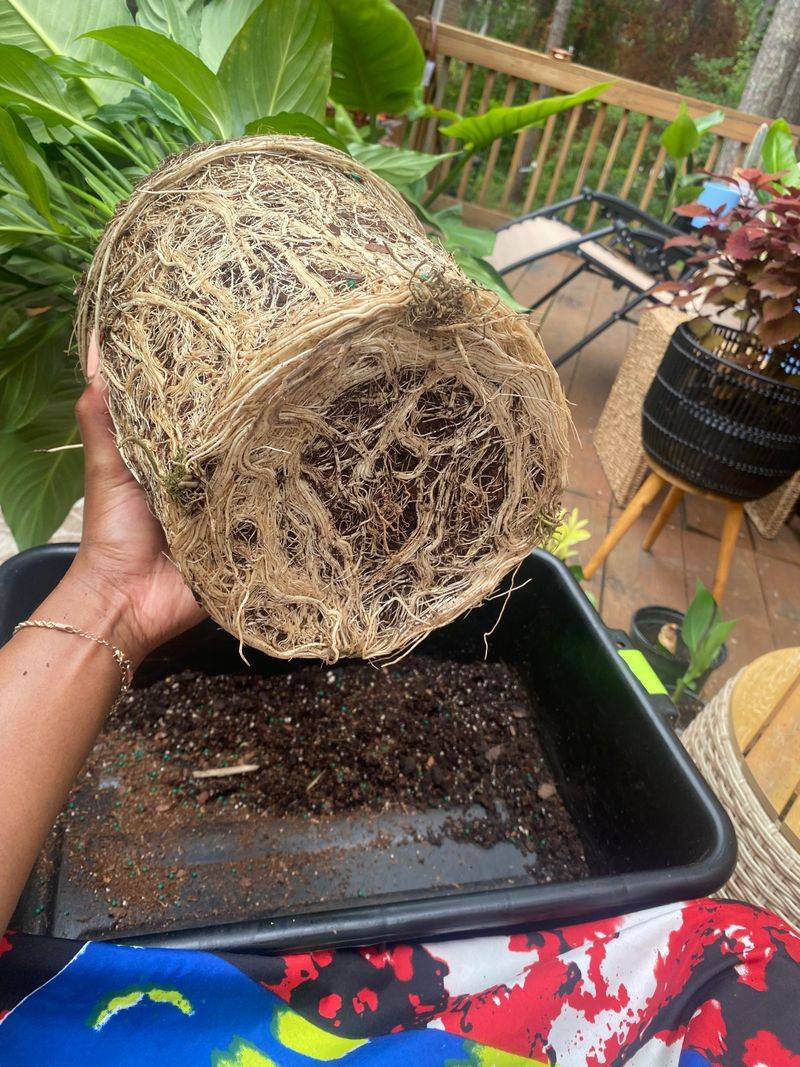
Container size matters tremendously when it comes to proper watering practices.
Many Illinois gardeners start plants in appropriately sized containers but never transplant them as they grow.
A plant that outgrows its container appears to need constant watering.
The small soil volume dries out quickly because roots fill every available space.
Gardeners respond by watering more frequently, sometimes multiple times daily during Illinois summers.
This creates a stressful cycle where the plant seems perpetually thirsty.
Eventually, the constant watering in a small container leads to problems.
The soil never properly dries out between waterings, even though the surface appears dry.
Roots at the bottom sit in constantly moist conditions while surface roots dry quickly.
This uneven moisture distribution confuses gardeners about their plant’s actual needs.
The solution involves transplanting into a larger container rather than increasing watering frequency.
A properly sized pot allows soil to retain moisture appropriately without requiring constant attention.
Matching container size to plant size eliminates the false urgency that drives overwatering behaviors throughout the Illinois growing season.
Mulch Layers Keep Soil Surface Deceptively Moist
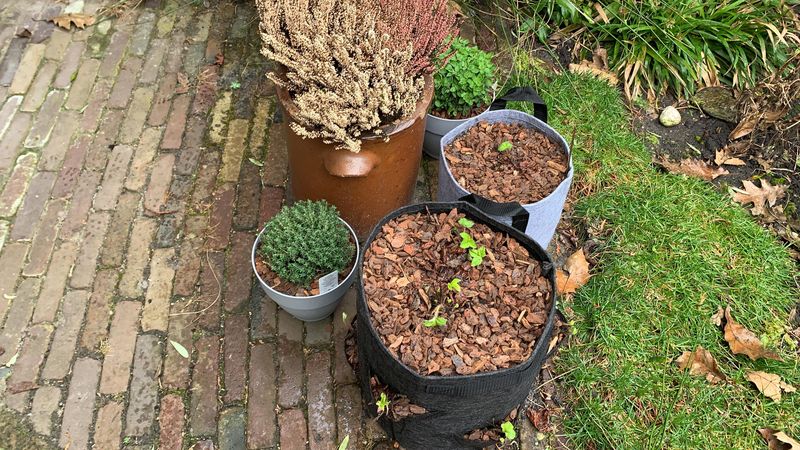
Mulching container plants has become a popular practice among Illinois gardeners.
A layer of mulch helps retain moisture, regulate soil temperature, and create an attractive appearance.
However, mulch can also mask the true moisture level of the soil beneath.
The mulch layer stays damp long after the soil below has dried appropriately.
Gardeners who check moisture by touching the surface feel dampness and assume no watering is needed.
Alternatively, some gardeners water based on a schedule without checking moisture at all.
The mulch keeps the soil underneath moist for extended periods.
Water evaporates much more slowly when a thick mulch layer covers the container.
This extended moisture retention works wonderfully during hot, dry Illinois summers.
But during cooler, humid periods, mulch can keep soil too wet for too long.
Gardeners need to check moisture levels below the mulch layer, not just at the surface.
Pushing your finger down through the mulch into the actual soil gives accurate information.
Adjusting mulch thickness based on seasonal conditions helps prevent the overwatering that occurs when mulch creates deceptively moist surface conditions in Illinois containers.
Automatic Watering Systems Lack Individual Plant Assessment
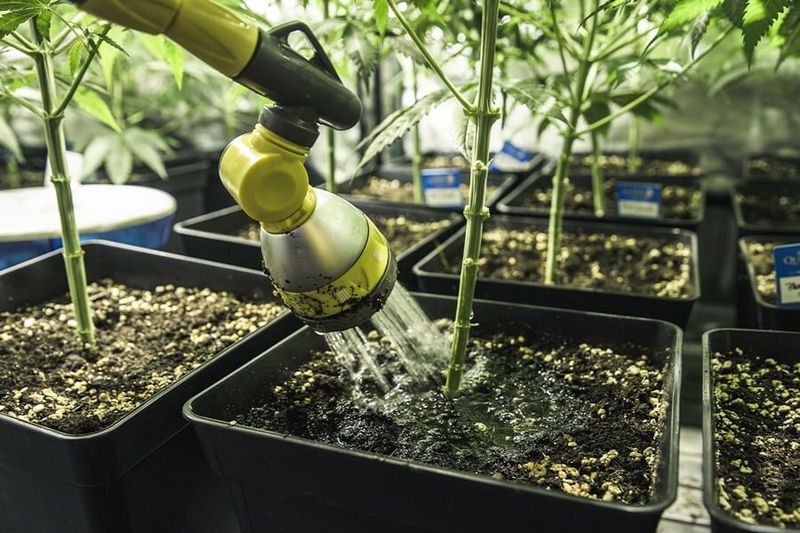
Automatic watering systems offer incredible convenience for busy Illinois gardeners.
These systems can be programmed to water containers at specific times and durations.
They ensure plants receive moisture even when you travel or have hectic schedules.
However, automated systems treat all containers the same way.
They deliver identical amounts of water to each plant on the same schedule.
Different plant species have vastly different water requirements.
A tomato plant needs much more water than a succulent or herb.
Container size also affects how much water each plant needs.
Large containers hold moisture longer than small ones.
Automatic systems can’t adjust for these individual differences.
They also can’t account for rainfall, humidity changes, or temperature fluctuations across Illinois.
The system continues its programmed schedule regardless of actual conditions.
After a heavy rainstorm, the automatic system still waters on schedule.
During a cool, cloudy week, containers receive the same amount as during hot, sunny days.
This inflexibility leads to overwatering situations that manual watering would avoid.
Using automatic systems wisely requires regular monitoring and seasonal programming adjustments.