The Plant Pennsylvania Gardeners Should Plant In Late Winter For Better Spring Soil
Late winter in Pennsylvania tests patience, yet smart gardeners play the long game.
While beds rest under gray skies, one plant sets the stage for spring success.
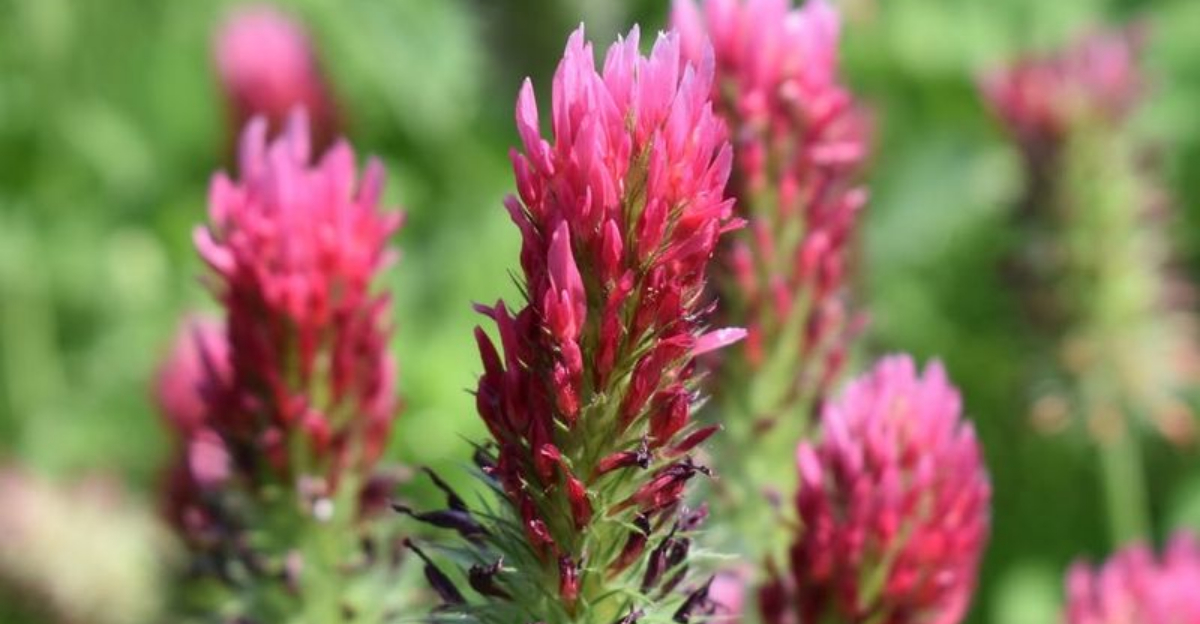
Crimson clover earns respect as a soil builder with style.
Its roots loosen ground, its growth feeds microbes, and its blooms turn heads once warmth returns.
This plant works like money in the bank and pays interest when the season arrives.
Soil gains nitrogen, structure improves, and weeds lose ground.
For growers tired of tired earth, crimson clover offers a reset button.
It fits plots, borders, and open beds with ease.
The moment matters, and late winter seed work hits the sweet spot.
With minimal effort, gardens wake up stronger, richer, and ready to perform.
Pennsylvania weather throws curveballs, but this choice stacks the deck.
Plant now, reap later, and let spring arrive with soil that feels alive and eager.
Why Late Winter Is The Best Time To Prepare Pennsylvania Soil
Late winter in Pennsylvania brings unpredictable weather, with freezing nights and occasional mild days that signal spring is coming.
Planting crimson clover during this transitional period allows the seeds to germinate as soon as temperatures rise consistently above freezing.
The seeds sit dormant in cold soil, waiting patiently for the right conditions to sprout.
Once the ground thaws and daylight hours increase, the clover begins its rapid growth cycle.
Pennsylvania’s climate offers just enough time for the clover to establish strong roots before you need the garden space for warm-season crops.
Timing is everything with cover crops, and late winter planting ensures the clover matures by late spring.
The plant grows vigorously during the cool, moist conditions of early spring, which are typical across Pennsylvania.
By starting in late winter, you maximize the nitrogen-fixing benefits and soil conditioning effects.
This strategy also prevents soil erosion during the rainy season, keeping your garden beds intact.
Gardeners who wait until spring miss out on valuable growing time and soil improvement opportunities.
Late winter planting sets the stage for healthier, more productive gardens throughout Pennsylvania.
How Crimson Clover Improves Soil Before Spring Planting
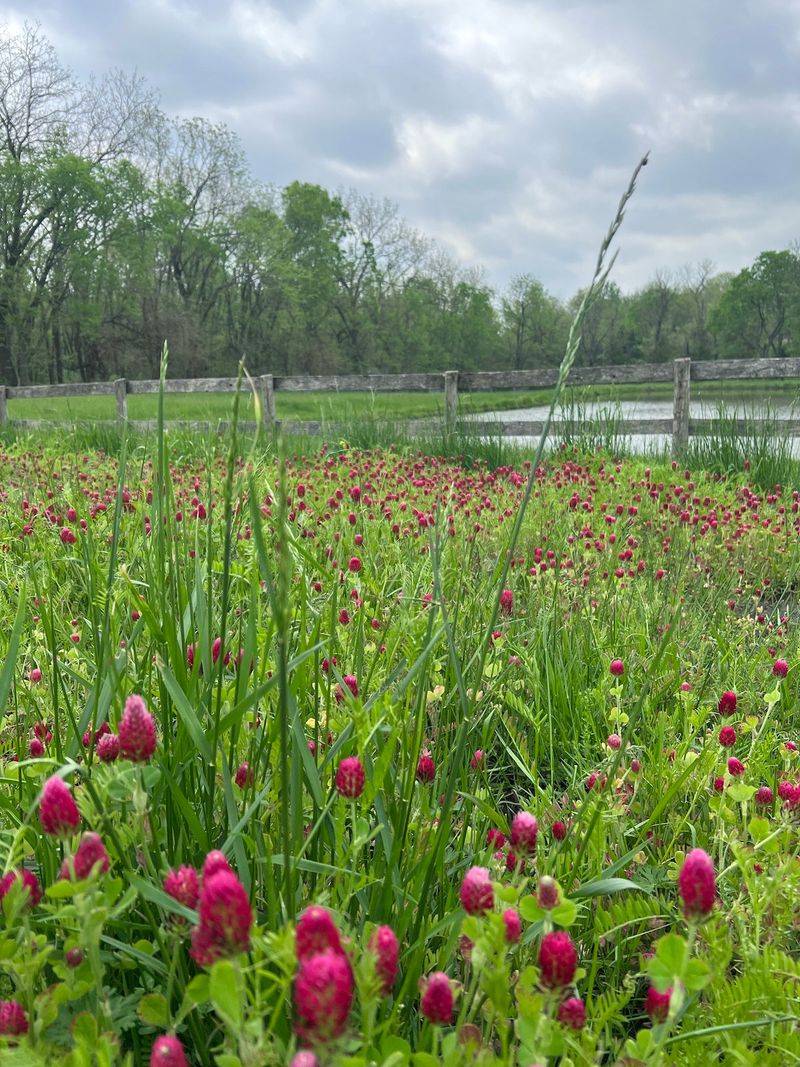
Soil improvement happens in several ways when crimson clover takes root in your Pennsylvania garden.
The plant’s extensive root system penetrates deep into compacted layers, creating channels for air and water movement.
These natural pathways remain even after the clover is removed, improving drainage and root penetration for future crops.
Crimson clover also adds organic matter to the soil as its leaves and stems decompose.
This organic material feeds beneficial microorganisms that break down nutrients into forms plants can absorb easily.
The clover’s roots host nitrogen-fixing bacteria that convert atmospheric nitrogen into plant-available forms.
When you cut down the clover and work it into the soil, all that accumulated nitrogen becomes available to your vegetables.
Soil structure improves dramatically as the decomposing plant matter creates a crumbly, workable texture.
Pennsylvania gardens often struggle with heavy clay or depleted soils, and crimson clover addresses both issues effectively.
Your Pennsylvania Garden Changes Every Week. Your Plan Should Too.
Gardening in Pennsylvania changes quickly throughout the season. Every Friday you’ll receive a simple weekly plan showing exactly what to plant, prune, fertilize, harvest, and protect so you never miss the right timing.
The plant acts like a natural soil conditioner, requiring no synthetic fertilizers or amendments.
Gardeners notice softer, darker, more fertile soil after just one season of growing crimson clover as a cover crop.
When To Plant Crimson Clover In Pennsylvania Gardens
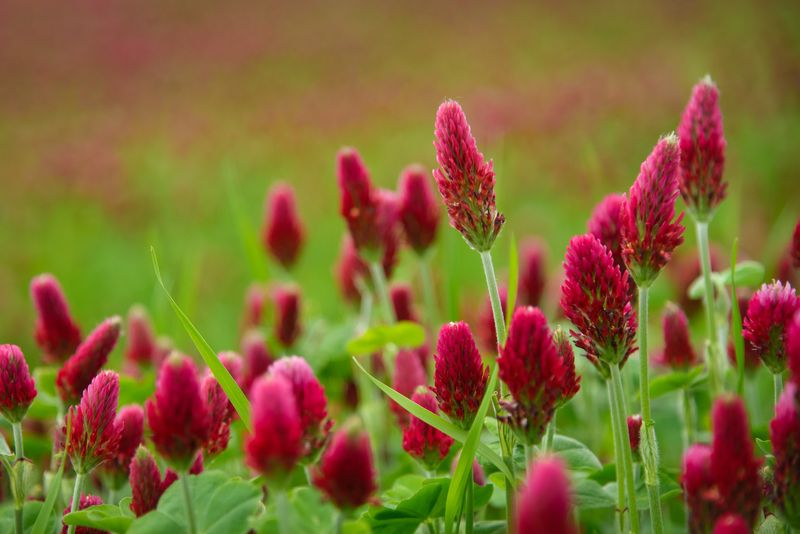
Timing your crimson clover planting requires attention to Pennsylvania’s specific weather patterns and frost dates.
Late February through early March represents the sweet spot for most regions across the state.
Northern Pennsylvania gardeners might wait until mid-March when the ground becomes workable and snow cover diminishes.
Southern areas of the state can often plant as early as late January if the soil isn’t frozen solid.
The goal is to get seeds in the ground before the last hard freeze but while temperatures still hover around freezing at night.
Crimson clover seeds need soil contact to germinate, so spreading them on snow-covered ground works surprisingly well.
As the snow melts, it carries the seeds down into contact with the soil surface.
Freezing and thawing cycles help press the seeds into the earth, improving germination rates.
Pennsylvania gardeners should avoid planting when the soil is muddy or waterlogged, as this can lead to poor seed-to-soil contact.
Check your local frost dates and count backward about eight to ten weeks to determine your ideal planting window.
This timing ensures the clover reaches maturity just as you’re ready to plant your main garden crops.
The Nitrogen-Fixing Benefit That Boosts Spring Crops
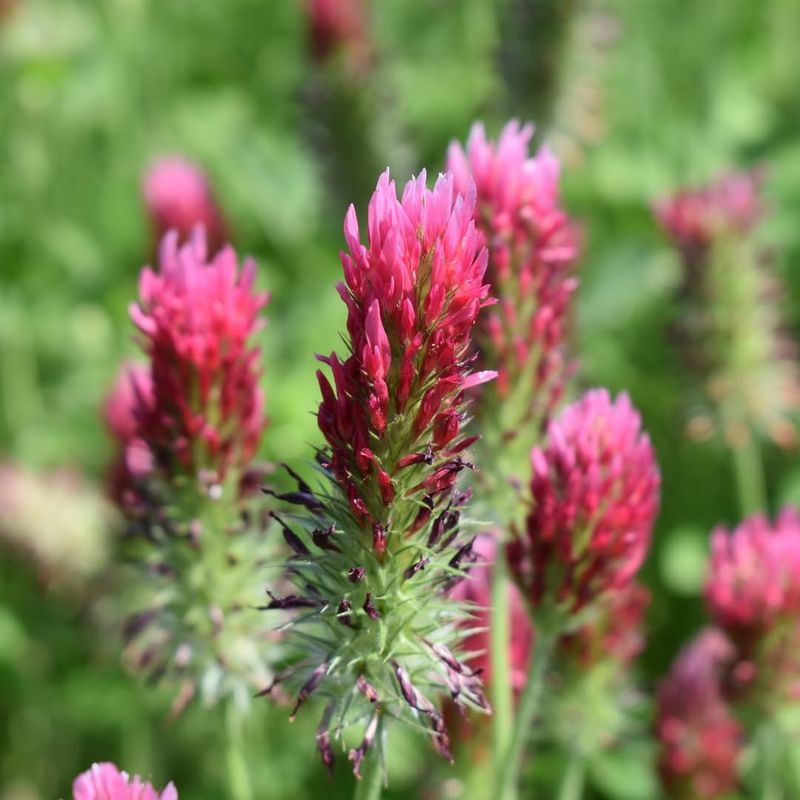
Nitrogen is often called the most important nutrient for plant growth, and crimson clover produces it naturally through a fascinating process.
Special bacteria called rhizobia colonize the clover’s roots, forming visible nodules that look like tiny pink or white bumps.
Inside these nodules, bacteria convert nitrogen gas from the air into ammonia, which plants can use directly.
This biological process, called nitrogen fixation, happens continuously while the clover grows in your Pennsylvania garden.
A healthy stand of crimson clover can add between 70 and 150 pounds of nitrogen per acre to the soil.
For home gardeners, this translates to a significant fertility boost without purchasing chemical fertilizers.
When you cut down the clover and incorporate it into the soil, the nitrogen stored in the plant tissue becomes available to your vegetables.
Crops that need lots of nitrogen, like tomatoes, peppers, and leafy greens, benefit tremendously from this natural fertilization.
Pennsylvania gardeners report stronger plant growth, deeper green foliage, and better yields after planting in clover-enriched beds.
The nitrogen-fixing benefit continues even after the clover is removed, as decomposing roots release stored nutrients gradually.
This slow-release effect prevents nitrogen leaching and keeps nutrients available throughout the growing season.
How Crimson Clover Suppresses Weeds Naturally
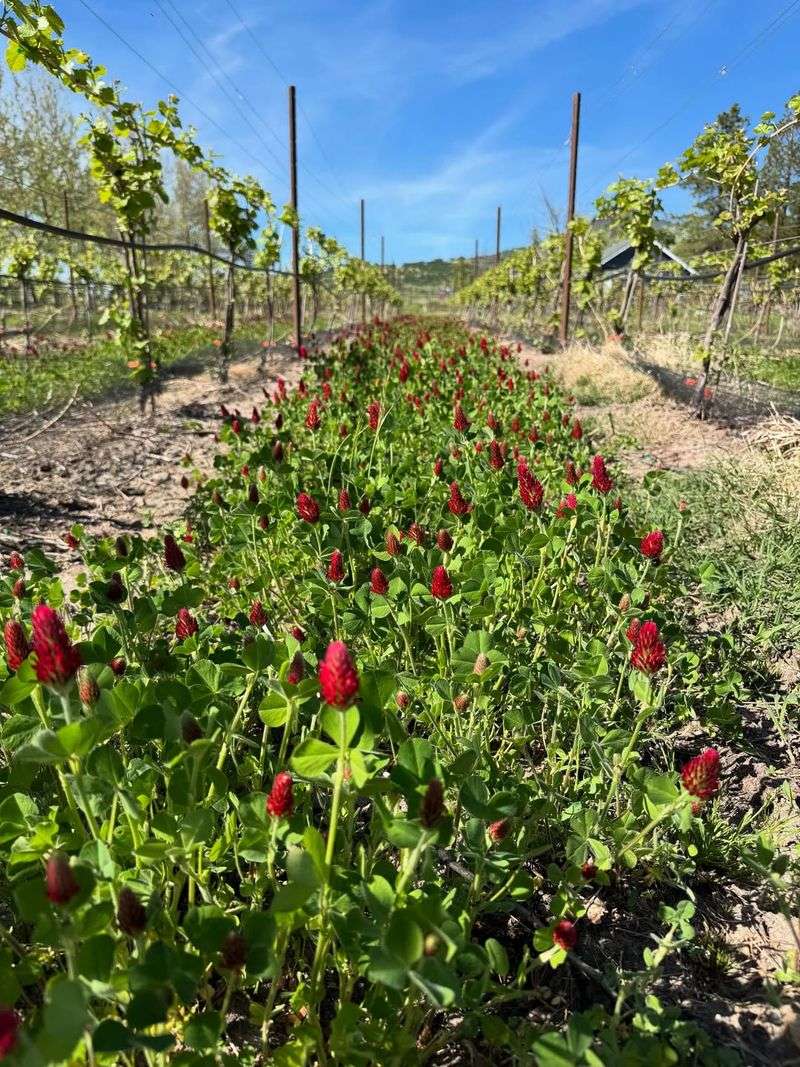
Weeds struggle to compete with crimson clover’s rapid spring growth and dense foliage coverage.
The clover forms a living mulch that blocks sunlight from reaching the soil surface, preventing weed seeds from germinating.
Pennsylvania gardens often face pressure from persistent weeds like chickweed, dandelions, and crabgrass during early spring.
Crimson clover outcompetes these unwanted plants by establishing quickly and spreading across the soil surface.
The plant’s thick canopy shades out emerging weeds, while its root system absorbs water and nutrients that weeds need to survive.
Gardeners who plant crimson clover in late winter notice significantly fewer weeds when spring planting time arrives.
This natural weed suppression reduces the need for hand-pulling, hoeing, or herbicide applications.
The clover also prevents wind-blown weed seeds from making contact with bare soil, further reducing weed pressure.
After you cut down the clover, the decomposing plant material continues to suppress weeds by acting as a mulch layer.
Pennsylvania gardeners appreciate this dual benefit of soil improvement and weed control from a single cover crop.
The time saved on weeding allows you to focus on more enjoyable aspects of gardening throughout the season.
What Happens To The Soil After Clover Is Cut Down
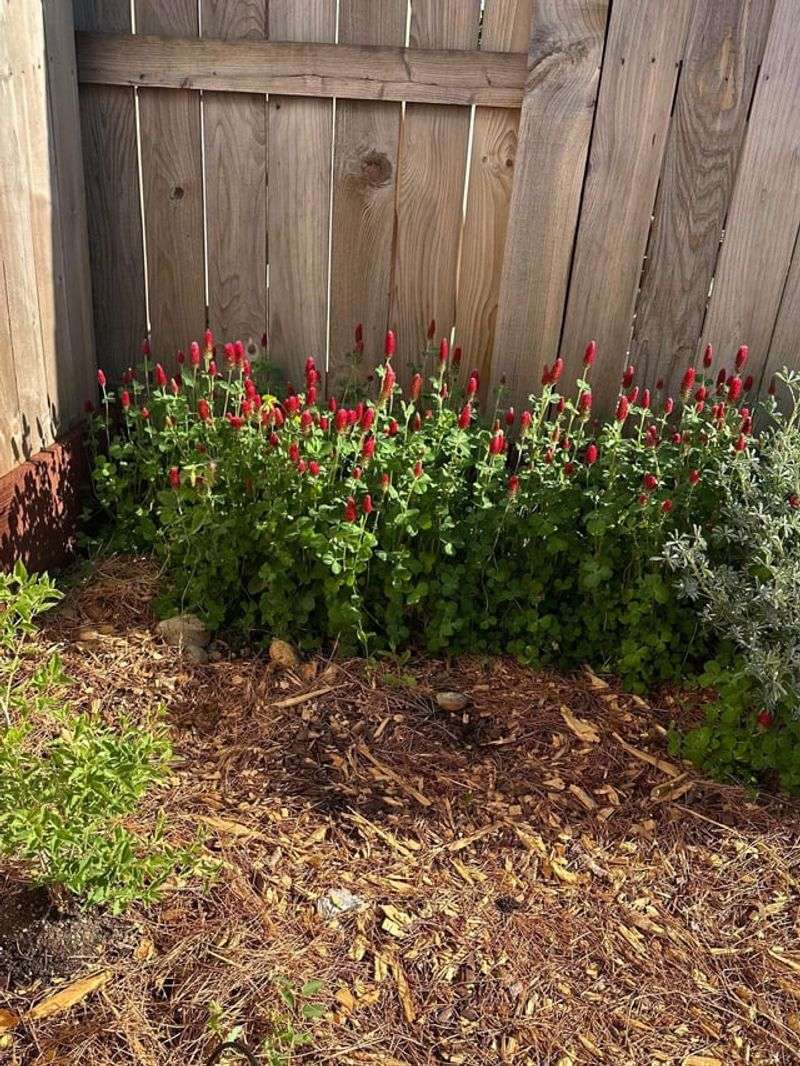
Cutting down crimson clover at the right time transforms it from a living cover crop into valuable organic matter.
Pennsylvania gardeners typically cut the clover just as it begins to flower, when nutrient content peaks.
You can use a lawn mower, string trimmer, or scythe to cut the plants close to the ground.
Leave the cut material on the soil surface as a mulch, or incorporate it directly into the top few inches of soil.
The decomposition process begins immediately, with soil microorganisms breaking down the plant tissue.
Within two to three weeks, the clover residue transforms into nutrient-rich humus that improves soil structure.
Nitrogen and other nutrients locked in the plant tissue become available to your vegetable crops as decomposition progresses.
The soil becomes noticeably darker, softer, and easier to work after the clover has fully decomposed.
Pennsylvania gardens with heavy clay benefit especially from this organic matter addition, as it improves drainage and aeration.
Water retention also improves, helping your plants survive dry spells without constant irrigation.
The soil food web becomes more active and diverse, supporting healthier plant growth throughout the season.
Which Vegetables Benefit Most From Clover-Enriched Soil
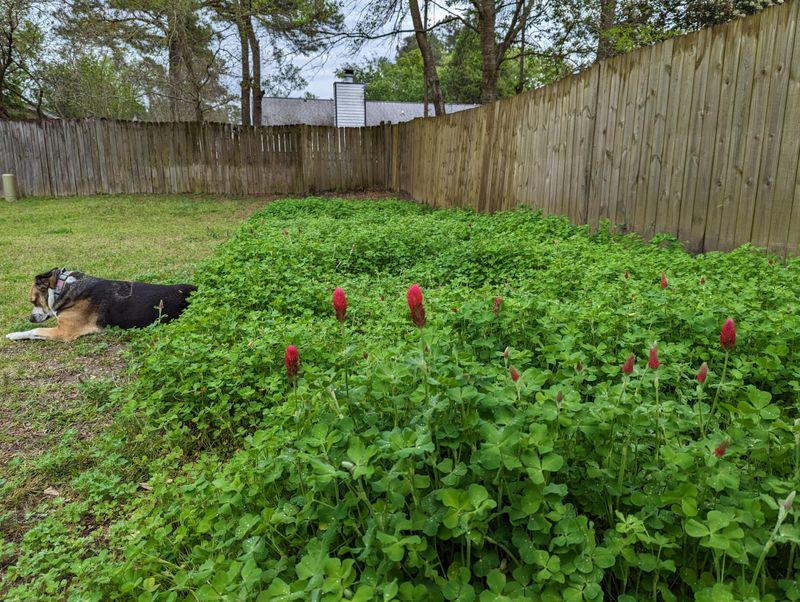
Heavy feeders like tomatoes thrive in soil enriched with crimson clover’s nitrogen contribution.
These plants demand substantial nutrients to produce abundant fruit, and clover-amended soil provides exactly what they need.
Peppers, both sweet and hot varieties, also respond enthusiastically to the fertility boost from decomposed clover.
Leafy greens such as lettuce, spinach, and kale benefit from the nitrogen-rich environment, producing tender, flavorful leaves.
Brassicas like broccoli, cabbage, and cauliflower develop strong heads and healthy foliage in clover-enriched Pennsylvania gardens.
Corn, another nitrogen-hungry crop, grows taller and produces fuller ears when planted after crimson clover.
Even root vegetables like carrots and beets benefit from the improved soil structure that clover creates.
The loose, crumbly texture allows roots to penetrate easily and develop without deformities.
Squash and cucumber vines spread vigorously in soil conditioned by crimson clover, producing abundant harvests.
Pennsylvania gardeners notice that virtually all vegetable crops perform better after a season of clover cover cropping.
The combination of added nitrogen, improved soil structure, and enhanced microbial activity creates ideal growing conditions for diverse crops.
How To Use Crimson Clover Without Disrupting Your Garden Plans
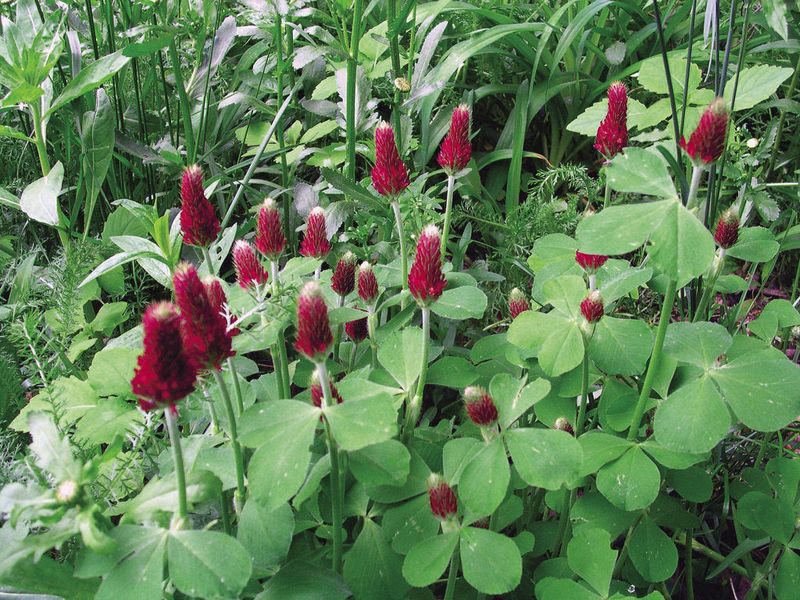
Integrating crimson clover into your Pennsylvania garden requires strategic planning but doesn’t have to complicate your planting schedule.
Plant the clover in beds you won’t need until late spring or early summer, such as areas designated for tomatoes, peppers, or squash.
These warm-season crops shouldn’t go outside until after the last frost anyway, giving the clover time to mature.
Cut down the clover about two to three weeks before you plan to transplant your vegetables.
This waiting period allows the plant material to begin decomposing and prevents nitrogen tie-up that can occur with fresh green matter.
For beds you need earlier in spring, plant the clover in pathways or unused corners, then transplant sections to garden beds as needed.
Some Pennsylvania gardeners rotate clover through different sections of their gardens each year, systematically improving all areas over time.
You can also plant clover between rows of early crops like peas or lettuce, then cut it back as needed.
The flexibility of crimson clover makes it adaptable to various garden layouts and planting schedules.
With thoughtful timing, you can enjoy all the benefits without sacrificing valuable growing space or delaying your planting dates.
Pollinator Benefits That Come With Crimson Clover Blooms
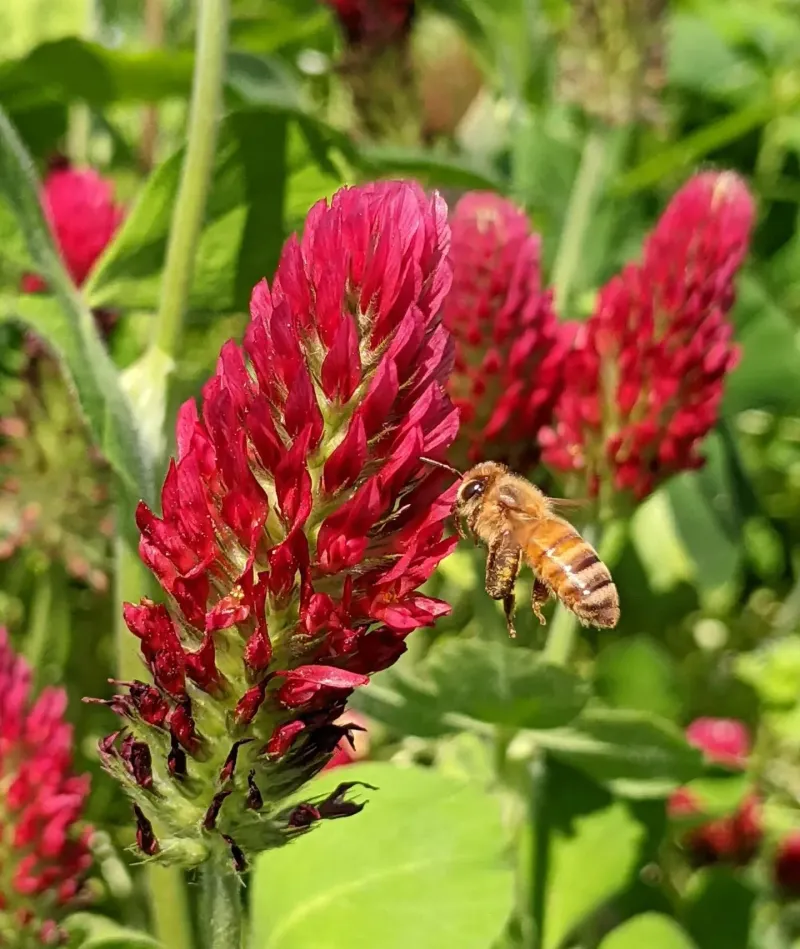
Allowing some crimson clover plants to flower before cutting them down provides valuable food for early-season pollinators.
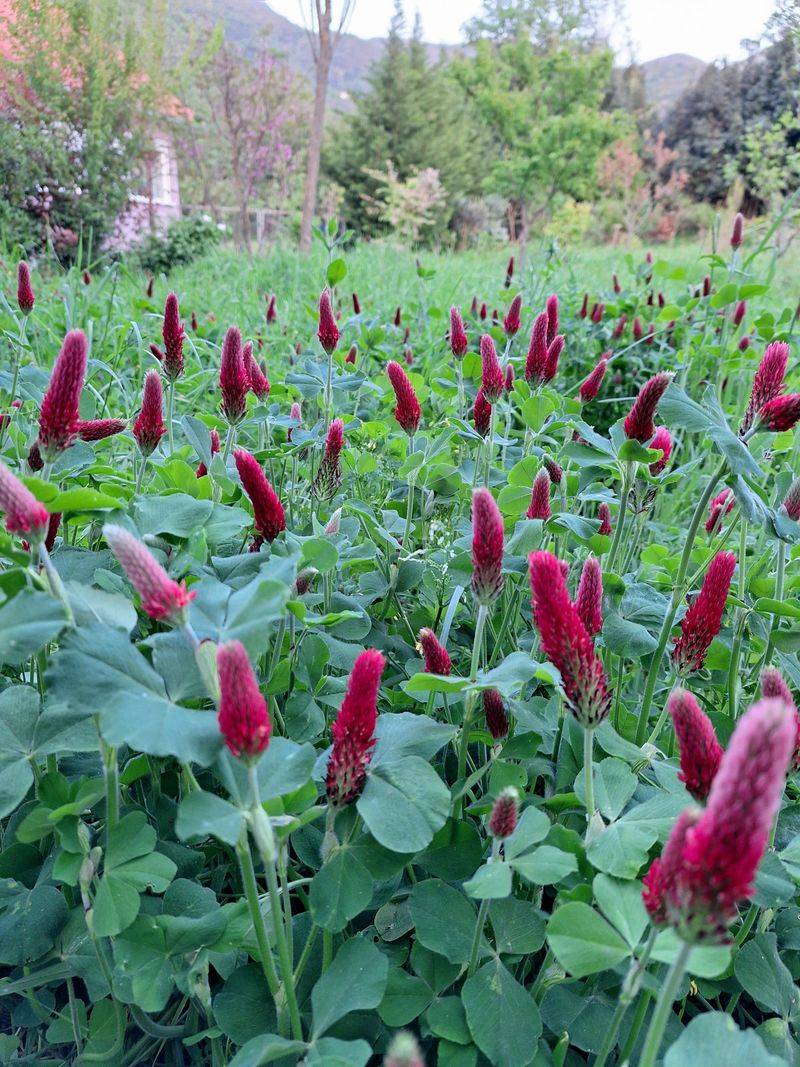
The brilliant red blooms appear in late April or May across Pennsylvania, just when bees emerge from winter dormancy.
Honeybees, bumblebees, and native solitary bees flock to clover flowers, gathering nectar and pollen when few other sources exist.
Butterflies and beneficial insects also visit the blooms, helping establish healthy pollinator populations in your garden.
These early pollinators stick around to pollinate your vegetable crops later in the season, improving fruit set and yields.
Pennsylvania gardeners can dedicate a small section of clover to flowering specifically for pollinator support.
The flowers remain attractive for several weeks, providing sustained food resources during the critical spring period.
After enjoying the blooms and supporting pollinators, you can still cut down the plants and incorporate them into the soil.
The slight delay in cutting doesn’t significantly reduce the nitrogen-fixing benefits or soil improvement qualities.
This dual-purpose approach turns your cover crop into both a soil amendment and a pollinator habitat.
Supporting beneficial insects while improving your soil creates a more balanced, productive garden ecosystem throughout Pennsylvania.