Free Garden Ideas Georgia Gardeners Are Using To Improve Their Yards
Georgia yards thrive on creativity, not deep pockets.
Across the state, gardeners trade hustle for hard cash and still score wins.
Fallen branches turn into borders, kitchen scraps enrich beds, and neighbors swap plants like recipes.
Shade, heat, and red clay push people to think smart and act local.
These no-cost ideas stretch space, boost beauty, and build pride.
A plain yard gains charm through reuse, season sense, and a sharp eye.
Paths appear from stone, beds rise from leaves, and color pops from shared cuttings.
Each choice saves money and builds skill.
The result feels personal, not polished, and that honesty shines.
With patience and grit, Georgia gardeners prove great landscapes grow from resourcefulness.
Progress shows up season by season, not overnight.
When effort beats expense, yards tell stories worth praise and communities grow closer through trust and exchange.
Pride blooms across towns and back roads.
Start Composting Kitchen Scraps And Yard Waste
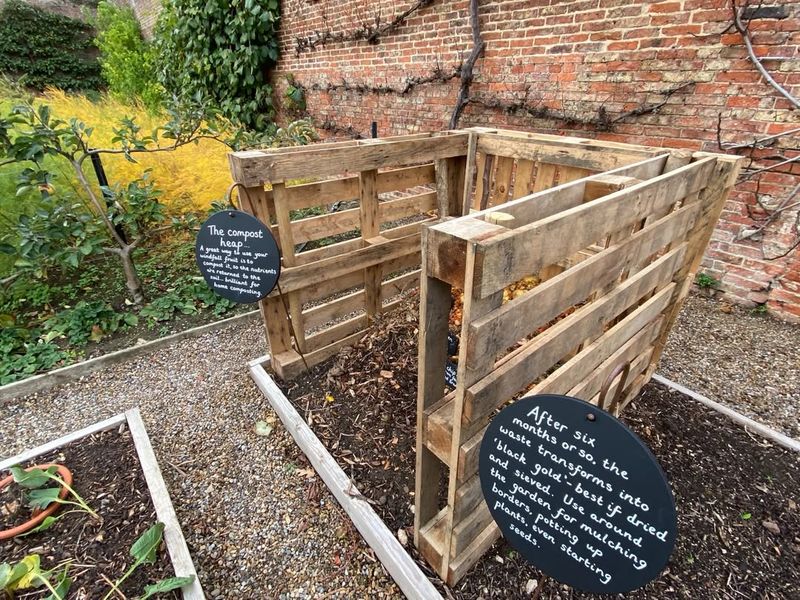
Composting transforms your unwanted organic materials into nutrient-rich soil amendment that plants absolutely love.
Georgia gardeners collect fruit peels, vegetable scraps, coffee grounds, eggshells, and grass clippings to create this black gold for their gardens.
You can start a simple pile in a corner of your yard or build a basic bin from scrap wood or wire fencing.
The warm Georgia climate actually speeds up decomposition, meaning you’ll have usable compost faster than gardeners in cooler states.
Layer green materials like fresh grass clippings with brown materials such as dried leaves to maintain proper balance.
Turn your pile occasionally with a pitchfork to introduce oxygen and accelerate the breakdown process.
Within a few months, you’ll notice dark, crumbly compost forming at the bottom of your pile.
This homemade fertilizer improves soil structure, retains moisture, and feeds beneficial microorganisms.
Georgia gardeners spread finished compost around vegetables, flowers, and shrubs to boost growth without purchasing expensive fertilizers.
Plus, composting reduces household waste heading to landfills while creating something truly valuable for your landscape.
Collect Rainwater For Free Garden Irrigation
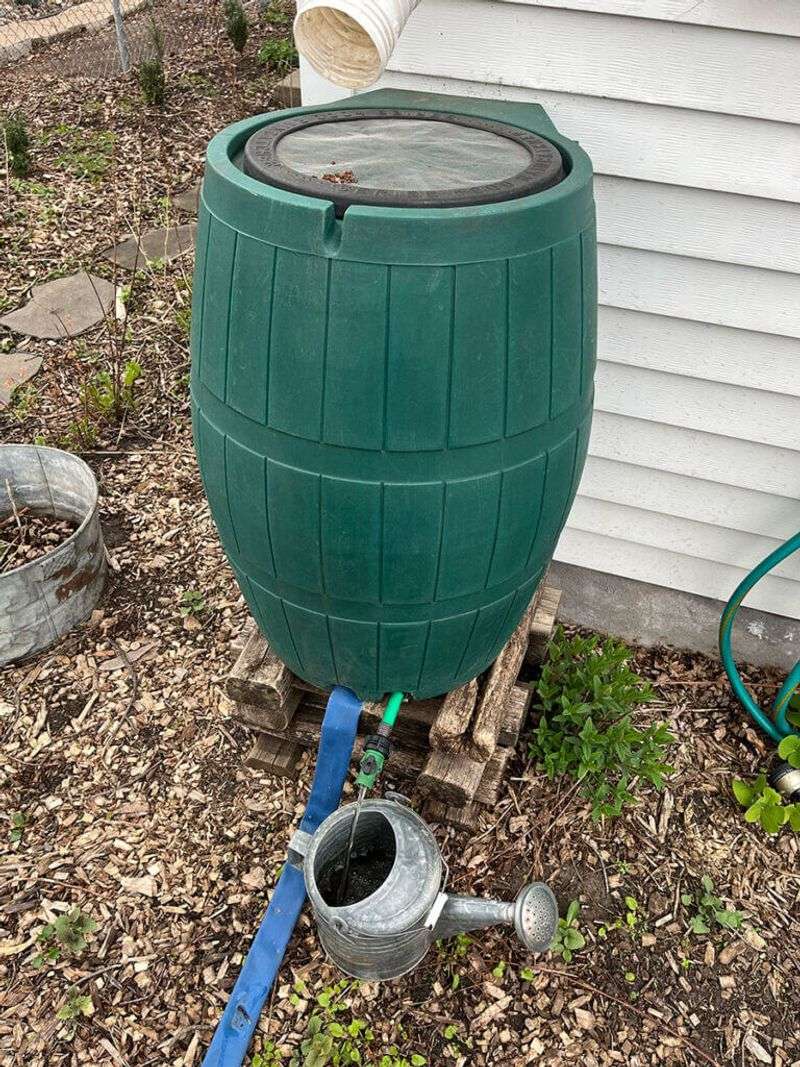
Capturing rainwater offers Georgia gardeners an endless supply of irrigation without increasing water bills.
Position barrels or large containers beneath your gutter downspouts to catch runoff from your roof during storms.
Even a modest rainfall can fill several containers surprisingly quickly, especially considering Georgia’s generous precipitation patterns.
You can repurpose food-grade barrels, large plastic bins, or even old trash cans as collection vessels.
Make sure your containers have tight-fitting lids to prevent mosquito breeding and keep out debris.
Install a spigot near the bottom for easy access when filling watering cans or attaching hoses
Rainwater actually benefits plants more than treated tap water because it lacks chlorine and other chemicals.
Georgia gardeners use collected rainwater during dry spells to keep vegetables, flowers, and container plants thriving.
This practice proves especially valuable during summer months when outdoor watering restrictions sometimes take effect.
Elevating your rain barrels on cinder blocks or wooden platforms creates gravity-fed pressure for easier watering.
With minimal setup effort, you’ll have a sustainable water source that costs nothing and helps your garden flourish.
Your Georgia Garden Changes Every Week. Your Plan Should Too.
Gardening in Georgia changes quickly throughout the season. Every Friday you’ll receive a simple weekly plan showing exactly what to plant, prune, fertilize, harvest, and protect so you never miss the right timing.
Propagate Plants From Cuttings And Division
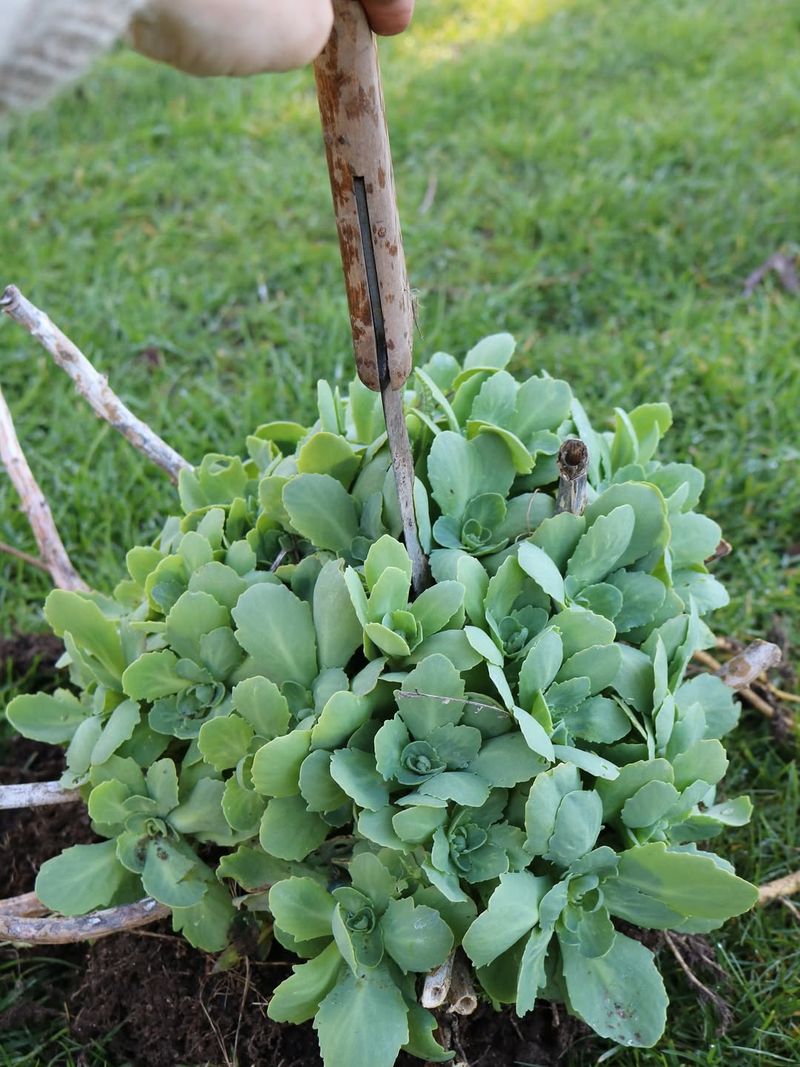
Growing new plants from existing ones represents one of the smartest ways Georgia gardeners expand their collections for free.
Many common plants root easily from stem cuttings placed in water or moist soil.
Herbs like basil, mint, and rosemary develop roots within weeks when their cut stems sit in a sunny windowsill.
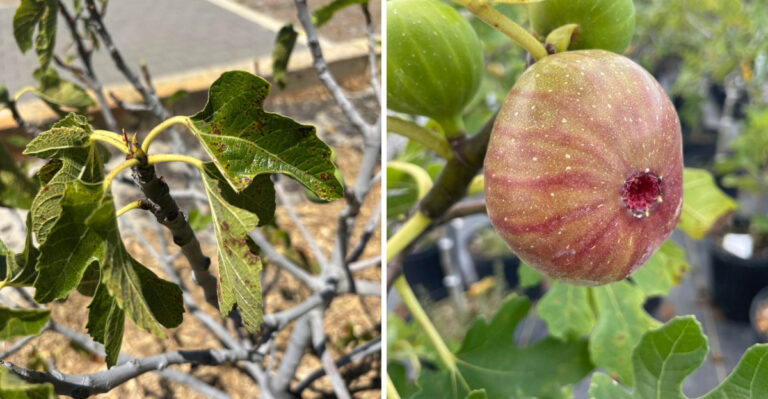
Perennials such as hostas, daylilies, and ornamental grasses multiply readily through division in spring or fall.
Simply dig up established clumps, separate them into smaller sections with roots attached, and replant in new locations.
Succulents and sedums propagate from single leaves that develop both roots and new growth when laid on soil.
Georgia gardeners swap cuttings with neighbors and friends to diversify their plant collections without visiting nurseries.
Shrubs like hydrangeas, forsythia, and butterfly bush root from hardwood cuttings taken during dormant seasons.
This multiplication method works especially well in Georgia’s mild climate where plants establish quickly.
Before you know it, one plant becomes five, then ten, filling your landscape with lush greenery and colorful blooms.
Propagation requires only patience and basic technique, making it accessible to gardeners at every skill level.
Use Fallen Leaves As Mulch And Soil Enrichment
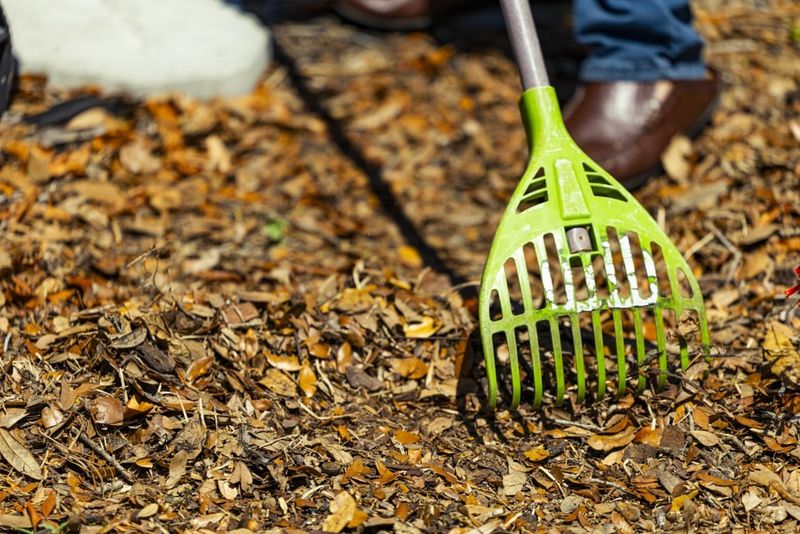
Autumn leaves that many people bag and discard actually provide Georgia gardeners with valuable free mulch and soil improvement.
Instead of spending money on commercial mulch, simply collect fallen leaves from your property or ask neighbors for theirs.
Shredding leaves with a lawn mower makes them break down faster and creates a neater appearance in garden beds.
Spread a thick layer around plants to suppress weeds, retain soil moisture, and regulate temperature fluctuations.
As leaves decompose, they release nutrients back into the soil and improve its structure over time.
Georgia’s mix of hardwood trees produces excellent leaf litter that benefits both vegetable and ornamental gardens.
Oak, maple, and sweetgum leaves work particularly well, though you should avoid walnut leaves which can inhibit plant growth.
You can also add whole or shredded leaves directly to compost piles as essential brown material.
Some Georgia gardeners create leaf mold by piling damp leaves in an out-of-the-way spot for a year.
This decomposed material becomes a fantastic soil conditioner that rivals expensive peat moss.
What others consider yard waste becomes your secret weapon for building healthy, productive garden soil without spending anything.
Save And Exchange Seeds With Fellow Gardeners
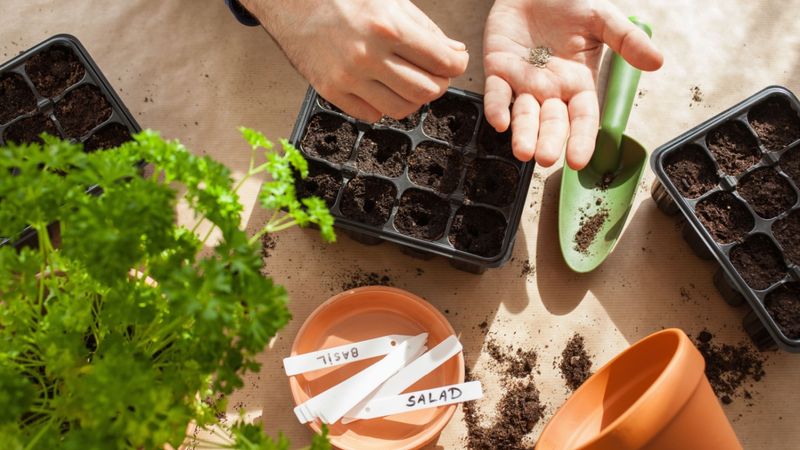
Harvesting and saving seeds from your best-performing plants ensures free planting material for future Georgia growing seasons.
Many vegetables and flowers produce seeds that remain viable for years when stored properly in cool, dry conditions.
Tomatoes, peppers, beans, squash, and marigolds represent excellent starter plants for seed-saving beginners.
Allow fruits to fully ripen on the plant before collecting seeds, then clean and dry them thoroughly before storage.
Label paper envelopes or small jars with the plant name and collection date to stay organized.
Georgia gardeners often participate in seed swaps at local garden clubs, libraries, or community events.
These exchanges let you try new varieties without purchasing packets while meeting fellow gardening enthusiasts.
Open-pollinated and heirloom varieties work best for seed saving since they produce offspring true to the parent plant.
Hybrid seeds may not replicate their parent’s characteristics, though the resulting plants can still surprise you pleasantly.
Building a personal seed library means you’ll always have planting options regardless of your budget.
This tradition connects Georgia gardeners to agricultural heritage while promoting self-sufficiency and plant diversity in home landscapes.
Create Natural Pest Control Using Companion Planting
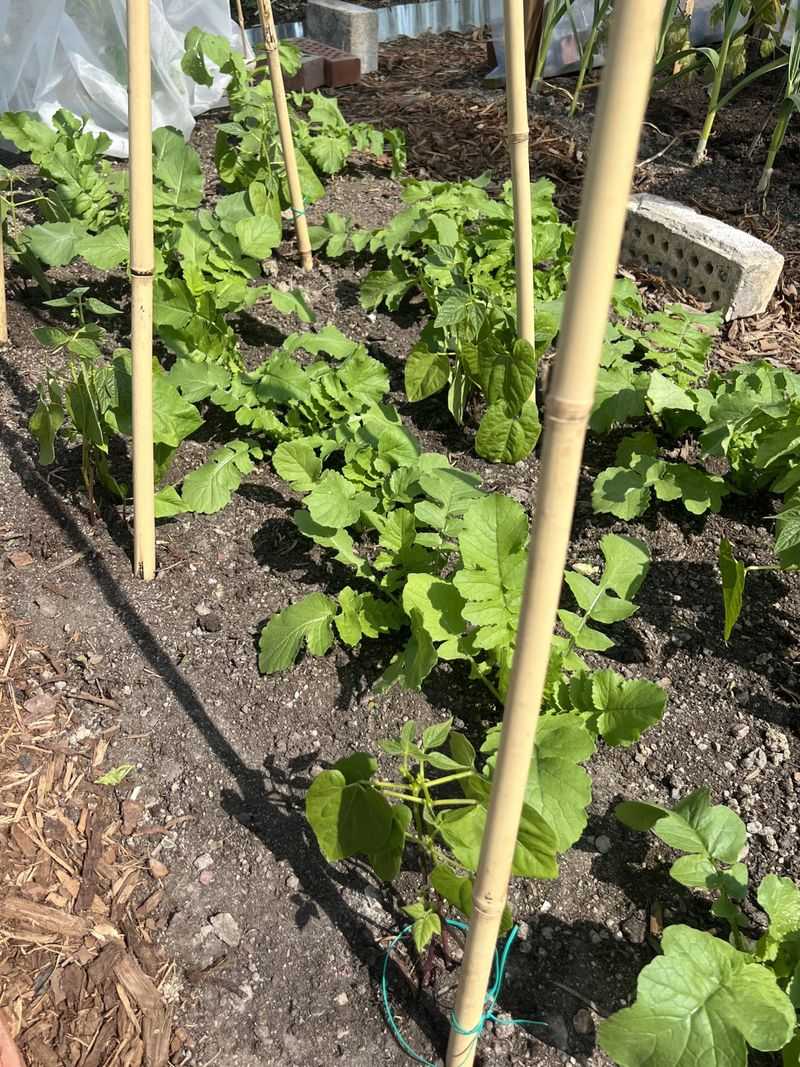
Strategic plant placement helps Georgia gardeners manage pests naturally without purchasing chemical sprays or treatments.
Companion planting pairs certain plants together because they benefit each other through pest deterrence or growth enhancement.
Marigolds planted near tomatoes and peppers repel aphids, whiteflies, and other common garden pests with their pungent scent.
Basil growing beside tomatoes improves flavor while confusing insects that might otherwise damage your crops.
Nasturtiums act as trap crops, attracting aphids away from more valuable vegetables to protect your harvest.
Planting garlic and onions among roses and vegetables deters many insects and even some animal pests.
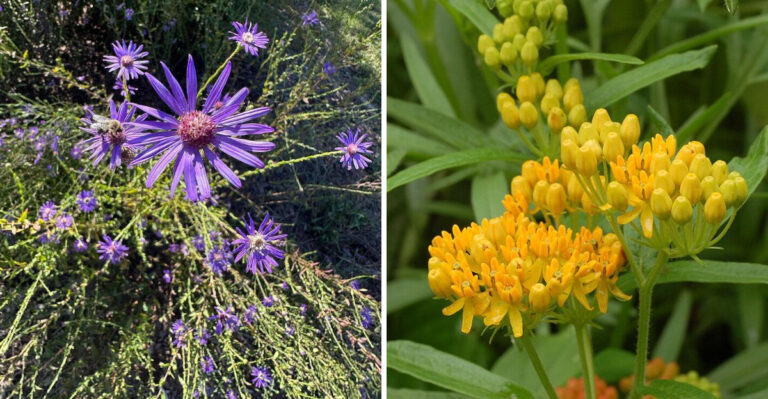
Georgia gardeners mix flowering plants throughout vegetable beds to attract beneficial insects like ladybugs and lacewings.
These helpful predators feast on aphids, mites, and other pests that damage plants.
Strong-scented herbs such as rosemary, sage, and thyme planted around garden perimeters create natural barriers against unwanted visitors.
This approach requires only thoughtful planning and costs nothing beyond seeds or cuttings you already have.
Companion planting works with nature’s systems rather than against them, creating healthier gardens that resist problems naturally.
Build Garden Structures From Reclaimed Materials
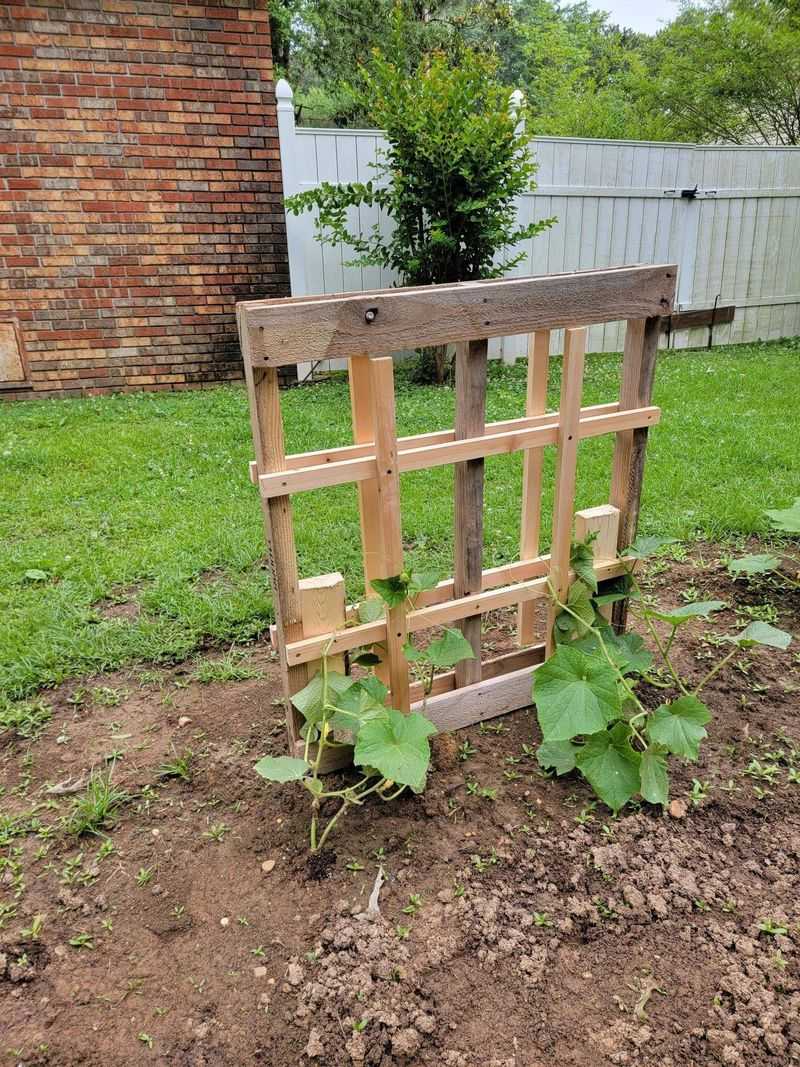
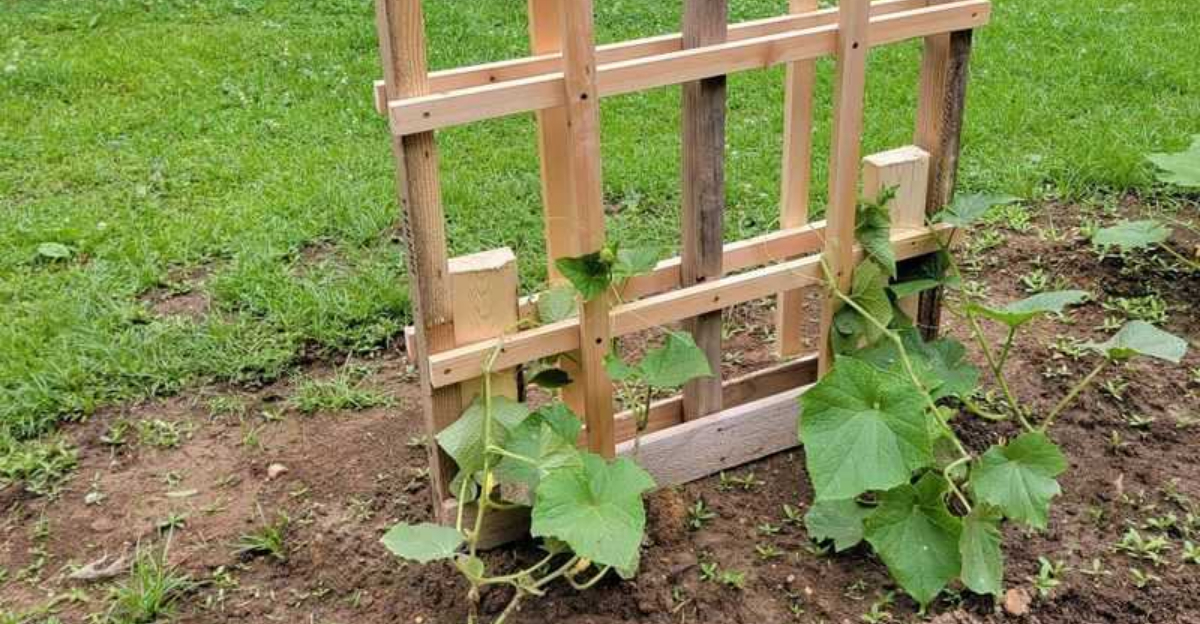
Resourceful Georgia gardeners construct trellises, raised beds, and garden borders from materials that others discard or no longer need.
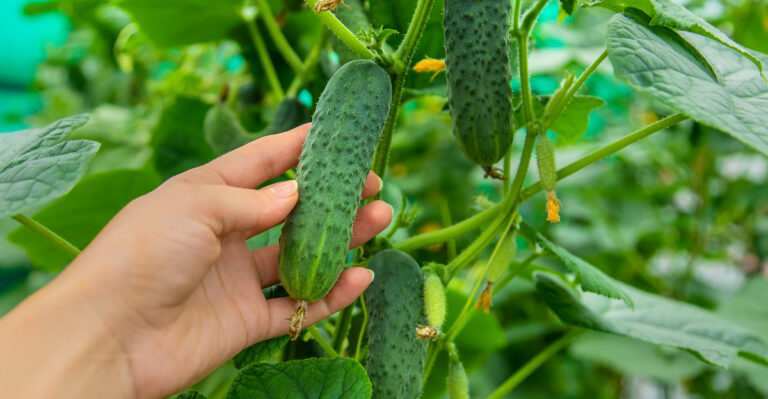
Wooden pallets transform into vertical planters, compost bins, or sturdy trellises for climbing vegetables like beans and cucumbers.
Old bricks, stones, and concrete blocks become attractive borders for garden beds or pathways between planting areas.
Fallen branches and twigs can be woven into rustic supports for peas, tomatoes, and flowering vines.
Broken terra cotta pots gain new purpose as drainage layers in container bottoms or decorative garden art.
Georgia construction sites and renovation projects often yield usable lumber that works perfectly for building raised beds.
Always ask permission before taking materials, and many people gladly give away items they would otherwise haul to the dump.
Online community groups and neighborhood apps frequently list free building materials available for pickup.
Wire fencing scraps create cages for supporting tomatoes and protecting young plants from curious wildlife.
These recycled structures add character to your garden while keeping your budget intact.
Building with reclaimed materials reduces waste, saves money, and gives your Georgia garden a unique, personalized appearance that reflects your creativity.