8 Gardening Tasks Wisconsin Gardeners Should Finish Before The End Of The Year
Winter closes fast across Wisconsin, and gardens feel the clock tick louder each day.
Frost waits in the wings, ready to steal chances left unused.
Smart gardeners tie loose ends now rather than face regret later.
Soil, tools, beds, and bulbs all ask for attention before snow seals the ground.
A few timely moves protect months of effort and set up a smoother spring return.
Miss this window and small problems snowball fast.
Finish strong and the payoff shows next year.
Order replaces chaos, plants rest with care, and pests lose shelter spots.
Cold months feel kinder when loose tasks rest off the list.
These final chores act like insurance for future color and yield.
Wisconsin weather offers no mercy, so action beats delay.
Wrap up the season with foresight, and greet the new year with a garden ready to wake at the first hint of thaw.
1. Mulch Perennial Beds For Winter Protection
Winter temperatures in Wisconsin can drop dramatically, putting unprotected perennials at serious risk of root damage from freeze-thaw cycles.
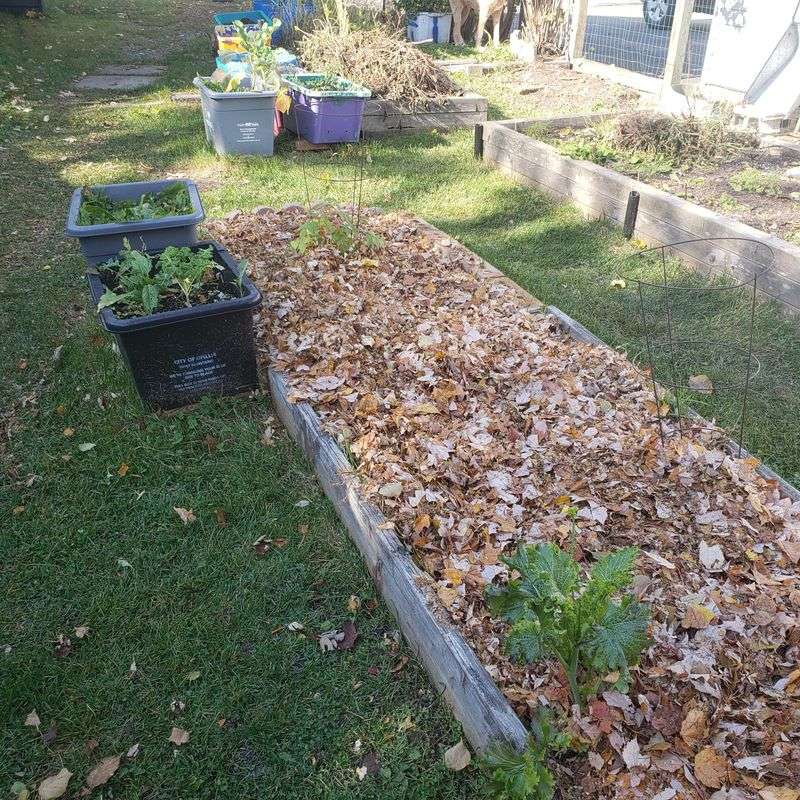
Applying a thick layer of mulch around your perennial plants creates an insulating blanket that moderates soil temperature fluctuations.
Aim for about three to four inches of shredded bark, straw, or chopped leaves spread evenly around plant bases.
Wait until the ground has experienced a few hard frosts before mulching, as applying it too early can create a cozy home for rodents and prevent proper plant dormancy.
Wisconsin gardeners should focus especially on newer plantings that haven’t established deep root systems yet.
The mulch also prevents soil erosion during winter rains and snowmelt, keeping valuable topsoil right where you need it.
Pull mulch slightly away from plant crowns to prevent moisture buildup that could encourage rot.
This simple task takes just an afternoon but pays dividends by ensuring your perennials emerge healthy and vigorous next spring.
Many Wisconsin garden centers offer discounted mulch in late fall, making this an economical investment in your garden’s future.
Your spring self will thank you when those perennials pop up strong and ready to bloom.
2. Clean And Store Garden Tools Properly
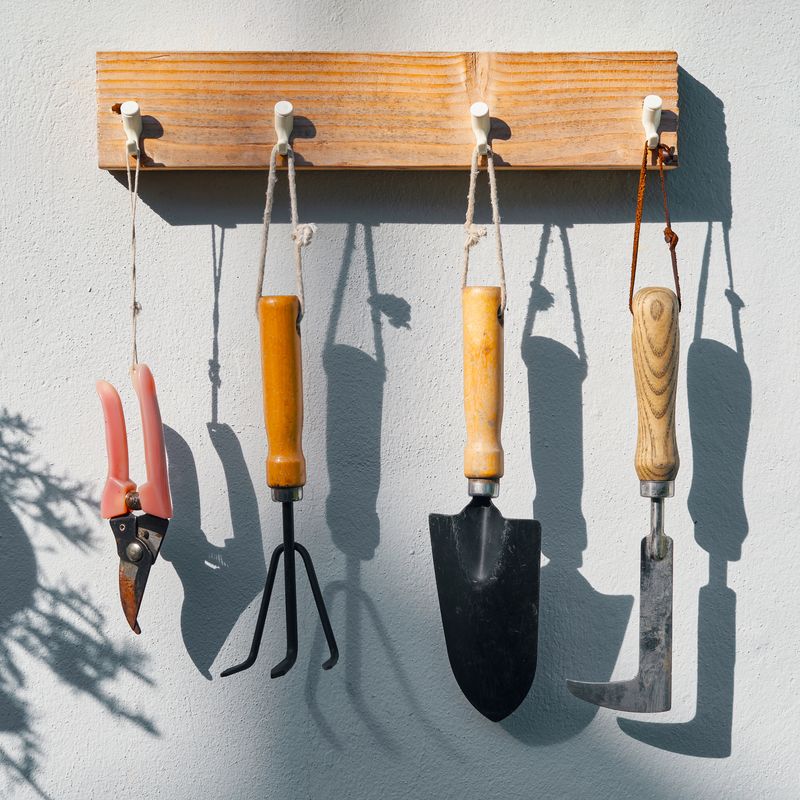
Your garden tools have worked hard all season, and they deserve proper care before being tucked away for winter.
Soil left on metal surfaces can trap moisture against the metal, leading to rust and corrosion that shortens tool life considerably.
Start by scraping off dried dirt and debris from shovels, hoes, rakes, and other implements using a stiff brush or putty knife.
Wash tools with soapy water and dry them thoroughly with old towels to prevent any moisture from lingering.
Wisconsin’s humid conditions make this drying step especially important for preventing rust formation during storage.
Apply a light coat of oil to metal parts using a rag dipped in vegetable oil or specialized tool oil.
Sharpen pruners, shears, and hoe blades now so they’re ready to use come spring without extra preparation.
Wooden handles benefit from a rubbing of linseed oil to prevent cracking and splintering during storage.
Your Wisconsin Garden Changes Every Week. Your Plan Should Too.
Gardening in Wisconsin changes quickly throughout the season. Every Friday you’ll receive a simple weekly plan showing exactly what to plant, prune, fertilize, harvest, and protect so you never miss the right timing.
Store tools in a dry location like a garage or shed, hanging them when possible to prevent blade dulling.
Well-maintained tools last decades longer than neglected ones, making this task a smart financial decision for Wisconsin gardeners.
3. Drain And Winterize Irrigation Systems
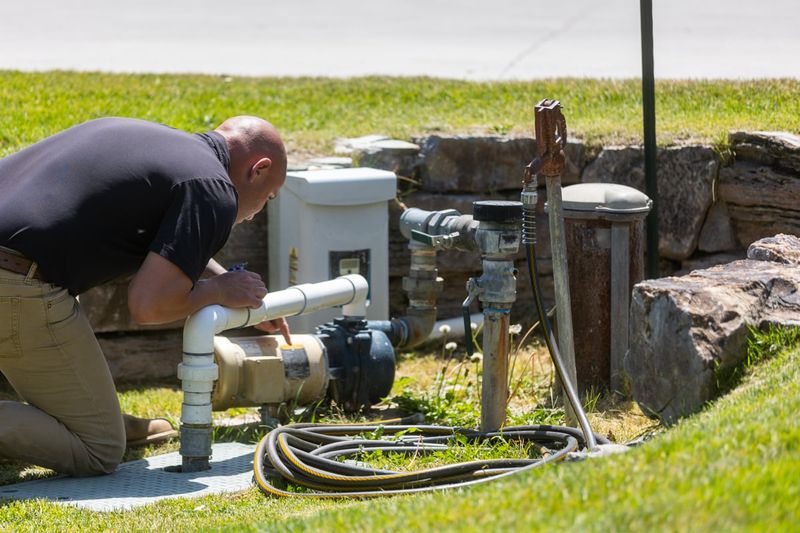
Freezing temperatures can cause water trapped in irrigation lines to expand and crack pipes, leading to expensive repairs and frustrating leaks next season.
Wisconsin winters are particularly harsh on irrigation systems, making proper winterization absolutely essential rather than optional.
Begin by shutting off the water supply to your outdoor irrigation system at the main valve.
Open all drain valves and remove drain caps to allow water to flow out of the system completely.
Many Wisconsin gardeners use compressed air to blow remaining water from the lines, which requires an air compressor and the proper attachments.
If you’re not comfortable with this process, hiring a professional irrigation company is worth the investment to avoid costly spring repairs.
Don’t forget about garden hoses, which should be drained, coiled, and stored indoors away from freezing temperatures.
Disconnect hoses from outdoor spigots and drain any water from the faucets themselves.
Insulated faucet covers provide extra protection for outdoor water sources in Wisconsin’s bitter cold.
Rain barrels should also be emptied and either stored upside down or brought into a garage to prevent cracking from ice expansion.
4. Plant Spring-Blooming Bulbs Before Ground Freezes
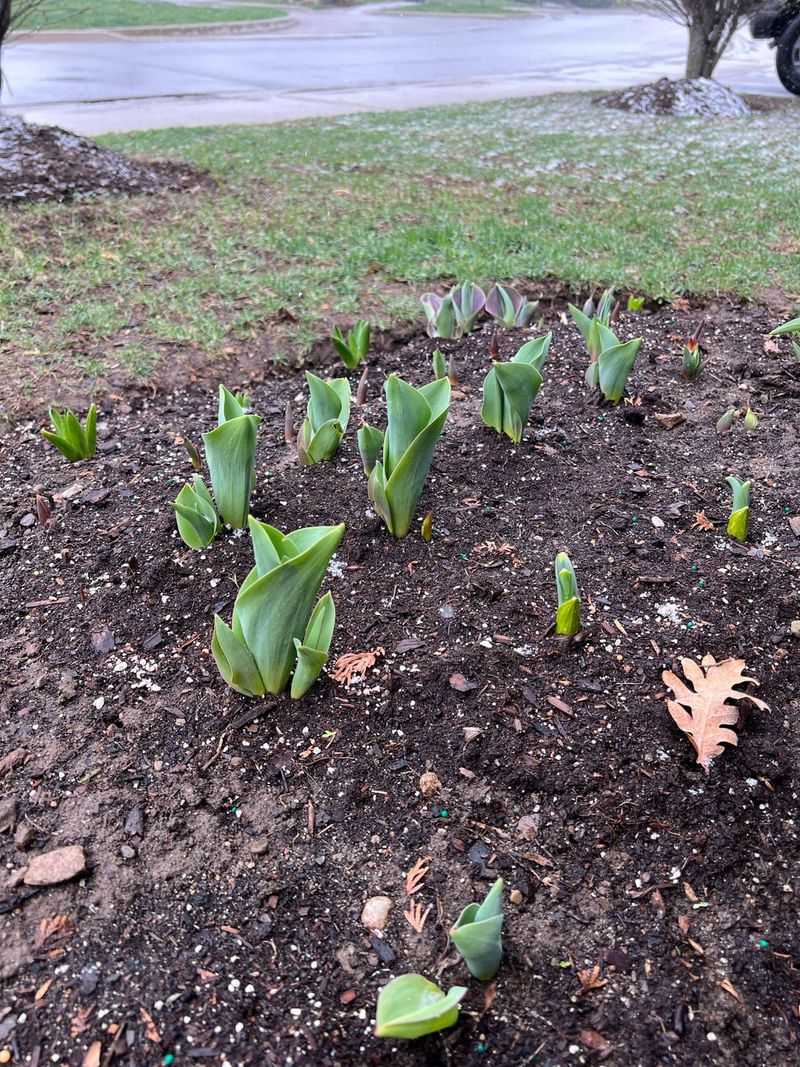
Spring-blooming bulbs need a period of cold dormancy to develop properly, making late fall the perfect planting window in Wisconsin.
Tulips, daffodils, crocuses, and hyacinths must be planted before the ground becomes too frozen to dig, typically by mid-to-late November in most Wisconsin regions.
Choose a planting location with good drainage, as bulbs sitting in waterlogged soil during winter often rot before they can sprout.
Dig holes about three times deeper than the bulb’s height, placing the pointed end facing upward.
Wisconsin’s clay-heavy soils benefit from amendments like compost or sand mixed into planting holes to improve drainage.
Space bulbs according to package directions, grouping them in clusters of odd numbers for the most natural-looking spring displays.
Cover planted bulbs with soil and water them in well to help them settle and begin root development before winter arrives.
A light layer of mulch over the planting area provides extra insulation without interfering with spring emergence.
Mark planting locations with small stakes or flags so you don’t accidentally disturb them during spring cleanup activities.
The reward for this fall effort comes in early spring when colorful blooms emerge to brighten Wisconsin’s landscape after months of winter gray.
5. Remove Diseased Plant Material From Garden Beds
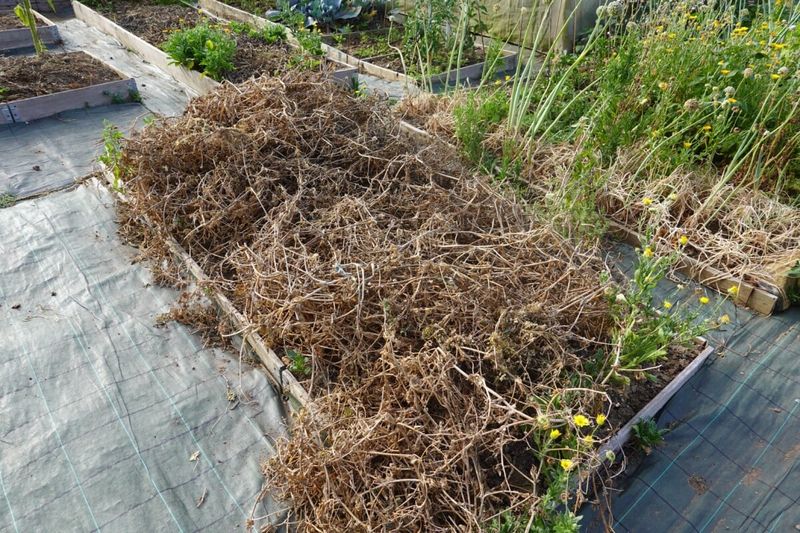
Leaving diseased or pest-infested plant material in your garden over winter creates a reservoir of problems that will plague you next growing season.
Fungal spores, bacterial infections, and insect eggs can survive Wisconsin winters by hiding in plant debris left scattered across garden beds.
Walk through your garden and identify any plants showing signs of disease, such as spotted leaves, powdery coatings, or unusual discoloration.
Remove these plants entirely, including roots when possible, and dispose of them in the trash rather than your compost pile.
Composting diseased material rarely generates enough heat to eliminate pathogens completely, risking reinfection when you spread that compost later.
Wisconsin gardeners should pay special attention to tomato plants, which often harbor late blight and other fungal diseases.
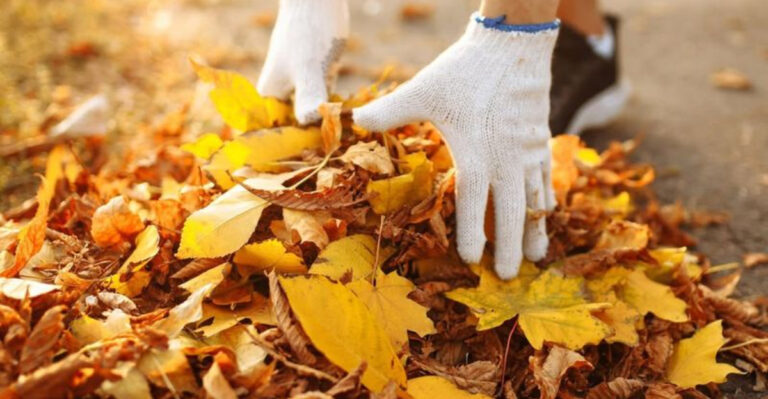
Rake up fallen leaves from beneath fruit trees, as many fungal diseases overwinter in this debris and reinfect trees next spring.
Cut back perennials that showed disease symptoms during the growing season, disposing of the foliage carefully.
Cleaning garden beds thoroughly now reduces the need for chemical interventions next season and promotes healthier plant growth overall.
A clean garden is a healthy garden, and this preventive measure saves countless headaches during the busy spring planting season.
6. Protect Young Trees And Shrubs From Winter Damage
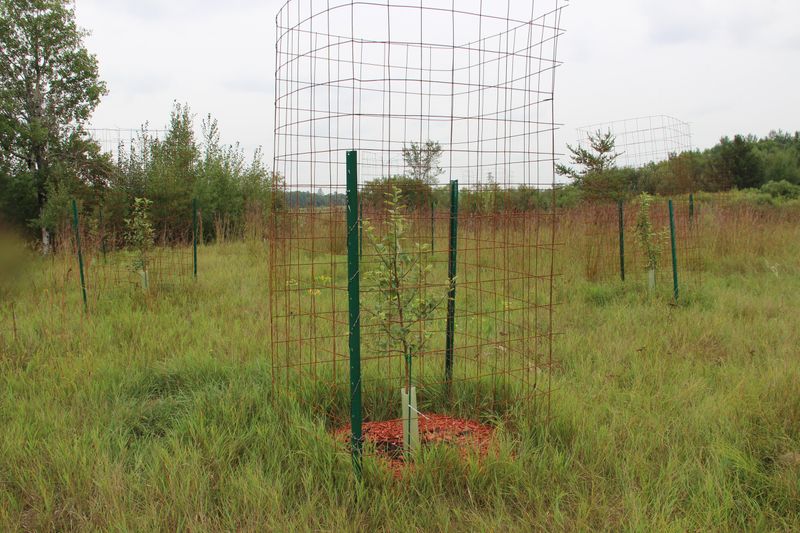
Young trees and shrubs face multiple threats during Wisconsin winters, from hungry deer and rabbits to harsh winds and heavy snow loads.
Thin bark on young trees is particularly vulnerable to sunscald, which occurs when winter sun warms bark during the day and then temperatures plummet at night.
Wrap tree trunks with commercial tree wrap or light-colored plastic guards from the base up to the lowest branches.
This protection prevents both sunscald damage and gnawing from hungry wildlife seeking food during Wisconsin’s long winters.
Evergreen shrubs benefit from burlap screens on their windward sides, which block desiccating winter winds without completely enclosing plants.
Avoid wrapping plants in plastic, as this can trap moisture and create conditions favorable for disease development.
Apply anti-desiccant sprays to broadleaf evergreens like rhododendrons and boxwoods to reduce moisture loss through leaves during winter.
Build simple wooden frames around vulnerable shrubs if you expect heavy snow loads that could break branches.
Wisconsin gardeners in northern regions should pay extra attention to borderline-hardy plants that might struggle with extreme cold snaps.
These protective measures take minimal time but dramatically improve survival rates for young landscape plants facing their first or second Wisconsin winter.
7. Test And Amend Garden Soil For Spring Success
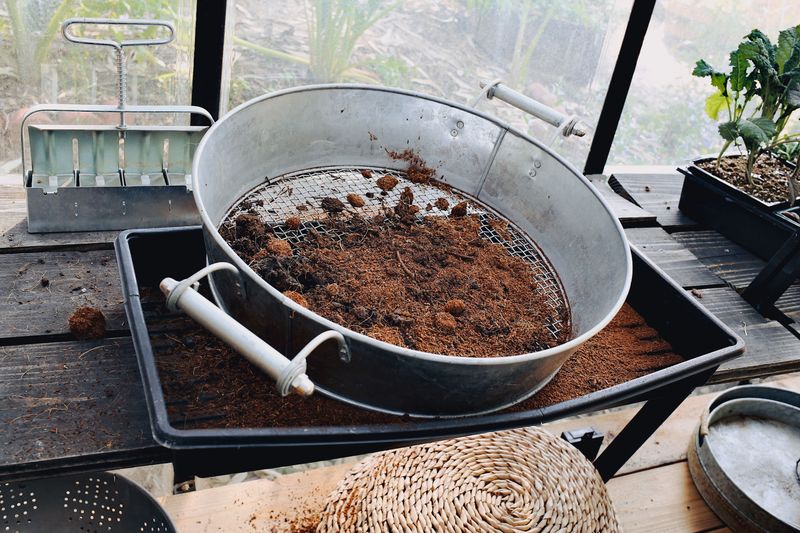
Soil testing in fall gives you valuable information about nutrient levels and pH while providing time to make amendments that will be ready by spring planting.
Wisconsin soils vary considerably across regions, with some areas naturally acidic and others more alkaline depending on bedrock and previous land use.
Collect soil samples from multiple locations in your garden, mixing them together in a clean bucket for the most accurate representation.
Send samples to the University of Wisconsin Extension soil testing lab or use a reliable home testing kit for immediate results.
Test results will indicate pH levels and concentrations of major nutrients like nitrogen, phosphorus, and potassium.
Fall is the ideal time to add lime if your soil is too acidic, as it takes several months to alter pH effectively.
Similarly, sulfur applications to lower pH work best when applied in fall and allowed to incorporate naturally over winter.
Add organic matter like compost or well-rotted manure to garden beds now, giving it time to break down and integrate before spring planting begins.
Wisconsin’s freeze-thaw cycles actually help break down organic amendments and improve soil structure naturally over winter months.
Addressing soil issues now means your garden will be perfectly prepared for vigorous plant growth when warm weather returns to the Badger State.
8. Harvest And Store Remaining Root Vegetables
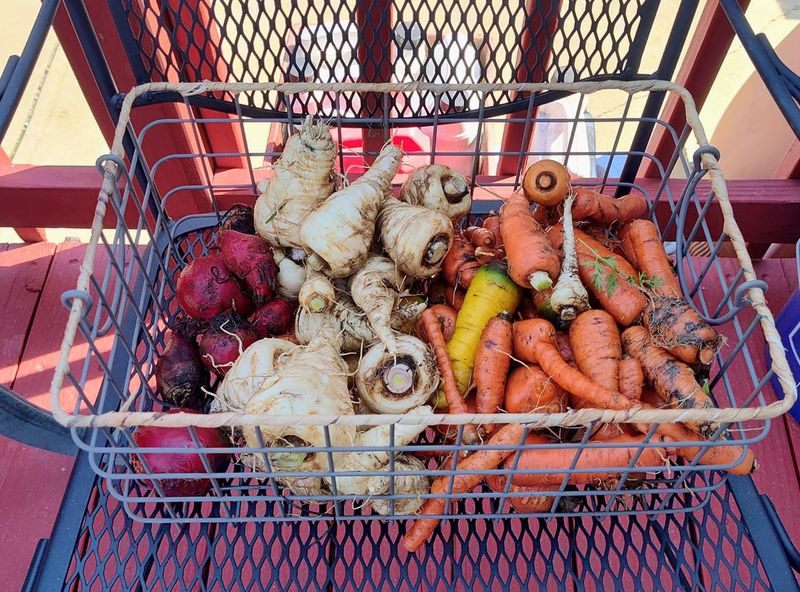
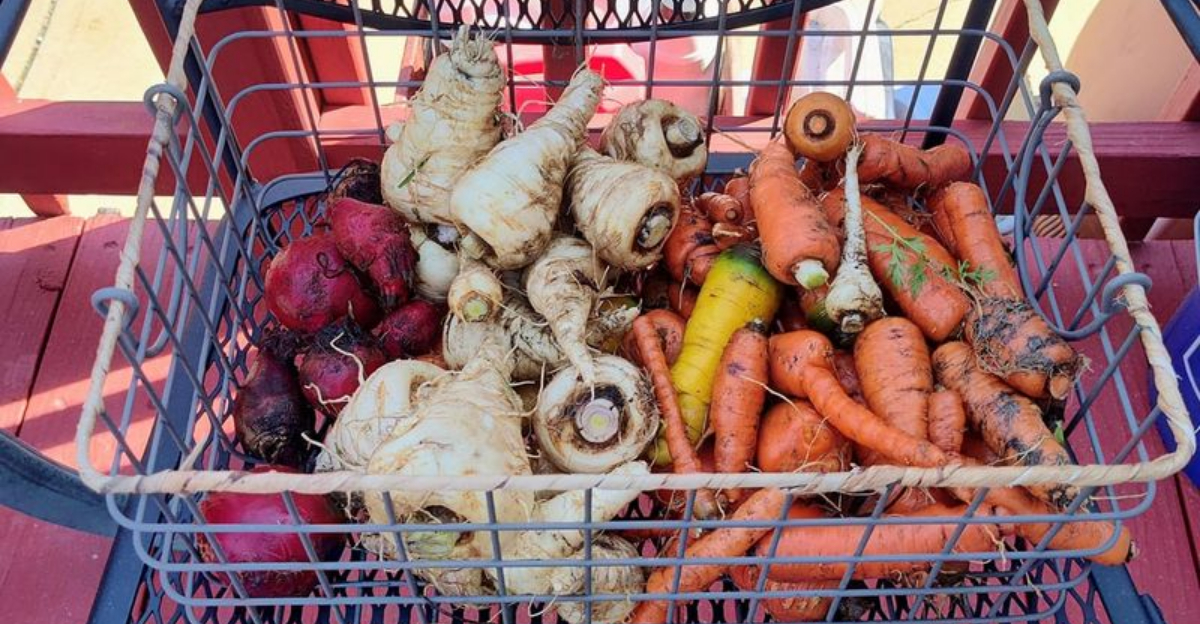
Root vegetables like carrots, beets, parsnips, and potatoes can tolerate light frosts, but they need harvesting before the ground freezes solid in Wisconsin.
A few light frosts actually improve the flavor of many root crops by converting starches to sugars, making them sweeter and more delicious.
Check weather forecasts and plan your harvest for a dry day when soil isn’t muddy, making digging easier and reducing soil clinging to vegetables.
Use a garden fork rather than a shovel to loosen soil around root vegetables, reducing the risk of accidentally slicing through your harvest.
Brush off excess soil but don’t wash root vegetables before storage, as moisture promotes rot during long-term storage.
Trim greens from root vegetables, leaving about an inch of stem to prevent moisture loss through the cut surface.
Store root vegetables in a cool, dark location with high humidity, such as a basement or root cellar, where they’ll keep for months.
Wisconsin gardeners can also leave parsnips and carrots in the ground under heavy mulch for harvest throughout winter when the ground thaws briefly.
Proper harvesting and storage techniques mean you’ll enjoy fresh, homegrown vegetables long after Wisconsin’s growing season ends.
Nothing beats the satisfaction of pulling homegrown produce from storage on a cold January evening for a hearty winter meal.