The Beneficial Garden Shrub Georgia Gardeners Can Propagate From Winter Cuttings
Winter might slow the garden down, but for Georgia gardeners, it’s prime time for propagation.
This beneficial shrub roots easily from winter cuttings, turning one established plant into many with minimal effort.
Hardwood cuttings taken during dormancy are tough, reliable, and forgiving—perfect for gardeners who want results without fuss.
The shrub itself supports pollinators, stabilizes soil, and thrives in Georgia’s climate.
Propagation feels almost like a gardening cheat code: low cost, high reward.
By spring, these cuttings are ready to grow, proving that even in winter, progress is quietly happening below the surface.
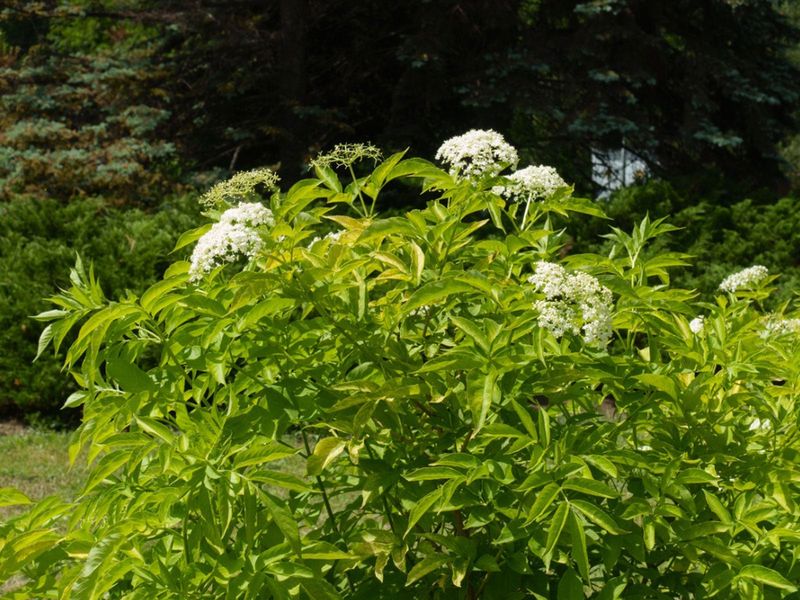
It’s The American Elderberry (Sambucus Canadensis)
Native to the Eastern United States, the American elderberry has become a favorite among Georgia gardeners who appreciate plants that work with the local climate rather than against it.
This deciduous shrub typically reaches 6 to 12 feet tall and spreads through suckering, creating natural colonies along stream banks and forest edges.
Unlike ornamental imports that struggle with Southern conditions, elderberry has spent thousands of years adapting to Georgia’s weather patterns.
What makes this shrub particularly valuable is its reliability when propagated from winter hardwood cuttings.
Gardeners can take 6 to 8-inch sections of year-old stems during January or February when the plant is fully dormant.
These cuttings root with impressive consistency, often showing new growth by late spring.
Elderberry supports local ecosystems in ways that non-native shrubs simply cannot match.
Birds recognize the fruit as a food source, pollinators visit the flowers in droves, and beneficial insects use the plant for shelter.
Fast growth means new plants reach productive size within two to three years.
For Georgia gardeners seeking a low-maintenance, high-value addition to their landscape, American elderberry checks every box.
Its tolerance for variable moisture, clay soils, and summer heat makes it particularly well-suited to the challenges of Southern gardening.
Winter Dormancy Makes Cuttings Easy And Reliable
Timing is everything when it comes to propagating woody plants, and winter dormancy offers a biological advantage that summer cuttings simply cannot provide.
When elderberry enters dormancy between December and February, the plant’s energy moves from leaves and shoots down into the root system.
This internal shift means the stems contain stored carbohydrates perfect for supporting new root development.
Taking cuttings while the shrub is leafless eliminates water loss through transpiration, which is the primary cause of cutting failure in warmer months.
Without leaves to support, the cutting can focus all its resources on generating roots rather than maintaining foliage.
The cooler temperatures of winter also slow bacterial and fungal growth, reducing the risk of rot before roots establish.
For the parent plant, winter cutting removal acts as beneficial pruning rather than a stressful injury.
The shrub won’t miss a few stems when it’s not actively growing, and it will respond with vigorous new shoots come spring.
This makes the process guilt-free for gardeners worried about harming their established plants.
Georgia’s winter temperatures rarely drop low enough to freeze the ground solid, allowing gardeners to stick cuttings directly into outdoor beds.
Your Georgia Garden Changes Every Week. Your Plan Should Too.
Gardening in Georgia changes quickly throughout the season. Every Friday you’ll receive a simple weekly plan showing exactly what to plant, prune, fertilize, harvest, and protect so you never miss the right timing.
This natural cold stratification actually improves rooting rates compared to artificial indoor methods.
Hardwood Cuttings Root Without Special Equipment
One of the most appealing aspects of elderberry propagation is its accessibility to gardeners without fancy equipment or greenhouse space.
Unlike many ornamental shrubs that require misting systems, bottom heat, or rooting hormones, elderberry cuttings succeed with nothing more than good soil and patience.
This democratic approach to plant multiplication means anyone with a pair of pruners and a patch of ground can create new plants.
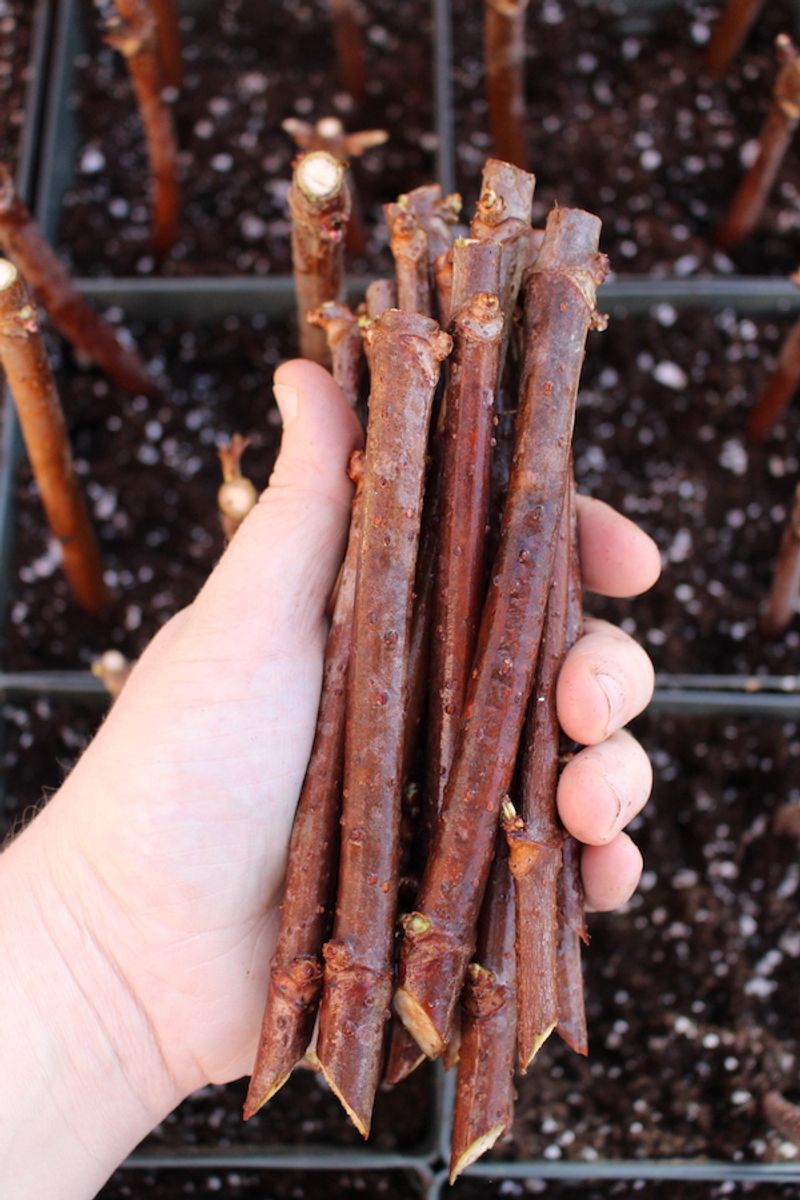
The process starts with selecting pencil-thick stems from the previous year’s growth, cutting them into 6 to 8-inch sections.
Each cutting should have at least three nodes, which are the bumps along the stem where leaves once attached.
Simply push these cuttings two-thirds of their length into loose, well-draining soil, leaving one or two nodes exposed above ground.
Many Georgia gardeners report success rates of 70 to 90 percent when cuttings are taken in January or February and placed in outdoor beds.
The natural winter moisture and cool temperatures provide ideal rooting conditions without any intervention.
By April or May, gentle tugging reveals resistance from developing roots.
For those who prefer container growing, elderberry cuttings root equally well in pots filled with a mix of potting soil and perlite.
The key is keeping the medium consistently moist but not waterlogged during the rooting period.
Thrives In Georgia’s Heat And Humidity
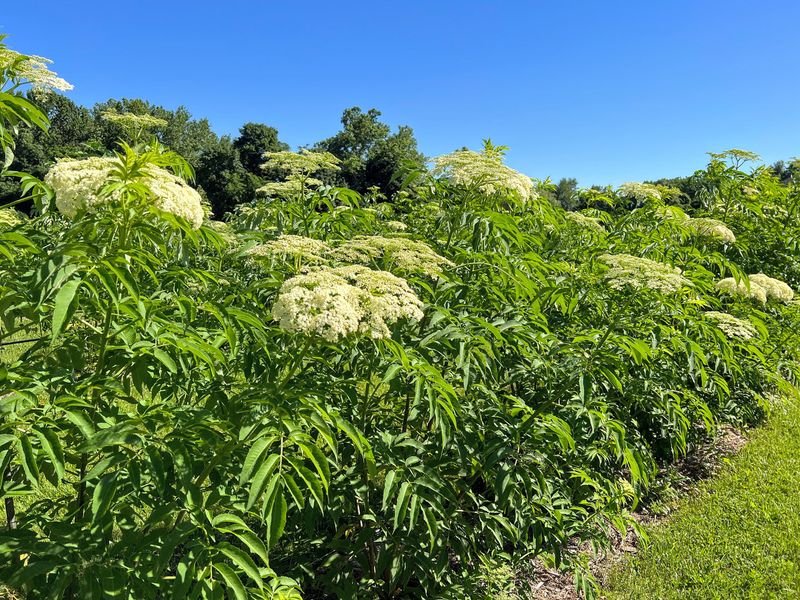
Summer in Georgia can be brutal on plants not adapted to the combination of intense heat, high humidity, and unpredictable rainfall patterns.
Many popular landscape shrubs imported from other regions struggle to maintain their appearance when temperatures soar into the 90s for weeks at a time.
American elderberry, however, seems to thrive under these very conditions that stress other species.
The shrub’s native range includes the entire Southeast, meaning it has evolved alongside Georgia’s climate challenges.
Deep root systems allow established elderberries to access moisture during dry spells, while their tolerance for wet feet means they won’t suffer during periods of heavy rain.
This adaptability makes them virtually maintenance-free once they’ve been in the ground for a full growing season.
Humidity, which encourages fungal diseases on many ornamentals, rarely causes problems for elderberry’s naturally disease-resistant foliage.
The shrub’s vigorous growth outpaces most pest damage, and its tendency to produce new stems from the base means it constantly renews itself.
Even if summer stress causes some tip dieback, the plant recovers quickly with fall rains.
Gardeners who’ve struggled with azaleas that scorch or hydrangeas that wilt often find elderberry to be a refreshing change.
It asks very little while delivering reliable performance year after year, even in the most challenging Georgia microclimates.
Supports Pollinators In Late Spring And Early Summer
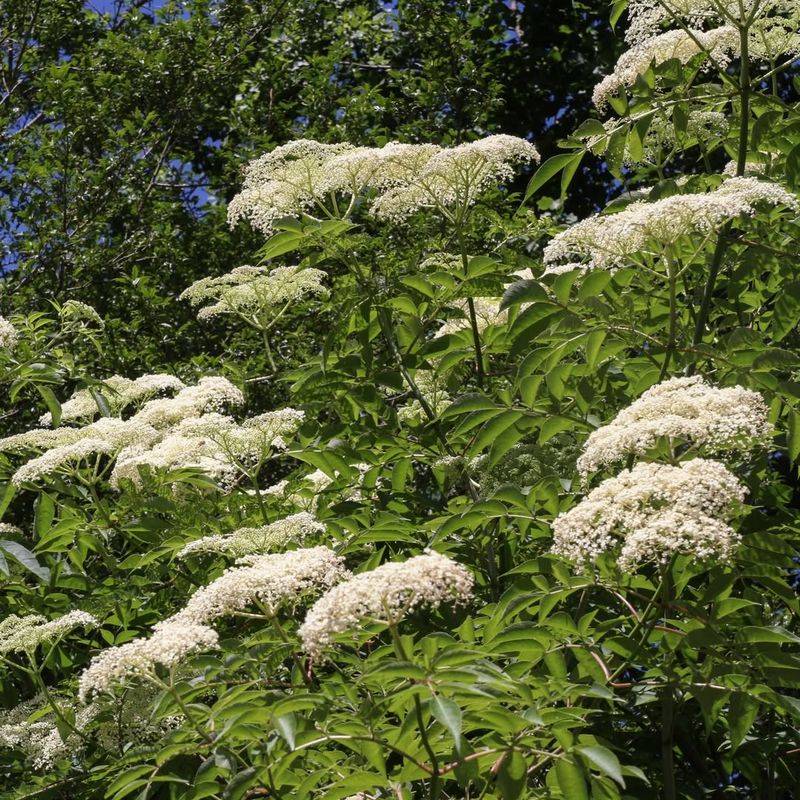
When elderberry blooms in May and June, the transformation is nothing short of spectacular.
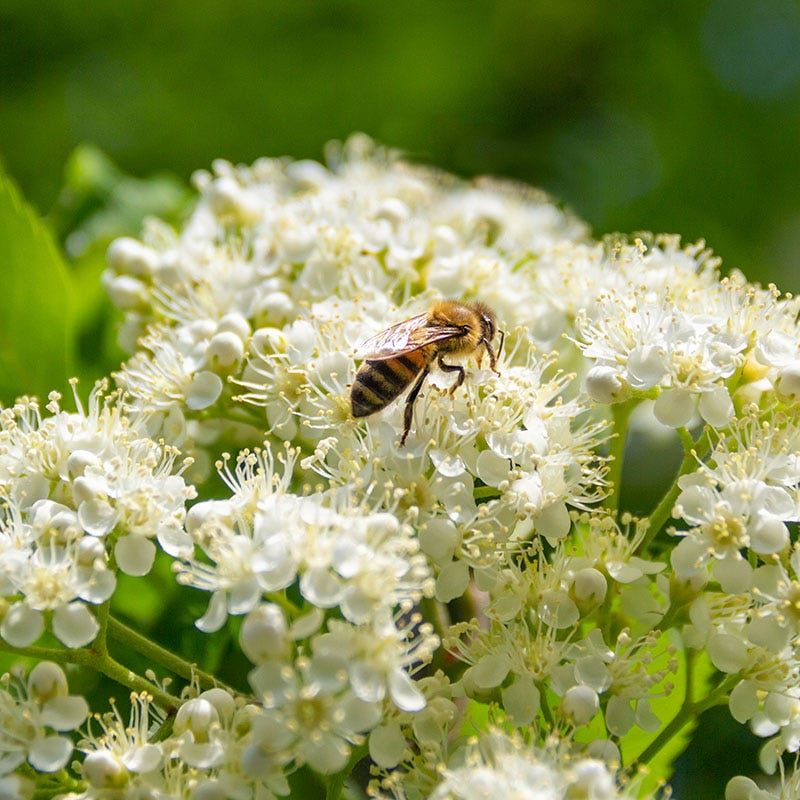
Each flower cluster, called a cyme, can measure 6 to 10 inches across and contains hundreds of tiny white blossoms.
These massive displays act as landing platforms for an incredible diversity of pollinators seeking nectar and pollen.
Honeybees work elderberry flowers with particular enthusiasm, often covering the blooms in such numbers that the clusters appear to shimmer with movement.
Native bees, including bumblebees and mason bees, also visit regularly, along with butterflies, beneficial wasps, and hoverflies.
This pollinator activity benefits not just the elderberry but surrounding garden plants as well, as insects move from bloom to bloom throughout the landscape.
The timing of elderberry flowering fills a gap in Georgia gardens between spring bulbs and summer perennials.
Many native plants have finished blooming by late May, making elderberry’s nectar particularly valuable during this transition period.
For gardeners interested in supporting local ecosystems, few shrubs offer such concentrated pollinator value in such a compact timeframe.
The relationship is mutually beneficial: pollinators get food, and the elderberry receives pollination services that lead to heavy fruit set.
Watching this natural exchange unfold in your own backyard provides a tangible connection to the broader web of life.
Feeds Birds With Heavy Berry Production
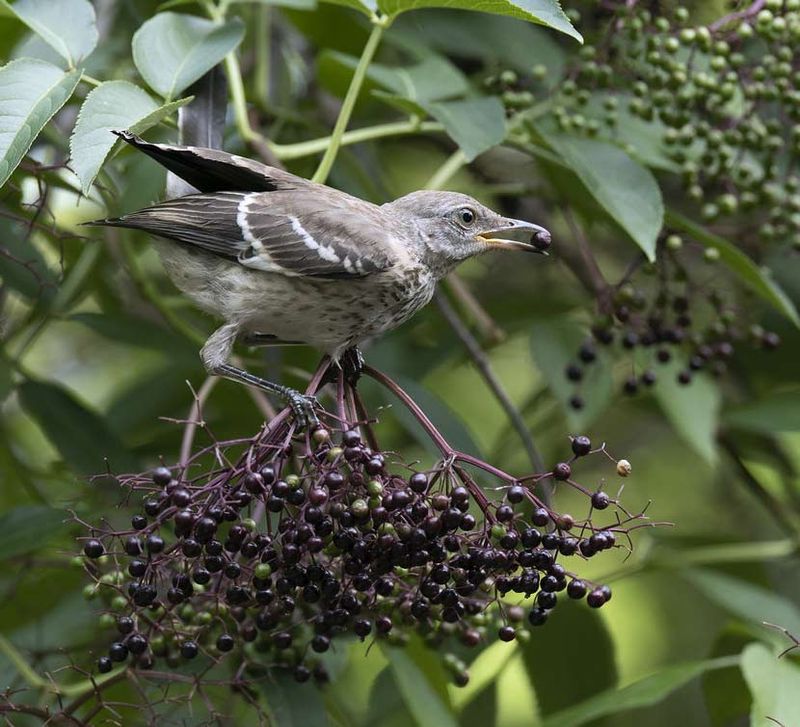
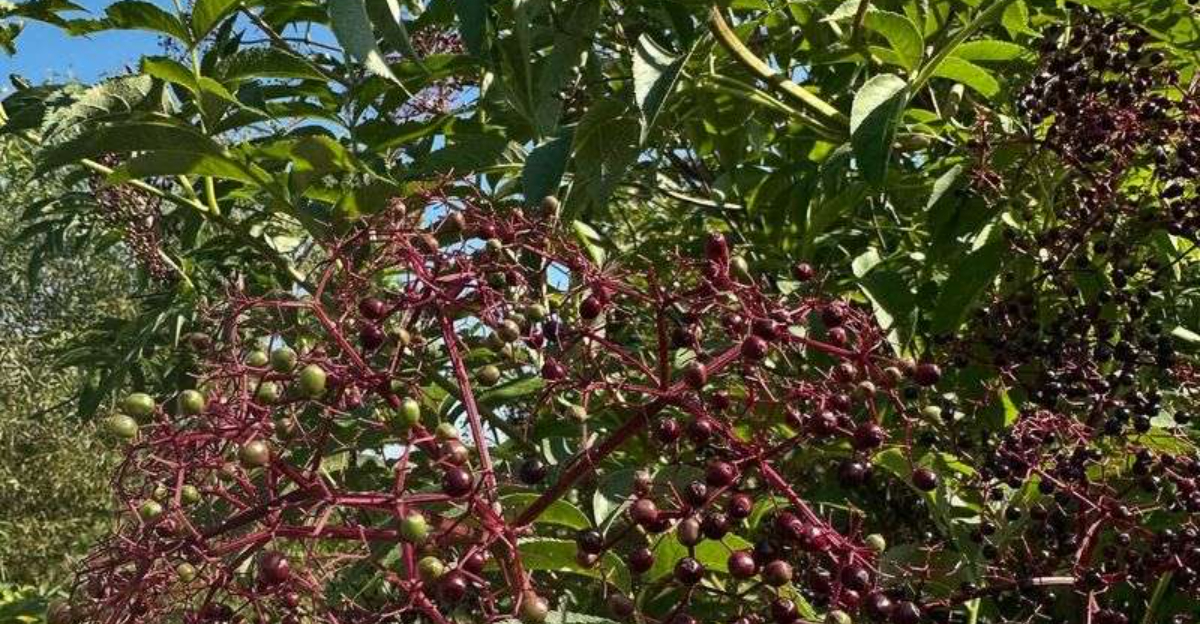
By July and August, pollinated elderberry flowers have transformed into drooping clusters of dark purple berries, and the bird activity becomes almost constant.
Each mature shrub can produce several pounds of fruit, creating an all-you-can-eat buffet that attracts dozens of bird species.
Cardinals, mockingbirds, bluebirds, catbirds, and thrushes all feast on the nutritious berries, often stripping clusters clean within days of ripening.
The berry production serves an important ecological function beyond simple bird feeding.
Many songbird species time their late-summer molting period to coincide with peak fruit availability.
The protein and nutrients in elderberries support feather growth during this energetically demanding process.
Migrating species also rely on elderberries to fuel their journeys south.
For Georgia gardeners, this means a constantly changing cast of feathered visitors throughout summer and early fall.
The entertainment value alone justifies planting elderberry, as birds perform acrobatic displays while plucking berries from swaying branches.
Watching a cedar waxwing flock descend on ripe elderberries is one of summer’s great backyard spectacles.
While humans can also harvest and use elderberries for jams and syrups, leaving most of the fruit for wildlife creates far greater ecological value.
A single shrub can support countless bird meals while continuing to produce year after year with no effort from the gardener.
Grows Well In Problem Areas
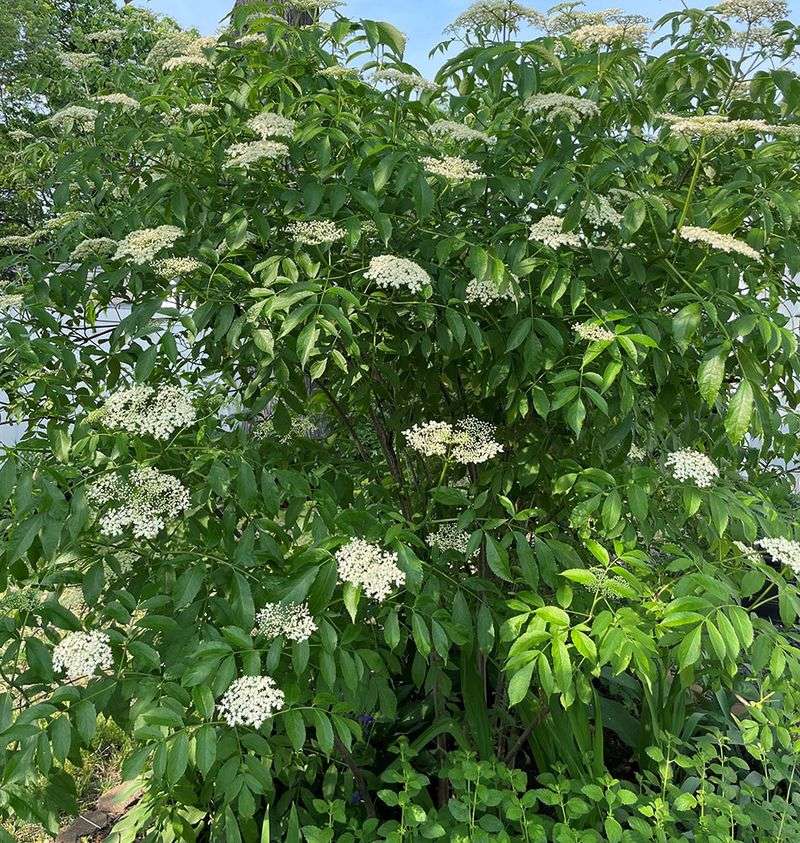
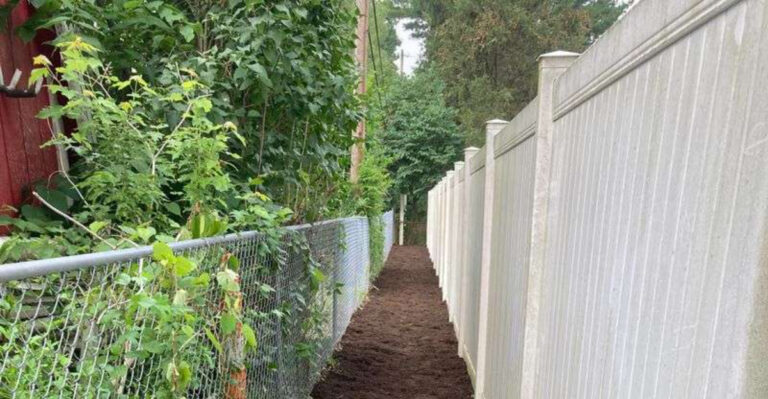
Every Georgia property has that one spot where nothing seems to grow: the low corner that stays soggy after rain, the clay-heavy strip along the driveway, or the fence line that’s too much trouble to maintain.
American elderberry thrives in precisely these challenging locations where more finicky ornamentals struggle or fail entirely.
Its tolerance for variable moisture makes it ideal for areas with inconsistent drainage.
The shrub’s aggressive root system actually helps stabilize soil in erosion-prone areas, making it valuable for slopes and drainage swales.
Many conservation districts recommend elderberry for bioretention projects because it absorbs excess water while filtering runoff.
Home gardeners can apply this same principle to their own problem spots, using elderberry as both a functional and attractive solution.
Clay soil, which challenges many garden plants, poses no problem for elderberry’s vigorous growth habit.
The shrub will break up compacted areas over time as roots expand and organic matter accumulates from dropped leaves.
This soil improvement benefit extends to surrounding plants, gradually making difficult areas more hospitable.
Fence lines and property edges often become neglected spaces filled with invasive vines or weedy growth.
Planting elderberry in these locations creates a productive wildlife hedge that requires minimal maintenance while outcompeting less desirable plants.
The shrub’s natural suckering habit means it will gradually fill available space without becoming aggressively invasive.
Responds Well To Pruning And Renewal
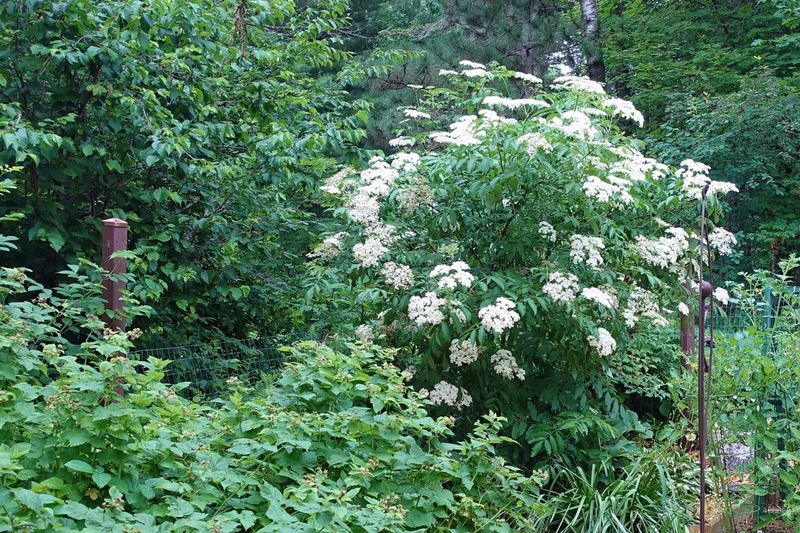
Gardeners nervous about pruning will find elderberry to be a wonderfully forgiving subject that actually benefits from aggressive cutting.
The shrub can be cut back to within 6 inches of the ground every few years without any harm, a practice called coppicing that encourages fresh, vigorous growth.
This makes elderberry ideal for those still learning pruning techniques or anyone who worries about making mistakes.
Annual pruning in late winter helps maintain a tidy shape and removes older canes that produce less fruit.
Simply cut out stems more than three years old at ground level, leaving younger canes to carry the season’s flowers and berries.
This rotation system keeps the shrub productive and manageable without requiring expert knowledge or precise cuts.
If an elderberry becomes overgrown or damaged, renewal pruning provides a complete reset.
Cut the entire shrub to near ground level in February, and by June it will have produced several feet of new growth.
Within two years, the renewed plant will be flowering and fruiting again as if nothing happened.
This resilience makes elderberry particularly valuable in high-traffic areas where accidental damage might occur, or in gardens where aggressive pruning helps control size.
The shrub’s ability to bounce back from severe cutting means gardeners can experiment without fear, learning through hands-on experience rather than worrying about permanent damage.
Winter Propagation Preserves Local Genetics
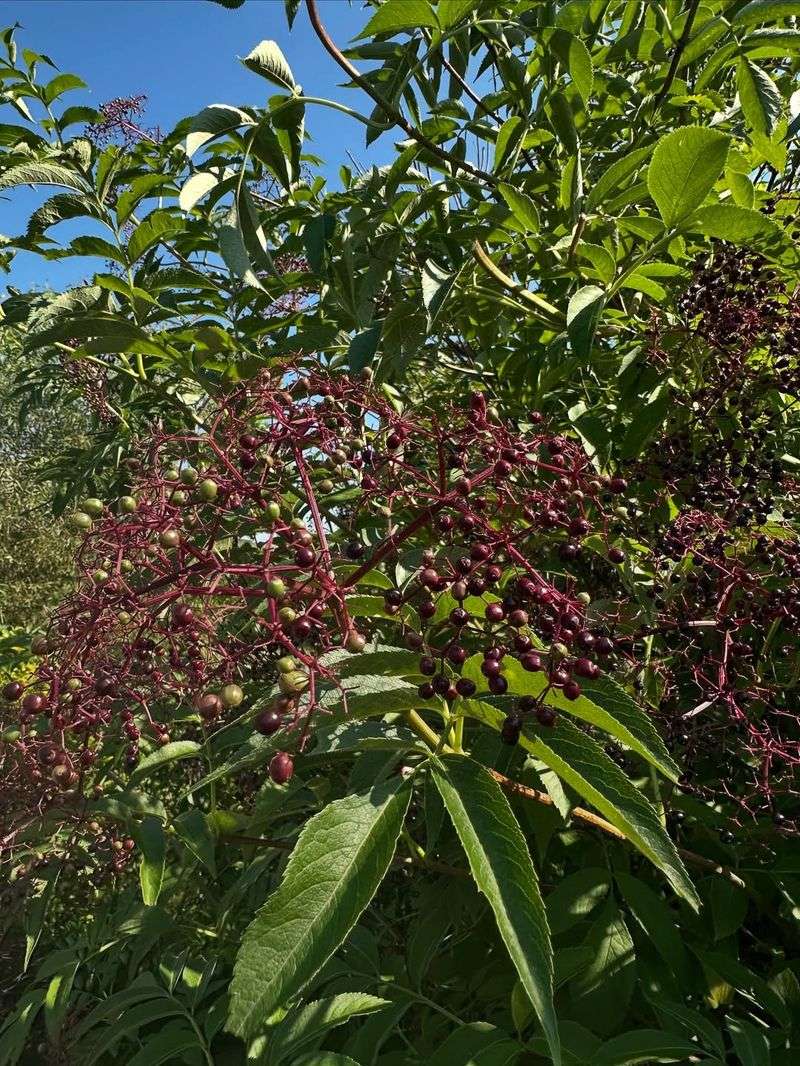
When you purchase elderberry plants from distant nurseries, you’re often getting genetics selected for completely different growing conditions.
A cultivar bred in the Midwest or Pacific Northwest may struggle with Georgia’s summer humidity, winter temperature swings, or specific local pests.
Taking cuttings from elderberries already thriving in your area ensures you’re working with genetics proven to succeed in your specific conditions.
Local elderberries have adapted to regional rainfall patterns, soil types, and the particular mix of beneficial insects and pollinators present in Georgia ecosystems.
These subtle adaptations may not seem significant, but they often mean the difference between a plant that merely survives and one that truly thrives.
Propagating from neighborhood specimens preserves these valuable local traits.
Many older properties in Georgia have elderberries that have been growing for decades, representing genetics that have proven themselves through countless seasons.
Taking cuttings from these established plants allows you to capture that proven performance in your own landscape.
It’s a form of genetic conservation that operates at the backyard level.
This approach also builds community connections when gardeners share cuttings with neighbors, creating networks of locally adapted plants.
Over time, these shared genetics become part of a neighborhood’s living heritage, connecting gardens through plants that have proven their worth in that specific place and climate.
Provides Long-Term Benefits With Minimal Cost
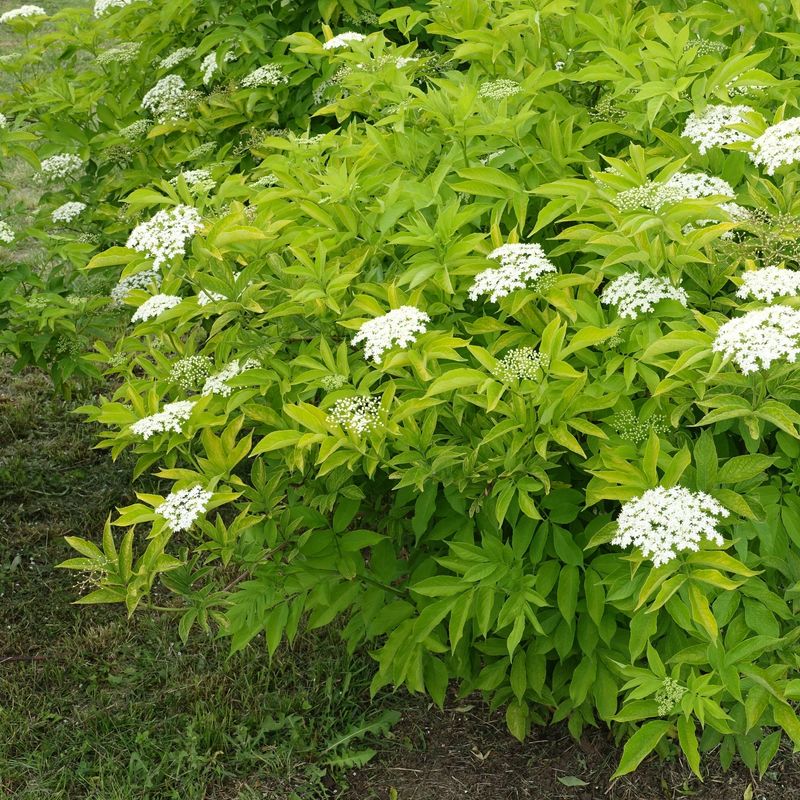
The economics of elderberry propagation are almost too good to believe: one established shrub can produce dozens of cuttings each winter, potentially creating hundreds of new plants over several years.
Since cuttings require nothing more than a patch of soil and occasional watering, the cost per plant approaches zero.
This makes elderberry propagation one of the best values in gardening, delivering maximum benefit for minimum investment.
Compare this to purchasing container-grown native shrubs, which often cost $25 to $50 each at nurseries.
Creating a 20-foot hedge of purchased elderberries could easily exceed $300, while propagating the same number from cuttings costs nothing but time.
For gardeners working with limited budgets, this difference makes ambitious planting projects suddenly achievable.
The long-term ecological benefits multiply the value even further.
Each established elderberry supports pollinators, feeds birds, stabilizes soil, and improves surrounding habitat for decades.
A single afternoon spent taking and planting winter cuttings can create wildlife value that compounds year after year, benefiting countless organisms over the shrub’s 20-plus-year lifespan.
Perhaps most satisfying is the skill development that comes with successful propagation.
Learning to multiply plants from cuttings builds confidence and knowledge that transfers to other species, creating a foundation for a lifetime of gardening success and self-sufficiency.