10 Essential Ways Pennsylvania Homeowners Can Protect Gardens From The First Freeze
In Pennsylvania, the first freeze has a way of sneaking up when you least expect it.
One cold night can undo months of careful tending if gardens aren’t properly prepared.
Protecting plants doesn’t have to be complicated or expensive.
Simple steps taken at the right time can shield roots, preserve soil health, and extend the growing season just a little longer.
Homeowners who plan ahead avoid panic when temperatures drop.
These essential strategies help gardens weather early cold snaps and emerge stronger in spring.
Sometimes, preparation is the difference between loss and resilience.
1. Cover Tender Plants Before Sunset
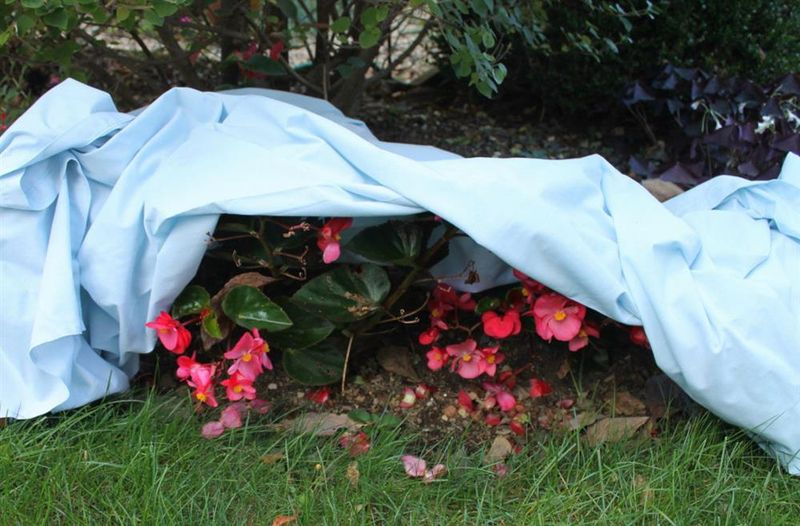
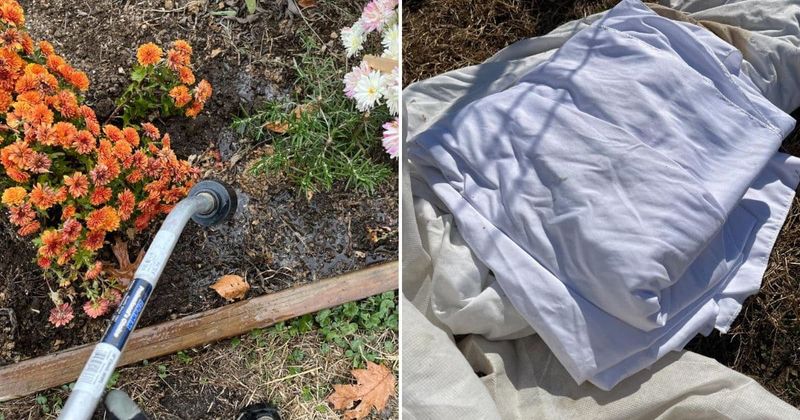
Ground warmth accumulated during the day radiates upward after dark, creating a thin layer of heat near the soil surface that can keep temperatures just above freezing.
Covering frost-sensitive plants before the sun sets traps this precious warmth underneath fabric, sheets, or specialized frost cloth, giving your tender annuals, vegetables, and perennials a fighting chance through the night.
Pennsylvania’s autumn evenings cool quickly once the sun disappears, so timing your covering routine matters more than many gardeners realize.
Drape lightweight materials directly over plants or suspend them on stakes to avoid crushing delicate foliage.
Avoid using plastic directly against leaves, as condensation can form and cause more harm than good.
Secure the edges with rocks, bricks, or landscape staples so wind doesn’t blow coverings away during the night.
Come morning, remove the covers once temperatures rise above freezing to allow sunlight and air circulation back in.
This nightly ritual might feel tedious during those unpredictable fall weeks, but it extends your growing season and protects the investment you’ve made in your garden.
Even a few degrees of trapped warmth can mean the difference between thriving plants and frost-nipped disappointment.
2. Water Soil Thoroughly Ahead Of The Freeze
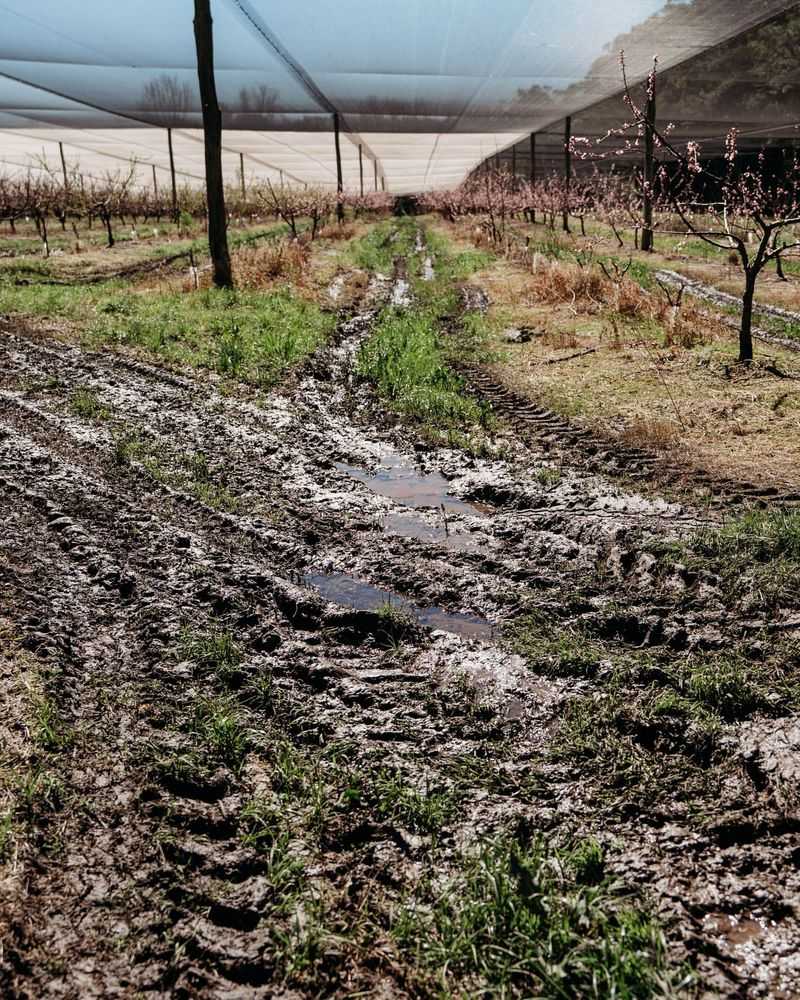
Wet soil acts like a thermal battery, absorbing heat during the day and releasing it slowly through the night when temperatures plummet.
Dry soil, on the other hand, loses warmth rapidly and offers little protection to plant roots when the first freeze arrives.
Watering your garden beds thoroughly a day or two before a predicted freeze gives the soil time to absorb moisture deeply, maximizing its heat-holding capacity.
Focus on root zones rather than foliage, since wet leaves at night can actually increase frost damage.
Use a soaker hose or drip irrigation to deliver water slowly and evenly, ensuring it penetrates several inches down where roots need it most.
Pennsylvania’s fall weather can be unpredictably dry, leaving garden soil parched just when plants need that extra thermal cushion.
Even container plants benefit from pre-freeze watering, though you should ensure pots have adequate drainage to prevent waterlogging.
This simple step costs nothing but a bit of time and water, yet it provides measurable protection for everything from perennials to shrubs.
The moist soil moderates temperature swings, keeping root systems more stable and less stressed when cold air settles in overnight.
3. Bring Potted Plants Indoors Or Against The House
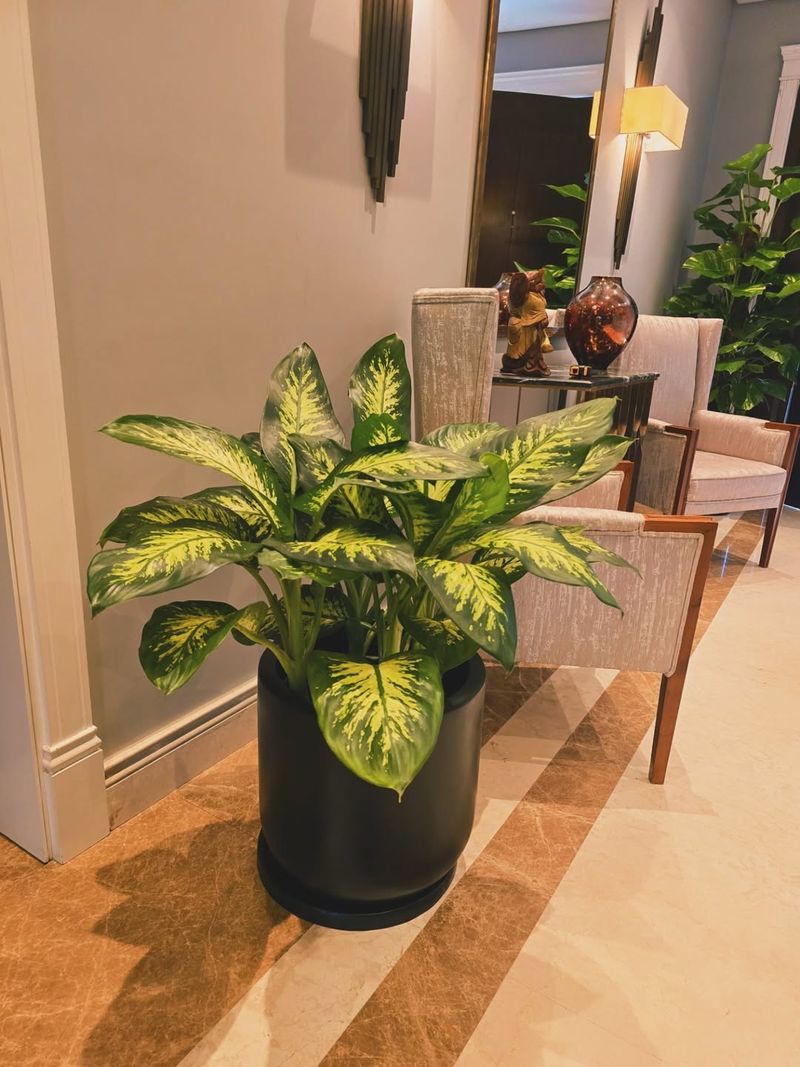
Container plants face a unique vulnerability during freezing weather because their roots sit above ground level, exposed to cold air from all sides.
Your Pennsylvania Garden Changes Every Week. Your Plan Should Too.
Gardening in Pennsylvania changes quickly throughout the season. Every Friday you’ll receive a simple weekly plan showing exactly what to plant, prune, fertilize, harvest, and protect so you never miss the right timing.
Unlike in-ground plants that benefit from earth’s insulating properties, potted specimens can freeze solid surprisingly fast when temperatures drop.
Moving containers indoors to a garage, basement, or sunroom offers the most reliable protection, especially for tropical or tender perennials you want to overwinter.
If indoor space is limited, clustering pots against a south-facing wall of your home creates a warmer microclimate that can prevent freeze damage.
The wall radiates stored heat outward through the night, and the structure itself blocks cold north winds that intensify freezing conditions.
Group containers close together so they insulate each other, and consider wrapping the pots themselves with burlap or bubble wrap for extra protection.
Pennsylvania homeowners with large container collections should prioritize moving the most valuable or tender plants first, leaving cold-hardy specimens like ornamental kale or pansies outside.
This strategy takes a bit of muscle and planning, but it saves you from replacing expensive plants come spring.
Remember to reduce watering once plants are indoors, as their growth slows and water needs decrease in cooler, lower-light conditions.
4. Mulch Roots Heavily For Insulation
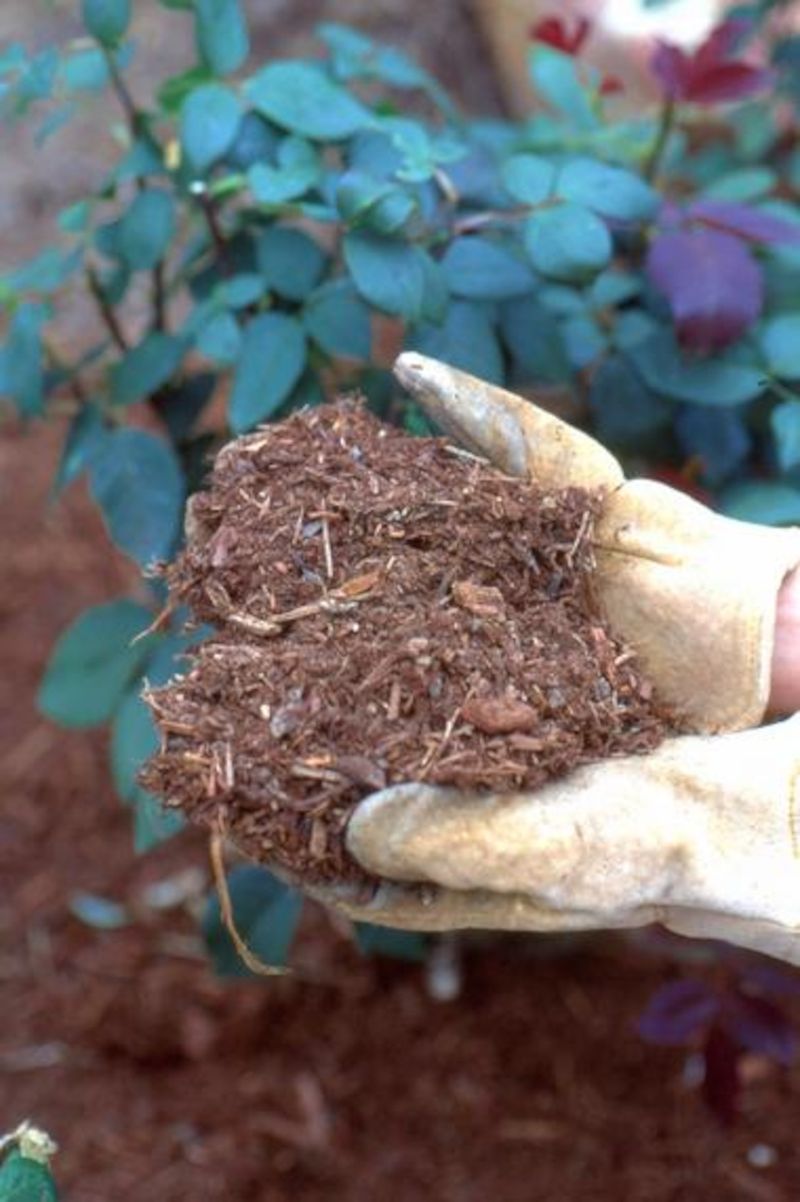
A thick blanket of organic mulch around plant bases works like a cozy comforter for roots, moderating soil temperature fluctuations that stress plants during Pennsylvania’s freeze-thaw cycles.
Shredded leaves, straw, wood chips, or pine needles all make excellent insulating materials that trap air pockets and slow heat loss from the soil.
Apply a layer three to four inches deep around perennials, shrubs, and even vegetable beds, taking care to keep mulch a few inches away from plant stems to prevent rot.
Fall is the perfect time to add this protective layer, as temperatures begin their downward trend but soil still holds some residual warmth.
Mulch prevents that warmth from escaping too quickly while also buffering roots from sudden temperature drops overnight.
In Pennsylvania, where November and December bring repeated freezing and thawing, mulch prevents the damaging heaving that can push plant roots right out of the ground.
This is especially important for newly planted perennials that haven’t established deep root systems yet.
Don’t skimp on mulch depth, as a thin layer provides minimal insulation.
Replenish mulch each fall to maintain adequate coverage, and enjoy the bonus benefit of weed suppression and moisture retention that comes along with proper mulching practices.
5. Harvest Remaining Vegetables Before The Freeze
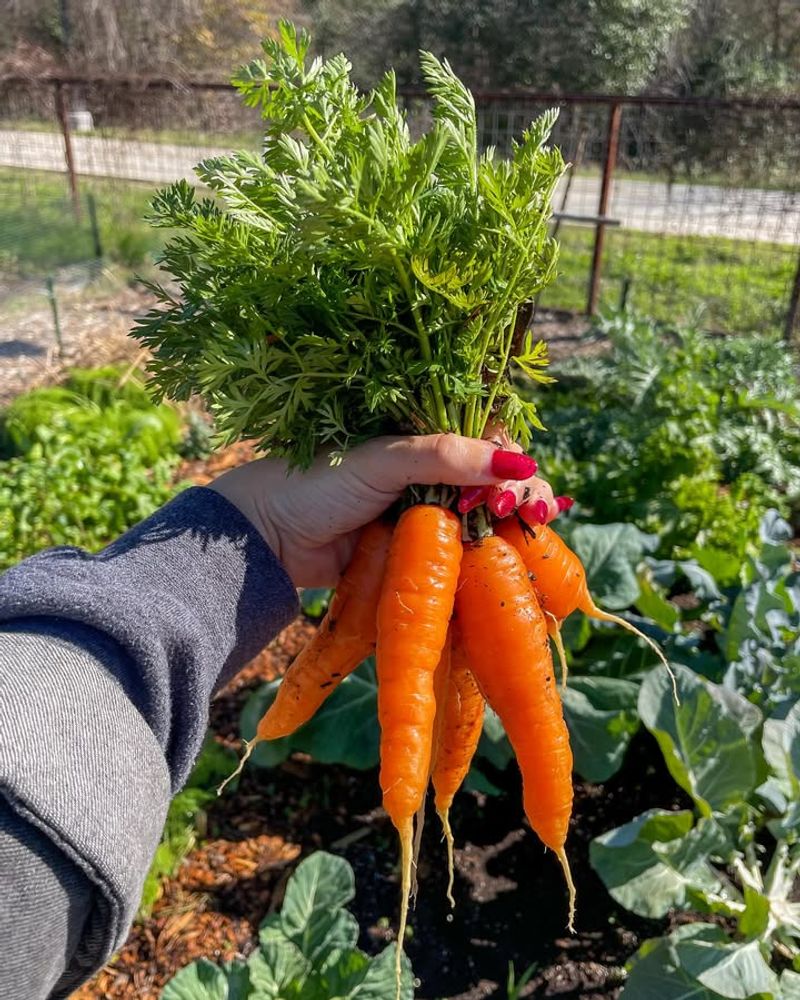
Timing your final vegetable harvest correctly can mean the difference between enjoying fresh produce and watching it turn to mush overnight.
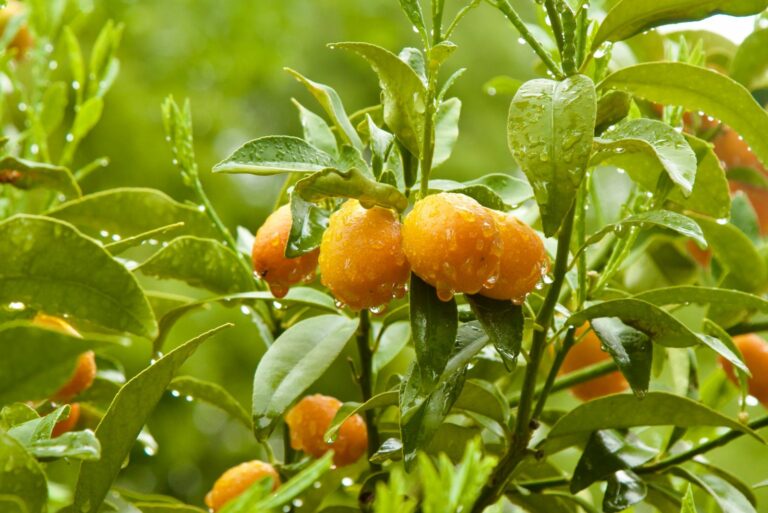
Frost-sensitive crops like tomatoes, peppers, cucumbers, squash, and beans should be picked before the first hard freeze, even if they haven’t fully ripened.
Green tomatoes can ripen indoors on a windowsill, and slightly immature peppers still taste delicious when cooked.
On the flip side, some vegetables actually improve after a light frost, developing sweeter flavors as starches convert to sugars.
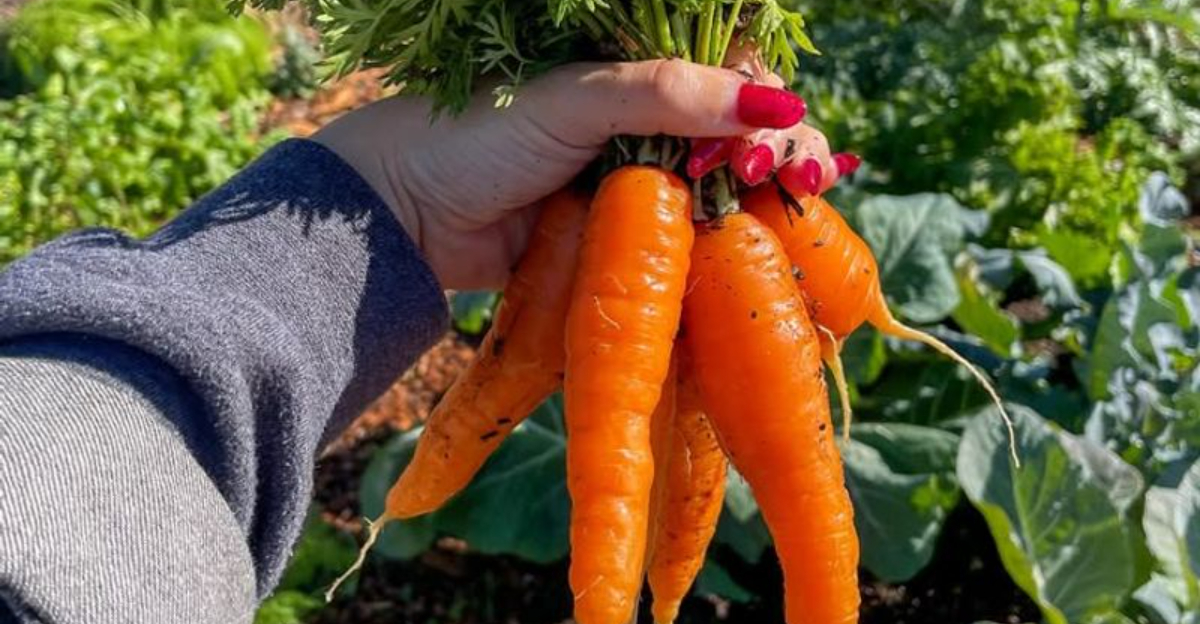
Carrots, kale, Brussels sprouts, cabbage, and parsnips can safely remain in Pennsylvania gardens through several freezes, often tasting better after cold exposure.
Check your local frost forecast and plan a pre-freeze harvesting session for tender crops, bringing in everything you want to save.
Root vegetables can be left in the ground and harvested as needed, provided you add a thick layer of mulch to keep soil from freezing solid.
Pennsylvania gardeners blessed with Indian summer weather sometimes get lulled into complacency, only to lose entire harvests to an unexpected early freeze.
Stay alert to changing forecasts, and when in doubt, harvest early rather than risk losing your hard-earned vegetables to one cold night.
6. Disconnect And Drain Garden Hoses
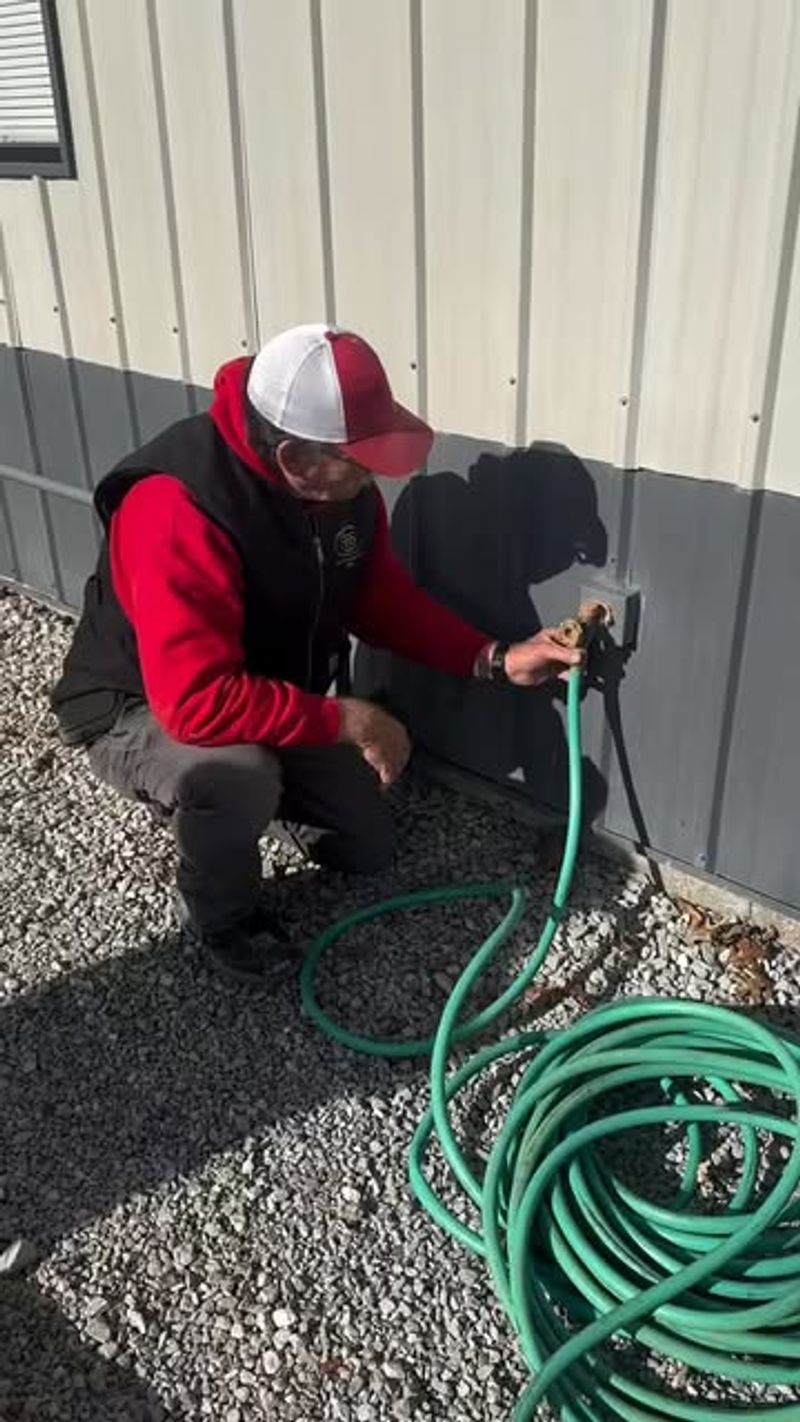
Water expands when it freezes, and that simple fact of physics can cause expensive damage to garden hoses, outdoor faucets, and even interior plumbing if you’re not careful.
A hose left connected to an outdoor spigot traps water that freezes during the first hard freeze, potentially cracking the faucet, the pipe behind it, or the hose itself.
Disconnecting and draining hoses before freezing weather arrives is one of the easiest and most overlooked garden winterization tasks.
Remove hoses from all outdoor faucets, drain them completely by holding one end high and walking the length to push water out, then coil and store them in a garage or shed.
Turn off interior shut-off valves that supply outdoor faucets if your home has them, and open the outdoor faucet to allow any remaining water to drain out.
Pennsylvania’s freeze dates vary by region, with northern areas seeing hard freezes weeks before southern counties, so check your local climate patterns.
Some homeowners install frost-free outdoor faucets that drain automatically, but even these work better when hoses are disconnected.
This five-minute task saves you from discovering burst pipes or cracked faucets come spring, along with the costly repairs and water damage that follow.
Make hose disconnection part of your fall garden closing routine every year.
7. Use Cloches Or Cold Frames For Extra Protection
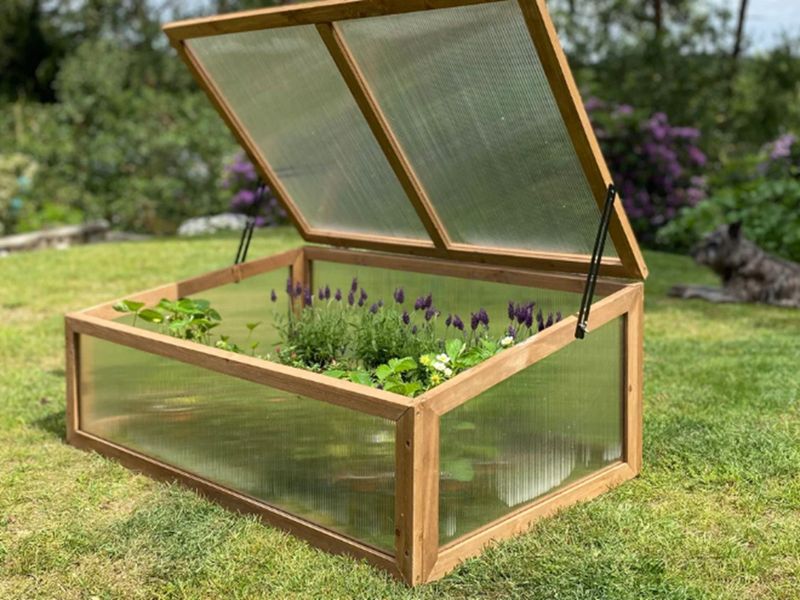
Cloches and cold frames create miniature greenhouses that trap solar warmth and shield plants from wind, frost, and temperature extremes.
These simple structures can extend your growing season by weeks, allowing lettuce, spinach, arugula, and other greens to thrive well into Pennsylvania’s chilly autumn.
Glass or plastic cloches placed over individual plants act like protective domes, while cold frames cover entire beds with transparent lids that open for ventilation.
The air inside these enclosures warms during sunny days and cools more slowly at night, maintaining temperatures several degrees higher than the surrounding garden.
Even a few degrees can prevent freeze damage to seedlings and tender greens during early-season cold snaps.
You can buy ready-made cloches and cold frames, or build your own from old windows, PVC pipe, and clear plastic sheeting.
Position them in spots that receive maximum sunlight, and remember to prop lids open on warm days to prevent overheating.
Pennsylvania’s variable fall weather makes these tools especially valuable, as they provide flexible protection you can adjust day by day.
Monitor temperatures inside with a simple thermometer, and vent or remove covers when conditions warm up.
This investment pays dividends for serious gardeners who want to harvest fresh salads and herbs long after neighbors have closed up their gardens for the season.
8. Delay Pruning Until Spring
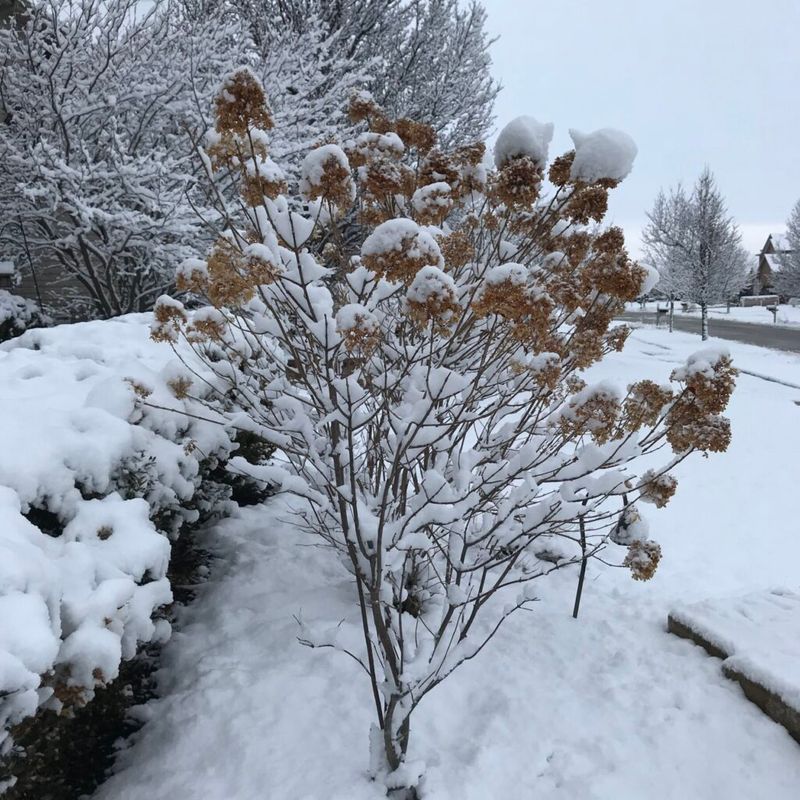
Your first instinct might be to tidy up the garden before winter, cutting back perennials and trimming shrubs into neat shapes.
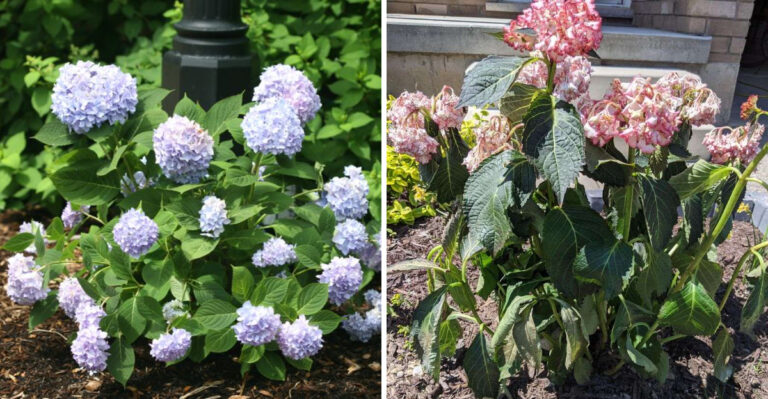
However, pruning before a freeze can backfire spectacularly, as cuts stimulate new growth that emerges tender and vulnerable just as cold weather intensifies.
Pennsylvania gardeners who prune too early often watch helplessly as fresh shoots get zapped by frost, weakening plants and sometimes causing permanent damage.
Leaving plants unpruned through winter provides natural protection, as older growth insulates crowns and roots from temperature extremes.
Spent flower stalks and seed heads also add visual interest to winter landscapes and provide food for birds navigating the lean months.
Wait until early spring, after the last hard freeze, to tackle major pruning tasks.
At that point, you can clearly see which branches suffered winter damage and need removal, and new growth will emerge into warming weather rather than face immediate cold stress.
There are exceptions to this rule, particularly for plants that bloom on new wood or have specific pruning requirements, but the general principle holds true.
Resist the urge to cut everything back in fall, even if your garden looks a bit shaggy.
That untidy appearance serves a purpose, protecting your investment through Pennsylvania’s unpredictable winter weather and setting plants up for vigorous spring growth.
9. Move Houseplants Away From Drafty Windows
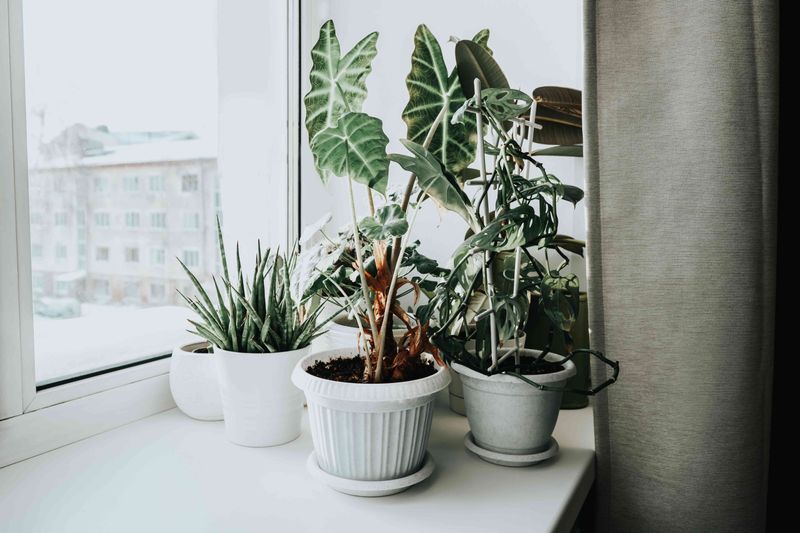
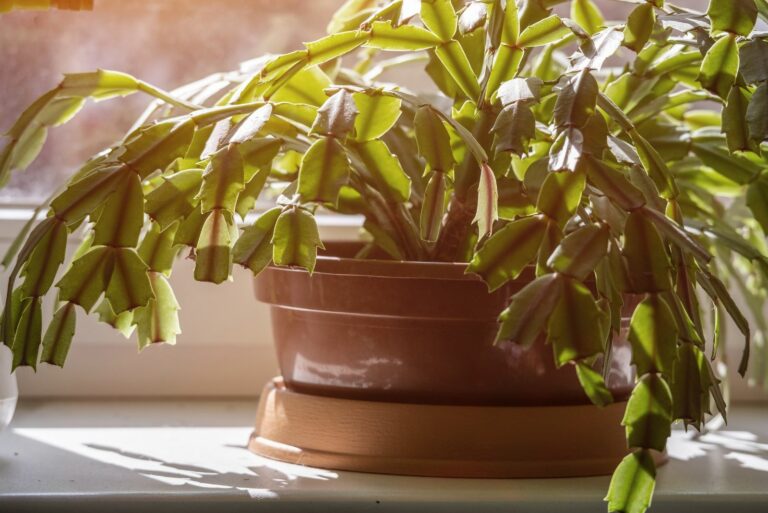
Indoor plants that thrived near sunny windows all summer can suddenly struggle when the first freeze arrives and window glass becomes a cold barrier.
Temperatures near windows drop significantly on freezing nights, creating microclimates that stress tropical houseplants accustomed to stable warmth.
Even a few hours in a cold draft can cause leaf drop, browning, or slowed growth in sensitive species like ficus, orchids, and prayer plants.
Pennsylvania homes often develop cold spots near older windows where drafts sneak in around frames and sashes.
Walk around your home on a cold evening with your hand near windows to identify problem areas, then relocate houseplants to warmer interior locations.
You don’t need to move plants far, just a few feet away from the window can make a meaningful difference.
Balance this with light requirements, as plants still need adequate brightness to photosynthesize properly.
Consider adding sheer curtains that insulate windows while still allowing light through, or group plants together away from glass where they create their own humid microclimate.
Monitor your houseplants closely during the first few freezes, watching for signs of cold stress like wilting, yellowing, or leaf drop.
Making these small adjustments now prevents bigger problems later and keeps your indoor garden thriving through Pennsylvania’s coldest months ahead.
10. Monitor Local Frost Advisories Closely
Pennsylvania’s autumn weather can swing wildly from warm and pleasant to freezing within days, making local frost advisories your most valuable planning tool.
The National Weather Service issues frost and freeze warnings when conditions favor overnight temperature drops that threaten plants, usually giving gardeners 24 to 48 hours’ notice.
These advisories consider not just temperature but also wind speed, humidity, and cloud cover, all of which affect how severely cold impacts gardens.
Sign up for weather alerts on your smartphone, follow local meteorologists on social media, or check weather apps that send push notifications for frost warnings in your specific area.
Pennsylvania’s varied topography means frost dates differ significantly between valleys, hillsides, and urban areas, so county-level forecasts matter more than statewide predictions.
When a frost advisory appears, review your protection checklist: cover tender plants, water soil, bring in containers, and harvest vulnerable vegetables.
Having a plan ready means you can act quickly rather than scrambling at the last minute.
Some Pennsylvania regions see first frosts in late September, while others enjoy mild weather into November, so local knowledge beats general guidelines every time.
Stay connected to reliable weather sources throughout fall, and you’ll rarely get caught off guard by an unexpected freeze that damages your garden overnight.