7 Places Ohio Homeowners Should Never Plant A Tree According To Experts
Planting a tree in Ohio feels like a good deed—but put it in the wrong spot, and it becomes a long-term problem.
Experts warn that poor placement leads to root damage, safety hazards, and costly removal.
Ohio’s soil shifts and freeze-thaw cycles magnify these issues over time.
What looks harmless today can cause serious trouble tomorrow.
Knowing where not to plant is just as important as choosing the right tree.
Smart placement protects both your home and your investment.
1. Directly Over Underground Utility Lines
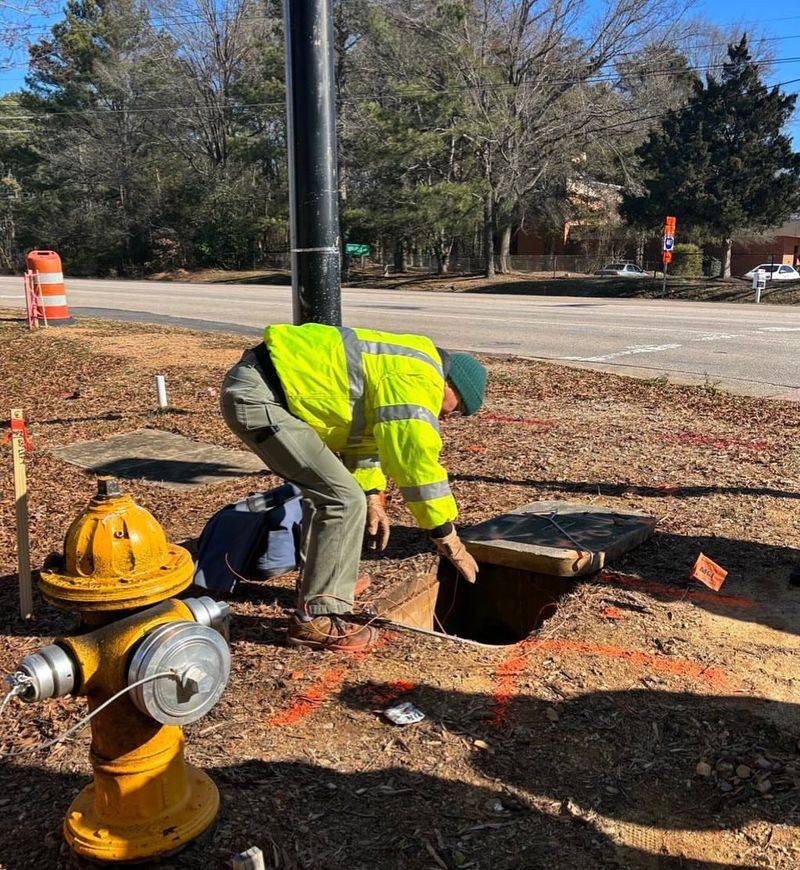
Ohio gardening professionals consistently warn homeowners about one of the most dangerous planting mistakes: positioning trees directly above buried utility lines.
Water mains, sewer pipes, gas lines, and electrical cables run beneath many residential properties, and tree roots naturally seek out moisture and nutrients as they expand underground.
When roots infiltrate these systems, the consequences can range from expensive to catastrophic.
Roots can crack sewer lines, causing backups and requiring excavation that costs thousands of dollars to repair.
Gas line interference creates genuine safety hazards that put entire neighborhoods at risk.
Even if roots don’t directly damage utilities, future repairs become incredibly complicated when workers must cut through established root systems to access the lines beneath.
Before you dig, Ohio law requires homeowners to call 811 at least two business days in advance.
This free service brings utility companies to mark underground lines with color-coded flags and paint, showing you exactly where pipes and cables run.
Experts recommend maintaining at least ten feet of clearance from marked utilities when selecting tree locations.
The financial liability falls squarely on property owners when their trees damage utility infrastructure.
Insurance may not cover these costs, especially when proper precautions weren’t taken.
Repair crews may need to remove your tree entirely to fix damaged lines, wasting years of growth and your initial investment.
Smart planning prevents these headaches before they start, protecting both your property and community infrastructure for the long term.
2. Too Close To A Home’s Foundation
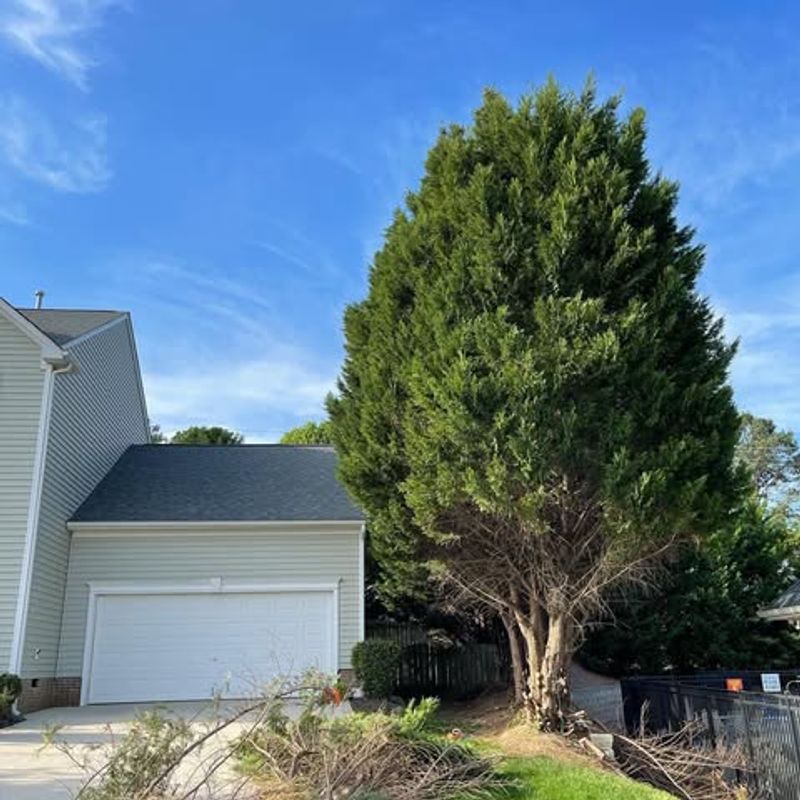
Foundation damage ranks among the costliest repairs homeowners face, and planting trees too close to your house practically invites structural problems.
Ohio’s challenging freeze-thaw cycles make this issue particularly serious for Buckeye State residents.
As temperatures swing wildly between winter cold and spring warmth, soil expands and contracts repeatedly, and nearby tree roots amplify these movements considerably.
Large tree roots grow surprisingly close to the surface, extending outward one to three times the distance of the visible canopy above.
These powerful roots absorb massive amounts of moisture from surrounding soil, causing the ground to shrink during dry periods.
When soil pulls away from foundation walls, cracks develop that allow water infiltration, leading to basement flooding and structural instability over time.
Experts recommend maintaining a minimum distance equal to the tree’s mature height when planting near foundations.
For a tree expected to reach forty feet tall, plant it at least forty feet from your home’s walls.
This guideline accounts for both root spread and the potential for falling branches during Ohio’s severe thunderstorms and ice events.
Your Ohio Garden Changes Every Week. Your Plan Should Too.
Gardening in Ohio changes quickly throughout the season. Every Friday you’ll receive a simple weekly plan showing exactly what to plant, prune, fertilize, harvest, and protect so you never miss the right timing.
Certain species pose greater risks than others due to aggressive root systems.
Willows, poplars, and silver maples send roots questing for water with particular vigor, making them especially poor choices near buildings.
Even smaller ornamental trees can cause problems when planted in narrow spaces between houses.
Foundation repairs typically start at several thousand dollars and escalate quickly depending on damage severity, making proper tree placement one of the smartest preventive investments Ohio homeowners can make for their property’s long-term stability and value.
3. Under Or Near Overhead Power Lines
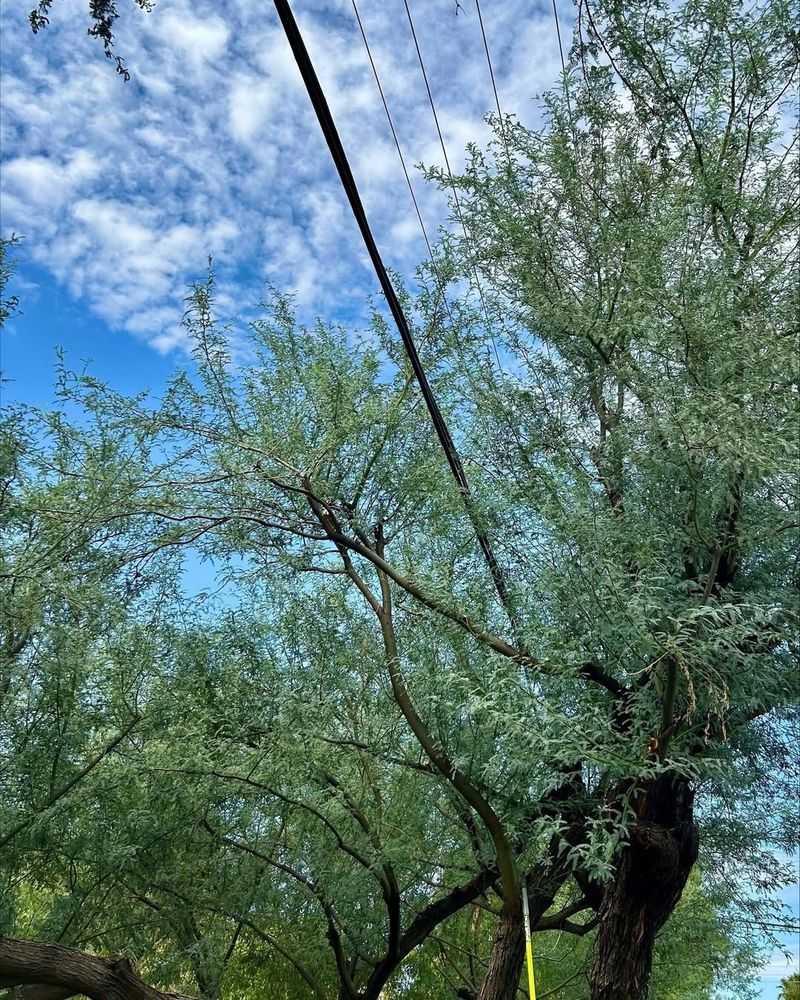
Overhead power lines create ongoing conflicts when trees grow beneath or beside them, according to arborists and utility professionals throughout Ohio.
What starts as a small sapling eventually reaches upward into electrical infrastructure, creating safety hazards and maintenance headaches that last for decades.
Utility companies must trim trees near power lines regularly, and their pruning practices prioritize safety and reliability over aesthetics, often leaving trees with unnatural, unattractive shapes.
When branches contact electrical lines during storms or high winds, they can cause power outages affecting entire neighborhoods.
Arcing electricity can ignite tree limbs, starting fires that threaten homes and property.
Even without direct contact, branches swaying too close to lines create dangerous situations, especially during Ohio’s frequent ice storms when accumulated weight pulls limbs downward into electrical equipment.
Utility companies have legal rights to trim or remove trees interfering with power lines, and homeowners cannot refuse this maintenance.
Professional line-clearance crews visit regularly, and their aggressive pruning often leaves trees looking butchered and misshapen.
Many homeowners find these pruning results so unsightly they eventually remove the tree entirely, wasting years of growth and the original planting investment.
Gardening experts recommend selecting low-growing species that mature below fifteen feet when planting must occur near overhead lines.
Better yet, choose locations away from utility corridors entirely, saving your tree from a lifetime of severe pruning.
Before planting, look upward to identify power lines, telephone cables, and other overhead infrastructure.
That perfect planting spot directly beneath the wires guarantees future frustration, so select an alternative location where your tree can develop its natural form without interference from utility maintenance requirements or safety concerns.
4. In Poorly Drained Or Flood-Prone Areas
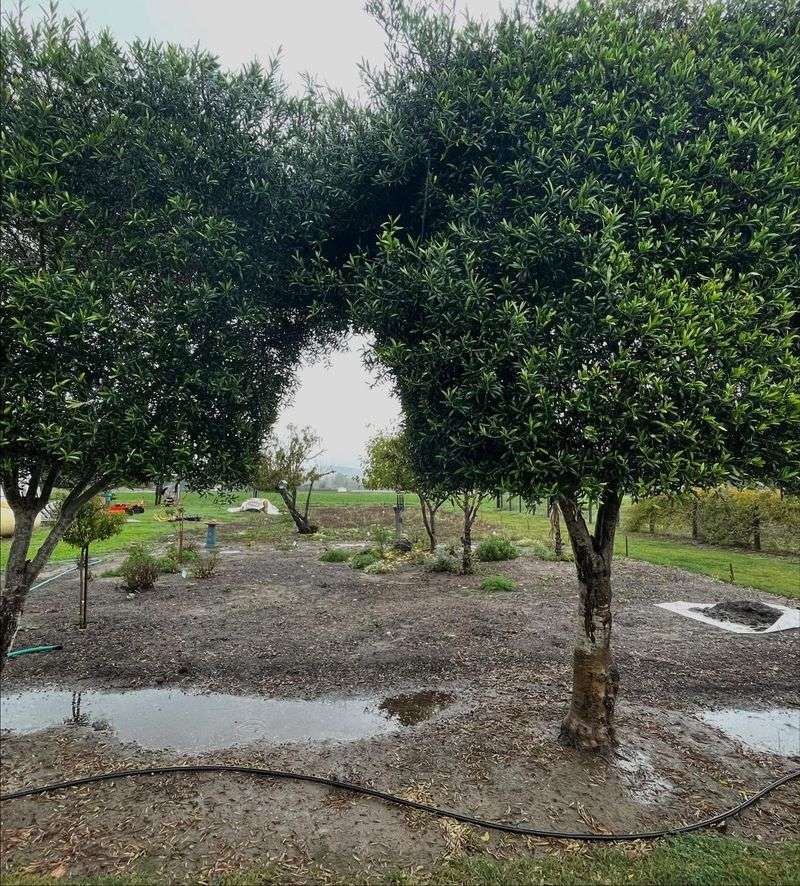
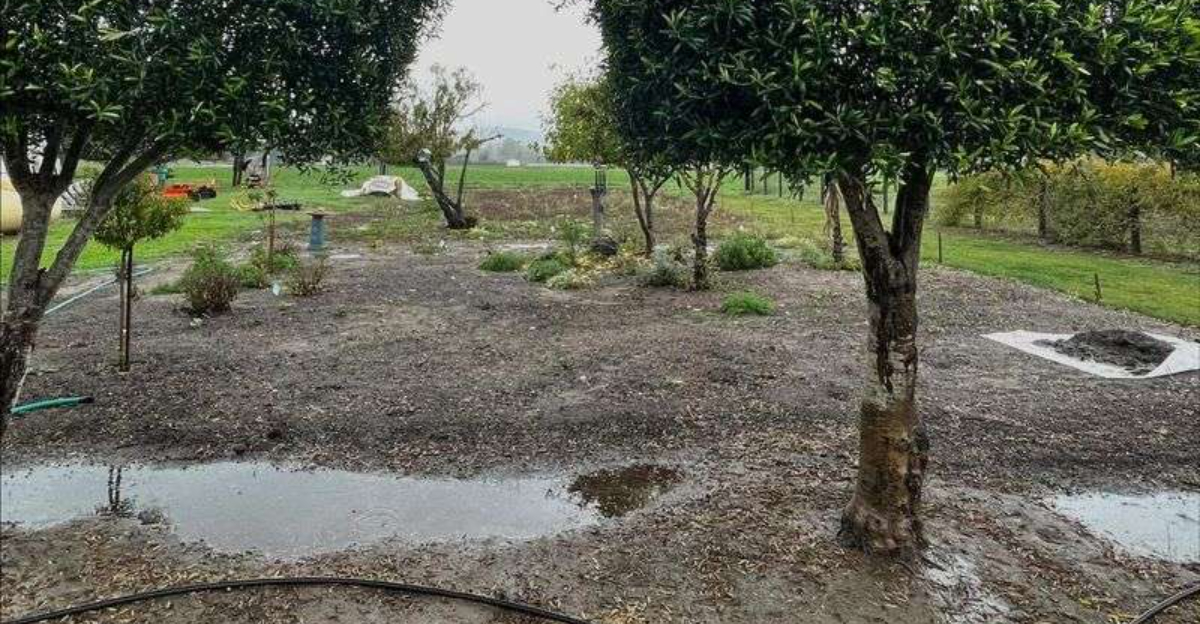
Many Ohio properties include low-lying areas where water collects after heavy rains, and these spots represent terrible choices for most tree species.
Standing water suffocates tree roots by displacing oxygen in the soil, and Ohio’s heavy clay soils compound this problem by holding moisture for extended periods.
Roots need to breathe, and waterlogged conditions essentially drown them, causing decline and eventual failure regardless of how much you care for the tree otherwise.
Compacted clay soil, common throughout much of Ohio, drains poorly even during moderate rainfall.
When you add seasonal flooding or areas where snow melt accumulates, the situation becomes even worse for tree health.
Roots sitting in saturated soil become stressed and vulnerable to diseases, particularly root rot fungi that thrive in wet conditions.
These problems develop slowly, often taking years before visible symptoms appear in the canopy above, by which point significant damage has already occurred underground.
Certain neighborhoods built on former wetlands or near streams face recurring drainage issues that make tree establishment particularly challenging.
Before selecting a planting location, observe your yard during and after heavy rains to identify problem areas where water stands for more than a few hours.
These spots need drainage improvements before they can support healthy tree growth, or you should choose alternative planting locations entirely.
If you love a low-lying area and insist on planting there, select species specifically adapted to wet conditions.
River birch, bald cypress, and certain oak varieties tolerate periodic flooding better than most trees.
However, even these moisture-tolerant species prefer well-drained soil and perform best when water doesn’t stand continuously.
Proper site selection according to drainage patterns saves you from watching your investment slowly decline despite your best efforts to keep it healthy and thriving.
5. Too Close To Driveways, Sidewalks, Or Patios
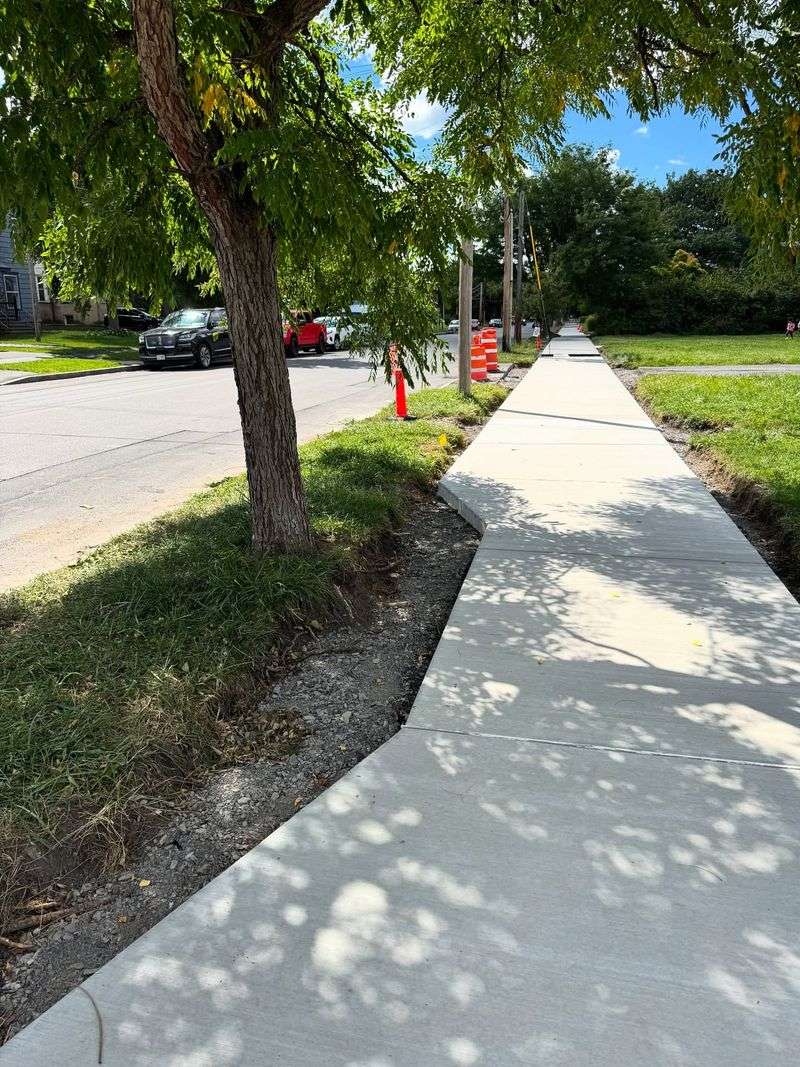
Concrete and asphalt surfaces seem permanent when freshly installed, but tree roots possess surprising strength to lift, crack, and destroy hardscaping over time.
Ohio homeowners frequently underestimate how far roots spread laterally and how much force they exert as they expand.
What begins as a hairline crack develops into serious structural damage requiring expensive repairs or complete replacement of driveways, walkways, and patio surfaces.
Surface roots create additional problems beyond structural damage to hardscaping materials.
Lifted sections of sidewalk become tripping hazards that expose property owners to liability when visitors stumble and sustain injuries.
Insurance claims and lawsuits can result from seemingly minor sidewalk damage, making proper tree placement a genuine liability concern.
Municipal codes often require homeowners to maintain safe, level sidewalks, and you may face fines if roots create dangerous conditions on public walkways adjacent to your property.
Experts recommend maintaining at least six to eight feet between trees and paved surfaces, though larger species need even greater distances.
Consider the tree’s mature size and known root behavior when planning placement near hardscaping.
Species with aggressive surface roots like silver maples, willows, and poplars need particularly wide buffers from paved areas to prevent future conflicts.
Repairing root-damaged concrete isn’t simple or cheap, with costs often running several thousand dollars depending on the affected area.
Removing the offending roots may temporarily solve the hardscape problem but severely stresses or even compromises the tree’s stability and health.
Many homeowners eventually face the difficult choice between keeping their tree or maintaining safe, attractive hardscaping.
Avoiding this dilemma entirely by selecting appropriate planting locations away from driveways, sidewalks, and patios represents the wisest approach for long-term property maintenance and enjoyment of both trees and outdoor living spaces.
6. In Narrow Planting Strips Or Small Tree Lawns
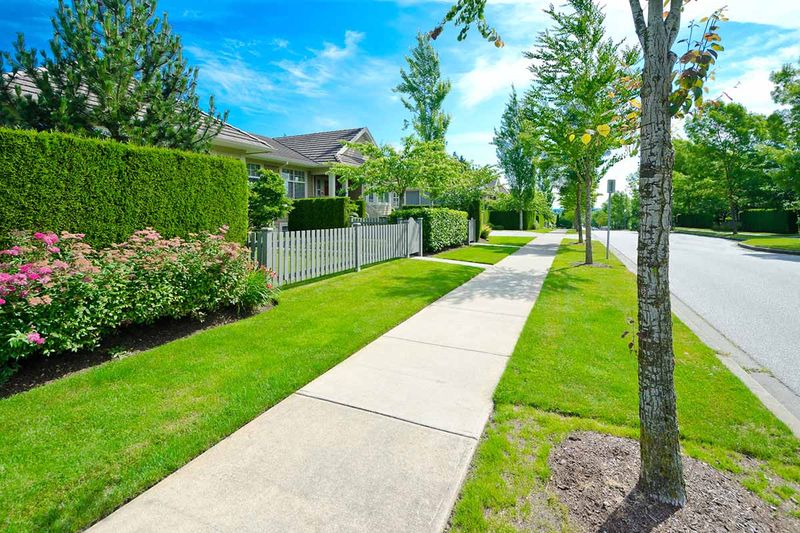
Those narrow strips of grass between sidewalks and streets appear convenient for tree planting, but gardening experts warn these confined spaces create extremely challenging growing conditions.
Tree lawns, as these strips are called, typically measure just four to six feet wide, providing woefully inadequate room for healthy root development.
Ohio municipalities often encourage street tree planting, yet these restricted spaces doom many trees to stunted growth and premature decline despite good intentions.
Soil compaction presents a major challenge in tree lawns, where foot traffic and occasional vehicle encroachment compress the earth into concrete-like density.
Compacted soil prevents roots from expanding properly and blocks water infiltration, leaving trees chronically stressed.
Road salt applied during Ohio’s snowy winters washes into these planting strips, building up toxic concentrations that burn foliage and damage roots throughout the growing season.
Few trees tolerate heavy salt exposure, and those planted in tree lawns often show brown leaf edges and thinning canopies as symptoms of salt stress.
Limited root space in narrow planting strips forces roots to grow under sidewalks and into the street, where they encounter even more compacted soil and infrastructure.
These stressed trees become more susceptible to diseases, insect problems, and storm damage.
Many tree lawn plantings require removal within fifteen to twenty years, never achieving the mature beauty or environmental benefits that motivated the original planting decision.
If you must plant in a tree lawn, select tough, compact species specifically bred for urban conditions.
Certain cultivars of honeylocust, serviceberry, and ornamental pears show better tolerance for these challenging sites.
However, whenever possible, choose more generous planting locations where trees can develop proper root systems and reach their full potential.
Your yard likely offers better spots that will reward you with healthier, longer-lived trees that enhance rather than frustrate your landscaping efforts over the decades ahead.
7. Where Mature Size Is Not Fully Considered
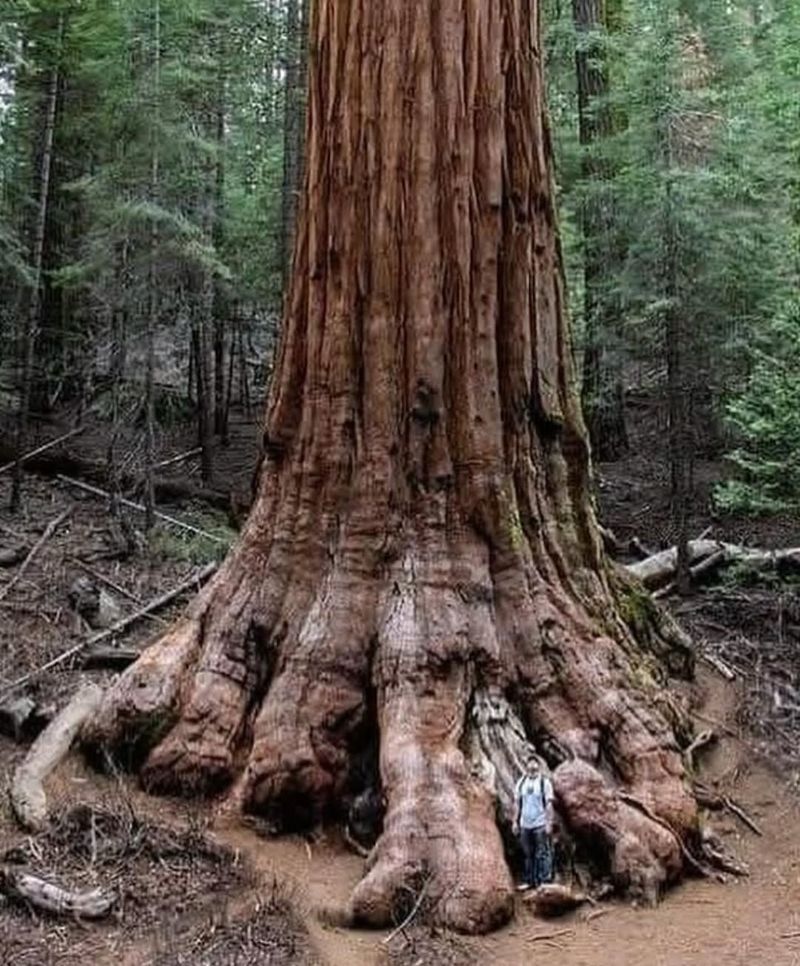
Perhaps the most common mistake Ohio homeowners make involves choosing planting locations without researching how large their tree will eventually become.
That adorable sapling at the nursery looks perfect in almost any spot, but fast-forward twenty years and you may have a massive specimen crowding your house, blocking windows, or overshadowing your entire yard.
Gardening experts emphasize that mature size consideration represents the single most important factor in successful tree placement, yet it’s the detail most frequently overlooked by eager planters.
Different species vary dramatically in their ultimate dimensions, and even within a single species, cultivars may range from compact to enormous.
A sugar maple can easily reach seventy-five feet tall with a sixty-foot canopy spread, while a Japanese maple might stop at fifteen feet in height.
Planting the wrong tree in a small yard creates overcrowding that forces difficult decisions years later when removal becomes the only practical solution.
Mature trees cost considerably more to remove than young specimens, and extracting a large tree near buildings requires expensive professional equipment and carries risks to nearby structures.
Overhead clearance matters as much as horizontal space when considering mature size.
Trees planted beneath roof eaves or near chimneys eventually scrape against buildings, dropping leaves and debris into gutters while creating pathways for pests to access your home.
Branches overhanging roofs accelerate shingle deterioration and provide squirrel highways directly to your attic spaces.
Before selecting a planting location, research your chosen species thoroughly to learn its mature height and spread.
Imagine the full-grown tree in that spot, considering how it will relate to buildings, power lines, other plants, and neighboring properties.
That extra research investment takes just minutes but prevents decades of regret, ensuring your tree enhances rather than overwhelms your landscape while growing into the magnificent specimen you envisioned when you first brought it home from the nursery.