11 Perennials North Carolina Gardeners Should Never Grow According To Horticulturists
In North Carolina, it’s easy to assume that if a perennial is popular, it must be a safe bet.
But horticulturists say some of the most commonly planted perennials are also the ones most likely to cause frustration, failure, or outright regret.
Between the state’s humidity, heavy rainfall, and long growing season, certain plants simply spiral out of control—or collapse entirely.
These problem perennials may look appealing at the garden center, but once they hit North Carolina soil, their true personalities emerge.
Some attract relentless pests and diseases, others spread aggressively beyond their boundaries, and a few just never perform well in the heat.
What’s worse, many demand constant intervention, turning low-maintenance dreams into high-stress chores.
Garden experts warn that knowing what not to plant is just as important as choosing the right additions.
By skipping these perennials altogether, North Carolina gardeners save time, money, and energy—and create landscapes that thrive naturally instead of constantly fighting back.
In gardening, restraint isn’t giving up. It’s playing the long game wisely.
1. Purple Loosestrife (Lythrum Salicaria)
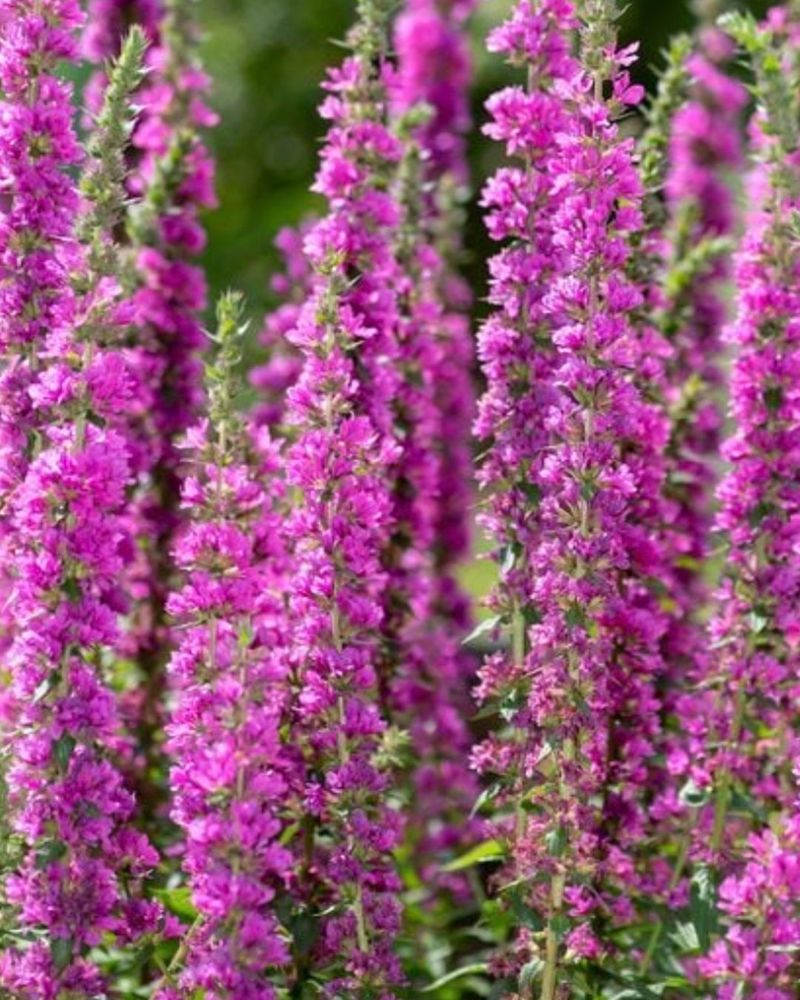
Purple loosestrife may produce stunning magenta flower spikes, but horticulturists warn that this beauty comes at a devastating environmental cost.
Originally brought from Europe as an ornamental plant, it has become one of the most problematic wetland invaders in North America.
A single mature plant can produce over two million seeds annually, allowing it to spread rapidly through marshes, stream banks, and wet meadows.
In North Carolina’s wetland areas, purple loosestrife forms dense stands that choke out native plants like cattails, sedges, and rushes.
These native species provide essential food and habitat for waterfowl, fish, and other wildlife.
When purple loosestrife takes over, wildlife populations suffer dramatically because they cannot use this invasive plant for food or shelter.
The plant’s aggressive root system also alters water flow patterns and changes soil chemistry in wetland ecosystems.
Many North Carolina counties have spent thousands of dollars trying to control established populations.
Horticulturists emphasize that prevention is the only effective strategy, as removal becomes nearly impossible once the plant establishes itself.
Gardeners should choose native alternatives like swamp milkweed or cardinal flower for wet areas instead.
These native plants provide similar visual appeal while supporting local ecosystems and wildlife populations.
2. Japanese Knotweed (Fallopia Japonica)
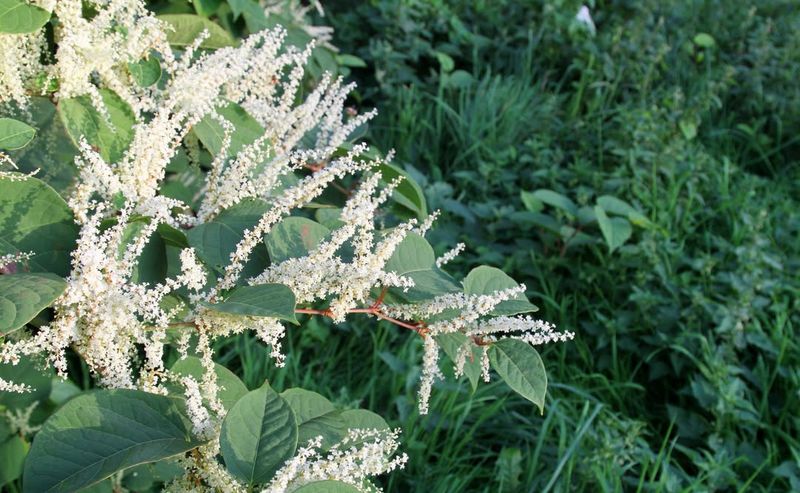
Few plants strike fear into the hearts of horticulturists quite like Japanese knotweed.
This perennial has earned its reputation as one of the most destructive invasive species in the entire United States.
Its bamboo-like stems can grow up to ten feet tall in a single season, creating impenetrable thickets that exclude all other vegetation.
What makes Japanese knotweed particularly dangerous is its incredibly aggressive underground rhizome system.
These rhizomes can extend twenty feet horizontally and penetrate seven feet deep into the soil.
They can push through concrete foundations, crack driveways, damage underground utilities, and even compromise building structures.
In North Carolina, property values have decreased significantly when Japanese knotweed infestations are discovered during home inspections.
Your North Carolina Garden Changes Every Week. Your Plan Should Too.
Gardening in North Carolina changes quickly throughout the season. Every Friday you’ll receive a simple weekly plan showing exactly what to plant, prune, fertilize, harvest, and protect so you never miss the right timing.
The plant spreads through tiny rhizome fragments, meaning even small pieces left behind during removal can regenerate entire colonies.
Professional removal often requires years of repeated treatments and can cost thousands of dollars.
Horticulturists strongly advise that this plant should never be introduced to any landscape under any circumstances.
Its ecological impact is equally severe, as it displaces native riparian vegetation and reduces biodiversity along streams and rivers.
North Carolina gardeners should report any sightings to local extension offices to help prevent further spread.
3. English Ivy (Hedera Helix)
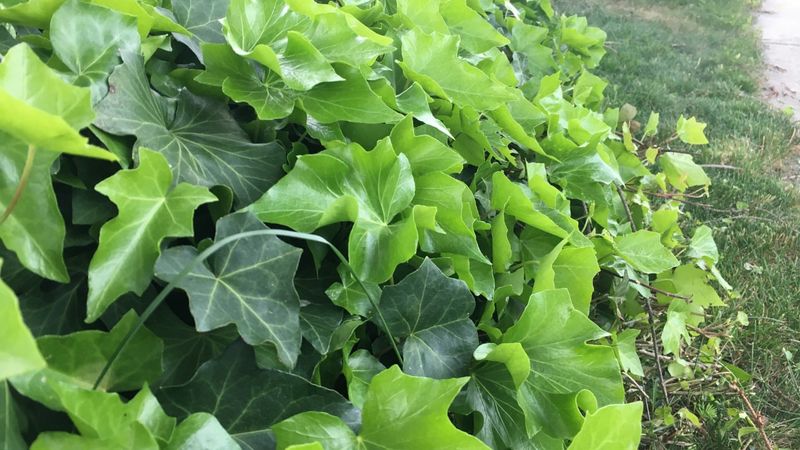
English ivy has long been a popular choice for covering walls and providing evergreen groundcover, but horticulturists now strongly discourage outdoor planting.
This seemingly innocent vine possesses a dark side that becomes apparent once it escapes cultivated areas.
The plant readily climbs trees using aerial rootlets, eventually covering trunks and canopies with dense foliage mats.
When ivy completely envelops a tree’s bark, it prevents photosynthesis and traps moisture against the trunk, creating conditions favorable for decay and disease.
The added weight of mature ivy vines makes trees much more susceptible to wind damage and structural failure during storms.
In North Carolina’s forests, English ivy has become a serious ecological threat, smothering native understory plants and preventing tree regeneration.
Birds spread the seeds into natural areas, where the plant forms impenetrable carpets that exclude native wildflowers and ferns.
Forest ecosystems suffer because the native plants that ivy replaces typically provide food and habitat for insects, birds, and other wildlife.
Removal from established trees is labor-intensive and can damage bark if not done carefully.
Horticulturists recommend using native alternatives like Carolina jessamine or crossvine for vertical interest.
If you already have English ivy, keep it strictly contained and consider replacing it with less aggressive options.
4. Periwinkle / Vinca (Vinca Minor)
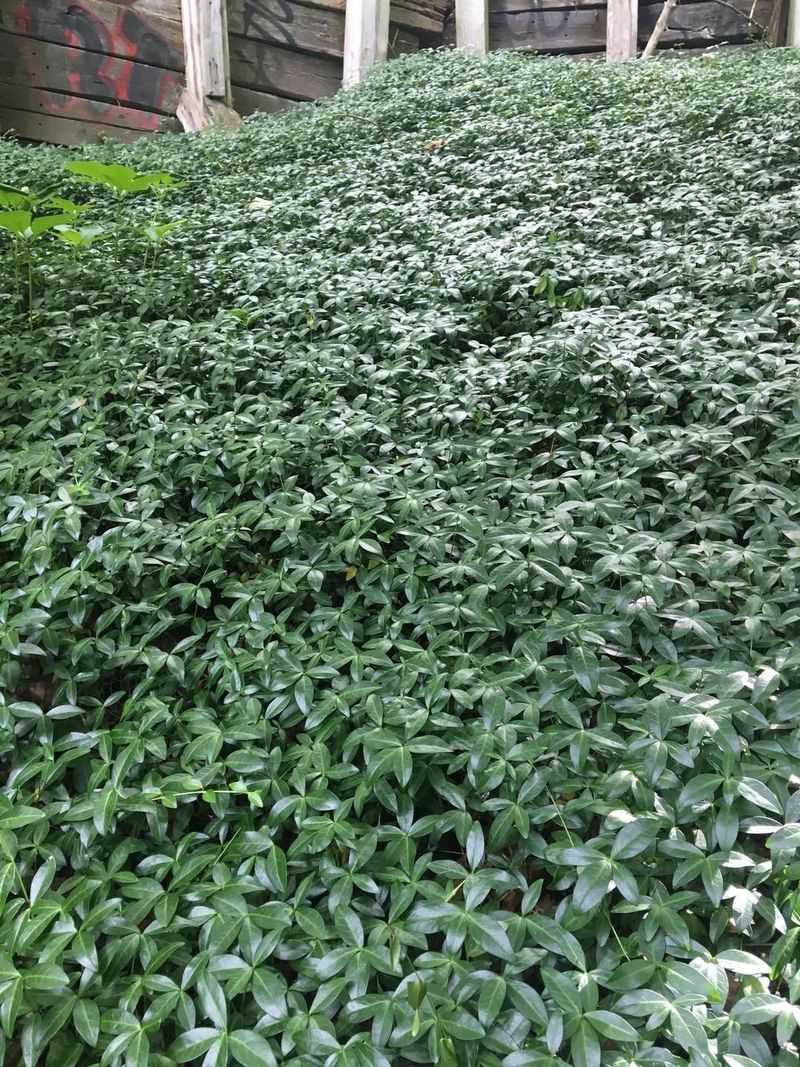
Periwinkle was once recommended by landscapers as the perfect solution for shady areas where grass struggles to grow.
However, modern horticulturists have changed their tune as they’ve witnessed this groundcover’s aggressive behavior in natural settings.
Vinca minor spreads through trailing stems that root at every node, creating dense mats that exclude virtually all other plant life.
What starts as a tidy groundcover in your garden can quickly escape into adjacent woodlands and natural areas.
In North Carolina’s forests, periwinkle has become a significant problem, carpeting forest floors and preventing native wildflowers from establishing.
Spring ephemerals like trilliums, bloodroot, and wild ginger cannot compete with vinca’s dense growth and allelopathic chemicals.
These native wildflowers are essential food sources for early-season pollinators emerging from winter dormancy.
When periwinkle replaces them, pollinator populations decline, creating cascading effects throughout the ecosystem.
The plant also provides poor habitat value for wildlife compared to native groundcovers.
Once established in natural areas, periwinkle is extremely difficult to remove because any stem fragment left behind can regenerate.
Horticulturists recommend native alternatives like wild ginger, green-and-gold, or foam flower for shady groundcover needs.
These native options provide similar coverage while supporting local ecosystems and requiring less maintenance over time.
5. Yellow Archangel (Lamiastrum Galeobdolon)
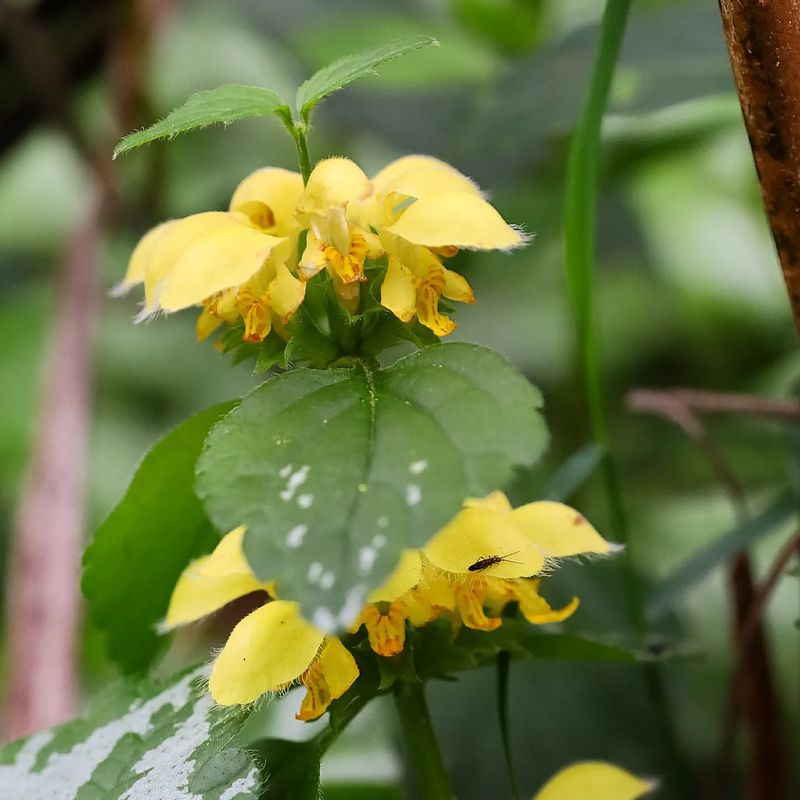
Yellow archangel arrived in North Carolina gardens as an ornamental groundcover prized for its attractive variegated foliage and cheerful yellow blooms.
Gardeners initially appreciated how well it tolerated shade and how quickly it filled in bare spots under trees.
Unfortunately, this rapid growth became its downfall as horticulturists observed its aggressive escape from cultivated beds.
The plant spreads through stolons that root easily, allowing it to move quickly into adjacent natural areas.
In shaded forests and woodland edges, yellow archangel forms dense monocultures that smother native herbaceous plants.
North Carolina’s native woodland wildflowers simply cannot compete with this aggressive spreader.
The plant continues growing actively even during mild winters, giving it a competitive advantage over native species that go dormant.
Horticulturists have documented yellow archangel infestations in nature preserves, parks, and conservation areas across the state.
Each new infestation represents countless hours of volunteer labor and conservation funding diverted to control efforts.
The plant’s ability to regenerate from tiny stem fragments makes eradication extremely challenging once it establishes in natural settings.
Experts now recommend avoiding yellow archangel entirely, even in contained garden settings, because escape is almost inevitable.
Native alternatives like wild ginger or Allegheny spurge provide similar shade tolerance and visual appeal without the invasive tendencies.
6. Chameleon Plant (Houttuynia Cordata)
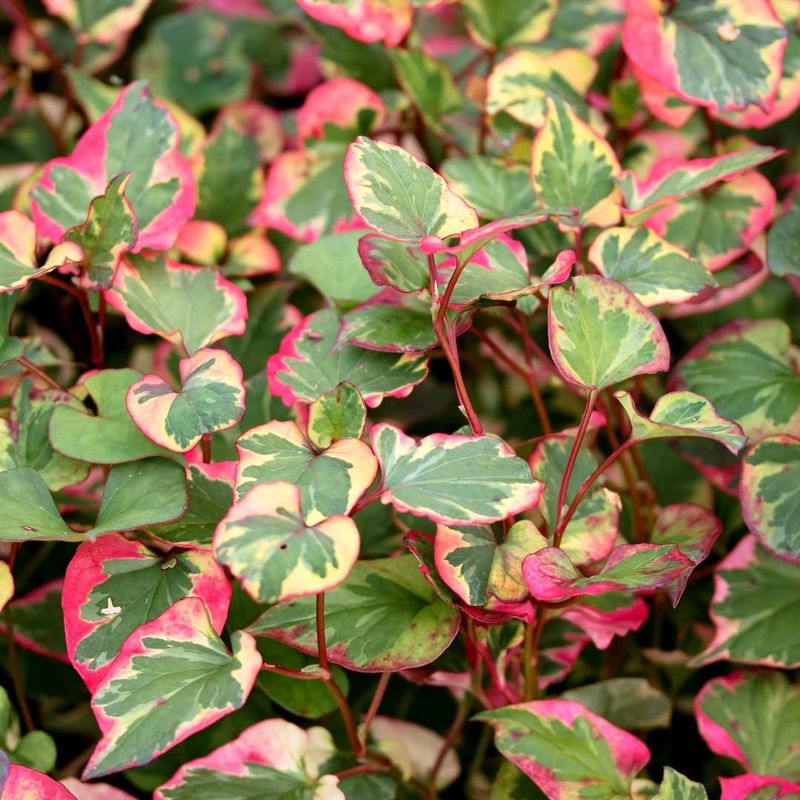
Chameleon plant tempts gardeners with its stunning multicolored foliage featuring splashes of red, cream, yellow, and green.
Nurseries often market it as an attractive groundcover for moist areas, but horticulturists issue strong warnings about this deceptive beauty.
Beneath the soil surface lurks an aggressive network of rhizomes that spread with alarming speed and tenacity.
Once planted, chameleon plant quickly escapes its intended boundaries and invades lawns, flower beds, and neighboring properties.
The underground rhizomes can travel several feet in a single growing season, popping up in unexpected locations far from the original planting.
In North Carolina’s humid climate, the plant thrives and spreads even more aggressively than in cooler regions.
Removal becomes a gardener’s worst nightmare because any rhizome fragment left behind will regenerate into a new colony.
Digging often spreads the problem by breaking rhizomes into multiple pieces that each become new plants.
Chemical control is difficult because the waxy leaves resist herbicide absorption, and the rhizomes store energy underground.
Horticulturists have heard countless stories from frustrated homeowners who spent years battling chameleon plant infestations.
Many experts consider it one of the worst planting mistakes a gardener can make in North Carolina.
If you want colorful foliage in moist areas, consider native alternatives like coral bells or foamflower instead.
7. Mint (Planted Directly In The Ground)
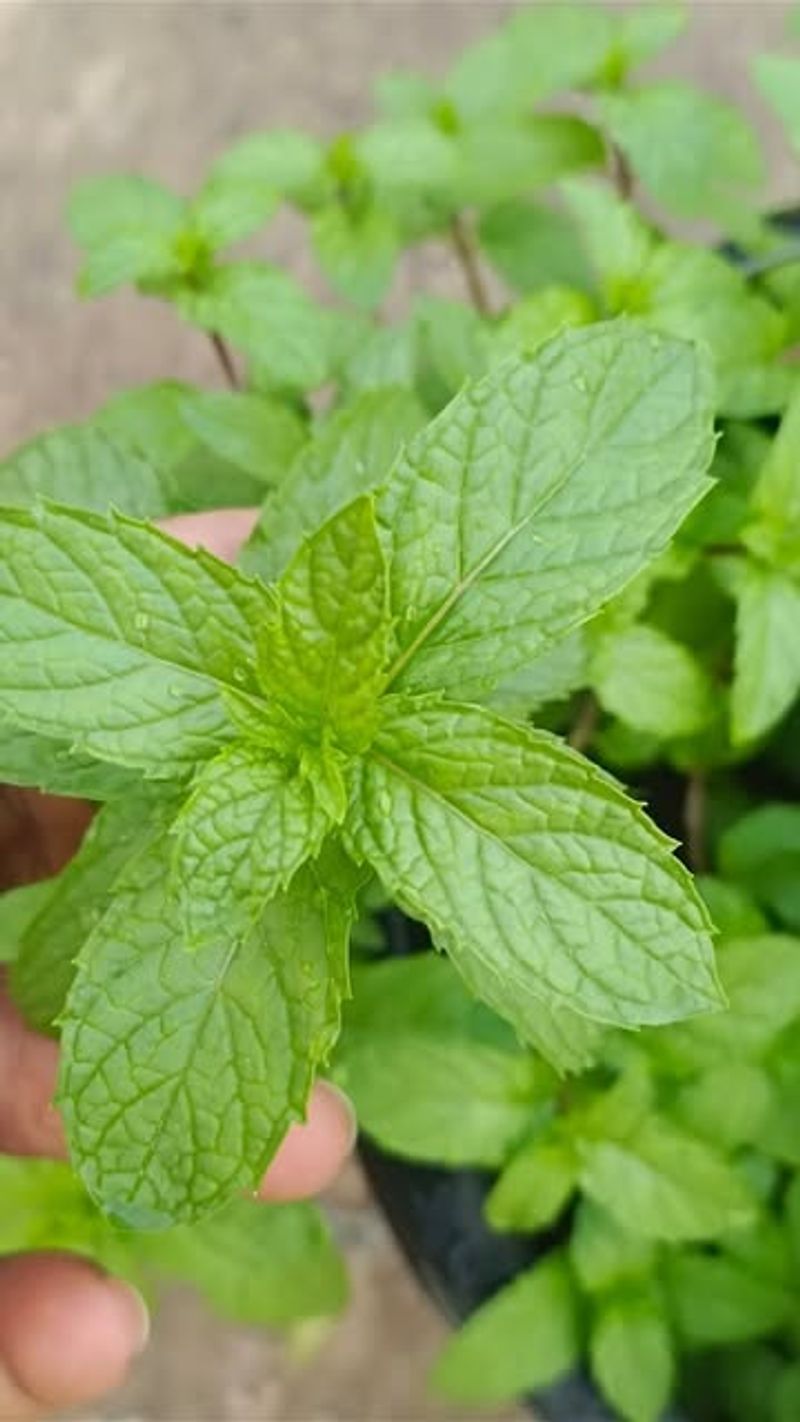
Mint’s delightful fragrance and culinary uses make it a tempting addition to any herb garden.
However, horticulturists consistently advise against planting any mint species directly in garden soil.
These aromatic herbs spread through aggressive underground runners that can travel several feet in all directions.
What begins as a small clump of peppermint or spearmint can quickly become a garden-dominating monoculture.
In North Carolina’s favorable growing conditions, mint spreads even more vigorously than in cooler climates.
The runners invade flower beds, vegetable gardens, and lawns, competing with desired plants for nutrients and water.
Mint’s aggressive growth habit can actually reduce yields in nearby vegetable crops by monopolizing resources.
Once established, mint is remarkably difficult to eliminate because every tiny piece of root left behind can regenerate.
Tilling actually worsens the problem by chopping roots into multiple pieces that each become new plants.
Horticulturists recommend growing mint exclusively in containers, which confines the roots and prevents unwanted spread.
Choose pots at least twelve inches deep and place them on patios or decks rather than directly on soil.
This containment strategy allows you to enjoy fresh mint for cooking and beverages without the headache of constant control efforts.
Several gardeners have learned this lesson the hard way after years of battling mint invasions.
8. Bamboo (Running Types)
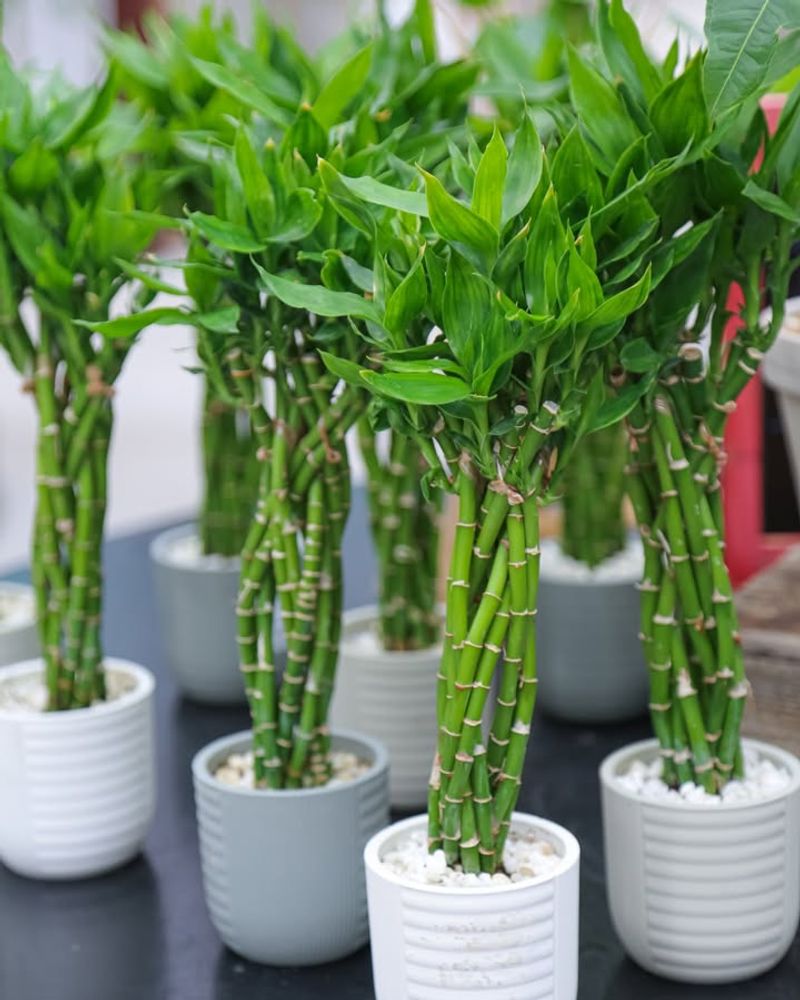
Bamboo’s exotic appearance and rapid growth make it appealing for privacy screens and Asian-themed landscapes.
However, running bamboo species have earned notorious reputations that have led many North Carolina communities to restrict or ban their planting.
Unlike clumping bamboo varieties, running types spread through aggressive underground rhizomes that travel astonishing distances.
These rhizomes can extend twenty feet or more from the parent plant, emerging in neighbors’ yards, under driveways, and through foundation walls.
In North Carolina’s mild climate, running bamboo grows year-round, allowing rhizomes to spread continuously rather than seasonally.
The rhizomes are remarkably strong, capable of cracking concrete, lifting pavement, and damaging underground utilities.
Property disputes between neighbors frequently arise when bamboo crosses property lines and becomes nearly impossible to control.
Professional removal often requires excavation to depths of three feet or more and can cost thousands of dollars.
Even after extensive removal efforts, tiny rhizome fragments left behind can regenerate entire groves.
Horticulturists emphasize that barriers must extend at least thirty inches deep and be made of specialized materials to effectively contain running bamboo.
Most homeowners underestimate the expense and difficulty of proper containment systems.
Experts strongly recommend clumping bamboo varieties instead, which stay in tight clusters and pose minimal invasion risk for North Carolina gardens.
9. Ajuga (Ajuga Reptans)
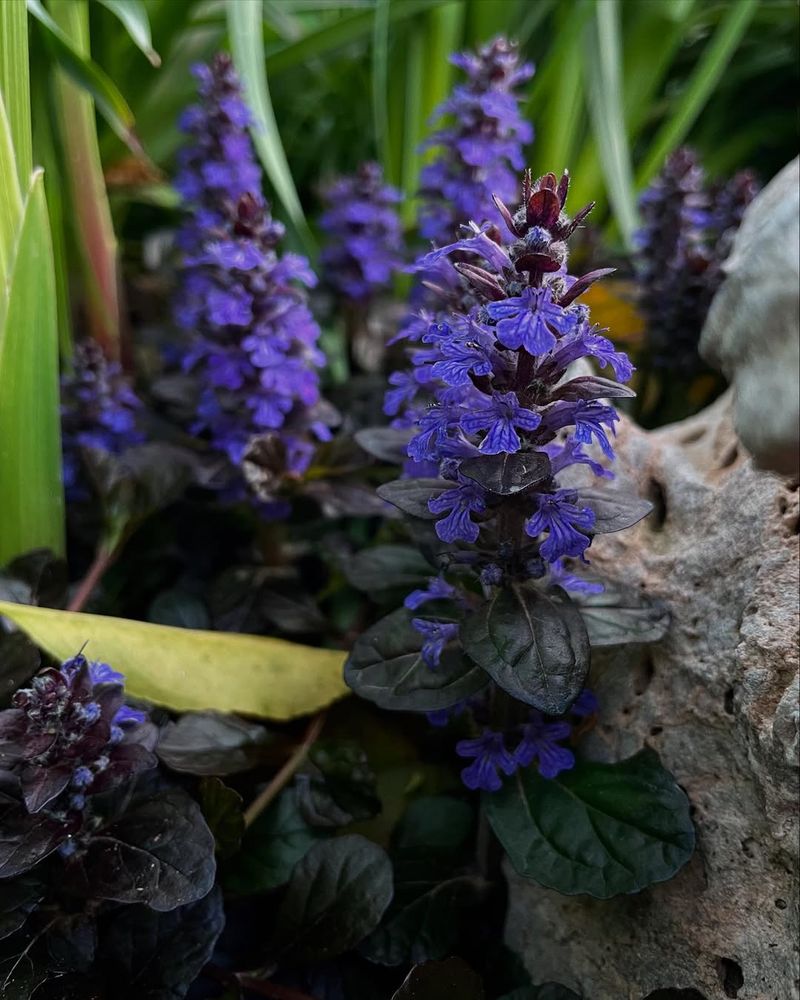
Ajuga, commonly called bugleweed, has been a landscaping staple for decades thanks to its attractive foliage and spring flower spikes.
Garden centers continue selling it as a well-behaved groundcover, but horticulturists increasingly view this plant with concern.
While ajuga behaves reasonably well in some garden settings, it frequently escapes into lawns and natural areas.
The plant spreads through stolons that root at nodes, allowing it to move steadily outward from original plantings.
In North Carolina’s moist, shaded areas, ajuga thrives and spreads more aggressively than in drier climates.
Woodland edges and stream banks provide ideal conditions where ajuga forms dense mats that exclude native groundcovers.
Native wildflowers and ferns cannot compete with ajuga’s dense growth and rapid spread.
The plant’s evergreen leaves give it a competitive advantage, allowing it to photosynthesize while native plants remain dormant.
Lawn invasions are particularly frustrating because ajuga tolerates mowing and actually spreads faster when repeatedly cut.
Removal requires digging out all roots and stolons, which is labor-intensive and often incomplete.
Horticulturists note that ajuga provides minimal ecological value compared to native groundcovers that support local insects and wildlife.
Better alternatives include native options like wild ginger, green-and-gold, or woodland phlox, which provide similar coverage without invasive tendencies.
These natives also support pollinator populations and integrate harmoniously into existing ecosystems.
10. Gooseneck Loosestrife (Lysimachia Clethroides)
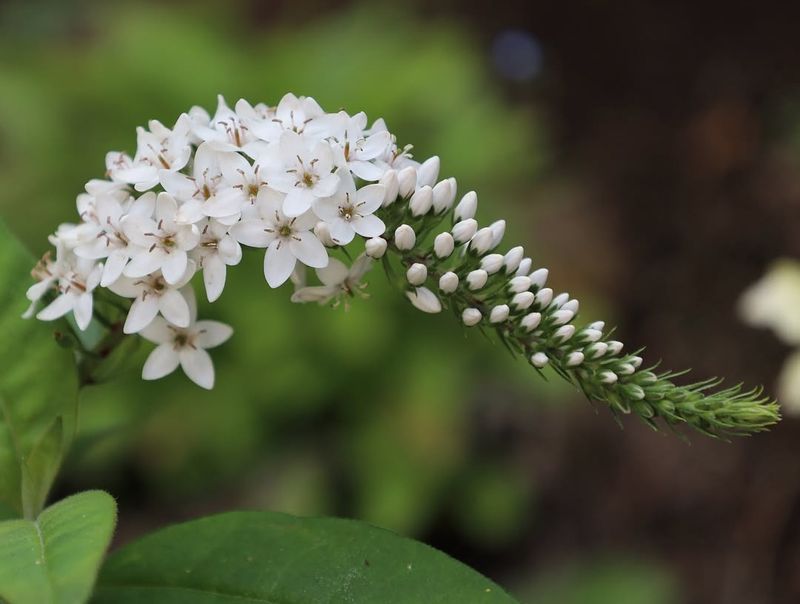
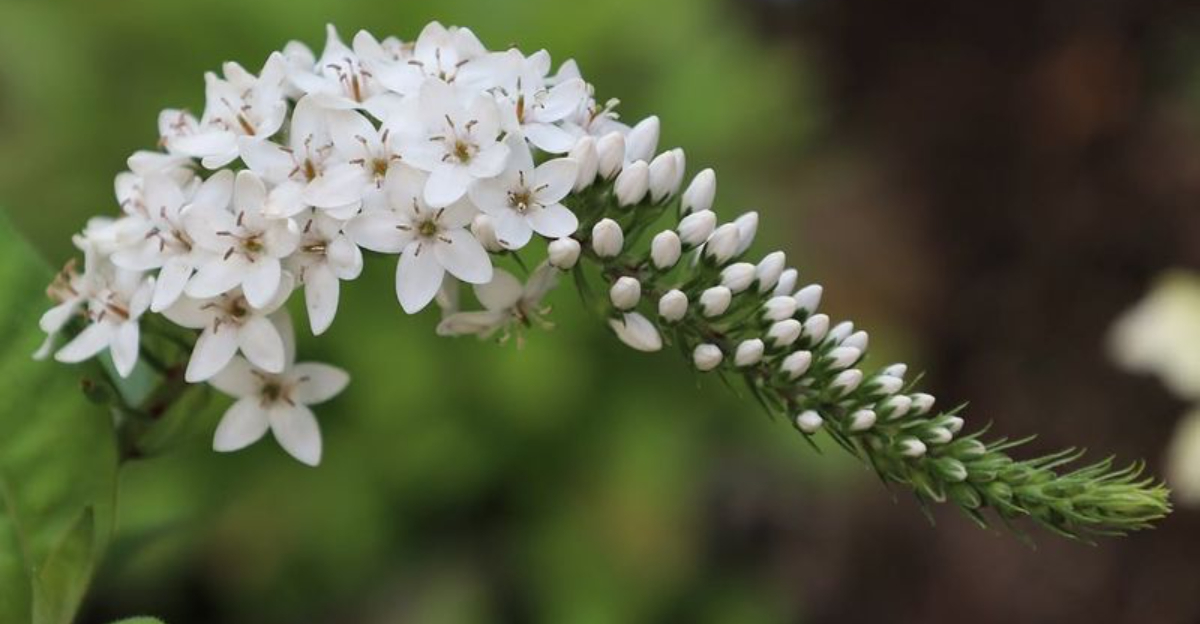
Gooseneck loosestrife catches gardeners’ eyes with its unique curved flower spikes that resemble graceful swan necks.
The elegant white blooms appear in midsummer when many other perennials have finished flowering.
Despite its ornamental appeal, horticulturists across North Carolina warn strongly against introducing this plant to home landscapes.
Beneath the soil, gooseneck loosestrife produces vigorous rhizomes that spread rapidly in all directions.
A single plant can expand into a colony covering dozens of square feet within just two or three growing seasons.
In North Carolina’s fertile soils and ample rainfall, the plant spreads even more aggressively than in less favorable conditions.
The rhizomes travel underground, popping up throughout flower beds and invading adjacent lawns and garden areas.
Once established, gooseneck loosestrife forms dense colonies that crowd out other perennials and reduce garden diversity.
Many gardeners report spending years trying to eliminate this plant after initially welcoming it into their borders.
Removal requires digging out the entire rhizome network, which is extensive and easily breaks into fragments that regenerate.
Horticulturists frequently hear regret from homeowners who wish they had never planted this aggressive spreader.
Native alternatives like white turtlehead or culver’s root provide similar white summer flowers without the invasive behavior.
These natives also support specialist pollinators and integrate well with other garden plants.
11. Japanese Pachysandra (Pachysandra Terminalis)
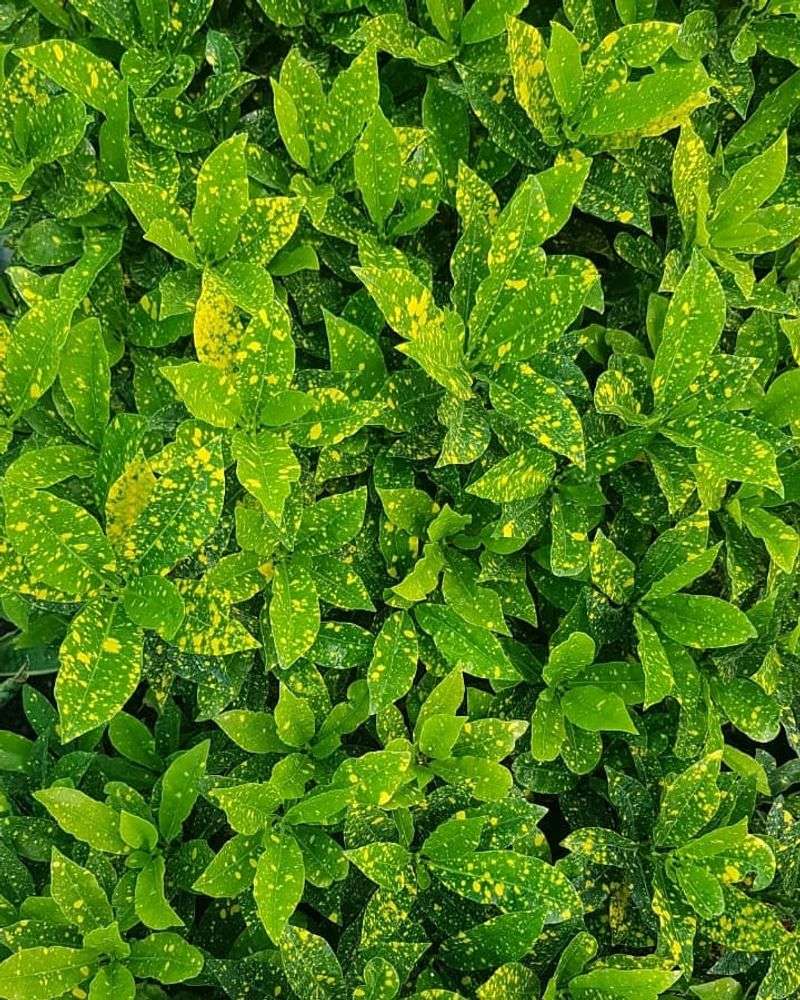
Japanese pachysandra has been a landscaping favorite for generations, particularly valued for its evergreen foliage and shade tolerance.
Countless commercial properties, apartment complexes, and older residential landscapes feature extensive plantings of this groundcover.
However, contemporary horticulturists now recommend avoiding this once-beloved plant due to its increasingly recognized invasive behavior.
Pachysandra spreads through underground rhizomes and surface runners, gradually expanding beyond intended planting areas.
In North Carolina’s forests, escaped pachysandra forms dense carpets that prevent native wildflowers and tree seedlings from establishing.
Forest regeneration becomes impaired when pachysandra dominates the understory, preventing oak, hickory, and other tree seedlings from surviving.
The plant’s allelopathic properties may inhibit germination and growth of native species, compounding its negative impacts.
Wildlife finds little value in pachysandra, as it provides neither food nor quality habitat compared to native groundcovers.
Horticulturists note that forests with pachysandra invasions show significantly reduced biodiversity and altered ecosystem functions.
The plant continues spreading through vegetative fragments, making control efforts challenging and often incomplete.
Native alternatives like Allegheny spurge provide similar evergreen groundcover for shade without the invasive tendencies.
Other excellent native options include wild ginger, foamflower, and partridgeberry, all of which support local ecosystems while providing attractive, low-maintenance groundcover for North Carolina gardens.