11 Wild Edible Plants North Carolina Gardeners Can Grow Safely
North Carolina gardeners stand on rich ground where tradition and opportunity cross paths.
Long before grocery aisles ruled the day, edible plants thrived in backyards, fence lines, and quiet corners of the landscape.
That legacy still waits at your doorstep.
With the right choices, a home garden can pull double duty, offering beauty and bite in the same breath.
Think fresh flavor without sticker shock, resilience without fuss, and food that earns its keep.
From piedmont clay to coastal sand, these plants play the long game, shrug off trouble, and reward patience.
Pull up a chair, roll up sleeves, and turn your plot into a living pantry that feels like money in the bank.
1. Dandelion
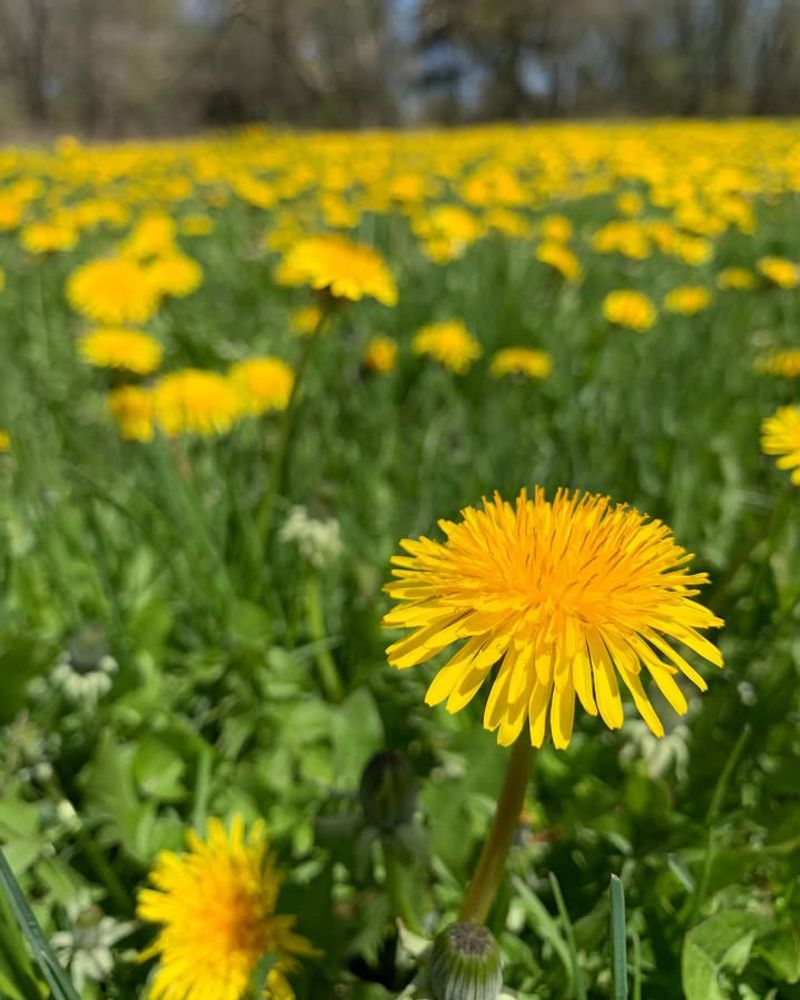
Bright yellow flowers and jagged leaves make dandelions one of the most recognizable plants in any yard.
Every part of this plant offers something useful, from the roots that can be roasted for tea to the leaves that add a slightly bitter kick to salads.
Dandelions grow almost anywhere with little care, making them perfect for beginners who want to experiment with wild edibles.
You can pick the young leaves in spring when they taste mildest, or wait until later in the season for a stronger flavor.
The flowers make beautiful garnishes and can even be turned into jelly or wine if you feel adventurous.
Dandelions also attract pollinators like bees, so they help support your garden ecosystem.
North Carolina’s mild winters allow dandelions to grow nearly year-round, giving you multiple harvests.
Just make sure you avoid picking dandelions from areas treated with lawn chemicals.
Once you start noticing them, you will realize how valuable these common plants truly are.
Growing dandelions intentionally means you control their environment and enjoy their benefits without worry.
2. Purslane
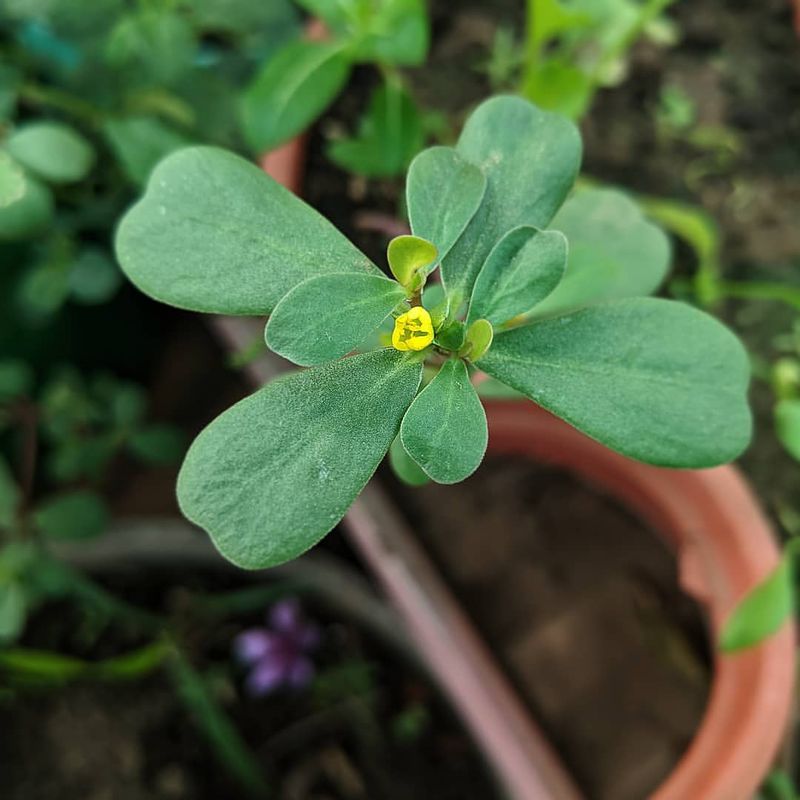
Many gardeners pull purslane out as a weed, not knowing they are tossing away a nutritional powerhouse.
This low-growing succulent has thick, paddle-shaped leaves that contain more omega-3 fatty acids than most leafy greens.
Purslane thrives in hot, dry conditions, making it ideal for North Carolina summers when other plants struggle.
Its mild, slightly tangy flavor works well in salads, stir-fries, or even as a crunchy topping for sandwiches.
You can harvest purslane continuously throughout the growing season by snipping off the tender stems and leaves.
The plant regrows quickly, so one small patch can provide weeks of fresh greens.
Purslane also tolerates poor soil and needs very little water once established.
Small yellow flowers appear in summer, adding a cheerful touch to your garden beds.
Some people pickle purslane stems or add them to soups for extra texture.
Growing purslane intentionally means you can enjoy its health benefits while reducing garden maintenance.
3. Chickweed
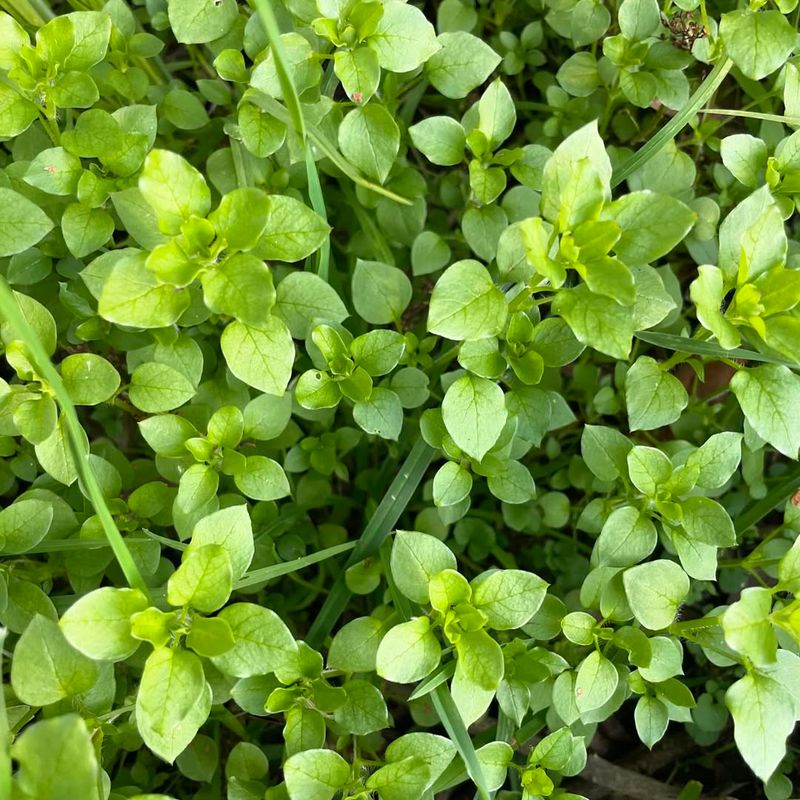
Soft, tender leaves and tiny white flowers make chickweed a delightful addition to spring salads.
This plant prefers cooler weather and often appears in North Carolina gardens during early spring and fall.
Chickweed has a mild, fresh taste similar to lettuce, making it perfect for people new to wild edibles.
Your North Carolina Garden Changes Every Week. Your Plan Should Too.
Gardening in North Carolina changes quickly throughout the season. Every Friday you’ll receive a simple weekly plan showing exactly what to plant, prune, fertilize, harvest, and protect so you never miss the right timing.
You can eat the entire above-ground portion of the plant, including stems, leaves, and flowers.
Many people add chickweed to smoothies or use it as a garnish for soups and stews.
The plant grows low to the ground and spreads quickly, forming a dense mat that helps suppress other weeds.
Chickweed also provides food for beneficial insects and songbirds in your garden.
Harvest chickweed by cutting handfuls with scissors, leaving some behind to regrow.
The plant contains vitamins and minerals that support overall health, especially during transitional seasons.
North Carolina’s moderate climate allows chickweed to thrive in shaded areas where other edibles might struggle.
Growing chickweed intentionally gives you a reliable source of fresh greens during cooler months.
4. Wood Sorrel

Heart-shaped leaves arranged in groups of three give wood sorrel a distinctive appearance that resembles clover.
This plant has a tangy, lemony flavor that comes from oxalic acid, making it a refreshing addition to salads or drinks.
Wood sorrel grows well in shaded areas, making it perfect for spots under trees where other edibles might not thrive.
You can find varieties with yellow, pink, or white flowers that add color to your garden throughout spring and summer.
The leaves fold up at night and reopen in the morning, creating an interesting visual display.
Wood sorrel works well as a garnish or can be muddled into water for a natural lemonade substitute.
North Carolina’s woodlands provide the perfect environment for this plant, but it adapts well to cultivated gardens too.
Harvest the leaves and flowers by pinching off what you need, allowing the plant to continue growing.
Some people use wood sorrel to add a citrus note to fish dishes or desserts.
The plant spreads through underground rhizomes, so it can fill in bare spots in your garden naturally.
5. Lamb’s Quarters
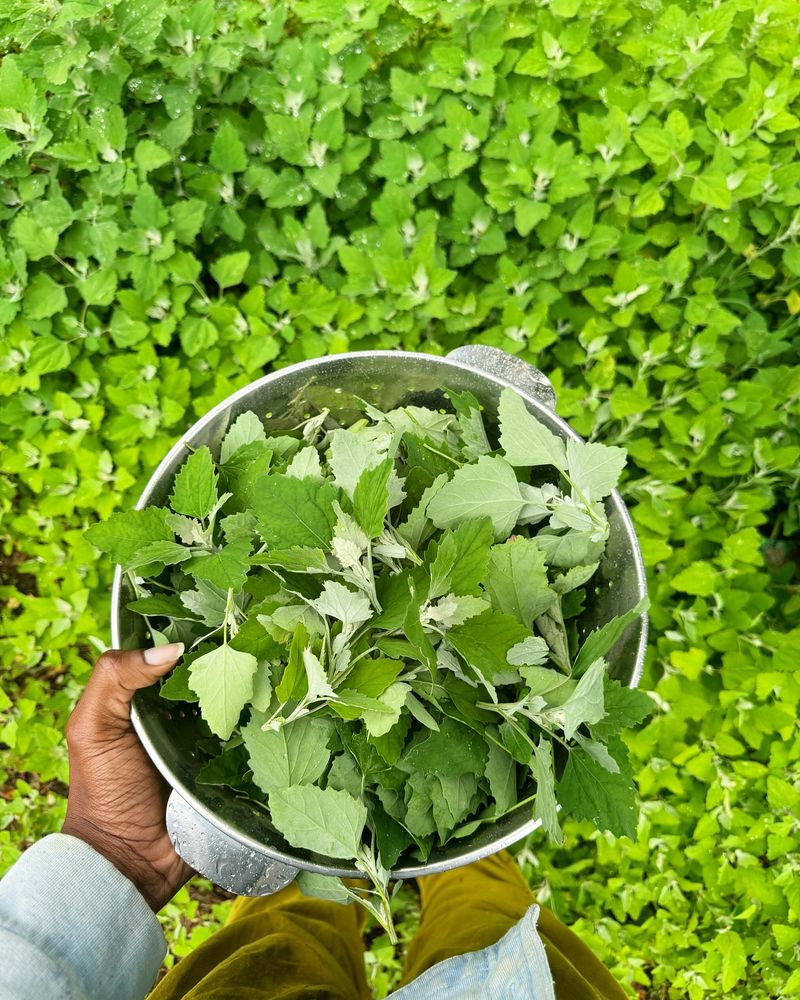
Often called wild spinach, lamb’s quarters deserves a place in every North Carolina garden for its incredible nutritional value.
The leaves have a dusty, gray-green appearance and taste similar to spinach but with a slightly nuttier flavor.
Lamb’s quarters grows quickly in spring and early summer, reaching several feet tall if you allow it to mature fully.
You can harvest the tender top leaves and shoots throughout the growing season for use in cooking.
This plant contains more protein, calcium, and iron than cultivated spinach, making it a superfood hiding in plain sight.
Lamb’s quarters tolerates various soil conditions and grows well in both sun and partial shade.
Many gardeners find it popping up on its own, but you can also plant seeds intentionally for a reliable crop.
The leaves cook down significantly, just like spinach, so harvest plenty for cooked dishes.
Young plants taste best, while older leaves can become tougher and more bitter.
North Carolina’s long growing season allows for multiple harvests if you keep picking the tender growth.
6. Violets
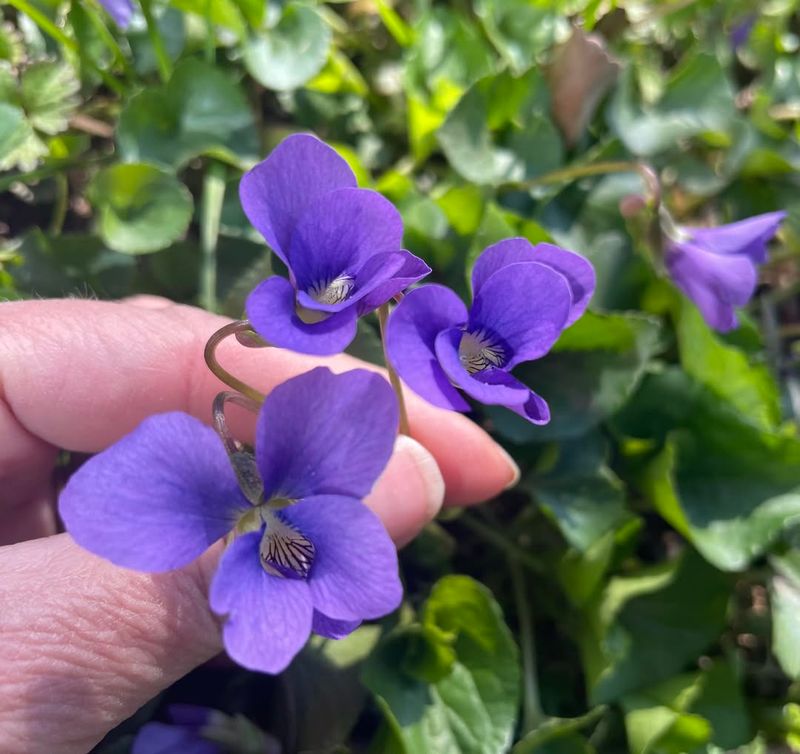
Delicate purple flowers and heart-shaped leaves make violets a charming addition to any North Carolina garden.
Both the flowers and leaves are completely edible, offering a mild, slightly sweet flavor.
Violets bloom in early spring, providing one of the first fresh harvests of the year.
You can toss the flowers into salads for color, crystallize them with sugar for cake decorations, or steep them in water for a beautiful tea.
The leaves contain high amounts of vitamins A and C, making them a nutritious addition to spring greens.
Violets prefer shaded or partially shaded areas and spread through underground runners to form attractive groundcover.
These plants require minimal care once established and return year after year without replanting.
Some people make violet jelly or syrup to capture the flower’s delicate flavor for later use.
North Carolina’s climate supports several violet species, all of which are safe to eat.
Harvest flowers and leaves by pinching them off gently, leaving the roots intact for future growth.
Growing violets intentionally adds beauty and function to shaded garden spots that might otherwise remain empty.
7. Redbud
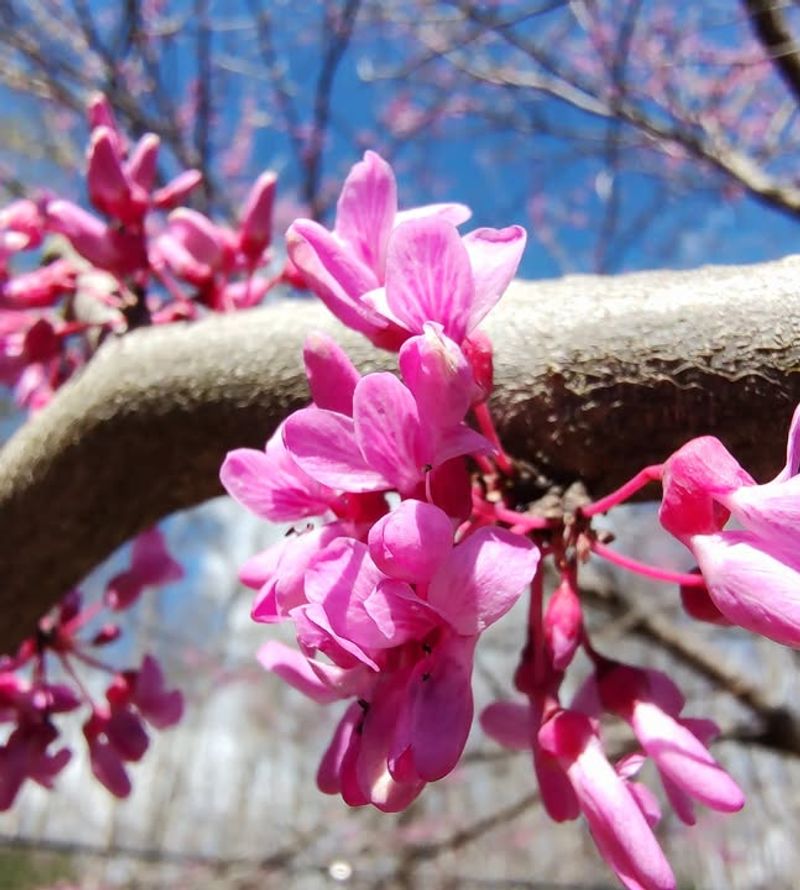
Stunning pink flowers cover redbud trees in early spring, creating one of the most beautiful sights in North Carolina gardens.
Most people do not know that these gorgeous flowers are completely edible and add a sweet, slightly tart flavor to dishes.
You can eat redbud flowers raw in salads, pickle them for a unique condiment, or use them as a colorful garnish.
The flowers appear before the leaves, making them easy to harvest from lower branches.
Redbud trees grow well throughout North Carolina and require little maintenance once established.
These native trees also support local wildlife, including bees and butterflies that feed on the early nectar.
Young seed pods that form after flowering are also edible and can be cooked like green beans.
Redbud flowers have a crunchy texture that adds interest to fresh spring salads or grain bowls.
The trees tolerate various soil types and grow well in both sun and partial shade.
Harvesting flowers does not harm the tree, so you can enjoy them without worry.
Growing a redbud tree gives you edible flowers, beautiful spring color, and a valuable habitat for pollinators all at once.
8. Elderberry
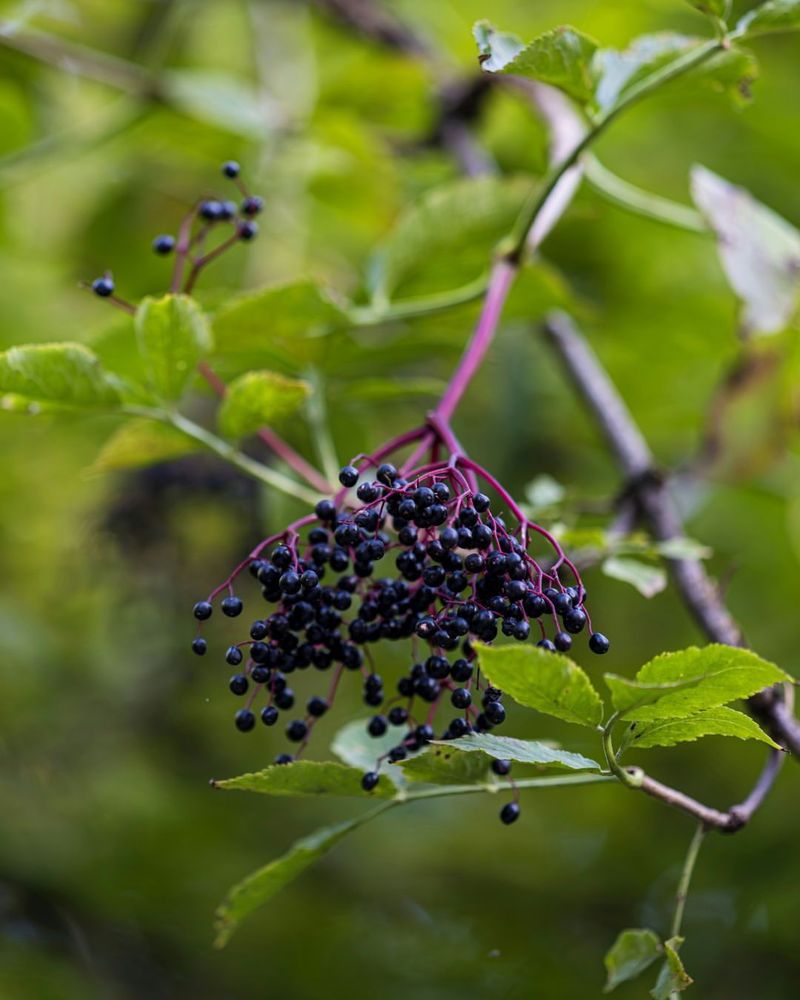
Dark purple berries hanging in heavy clusters make elderberry one of the most rewarding edibles for North Carolina gardeners.
These berries pack incredible immune-supporting properties and have been used in traditional medicine for centuries.
Elderberry shrubs grow vigorously in North Carolina’s climate, producing abundant crops with minimal care.
You must cook elderberries before consuming them, as raw berries can cause stomach upset.
Most people make elderberry syrup, jam, or wine to capture the fruit’s rich, tangy flavor.
The shrubs also produce clusters of creamy white flowers in spring that can be used to make elderflower cordial or fritters.
Elderberries attract birds and beneficial insects, making them valuable for supporting garden biodiversity.
The plants prefer moist soil and can tolerate partial shade, though they produce more berries in full sun.
North Carolina’s long growing season allows elderberries to ripen fully, usually by late summer.
Harvest berries when they turn deep purple and come off the stems easily.
Growing elderberry shrubs provides both medicinal and culinary benefits while adding vertical interest to your garden landscape.
9. Passionflower
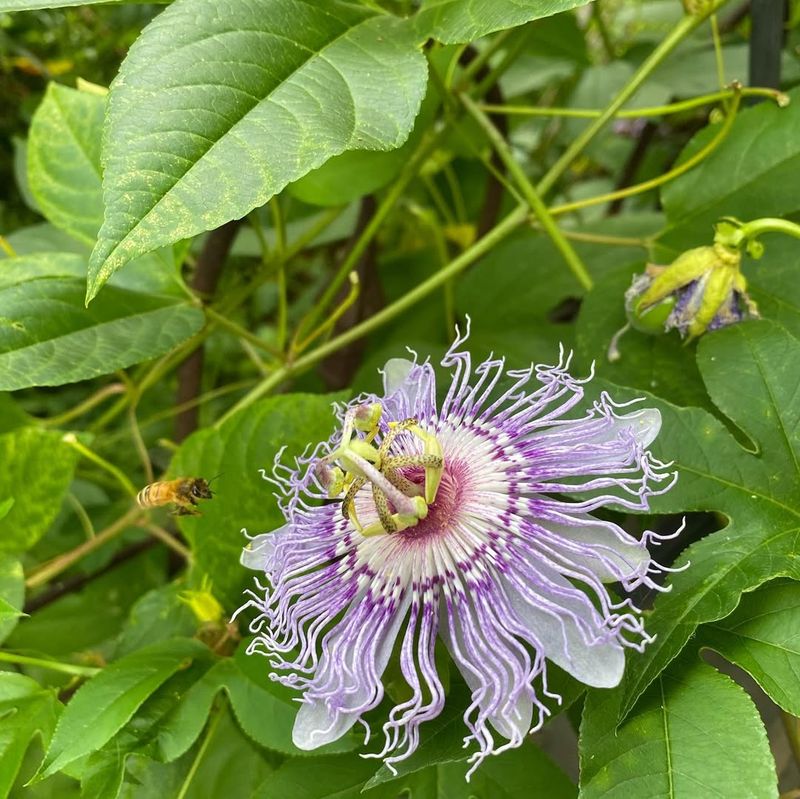
Intricate purple and white flowers make passionflower one of the most exotic-looking plants you can grow in North Carolina.
Native to the southeastern United States, this vine produces egg-shaped fruits called maypops that taste like a tropical treat.
Passionflower vines climb vigorously and can cover fences, trellises, or arbors with lush green foliage.
The ripe fruits have a sweet-tart flavor and contain edible seeds surrounded by juicy pulp.
You can eat maypops fresh, make them into juice, or use them in desserts and smoothies.
The flowers are also edible and can be used as a stunning garnish or steeped into calming tea.
Passionflower leaves have been used traditionally to promote relaxation and reduce stress.
These plants attract butterflies, particularly Gulf fritillaries, which use them as a host plant for their caterpillars.
North Carolina’s climate provides the perfect conditions for passionflower to thrive and produce abundant fruit.
Harvest maypops when they turn yellow and fall from the vine, indicating full ripeness.
Growing passionflower adds beauty, flavor, and ecological value to your garden while connecting you to native plant traditions.
10. Wild Garlic
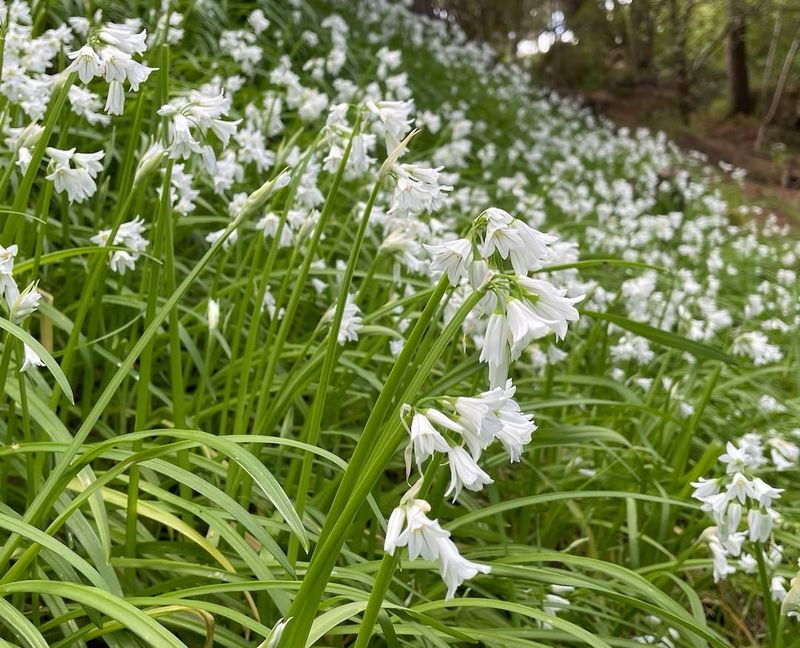
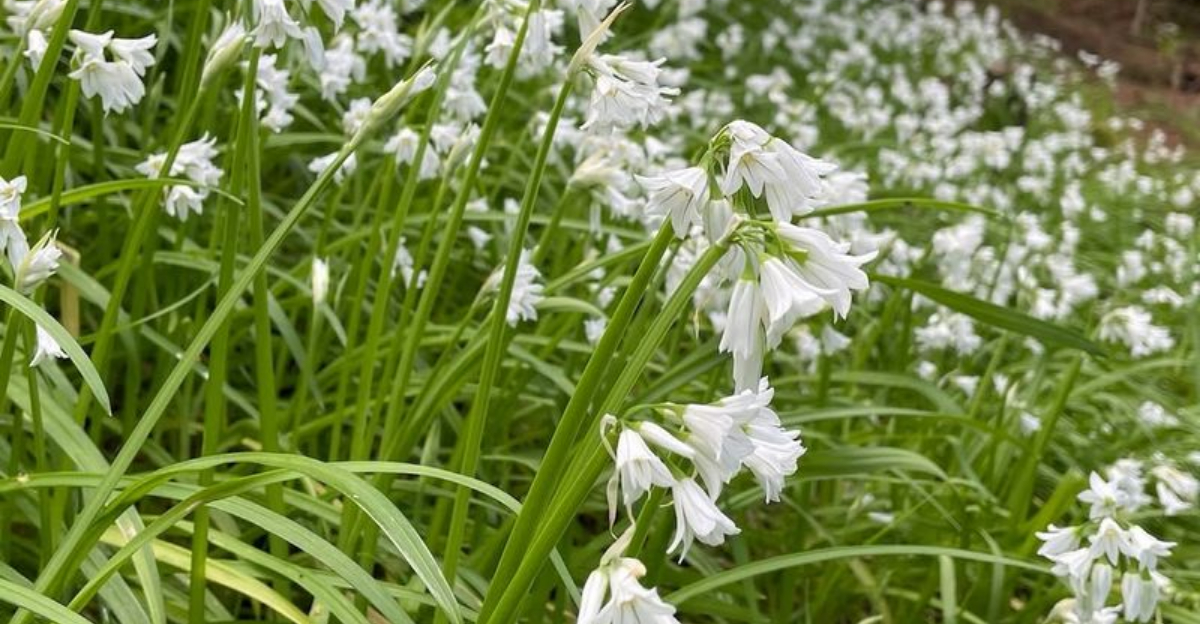
Pungent aroma and slender green leaves make wild garlic easy to identify in North Carolina woodlands and gardens.
Also known as ramps in some regions, wild garlic provides intense flavor that enhances countless dishes.
You can use the leaves, stems, and bulbs, each offering slightly different intensities of garlic taste.
Wild garlic appears in early spring, often before most other plants begin growing.
The leaves work well in pesto, soups, or sautéed as a side dish with other spring vegetables.
Bulbs can be pickled, roasted, or used fresh anywhere you would use regular garlic.
Wild garlic prefers shaded, moist areas and grows well under deciduous trees in North Carolina gardens.
The plants spread slowly through underground bulbs and self-seeding, gradually forming larger patches over time.
Harvest sustainably by taking only one leaf from each plant, or dig a few bulbs while leaving most to continue growing.
White flower clusters appear in late spring, adding delicate beauty to shaded garden areas.
Growing wild garlic intentionally gives you fresh, potent flavoring right when spring cooking begins.
11. Wild Strawberry

Tiny red berries no bigger than your fingernail pack more flavor than any store-bought strawberry you have ever tasted.
Wild strawberries grow close to the ground, spreading through runners to form attractive, edible groundcover.
These plants produce white flowers in spring followed by fruit that ripens throughout late spring and early summer.
The intense strawberry flavor makes up for the small size, and picking them becomes a rewarding treasure hunt.
Wild strawberries thrive in North Carolina gardens, tolerating both sun and partial shade.
You can eat the berries fresh, add them to salads, or collect enough to make jam or dessert toppings.
The leaves are also edible and make a pleasant tea with a mild, fruity taste.
These plants require minimal care once established and return year after year without replanting.
Wild strawberries attract pollinators and provide food for birds and small mammals.
The plants spread steadily but not aggressively, making them easy to manage in garden beds or along paths.
Growing wild strawberries gives you delicious fruit, beautiful flowers, and functional groundcover all in one low-maintenance plant.