10 Popular Garden Features That Can Harm Native Wildlife In California
California yards often chase polish, sparkle, and picture-perfect appeal.
Yet behind stone paths, bright lights, and trimmed lawns, trouble can brew for birds, bees, and small mammals.
Many common upgrades promise ease or status, but they can tip the scales against local species that already face heat, fire, and sprawl.
A quiet pond can turn into a trap, night lights can scramble instincts, and exotic plants can crowd out longtime locals.
Good intentions pave many patios, yet nature keeps score.
A few design choices can mean feast or famine, shelter or hazard.
Read with open eyes and a shovel, and spot the features that turn a backyard into a hazard.
1. Reflective Glass Windows And Surfaces
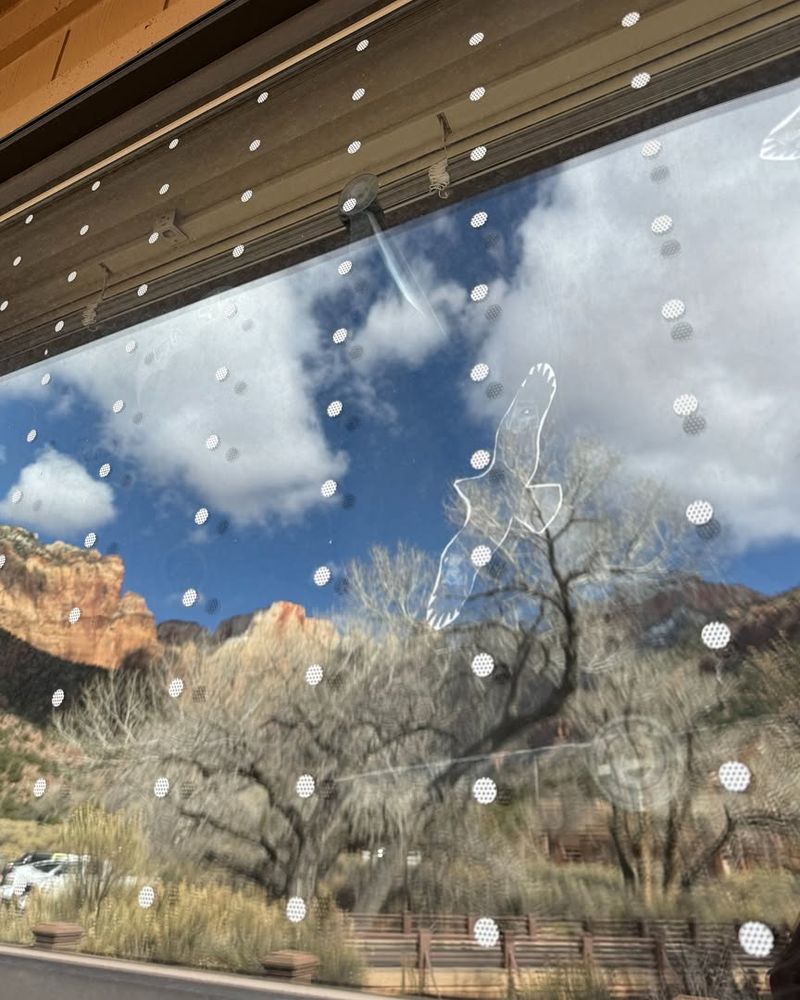
Birds often mistake reflective windows for open sky or continuation of the landscape.
When they fly at full speed toward what appears to be a clear path, they collide with the glass, causing serious injuries.
In California, millions of birds face this danger every year, especially during migration seasons when unfamiliar species pass through residential areas.
Native hummingbirds, warblers, and finches are particularly vulnerable because they move quickly and rely heavily on visual cues.
The problem becomes worse when windows reflect trees, shrubs, or bird feeders that attract wildlife.
You can reduce this risk by applying special decals, screens, or films to your windows.
Some people hang strips of ribbon or install external shutters to break up the reflective surface.
Moving feeders and birdbaths at least thirty feet away from windows also helps.
Closing curtains or blinds during peak migration times in spring and fall provides extra protection.
Even small changes make a big difference for birds navigating through urban and suburban California gardens.
Creating a safer environment means more birds will thrive in your neighborhood for years to come.
2. Outdoor Cats Roaming Freely
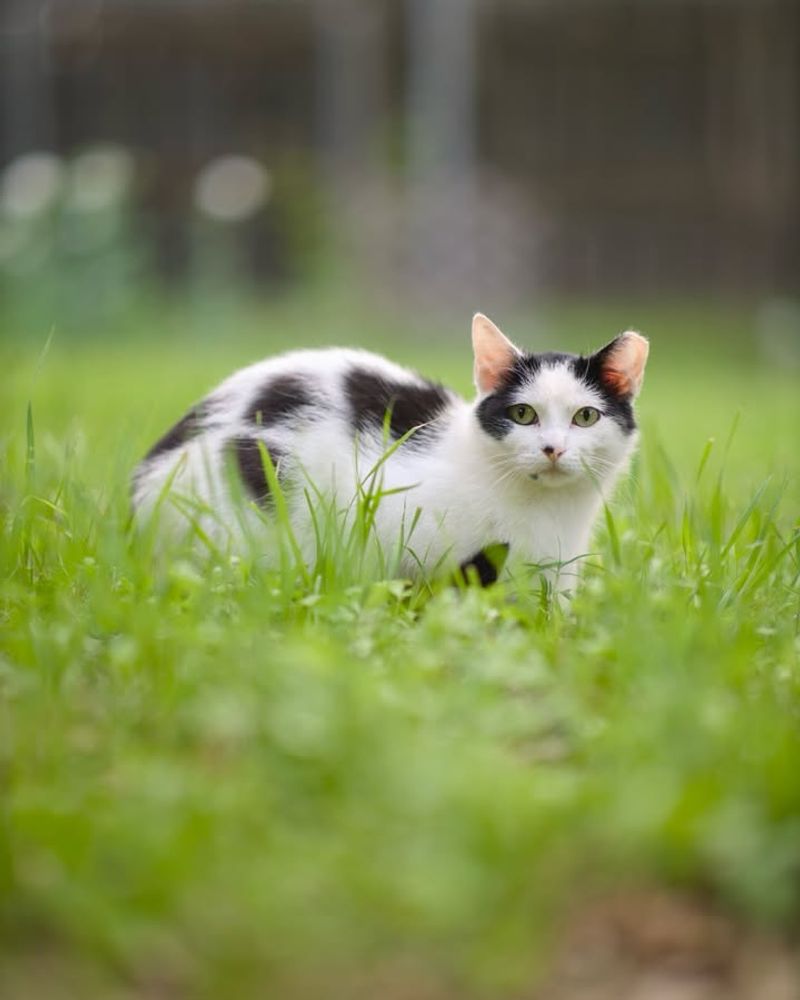
Cats are natural hunters, and even well-fed pets will chase and catch small animals.
California’s native songbirds, lizards, and small mammals face constant threats from free-roaming felines.
Research shows that outdoor cats capture billions of wild animals across the United States each year.
Ground-nesting birds like California quail are especially at risk because they build nests in shrubs and grasses where cats can easily reach them.
Native reptiles, including alligator lizards and fence lizards, also suffer significant losses.
Many cat owners believe their pets only play with wildlife, but even minor injuries can lead to serious problems for small creatures.
Bacteria from cat saliva can cause infections that harm animals even if they escape.
Keeping cats indoors or creating enclosed outdoor spaces called “catios” protects both wildlife and your pet.
Indoor cats live longer, healthier lives because they avoid cars, diseases, and fights with other animals.
If your cat enjoys the outdoors, supervised leash walks provide safe exploration time.
Making this simple change helps California’s native wildlife populations recover and thrive in residential areas.
3. Non-Native Ornamental Plants
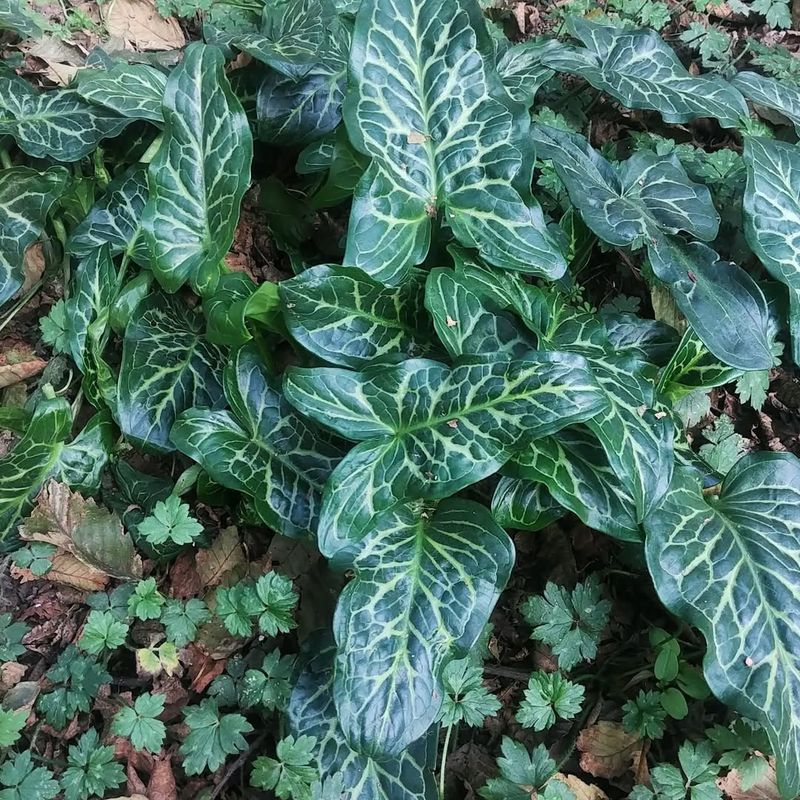
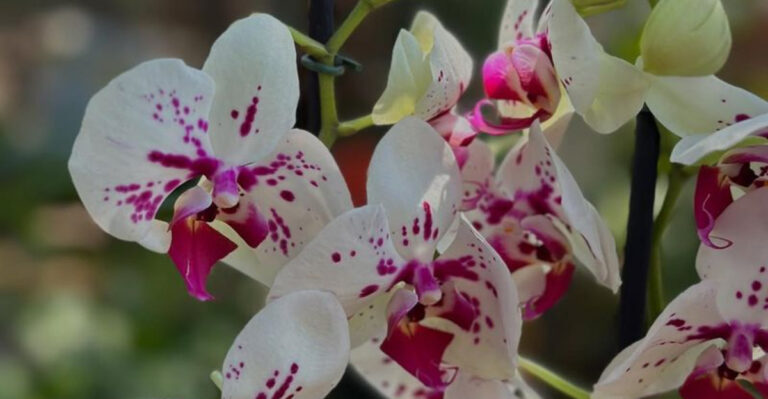
Many popular garden plants come from other countries and continents.
While they might look beautiful, these non-native species often fail to support local insects, birds, and other wildlife.
Your California Garden Changes Every Week. Your Plan Should Too.
Gardening in California changes quickly throughout the season. Every Friday you’ll receive a simple weekly plan showing exactly what to plant, prune, fertilize, harvest, and protect so you never miss the right timing.
California’s native butterflies, like the monarch and painted lady, evolved alongside specific native plants that provide the exact nutrition their caterpillars need.
When gardens contain only exotic plants, these insects cannot complete their life cycles.
Birds depend on caterpillars and other insects to feed their young, so fewer insects means fewer successful bird families.
Some non-native plants even become invasive, spreading into wild areas and crowding out native vegetation.
Pampas grass, English ivy, and giant reed are examples of ornamental plants that have caused serious environmental problems in California.
Choosing native alternatives like California poppies, manzanita, and ceanothus creates a thriving ecosystem in your yard.
Native plants require less water once established, which is especially important during California’s frequent droughts.
They also need fewer pesticides because they have natural defenses against local pests.
Replacing even a few non-native plants with California natives makes your garden more welcoming to the wildlife that belongs there.
4. Steep-Sided Water Features And Ponds
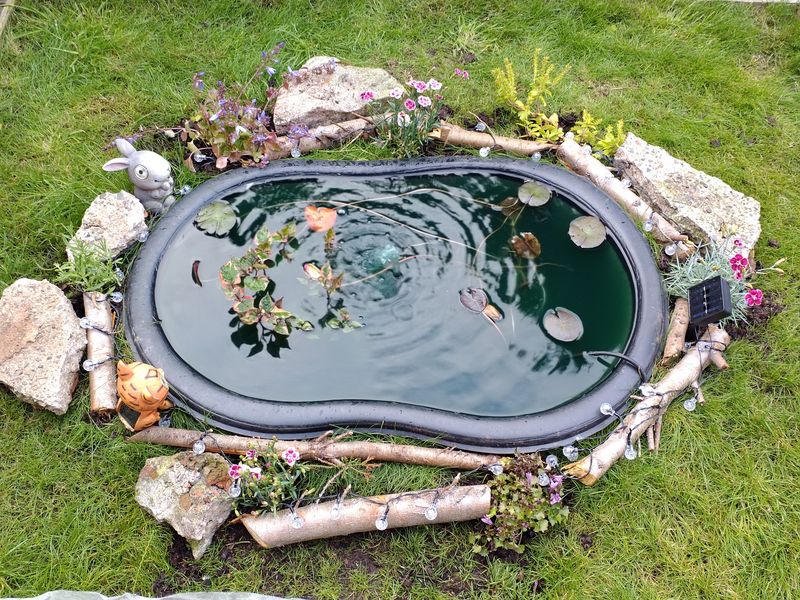
Water features add beauty and tranquility to any garden, but their design matters tremendously for wildlife safety.
Ponds with vertical or steep sides create dangerous traps for small animals.
Frogs, toads, lizards, and even small mammals can fall in while trying to drink or hunt insects.
Once inside, they cannot climb out because the smooth surfaces provide no grip.
California’s native Pacific tree frogs and California newts are particularly vulnerable because they actively seek water for breeding.
Small birds that come to bathe can also struggle in deep water without gradual slopes or escape routes.
The problem intensifies during hot summer months when animals desperately need water sources.
Installing gentle slopes, rocks, or floating platforms gives trapped creatures a way out.
Some people add special wildlife ramps designed specifically for this purpose.
Creating shallow areas around the edges of your pond provides safe drinking and bathing spots.
If you have a swimming pool, placing escape devices at intervals around the perimeter helps save wildlife.
These simple modifications transform potentially dangerous water features into genuine resources that support California’s native animals throughout the year.
5. Pesticides And Chemical Treatments

Garden chemicals designed to eliminate pests often harm beneficial insects and other wildlife.
Native bees, butterflies, and ladybugs play crucial roles in pollinating plants and controlling pest populations naturally.
When pesticides are sprayed, these helpful creatures suffer alongside the targeted pests.
California’s native bumble bees and solitary bees are experiencing population declines partly because of widespread chemical use.
Birds that eat contaminated insects can accumulate toxins in their bodies, affecting their health and reproduction.
Amphibians like salamanders and frogs absorb chemicals through their sensitive skin, making them especially vulnerable.
Even products labeled as “safe” can cause problems when used frequently or in large amounts.
Systemic pesticides that plants absorb remain in the nectar and pollen, poisoning pollinators that visit flowers.
Choosing organic gardening methods protects the entire food web in your yard.
Encouraging natural predators like lacewings and praying mantises controls pests without chemicals.
Hand-picking larger pests or using targeted sprays like insecticidal soap minimizes harm to beneficial species.
Healthy soil rich in organic matter grows stronger plants that resist pests naturally, reducing the need for any interventions.
6. Artificial Lighting At Night
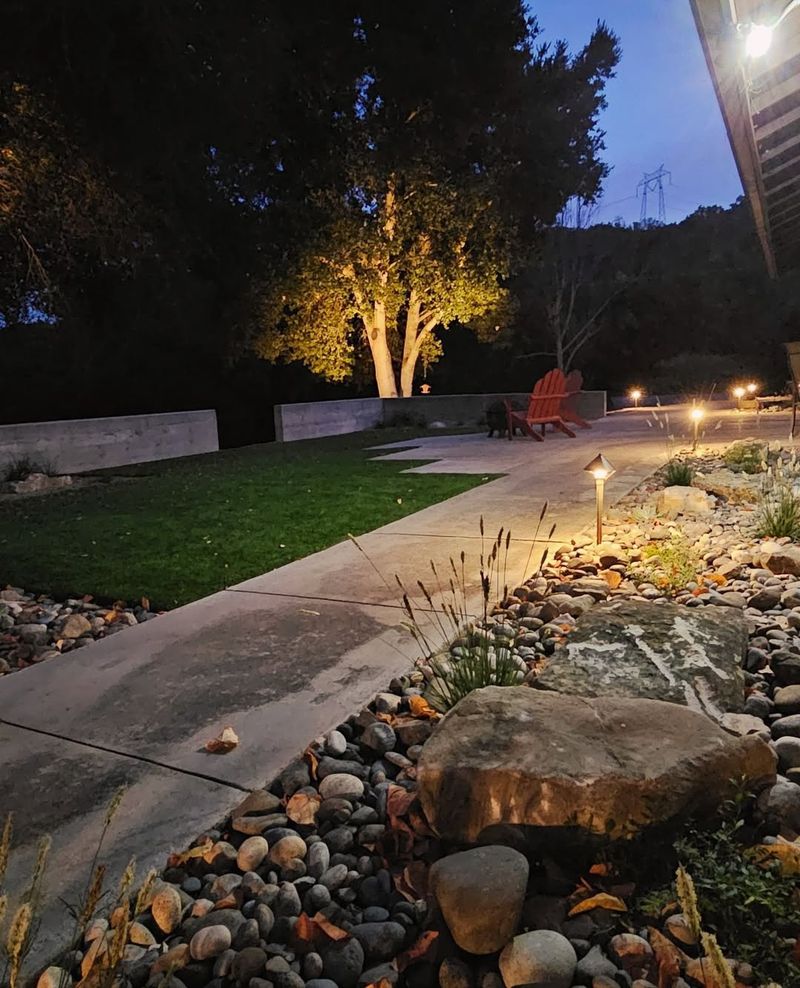
Bright outdoor lights might make your garden feel safer, but they disrupt the natural behaviors of nocturnal wildlife.
Moths, which are important pollinators and food sources for bats and birds, become disoriented by artificial lights.
They circle endlessly around bulbs instead of feeding on flowers or reproducing.
California’s native bat species, including the pallid bat and Mexican free-tailed bat, rely on darkness to hunt insects effectively.
Excessive lighting reduces their hunting success and forces them to travel farther for food.
Migrating birds use stars for navigation, and light pollution confuses their internal compasses.
Many birds become trapped in illuminated areas, circling until they exhaust themselves.
Sea turtle hatchlings in coastal California once used moonlight to find the ocean, but now artificial lights lead them in wrong directions.
Using motion-sensor lights instead of constant illumination reduces these problems significantly.
Choosing warm-colored bulbs and directing light downward keeps brightness where you need it without flooding the entire area.
Turning off unnecessary outdoor lights, especially during migration seasons, helps wildlife maintain their natural rhythms.
Creating darker spaces in your garden allows nocturnal creatures to thrive alongside daytime visitors.
7. Tightly Mowed Lawns

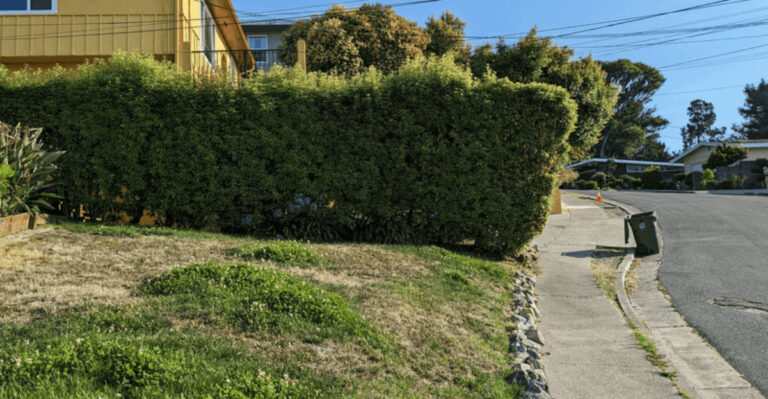
Picture-perfect lawns mowed to golf-course height offer almost nothing to native wildlife.
Short grass provides no shelter for ground-nesting bees, which make up the majority of California’s native bee species.
These solitary bees need bare soil and longer vegetation to create their underground nests.
Constant mowing also eliminates wildflowers like clover and dandelions that provide crucial early-season nectar.
Native ground-feeding birds such as California towhees and sparrows struggle to find seeds and insects in closely cropped lawns.
Frequent mowing destroys insect eggs, larvae, and pupae before they can complete their development.
The noise and vibration from lawn mowers disturb nesting birds and small mammals trying to raise their young.
Allowing your lawn to grow slightly longer creates habitat layers that support diverse wildlife.
Leaving some areas unmowed, especially under trees and along edges, provides valuable refuge zones.
Reducing mowing frequency to every two or three weeks instead of weekly gives plants time to flower and insects time to mature.
Adding sections of native grasses and wildflowers transforms sterile lawns into productive habitats that require less maintenance while supporting California’s native species beautifully.
8. Netting And Mesh Barriers
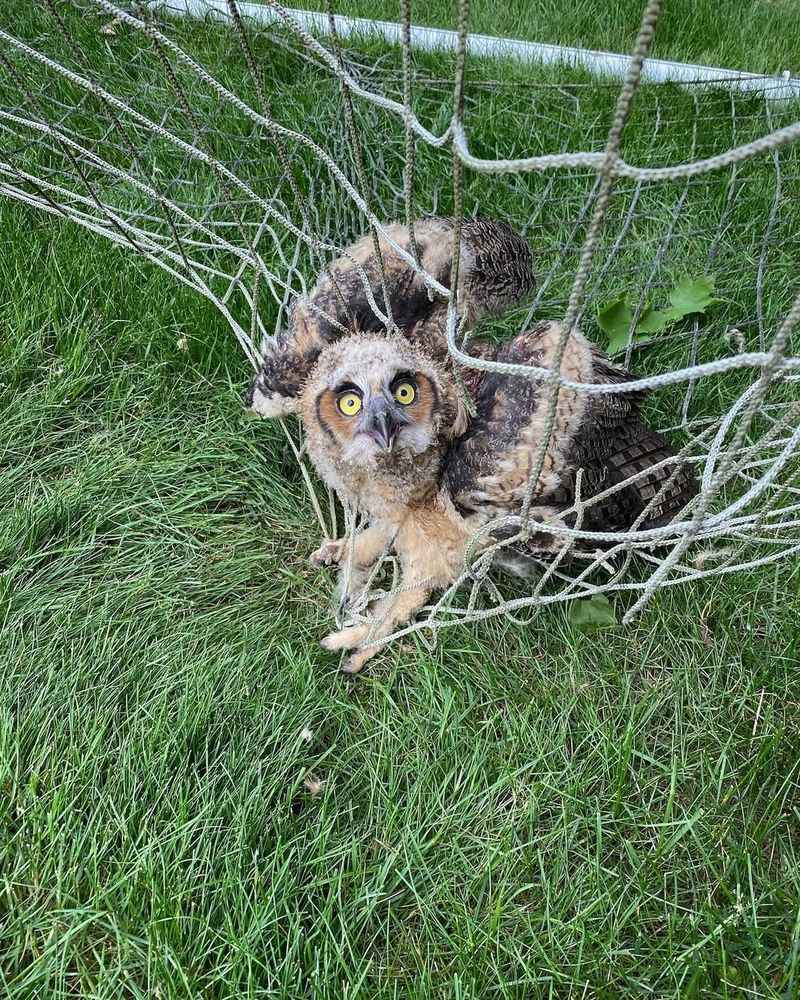
Gardeners often use netting to protect fruits, vegetables, and young plants from hungry animals.
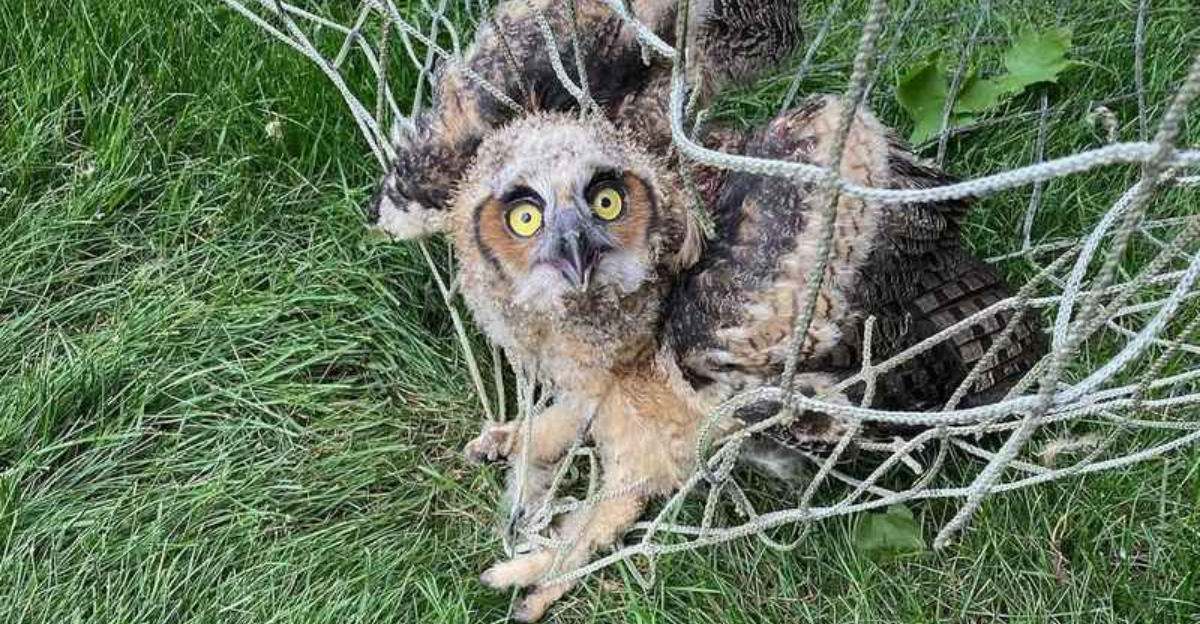
However, many types of mesh create serious hazards for the wildlife they are meant to exclude.
Small birds can become entangled in loose netting, especially the lightweight plastic varieties with large holes.
Once caught, they panic and become more tightly wrapped, leading to injuries.
California’s native hummingbirds, with their delicate bones and rapid movements, are particularly susceptible to entanglement.
Snakes, lizards, and small mammals also get trapped when they try to pass through or under improperly secured netting.
Even butterflies and dragonflies can become stuck in fine mesh designed to keep out insects.
Using rigid barriers like hardware cloth or chicken wire with small openings provides protection without entanglement risks.
If you must use netting, choose varieties with very small mesh and keep it pulled tight against frames.
Checking nets daily allows you to release trapped animals before they suffer serious harm.
Removing netting when not actively needed reduces exposure time.
Alternative methods like scare devices, row covers, or physical barriers around individual plants often work just as well without endangering California’s native wildlife.
9. Rodenticides And Poison Baits
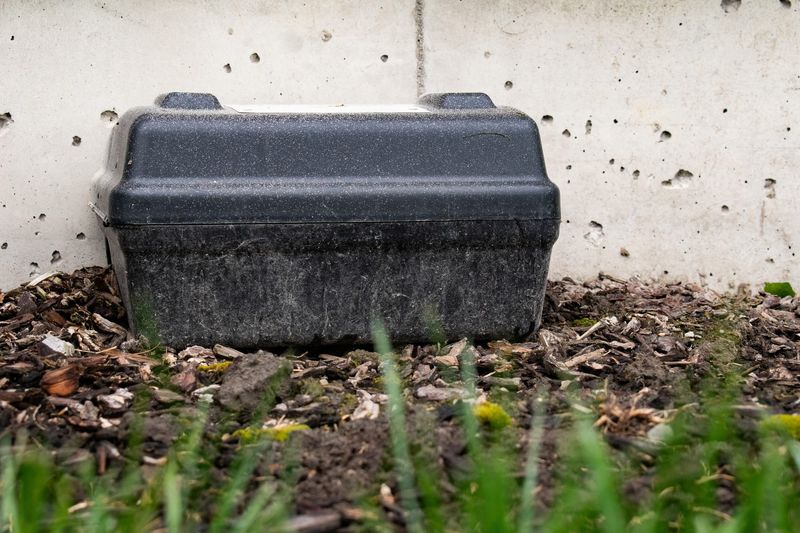
Poison baits designed to control rats and mice create devastating ripple effects throughout the food chain.
When rodents consume these toxins, they become slow and disoriented, making them easy targets for predators.
California’s native hawks, owls, foxes, and bobcats hunt poisoned rodents and accumulate the toxins in their own bodies.
Red-tailed hawks and great horned owls, common in California neighborhoods, face serious threats from secondary poisoning.
Even small amounts of rodenticide can impair their ability to hunt, reproduce, and avoid dangers.
Mountain lions in areas bordering urban developments have tested positive for these poisons after eating smaller predators.
Domestic pets that encounter poisoned rodents or eat bait directly also face life-threatening consequences.
Using snap traps or electric traps eliminates rodents without creating toxic hazards.
Sealing entry points to buildings and removing food sources prevents infestations more effectively than poisons.
Encouraging natural predators by installing owl boxes or leaving brush piles for snakes provides long-term rodent control.
If you must use rodenticides, choose products that break down quickly and place them in tamper-resistant stations away from areas where wildlife hunts.
Protecting California’s predators protects the entire ecosystem they help balance.
10. Imported Soil And Mulch
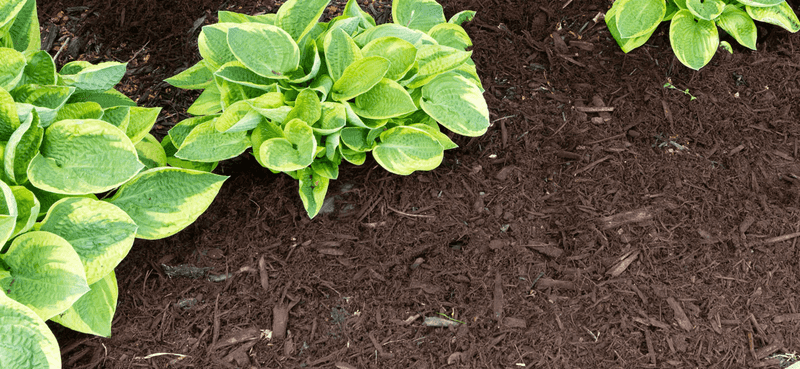
Bags of soil and mulch from garden centers seem harmless, but they can introduce serious problems to your yard.
Imported materials often contain seeds of invasive plants that outcompete California natives.
They may also harbor diseases, fungi, and pests that local wildlife have no defenses against.
Sudden oak syndrome, a devastating disease affecting California’s native oaks, spreads partly through contaminated soil and mulch.
These majestic trees provide food and shelter for countless native species, from acorn woodpeckers to western gray squirrels.
Non-native earthworms in imported soil can alter soil chemistry and structure, affecting native plants and the insects that depend on them.
Some mulches contain dyes and chemicals that leach into the ground, potentially harming amphibians and soil-dwelling creatures.
Using locally sourced materials reduces the risk of introducing harmful organisms.
Composting your own yard waste creates excellent mulch and soil amendments while keeping your garden’s ecosystem closed.
If you buy materials, choose products certified free of invasive species and pathogens.
Asking suppliers about the source and treatment of their products helps you make informed decisions.
Protecting California’s soil health protects the entire community of native plants, insects, and animals that depend on it for survival.