Who Is Held Responsible When A Neighbors Tree Falls Into Your Yard In New Jersey
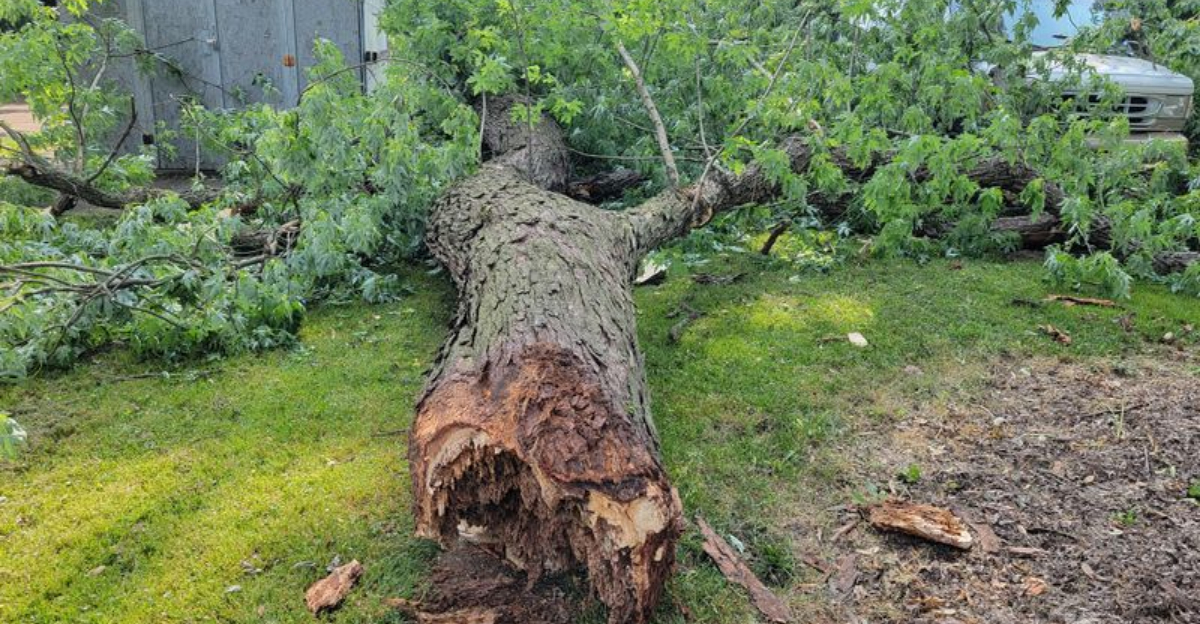
A quiet New Jersey afternoon can flip on a dime when a heavy limb crashes across a fence or a whole tree lands where it never belonged.
In a heartbeat, calm turns to questions, nerves run hot, and fingers point across property lines.
Insurance papers come off the shelf, phones light up, and neighborly smiles face a real test.
Storms, rot, and bad luck all play a part, yet responsibility rarely feels simple.
Law draws lines that surprise many homeowners and reward those who know the rules before trouble knocks.
This topic cuts to the chase, clears the fog, and helps protect peace of mind when branches hit close to home and stakes feel sky-high.
Your Insurance Usually Covers The Damage First

Most people assume their neighbor should pay when a tree falls from their property onto yours.
However, New Jersey law typically requires you to file a claim with your own homeowner’s insurance first.
Your policy covers damage to your property regardless of where the tree came from.
Insurance companies call this the “Act of God” principle.
When storms, lightning, or high winds cause a healthy tree to fall, no one can really prevent it.
Your insurance treats it like any other weather-related damage to your home or yard.
The deductible on your policy will apply, which means you pay that amount before insurance covers the rest.
Many homeowners find this frustrating because the tree wasn’t even theirs.
Still, this system helps claims get processed faster without lengthy disputes between neighbors.
Your rates might not increase after filing a tree damage claim.
Weather-related incidents often don’t count against you the same way accidents do.
Always check with your insurance agent about how a claim might affect your future premiums before deciding whether to file.
Negligence Changes Everything About Liability
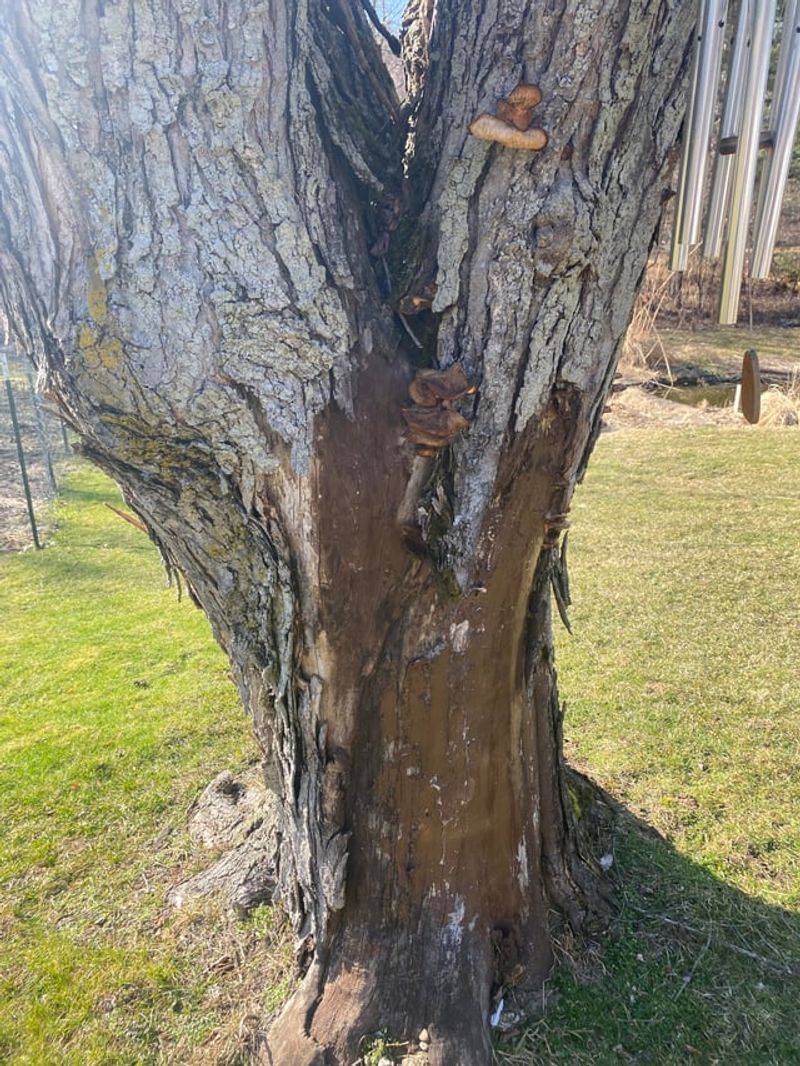
When a neighbor knows their tree poses a danger but does nothing about it, the responsibility shifts dramatically.
Negligence means someone failed to take reasonable care to prevent harm.
If your neighbor ignored obvious warning signs, they could be held liable for damages.
Visible rot, large cracks in the trunk, or a severe lean toward your property all count as red flags.
Neighbors have a duty to maintain their trees and address hazardous conditions.
Documentation becomes crucial if you suspect a tree might be dangerous.
Send a written notice to your neighbor describing your concerns about their tree.
Keep copies of letters, emails, or texts where you warned them about the problem.
Photos showing the tree’s condition before it falls can prove invaluable later.
Courts consider whether a reasonable person would have recognized the danger.
If the tree looked healthy from the outside, your neighbor probably won’t be liable.
But if branches were obviously broken or the trunk showed clear decay, negligence becomes much easier to prove in a legal setting.
Property Lines Determine Initial Responsibility
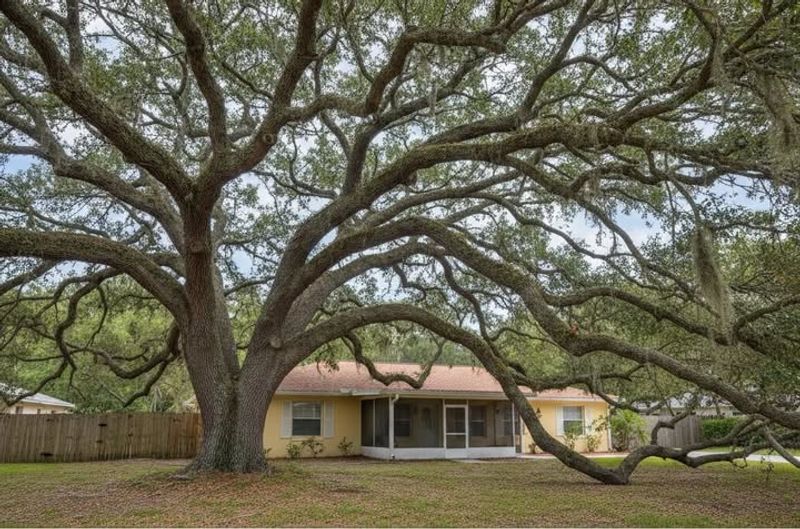
Where the tree trunk sits makes all the difference in determining ownership.
A tree planted entirely on your neighbor’s property belongs to them alone.
Your New Jersey Garden Changes Every Week. Your Plan Should Too.
Gardening in New Jersey changes quickly throughout the season. Every Friday you’ll receive a simple weekly plan showing exactly what to plant, prune, fertilize, harvest, and protect so you never miss the right timing.
But when the trunk straddles the property line, both neighbors share ownership equally.
Shared trees create shared responsibilities for maintenance and care.
Neither neighbor can remove a boundary tree without permission from the other.
Both parties must split the costs of trimming or removing a tree that sits on the property line.
Survey maps from when you bought your home show exact boundary locations.
Sometimes fences don’t actually mark the true property line, which creates confusion.
Professional surveyors can settle disputes about where your property ends and your neighbor’s begins.
If a shared tree falls, liability becomes more complicated to determine.
Both neighbors might need to file claims with their respective insurance companies.
The specific circumstances of the fall and any prior maintenance issues will influence how costs get divided between the two properties involved.
Previous Warnings Create Legal Obligations

Putting your concerns in writing transforms the legal landscape completely.
Once you formally notify your neighbor about a dangerous tree, they have a legal duty to respond.
Ignoring your warning can make them liable if the tree later causes damage.
Your notice should describe specific problems you observe with the tree.
Include details like leaning direction, visible damage, or overhanging branches that worry you.
Certified mail provides proof that your neighbor actually received your warning letter.
Reasonable time must pass for your neighbor to address the issue.
Removing a large tree takes planning, permits, and professional help.
Courts understand that tree removal can’t happen overnight, especially during busy seasons.
Take photographs showing the tree’s condition when you send your notice.
Date stamps on pictures help establish a timeline of the problem.
If your neighbor responds by hiring an arborist to inspect the tree, keep records of their actions too.
All this documentation builds your case if you eventually need to pursue compensation through small claims court or your insurance company.
Municipal Codes Add Another Layer Of Rules
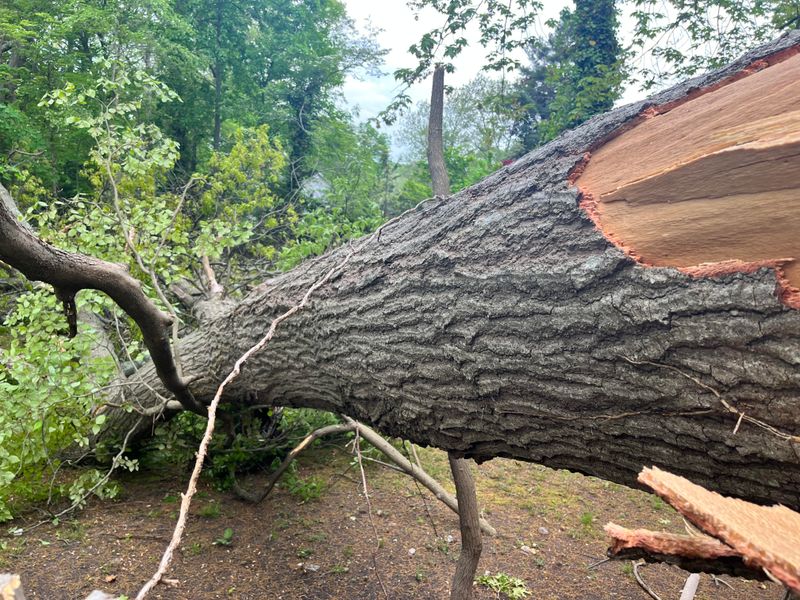
Local governments in New Jersey often have specific ordinances about tree maintenance.
Some towns require permits before removing trees over certain sizes.
Others mandate regular inspections of trees near public sidewalks or streets.
Your township or city website usually lists tree-related regulations.
Code enforcement officers can inspect trees that might pose public safety risks.
They have authority to order property owners to remove dangerous trees threatening neighboring homes.
Violating local tree ordinances can result in fines or legal action.
Some municipalities offer free inspections or subsidized tree removal for hazardous specimens.
Check what services your local government provides before paying for private tree care.
Historic districts sometimes have special protections for mature trees.
You might need approval from preservation boards before trimming or removing certain species.
These rules apply even when a tree poses risks to neighboring properties.
Understanding your local codes helps you know what options exist when dealing with a problematic tree next door to your home.
Arborist Reports Carry Significant Legal Weight
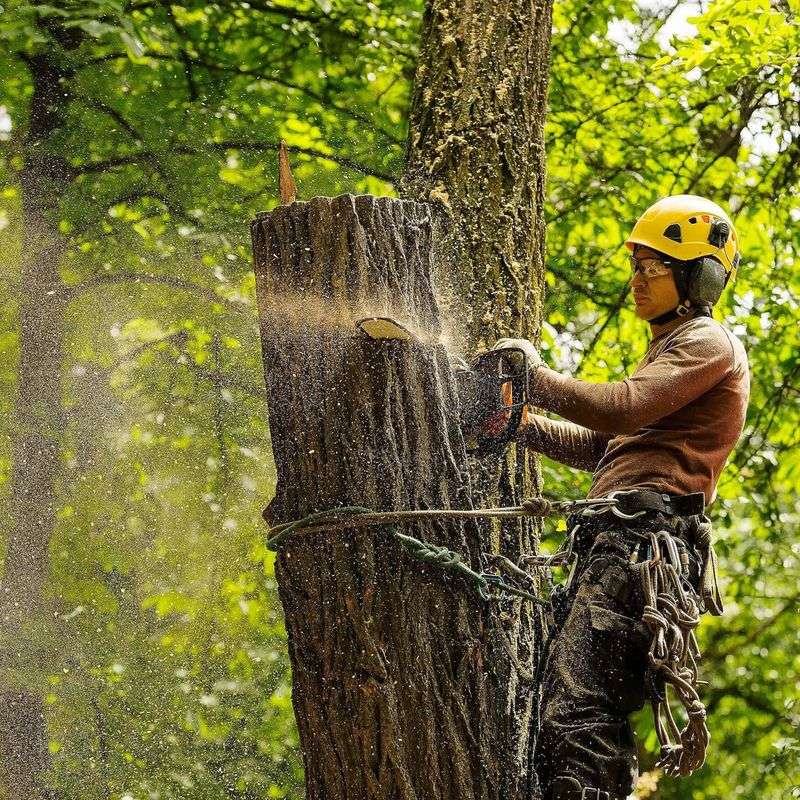
Professional tree experts provide opinions that courts and insurance companies trust.
An arborist can assess whether a tree was healthy or posed a foreseeable risk.
Their written reports often determine who ultimately pays for damage.
Certified arborists have specialized training in tree health and safety.
They can identify diseases, structural weaknesses, and other problems invisible to untrained eyes.
Getting an inspection before a tree falls can prevent disputes later.
If you’re worried about a neighbor’s tree, hire an arborist to evaluate it.
Their report gives you solid evidence to present to your neighbor or insurance company.
The cost of an inspection typically ranges from one hundred to three hundred dollars.
After a tree falls, insurance adjusters often request arborist reports.
These experts can determine whether the tree showed signs of disease or damage beforehand.
A report stating the tree appeared healthy supports the “Act of God” defense.
Conversely, evidence of neglect or obvious hazards can shift liability to the tree’s owner and change how claims get resolved.
Small Claims Court Offers A Resolution Path
When negotiations with your neighbor fail, legal action becomes an option.
New Jersey small claims court handles disputes up to fifteen thousand dollars.
You don’t need a lawyer for these cases, which keeps costs manageable.
Filing a small claims case requires completing paperwork at your county courthouse.
You’ll pay a small filing fee and explain your complaint in simple terms.
The court schedules a hearing where both sides present evidence to a judge.
Bring all documentation to your hearing: photos, letters, insurance estimates, and arborist reports.
Witnesses who saw the tree’s condition before it fell can testify on your behalf.
The judge will decide based on whether your neighbor was negligent.
Winning a judgment doesn’t automatically mean you’ll collect money immediately.
You might need additional steps to enforce the court’s decision.
Still, small claims court provides an affordable way to seek compensation when your neighbor’s negligence caused damage to your property and they refuse to take responsibility for the situation.
Prevention Strategies Protect Everyone Involved
Good relationships with neighbors prevent most tree disputes from escalating.
Regular conversations about property maintenance keep everyone informed and cooperative.
When you notice a potential problem, friendly communication often solves it quickly.
Schedule periodic inspections of large trees on your property.
Proactive trimming removes dangerous branches before storms bring them down.
Sharing inspection costs with neighbors for boundary trees shows good faith.
Consider splitting the cost of preventive tree care with adjacent property owners.
This approach protects both homes and builds community goodwill.
Many tree services offer discounts when working on multiple properties during one visit.
Document all tree maintenance you perform on your own property.
Keep receipts, photos, and reports showing you properly cared for your trees.
This evidence protects you if your tree ever falls onto a neighbor’s yard.
Prevention costs less than dealing with damage after the fact, and it helps maintain the peaceful neighborhood relationships that make communities pleasant places to live for everyone.