12 Fruit Trees That Can Produce Fruit For Over 100 Years In Pennsylvania Yards

In Pennsylvania, some fruit trees aren’t just productive—they’re practically immortal.
With the right species and care, certain trees can bear fruit for a century or more, quietly feeding generations while becoming part of the landscape’s history.
These are the trees planted by grandparents and enjoyed by grandchildren.
Pennsylvania’s climate, with its cold winters and warm summers, is surprisingly well suited to long-lived fruit trees that develop deep roots and resilient structures over time.
Unlike short-lived varieties that peak fast and fade early, these trees reward patience, improving in productivity and character as they age.
Planting one is a commitment, but also a gift to the future.
Beyond fruit, they offer shade, wildlife habitat, and a sense of permanence that few garden plants can match.
In a world of quick returns, these trees remind us that some of the best harvests come from thinking long-term—and planting with tomorrow in mind.
1. Apple Trees With Heritage Roots

Apple trees stand as champions of longevity in Pennsylvania gardens, with many heritage varieties living well beyond their hundredth birthday.
These remarkable trees adapt beautifully to the state’s four-season climate, handling cold winters and warm summers with impressive resilience.
Varieties like Baldwin, Northern Spy, and Rhode Island Greening have proven track records of century-long production across the Commonwealth.
Proper care includes annual pruning to maintain strong branch structure and regular monitoring for common pests like codling moths and apple scab.
The secret to their longevity lies in choosing disease-resistant rootstock and planting in well-drained soil with full sun exposure.
Pennsylvania’s USDA zones 5 through 7 provide ideal conditions for most apple cultivars.
These trees typically begin bearing fruit within three to five years and can produce bushels annually once mature.
Many historic Pennsylvania homesteads still feature apple trees planted by original settlers over 150 years ago.
The investment in a quality apple tree today creates a fruiting legacy that your great-grandchildren might enjoy.
Their spring blossoms also attract beneficial pollinators, supporting your entire garden ecosystem for decades to come.
2. Pear Trees Built For Generations
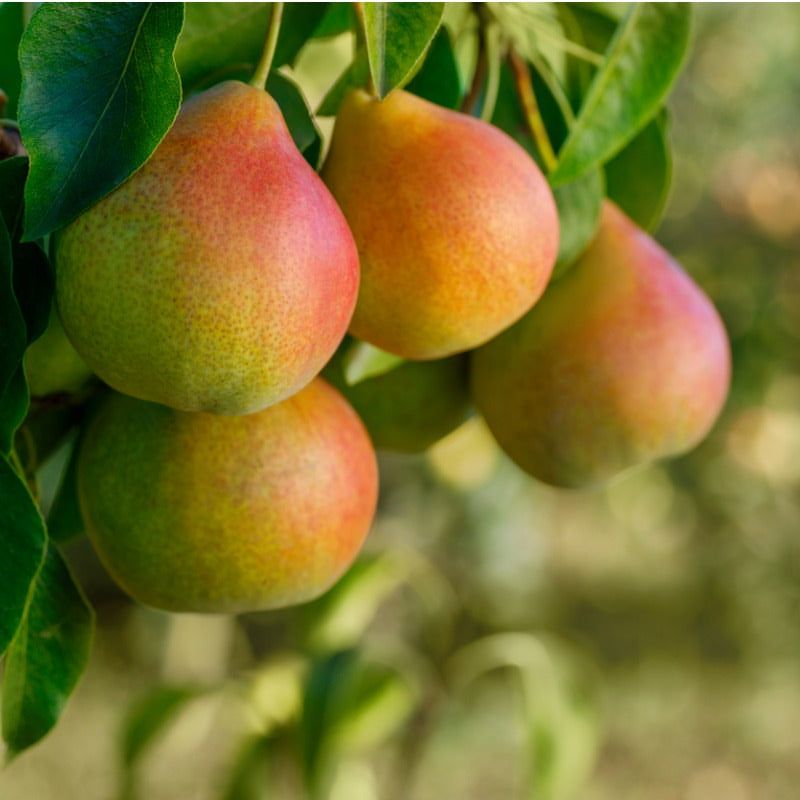
Pear trees rank among the longest-living fruit producers you can plant in Pennsylvania, often surpassing 150 years of productive life.
European varieties like Bartlett, Bosc, and Seckel thrive particularly well in Pennsylvania’s temperate climate.
These stately trees develop deep root systems that anchor them through storms while drawing nutrients from deep soil layers.
Their upright growth habit makes them excellent choices for smaller yards where space management matters.
Fire blight poses the main disease challenge, but selecting resistant varieties minimizes this concern significantly.
Pear trees prefer slightly acidic to neutral soil and benefit from a layer of organic mulch around their base.
Unlike apples, pears should be harvested slightly underripe and allowed to ripen indoors for optimal flavor and texture.
Most pear varieties require cross-pollination, so planting at least two different cultivars ensures abundant fruit set.
The wood of pear trees grows exceptionally dense and strong, contributing to their remarkable structural longevity.
Their beautiful white spring blooms arrive early, signaling the start of the growing season with spectacular floral displays that brighten any landscape.
Your Pennsylvania Garden Changes Every Week. Your Plan Should Too.
Gardening in Pennsylvania changes quickly throughout the season. Every Friday you’ll receive a simple weekly plan showing exactly what to plant, prune, fertilize, harvest, and protect so you never miss the right timing.
3. Sweet Cherry Trees That Endure
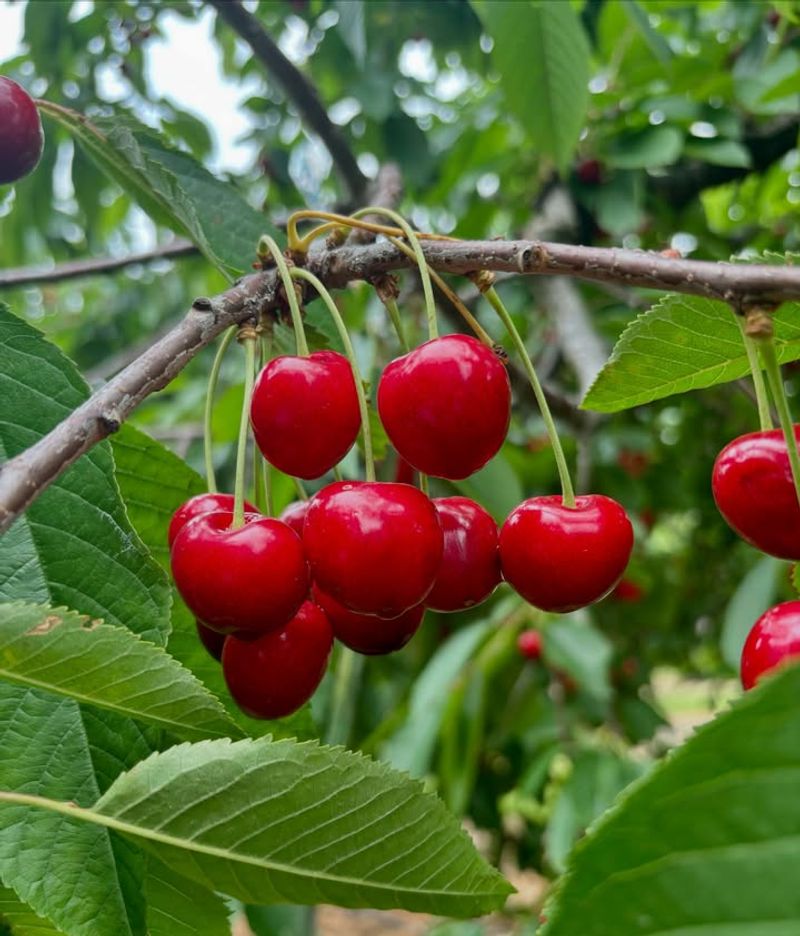
Sweet cherry trees bring both delicious fruit and ornamental beauty to Pennsylvania yards for over a century when properly maintained.
Varieties such as Bing, Stella, and Black Tartarian have demonstrated exceptional longevity in the state’s growing conditions.
These trees demand excellent drainage and full sunlight to reach their maximum productive lifespan.
Their stunning spring blossoms create breathtaking displays that rival any ornamental flowering tree.
Sweet cherries typically grow 15 to 25 feet tall, making them manageable for most residential properties.
Bird netting becomes essential during fruiting season, as local wildlife finds these treats absolutely irresistible.
The trees perform best in Pennsylvania’s zones 5 and 6, where winter chill hours meet their dormancy requirements.
Many sweet cherry cultivars are self-pollinating, though yields increase dramatically when multiple trees grow nearby.
Regular pruning maintains an open canopy that improves air circulation and reduces disease pressure from fungal infections.
Historic Pennsylvania orchards contain sweet cherry trees planted in the 1800s that still produce generous crops each June, proving their incredible staying power in the landscape.
4. Sour Cherry Trees With Staying Power

Sour cherries outperform their sweet cousins in cold hardiness and disease resistance, making them superb choices for Pennsylvania’s variable climate.
Montmorency and Morello varieties commonly exceed 100 years of productive life with minimal intervention.
These compact trees rarely surpass 15 feet in height, fitting perfectly into urban and suburban landscapes.
Their self-pollinating nature means a single tree can produce abundant fruit without requiring companion plants.
Sour cherries tolerate a wider range of soil types than sweet cherries, adapting well to Pennsylvania’s diverse geology.
The tart fruit excels in pies, preserves, and baking applications, offering culinary versatility throughout the year.
These trees show remarkable resilience against brown rot and other fungal diseases that plague many stone fruits.
Pennsylvania’s cold winters actually benefit sour cherries by providing the necessary chilling hours for proper fruit development.
They begin bearing fruit earlier than most fruit trees, often producing small crops in their second or third year.
The combination of compact size, self-fertility, and extreme longevity makes sour cherries an outstanding investment for any Pennsylvania homeowner seeking dependable fruit production.
5. European Plum Trees That Last
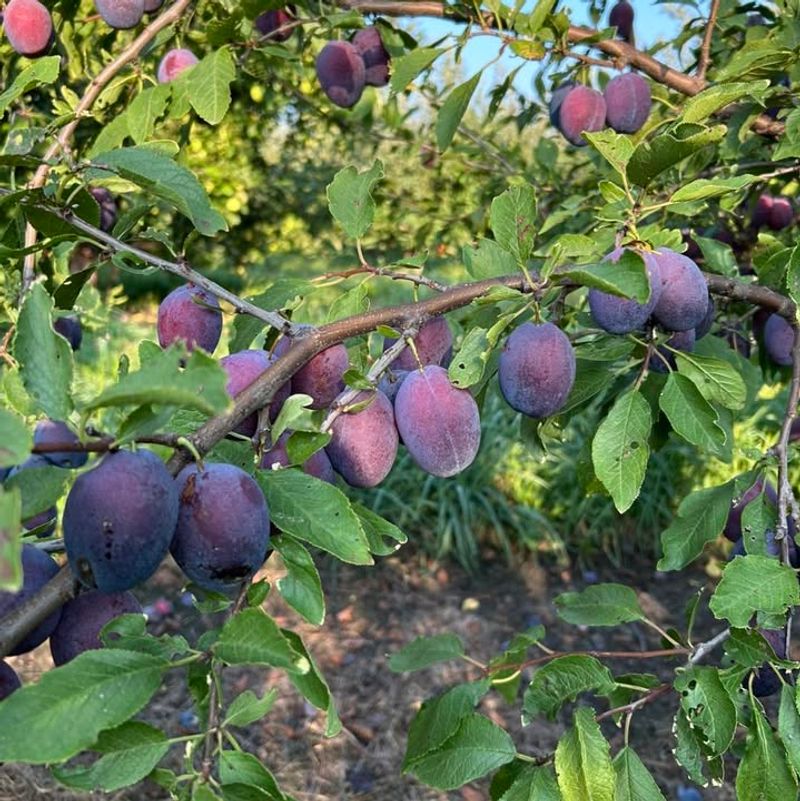
European plums possess an extraordinary ability to thrive for more than a century in Pennsylvania’s diverse microclimates.
Damson, Stanley, and Italian Prune varieties demonstrate particular longevity and consistent production across the state.
These trees handle Pennsylvania’s occasional late spring frosts better than many other stone fruit species.
Their moderate size, typically reaching 12 to 18 feet tall, makes them accessible for harvest and maintenance.
Most European plum varieties are self-fertile, eliminating the need for cross-pollination and simplifying orchard planning.
The fruit ranges from sweet eating types to tart cooking varieties, providing options for fresh consumption and preservation.
Plum trees appreciate well-drained loamy soil enriched with organic matter for optimal growth and fruit quality.
They’re remarkably resistant to many diseases that affect other stone fruits, requiring less intensive spray schedules.
Pennsylvania’s humidity levels suit European plums perfectly, as they originated in similar climates across the Atlantic.
Many century-old farmsteads throughout the state still feature productive plum trees planted by early German and Eastern European immigrants who valued these reliable fruit bearers.
6. Peach Trees With Longevity Potential
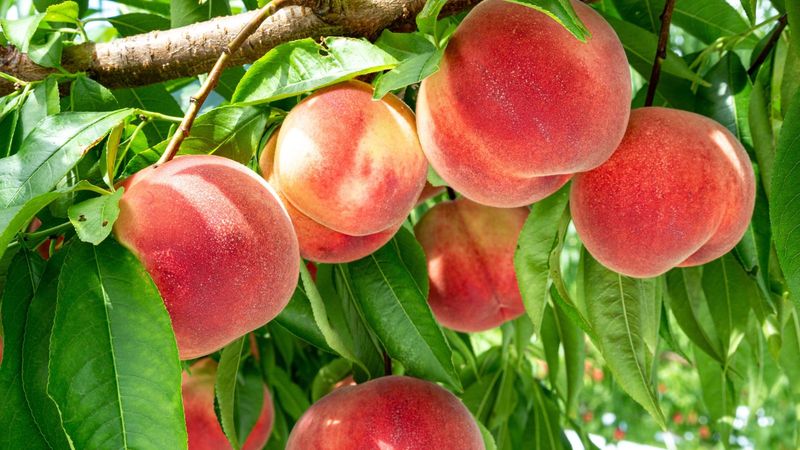
While peach trees typically live shorter lives than apples or pears, select varieties can produce for over 100 years with exceptional care.
Heirloom cultivars like Elberta and Redhaven show greater longevity than many modern hybrids when grown in favorable conditions.
Pennsylvania’s southern counties offer the warmest microclimates where peaches achieve their maximum lifespan potential.
These trees require vigilant management of peach leaf curl, brown rot, and oriental fruit moth to maintain productivity.
Annual pruning proves absolutely essential for peach trees, as they fruit only on one-year-old wood.
Well-drained sandy loam soil with a slightly acidic pH creates the foundation for long-lived peach trees.
Planting on south-facing slopes with good air drainage helps protect delicate blossoms from late frost damage.
The trees need consistent watering during fruit development but despise wet feet during dormancy.
Thinning fruit to proper spacing prevents branch breakage and ensures larger, sweeter peaches at harvest.
Though demanding more attention than apples or pears, properly cared-for peach trees reward Pennsylvania gardeners with unmatched flavor and the satisfaction of maintaining a productive tree across multiple generations.
7. Apricot Trees Built To Last
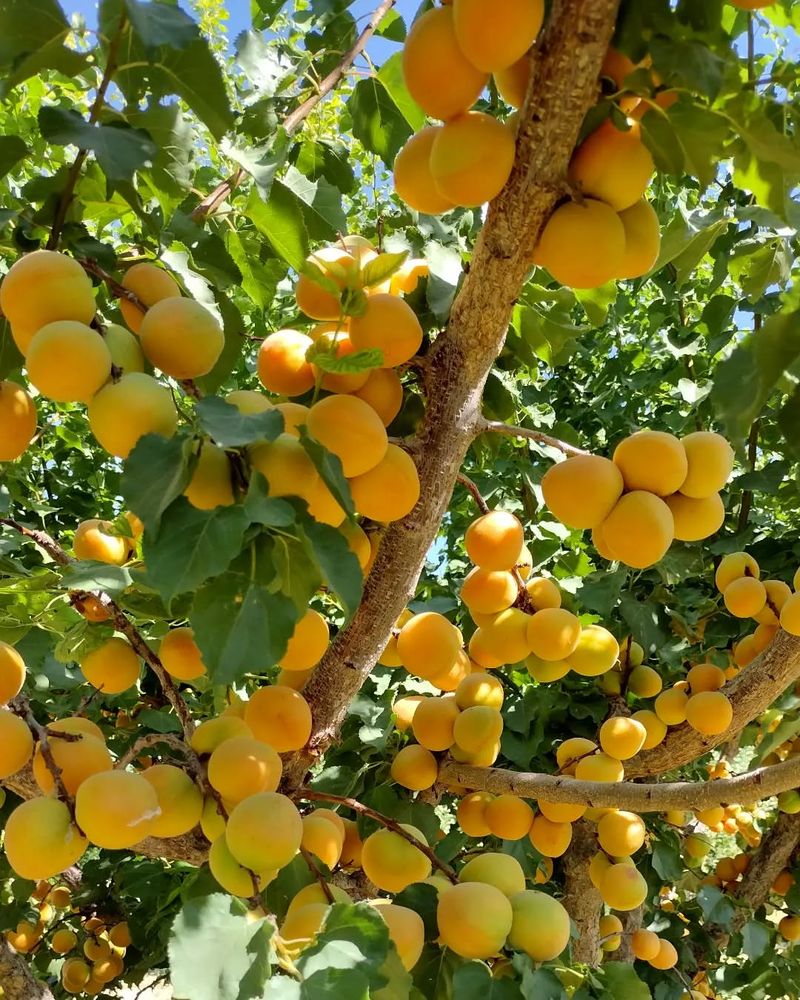
Apricot trees can flourish for over a century in Pennsylvania when planted in carefully selected microclimates that protect their early blooms.
Varieties like Moorpark and Goldcot demonstrate superior cold hardiness and longevity in the state’s challenging conditions.
These trees bloom extremely early, making frost protection critical for consistent fruit production year after year.
Planting near buildings or on protected slopes helps shield delicate flowers from damaging late-season freezes.
Apricots thrive in well-drained, slightly alkaline soil that prevents root diseases and promotes vigorous growth.
The trees grow to moderate heights of 15 to 20 feet, creating manageable canopies for home orchardists.
Their self-fertile nature means one tree suffices for fruit production, though multiple trees increase yields substantially.
Pennsylvania’s lower humidity compared to southeastern states actually benefits apricots by reducing fungal disease pressure.
The fruit ripens in mid-summer, filling a harvest gap between early cherries and late-season peaches.
With their beautiful pink spring blossoms and delicious golden fruit, apricots offer Pennsylvania homeowners a unique and enduring addition to their edible landscapes.
8. Quince Trees That Stand The Test
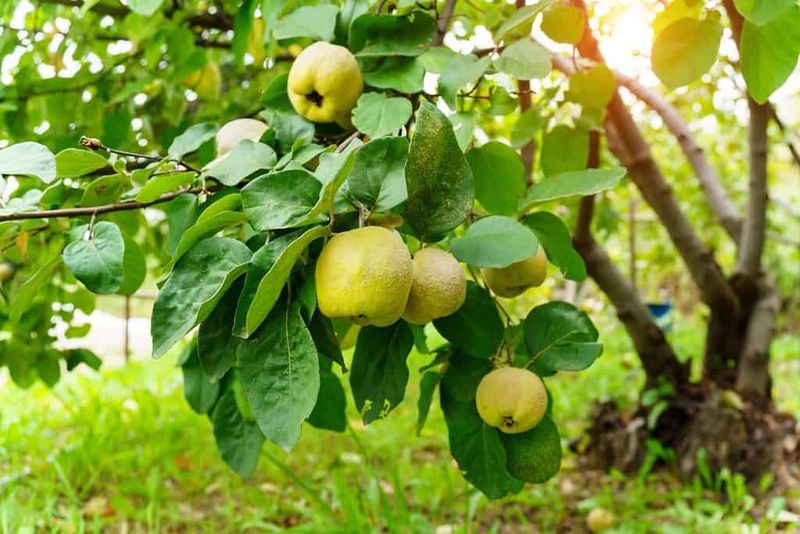
Quince trees represent one of the most underappreciated long-lived fruit trees perfectly suited to Pennsylvania growing conditions.
These ancient fruits have been cultivated for over 4,000 years and routinely live beyond 150 years.
Their compact size, rarely exceeding 12 feet, makes them ideal for smaller yards and urban gardens.
Quince displays stunning pink-white blossoms in late spring, blooming after frost danger passes.
The large, aromatic golden fruits cannot be eaten raw but transform into exquisite preserves, jellies, and baked goods.
These trees show remarkable resistance to most pests and diseases that trouble other fruit species.
They tolerate a wide range of soil conditions, from heavy clay to sandy loam, as long as drainage remains adequate.
Pennsylvania’s climate provides perfect chilling hours and growing season length for optimal quince production.
The trees require minimal pruning compared to apples or peaches, needing only light shaping and removal of crossing branches.
Their gnarled, picturesque form adds sculptural interest to the landscape even during winter dormancy, making them valuable four-season ornamental specimens that also produce uniquely fragrant fruit.
9. Pawpaw Trees Native And Enduring

Pawpaw trees offer Pennsylvania gardeners a native fruit option with impressive longevity exceeding 100 years in favorable conditions.
As North America’s largest native fruit, pawpaws produce creamy, tropical-flavored treats that taste like a banana-mango blend.
These understory trees naturally thrive in Pennsylvania’s forests, making them remarkably well-adapted to local conditions.
Young pawpaws prefer partial shade, though mature trees tolerate full sun and produce heavier crops in brighter locations.
They grow slowly but steadily, eventually reaching 15 to 25 feet tall with a pyramidal form.
Pawpaws require cross-pollination from genetically distinct trees, so planting multiple seedlings or grafted varieties ensures fruit set.
The trees resist virtually all common pests and diseases, requiring no chemical interventions for successful cultivation.
Their large, tropical-looking leaves create a lush, exotic appearance unusual for Pennsylvania landscapes.
Deep taproots make established pawpaws extremely drought-tolerant and difficult to transplant once mature.
Pennsylvania’s rich, moist woodland soils provide ideal growing conditions for these remarkable native trees that connect modern gardeners with the fruit enjoyed by indigenous peoples for thousands of years.
10. Persimmon Trees For The Ages
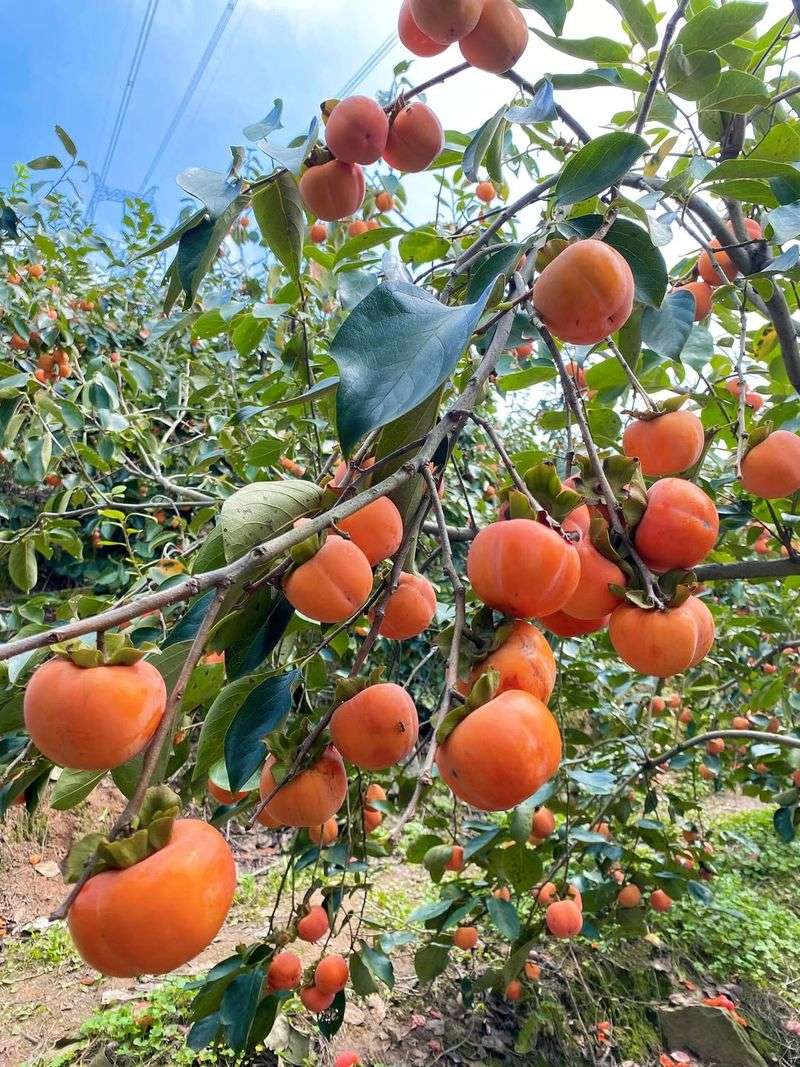
American persimmon trees can produce sweet fruit for well over a century in Pennsylvania, particularly in the state’s southern regions.
These native trees develop deep taproots that anchor them securely and provide drought resistance during dry summers.
The fruit ripens in late fall after frost, when sugars concentrate and astringency disappears completely.
Persimmons grow slowly but ultimately reach heights of 30 to 50 feet, becoming substantial landscape specimens.
Their distinctive blocky bark creates year-round visual interest, resembling alligator hide in texture and pattern.
Female trees require a male pollinator nearby for fruit production, so understanding tree gender proves essential for successful cultivation.
The trees adapt to various soil types but prefer deep, well-drained loam with consistent moisture.
Pennsylvania’s native persimmons show complete cold hardiness throughout the state, surviving even the harshest winters.
Wildlife cherishes the fruit, so sharing the harvest with local fauna becomes part of the persimmon-growing experience.
Their brilliant orange fall foliage adds spectacular autumn color before leaves drop, revealing the dangling orange fruits that persist into winter, creating a unique and beautiful seasonal display.
11. Mulberry Trees That Keep Giving
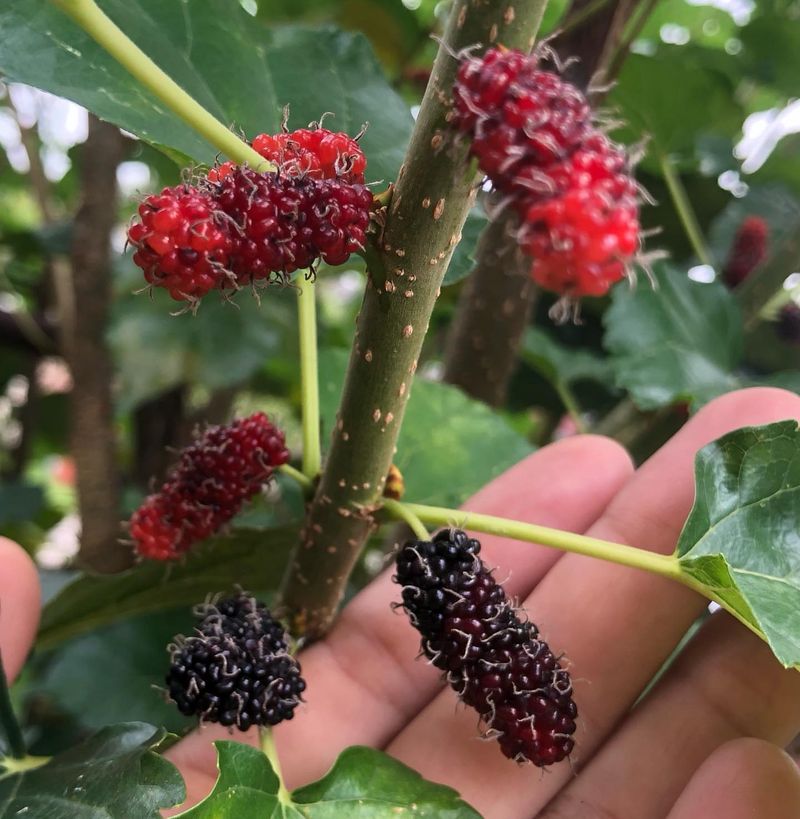
Mulberry trees rank among the most effortlessly long-lived fruit producers for Pennsylvania yards, often surpassing 150 years.
Black, white, and red mulberry species all grow successfully in Pennsylvania, each offering slightly different fruit flavors and tree characteristics.
These fast-growing trees quickly establish and begin fruiting within just a few years of planting.
Their extensive root systems make them incredibly drought-tolerant once established, requiring virtually no supplemental watering.
Mulberries thrive in almost any soil type and tolerate urban pollution better than most fruit trees.
The trees produce abundant crops of berries over several weeks, providing continuous harvest throughout early summer.
Birds adore mulberries, making these trees excellent for attracting wildlife while still leaving plenty for human consumption.
No serious pests or diseases affect mulberries in Pennsylvania, making them truly low-maintenance fruit producers.
The trees grow large, often reaching 40 feet tall with equally wide canopies that provide excellent summer shade.
Their sweet-tart berries work wonderfully fresh, in jams, or in baked goods, offering versatility that makes the occasional purple-stained sidewalk a small price to pay for such reliable, long-term production.
12. Medlar Trees With Historic Appeal
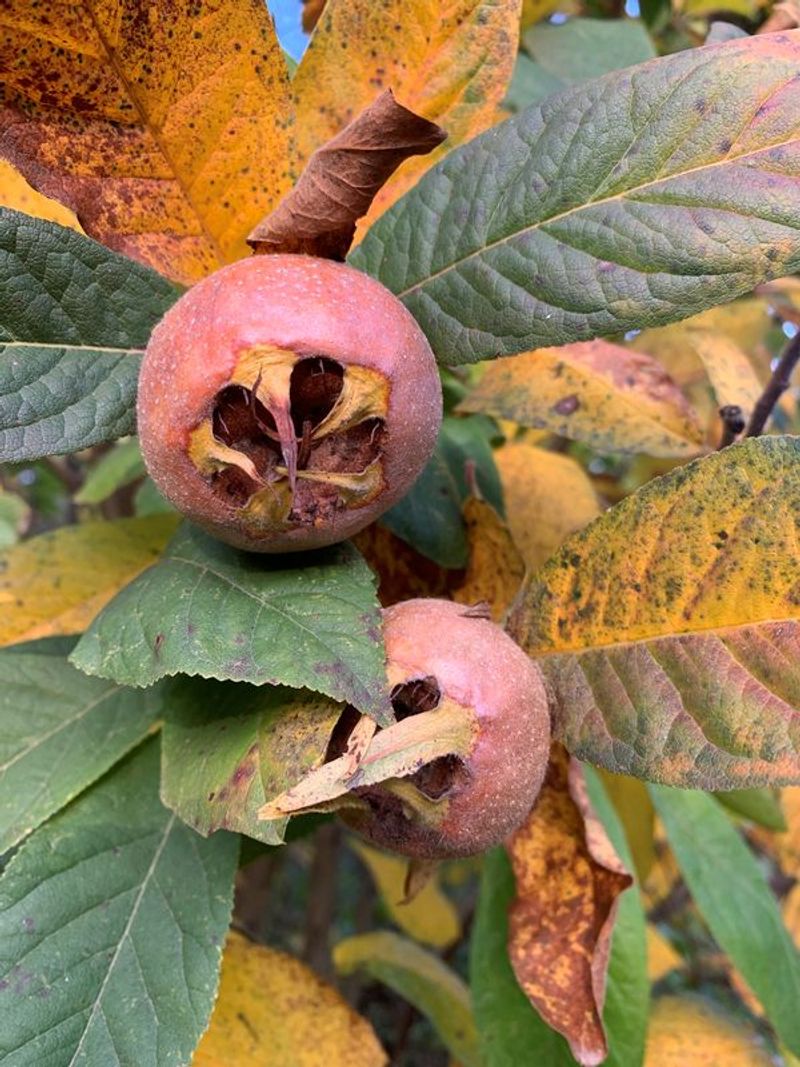
Medlar trees bring medieval European charm to Pennsylvania landscapes while producing fruit for over 100 years with minimal care.
These uncommon trees create wonderful conversation pieces, as few modern gardeners recognize their unique bletted fruit.
The trees grow slowly to about 15 feet tall, developing picturesque, gnarled forms that add character to any yard.
Large white flowers appear in late spring, blooming after frost danger completely passes.
The unusual fruits must be harvested after frost and allowed to soften through a process called bletting before consumption.
Once properly bletted, the flesh develops a complex, sweet flavor reminiscent of apple butter or spiced wine.
Medlars show remarkable cold hardiness throughout Pennsylvania and resist virtually all common fruit tree pests and diseases.
They tolerate partial shade better than most fruit trees, making them suitable for woodland garden edges.
The trees require almost no pruning, naturally developing attractive, spreading forms without intervention.
Pennsylvania’s climate provides ideal conditions for medlars, which appreciate cold winters and moderate summers, making these historic trees an excellent choice for gardeners seeking something genuinely different that will thrive for generations.