9 Amazing Uses For Echinacea Every North Carolina Gardener Should Know
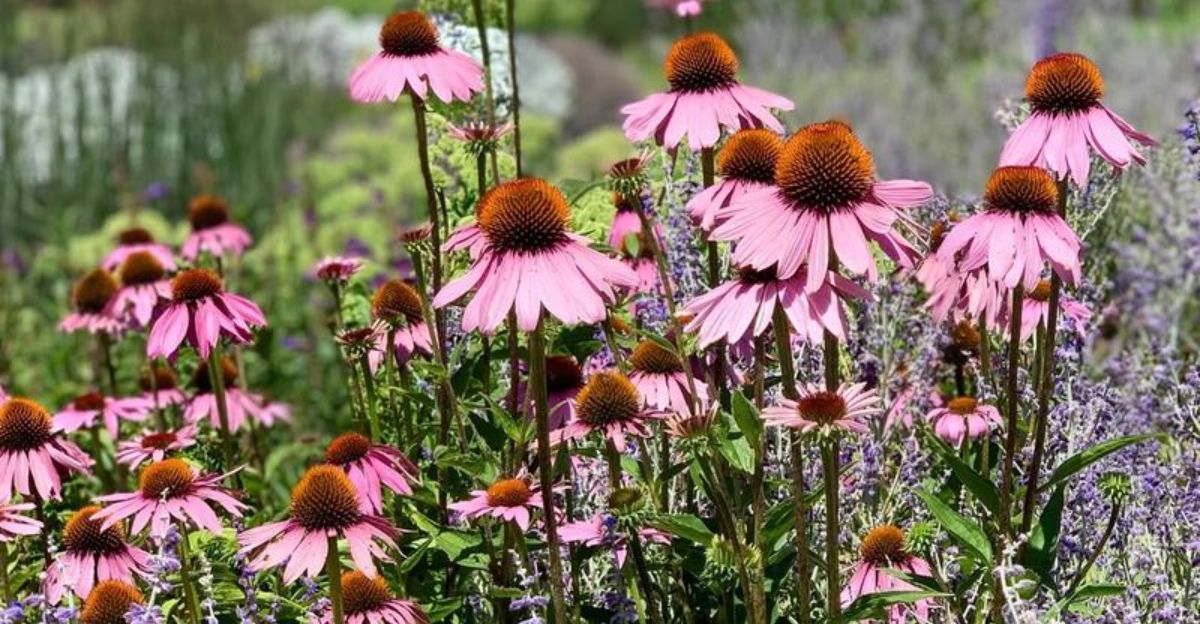
North Carolina gardeners often plant echinacea for its bold blooms, but those flowers are just the tip of the iceberg.
This native powerhouse has a long history of practical uses that go far beyond curb appeal.
Once you know what it can do, echinacea earns its keep year after year.
From supporting pollinators to offering traditional wellness uses, echinacea thrives in North Carolina’s heat while quietly working behind the scenes.
It’s drought-tolerant, deer-resistant, and tough enough to handle humidity without fuss.
Gardeners who grow echinacea quickly discover it’s a multitasker—useful in the garden, the home, and even the winter months when fresh growth is scarce.
Its roots, flowers, and seed heads all have value, making it one of those rare plants that feels generous rather than demanding.
Once you start using echinacea intentionally, it stops being just another flower and becomes a true garden staple.
1. Supporting Native Pollinators All Season
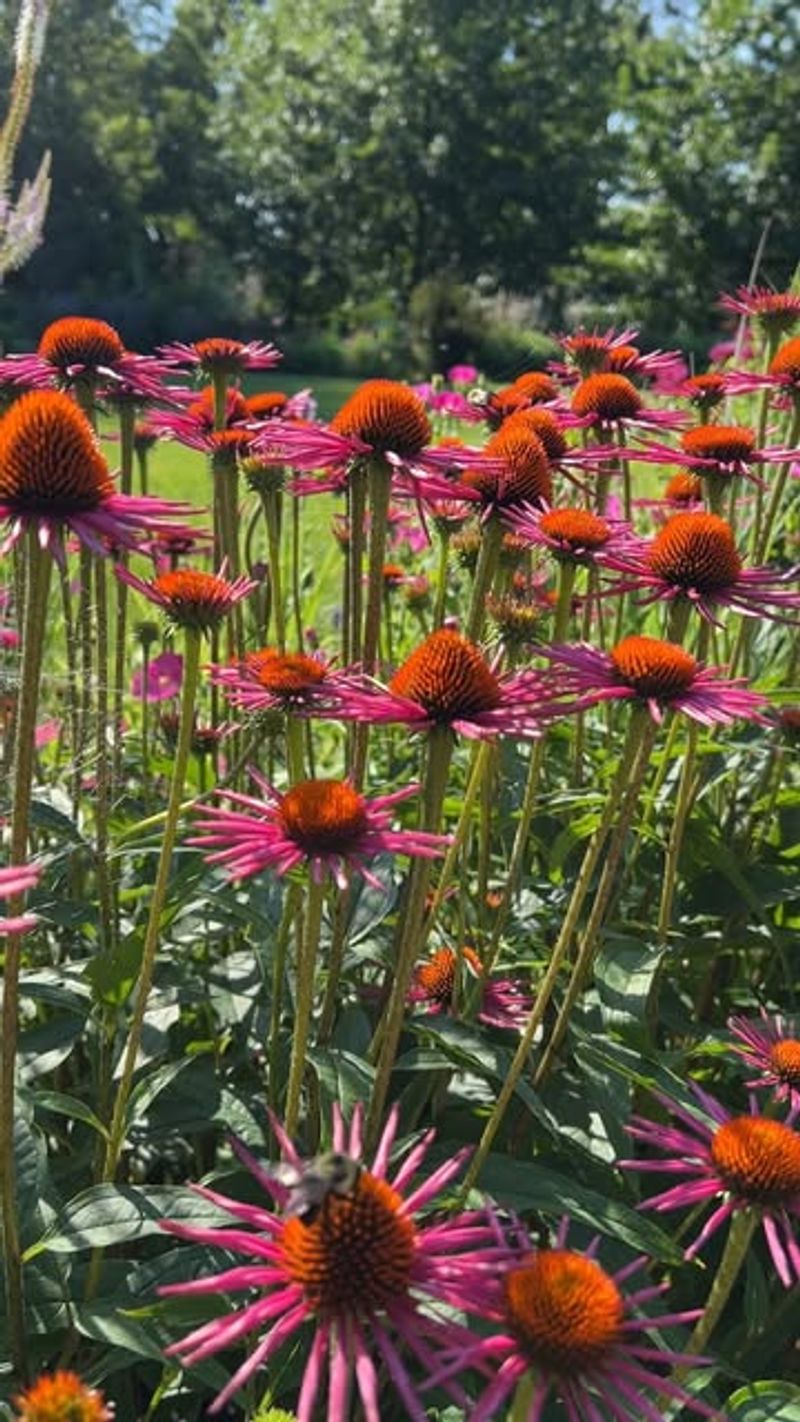
Pollinators need reliable food sources throughout the growing season, and echinacea delivers exactly that.
These cheerful flowers bloom from early summer straight through fall, providing consistent nectar and pollen when many other plants have finished flowering.
Native bees, butterflies, and beneficial insects visit echinacea blooms daily, making your garden a vital refueling station.
North Carolina summers can be brutally hot, and many flowering plants struggle or stop blooming during peak heat.
Echinacea keeps producing fresh flowers even when temperatures soar into the 90s.
This reliability makes it essential for sustaining pollinator populations through the toughest months.
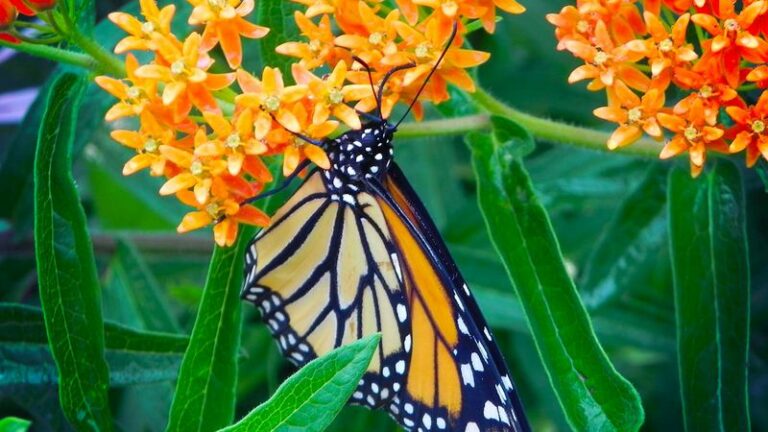
Monarch butterflies passing through North Carolina during migration depend on late-season nectar sources like echinacea.
Bumblebees and solitary native bees also prefer these flowers because the sturdy central cone provides an excellent landing platform.
Watching pollinators work your echinacea patch is endlessly fascinating.
You’ll notice different species visiting at different times of day.
Early morning often brings bumblebees, while butterflies arrive as temperatures warm.
By planting echinacea, you’re creating a pollinator highway right in your backyard.
Your garden becomes part of a larger ecosystem that supports biodiversity across the region.
This single plant choice makes a measurable difference for wildlife.
2. Feeding Songbirds Through Fall And Winter
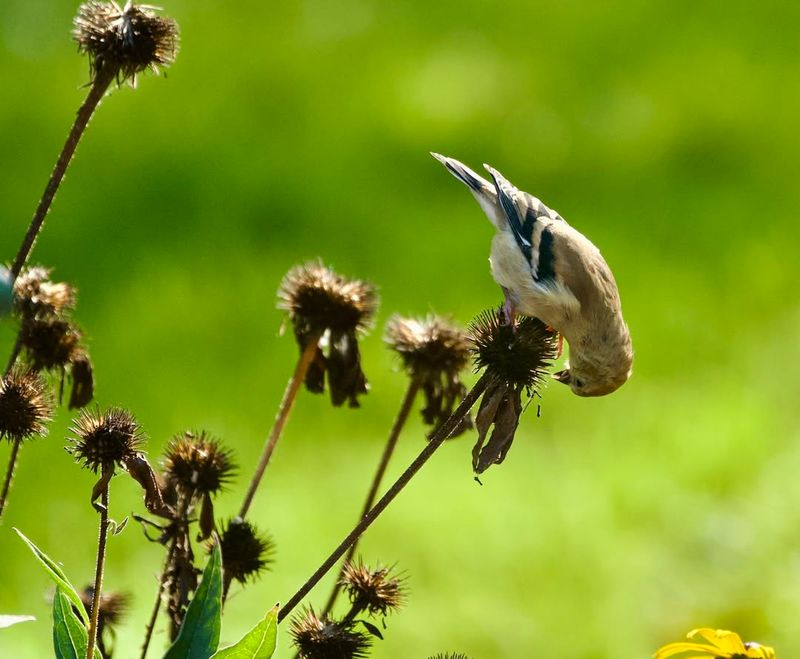
When autumn arrives and echinacea flowers fade, their usefulness doesn’t end.
The seed heads that form after blooming become natural bird feeders.
American goldfinches absolutely adore echinacea seeds and will visit your garden repeatedly throughout fall and winter.
Leaving these seed heads standing instead of cutting them down provides free, nutritious food for birds when natural sources become scarce.
Goldfinches aren’t the only visitors you’ll attract.
Carolina chickadees, tufted titmice, and various sparrow species also enjoy picking seeds from the dried cones.
Watching these colorful birds balance on swaying stems while extracting seeds is pure entertainment on cold winter mornings.
The seed heads remain intact for months, continuing to feed birds well into winter.
This natural food source helps resident birds survive harsh weather without relying entirely on feeders.
It’s a sustainable approach that reduces your need to constantly refill bird feeders.
Your North Carolina Garden Changes Every Week. Your Plan Should Too.
Gardening in North Carolina changes quickly throughout the season. Every Friday you’ll receive a simple weekly plan showing exactly what to plant, prune, fertilize, harvest, and protect so you never miss the right timing.
Some gardeners worry that leaving seed heads looks messy, but many birds prefer this natural setting.
The standing stems also provide cover where birds can perch while scanning for predators.
Your echinacea patch becomes a safe dining area.
This simple practice of leaving seed heads standing transforms your garden into a year-round wildlife habitat.
You’ll enjoy increased bird activity without any extra effort or expense.
3. Low-Maintenance Native-Friendly Landscaping
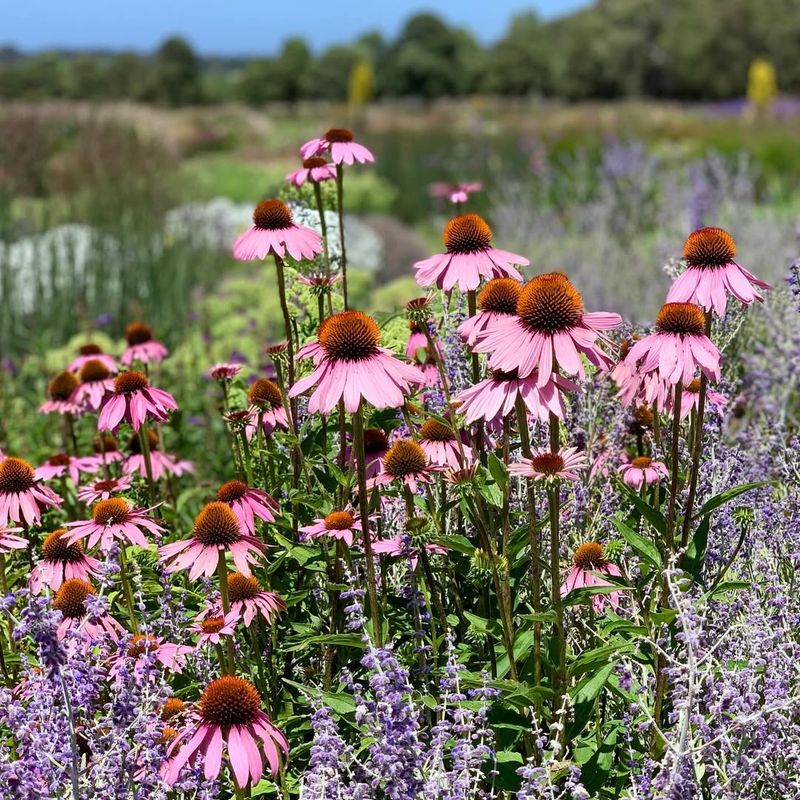
North Carolina’s climate challenges many garden plants with intense summer heat, high humidity, and unpredictable rainfall.
Echinacea thrives in these exact conditions with minimal fussing from gardeners.
Once established, these tough perennials return year after year without demanding constant attention.
Unlike many ornamental flowers that need regular watering, fertilizing, and pest control, echinacea essentially takes care of itself.
Its deep taproot reaches moisture far below the surface, making it remarkably drought-tolerant.
During those sweltering July and August weeks, your echinacea keeps blooming while other plants wilt.
This native plant evolved in conditions similar to what North Carolina offers, so it’s perfectly adapted to local soils and weather patterns.
You won’t need to amend your soil or create special planting beds.
Echinacea grows happily in average garden soil with decent drainage.
Pests and diseases rarely bother healthy echinacea plants.
You can skip the chemical sprays and still enjoy beautiful flowers.
This makes echinacea ideal for organic gardening approaches.
The plant’s low-maintenance nature saves you time, money, and effort.
You can spend your weekends enjoying your garden instead of endlessly maintaining it.
For busy gardeners or those new to perennials, echinacea offers success without stress.
It’s the perfect foundation plant for creating a beautiful landscape that practically cares for itself.
4. Cut Flowers For Summer Arrangements
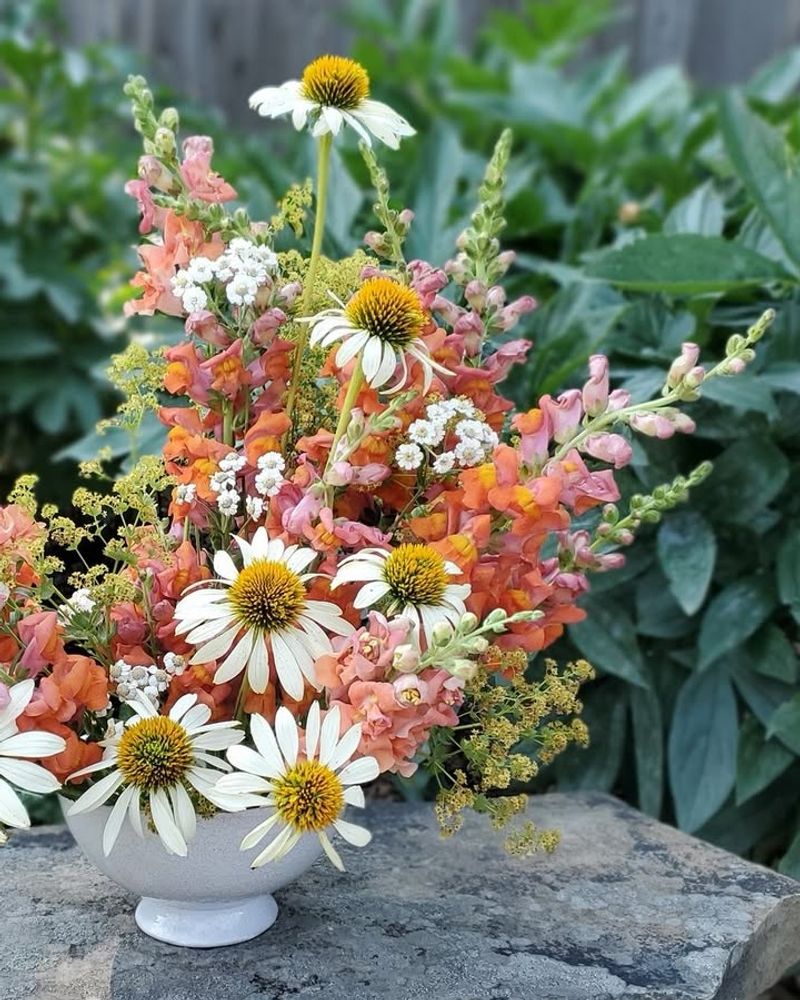
Bringing your garden indoors becomes easy when you grow echinacea.
These flowers make outstanding cut stems for fresh arrangements.
Their sturdy construction and long vase life mean you can enjoy homegrown bouquets for over a week.
The thick, strong stems stand upright in arrangements without flopping or drooping like delicate flowers often do.
This structural quality makes them perfect for both casual kitchen table bouquets and more formal arrangements.
You can combine echinacea with other garden flowers or let them shine alone.
Harvest your echinacea stems early in the morning when flowers are fully hydrated.
Cut stems at an angle and immediately place them in water.
Remove any foliage that would sit below the water line to prevent bacterial growth.
The distinctive daisy-like form of echinacea adds visual interest to any arrangement.
The raised central cone creates texture and dimension that flat flowers can’t match.
Whether you prefer the classic purple varieties or newer colors like white, pink, or orange, all work beautifully indoors.
Having a steady supply of cut flowers from your own garden saves money on grocery store bouquets.
You’ll always have fresh stems available throughout the entire summer.
Cutting flowers also encourages plants to produce more blooms, extending your garden display.
Friends and neighbors love receiving homegrown bouquets, making echinacea a gift that keeps giving all season long.
5. Dried Flowers For Fall And Winter Décor

Echinacea’s usefulness extends beyond the growing season when you harvest and dry the flowers.
Both the blooms and seed heads dry beautifully, retaining their shape and adding rustic charm to seasonal decorations.
Crafters and decorators treasure dried echinacea for wreaths, swags, and table arrangements.
Harvesting for drying is simple and rewarding.
Cut stems when flowers are fully open but before they start fading.
Bundle several stems together with rubber bands and hang them upside down in a dry, dark location.
Within two to three weeks, your echinacea will be perfectly preserved.
The dried seed heads have a striking architectural quality that looks stunning in fall and winter displays.
Their spiky texture contrasts beautifully with softer dried materials like grasses or wheat.
Many people incorporate them into Thanksgiving centerpieces or holiday decorations.
Unlike artificial decorations that look the same year after year, dried echinacea from your garden adds authentic natural beauty.
Each stem has unique character shaped by your specific growing conditions.
You can spray-paint dried echinacea for modern looks or leave them natural for farmhouse style.
The possibilities are limited only by your creativity.
Dried arrangements last for months without any care.
Growing your own echinacea for crafts connects you more deeply to the changing seasons.
You’ll appreciate these flowers in entirely new ways when you see them transformed into lasting décor.
6. Foundation Plant In Meadow And Prairie Gardens
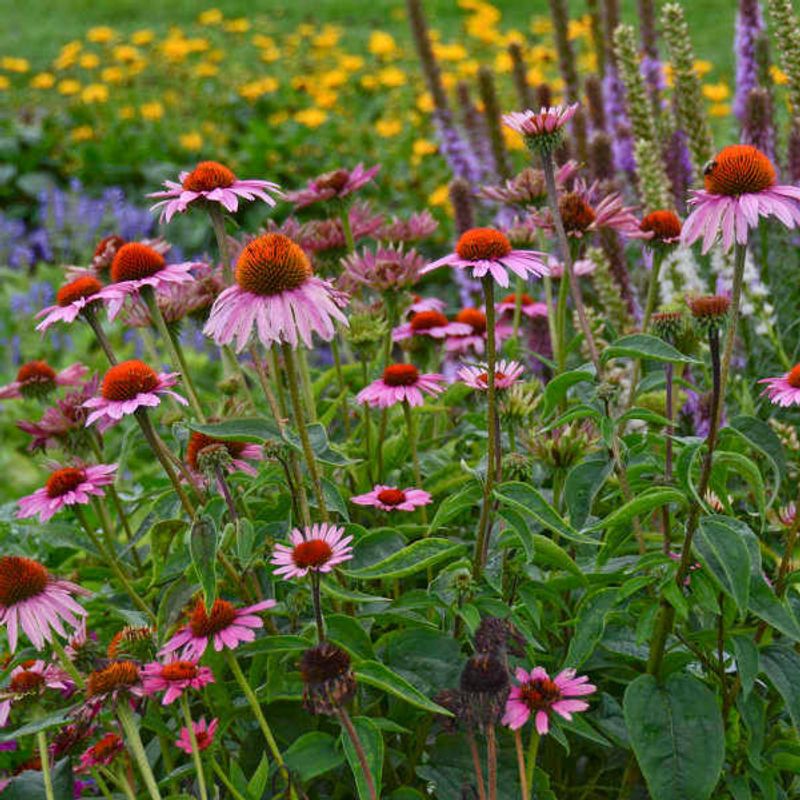
Meadow-style gardening has gained popularity across North Carolina as gardeners embrace more natural, sustainable landscapes.
Echinacea serves as a cornerstone species in these plantings, providing structure and reliable color.
Its upright form contrasts beautifully with flowing grasses and other wildflowers.
Traditional lawn alternatives like meadow gardens reduce mowing, conserve water, and support far more wildlife than turf grass.
Echinacea anchors these plantings with its substantial presence and long bloom period.
It partners perfectly with native grasses like little bluestem and wildflowers such as black-eyed Susans.
The plant’s natural growth habit looks right at home in informal, naturalistic settings.
Unlike stiff formal borders, meadow plantings sway and move with breezes, creating a relaxed, welcoming atmosphere.
Echinacea’s vertical stems add height variation that makes meadows visually interesting from all angles.
Establishing a meadow garden requires patience, but echinacea’s reliable performance makes the process easier.
Once your meadow matures, echinacea self-seeds moderately, filling in gaps naturally without becoming invasive.
This gentle spreading creates a more established look over time.
Conservation-minded gardeners appreciate how meadow plantings with echinacea restore habitat that development has eliminated.
Your yard becomes a miniature prairie ecosystem supporting dozens of species.
This approach to landscaping feels purposeful and environmentally responsible.
Meadow gardens require less maintenance than traditional landscapes while providing greater ecological benefits.
Echinacea makes this transformation both beautiful and achievable for North Carolina gardeners.
7. Erosion Control In Sunny Areas
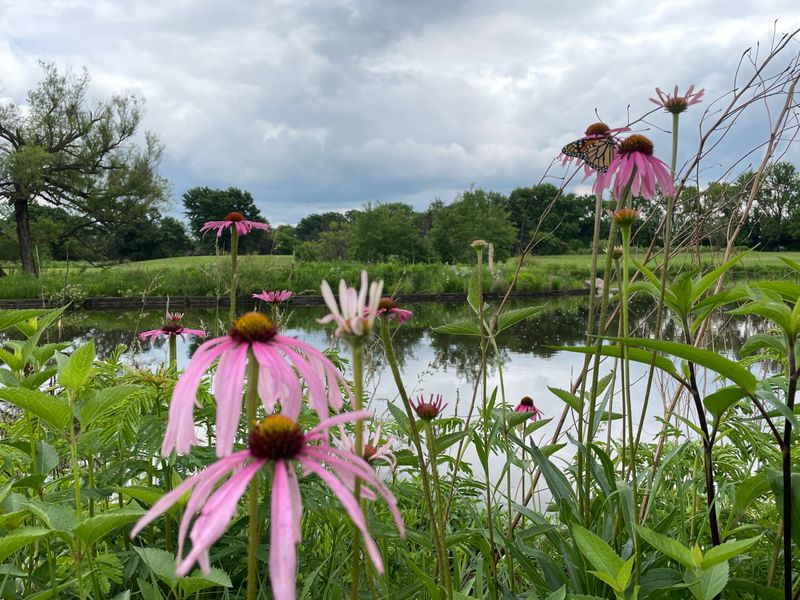
Slopes, embankments, and other challenging areas often suffer from soil erosion, especially during North Carolina’s heavy rains.
Echinacea’s extensive root system provides an excellent solution to this common landscaping problem.
The deep taproot and spreading fibrous roots hold soil firmly in place.
Many erosion-prone areas receive full sun, which perfectly matches echinacea’s preferences.
Where grass struggles to establish on slopes, echinacea thrives with minimal care.
The plants require no mowing, reducing the danger and difficulty of maintaining steep areas.
Once established, echinacea roots penetrate deeply into the soil, creating a network that binds particles together.
This underground structure prevents rainfall from washing soil away during storms.
The above-ground foliage also slows water runoff, giving moisture time to soak in.
Roadside plantings and ditch banks benefit tremendously from echinacea’s stabilizing properties.
Many municipalities and highway departments now include native perennials like echinacea in their erosion control plans.
Homeowners can apply the same principles to problem areas in their yards.
Unlike temporary solutions such as erosion blankets, echinacea provides permanent stabilization that improves over time.
As plants mature and spread, their root systems become increasingly effective.
You’ll notice less soil washing into driveways and walkways after establishing echinacea on slopes.
This practical application combines functional problem-solving with beauty.
Your erosion solution blooms cheerfully all summer while quietly doing important work below ground.
8. Attracting Beneficial Insects For Natural Pest Balance
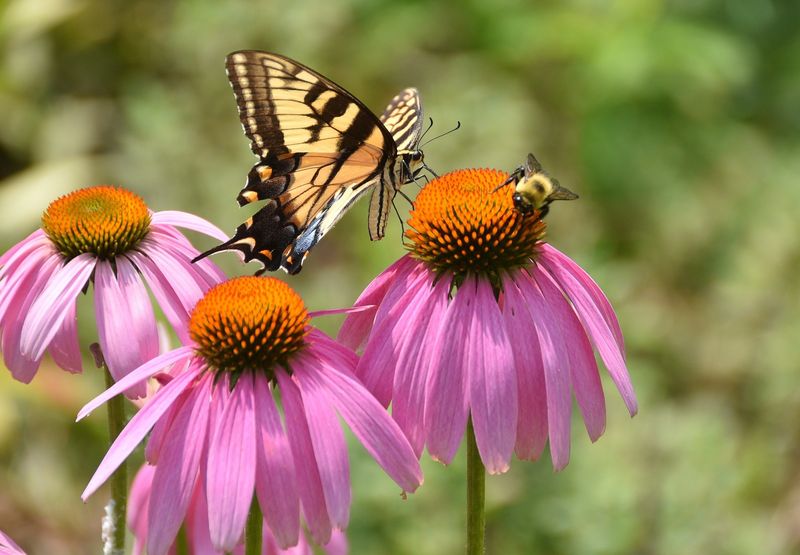
Healthy gardens maintain natural balance between pests and the beneficial insects that control them.
Echinacea plays a crucial role in attracting the good guys to your landscape.
Predatory and parasitic insects need nectar and pollen for energy, and echinacea provides both abundantly.
Ladybugs, lacewings, parasitic wasps, and hover flies all visit echinacea flowers regularly.
These beneficial insects then patrol your garden, consuming aphids, caterpillars, and other plant pests.
By supporting beneficial insect populations, you reduce or eliminate the need for chemical pest control.
This approach, called integrated pest management, works with nature instead of against it.
Echinacea becomes part of your garden’s defense system, recruiting helpful insects that do pest control work for free.
You’ll notice fewer pest problems overall when beneficial insects thrive.
The diverse insect activity around echinacea flowers indicates a healthy, balanced ecosystem.
Not every bug in your garden is harmful, and echinacea helps you support the helpful species.
Chemical pesticides often eliminate beneficial insects along with pests, disrupting natural balance.
Echinacea offers a better alternative that strengthens your garden’s resilience.
Children love observing the incredible variety of insects visiting echinacea blooms.
These flowers become outdoor classrooms where families can learn about beneficial insects together.
Understanding which insects help your garden encourages more thoughtful, sustainable gardening practices.
Echinacea makes organic pest management easier and more effective for North Carolina gardeners committed to reducing chemical use.
9. Winter Garden Structure And Visual Interest
Most perennials disappear completely in winter, leaving gardens looking bare and lifeless.
Echinacea breaks this pattern by providing beautiful structure throughout the coldest months.
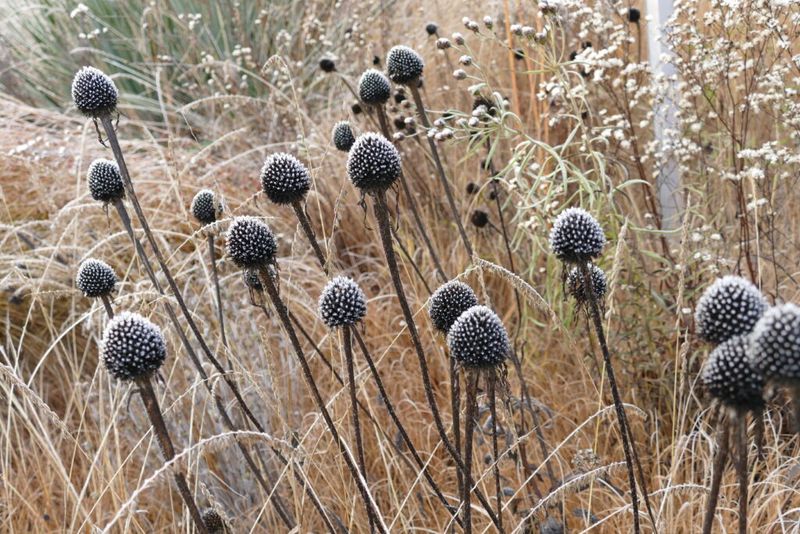
The dried stems and seed heads stand tall, creating vertical elements that catch frost, snow, and winter light.
Garden designers increasingly appreciate the value of plants that offer four-season interest.
Echinacea’s winter presence adds architectural quality to dormant landscapes.
The dark seed heads contrast strikingly against snow or the tans and browns of winter gardens.
Morning frost transforms echinacea seed heads into sparkling sculptures.
Low winter sun backlights the dried stems, creating dramatic shadows and highlighting textures invisible during summer.
These seasonal changes remind us that gardens remain interesting even when not actively growing.
Leaving echinacea standing through winter requires no effort but delivers significant visual rewards.
The sturdy stems withstand wind, ice, and snow without collapsing.
They maintain their form until you cut them back in early spring.
Winter gardens with standing echinacea feel intentionally designed rather than neglected.
The seed heads provide focal points that draw the eye and create composition.
Photographers particularly love capturing echinacea in winter conditions.
Beyond aesthetics, these standing stems continue supporting wildlife by providing bird food and insect shelter.
Your winter garden becomes a multifunctional space that looks beautiful while serving ecological purposes.
Echinacea proves that gardening success isn’t measured only during peak bloom season.