The One Mistake Ohio Residents Make When Overwintering Tender Plants
Ohio winters have a way of humbling even the most confident plant lover.
One hard frost passes, tender plants move indoors, and relief sets in — until leaves yellow, stems stretch, and growth slows to a crawl.
The cold stayed outside, yet trouble crept in anyway.
Many Ohio residents unknowingly trade one stress for another when overwintering tender plants, swapping freezing nights for dim rooms and desert-dry air.
The mistake hides in plain sight, unfolding week by week as plants quietly struggle – bringing them indoors without providing adequate light and humidity.
What looks like normal winter rest often signals deeper stress.
Spotting this misstep early can mean the difference between limp survivors and plants that rebound strong when spring finally returns.
Bringing Tender Plants Indoors Without Enough Light
Moving your tender plants inside seems like a safe choice when temperatures drop.
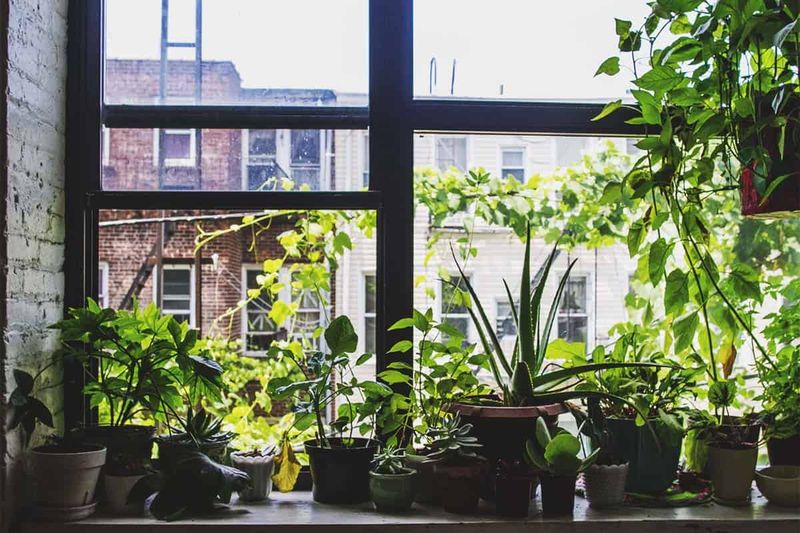
But many Ohio gardeners forget that indoor spaces rarely provide the intense light these plants enjoyed outdoors.
Even near a window, light levels can be just a fraction of what they received in your garden or patio.
Tropical plants evolved under bright sunlight, and when deprived of adequate light, they respond by slowing growth or dropping leaves.
You might notice stems becoming leggy or colors fading as the plant struggles to photosynthesize.
This stress weakens the plant and makes it vulnerable to pests and diseases throughout the winter months.
Understanding light requirements before you bring plants indoors is essential.
Check each species to see if it needs full sun, partial shade, or bright indirect light.
Then assess your home honestly.
Does that corner really get enough brightness, or will you need to supplement with artificial sources?
Planning ahead prevents disappointment later.
Your plants will reward careful preparation with healthy growth and vibrant foliage all winter long.
Why Ohio’s Winter Sun Isn’t Strong Enough For Tropical Plants
Winter sun in Ohio is fundamentally different from summer rays.
The angle of the sun changes dramatically as Earth tilts away from the sun during colder months.
This means sunlight passes through more atmosphere and arrives at a lower intensity, even on clear days.
Shorter daylight hours compound the problem.
While your hibiscus or mandevilla enjoyed fourteen hours of bright light in July, December offers barely nine hours of weak, slanted rays.
Tropical plants cannot adjust quickly to this drastic reduction.
Their internal clocks expect consistent light year-round, just like they would receive near the equator.
Windows also filter and reduce light further.
Glass blocks certain wavelengths, and dirt or frost on panes cuts intensity even more.
What looks bright to your eyes might still be too dim for a sun-loving plant.
Many gardeners assume a sunny window equals outdoor sun, but measurements would show otherwise.
Recognizing this gap helps you take corrective action early.
Supplemental lighting or choosing the brightest possible location becomes necessary for success.
How Dry Indoor Air Damages Overwintering Plants
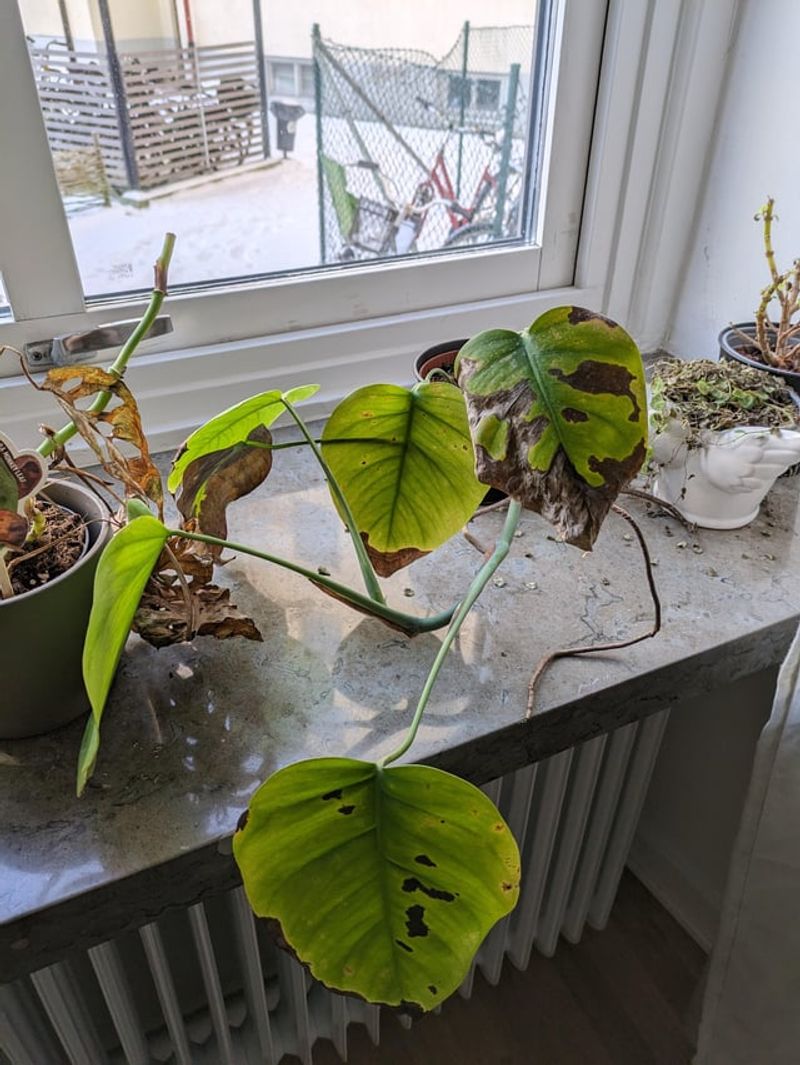
Central heating keeps Ohio homes comfortable during freezing winters, but it creates desert-like conditions for your plants.
Your Ohio Garden Changes Every Week. Your Plan Should Too.
Gardening in Ohio changes quickly throughout the season. Every Friday you’ll receive a simple weekly plan showing exactly what to plant, prune, fertilize, harvest, and protect so you never miss the right timing.
Forced-air systems strip moisture from the air, often reducing humidity to twenty percent or lower.
Tropical and subtropical plants evolved in environments where humidity hovers around fifty to eighty percent.
When roots cannot absorb moisture fast enough to replace what leaves lose through transpiration, visible damage appears.
Brown leaf tips and edges are classic signs of low humidity stress.
Leaves may curl, wrinkle, or develop crispy patches despite adequate watering.
The plant simply cannot maintain proper moisture balance in such arid conditions.
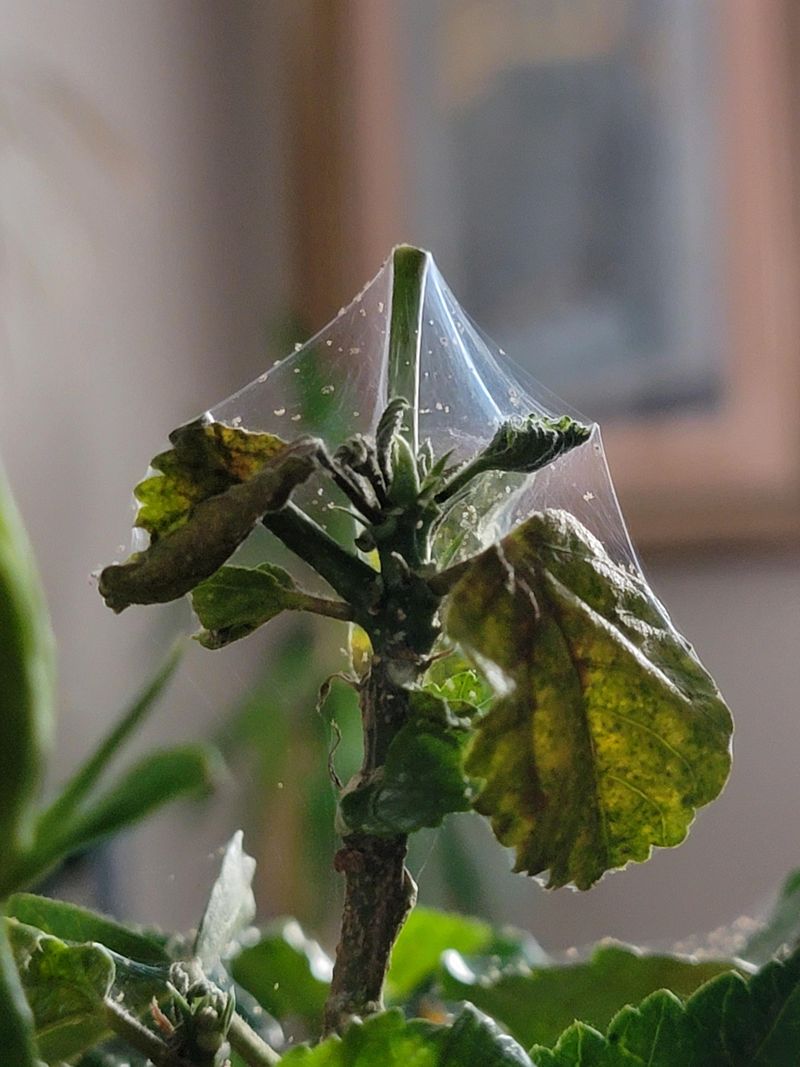
Dry air also invites pests like spider mites, which thrive when humidity drops.
These tiny creatures multiply rapidly on stressed plants, creating infestations that can spread throughout your indoor collection.
Monitoring humidity levels with a simple hygrometer gives you valuable information.
You can then take steps like grouping plants together, using pebble trays, or running a humidifier nearby.
Small adjustments make enormous differences in plant health and appearance through the dormant season.
Common Signs Your Plant Is Struggling Indoors
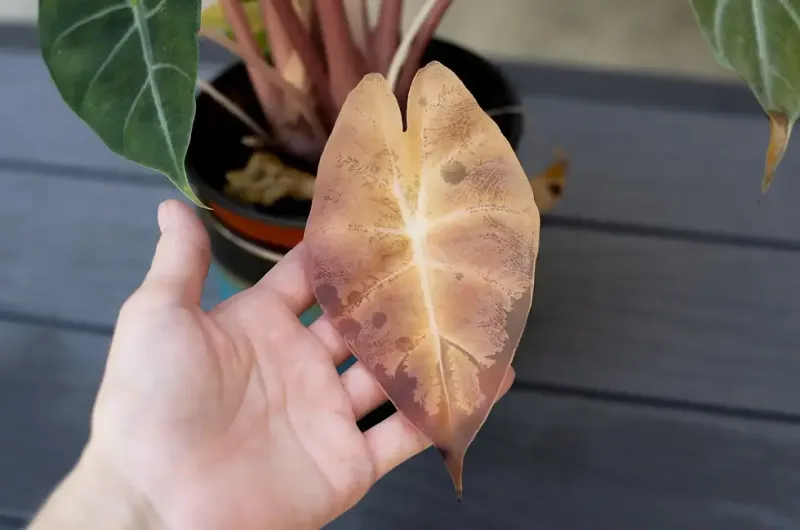
Plants communicate stress through visible changes, but many gardeners misinterpret these signals.
Yellowing leaves often indicate too much water, not too little, especially when combined with soggy soil.
Indoor plants need less frequent watering because growth slows and evaporation decreases in cooler, darker conditions.
Leaf drop can mean several different problems.
Sudden temperature changes, such as cold drafts from doors or hot air from vents, shock plants and cause rapid leaf loss.
Insufficient light also triggers leaves to fall as the plant conserves energy.
Pale or faded foliage suggests inadequate light intensity.
New growth that appears thin, stretched, or unusually spaced indicates the plant is reaching desperately for more brightness.
Crispy brown patches, especially on leaf edges, point to humidity problems or fertilizer buildup in the soil.
Sticky residue or tiny insects signal pest infestations that exploit weakened plants.
Paying attention to these warning signs early allows you to adjust care before damage becomes severe.
Each symptom offers clues about what your plant needs to thrive indoors until spring arrives.
Why South-Facing Windows Often Aren’t Enough
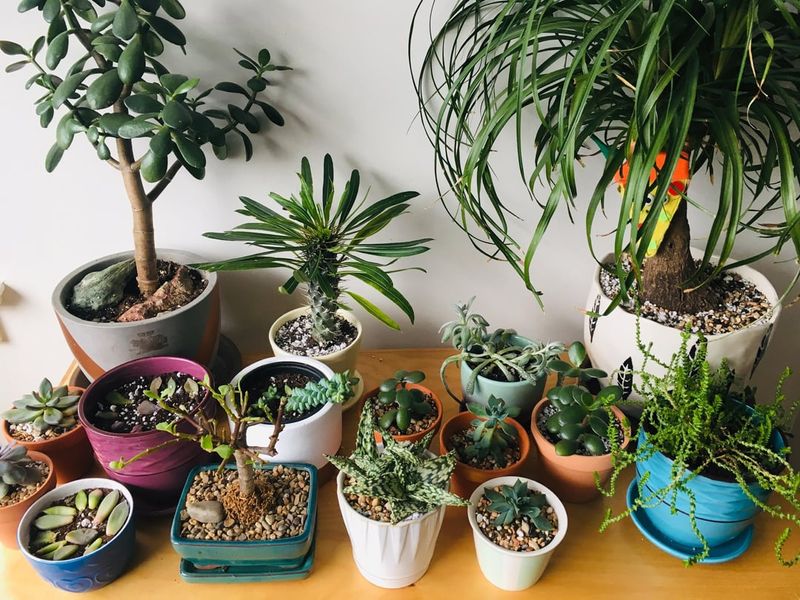
South-facing windows offer the best natural light in winter, but this advantage has limits.
Distance from the window matters tremendously.
Light intensity drops off rapidly as you move even a few feet away from the glass.
A plant sitting directly on the sill receives far more light than one placed on a nearby table.
Window size and obstructions also affect light availability.
Trees, buildings, or roof overhangs outside can block precious winter sun for hours each day.
Inside, curtains, blinds, or even dirty glass reduce the light that reaches your plants.
Multiple plants crowding one window create shade for each other.
Only the specimens closest to the glass receive adequate brightness, while those in back struggle with insufficient light.
Rotating plants regularly helps but does not solve the fundamental problem of limited space and weak winter sun.
Many tender plants need light levels that a single window simply cannot provide, regardless of direction.
Acknowledging this reality early saves frustration.
You can then explore alternatives like grow lights or reducing the number of plants you overwinter to match available resources.
Simple Ways To Add Light Without A Greenhouse
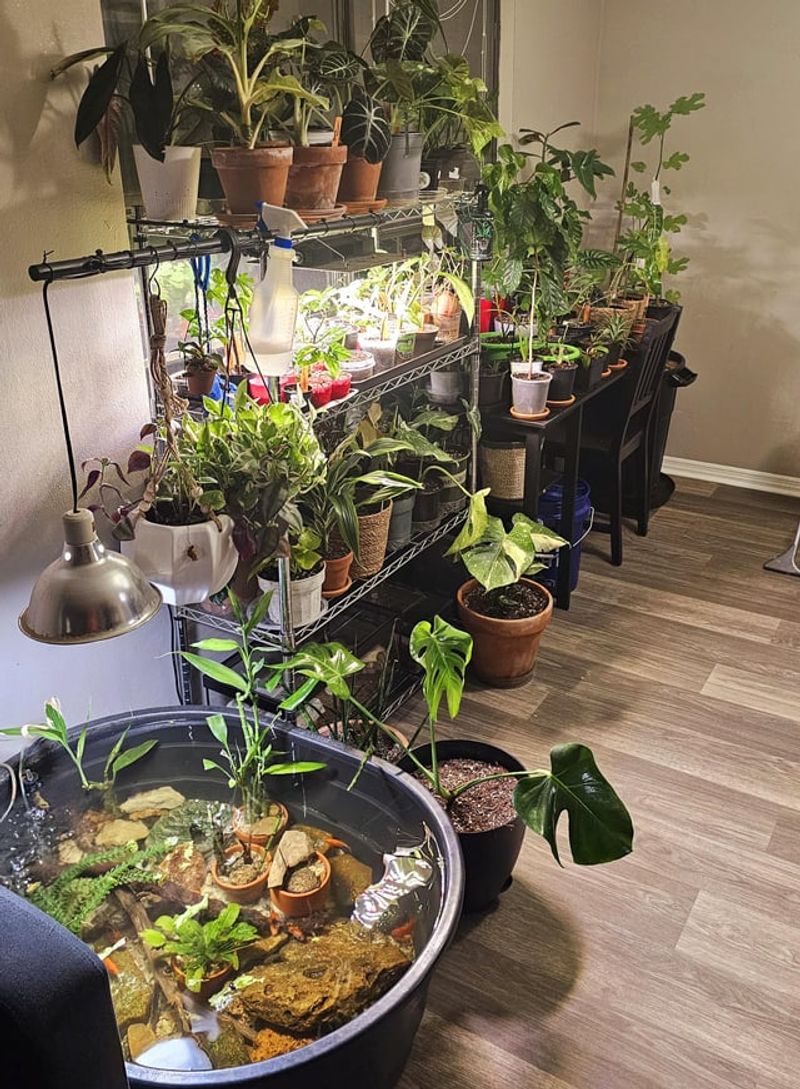
Greenhouses offer ideal conditions but are not practical for most Ohio gardeners.
Fortunately, modern LED grow lights provide an affordable and effective alternative.
These fixtures have improved dramatically in recent years, offering full-spectrum light that plants can actually use for photosynthesis.
Position grow lights twelve to eighteen inches above your plants for best results.
Timer switches automate the process, providing consistent light for twelve to fourteen hours daily.
This mimics summer conditions and keeps plants actively growing rather than just surviving.
Fluorescent shop lights also work well for overwintering and cost less than specialized horticultural fixtures.
The key is choosing bulbs with the right color temperature, typically in the 5000-6500 Kelvin range.
Reflective surfaces maximize whatever light you provide.
White walls, mirrors, or aluminum foil behind plants bounce light back onto foliage, effectively increasing intensity.
Even without supplemental lighting, you can improve conditions by keeping windows clean and removing obstacles that block natural light.
Combining strategies works better than relying on any single solution.
Your plants will respond with healthier growth and better color throughout the winter months.
How Humidity Loss Leads To Pests And Leaf Drop
Humidity and plant health are deeply connected in ways many gardeners overlook.
When air becomes too dry, plant cells lose moisture faster than roots can replace it.
This stress weakens the plant’s natural defenses and makes it attractive to opportunistic pests.
Spider mites are particularly problematic in dry indoor environments.
These microscopic pests thrive when humidity drops below forty percent.
They pierce plant cells and suck out contents, leaving behind stippled, discolored leaves and fine webbing.
Scale insects and mealybugs also proliferate on stressed plants.
Healthy plants with proper humidity can often resist minor pest pressure, but weakened specimens become easy targets.
Infestations spread quickly in winter when plants are grouped together indoors.
Leaf drop often follows as the plant struggles with both low humidity and pest damage.
The combination creates a downward spiral that can be hard to reverse.
Preventing humidity problems before they start is far easier than treating the consequences later.
Regular misting helps temporarily but is not enough for most tropical plants.
Humidifiers, pebble trays, or grouping plants together create more stable conditions that support health and discourage pests.
The Right Indoor Setup For Healthy Overwintering
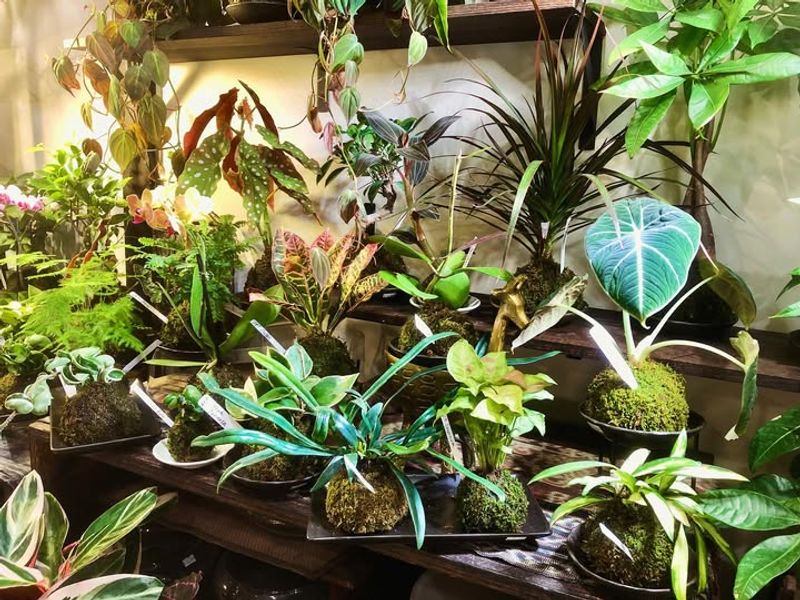
Success with overwintering comes from creating an environment that meets your plants’ basic needs.
Start by choosing the right location.
A spare bedroom, basement, or enclosed porch might work better than your main living spaces.
Temperature stability matters more than you might think.
Most tender plants tolerate cooler temperatures during dormancy but cannot handle sudden fluctuations.
Keep them away from exterior doors, drafty windows, and heating vents that create temperature swings.
Lighting should be your top priority.
Combine the best natural light available with supplemental grow lights to ensure plants receive adequate brightness.
Consistent light duration matters as much as intensity.
Humidity control prevents many common problems.
A small humidifier can maintain comfortable levels for both plants and people.
Group plants together to create a microclimate where they share moisture through transpiration.
Water carefully during winter.
Plants need less frequent watering when growth slows, but they should never completely dry out.
Check soil moisture before watering rather than following a rigid schedule.
With proper preparation and attention to these key factors, your tender plants will emerge healthy and vigorous when spring arrives.