What North Carolina Law Says About Pruning A Neighbors Shrub Branches
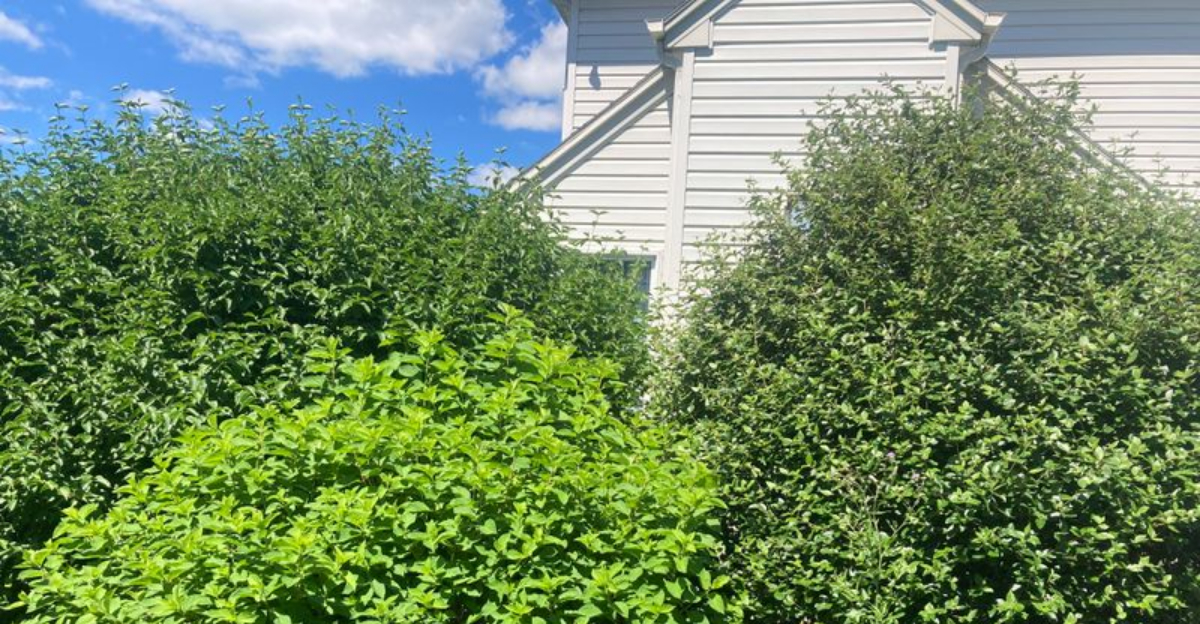
In North Carolina, a simple pair of pruners can carry more weight than most neighbors expect.
Shrub branches creep across property lines, brush windows, block light, or crowd a favorite walkway, and patience wears thin fast.
What looks like harmless trimming can turn sour once damage shows or feelings get bruised.
State law draws clear boundaries that protect property rights while keeping peace on both sides of the fence.
Missteps can invite repair bills, court dates, or frosty hellos at the mailbox.
Before blades touch bark, it pays to know where authority ends and liability begins.
A little legal insight keeps landscapes tidy, wallets safe, and neighborly ties intact.
You Have The Right To Trim Overhanging Branches
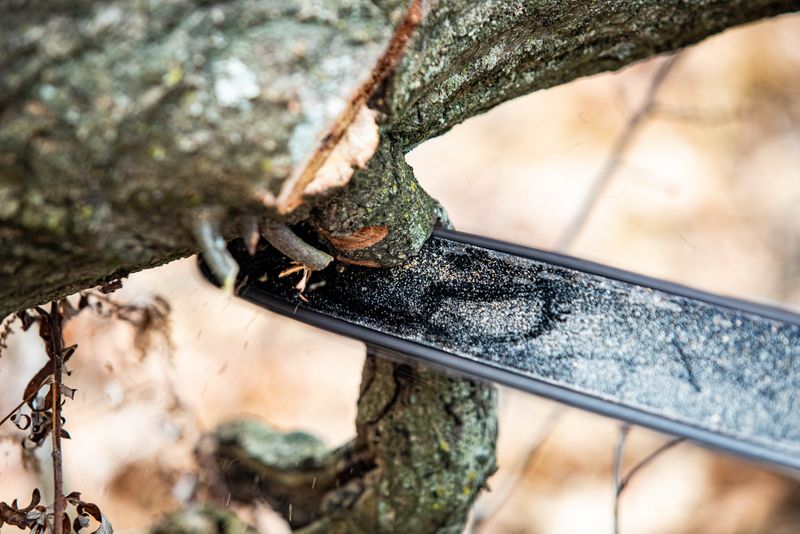
North Carolina law gives property owners a clear right to trim branches that hang over their property line.
This means you do not need to ask your neighbor for permission before cutting back limbs that cross into your yard.
The law recognizes that overhanging branches can cause problems like blocking sunlight, dropping leaves, or damaging structures.
However, this right comes with important limits.
You can only cut the parts that actually extend over your side of the boundary.
Crossing onto your neighbor’s property to trim their plants is not allowed and could lead to legal consequences.
Many homeowners feel relieved when they learn about this right.
It means you can take action without waiting for your neighbor to respond or agree.
Still, experts recommend talking to your neighbor first as a courtesy.
A friendly conversation can prevent misunderstandings and maintain good relationships.
Even though the law is on your side, being respectful about the situation often leads to better outcomes for everyone involved.
Document the property line clearly before you start trimming to avoid any disputes later.
Trimming Must Not Harm The Plant

While you can trim branches on your side, North Carolina law requires you to do so carefully.
Your trimming should not cause serious damage to the overall health of the tree or shrub.
Courts have ruled that property owners can be held responsible if their pruning harms the plant in a way that affects its survival or value.
This means you cannot simply hack away at branches without considering the consequences.
Professional arborists recommend making clean cuts at appropriate points to minimize stress on the plant.
Cutting too much or in the wrong places can weaken the entire tree or shrub.
If your neighbor can prove that your trimming caused significant harm, they might be able to sue you for damages.
The law balances your right to manage your property with your neighbor’s right to protect their plants.
When in doubt, consider hiring a professional tree service.
They understand proper pruning techniques and can trim branches safely without causing unnecessary damage.
Taking photos before and after trimming can also protect you if questions arise later about how the work was done.
Branches You Cut Belong To Your Neighbor
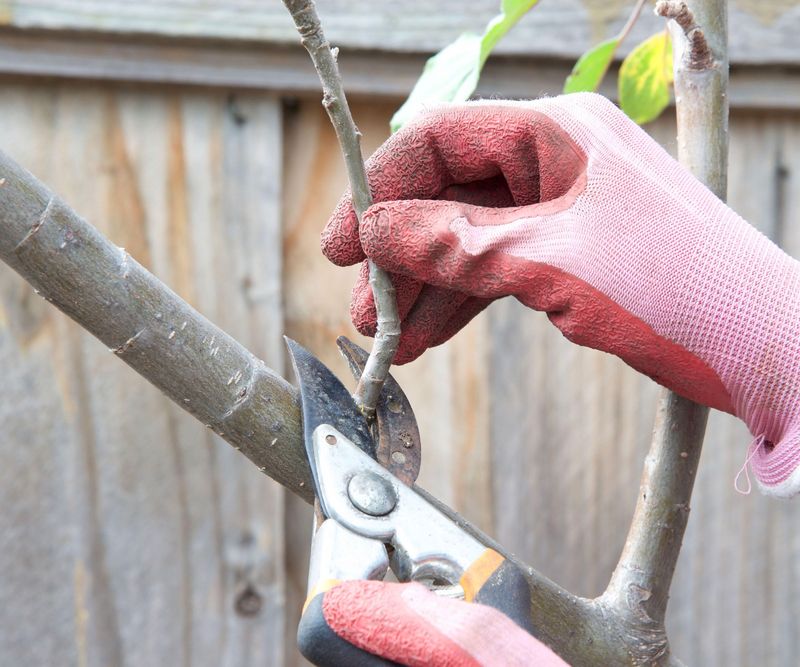
After trimming branches that hang over your property, you might assume you can keep or dispose of them as you wish.
Your North Carolina Garden Changes Every Week. Your Plan Should Too.
Gardening in North Carolina changes quickly throughout the season. Every Friday you’ll receive a simple weekly plan showing exactly what to plant, prune, fertilize, harvest, and protect so you never miss the right timing.
However, North Carolina law says those branches still belong to your neighbor.
Technically, you should return the cut branches to your neighbor rather than throwing them away or using them yourself.
This rule might seem odd, but it comes from the principle that the tree or shrub remains your neighbor’s property even when parts of it cross the boundary.
In practice, most neighbors do not want a pile of branches returned to them.
Many people work out informal agreements where one person disposes of the trimmings.
Communication makes this process much easier and prevents awkward situations.
If the branches produce fruit or nuts, this rule becomes more important.
Any produce that grows on the overhanging branches technically belongs to your neighbor, not to you.
Some neighbors share fruit willingly, while others prefer to keep it.
Respecting property rights, even with small things like branches and fruit, helps maintain peaceful relationships and keeps you on the right side of the law.
You Cannot Force Your Neighbor To Trim Their Plants
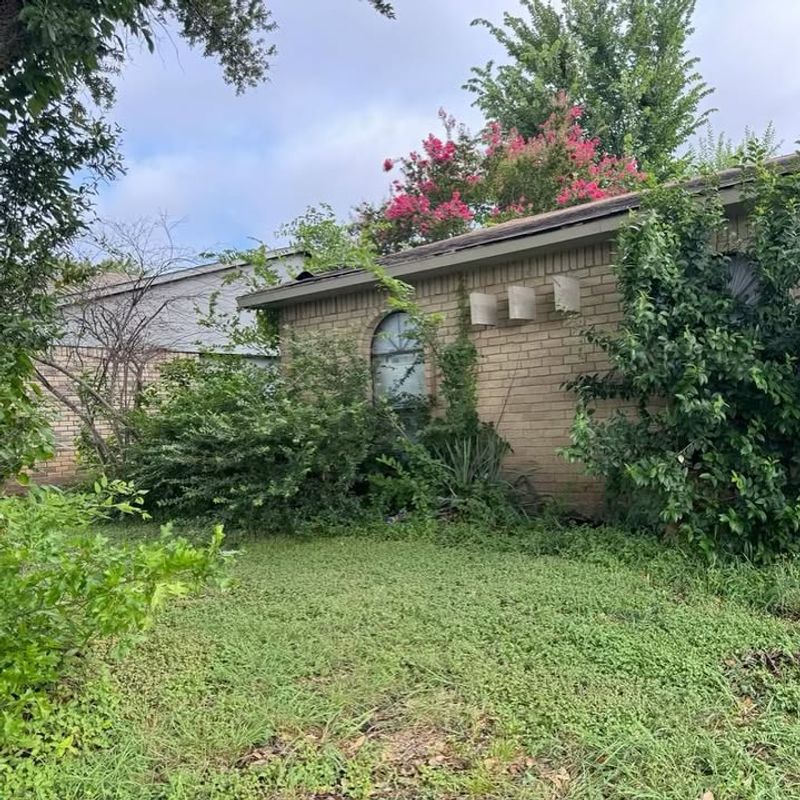
Even when branches hang far over your property, North Carolina law does not allow you to demand that your neighbor trim them.
Your neighbor has no legal obligation to maintain their plants in a way that prevents them from crossing property lines.
This surprises many homeowners who assume their neighbor must keep plants within boundaries.
The law places the responsibility on you to trim overhanging branches if they bother you.
Your neighbor does not have to take action, respond to your complaints, or pay for trimming services.
This approach gives property owners freedom to landscape as they choose while also giving neighbors the power to protect their own space.
If overhanging branches cause actual damage to your property, different rules might apply.
For example, if roots or branches damage your roof, fence, or foundation, you might have grounds for a negligence claim.
However, simply having branches hang over is not considered negligence under North Carolina law.
Before taking legal action, try talking with your neighbor about the situation.
Many people are willing to trim plants when they understand the problem, even though they are not legally required to do so.
Roots That Cross Property Lines Follow Similar Rules
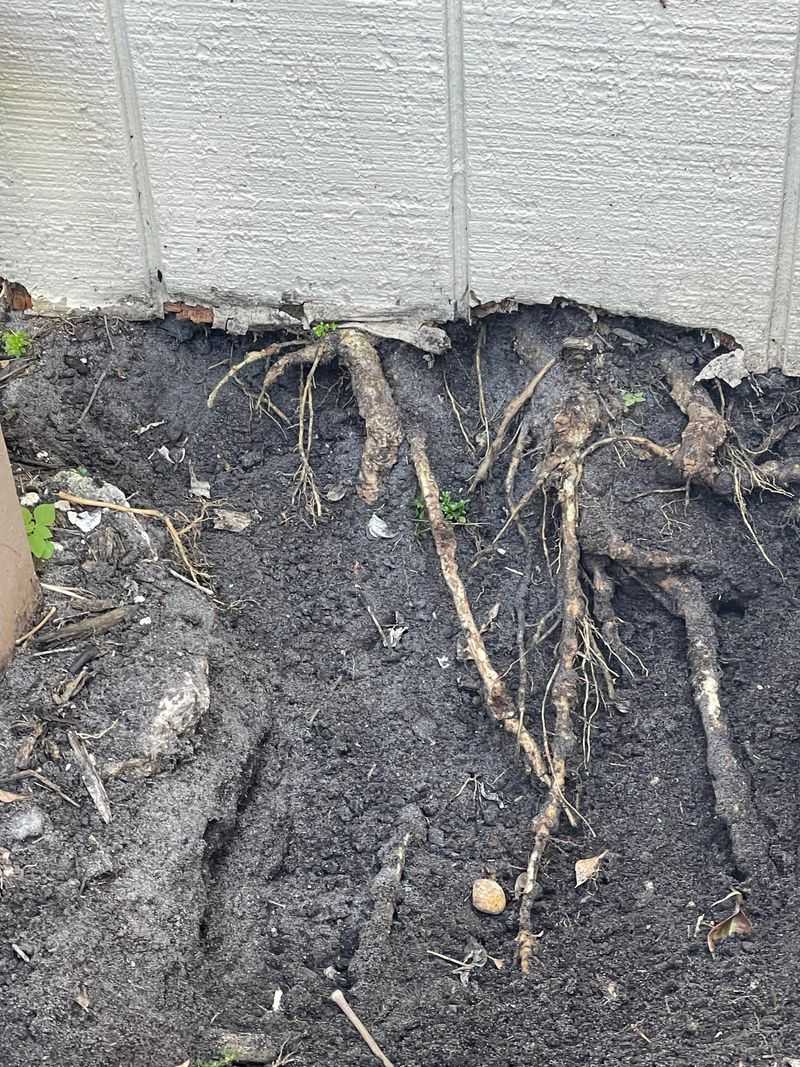
Just as branches can grow over property lines, roots often spread underground across boundaries.
North Carolina law treats roots much like branches when it comes to property rights.
You have the right to cut roots that extend into your property, but you must do so carefully to avoid harming the tree.
Roots can cause more serious problems than branches.
They might damage foundations, crack driveways, or interfere with underground utilities.
When roots cause actual harm to your property, you may have stronger legal options than with branches alone.
Cutting major roots can destabilize a tree and make it more likely to fall.
If your root cutting causes a tree to topple and damage property, you could be held responsible.
Always consult with a tree expert before cutting large roots, especially near mature trees.
Some homeowners install root barriers along property lines to prevent future problems.
These barriers guide roots downward instead of allowing them to spread horizontally into neighboring yards.
Prevention often works better than dealing with root problems after they develop.
Understanding your rights with roots helps you protect your property while avoiding liability for damage to your neighbor’s trees.
Local Ordinances May Add Extra Requirements

North Carolina state law provides the basic framework for dealing with overhanging branches, but local governments can add their own rules.
Many cities and counties have tree preservation ordinances that protect certain species or trees above a certain size.
These local laws might require permits before you can trim branches, even on your own property.
Some communities designate heritage trees or protected species that receive special legal protection.
Trimming branches from these trees without permission could result in fines, even if the branches hang over your property line.
Homeowners associations often have their own rules about tree trimming and landscaping.
Before you start cutting, check your HOA guidelines to make sure you follow all requirements.
Violating HOA rules can lead to penalties separate from any legal issues.
Contact your local planning or zoning department to learn about ordinances in your area.
They can tell you if permits are needed and which trees have special protection.
Taking time to research local rules prevents problems and ensures you stay in compliance.
What seems like a simple trimming job can become complicated when multiple layers of regulation apply to the situation.
Documenting The Situation Protects You Legally
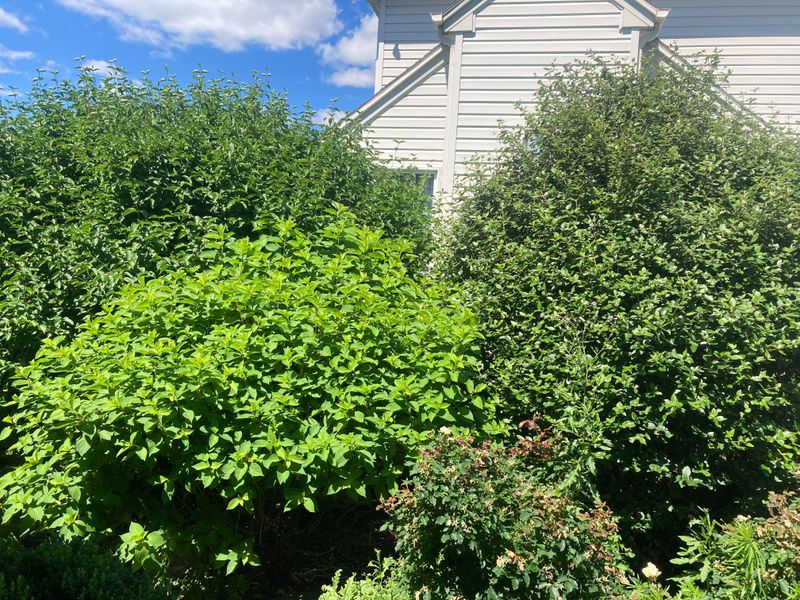
Before you trim any branches, take time to document everything thoroughly.
Photos and written records can protect you if disputes arise later with your neighbor or if questions come up about property damage.
Start by clearly identifying the property line.
A survey can show exactly where your property ends and your neighbor’s begins.
Misunderstanding the boundary can lead to serious legal problems if you accidentally trim plants on your neighbor’s side.
Take photos of the overhanging branches from multiple angles before you do any trimming.
These iages show the original condition and prove that branches did extend over your property.
After trimming, take more photos to document your work and show that you stayed within legal boundaries.
Keep records of any conversations with your neighbor about the trimming.
Written notes with dates and details can be valuable if disagreements develop.
If you hire a professional service, keep all receipts and contracts.
Good documentation demonstrates that you acted responsibly and followed proper procedures.
Courts appreciate clear evidence when property disputes reach litigation.
Taking these simple steps protects your interests and shows respect for both your rights and your neighbor’s property.