How Michigan Homeowners Use Evergreens For Natural Sound Barriers
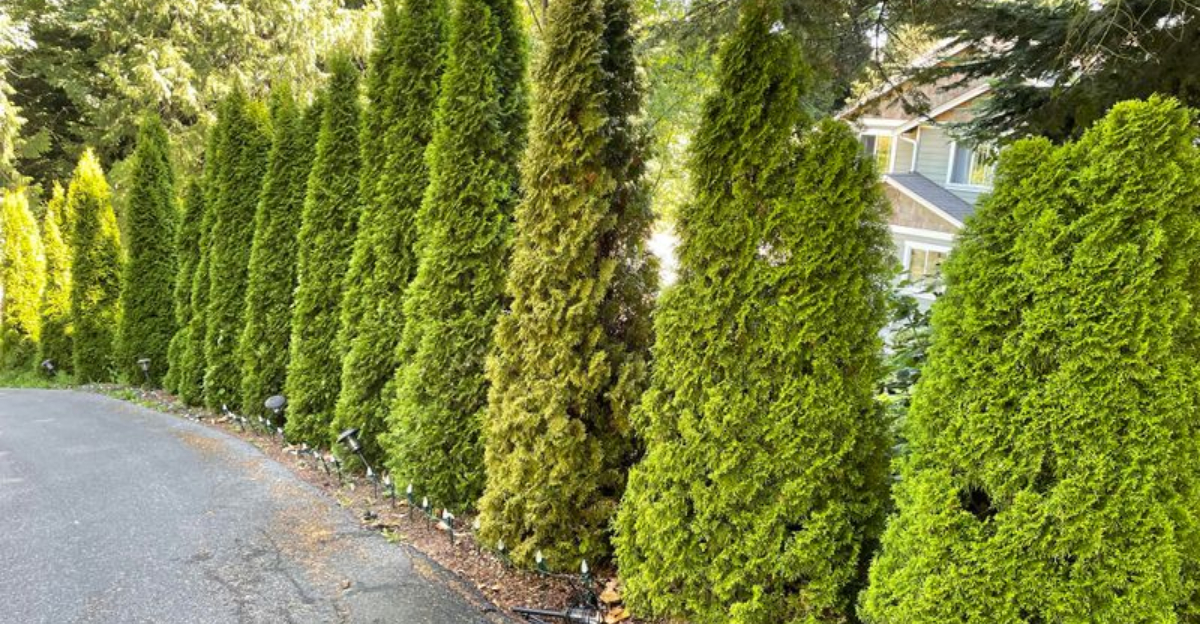
Michigan homes often sit within earshot of traffic, neighbors, or restless winds off the lake.
When noise creeps through walls and patience wears thin, evergreens step up as quiet heroes.
Thick needles, dense branches, and year-round cover work together to muffle sound without concrete or steel.
A well-placed row can soften road rumble, dull sharp echoes, and add privacy at the same time.
These living barriers earn trust through every season, even when snow piles high.
Homeowners trade fences for foliage and gain beauty along the way.
With smart spacing and the right species, a yard can feel calmer, cozier, and far from the daily clatter, all without breaking the bank or the view.
Creating Dense Hedgerows Along Property Lines
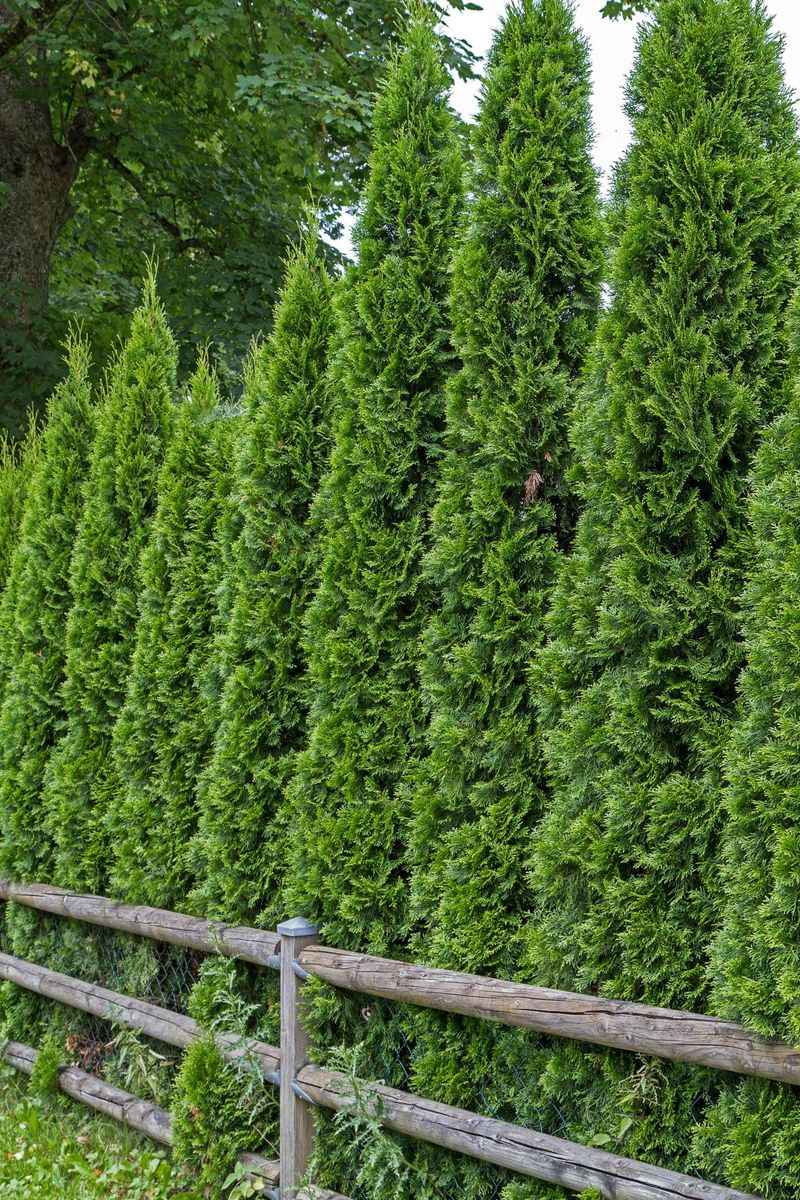
Planting evergreens shoulder-to-shoulder along property boundaries forms an impenetrable sound barrier.
Arborvitae, a popular Michigan choice, grows tall and narrow, making it perfect for tight spaces between homes.
When planted just three to four feet apart, these trees grow together into one continuous wall of foliage.
The branches overlap and create multiple layers that sound waves must travel through before reaching your yard.
This method works exceptionally well against street noise, barking dogs, and neighbor conversations.
Homeowners often choose varieties like Emerald Green or Green Giant for their fast growth and year-round coverage.
The key is consistency in spacing and choosing trees of similar height potential.
As the hedgerow matures, it becomes increasingly effective at noise reduction.
Regular trimming maintains the dense structure and prevents gaps from forming.
Many Michigan residents report a 30-50% reduction in perceived noise after their hedgerows reach full height.
The living fence also stops wind from carrying sounds into your outdoor living areas.
This approach offers privacy benefits alongside noise control, creating a peaceful sanctuary.
Consider the mature size when selecting your evergreen species to ensure adequate coverage.
Layering Different Evergreen Species For Maximum Absorption
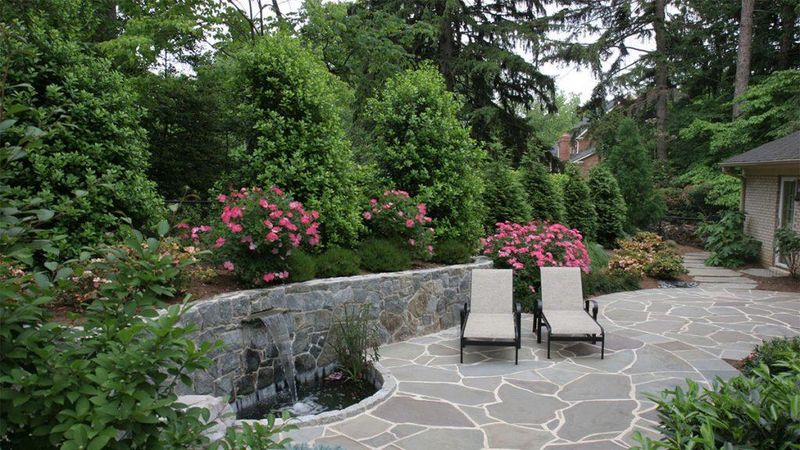
Mixing various evergreen types at different heights creates a more effective sound barrier than single-species plantings.
Tall white pines form the upper layer, capturing high-frequency sounds from distant sources.
Mid-level Norway spruce or Colorado blue spruce fill the middle zone where most neighborhood noises travel.
Low-growing junipers or spreading yews complete the bottom layer, blocking ground-level sound transmission.
Each species has unique branch patterns and needle density that absorbs different sound frequencies.
This staggered approach mimics natural forest structures that Michigan wildlife already uses for shelter.
The varied textures also make your landscape visually interesting throughout all seasons.
Spacing becomes important when layering, with larger trees planted farther from structures and smaller ones closer.
Root systems at different depths mean less competition for water and nutrients.
Homeowners find this method particularly effective against complex noise sources like highways with mixed traffic.
The multiple barriers force sound waves to change direction several times, losing energy with each deflection.
Planning your layers requires understanding mature sizes, but the payoff in noise reduction is substantial.
This strategy also provides habitat diversity for birds and beneficial insects.
Positioning Evergreens Between Noise Source And Living Spaces
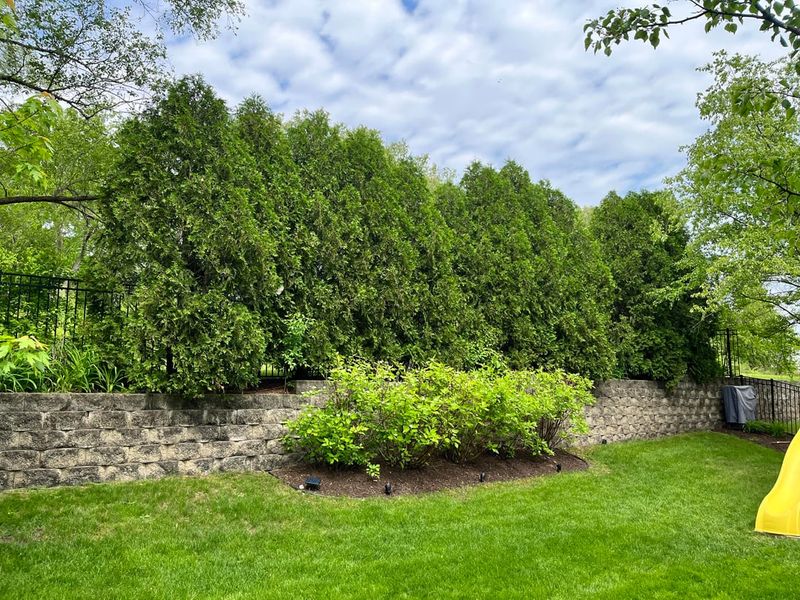
Strategic placement makes all the difference when using evergreens for noise control.
Your Michigan Garden Changes Every Week. Your Plan Should Too.
Gardening in Michigan changes quickly throughout the season. Every Friday you’ll receive a simple weekly plan showing exactly what to plant, prune, fertilize, harvest, and protect so you never miss the right timing.
The most effective position is directly between the sound source and the area you want to protect.
If your bedroom faces a busy street, plant a dense evergreen screen along that side of the house.
Outdoor entertaining areas benefit from evergreens positioned to block noise from specific directions.
The closer the trees are to either the noise source or your living space, the better they work.
Sound waves spread as they travel, so intercepting them early reduces the area they can reach.
Many Michigan homeowners create L-shaped or U-shaped evergreen arrangements around patios and decks.
This configuration traps quiet air within the protected zone while deflecting noise upward and away.
Consider sun angles and shadows when positioning trees near windows and gardens.
Eastern red cedar and white pine tolerate various light conditions, offering flexibility in placement.
Measuring the distance from noise sources helps determine how tall and dense your barrier needs to be.
Professional landscapers often use noise mapping to identify the best planting locations.
Even a single well-placed evergreen can reduce noise in a specific room by noticeable amounts.
Building Living Walls Around Outdoor Entertainment Areas
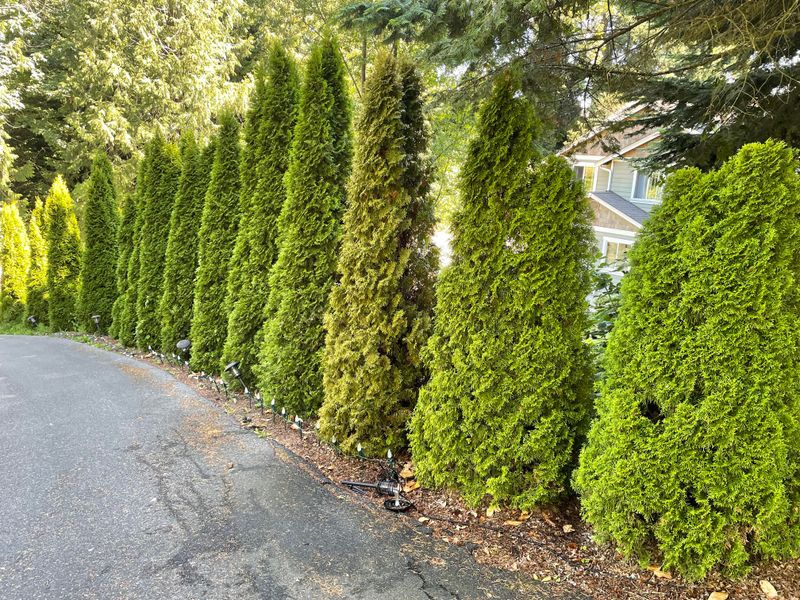
Evergreens can transform patios and decks into peaceful outdoor rooms.
Planting trees in a semicircle or full enclosure around seating areas creates an acoustic buffer zone.
The enclosed design traps conversations and activities inside while keeping external noise outside.
Homeowners across Michigan use this technique for backyard fire pits, dining spaces, and pool areas.
Columnar evergreens like Sky Pencil holly or Degroot’s Spire cedar work well for vertical definition without taking much ground space.
The evergreen walls also provide wind protection, making outdoor spaces usable during more months of the year.
Adding string lights or lanterns among the branches enhances the cozy atmosphere after sunset.
This approach is particularly popular in suburban neighborhoods where homes sit close together.
The living walls offer privacy from neighboring windows while simultaneously reducing noise intrusion.
Many families find they can enjoy conversations at normal volumes without disturbing others.
Choosing evergreens with pleasant scents, like certain pine varieties, adds another sensory benefit.
The trees require several years to reach effective height, so planning ahead is essential.
Container-grown evergreens can provide immediate impact while permanent plantings mature.
Using Evergreen Berms For Enhanced Sound Deflection
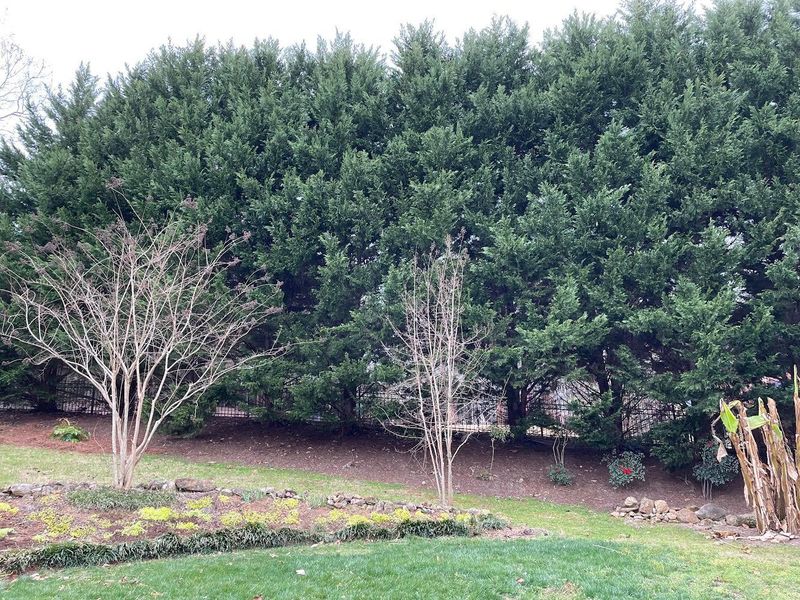
Combining earthwork with evergreen plantings multiplies noise reduction effectiveness.
A berm is a raised mound of soil that changes how sound waves travel across your property.
When you plant evergreens on top of a berm, you gain extra height without waiting for tree growth.
The sloped earth deflects low-frequency sounds upward before they reach the tree barrier.
Michigan homeowners near highways and railroad tracks find this combination particularly valuable.
Berms also improve drainage and create visual interest in otherwise flat landscapes.
The soil mass itself absorbs vibrations that evergreens alone might not completely stop.
Typical berms range from two to four feet high, though some properties feature taller structures.
Planting evergreens on the noise-facing slope and the top provides maximum coverage.
Shorter evergreens on the yard-facing slope create a gradual transition that looks natural.
Root systems help stabilize the berm soil, preventing erosion during Michigan’s heavy spring rains.
This method requires more initial investment than simple tree planting but delivers superior results.
Local regulations may govern berm height and setback requirements, so check before building.
The finished landscape feature becomes a focal point that combines beauty with function.
Establishing Evergreen Windbreaks That Double As Sound Screens
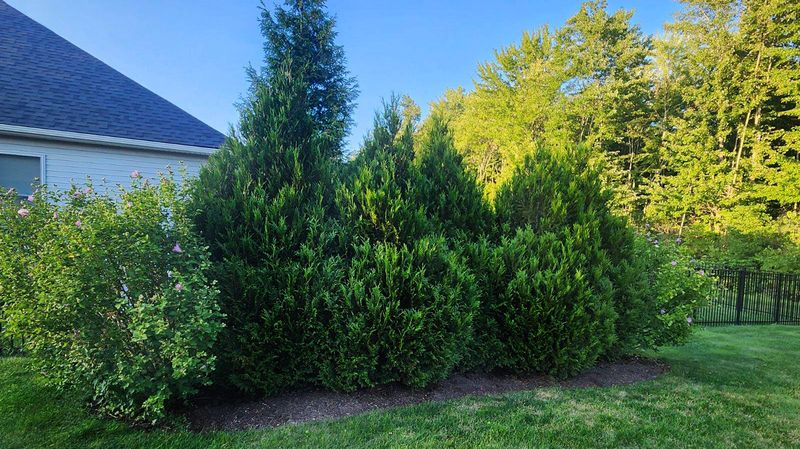
Wind and noise often come from the same direction, making windbreaks serve dual purposes.
Traditional farmstead windbreaks used multiple rows of trees to protect buildings and livestock.
Modern homeowners adapt this proven technique for residential noise control.
Planting three to five staggered rows of evergreens creates an incredibly effective barrier.
The outer rows slow wind and begin disrupting sound waves before they reach inner rows.
Each successive row intercepts more noise, resulting in dramatic reductions.
Michigan State University research shows properly designed windbreaks reduce noise by up to 10 decibels.
That represents a 50% reduction in perceived loudness to human ears.
Space rows about 15 to 20 feet apart, with trees offset rather than aligned.
This staggered pattern eliminates sight lines and sound pathways through the barrier.
Scots pine, Norway spruce, and white spruce all perform well in Michigan windbreak applications.
The trees also reduce heating costs by blocking winter winds from reaching your home.
Wildlife benefits from the shelter and nesting sites within the dense evergreen structure.
Though this method requires more space, the comprehensive protection justifies the land use.
Filling Fence Lines With Evergreens For Compound Barriers
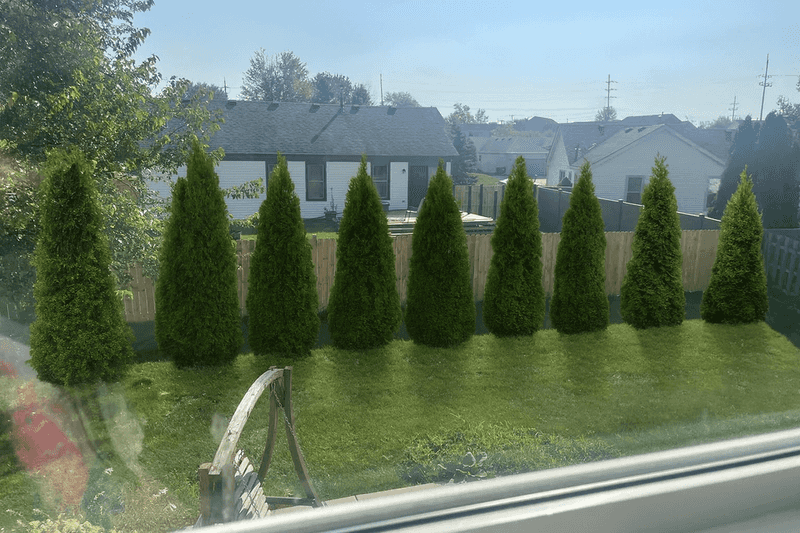
Combining solid fences with evergreen plantings creates superior noise reduction compared to either element alone.
The fence provides immediate sound blocking while evergreens grow to full effectiveness.
Planting on both sides of the fence maximizes absorption and deflection.
Sound waves that reflect off the fence get absorbed by the trees before bouncing back.
This compound barrier approach is common in Michigan subdivisions with small lots and close neighbors.
Evergreens soften the harsh appearance of fencing while adding natural beauty.
Choose species that tolerate the microclimate created by the fence structure.
Yews and hemlocks handle shade well if your fence blocks afternoon sun.
The trees grow up and over the fence eventually, extending protection vertically.
Maintenance becomes easier because you can access both sides of the fence line.
Some homeowners plant evergreens only on the yard side, preserving access along the property line.
The fence protects young trees from wind damage during their vulnerable early years.
As evergreens mature, they take over as the primary barrier while the fence provides structure.
This method offers the fastest path to effective noise control in new developments.