When To Prune Rose Bushes In Southern California For Best Blooms
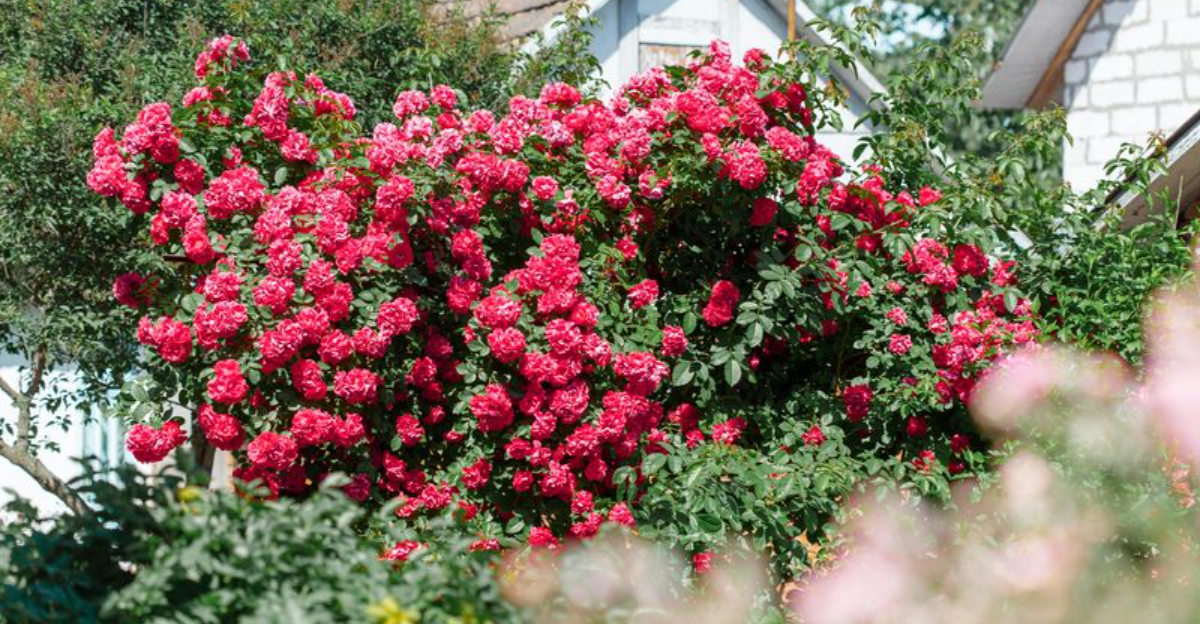
Southern California roses thrive on sun and long seasons, yet bloom power rests on one choice: the cut.
A well-timed snip sets the stage for strong canes, bold color, and repeat flowers that steal the show.
Cut too soon and cold nips bite back.
Cut too late and energy slips away.
Local weather, coastal fog, and inland heat all tip the scale.
Gardeners who read the cues gain fuller flushes and fewer woes.
This moment shapes air flow, disease control, and form for months ahead.
Grab sharp shears, trust the calendar and the plant, and make each cut count.
Right moment turns effort into payoff and turns a plain bush into a star.
January Through Mid-February Marks Prime Pruning Season
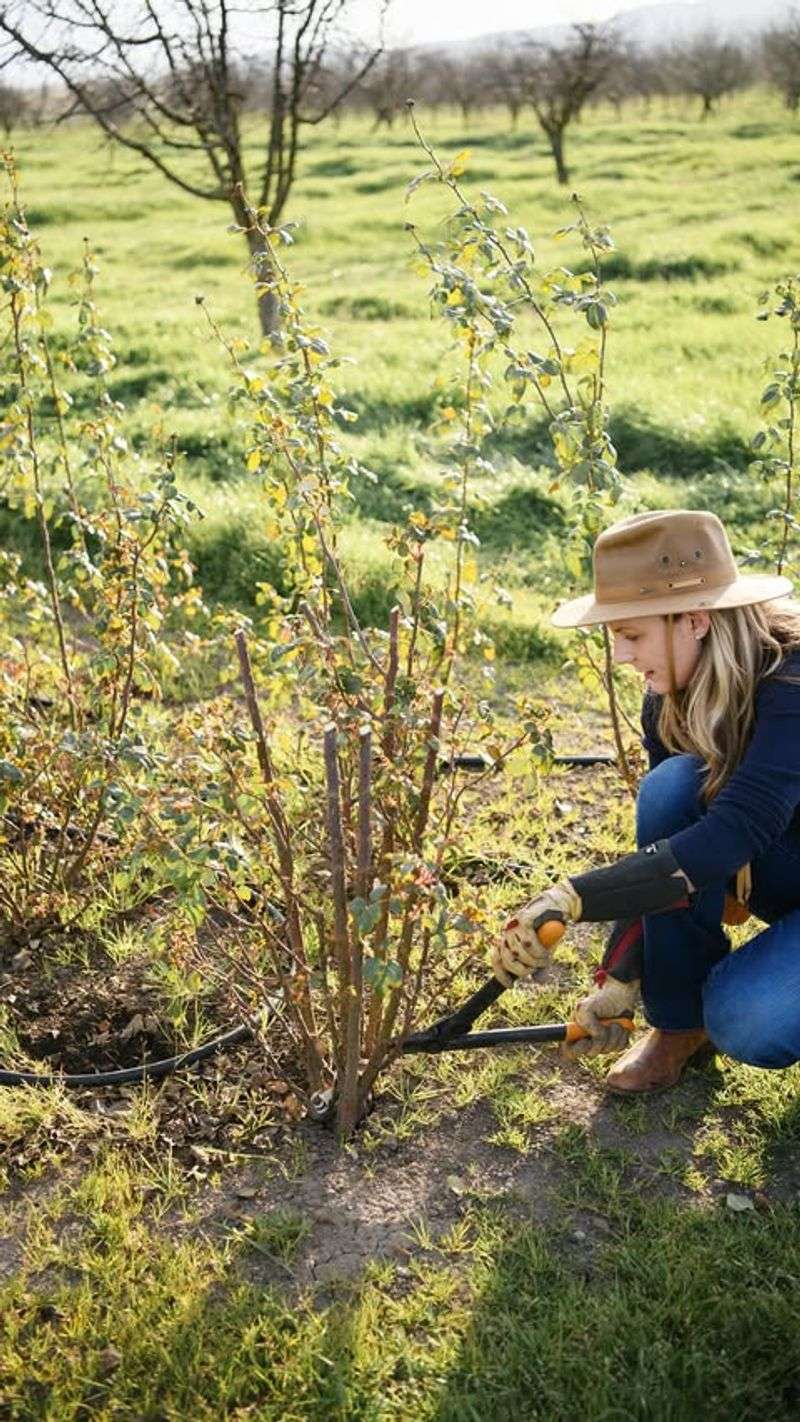
Most rose varieties in Southern California benefit from major pruning during the cooler months of January and early February.
This window gives your plants time to recover before spring growth kicks in.
Our region rarely experiences hard freezes, so roses never truly go dormant like they do in colder climates.
However, their growth does slow down considerably during winter.
Taking advantage of this slower period means less stress on your plants when you make big cuts.
Pruning during these months encourages strong new growth that emerges just as temperatures warm up in March.
Your roses will channel their energy into producing fresh canes and abundant flower buds.
Watch the weather forecast before you prune, though.
Avoid cutting right before a rare cold snap, as fresh cuts can be vulnerable to frost damage.
Waiting for a stretch of mild days ensures your roses bounce back quickly.
Mark your calendar each year for late January as your main pruning reminder.
Consistent timing helps establish a reliable routine that your roses will respond to beautifully.
With the right timing, you set the stage for spectacular spring and summer blooms.
Watch For New Leaf Growth As Your Signal
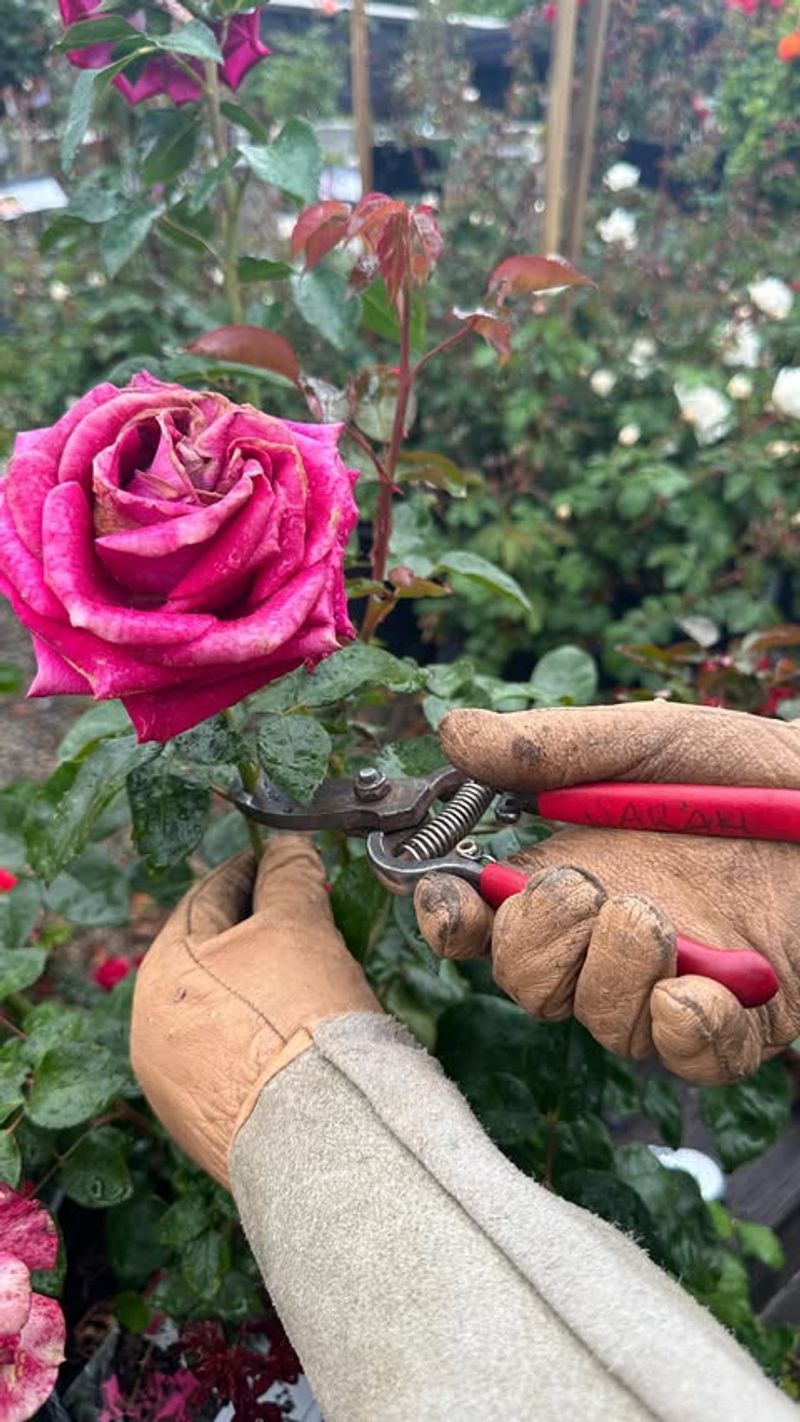
Nature provides excellent clues about when your roses are ready for trimming.
Small green buds start appearing on rose canes as daylight hours increase and temperatures gradually rise.
These tiny leaf buds signal that your plant is waking up from its winter rest period.
Once you spot them forming, you know the ideal pruning window has arrived.
Cutting before these buds appear can work fine, but waiting until you see them gives you better guidance on which canes are still alive and healthy.
You can easily identify which stems are worth keeping and which ones need removal.
Strong canes show plump, reddish-green buds that point outward from the center of the plant.
Weaker stems might display smaller or fewer buds.
This natural indicator takes the guesswork out of timing.
Rather than relying solely on calendar dates, you respond to what your specific roses are telling you.
Different rose varieties might show bud growth at slightly different times even in the same garden.
Checking each bush individually ensures you prune at the perfect moment for each plant.
This observation-based approach helps you develop a deeper connection with your garden and improves your results year after year.
Your California Garden Changes Every Week. Your Plan Should Too.
Gardening in California changes quickly throughout the season. Every Friday you’ll receive a simple weekly plan showing exactly what to plant, prune, fertilize, harvest, and protect so you never miss the right timing.
Avoid Pruning During Hot Summer Months
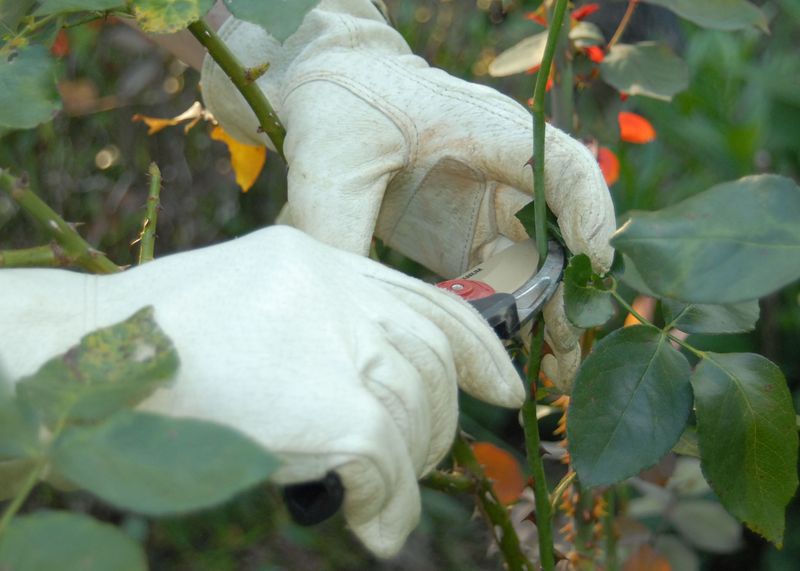
Summer heat in Southern California can be intense, with temperatures often climbing into the 90s or higher.
Major pruning during these scorching months puts unnecessary stress on your rose bushes.
Plants need all their foliage to protect themselves from the harsh sun and to produce energy through photosynthesis.
Removing large amounts of growth during peak heat exposes canes to potential sunburn and forces the plant to work harder when it should be conserving energy.
Instead of heavy cutting, limit yourself to light maintenance during summer.
You can remove spent flowers and trim back stems that finished blooming.
This type of gentle grooming, called deadheading, encourages more blooms without shocking the plant.
Save any significant reshaping or size reduction for cooler months.
Your roses will thank you by maintaining their vigor and continuing to produce flowers throughout the warm season.
If you notice a branch that breaks or shows signs of disease during summer, go ahead and remove just that problem area.
Spot treatments are fine when necessary.
But hold off on the major cutback until temperatures drop again in late fall or winter.
Patience during summer pays off with healthier, more resilient plants.
Consider A Light Fall Trim
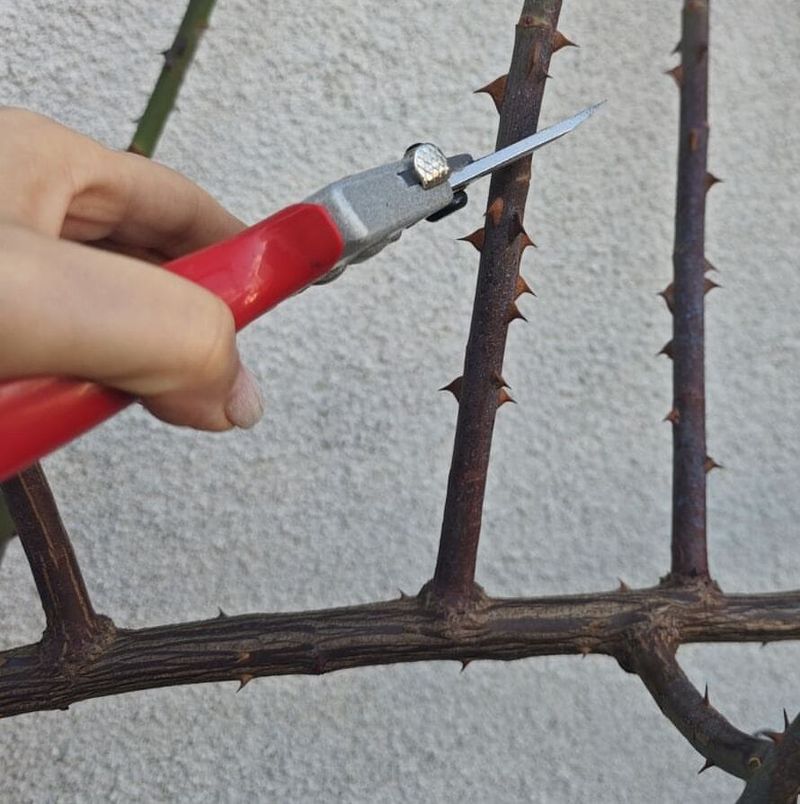
As summer fades and temperatures become more comfortable, your roses might benefit from a gentle shaping session.
It offers an opportunity for light pruning that differs from the major cutback you perform in winter.
Think of this as a cleanup rather than a dramatic haircut.
Remove any straggly growth that appeared during the growing season.
Trim back stems that grew too long or flopped over under the weight of flowers.
This moderate approach tidies up your bushes without removing too much foliage.
Fall pruning helps improve air circulation through the plant, which reduces problems with fungal diseases during the cooler, occasionally damp months ahead.
Better airflow means healthier leaves and fewer issues with powdery mildew or black spot.
You can also take this opportunity to remove any leaves showing disease symptoms.
Just be careful not to get too aggressive with your cuts.
Save the hard pruning for January or February when your roses are truly ready for their annual renewal.
Trimming simply bridges the gap between summer and winter, keeping your garden neat while preparing plants for their upcoming rest period.
This two-step approach to pruning works beautifully in our Mediterranean climate.
Climbing Roses Need Different Timing Altogether

Climbing varieties follow their own schedule that differs significantly from bush roses.
These vigorous plants bloom on canes that grew during the previous season.
If you prune them hard in winter like you would a hybrid tea rose, you remove all the wood that would have produced your spring flowers.
Instead, wait until right after their main spring bloom cycle finishes, usually around late April or May.
At that point, you can remove old canes that already flowered and look woody or unproductive.
Keep the newer, more flexible canes that grew recently, as these will produce next year’s display.
You can train these young canes along your trellis, fence, or arbor during this post-bloom pruning session.
Tying them horizontally encourages more flowering side shoots to develop along their length.
Throughout the rest of the year, climbing roses need minimal intervention.
Just remove any obviously damaged or diseased sections as you spot them.
Come winter, you might do a very light cleanup but nothing major.
Understanding this unique timing prevents the frustration of wondering why your climber produced no flowers this year.
Respect their natural growth pattern and you will enjoy breathtaking cascades of blooms each spring.
Morning Hours Provide Optimal Pruning Conditions
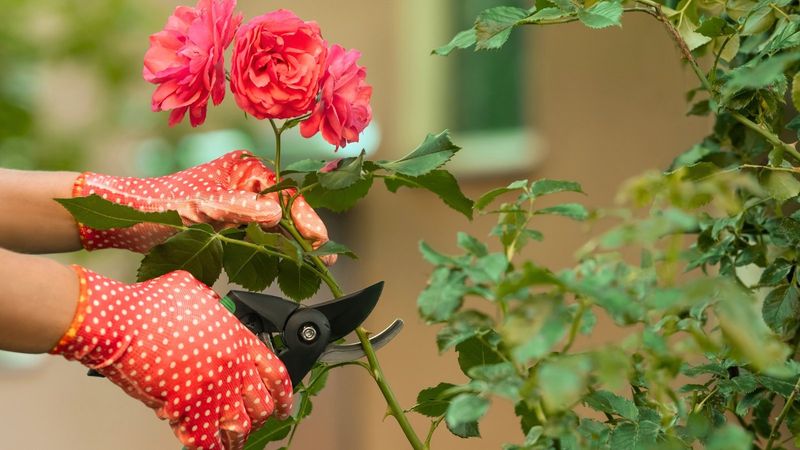
The time of day you choose for pruning matters more than many gardeners realize.
Early morning offers several advantages that help your roses recover faster from cuts.
Plants are fully hydrated after the cool night, which means their tissues are firm and less likely to tear when you make cuts.
Clean cuts heal better than ragged ones, reducing the chance of problems later.
Morning temperatures are comfortable for you too, making the work more enjoyable and less exhausting.
You can focus better on making thoughtful decisions about which canes to keep and which to remove.
As the day warms up, fresh cuts dry and begin to seal over naturally.
This quick drying process helps protect against bacterial or fungal infections entering through the wounds.
Avoid pruning in late afternoon or evening when cuts will stay moist overnight.
Extended moisture on fresh wounds creates ideal conditions for disease organisms to take hold.
Morning work also gives you the best light for seeing what you are doing.
You can easily spot the subtle color differences between healthy green tissue and brown, damaged wood.
Making accurate cuts becomes much simpler when you can see clearly.
Plan your pruning sessions for those peaceful early hours and your roses will reward you with vigorous, healthy growth.
Moon Phase Considerations For Advanced Gardeners
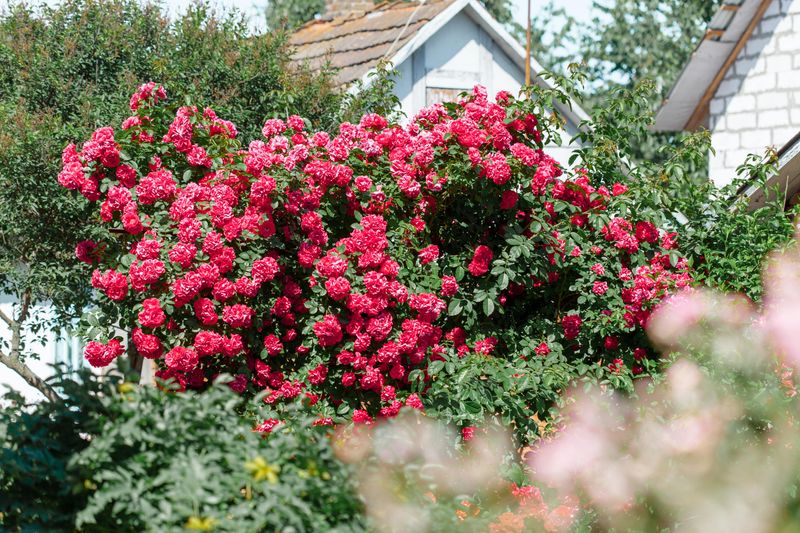
Some experienced gardeners swear by lunar planting calendars for timing all their garden tasks, including rose pruning.
While scientific evidence remains limited, many observe better results when they align pruning with certain moon phases.
The theory suggests that gravitational pull affects moisture movement in plants, just as it influences ocean tides.
During the waning moon, sap supposedly flows downward toward roots, making this an ideal time for pruning aboveground growth.
Plants may experience less stress and heal faster when cut during this phase.
The waxing moon, when light increases each night, is thought to draw energy upward, favoring new growth.
Some gardeners prefer to prune just before the new moon, believing this timing encourages vigorous spring growth.
Whether you find this approach helpful or too complicated, it adds an interesting dimension to your gardening practice.
You might experiment with moon-phase timing for one or two bushes while pruning others on your regular schedule.
Compare the results over a season or two.
Even if the effects are subtle or psychological, paying closer attention to your garden rhythms deepens your skills and connection to your plants.
Traditional wisdom often contains valuable insights that modern science has yet to fully explain or measure.