Why Minnesota Gardeners Are Obsessed With Yarrow This Year
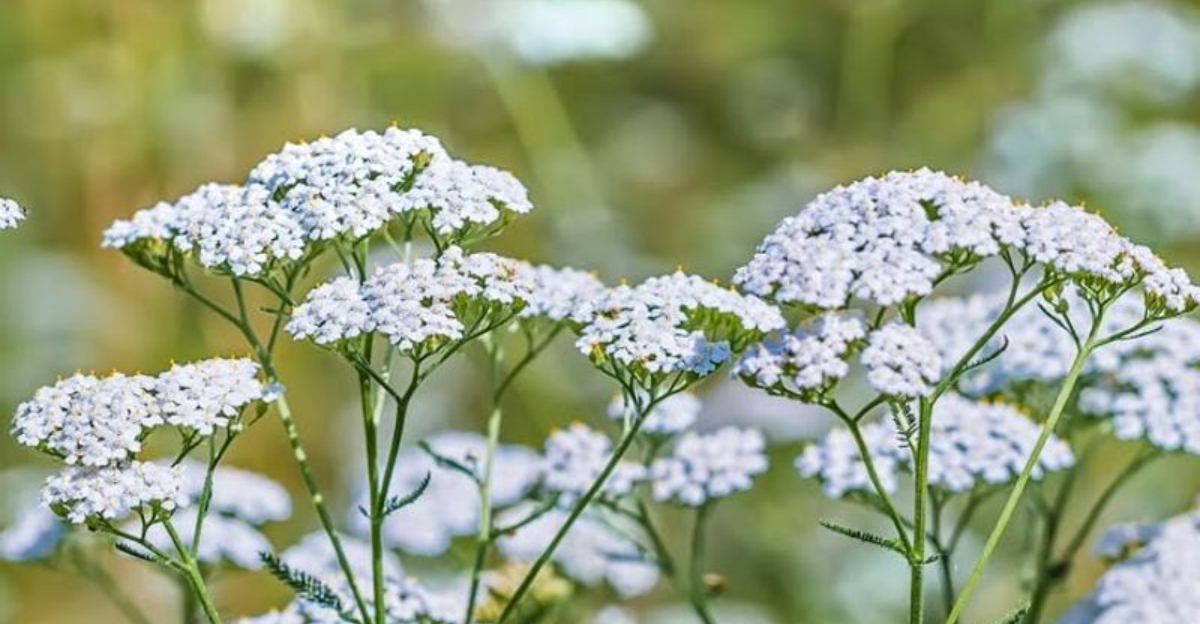
Minnesota gardeners are buzzing this year, and yarrow is stealing the spotlight.
This tough yet graceful plant has been popping up in garden beds, borders, and pollinator patches all over the state.
Once overlooked, yarrow is now getting its moment in the sun, and for good reason.
It handles Minnesota’s ups and downs like a seasoned pro.
Cold springs, hot summers, and dry spells do not scare yarrow off.
It keeps growing, blooming, and holding its own when other plants throw in the towel.
Its flat topped flowers bring soft color and texture, while its feathery leaves add interest even when blooms fade.
For gardeners tired of babysitting high maintenance plants, yarrow feels like striking gold.
Beyond looks, yarrow pulls double duty.
It attracts pollinators, supports beneficial insects, and fits right into natural and native style gardens.
Once established, it asks for very little and gives a lot back.
Like a reliable friend who always shows up, yarrow earns its place year after year.
In Minnesota, where gardeners value plants that work as hard as they do, it is no surprise yarrow has become the plant everyone is talking about this season.
1. Survives Minnesota’s Unpredictable Weather Like A Champion
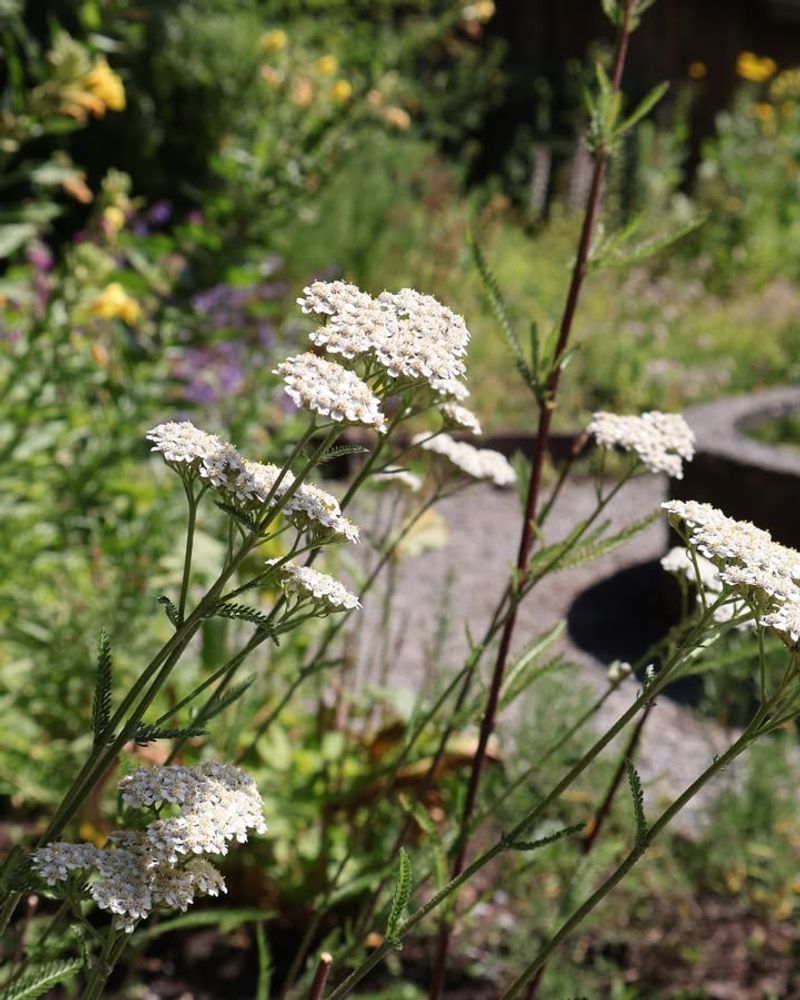
Minnesota weather can change faster than you can check your phone, but yarrow doesn’t seem to care one bit about the temperature swings or surprise storms that roll through.
This tough perennial handles everything from late spring frosts to summer heat waves without batting an eye.
Gardeners in Minneapolis and St. Paul have watched their yarrow plants bounce back from conditions that left other flowers looking sad and wilted.
The secret lies in yarrow’s deep root system that reaches far into the soil to find moisture even during dry spells.
Those roots also help the plant stay anchored when strong winds blow across the prairie landscape.
Rain or shine, hot or cold, yarrow keeps producing those cheerful flower clusters from early summer straight through fall.
Minnesota’s Zone 3 and Zone 4 climates can be challenging for many garden plants, but yarrow actually thrives in these conditions.
It can handle temperatures that drop well below zero in winter and still come back strong when spring arrives.
Local gardeners appreciate not having to baby their plants or worry about covering them during unexpected cold snaps.
The plant’s natural hardiness means less work and more enjoyment watching your garden flourish through every season Minnesota throws your way.
2. Attracts Beneficial Pollinators To Your Garden Space
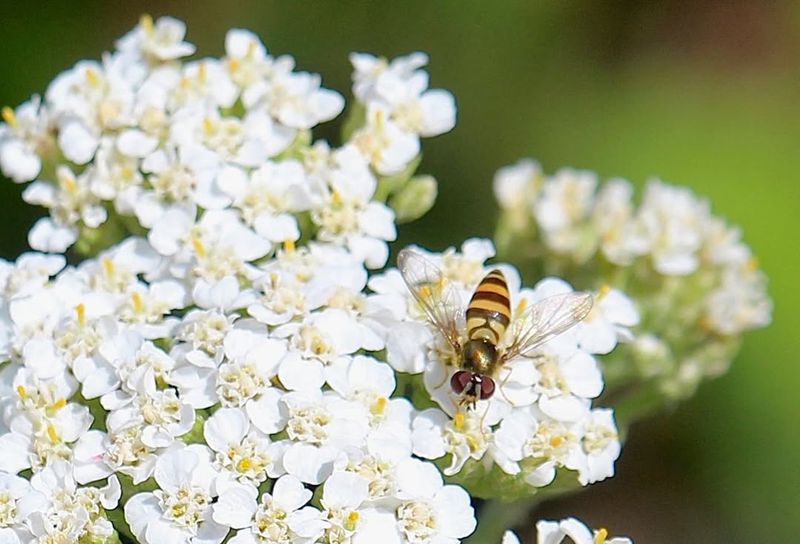
Walk past a blooming yarrow plant and you’ll notice it’s buzzing with activity from morning until evening.
Bees absolutely love the flat-topped flower clusters that provide easy landing pads and plenty of nectar.
Butterflies flutter from bloom to bloom, and you might even spot some beneficial ladybugs hanging around the foliage.
Pollinators are essential for healthy gardens, and yarrow acts like a welcome sign for these helpful visitors.
When bees and butterflies visit your yarrow, they also pollinate your vegetable garden and fruit trees while they’re in the neighborhood.
Your Minnesota Garden Changes Every Week. Your Plan Should Too.
Gardening in Minnesota changes quickly throughout the season. Every Friday you’ll receive a simple weekly plan showing exactly what to plant, prune, fertilize, harvest, and protect so you never miss the right timing.
Minnesota gardeners have noticed increased yields in their tomatoes and cucumbers after planting yarrow nearby.
The flowers bloom for months, providing a reliable food source when other plants have finished flowering.
This extended blooming period supports pollinator populations throughout the entire growing season.
Hoverflies, which help control aphids, are particularly attracted to yarrow’s unique flower structure.
By planting yarrow, you’re creating a mini ecosystem that benefits your entire garden.
Watching all this pollinator activity makes gardening even more enjoyable, and you’ll feel good knowing you’re helping these important creatures thrive in your corner of Minnesota.
3. Requires Almost Zero Maintenance Once Established
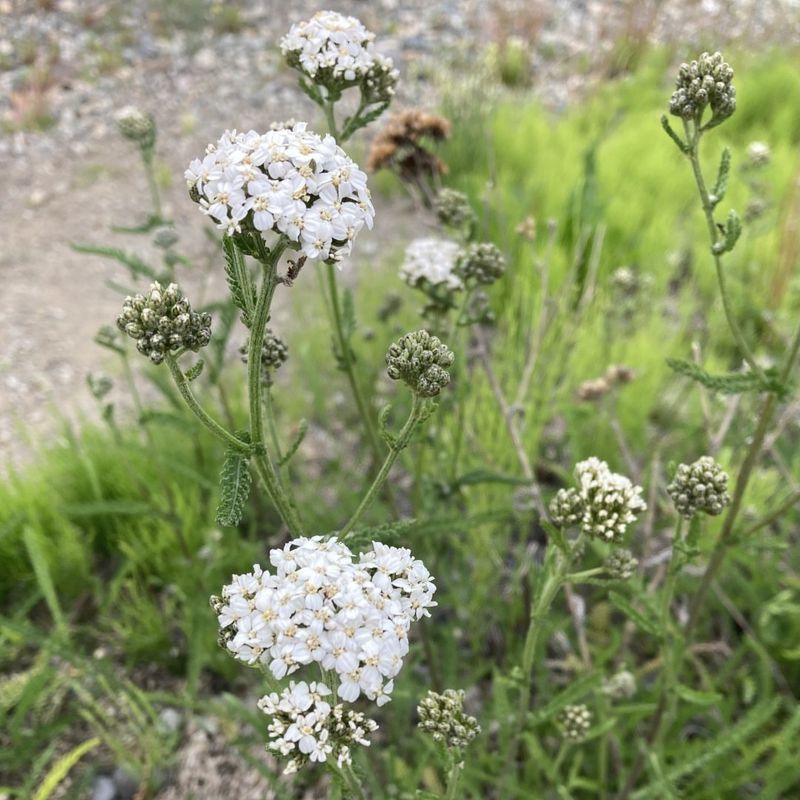
Busy gardeners across Minnesota are celebrating yarrow because it practically takes care of itself after the first season.
You won’t spend your weekends constantly watering, fertilizing, or fussing over these reliable plants.
Once the roots establish themselves, yarrow becomes one of the easiest plants in your entire garden.
Watering becomes unnecessary except during the most extreme droughts, and even then, yarrow often manages just fine.
The plant doesn’t demand rich soil or special fertilizers to produce those beautiful blooms year after year.
In fact, yarrow actually prefers average or even poor soil conditions, making it perfect for those tricky spots where nothing else seems to grow.
Deadheading spent blooms is optional, though some gardeners do it to encourage more flowers.
Even if you skip this task, yarrow keeps looking good throughout the season.
The plant rarely suffers from diseases or pest problems that plague other garden favorites.
Many Minnesota gardeners report going entire summers without doing a single thing to their yarrow plants beyond enjoying their beauty.
This hands-off approach appeals to everyone from beginners just starting their first garden to experienced gardeners who want more time to relax and less time doing chores.
4. Offers An Amazing Rainbow Of Color Choices
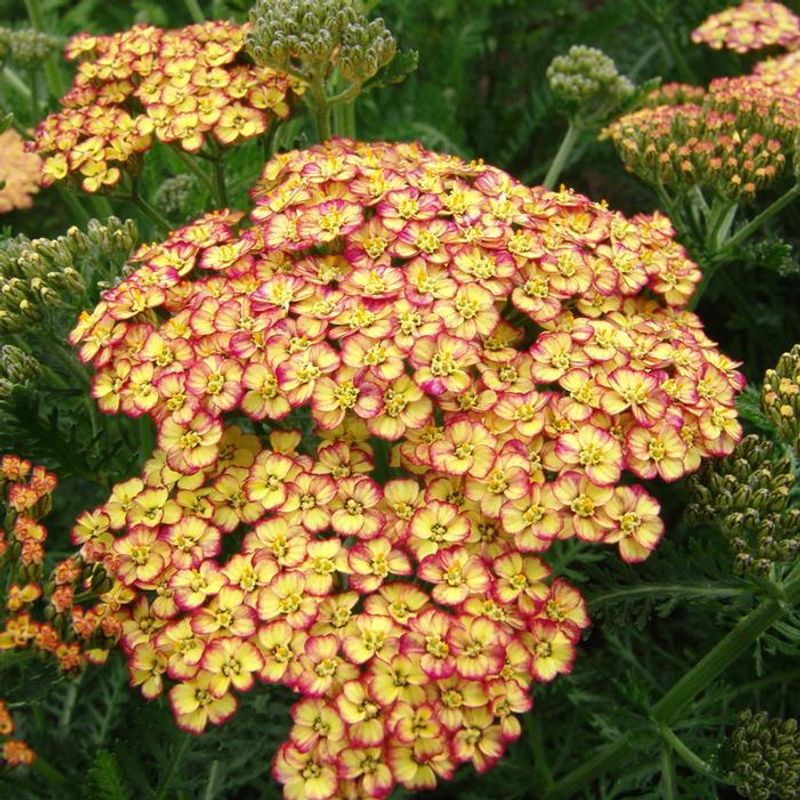
Gone are the days when yarrow only came in plain white or pale yellow shades.
Modern varieties burst with vibrant colors that brighten up gardens from Bloomington to Brainerd.
You can find yarrow in shades of coral, salmon, deep red, hot pink, butter yellow, and even peachy orange tones.
Gardeners love mixing different colored yarrows together to create stunning combinations that bloom all summer long.
The flowers start out one shade and often fade to softer tones as they age, creating a beautiful multi-toned effect.
This color-changing quality means your garden looks different and interesting throughout the entire growing season.
Popular varieties like Paprika have deep red flowers that gradually fade to soft salmon and cream.
Moonshine yarrow produces bright yellow blooms that practically glow in the evening light.
The Tutti Frutti series offers sherbet colors that look good enough to eat.
You can design entire garden sections using just different yarrow varieties and create amazing visual interest.
Minnesota garden centers have expanded their yarrow selections this year because local gardeners keep asking for more color options.
Whether you prefer soft pastels or bold, bright shades, there’s definitely a yarrow variety that matches your personal garden style perfectly.
5. Works Perfectly In Cut Flower Arrangements
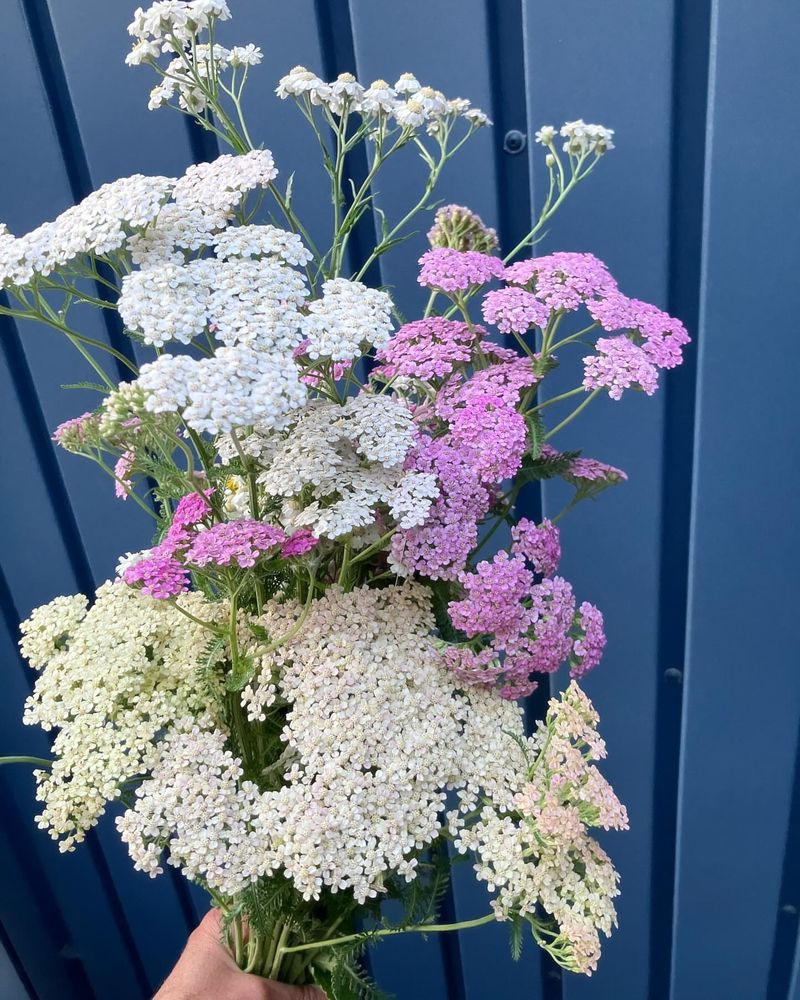
Many Minnesota gardeners started growing yarrow just for outdoor beauty but quickly discovered its value as a cut flower.
The sturdy stems hold up beautifully in vases, lasting well over a week with fresh water.
Those flat-topped flower clusters add interesting texture to bouquets that you just can’t get from roses or daisies alone.
Florists have long appreciated yarrow for wedding arrangements and special events because it looks elegant and holds its shape.
Home gardeners can enjoy that same professional quality by simply snipping a few stems from their own backyard.
The flowers cut best in the morning after the dew dries but before the afternoon heat arrives.
Yarrow also dries exceptionally well, making it perfect for crafts and long-lasting arrangements.
Simply hang bunches upside down in a dark, dry space for a couple weeks.
The dried flowers keep their color remarkably well, especially the yellow and white varieties.
You can create wreaths, dried bouquets, or other decorations that bring summer beauty into your Minnesota home all winter long.
Having a steady supply of cut flowers right in your garden saves money and gives you fresh blooms whenever you want to brighten your kitchen table or make a gift for a friend.
6. Spreads Naturally To Fill Empty Garden Spots
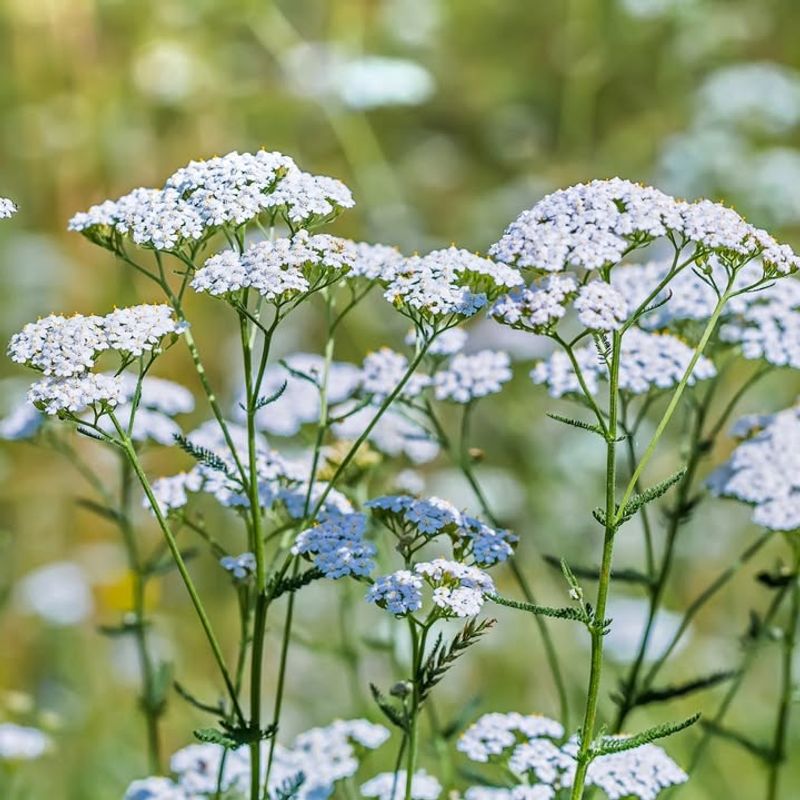
Starting a new garden bed can feel overwhelming when you’re staring at large empty spaces between small plants.
Yarrow solves this problem by gradually spreading through underground rhizomes to create fuller, more established-looking gardens.
The spreading happens at a reasonable pace, filling gaps without taking over like some aggressive plants do.
Minnesota gardeners appreciate that yarrow expands their plantings naturally without requiring constant division or purchasing more plants each year.
Within two or three seasons, a single yarrow plant can develop into a nice-sized clump that makes a real statement.
You can easily dig up sections to share with neighbors or move to other areas of your property.
This spreading habit makes yarrow economical for gardeners working with tight budgets.
Buy a few plants initially, and they’ll multiply on their own to fill your space.
The plants form attractive mounds of feathery foliage even when not blooming, so they look good throughout the growing season.
If yarrow spreads more than you want, the shallow rhizomes pull up easily during spring or fall cleanup.
This manageable growth pattern strikes the perfect balance between filling space efficiently and staying under control, which is exactly what Minnesota gardeners need for successful, beautiful landscapes.
7. Provides Year-Round Interest In Garden Designs
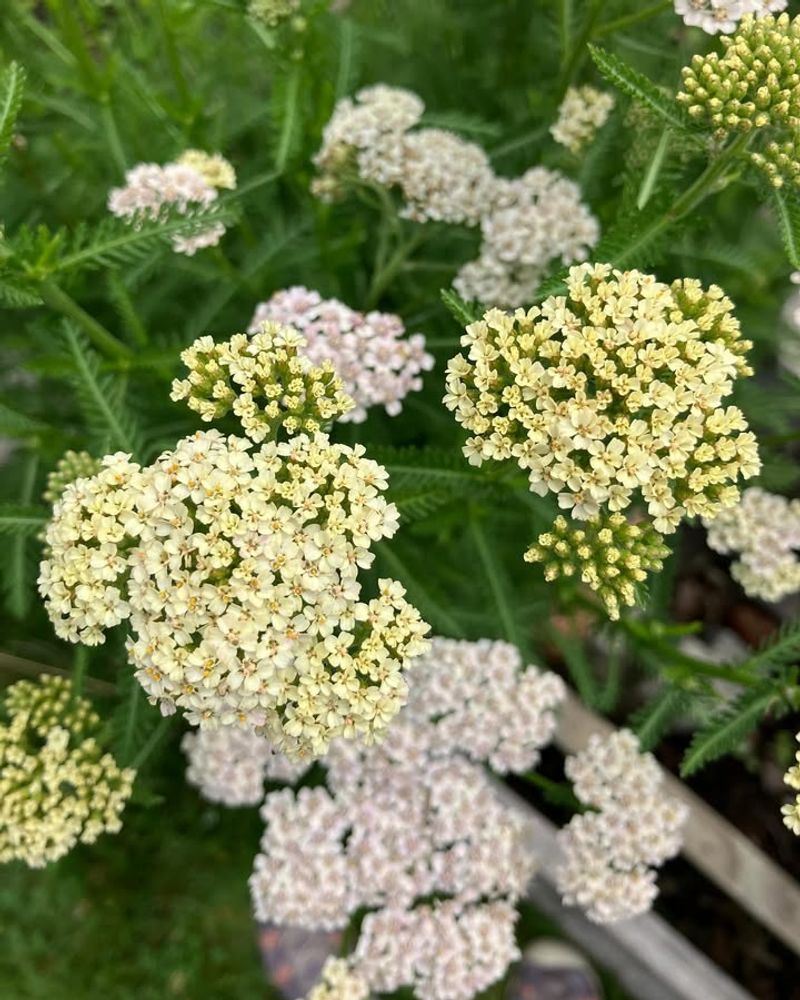
Most flowering plants look great for a few weeks and then fade into the background, but yarrow keeps contributing to your garden’s appearance from spring through winter.
The feathery, fern-like foliage emerges early in spring, adding soft texture when many plants are just waking up.
This attractive greenery alone would make yarrow worth growing, but the flowers that follow are just a bonus.
Summer brings those gorgeous flower clusters that last for months, providing constant color and pollinator activity.
As flowers fade in fall, they develop interesting seed heads that catch frost and look beautiful in the low autumn light.
Many Minnesota gardeners leave these seed heads standing through winter because they add structure and visual interest to the snowy landscape.
The dried flower heads also provide food for birds during the colder months.
Goldfinches particularly enjoy perching on the sturdy stems to nibble seeds.
This four-season appeal makes yarrow valuable for gardeners who want their outdoor spaces to look intentional and attractive all year long.
Rather than cutting everything down in fall, you can leave yarrow standing as part of a naturalistic winter garden design.
When spring arrives again, simply trim away the old growth to make room for fresh new foliage emerging from the roots.
8. Thrives In Tough Spots Where Other Plants Struggle
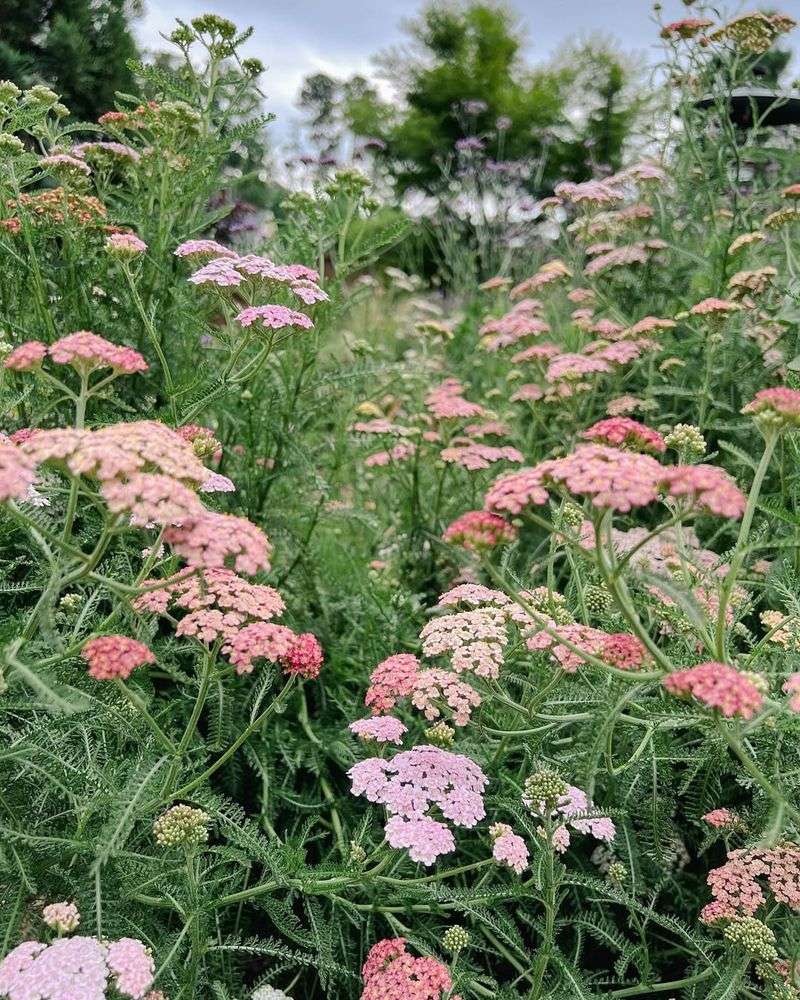
Every Minnesota garden has that one problem area where nothing seems to grow well, whether it’s a dry slope, rocky soil, or a spot that bakes in full sun all afternoon.
Yarrow actually prefers these challenging conditions that send other plants into decline.
The plant evolved in meadows and prairies where life isn’t easy, so your difficult garden spots feel like home.
Clay soil that stays wet in spring but turns rock-hard in summer doesn’t bother yarrow at all.
Sandy soil that drains too quickly for most plants works perfectly for yarrow’s needs.
That hot, sunny hillside where grass won’t grow becomes a showcase for colorful yarrow blooms.
Gardeners throughout Minnesota are using yarrow to solve landscape problems that have frustrated them for years.
The plant’s drought tolerance means you can finally have beauty in those areas far from water sources or hoses.
Yarrow’s deep roots actually help prevent erosion on slopes and banks.
Instead of fighting against your property’s natural conditions, yarrow works with them to create successful plantings.
This adaptability has made yarrow the problem-solver plant that Minnesota gardeners turn to when they need something reliable, beautiful, and tough enough to handle whatever challenges their landscape presents.